

2020-02-06 13:41:48
INTRODUCTION
Indole is an important type of N-heterocyclic aromatic compounds widely spread in the natural environment, such as plant rhizosphere, animal intestinal tracts, orange flower oil and high-temperature coal tar.1,2 A variety of plants, insects and bacteria are able to produce indole and its derivatives, and they have been extensively applied in different industrial fields, includ- ing pesticide, pharmaceutical, dyestuff and perfume industries.3,4 Recently, indole has been recognized as an intercellular signaling molecule, which may play important roles in bacterial physiol- ogy, such as antibiotic resistance, biofilm formation, motility and predator – prey interaction.2,5 However, indole is also considered a toxic and odorous aromatic pollutant, existing in coking and municipal wastewater.6–8 Since high-temperature coal tar contains around 0.2% of indole,1,6 the coking and gasification of coals will inevitably release a certain amount of indole into the wastewater, posing a threat to the environment and public health. Therefore, developing an efficient strategy for treatment of indole-containing wastewater is a necessity, and microbial processes have attracted considerable interest owing to its eco-friendly and cost-effective nature.
Both aerobic and anaerobic microbes are capable of degrading indole in an efficient way. Under anaerobic conditions, the methanogenic, denitrifying and sulfate-reducing microbial communities can oxidize indole to oxindoles, which can be further degraded via isatin and anthranilate.9–11 It was found that Alicycliphilus, Alcaligenes and Thauera were the dominant genera responsible for indole degradation in a denitrifying bioreactor, while Clostridia and Actinobacteria were the main indole-degrading classes in a sulfate-reducing bioreactor.10 Under aerobic conditions, a number of indole-degrading bacterial strains have been isolated and studied, including Alcaligenes,12,13 Pseudomonas,14,15 Acinetobacter,4,16 Cupriavidus,17,18 and Arthrobacter.13,19 Most of these bacterial strains were able to utilize indole as the sole carbon source to grow and degrade indole via indoxyl, isatin and anthranilate.3,12,13,16,17 Meanwhile, Cupriavidus sp. KK10 and Acinetobacter pittii L1 could also degrade indole via the carbocyclic ring cleavage pathway,4,17 and Cupri- avidus sp. SHE proceeded the downstream metabolism of indole via an atypical CoA-thioester pathway.3 Furthermore, the func- tional genes/enzymes responsible for indole degradation or indole oxidation have also been identified and characterized, such as the iif gene cluster from Acinetobacter sp. O153 and Acine- tobacter baumannii ATCC19606,16,20 and the indole oxygenase IndA from Cupriavidus sp. SHE.3 Although extensive research has been conducted on indole biodegradation, the degradation efficiency still remains unsatisfactory, requiring hours to days for different bacterial strains to completely degrade 100 mg L−1 indole.4,14,18 Besides, a variety of metabolites are detected during indole biodegradation, but the related functional genes are less explored, especially for the downstream metabolism.
In our previous study, phenol-stimulated activated sludge was constructed for aerobic treatment of nitrogen-containing organic pollutants, and it maintained high efficiency (>99%) for indole removal during long-term operation (90 days).21 Herein, the activated sludge was used for the screening and isolation of indole-degrading bacterial strains. The indole biodegrada- tion characteristics were investigated and the intermediate metabolites were identified. Whole-genome sequencing was also performed to provide comprehensive genetic information regarding indole biodegradation.
Isolation and identification of indole-degrading bacteria Indole-degrading bacteria were isolated from the activated sludge of sequencing batch reactors (SBRs), which were previously con- structed in the lab for bioremediation of nitrogen-containing organic pollutants.21 Briefly, the activated sludge samples were serially diluted and cultivated on MSM agar plates sup- plemented with 100 mg L−1 indole. After 3 days of incubation, the colonies were picked out and cultured in MSM with 100 mg L−1 indole. After about 1 month of screening and enriching, one colony was isolated and maintained as pure culture, which was designated as JW.
The universal primers were used to amplify the 16S rRNA gene of strain JW, and the amplicons were sequenced by Sangon Biotech Co., Ltd (Shanghai, China). The related sequences were aligned by Clustal X (1.8), and the phylogenetic tree was constructed using neighbor-joining method by MEGA 6.0.
Indole degradation assays by strain JW
To investigate the biodegradation of indole by strain JW, the seed
cultures were inoculated (5%, v/v) into MSM containing 100 mg L−1 indole and incubated with continuous shaking at 30 ∘C for 48 h.
Samples were taken at certain time intervals to measure the concentrations of biomass, residual indole and total organic carbon (TOC). The biodegradation assays were also performed in nitrogen-free MSM with 100 mg L−1 indole as the sole car- bon and nitrogen source, and the nitrogen components were monitored, including ammonia (NH4+-N), nitrate (NO3−-N) and nitrite (NO2−-N). Batch assays were conducted to investigate the effects of substrate concentration (25 – 300 mg L−1) and pH (5.0 – 9.0) on indole degradation by strain JW. All experiments were carried out in triplicate, and the mean values were used for calculation.
Genomic analysis of strain JW
Genomic DNA of strain JW was extracted using the conventional SDS method, and the whole-genome sequencing was conducted on an Illumina HiSeq PE150 platform at Novogene Corporation (Beijing, China). After sequencing, the low-quality reads were filtered, and the clean reads were subjected to SOAP denovo software (http://soap.genomics.org.cn/soapdenovo.html) for the assembly of scaffolds. To functionally analyze the genome of strain JW, the clean sequences were annotated against Clus- ters of Orthologous Groups (COGs), Gene Ontology (GO) and Kyoto Encyclopedia of Genes and Genomes (KEGG) databases, respectively.
Analytical methods
Bacterial growth was determined by measuring the optical density at 660 nm (OD660) using UV– visible spectrophotometer (UH5300, Hitachi, Tokyo, Japan). Residual indole was deter- mined by high-performance liquid chromatography (HPLC) using Agilent 1290 infinity instruments (Agilent Technology, Santa Clara, CA, USA) equipped with a Hypersil ODS2 column, which was conducted as described previously.21 TOC concentrations were measured by Multi N/C 2100 TOC Ana- lyzer (Analytik Jena, Jena, Germany), and nitrogen components (i.e. NO3−-N, NO2−-N and NH4+-N) were determined using stan- dard laboratory methods. In brief, NH4+-N concentration was determined by Nessler’s reagent spectrophotometry, NO2−-N con- centration was obtained by N-(1-naphthalene)-diaminoethane photometry, and NO3−-N concentration was measured by the phenol disulfonic acid method.
To analyze the intermediates during indole biodegradation, samples at different reaction times were subjected to absorbance scanning by the UV-visible spectrophotometer. Furthermore, the samples were acidified, extracted by ethyl acetate, and then analyzed by liquid chromatography coupled to Q-Exactive high resolution mass spectrometry (LC-Q-Exactive MS, Thermo Fisher Scientific, Waltham, MA, USA) equipped with a standard electrospray ionization (ESI) source in negative ion mode.
Accession number
The 16S rRNA gene sequence of strain JW has been deposited at GenBank under accession number MH185836. The Whole Genome Shotgun project has been deposited at DDBJ/ENA/GenBank under the accession QUZJ00000000, and the version described in this paper is version QUZJ01000000.
RESULTS AND DISCUSSION
Isolation and identification of strain JW
In our previous study, the SBRs showed good capacity for removal of nitrogen-containing organic pollutants (indole, pyridine and quinoline), and the indigenous bacterial communities played key roles in pollutants removal.21 Herein, an efficient indole-degrading strain, designated as JW, was isolated from the activated sludge of SBRs. According to 16S rRNA gene sequence analysis, strain JW showed 99% similarity to multiple Acinetobacter spp. strains (Fig. 1). Thus, it was identified as Acinetobacter sp. (GenBank accession number: MH185836). As reported previously, various Acinetobacter spp. showed the capability for degradation of natural and xenobiotic pollutants. For instance, Acinetobacter sp. strain AQ5NOL1, W-17, BS8Y and PD12 were efficient phenol-degraders,23 – 26 and Acinetobacter sp. strain O153 could degrade indole mediated by iif and ant gene clusters.16 The phenol-degrading strains Acinetobacter sp. PP-2 and ST-550 were also able to transform indole to indigo, one of the oldest dyestuffs used worldwide.27,28 In this study, Acinetobacter sp. JW was grown on indole as the sole carbon source but not on pyridine and quinoline (Table S1). Besides, it was also able to metabolize various aromatic compounds, including phenol, isatin, salicylate, catechol, benzoate and gentisate (Table S1).
Indole biodegradation characteristics of strain JW
The capacity of indole biodegradation by strain JW was inves- tigated as shown in Fig. 2. When utilizing 100 mg L−1 indole as the sole carbon source in MSM (Fig. 2(a)), the biomass of strain JW (OD 660) increased quickly after a short lag phase, accompanied by the decrease of indole. Indole could be almost com- pletely removed within 20 h, and the bacterial growth reached stationary phase after 24 h. During indole biodegradation, it was observed that the reaction mixture turned light yellow from col- orless and some blue bubbles were floating on the surface, which results from the degradation intermediates. Simultaneously, TOC decreased gradually throughout the biodegradation process, and approximately 46% of initial TOC was removed in 48 h. In pre- vious studies, the enrichment culture containing Pseudomonas aeruginosa Gs required 36 h to completely degrade 1 mmol L-1 indole (∼117 mg L−1),15 while the endophytic fungus Phomop- sis liquidambari could also decompose 99% of 100 mg L−1 indole within 36 h when exogenously supplied with plant litter.29 By con- trast, the indole-degrading strains Cupriavidus sp. SHE, Acinetobac- ter pittii L1 and Alcaligenes sp. B5 were more efficient, and they could remove 100 mg L−1 indole within 24 h.4,13,18 Compared with those strains, Acinetobacter sp. JW exhibited good capability for indole biodegradation.
Strain JW showed a similar performance when utilizing indole as the sole carbon and nitrogen source (Fig. S2), and the nitro- gen components were monitored during indole biodegradation in nitrogen-free MSM (Fig. 2(b)). NH4+-N was generated and increased with the decrease of TOC. The concentration of NH4+-N reached a maximum at 42 h (∼6.99 mg L−1) and then decreased a litle at 48 h. Since ∼46% of TOC was removed during indole biodegradation, the maximum theoretical yield of NH4+-N was roughly 7.0 mg L−1, which was in accordance with the observa- tion. NO3−-N was also detected within 12 h (∼2.40 mg L−1) and decreased to 0.12 mg L−1 after 18 h, but NO2−-N was almost unde- tectable (<0.01 mg L−1) throughout the biodegradation process.
NO3−-N could be generated from NH4+-N, suggesting strain JW could have a nitrification potential.30 The results indicated that the organic nitrogen from indole was apparently transformed by strain JW to NH4+-N, and the later was partially converted to NO3−-N or intracellular substances. Previous study revealed that the indole-degrading bacterial strain Acinetobacter pittii L1 was also able to convert indole-N to NH4+-N and NO3−-N.4
Indole could serve as the carbon and nitrogen source for the growth of bacterial strains, but high concentrations of indole also exhibited toxic effects on microbes.14,17 The capability of indole biodegradation by strain JW was evaluated using different initial indole concentrations in the range 25 – 300 mg L−1 (Fig. 2(c) and (d)). It was shown that 25 – 200 mg L−1 indole was suitable for bacterial growth, but strain JW was unable to grow on 300 mg L−1 indole. With the initial concentration of indole increasing from 25 to 200 mg L−1, it required longer induction time to reach the pseudo-linear degradation period, and the time for complete degradation of indole was extended from 16 to 54 h. The specific degradation rate increased versus initial indole concentration (3.2 – 3.8 mg L−1 h−1), reached a maximum at 100 mg L−1 (∼9.3 mg L−1 h−1), and then decreased at higher con- centrations (6.2–6.0 mg L−1 h−1).
The pH of media greatly affected the strain growth and indole biodegradation (Fig. 2(e) and (f )). The neutral condition (pH 7.0) was preferable for strain JW, leading to the highest biomass and fastest specific degradation rate. Under weak acid (pH 6.0) or weak alkaline (pH 8.0) conditions, the bacterial growth and indole biodegradation was inhibited to a certain extent, but indole could still be completely degraded within 24 h. When the pH of media was changed to below 5.0 or above 9.0, strain JW could barely grow. Similarly, Cupriavidus sp. SHE was able to degrade indole (>90%) within 48 h over a wide range of pH (4.0 – 8.0),18 while Acinetobacter pittii L1 presented high efficiency for indole biodegradation within 36 h at pH 6.0 – 8.0.4
Metabolites analysis of indole biodegradation
The metabolites of indole by Acinetobacter sp. JW were succes- sively analyzed by UV-visible spectroscopy and LC-Q-Exactive MS. According to the UV-visible spectra (Fig. S3), the absorption peak at around 270 nm, corresponding to indole, had no signif- icant change in 12 h, but then decreased rapidly. Meanwhile, a distinct absorption peak at around 370 nm appeared after 24 h and remained stable to 36 h, which could result from the yellow intermediates. Based on LC-Q-Exactive MS analysis (Fig. S4), five possible metabolites were detected. Through comparison with standard compounds and the mass spectrogram database, the metabolites were identified as isatin with m/z 146.02347 (M-H−, C8H5NO2), anthranilate with m/z 136.03903 (M-H−, C7H7NO2), salicylate with m/z 137.02306 (M-H−, C7H6O3), catechol with m/z 109.02808 (M-H−, C6H6O2), and indigo with m/z 261.06711 (M-H−, C16H10N2O2). Metabolites analysis suggested that the possible pathways for indole biodegradation by strain JW should be indole→ (indoxyl) → isatin → anthranilate → salicylate → catechol → further degradation, which was similar to that of a Gram-negative bacterium.31 Isatin and anthranilate were the two key inter- mediates found in both aerobic and anaerobic degradation of indole,16,17 and indigo was a common blue by-product detected in aerobic degradation process.
Genomic analysis of Acinetobacter sp. JW
The genomic sequencing of Acinetobacter sp. JW was performed using an Illumina HiSeq sequencer (Table 1), and 4 056 561 bp clean sequences with a GC content of 38.5% were obtained, which were assembled into 36 contigs. Genome annotation revealed a total of 3842 candidate protein-coding sequences (CDSs), covering 86.7% of total sequences. Approximately 3295, 2582 and 1746 genes were annotated against the COGs, GO and KEGG databases, respectively, and there were 63 tRNA, 5 rRNA and 1 sRNA identified in the genome of strain JW.
Twenty-three functional classes were revealed by genome func- tional annotation of strain JW against the COGs database (Fig. 3(a)). The COGs associated with general function prediction only (COG category R), transcription (COG category K) and amino acid trans- port and metabolism (COG category E) were predominant in strain JW, which represented 9.83%, 9.04% and 8.92% of the COGs cate- gories. GO analysis suggested that the biological process related genes (gene number: 5326) were the most abundant in strain JW, followed by molecular function (gene number: 3071) and cellular component (gene number: 2172) (Fig. 3(b)). Among the sub-functions annotated by GO analysis, metabolic process (gene number: 1477) and cellular process (gene number: 1392) were dominant in biological process category, while catalytic activity (gene number: 1332) and binding (gene number: 1133) were the core functions in molecular function category, cell (gene num- ber: 828) and cell part (gene number: 828) in cellular component category. According to the KEGG database (Fig. 3(c)), the genome of strain JW contained a variety of functional genes related to metabolism, including amino acid metabolism (gene number: 231), carbohydrate metabolism (gene number: 170), metabolism of cofactors and vitamins (gene number: 149), energy metabolism (gene number: 131), lipid metabolism (gene number: 88) and nucleotide metabolism (gene number: 87). Ninety-five genes were annotated for biodegradation and metabolism of xenobiotics like benzoate, chlorobenzene, fluorobenzoate, nitrotoluene, phenol and toluene, implying that strain JW held the promise of appli- cation in aromatics bioremediation and wastewater treatment. Moreover, strain JW showed potential resistance to different drugs, such as beta-lactam (gene number: 19), platinum-based drugs (gene number: 13) and cationic antimicrobial peptide (CAMP) (gene number: 11). Quorum sensing (QS) related genes (gene number: 37) were also abundant in strain JW. Since indole was considered a typical QS signal, it could participate in regula- tion and control of certain bacterial physiology when strain JW was incubated with indole, e.g. biofilm formation and antibiotic tolerance.2,5,32
Indole biodegradation pathway and related functional genes of Acinetobacter sp. JW
To illustrate the metabolic pathways for indole biodegradation by Acinetobacter sp. JW, a comprehensive analysis was performed combining metabolites identification, genomic profiles and litera- ture comparisons (Fig. 4, Table S2). The indole degradation iif gene cluster was found in the genome of strain JW, which showed high similarity to that of Acinetobacter baumannii ATCC19606 (97 – 98%) and Acinetobacter sp. O153 (79 – 85%) (Fig. S5). Thus, indole could be first catalyzed by IifCD to form indole-2,3-dihydrodiol or indoxyl, extremely unstable intermediates, and the latter was subsequently converted to isatin (MW 147) and anthranilate (MW 137) catalyzed by IifB and IifA, respectively.16 It has been proved that the IifC, also known as indole oxygenase IndA in Cupriavidus sp. SHE, was able to oxidize indole to form indigo (MW 262), which should result from the spontaneous dimerization of indoxyl.3,16,20 The indole-3-acetate monooxygenase (IacA) identified in strain JW was also considered as an indole oxygenase, which could convert indole into indigo.20,33 Unlike the indole-degrading strain Acine- tobacter sp. O153 and Cupriavidus sp. SHE, the complete gene cluster encoding multicomponent phenol hydroxylase (dmp- KLMNOP) was observed in strain JW, perhaps providing another avenue for the oxidation of indole. Previous studies indicated that the multicomponent phenol hydroxylase could attack at C-3 position of indoles to produce indoxyls, leading to the formation of indigoids.34 – 36
The degradation of anthranilate by strain JW could pro- ceed via two pathways: (i) directly catalyzed by anthranilate 1,2-dioxygenase (AntABC) to form catechol (MW 110);37 and (ii) successively converted to salicylate (MW 138) and catechol (MW 110). Salicylate was identified as the product derived from the deamination of anthranilate in several indole-degrading bacterial strains, but the related functional enzymes were still not clear.17,31 As for the metabolism of salicylate to catechol, the salicylate hydroxylase (SH) could be the key enzyme,38 and anthranilate 1,2-dioxygenase (AntABC) might also play a role.37 Though the downstream products of catechol were not detected, the asso- ciated functional genes were present in the genome of strain JW. The cat gene cluster encoding catechol 1,2-dioxygenase (catA), cis,cis-muconate cycloisomerase (catB) and muconolactone isomerase (catC) could be responsible for the ortho-cleavage of catechol to 3-oxoadipate enol-lactone.39 Then, the pca gene cluster, mainly pcaD (3-oxoadipate enol-lactonase) and pcaIJ (3-oxoadipate CoA-transferase), catalyzed the following steps to form 3-oxoadipyl CoA.40 The pcaF (3-oxoadipyl CoA thiolase) was absent in strain JW, thus fadA (acetyl-CoA acyltransferase) should take the place to convert 3-oxoadipyl CoA to acetyl-CoA, which ended up in the citrate cycle (TCA cycle).
Strain JW also contained abundant functional genes involved in nitrogen metabolism, such as narK (nitrate/nitrite transporter), nasA (assimilatory nitrate reductase catalytic subunit) and nirB (nitrite reductase (NADH) large subunit), which could participate in assimilatory or dissimilatory nitrate reduction.41 However, the nitrification related genes were not detected. Acinetobacter spp. was reported to be a well-known heterotrophic nitrifier, which was able to achieve simultaneous nitrification and denitrification under aerobic conditions.30,42 Thus, the nitrification ability of strain JW needed further verification.
CONCLUSIONS
In summary, an efficient indole-degrading bacterial strain JW affil- iated with Acinetobacter sp. was isolated, and the indole degra- dation capacity was characterized. Strain JW could completely degrade 25 – 200 mg L−1 within 16 – 54 h, and the appropriate pH for indole biodegradation was 6.0 – 8.0. The metabolites during indole biodegradation were identified by LC-Q-Exactive MS, and the associated key genes were revealed by genome sequencing analysis. The genomic analysis also suggested that strain JW had the potential for aromatic pollutants bioremediation and wastew- ater treatment. This study should provide a promising biological resource and useful genetic information on microbial degradation of indole.
ACKNOWLEDGEMENTS
This work was supported by National Natural Science Foundation of China (No. 51508068), and the Fundamental Research Funds for the Central Universities (No. DUT16RC(3)118).
Supporting Information
Supporting information may be found in the online version of this article.
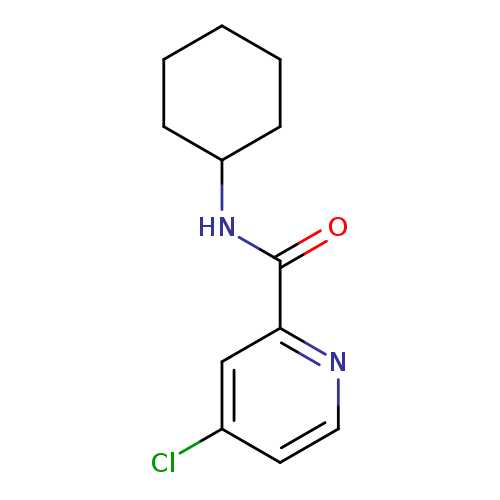
N-Cyclohexyl 4-chloropicolinamideCatalog No.:AA0082D0 CAS No.:1094332-66-7 MDL No.:MFCD11177041 MF:C12H15ClN2O MW:238.7133 |
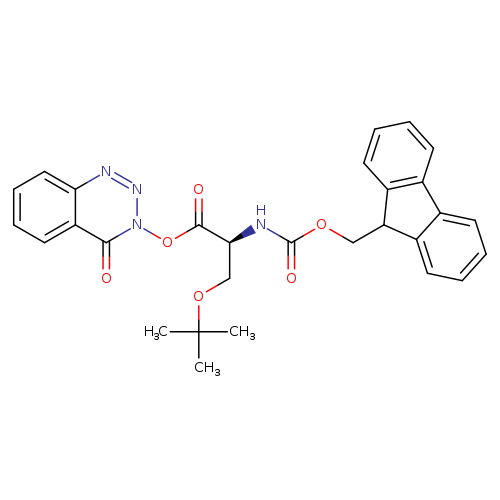
Fmoc-Ser(Tbu)-OdhbtCatalog No.:AA008RGL CAS No.:109434-27-7 MDL No.:MFCD00133600 MF:C29H28N4O6 MW:528.5558 |
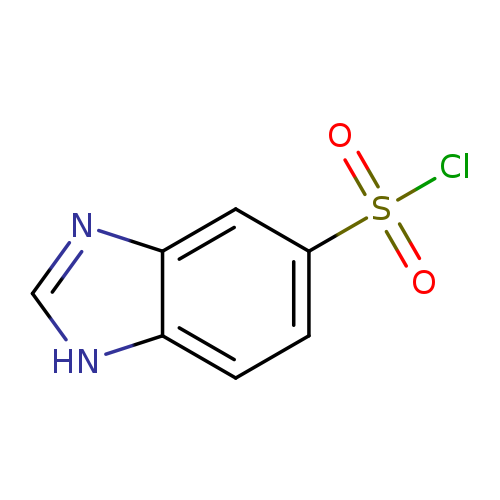
1H-Benzimidazole-6-sulfonyl chlorideCatalog No.:AA008VB6 CAS No.:1094350-38-5 MDL No.:MFCD11207482 MF:C7H5ClN2O2S MW:216.6448 |
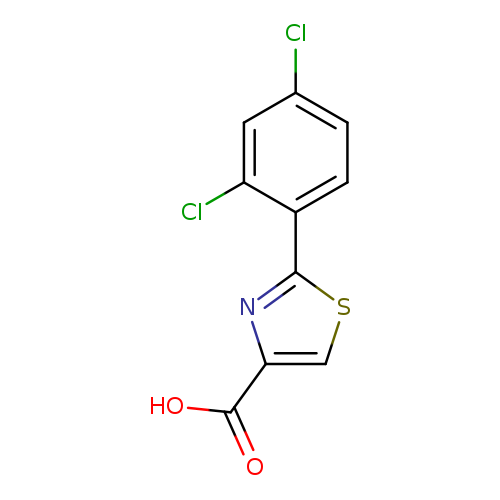
2-(2,4-Dichlorophenyl)thiazole-4-carboxylic acidCatalog No.:AA0091ZE CAS No.:1094355-53-9 MDL No.:MFCD07376332 MF:C10H5Cl2NO2S MW:274.1232 |
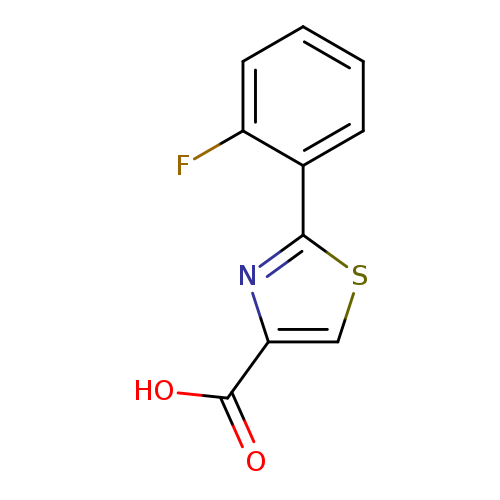
2-(2-Fluorophenyl)thiazole-4-carboxylic acidCatalog No.:AA00921W CAS No.:1094373-86-0 MDL No.:MFCD07376366 MF:C10H6FNO2S MW:223.2235 |
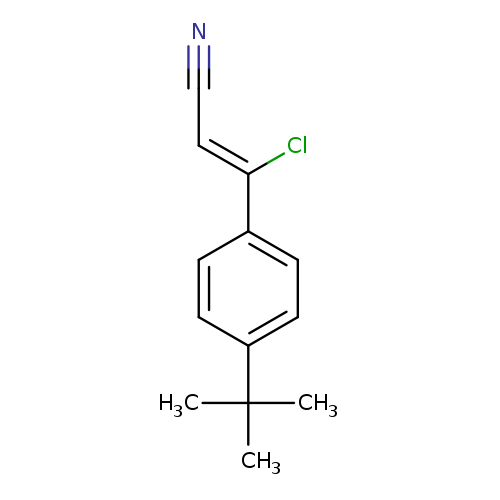
(2Z)-3-(4-tert-Butylphenyl)-3-chloroprop-2-enenitrileCatalog No.:AA00948F CAS No.:1094390-36-9 MDL No.:MFCD11207895 MF:C13H14ClN MW:219.7100 |
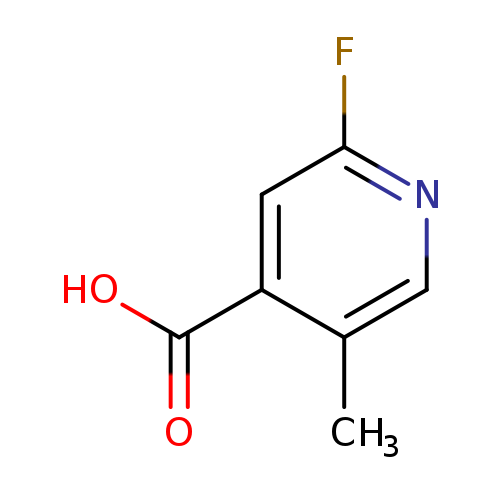
2-fluoro-5-methylpyridine-4-carboxylic acidCatalog No.:AA00954Z CAS No.:1094345-91-1 MDL No.:MFCD16611273 MF:C7H6FNO2 MW:155.1264 |
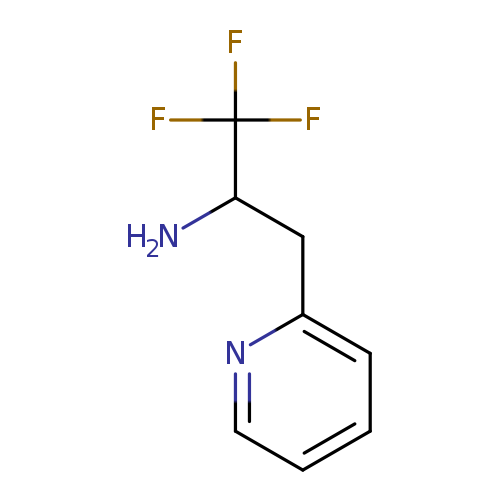
1,1,1-Trifluoro-3-(pyridin-2-yl)propan-2-amineCatalog No.:AA00HBEQ CAS No.:1094372-75-4 MDL No.:MFCD11178764 MF:C8H9F3N2 MW:190.1657 |
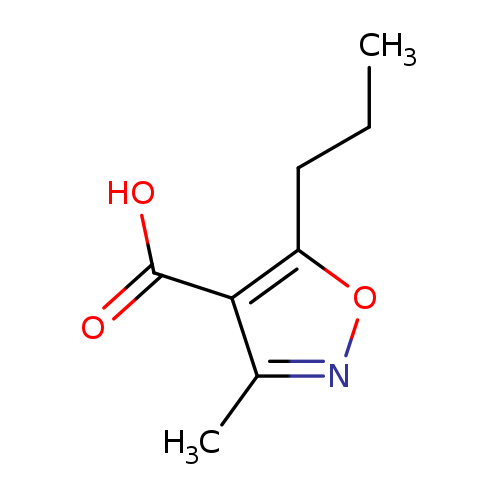
3-methyl-5-propyl-1,2-oxazole-4-carboxylic acidCatalog No.:AA00HBEW CAS No.:1094382-34-9 MDL No.:MFCD11182405 MF:C8H11NO3 MW:169.1778 |
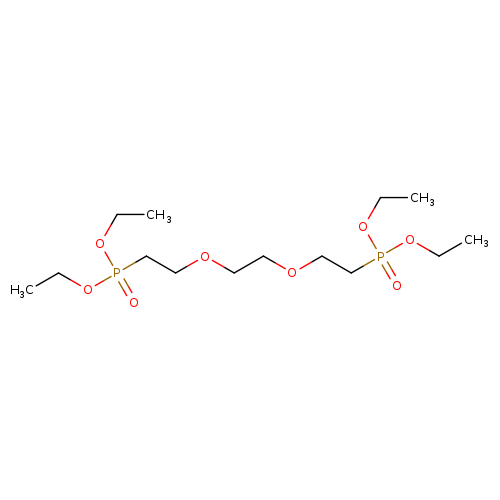
(2-[2-[2-(DIethoxy-phosphoryl)-ethoxy]-ethoxy]-ethyl)-phosphonic acid diethyl esterCatalog No.:AA00HBEV CAS No.:109438-35-9 MDL No.:MFCD24539473 MF:C14H32O8P2 MW:390.3466 |
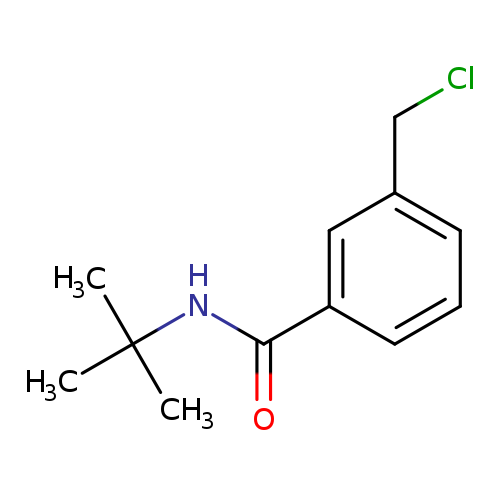
N-tert-Butyl-3-(chloromethyl)benzamideCatalog No.:AA00HBEP CAS No.:1094362-66-9 MDL No.:MFCD11208349 MF:C12H16ClNO MW:225.7145 |
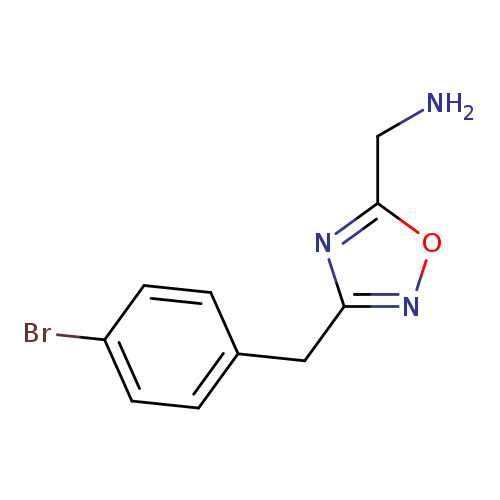
[3-(4-Bromobenzyl)-1,2,4-oxadiazol-5-yl]methanamineCatalog No.:AA00HBEO CAS No.:1094351-79-7 MDL No.:MFCD11205871 MF:C10H10BrN3O MW:268.1099 |
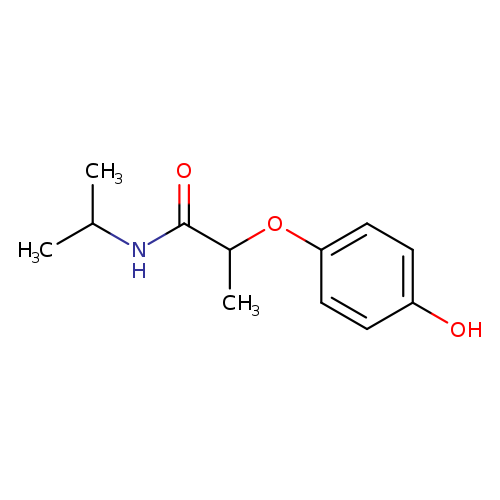
2-(4-Hydroxyphenoxy)-N-(propan-2-yl)propanamideCatalog No.:AA00IOGV CAS No.:1094370-49-6 MDL No.:MFCD11181693 MF:C12H17NO3 MW:223.2683 |
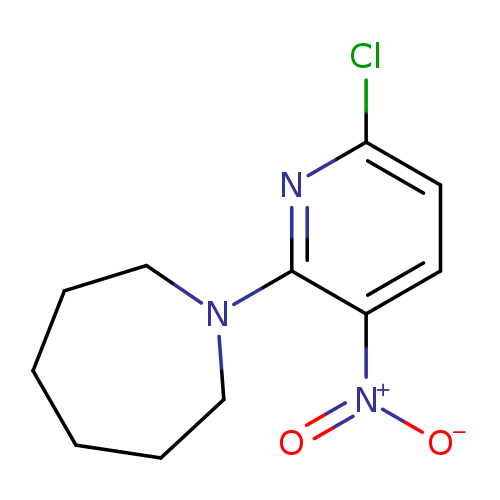
1-(6-chloro-3-nitropyridin-2-yl)azepaneCatalog No.:AA00IURL CAS No.:1094400-01-7 MDL No.:MFCD11206177 MF:C11H14ClN3O2 MW:255.7008 |
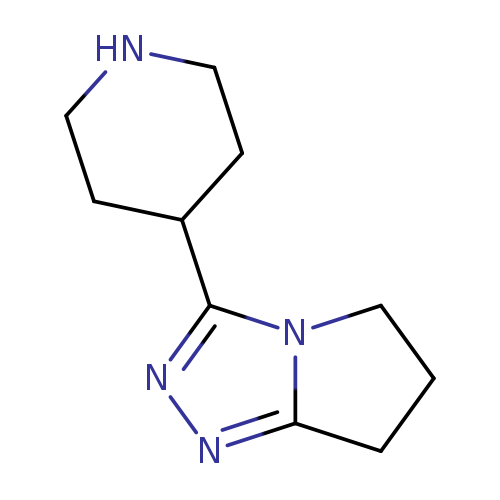
4-{5H,6H,7H-pyrrolo[2,1-c][1,2,4]triazol-3-yl}piperidineCatalog No.:AA017F5A CAS No.:1094346-29-8 MDL No.:MFCD11181277 MF:C10H16N4 MW:192.2608 |
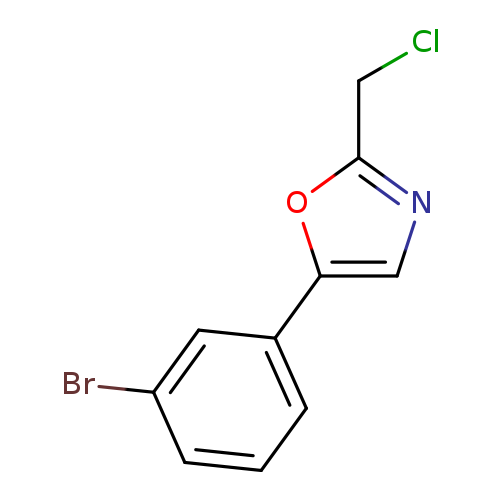
5-(3-bromophenyl)-2-(chloromethyl)-1,3-oxazoleCatalog No.:AA018RVJ CAS No.:1094382-35-0 MDL No.:MFCD09835618 MF:C10H7BrClNO MW:272.5257 |
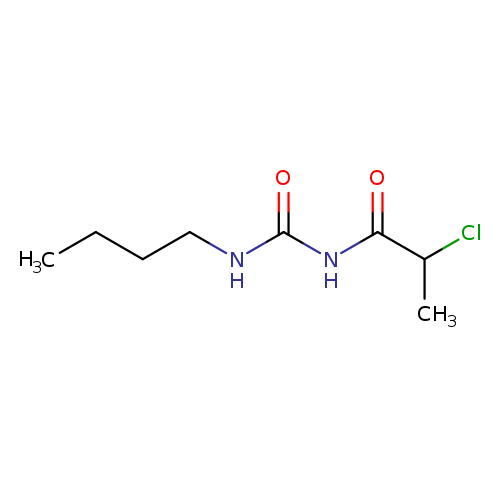
1-butyl-3-(2-chloropropanoyl)ureaCatalog No.:AA019KXJ CAS No.:1094363-63-9 MDL No.:MFCD11185277 MF:C8H15ClN2O2 MW:206.6699 |
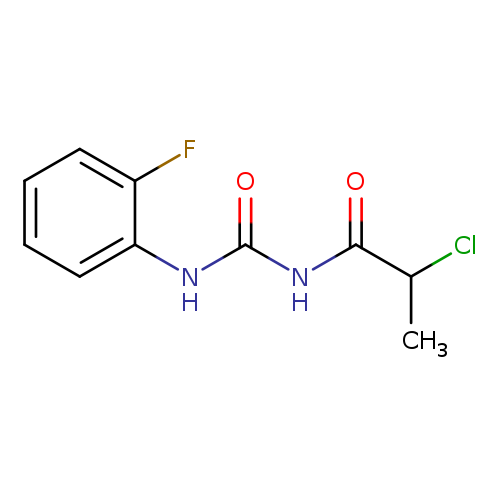
3-(2-chloropropanoyl)-1-(2-fluorophenyl)ureaCatalog No.:AA019KXL CAS No.:1094363-64-0 MDL No.:MFCD11185281 MF:C10H10ClFN2O2 MW:244.6500 |
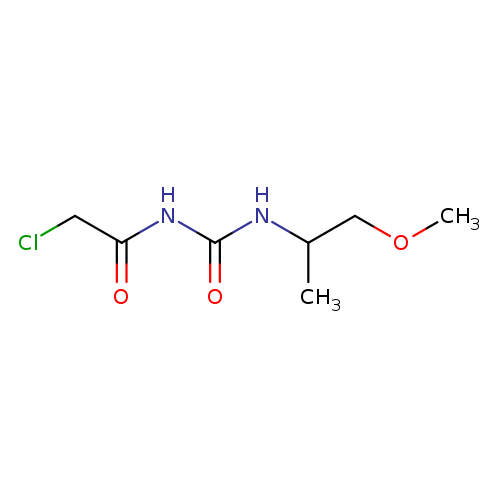
3-(2-chloroacetyl)-1-(1-methoxypropan-2-yl)ureaCatalog No.:AA019P4Z CAS No.:1094363-52-6 MDL No.:MFCD11185242 MF:C7H13ClN2O3 MW:208.6427 |
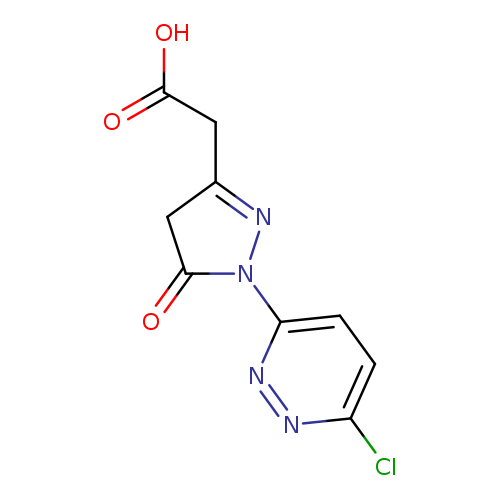
2-[1-(6-chloropyridazin-3-yl)-5-oxo-4,5-dihydro-1H-pyrazol-3-yl]acetic acidCatalog No.:AA019S1M CAS No.:1094331-75-5 MDL No.:MFCD11133564 MF:C9H7ClN4O3 MW:254.6299 |
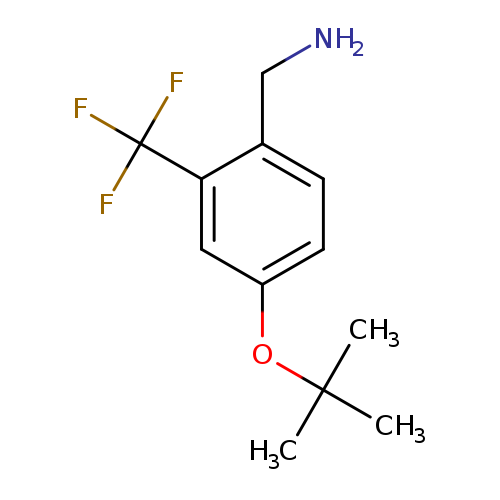
[4-(tert-butoxy)-2-(trifluoromethyl)phenyl]methanamineCatalog No.:AA019SOW CAS No.:1094335-43-9 MDL No.:MFCD11178523 MF:C12H16F3NO MW:247.2567 |
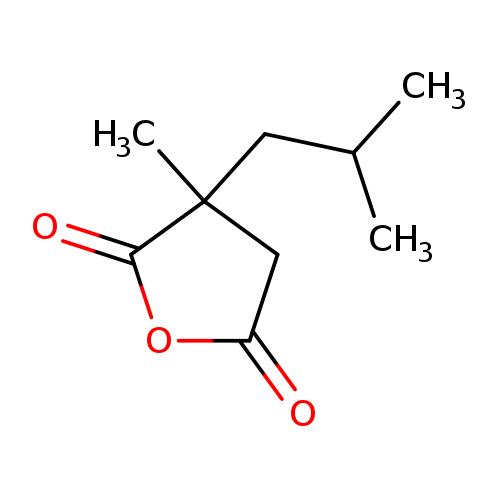
3-Methyl-3-(2-methylpropyl)oxolane-2,5-dioneCatalog No.:AA019T5R CAS No.:1094403-53-8 MDL No.:MFCD11134325 MF:C9H14O3 MW:170.2057 |
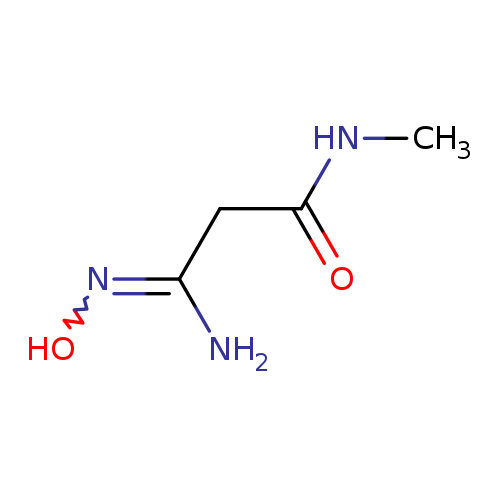
2-(N'-hydroxycarbamimidoyl)-N-methylacetamideCatalog No.:AA019TWU CAS No.:1094362-08-9 MDL No.:MFCD11208226 MF:C4H9N3O2 MW:131.1332 |
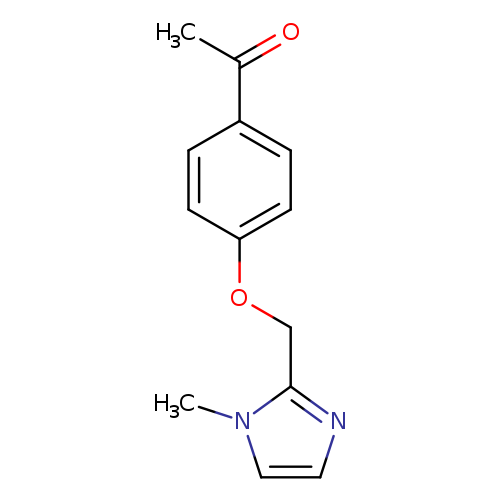
1-{4-[(1-methyl-1H-imidazol-2-yl)methoxy]phenyl}ethan-1-oneCatalog No.:AA019V3F CAS No.:1094382-05-4 MDL No.:MFCD11182282 MF:C13H14N2O2 MW:230.2625 |
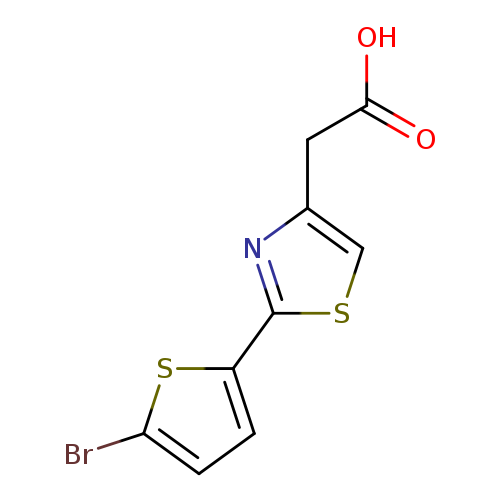
2-[2-(5-bromothiophen-2-yl)-1,3-thiazol-4-yl]acetic acidCatalog No.:AA019VYT CAS No.:1094355-55-1 MDL No.:MFCD11179462 MF:C9H6BrNO2S2 MW:304.1834 |
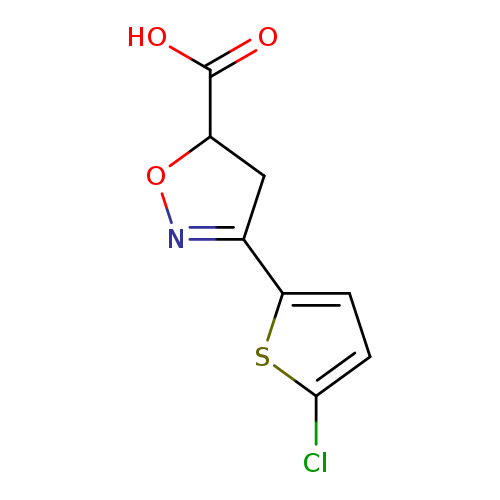
3-(5-chlorothiophen-2-yl)-4,5-dihydro-1,2-oxazole-5-carboxylic acidCatalog No.:AA019W5A CAS No.:1094380-46-7 MDL No.:MFCD11186364 MF:C8H6ClNO3S MW:231.6561 |
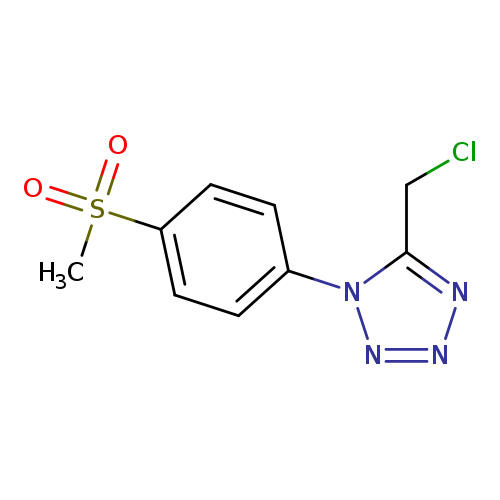
5-(chloromethyl)-1-(4-methanesulfonylphenyl)-1H-1,2,3,4-tetrazoleCatalog No.:AA019WH8 CAS No.:1094333-67-1 MDL No.:MFCD11134271 MF:C9H9ClN4O2S MW:272.7114 |
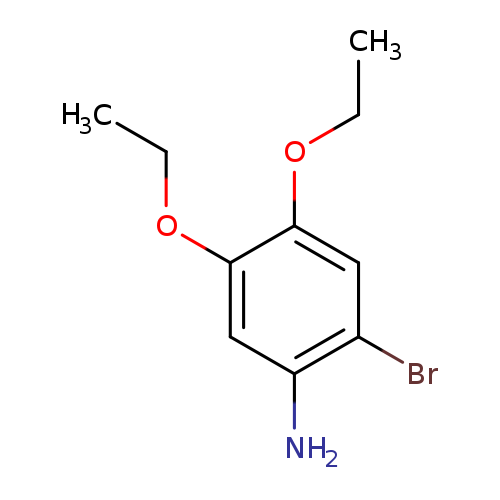
2-bromo-4,5-diethoxyanilineCatalog No.:AA019WL9 CAS No.:1094359-78-0 MDL No.:MFCD11206297 MF:C10H14BrNO2 MW:260.1277 |
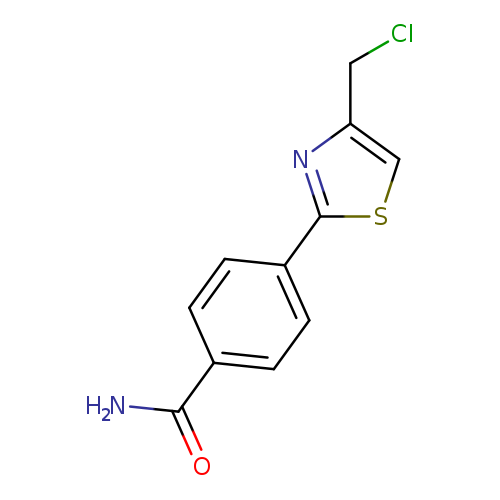
4-[4-(chloromethyl)-1,3-thiazol-2-yl]benzamideCatalog No.:AA019WWS CAS No.:1094402-62-6 MDL No.:MFCD11178146 MF:C11H9ClN2OS MW:252.7200 |
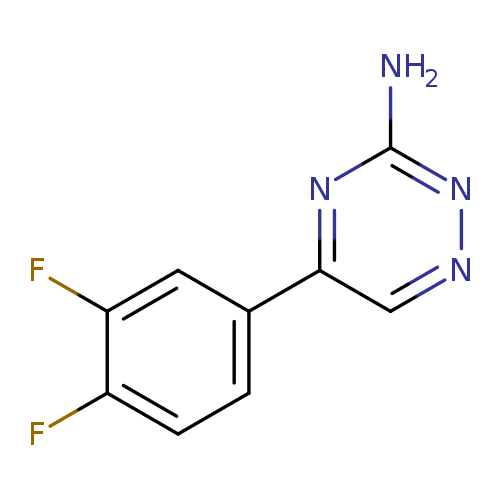
5-(3,4-difluorophenyl)-1,2,4-triazin-3-amineCatalog No.:AA019X52 CAS No.:1094385-30-4 MDL No.:MFCD11134107 MF:C9H6F2N4 MW:208.1675 |
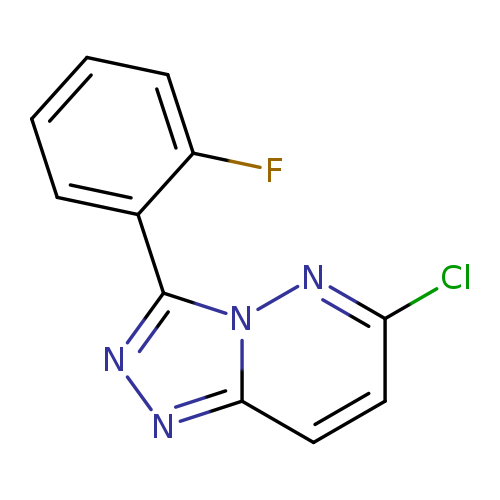
6-chloro-3-(2-fluorophenyl)-[1,2,4]triazolo[4,3-b]pyridazineCatalog No.:AA019X84 CAS No.:1094354-48-9 MDL No.:MFCD11182581 MF:C11H6ClFN4 MW:248.6435 |
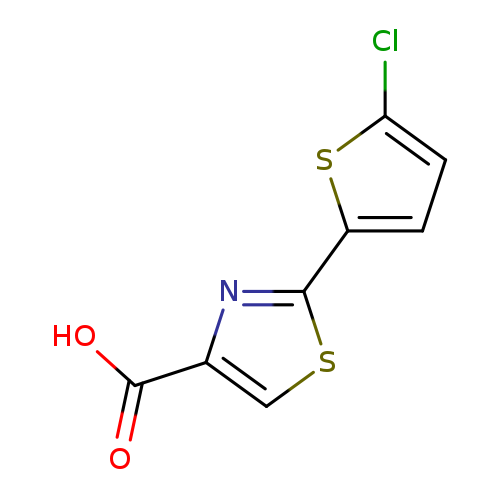
2-(5-chlorothiophen-2-yl)-1,3-thiazole-4-carboxylic acidCatalog No.:AA019XB2 CAS No.:1094355-54-0 MDL No.:MFCD07376390 MF:C8H4ClNO2S2 MW:245.7059 |
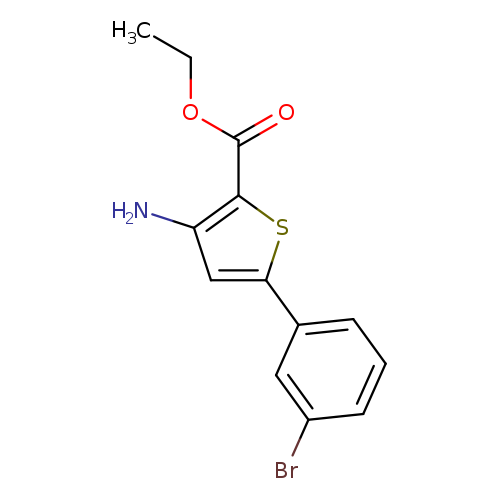
ethyl 3-amino-5-(3-bromophenyl)thiophene-2-carboxylateCatalog No.:AA019XFB CAS No.:1094398-56-7 MDL No.:MFCD09835656 MF:C13H12BrNO2S MW:326.2089 |
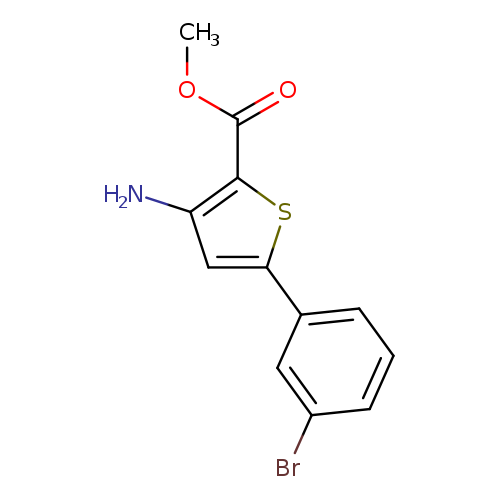
methyl 3-amino-5-(3-bromophenyl)thiophene-2-carboxylateCatalog No.:AA019XL5 CAS No.:1094398-45-4 MDL No.:MFCD11207960 MF:C12H10BrNO2S MW:312.1823 |
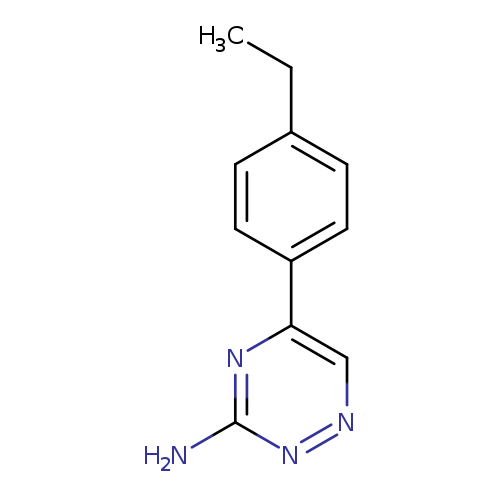
5-(4-ethylphenyl)-1,2,4-triazin-3-amineCatalog No.:AA019Y1K CAS No.:1094385-32-6 MDL No.:MFCD11134114 MF:C11H12N4 MW:200.2398 |
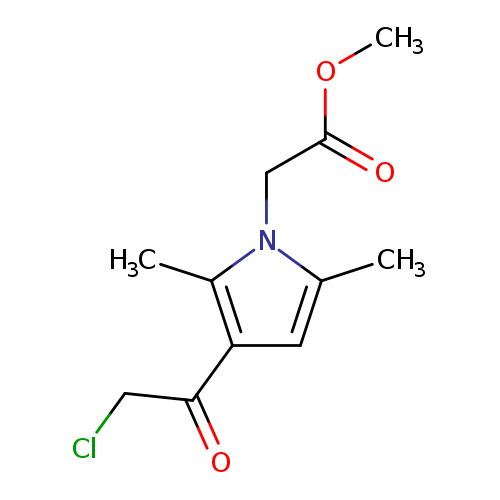
methyl 2-[3-(2-chloroacetyl)-2,5-dimethyl-1H-pyrrol-1-yl]acetateCatalog No.:AA019YNV CAS No.:1094364-33-6 MDL No.:MFCD11185492 MF:C11H14ClNO3 MW:243.6868 |
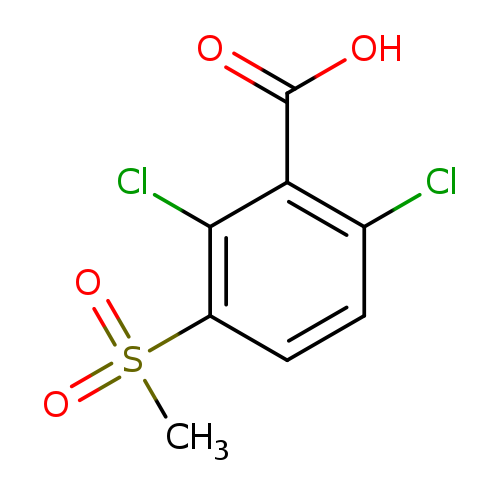
2,6-dichloro-3-methanesulfonylbenzoic acidCatalog No.:AA019ZAD CAS No.:1094404-69-9 MDL No.:MFCD11179846 MF:C8H6Cl2O4S MW:269.1018 |
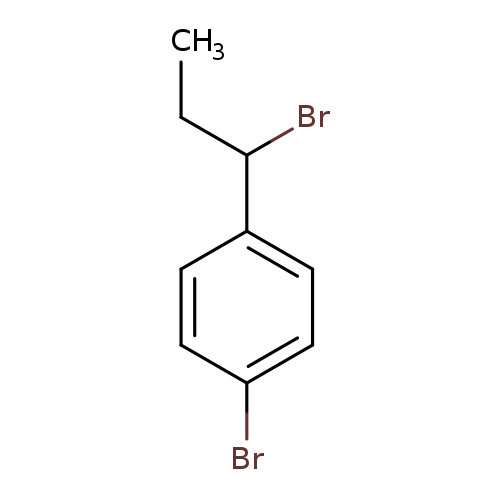
1-bromo-4-(1-bromopropyl)benzeneCatalog No.:AA019ZZU CAS No.:1094335-60-0 MDL No.:MFCD11180331 MF:C9H10Br2 MW:277.9837 |
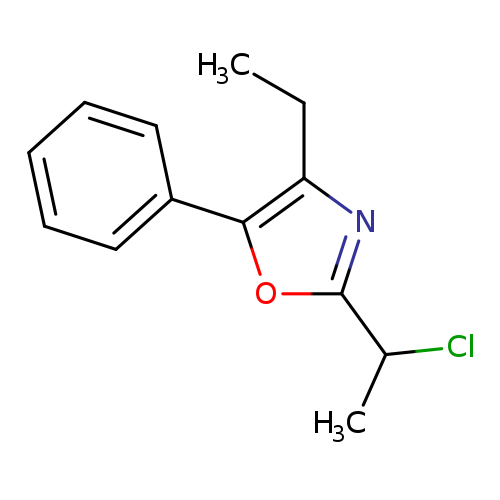
2-(1-chloroethyl)-4-ethyl-5-phenyl-1,3-oxazoleCatalog No.:AA01A01L CAS No.:1094382-58-7 MDL No.:MFCD11182487 MF:C13H14ClNO MW:235.7094 |
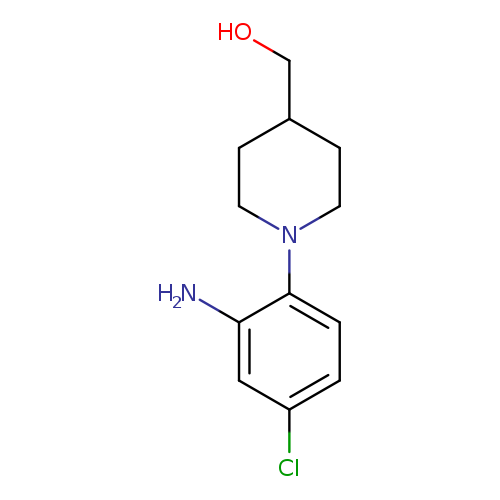
[1-(2-amino-4-chlorophenyl)piperidin-4-yl]methanolCatalog No.:AA01A0CS CAS No.:1094389-23-7 MDL No.:MFCD11133017 MF:C12H17ClN2O MW:240.7292 |
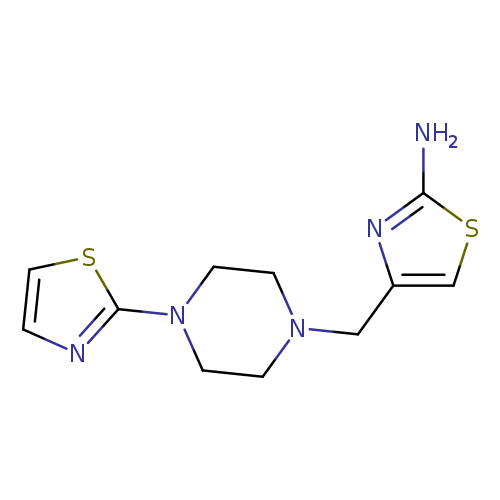
4-{[4-(1,3-thiazol-2-yl)piperazin-1-yl]methyl}-1,3-thiazol-2-amineCatalog No.:AA01A1DI CAS No.:1094359-25-7 MDL No.:MFCD11166503 MF:C11H15N5S2 MW:281.4003 |
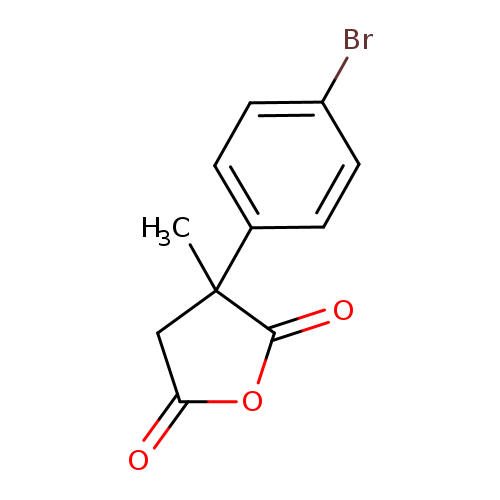
3-(4-bromophenyl)-3-methyloxolane-2,5-dioneCatalog No.:AA01A1H7 CAS No.:1094333-87-5 MDL No.:MFCD11134358 MF:C11H9BrO3 MW:269.0914 |
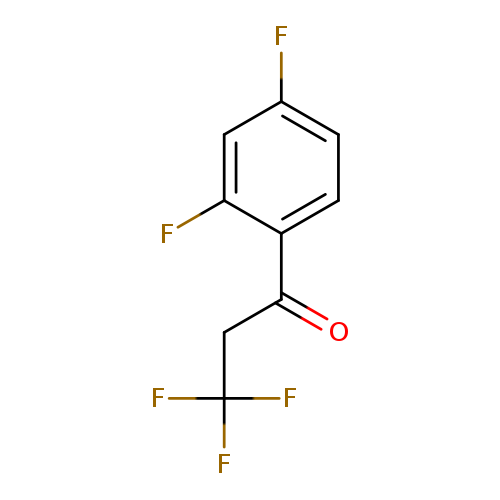
1-(2,4-difluorophenyl)-3,3,3-trifluoropropan-1-oneCatalog No.:AA01A3BZ CAS No.:1094374-10-3 MDL No.:MFCD11210388 MF:C9H5F5O MW:224.1274 |
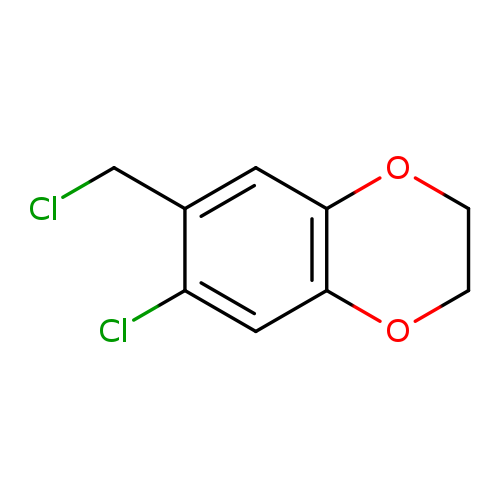
6-chloro-7-(chloromethyl)-2,3-dihydro-1,4-benzodioxineCatalog No.:AA01A3MT CAS No.:1094400-29-9 MDL No.:MFCD11206235 MF:C9H8Cl2O2 MW:219.0646 |
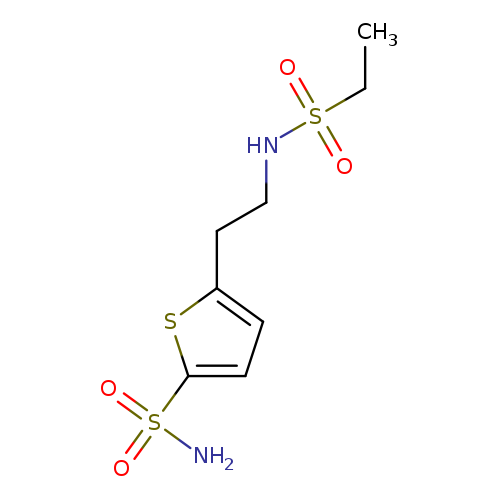
5-(2-ethanesulfonamidoethyl)thiophene-2-sulfonamideCatalog No.:AA01A41O CAS No.:1094332-36-1 MDL No.:MFCD11133732 MF:C8H14N2O4S3 MW:298.4028 |
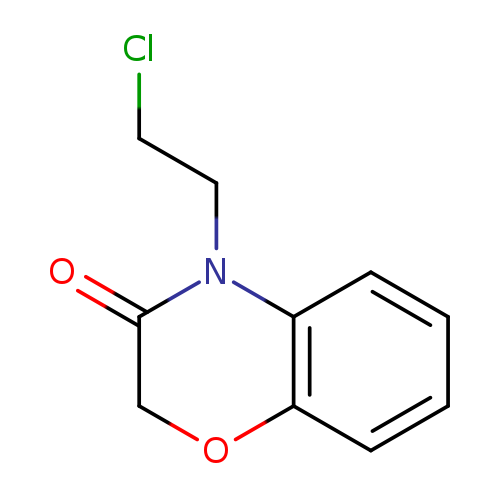
4-(2-chloroethyl)-3,4-dihydro-2H-1,4-benzoxazin-3-oneCatalog No.:AA01A46T CAS No.:1094336-63-6 MDL No.:MFCD11164691 MF:C10H10ClNO2 MW:211.6449 |
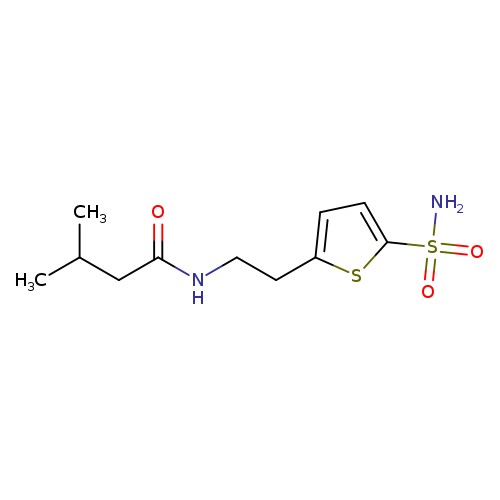
3-methyl-N-[2-(5-sulfamoylthiophen-2-yl)ethyl]butanamideCatalog No.:AA01A4A4 CAS No.:1094361-26-8 MDL No.:MFCD11133616 MF:C11H18N2O3S2 MW:290.4022 |
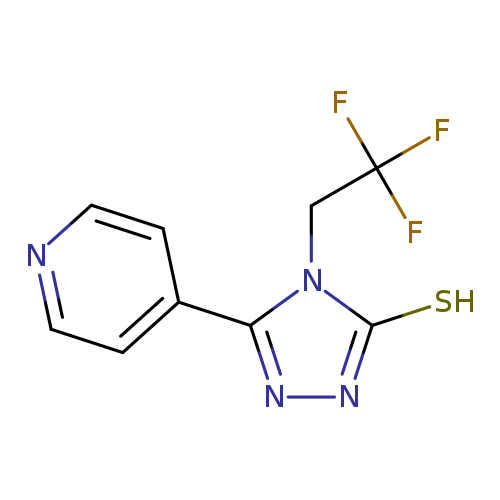
5-(pyridin-4-yl)-4-(2,2,2-trifluoroethyl)-4H-1,2,4-triazole-3-thiolCatalog No.:AA01A7I6 CAS No.:1094377-03-3 MDL No.:MFCD11207291 MF:C9H7F3N4S MW:260.2389 |
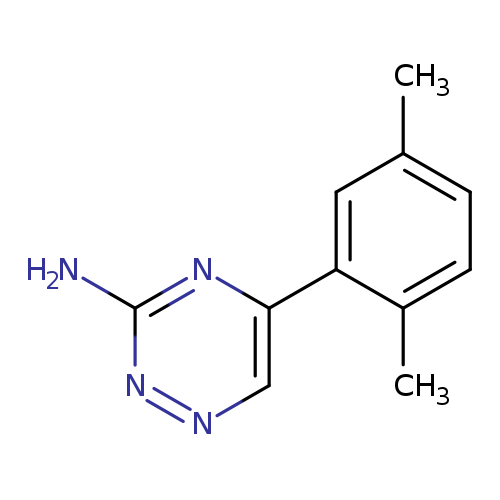
5-(2,5-dimethylphenyl)-1,2,4-triazin-3-amineCatalog No.:AA01A7PN CAS No.:1094385-23-5 MDL No.:MFCD11134076 MF:C11H12N4 MW:200.2398 |
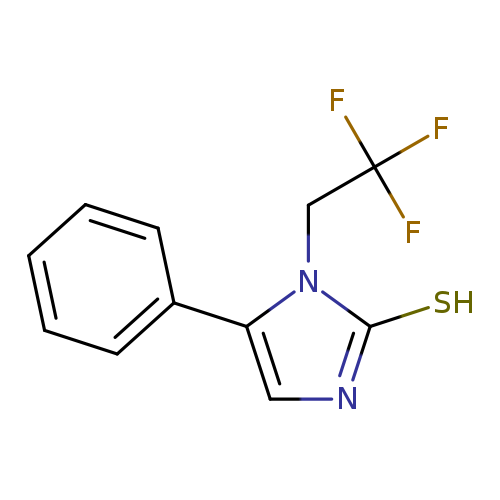
5-phenyl-1-(2,2,2-trifluoroethyl)-1H-imidazole-2-thiolCatalog No.:AA01A84Z CAS No.:1094354-75-2 MDL No.:MFCD11182662 MF:C11H9F3N2S MW:258.2628 |
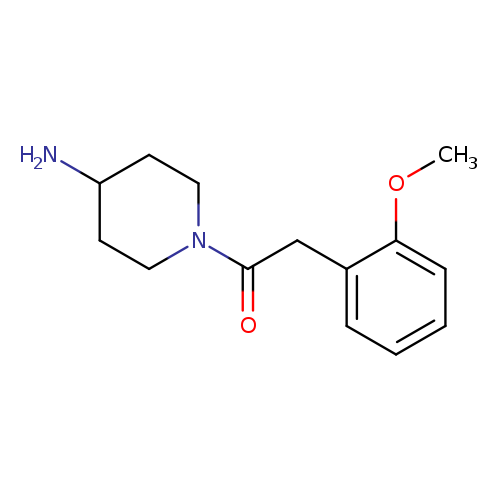
1-(4-aminopiperidin-1-yl)-2-(2-methoxyphenyl)ethan-1-oneCatalog No.:AA01A8CZ CAS No.:1094366-31-0 MDL No.:MFCD11164429 MF:C14H20N2O2 MW:248.3208 |
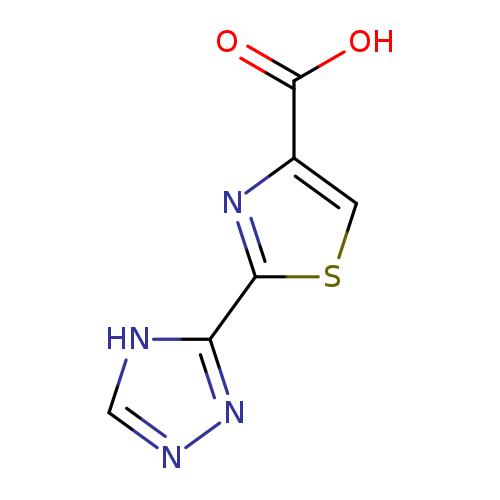
2-(4H-1,2,4-Triazol-3-yl)-1,3-thiazole-4-carboxylic acidCatalog No.:AA01A8XM CAS No.:1094373-88-2 MDL No.:MFCD11180930 MF:C6H4N4O2S MW:196.1866 |
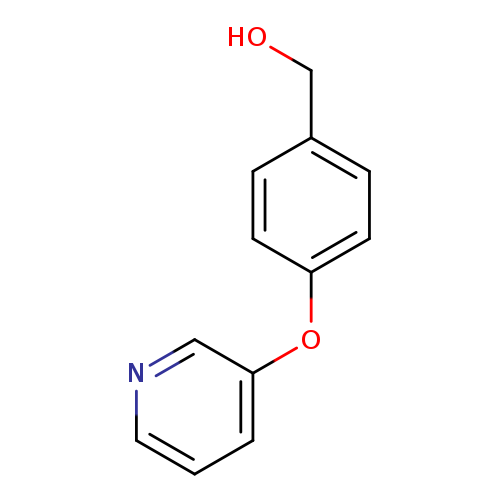
[4-(Pyridin-3-yloxy)phenyl]methanolCatalog No.:AA01A9MJ CAS No.:1094400-75-5 MDL No.:MFCD11182954 MF:C12H11NO2 MW:201.2212 |
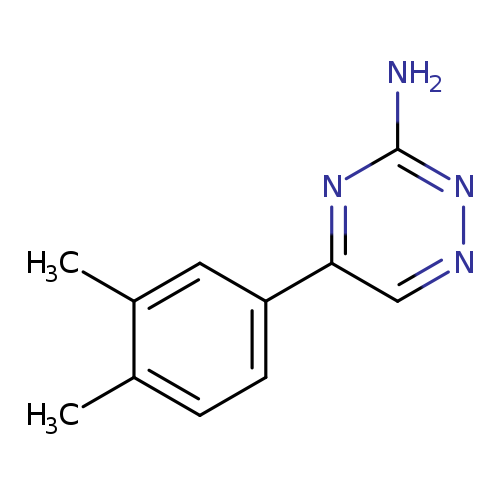
5-(3,4-dimethylphenyl)-1,2,4-triazin-3-amineCatalog No.:AA01A9OL CAS No.:1094385-33-7 MDL No.:MFCD11134121 MF:C11H12N4 MW:200.2398 |
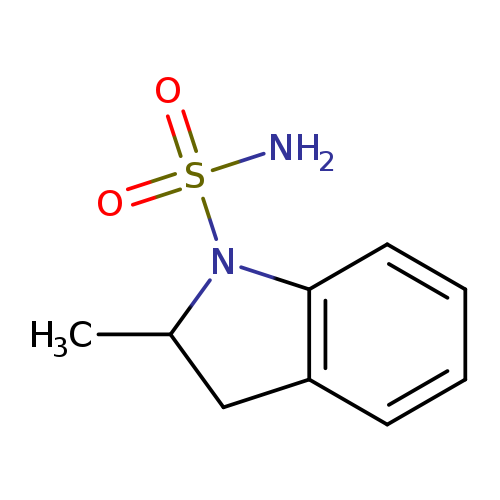
2-methyl-2,3-dihydro-1H-indole-1-sulfonamideCatalog No.:AA01A9QX CAS No.:1094354-29-6 MDL No.:MFCD11205187 MF:C9H12N2O2S MW:212.2688 |
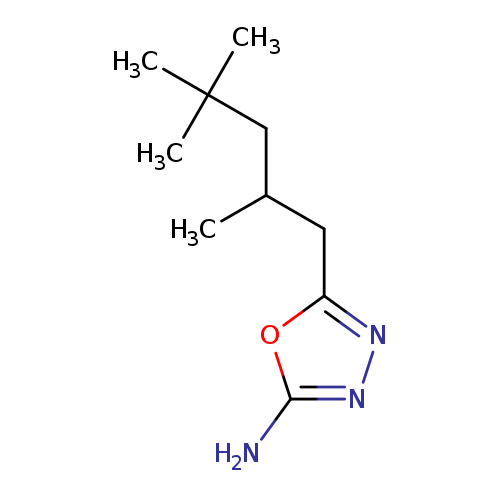
5-(2,4,4-trimethylpentyl)-1,3,4-oxadiazol-2-amineCatalog No.:AA01A9T2 CAS No.:1094371-87-5 MDL No.:MFCD17167134 MF:C10H19N3O MW:197.2774 |
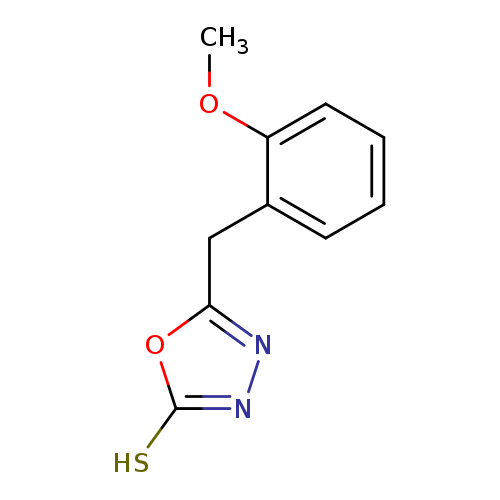
5-[(2-methoxyphenyl)methyl]-1,3,4-oxadiazole-2-thiolCatalog No.:AA01A9WV CAS No.:1094366-38-7 MDL No.:MFCD11164449 MF:C10H10N2O2S MW:222.2636 |
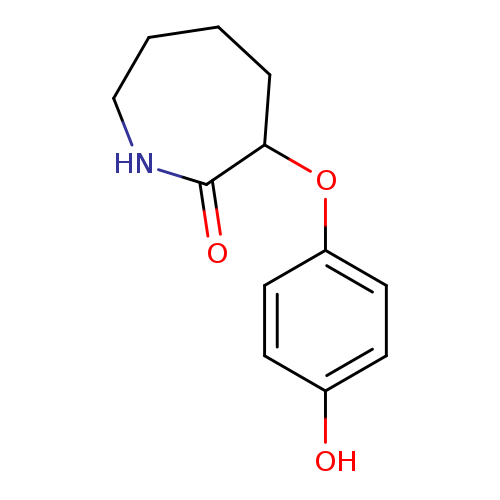
3-(4-hydroxyphenoxy)azepan-2-oneCatalog No.:AA01AA0L CAS No.:1094342-38-7 MDL No.:MFCD11181754 MF:C12H15NO3 MW:221.2524 |
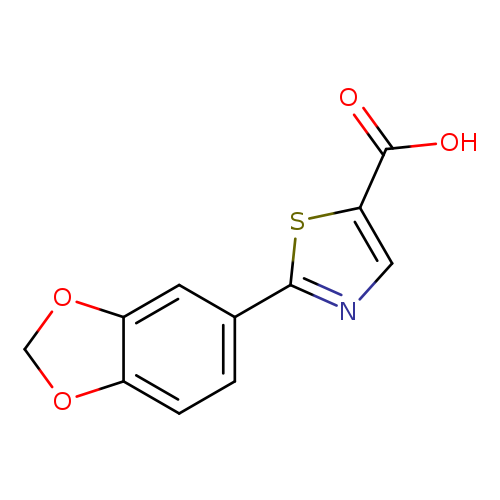
2-(1,3-dioxaindan-5-yl)-1,3-thiazole-5-carboxylic acidCatalog No.:AA01AAHH CAS No.:1094385-70-2 MDL No.:MFCD07376772 MF:C11H7NO4S MW:249.2426 |
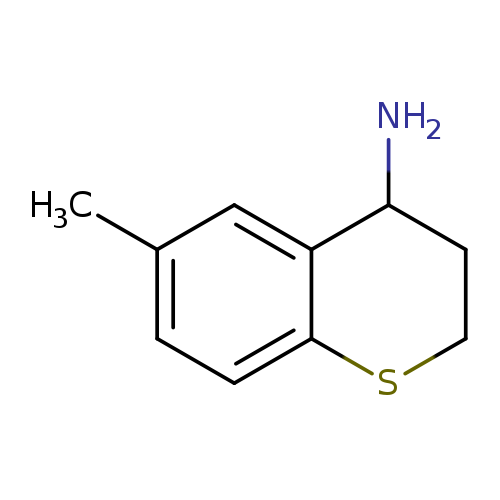
6-methyl-3,4-dihydro-2H-1-benzothiopyran-4-amineCatalog No.:AA01ABDJ CAS No.:1094350-91-0 MDL No.:MFCD11207727 MF:C10H13NS MW:179.2819 |
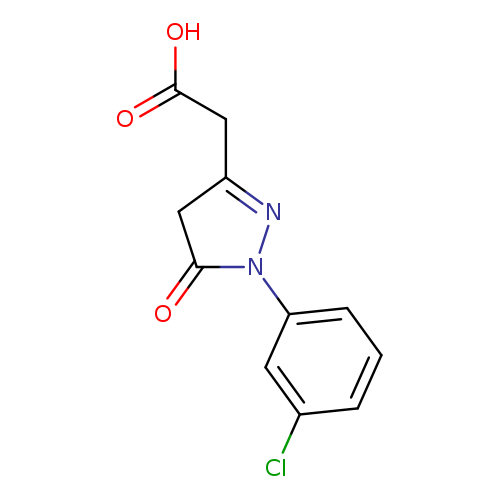
2-[1-(3-chlorophenyl)-5-oxo-4,5-dihydro-1H-pyrazol-3-yl]acetic acidCatalog No.:AA01ABSL CAS No.:1094331-77-7 MDL No.:MFCD11133571 MF:C11H9ClN2O3 MW:252.6538 |
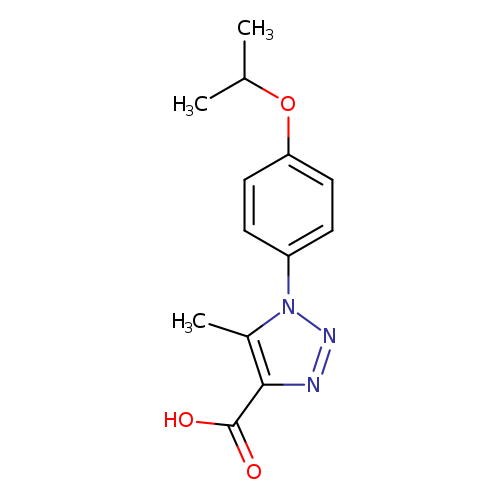
5-methyl-1-[4-(propan-2-yloxy)phenyl]-1H-1,2,3-triazole-4-carboxylic acidCatalog No.:AA01AGUU CAS No.:1094373-33-7 MDL No.:MFCD12739199 MF:C13H15N3O3 MW:261.2765 |
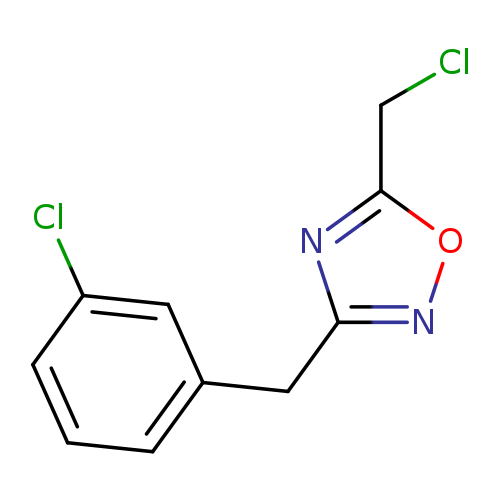
5-(Chloromethyl)-3-[(3-chlorophenyl)methyl]-1,2,4-oxadiazoleCatalog No.:AA01AGY1 CAS No.:1094351-83-3 MDL No.:MFCD11205879 MF:C10H8Cl2N2O MW:243.0893 |
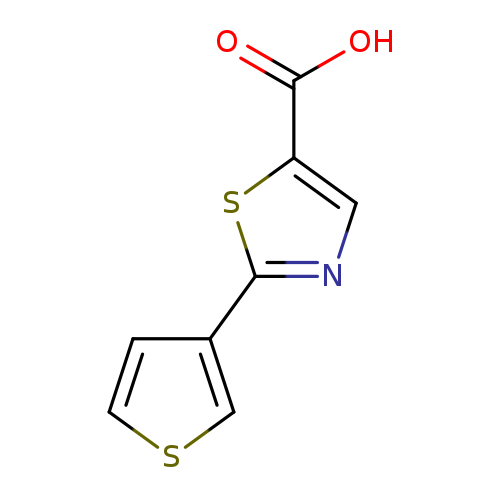
2-(thiophen-3-yl)-1,3-thiazole-5-carboxylic acidCatalog No.:AA01AHMK CAS No.:1094385-75-7 MDL No.:MFCD11208448 MF:C8H5NO2S2 MW:211.2608 |
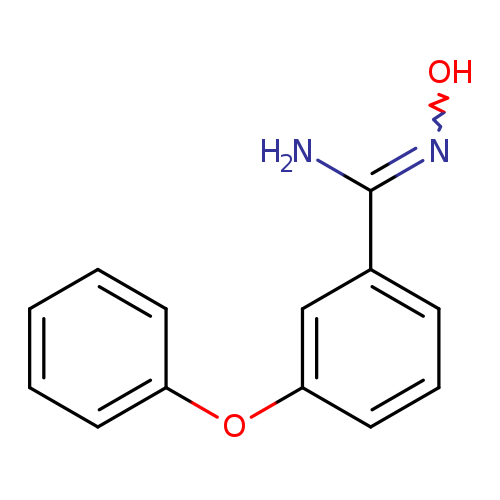
N'-hydroxy-3-phenoxybenzene-1-carboximidamideCatalog No.:AA01AHUT CAS No.:1094355-58-4 MDL No.:MFCD11179484 MF:C13H12N2O2 MW:228.2466 |
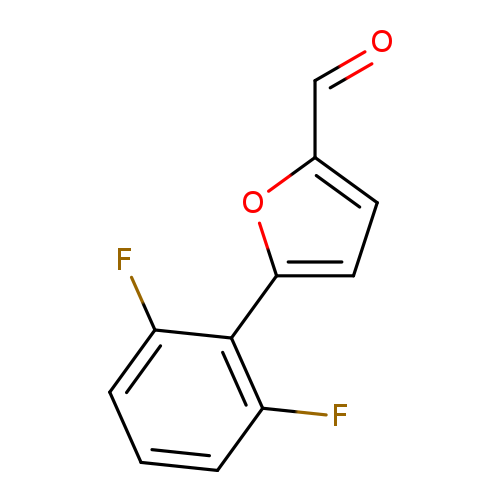
5-(2,6-Difluorophenyl)furan-2-carbaldehydeCatalog No.:AA01AIN9 CAS No.:1094399-13-9 MDL No.:MFCD11208129 MF:C11H6F2O2 MW:208.1609 |
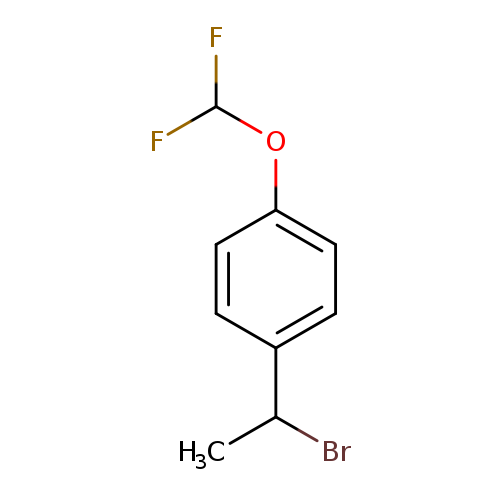
1-(1-bromoethyl)-4-(difluoromethoxy)benzeneCatalog No.:AA01AJIR CAS No.:1094363-83-3 MDL No.:MFCD11185335 MF:C9H9BrF2O MW:251.0680 |
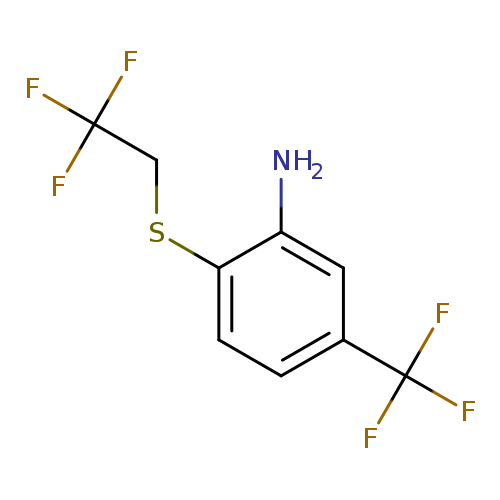
2-[(2,2,2-trifluoroethyl)sulfanyl]-5-(trifluoromethyl)anilineCatalog No.:AA01AJTN CAS No.:1094403-82-3 MDL No.:MFCD11134427 MF:C9H7F6NS MW:275.2140 |
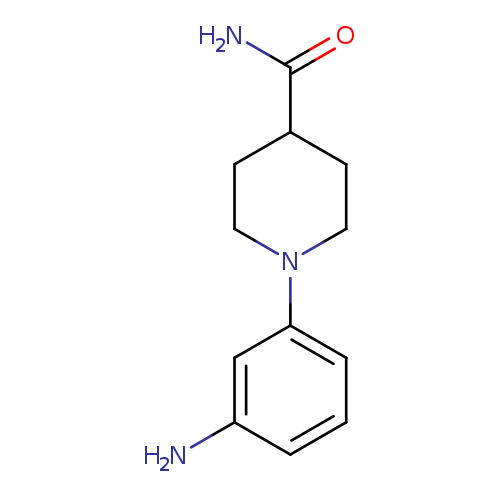
1-(3-Aminophenyl)piperidine-4-carboxamideCatalog No.:AA01AK84 CAS No.:1094352-48-3 MDL No.:MFCD11132683 MF:C12H17N3O MW:219.2829 |
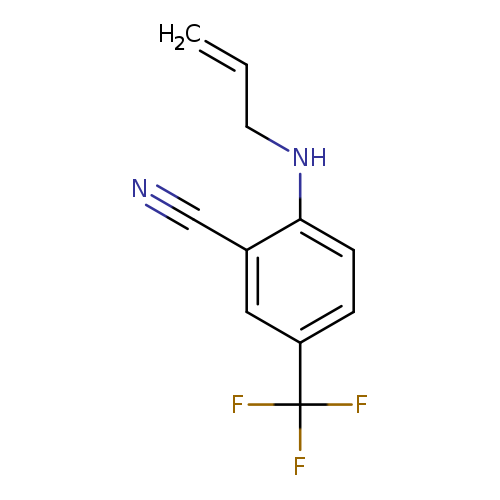
2-[(prop-2-en-1-yl)amino]-5-(trifluoromethyl)benzonitrileCatalog No.:AA01AKEB CAS No.:1094368-50-9 MDL No.:MFCD11206706 MF:C11H9F3N2 MW:226.1978 |
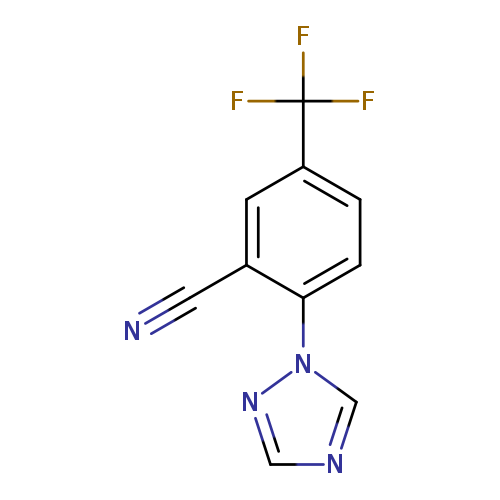
2-(1H-1,2,4-Triazol-1-yl)-5-(trifluoromethyl)benzonitrileCatalog No.:AA01AKQB CAS No.:1094368-55-4 MDL No.:MFCD11206711 MF:C10H5F3N4 MW:238.1687 |
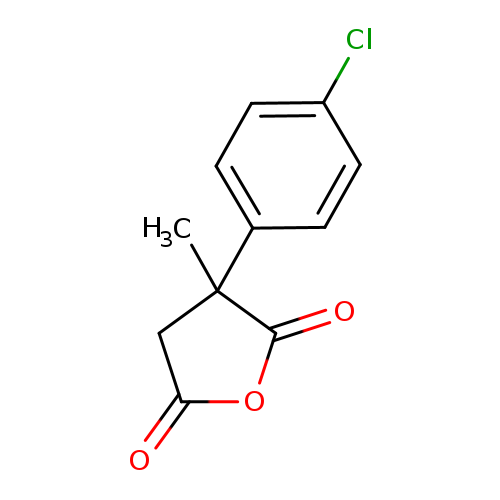
3-(4-chlorophenyl)-3-methyloxolane-2,5-dioneCatalog No.:AA01AP22 CAS No.:1094333-80-8 MDL No.:MFCD11134322 MF:C11H9ClO3 MW:224.6404 |
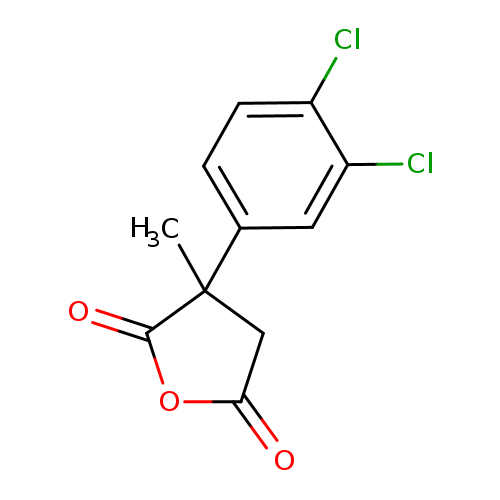
3-(3,4-dichlorophenyl)-3-methyloxolane-2,5-dioneCatalog No.:AA01AP21 CAS No.:1094333-89-7 MDL No.:MFCD11134374 MF:C11H8Cl2O3 MW:259.0854 |
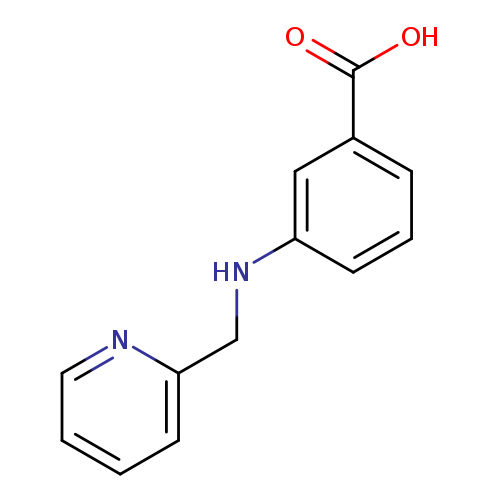
3-{[(pyridin-2-yl)methyl]amino}benzoic acidCatalog No.:AA01B68D CAS No.:1094347-07-5 MDL No.:MFCD11178919 MF:C13H12N2O2 MW:228.2466 |
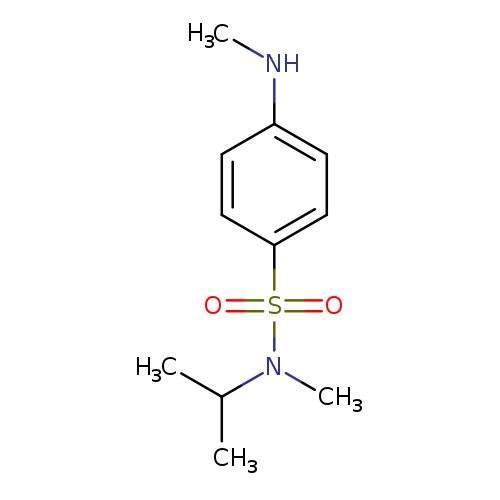
N-methyl-4-(methylamino)-N-(propan-2-yl)benzene-1-sulfonamideCatalog No.:AA01BDQT CAS No.:1094377-22-6 MDL No.:MFCD11207382 MF:C11H18N2O2S MW:242.3378 |
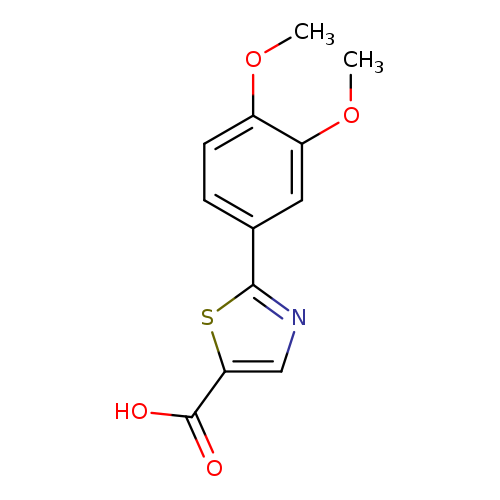
2-(3,4-dimethoxyphenyl)-1,3-thiazole-5-carboxylic acidCatalog No.:AA01BEH1 CAS No.:1094395-81-9 MDL No.:MFCD07376672 MF:C12H11NO4S MW:265.285 |
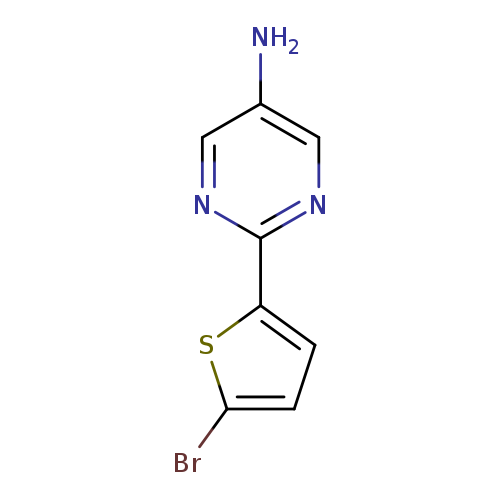
2-(5-bromothiophen-2-yl)pyrimidin-5-amineCatalog No.:AA01BGJ7 CAS No.:1094373-80-4 MDL No.:MFCD11180895 MF:C8H6BrN3S MW:256.1223 |
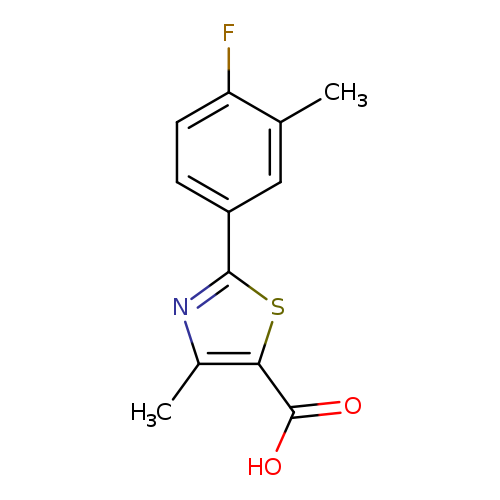
2-(4-fluoro-3-methylphenyl)-4-methyl-1,3-thiazole-5-carboxylic acidCatalog No.:AA01BTT1 CAS No.:1094351-12-8 MDL No.:MFCD11207792 MF:C12H10FNO2S MW:251.2767 |
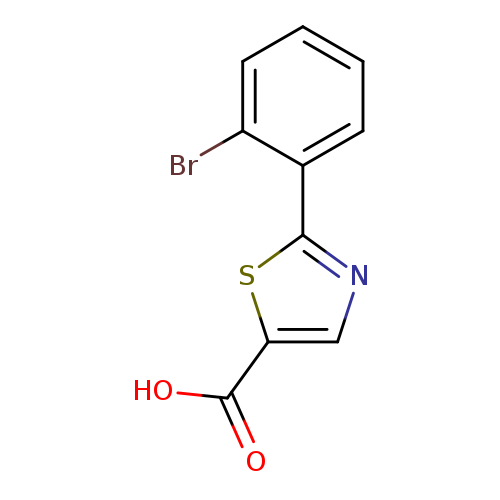
2-(2-Bromophenyl)-1,3-thiazole-5-carboxylic acidCatalog No.:AA01BXUK CAS No.:1094385-77-9 MDL No.:MFCD11208451 MF:C10H6BrNO2S MW:284.1291 |
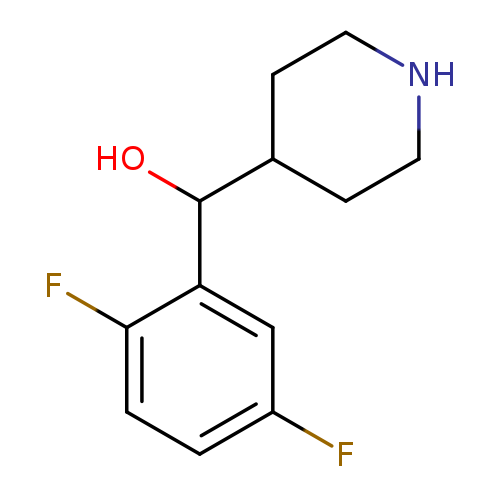
(2,5-Difluorophenyl)(piperidin-4-yl)methanolCatalog No.:AA01C2HB CAS No.:1094340-95-0 MDL No.:MFCD11186021 MF:C12H15F2NO MW:227.2504 |
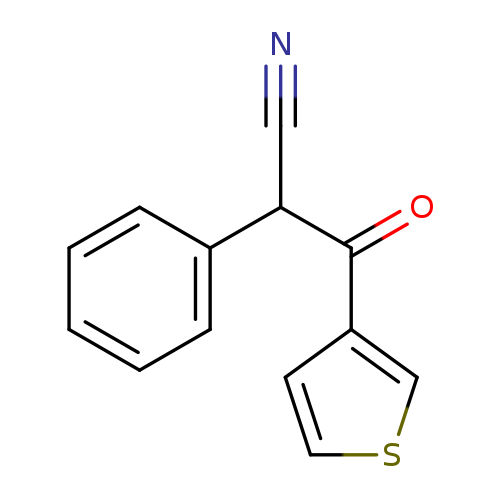
3-Oxo-2-phenyl-3-(thiophen-3-yl)propanenitrileCatalog No.:AA01C5AG CAS No.:1094395-94-4 MDL No.:MFCD11208552 MF:C13H9NOS MW:227.2817 |
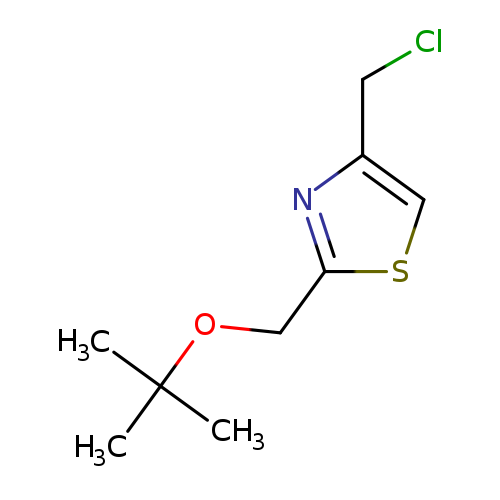
2-[(tert-butoxy)methyl]-4-(chloromethyl)-1,3-thiazoleCatalog No.:AA01DSPG CAS No.:1094334-53-8 MDL No.:MFCD11178259 MF:C9H14ClNOS MW:219.7316 |
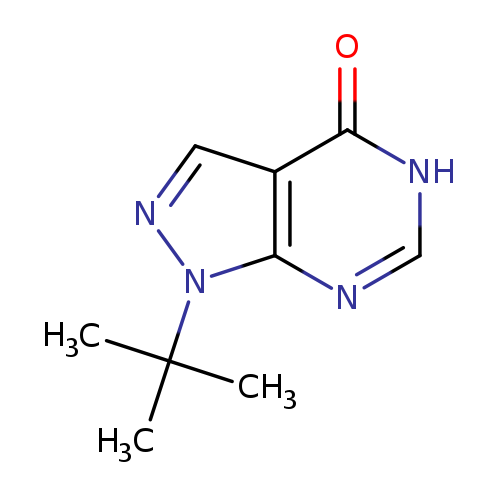
1-tert-butyl-1H,4H,5H-pyrazolo[3,4-d]pyrimidin-4-oneCatalog No.:AA01E8D0 CAS No.:1094377-59-9 MDL No.:MFCD11207433 MF:C9H12N4O MW:192.2178 |
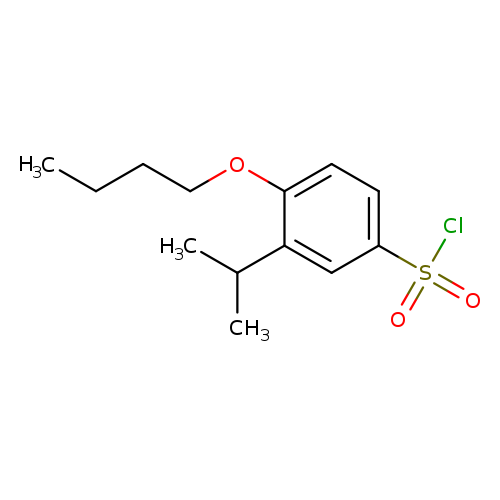
4-Butoxy-3-(propan-2-yl)benzene-1-sulfonyl chlorideCatalog No.:AA01E97A CAS No.:1094384-92-5 MDL No.:MFCD11133923 MF:C13H19ClO3S MW:290.8062 |
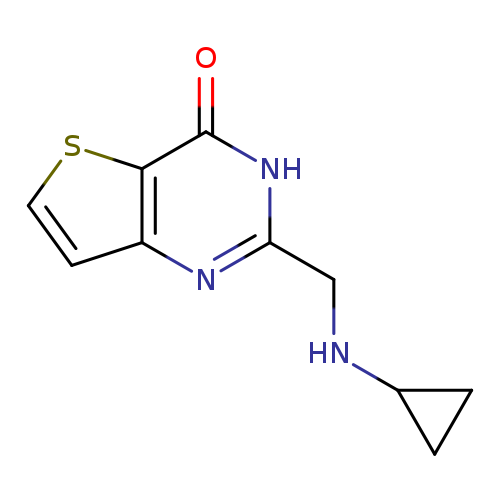
2-[(cyclopropylamino)methyl]-3H,4H-thieno[3,2-d]pyrimidin-4-oneCatalog No.:AA01EHQN CAS No.:1094380-81-0 MDL No.:MFCD11204566 MF:C10H11N3OS MW:221.2788 |
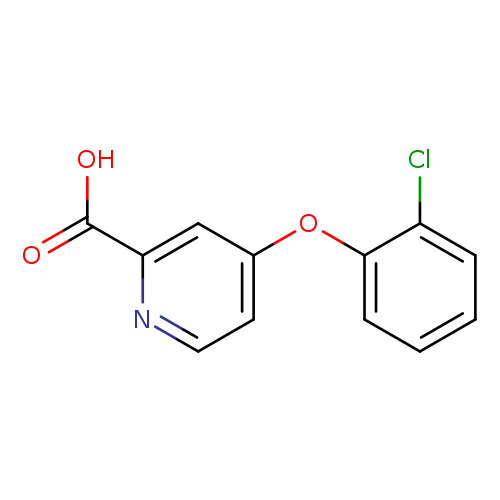
4-(2-chlorophenoxy)pyridine-2-carboxylic acidCatalog No.:AA01EKCL CAS No.:1094369-55-7 MDL No.:MFCD11181383 MF:C12H8ClNO3 MW:249.6498 |
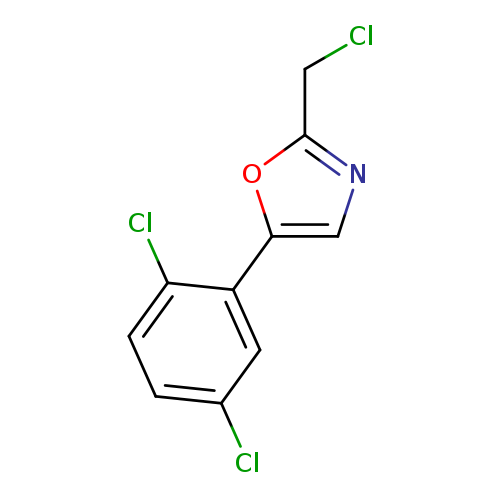
2-(chloromethyl)-5-(2,5-dichlorophenyl)-1,3-oxazoleCatalog No.:AA01ELQV CAS No.:1094382-38-3 MDL No.:MFCD11182415 MF:C10H6Cl3NO MW:262.5197 |
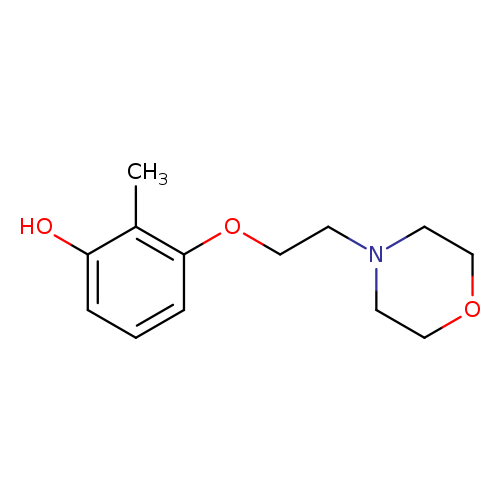
2-methyl-3-[2-(morpholin-4-yl)ethoxy]phenolCatalog No.:AA01AHKZ CAS No.:1094370-22-5 MDL No.:MFCD11181602 MF:C13H19NO3 MW:237.2949 |