

2019-10-24 16:15:02
Catalytic hydrogenation of aldehydes to form the corresponding alcohol is a well known reaction and is widely practised on a commercial scale. For example, n-butyraldehyde which is conventionally produced by oxo synthesis from propylene is catalytically hydrogenated on a large scale to form n-butanol, whilst 2-ethylpropylacrolein formed, for example by aldolisation of n-butyraldehyde to form 2-ethyl-3-hydroxyhexanal followed by dehydration, is reduced in considerable tonnage annually to form the plasticiser alcohol 2-ethylhexanol.
The gas phase hydrogenation of an aliphatic aldehyde such as 3,5,5-trimethylhexanal using a catalyst comprising reduced copper plus zinc oxide is described in U.S. Patent No. 5,200,5,000. The temperature is from 150 ° C to 250 ° C and the pressure is from 200 to 600 p.s.i.g. (Absolute pressure is about 15 to 43 kg / cm2). 3,5,5-trimethylhexanal is usually obtained by using a cobalt naphthenate catalyst for diisobutylene (ie 2,4,4-trimethyl-1-pentene and 2,4,4-trimethyl- The resulting crude product obtained by hydroformylation of a mixture of 2-pentene contains 63% of the desired aldehyde, 12% of the impurities, 12% of isooctane and 13% of unreacted diisobutylene. It is then distilled to produce a substantially pure aldehyde, or treated by steam or vacuum distillation to produce 77% of 3,5,5-trimethylhexanal and 7.3% of 3,5,5-trimethyl. Semi-refined aldehyde fraction of caproic acid. Crude, semi-refined or refined aldehydes are used as starting materials for the hydrogenation process. The prior art teaches to increase the alcohol yield by using a crude or semi-refined fraction comprising a substance other than the aldehyde itself which is converted to the desired alcohol by hydrogenation, ie 3 , 5,5-trimethylhexanol; these substances include 3,5,5-trimethylhexanoic acid and 3,5,5-trimethylhexylcarboxylic acid and "other various esters, acetal, etc." However, "other various esters" have not been determined, although it is speculated that they are also formate esters, possibly derived from, for example, an alcohol that is isomerized to the desired 3,5,5-trimethylhexanol. No specific ester component is mentioned for the specific composition given for the crude and semi-refined aldehyde fractions, and it is concluded that the ester content of any one of the compositions must be minimal. Furthermore, it is taught that the copper-zinc oxide catalyst has a longer life when using a purified aldehyde. This concludes that one or more minor components of the crude or semi-refined aldehyde fraction may be one of 3,5,5-trimethylhexylformate or "a variety of other esters" Acts as a catalyst poison or deactivator. As taught in Example 1, the hydrogenation of the refined aldehyde fraction contains, in addition to 3,5,5-trimethylhexanal, from 1% to 3% of 3,5,5-trimethylhexanoic acid, wherein the catalyst life exceeds There was no loss of catalyst activity for 300 hours, and it appears that 3,5,5-trimethylhexanoic acid is not a substance that causes poisoning or inactivation of the catalyst. Among the other materials mentioned as components of the crude or semi-refined aldehyde fraction, acetaldehyde (unstable adduct of aldehydes and alcohols) seems unlikely to be a compound which causes a decrease in catalyst activity. Thus, one skilled in the art can infer that the ester component of the crude or semi-refined fraction is the chief culprit in shortening the life of the catalyst. Hydrogenolysis of esters is described in U.S. Patent No. 2,794,414. It teaches the use of copper catalysts which can be promoted with oxide promoters such as manganese oxide, zinc oxide, magnesium oxide or chromium oxide. In one embodiment, n-butyl butyrate is converted to n-butanol using a mixture of copper oxide, zinc oxide and magnesium oxide in an 8:1:1 weight ratio, wherein the ester conversion is about 50%. The hydrogen ester molecular ratio was about 10:1 at a temperature of 322 ° C and a pressure of 2680 lbs. Per square inch (about 189.4 kg / cm 2 ). It is taught that the optimum conversion to alcohol can be obtained at the highest pressures available in the equipment available and at the lowest temperatures consistent with the actual reaction rates obtained. Although the operation in the "vapor phase" is mentioned, it is apparent that it is intended to operate at temperatures above the critical temperature of the ester. This is confirmed by the teaching that it is preferred to use a temperature in the range of 300 ° C to 400 ° C when operating in the gas phase. The most preferred catalysts are those which comprise copper oxide promoted by chromium oxide in a physical mixture or in a physical mixture. In the chemical combination is copper chromate or copper chromite. Thus, the prior art teaches the superiority of chromium oxide over other oxide promoters such as zinc oxide.
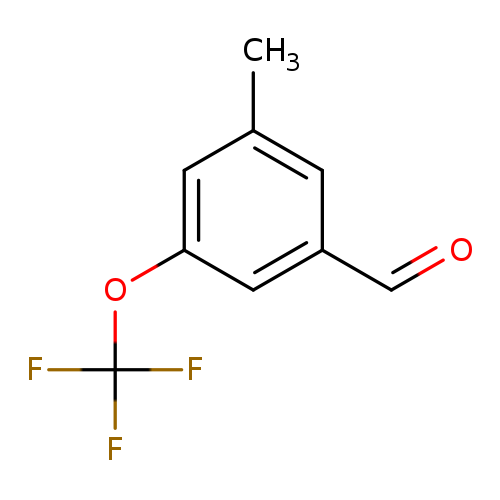
3-Methyl-5-(trifluoromethoxy)benzaldehydeCatalog No.:AA00009F CAS No.:1000339-55-8 MDL No.:MFCD08741401 MF:C9H7F3O2 MW:204.1459 |
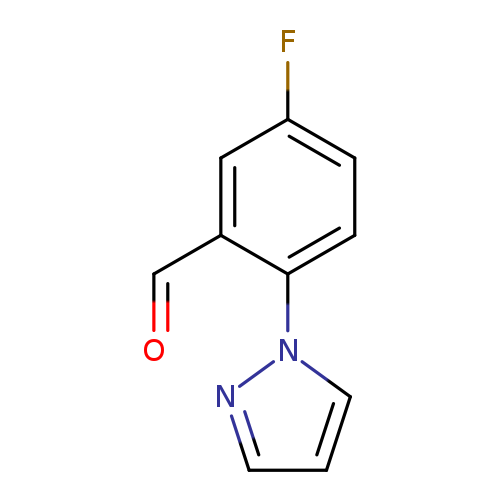
5-Fluoro-2-(1H-pyrazol-1-yl)benzaldehydeCatalog No.:AA0004SC CAS No.:1015845-84-7 MDL No.:MFCD08059861 MF:C10H7FN2O MW:190.1738 |
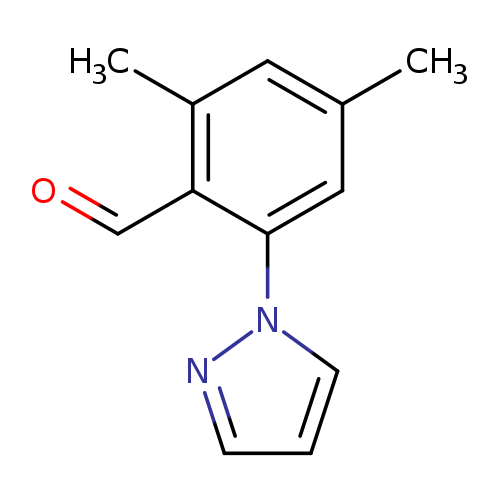
2,4-Dimethyl-6-(1H-pyrazol-1-yl)benzaldehydeCatalog No.:AA0004SB CAS No.:1015845-86-9 MDL No.:MFCD08059862 MF:C12H12N2O MW:200.2365 |
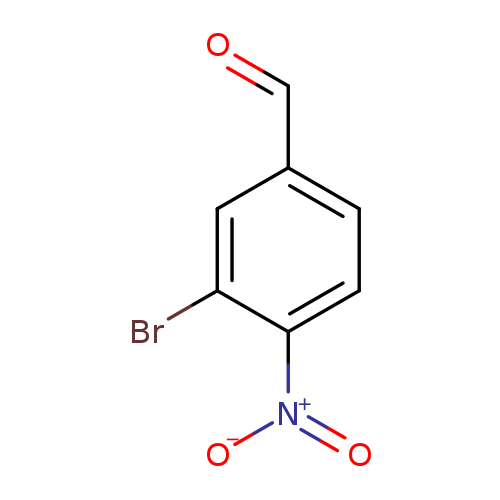
3-Bromo-4-nitrobenzaldehydeCatalog No.:AA00054A CAS No.:101682-68-2 MDL No.:MFCD00968939 MF:C7H4BrNO3 MW:230.0156 |
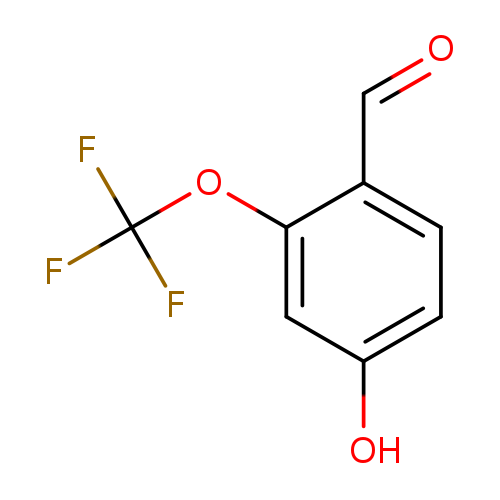
4-Hydroxy-2-(trifluoromethoxy)benzaldehydeCatalog No.:AA00056L CAS No.:1017083-37-2 MDL No.:MFCD06797920 MF:C8H5F3O3 MW:206.1187 |
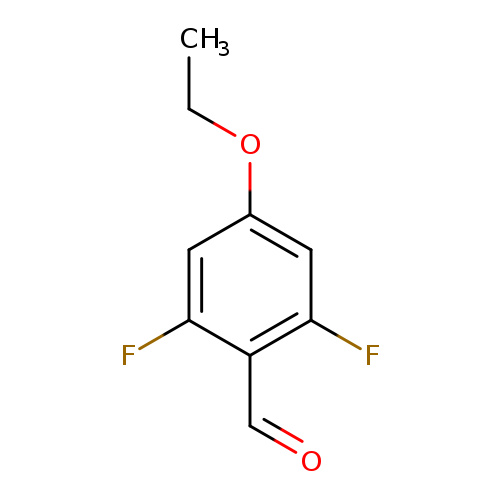
4-Ethoxy-2,6-difluorobenzaldehydeCatalog No.:AA0005EM CAS No.:1017779-48-4 MDL No.:MFCD09258695 MF:C9H8F2O2 MW:186.1554 |
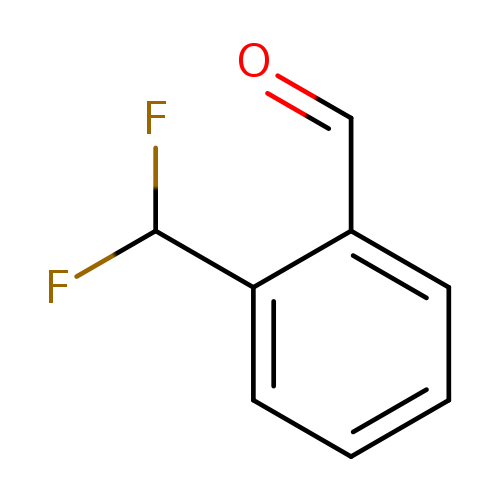
2-(Difluoromethyl)benzaldehydeCatalog No.:AA0005PA CAS No.:1018678-50-6 MDL No.:MFCD16875639 MF:C8H6F2O MW:156.1294 |

Acetaldehyde 2,4-DinitrophenylhydrazoneCatalog No.:AA0005SH CAS No.:1019-57-4 MDL No.:MFCD00191298 MF:C8H8N4O4 MW:224.1735 |
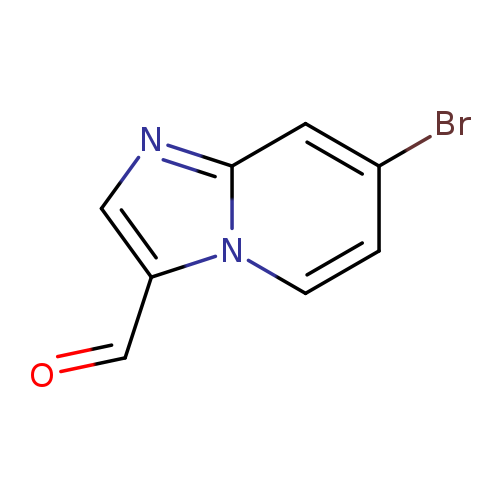
7-Bromoimidazo[1,2-a]pyridine-3-carbaldehydeCatalog No.:AA0005TO CAS No.:1019020-14-4 MDL No.:MFCD09994348 MF:C8H5BrN2O MW:225.0421 |
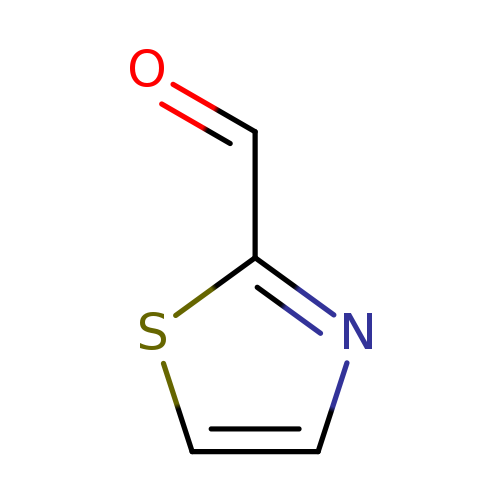
2-ThiazolecarboxaldehydeCatalog No.:AA000675 CAS No.:10200-59-6 MDL No.:MFCD00142924 MF:C4H3NOS MW:113.1377 |
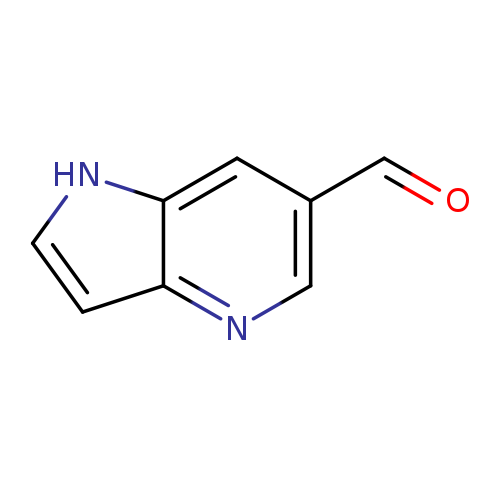
1H-Pyrrolo[3,2-b]pyridine-6-carbaldehydeCatalog No.:AA00067V CAS No.:1020056-33-0 MDL No.:MFCD09859114 MF:C8H6N2O MW:146.1460 |
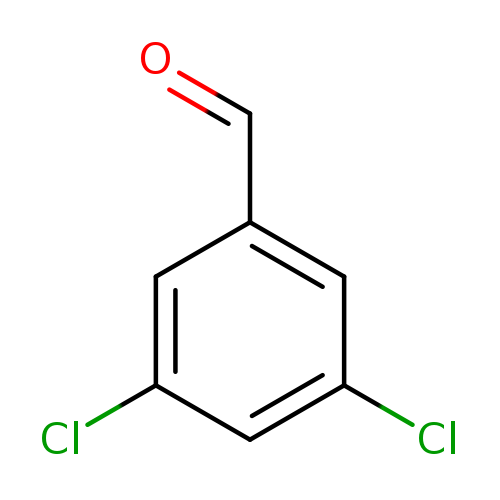
3,5-DichlorobenzaldehydeCatalog No.:AA0006CA CAS No.:10203-08-4 MDL No.:MFCD00003352 MF:C7H4Cl2O MW:175.0121 |
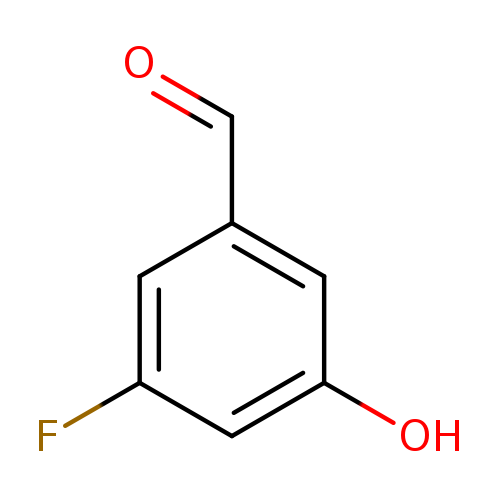
3-Fluoro-5-hydroxybenzaldehydeCatalog No.:AA00073Y CAS No.:1023290-12-1 MDL No.:MFCD13185579 MF:C7H5FO2 MW:140.1118 |
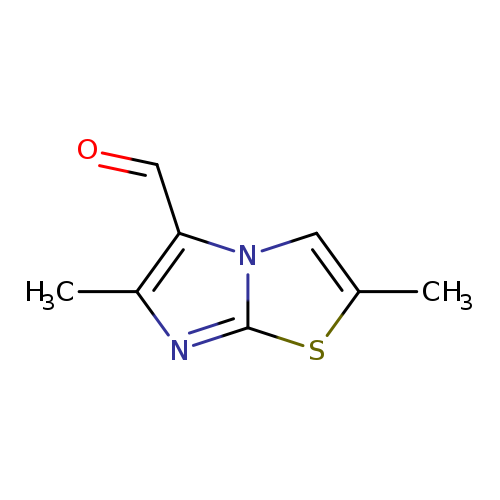
2,6-dimethylimidazo[2,1-b][1,3]thiazole-5-carbaldehydeCatalog No.:AA0007C1 CAS No.:102410-25-3 MDL No.:MFCD07850250 MF:C8H8N2OS MW:180.2269 |
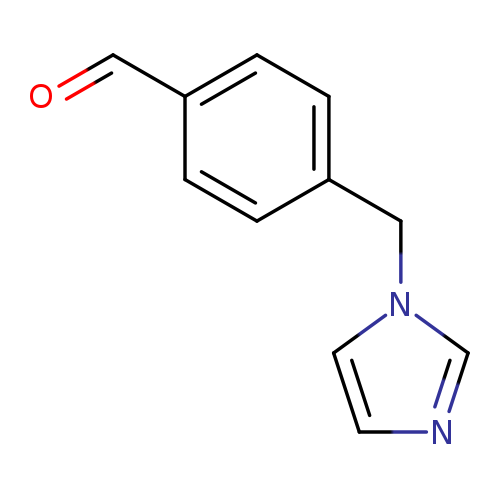
4-(1H-IMIDAZOL-1-YLMETHYL)BENZALDEHYDECatalog No.:AA0007D1 CAS No.:102432-03-1 MDL No.:MFCD03093778 MF:C11H10N2O MW:186.2099 |
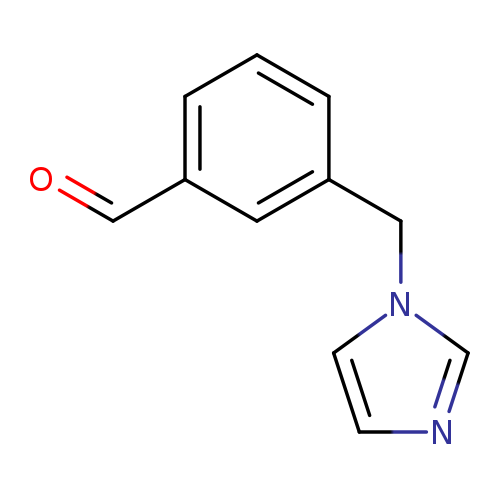
3-(1H-Imidazol-1-ylmethyl)benzaldehydeCatalog No.:AA0007D0 CAS No.:102432-05-3 MDL No.:MFCD08271917 MF:C11H10N2O MW:186.2099 |

2-Pyridinecarboxaldehyde, 3-nitro-Catalog No.:AA0007TZ CAS No.:10261-94-6 MDL No.:MFCD10696871 MF:C6H4N2O3 MW:152.1076 |
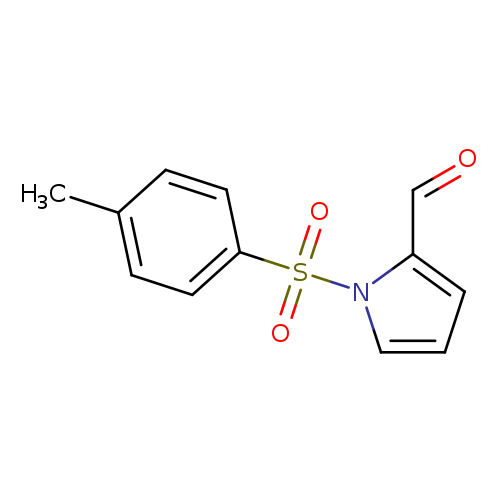
1-Tosyl-1H-pyrrole-2-carbaldehydeCatalog No.:AA0007UU CAS No.:102619-05-6 MDL No.:MFCD00671580 MF:C12H11NO3S MW:249.2856 |
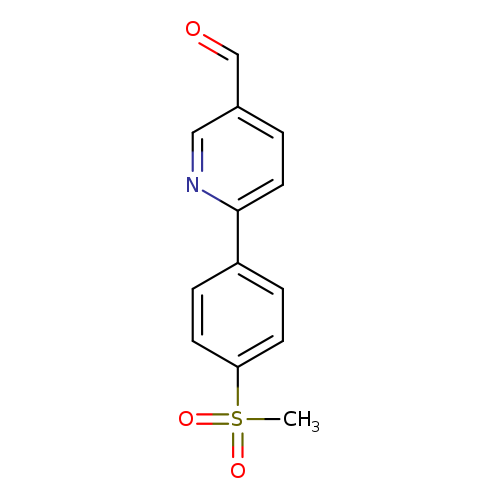
6-(4-Methanesulfonyl-phenyl)-pyridine-3-carbaldehydeCatalog No.:AA004VOH CAS No.:834884-68-3 MDL No.:MFCD19441872 MF:C13H11NO3S MW:261.2963 |
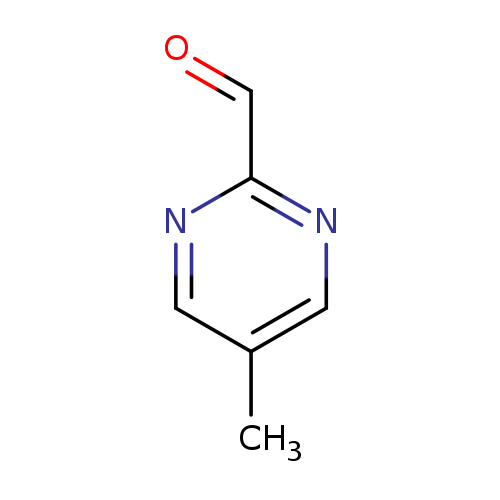
5-Methyl-2-pyrimidinecarboxaldehydeCatalog No.:AA006GLU CAS No.:90905-62-7 MDL No.:MFCD10697092 MF:C6H6N2O MW:122.1246 |