

2020-01-10 11:29:06
Nermin S. Ahmed
1| INTRODUCTION
The nitric oxide/cGMP pathway is an essential pathway in many nor- mal physiological functions; disruption of this pathway plays a role in the pathophysiology of several diseases. Nitric oxide (NO) binds to sol- uble guanylyl cyclase (sGC) an action that triggers (sGC)-cGMP signal- ing pathway. NO is synthesized by the oxidation of L-arginine, nitric oxide synthase (NOS) catalyzes the oxidation process in the presence of NADPH and O2 as substrates. NO activates sGC, sGC converts GTP to cGMP. The formed cGMP activates cGMP-dependent protein kinase (PKG, cGK); such kinases activate a cascade of proteins result- ing in numerous physiological effects. Therefore, NO-sGC-cGMP signaling pathway plays essential role in physiological processes like growth, cell viability, smooth muscle relaxation, neurotransmission, inflammation, and gene transcription. cGMP are hydrolyzed to GMP (inactive form) via cGMP specific PDE enzymes (PDE5, PDE6, and PDE9), which break its phosphodiester bond. PDE inhibitors block the action of PDE and thus elevate the levels of cGMP (Denninger & Marletta, 1999; Moncada, Palmer, & Higgs, 1991; Murad, 2006).
The synthesis of sildenafil (1), the first commercially available PDE5 inhibitor originally studied as antianginal agent, was a break- through in the treatment of erectile dysfunction (ED). Sildenafil dis- covery encouraged researchers to investigate novel clinical applications of PDE5 inhibitors. Although many PDE5 inhibitors were synthesized, sildenafil (1), tadalafil (2), and vardenafil (3) were the focus of scientific studies. Since sildenafil (1) was discovered, PDE5 inhibitors are perceived as the first line of therapy for ED. New PDE5 inhibitors were introduced to the market with clinical applications beyond male erectile dysfunction (MED). Sildenafil (1), tadalafil (2), vardenafil (3), lodenafil (4), and mirodenafil (5) are applied in the treat- ment of asthma, chronic obstructive pulmonary disease (COPD), pul- monary arterial hypertension (PAH), cardiac failure, autoimmune diseases, and ED (Maurice et al., 2014).
Tadalafil inhibits both PDE5 and PDE11 enzymes; PDE11 enzyme is abundant in skeletal muscle. Inhibition of PDE11 with tadalafil leads to the common side effects, namely, back and muscle pain (myalgia) (Makhlouf, Kshirsagar, & Niederberger, 2006). It was found that the catalytic site of PDE11 resembles that of PDE5, how- ever, there is no available crystal structure for PDE11 and no ade- quate knowledge about its physiological role in human body. This lack of data restricts our understanding and limits our conception to how this PDE isoform works.
2| ROUTES OF SYNTHESIS ADOPTED IN PREPARATION OF TADALAFIL AND ITS
ANALOGUES
The huge success of tadalafil and its analogues have encouraged tre- mendous research that focuses on developing synthetic routes to these tetrahydro-β-carboline derivatives. A straightforward synthetic scheme was initially adopted for the preparation of Tadalafil (2). This scheme is based on the work of Saxena et al. using four main starting blocks, namely, D-tryptophan methyl ester, commercially available piperonal, chloroacetyl chloride, and methylamine (Saxena, Jain, & Anand, 1973).
Pictet–Spengler (P–S) reaction is used to construct chiral tetrahydro-β-carbolines moieties. The P–S reaction of D-tryptophan methyl ester with piperonal in acidic medium is the fundamental step in the synthesis of tadalafil (2). Daugan et al. describe a process for the synthesis of tadalafil (2), D-tryptophan methyl ester reacts with a piperonal in methylene chloride in the presence of trifluoroacetic acid as a catalyst, and reaction is stirred for 5 days at 4 ○C. The reaction gives a mixture of cis- and trans-tetrahydro-β-carboline derivatives (cis-/trans- 60:40). Reaction of the pure cis-isomer with chloroacetyl chloride in trichloromethane in basic medium (sodium bicarbonate or triethylamine in dichloromethane) form the N-chloroacetyl tetrahydro-β-carboline derivatives (62%), which then reacts with methylamine in methanol at 50 ○C for 16 hr to furnish tadalafil (2) (70%) (Scheme 1) (Daugan et al., 2003b).
In 2004, two concise methods of synthesis were developed. A 2-day synthesis procedure was adopted instead of the 5-days synthe- sis adopted by Icos. In this route, piperonal and D-tryptophan methyl ester HCl react to produce an imine intermediate. The intermediate reacts with Fmoc–sarcosyl chloride to yield an acyl chloride derivative. Upon using Fmoc-sarcoyl chloride the cis-diastereomer undergoes smooth and rapid cyclization to tadalafil in the appropriate basic medium (Scheme 2) (Revell, Srinivasan, & Ganesan, 2004).
On an attempt to lower the cost of the reaction, chloroacetyl chloride was used as the acylating agent instead of the expensive Fmoc–sarcosyl chloride. The reaction of the imine intermediate with chloroacetyl chloride yielded an acyl chloride derivative (78%), a higher yield when compared to reaction with sarcosyl chloride (62%). Cyclization of the chloroacyl derivative using methylamine in metha- nol for 16 hr yielded tadalafil in 92% (Scheme 3) (Revell et al., 2004).
On attempt to improve stereoselectivity, Xiao et al. studied the stereoselectivity of P–S reaction under various conditions. They con- ducted the reaction using ester HCl to avoid the use of trifloroacetic acid (TFA); reactions were conducted in various solvents. This study concluded that in the absence of any catalyst, the reaction was slower and of a poor yield with no stereoselectivity. Furthermore, the use of an acid catalyst improved the yield, the reaction rate, and the stereoselectivity. Using benzoic acid gave the best results with high selectivity (cis-; trans- 92:8). Results showed that isopropanol, butanol, pentanol, nitromethane, acetonitrile, 1,2-dichloroethane and 1,1-dimethoxyethane were suitable solvents, those solvents improved both yields and stereoselectivities. Methanol, DMSO (dimethyl sulfox- ide), and DMF (dimethyl formamide) provided only moderate yields and lower stereoselectivities. The best stereoselectivity was noticed with solvents that can precipitate the cis-isomer while the trans- isomer remains in the supernatant this stereoselectivity suggests that in certain solvents (e.g., acetonitrile or nitromethane) equilibrium develops between cis- and trans-tadalafil–(6S,12aR)-6-(1,3-benzo- dioxol-5-yl)-2-methyl-2,3,6,7,12,12a-hexahydropyrazino[10,20:1,6] pyrido[3,4-b]indole-1,4- dione HCl epimers. The major driving force of this transformation was the large difference is solubility between the cis- and trans-isomers. It is noteworthy that this stereoselectivity was observed only when the D-tryptophane methyl ester HCl was reacted with piperonal.
However, it could not be achieved using other ester salts or other aromatic aldehydes. To further extend the THBC HCl salt to the tetracyclic skeleton of tadalafil, the product of the P–S reaction was reacted with 1.5 equiv. of chloroacetyl chloride in dichloromethane at 0 ○C, in a basic medium to form chloroacyl deriva- tive (92%). This was followed by an overnight reaction with 5 equiv. methylamine in DMF at 25 ○C to furnish tadalafil (95%). Epimerization of tadalafil during cyclization is noticed if the reaction was carried out in DMSO/i –PrOH under basic conditions (DBU: 1,8-Diazabicyclo [5.4.0]undec-7-ene) and refluxed at high temperature for 5 hr. 6a epi- tadalafil –(6S,12aR)-6-(1,3-benzodioxol-5-yl)-2-methyl-2,3,6,7,12,12a- hexahydropyrazino[10,20:1,6] pyrido[3,4-b]indole-1,4- dione was obtained from tadalafil (98%) (Scheme 4) (Shi, Liu, Xu, & Xu, 2008).
In 2008, Anumula et al. developed an alternative pathway for the synthesis of tadalafil avoiding the use of toxic chloroacetyl chloride and expensive solvents. The protocol also circumvented the need for column chromatography meeting the standards of International Con- ference on Harmonization (ICH). This method adopts P–S reaction to produce the tetrayhydro-β-carboline skeleton, the tetrayhydro- β-carboline HCl salt is subjected to amidation conditions with sarco- sine ethyl ester hydrochloride in presence of DCC (N,N0-dicyclohexyl carbodiimide)/HOBt (N-hydroxybenzotriazole). Pure tadalafil is obtained (55%) (Scheme 5) (Anumula et al., 2008).
Tadalafil was also prepared from N-Boc-D-tryptophan. The N-protected tryptophan was treated with ethyl chloroformate to gener- ate its mixed anhydride which reacted in situ with sarcosine ester to yield an intermediate (a) in 50% yield. The reaction of the anhydride intermediate with piperonal using TFA as a catalyst and toluene as a solvent at high temperature (110 ○C) gave a trans-(S,R)-tadalafil prod- uct with 70% yield, while at a lower temperature (45 ○C) cis-(R,R)- tadalafil in 50% yield was observed via an intermediate formation (Scheme 6) (Vedantham, Shanmugam, Vetukuri, Khagga, & Bandich- hor, 2012).
Crystallization Induced Asymmetric Transformation (CIAT) was adopted to produce the cis-6R,12aR isomer as the major product (Xiao et al., 2009).
P–S reaction of D-tryptophan ester HCl with piperonal using nitromethane and toluene mixture as a solvent showed that a strict control over of the ratio of both solvents is crucial for high stereose- lectivities and high yields. cis-tadalafil was obtained as pure enantio- mer by recrystallization or flash chromatography of the neutralized HCl salt. The pure cis-form is used as precursor for tadalafil synthesis Scheme 7.
In 2014, Earle et al. suggested overall improved processes for the synthesis of 6R, 12aR tadalafil using cheaper solvents, less isolation, and purification steps. The major differences between the suggested and traditional tadalafil synthesis methods included esterification of tryptophan using dimethyl carbonate instead of methanol; it serves as solvent as well. Dimethyl carbonate proved to be a good alternative to commonly adopted solvents (nitromethane or acetonitrile) for the diastereoselective P–S reaction. The acetylation and amination of the ester HCl salt were carried out stepwise in a single reactor using an ionic liquid, bis{(trifluoromethyl)sulfonyl}amide) [C4dmim][NTf2], as the solvent (Scheme 8) (Earle, Noè, Perosa, & Seddon, 2014).
A simple, effective, and environmentally friendly synthetic scheme was adopted to prepare the two pure enantiomers of tadalafil: 12a-epi-tadalafil and 6-epi-tadalfil. N-Boc-(L)- or (D)-tryptophan were used as starting materials, a three-step one-pot reaction was adopted, using the Ugi reaction in water. The Ugi reaction involves the conden- sation of a carbonyl component, an amine, a carboxylic acid and an isocyanide, to produce α-acylaminoamides, which was followed by a Boc-deprotection, a P–S reaction (with piperonal) and lactamization in acetic acid (Scheme 9) (Jida & Ballet, 2018).
Attempting to replace the methyl group of tadalafil by various aryl groups, a method to access totally new analogues of tadalafil was explored. The Buchwald reaction was adapted. Introduction of aryl substituent proceeded via the use of 0.2–10 mol% of cuprous iodide, 5–20 mol% of a diamine ligand, and a mineral base such as K3PO4 in toluene or DMF. To avoid isomerization to the less active trans- isomer, lower temperature and lower amount of base was used and a higher stoichiometry of catalyst was involved (Scheme 10). (Beghyn, Hounsou, & Deprez, 2007)
In summary, many successful attempts were carried out to improve the yield and upscale the synthesis of tadalafil to the indus- trial scale, as well as to adopt a greener chemistry approach. Attempts were also successful to improve diastereoselectivity toward 6R, 12aR adalafil up to 95%. Optimization of the reaction was possible by using tryptophan ester HCl, fine tuning of the solvent to allow preferential precipitation of one of the diastereomers, manipulating the acid cata- lyst needed in P–S reaction. Also, variation of the solvent and time of amination and cyclization steps helped in inducing or avoiding epimerization.
3 | STRUCTURAL AND STEREOCHEMICAL ASPECTS OF TADALAFIL AND ITS
ANALOGUES
Phosphodiesterases (PDEs) are hydrolyzing enzymes, the PDEs com- prises 11 families that hydrolyze cyclic nucleotides. They regulate cAMP and cGMP intracellular levels, the levels of those second mes- sengers influence all cell functions. PDEs inhibitors block the degrada- tive action of this class of enzymes.
Upon superimposing of all reported inhibitors bound to PDE4D, PDE4B, and PDE5A, it was clear that all PDE inhibitors bind to the binding cavity of PDEs in conservative manner, despite their major dif- ferences in their chemotypes. All these inhibitors possess a planar ring fitted by a hydrophobic clamp (one jaw is a conserved phenylalanine(F) in all PDEs whereas the other jaw is always a hydrophobic residue). These inhibitors form monodentate or bidentate H-bond with an invari- ant glutamine (Q), a residue that is preserved among all PDE enzymes. The selectivity of PDE enzymes toward cAMP or cGMP relies on the ability of essential amino acids lining the active site to anchor the invari- ant Q in different orientations; a glutamine switch takes place to allow binding to either cAMP or cGMP. The active site of PDEs is the com- mon binding site for all reported PDEs inhibitors; primarily they bind to the Q (core pocket) and may extend to the relatively large M pocket (metal-binding site) depending on the size of their substituents. There is no direct binding between PDEs inhibitors and metal ions of the M pocket; they rather bind indirectly via a network of water molecules (Zhang et al., 2004). Tadalafil binds to PDE5A in a unique manner; tada- lafil forms a single hydrogen bond between carbonyl of Q817 and het- erocyclic nitrogen in its indole ring. Q817 amide group rotates nearly 90○ compared to its orientation with sildenafil and vardenafil, such flip allows accommodation of a single H-bond donor from tadalafil. The C-6 pendant aryl ring of tadalafil appears fitting in the Q2 hydrophobic pocket, this pocket is occupied by ethoxy group of sildenafil and varde- nafil. Tadalafil does not show any interaction with the metal ions in the M pocket, not even water mediated interactions. Moreover, the rela- tively rigid chemical structure of tadalafil has increased its binding affin- ity, this may be attributed to the fact that it has only one nonterminal rotatable bond, upon binding to PDE5 enzyme tadalafil can form more stable complex than sildenafil and vardenafil due to loss of little entropy (Figures 1 and 2) (Sung et al., 2003).
Tadalafil was co-crystallized with human PDE5 (PDB: 1UDU) with 2.8 Å resolution, while sildenafil was co-crystallized with human PDE5 (PDB: 2H42) with 2.3 Å resolution. The analysis of this PDB data showed that some essential residues near the binding site are not resolved in 1UDU. In 2011, Mohamed et al. superimposed the two crystal structures of PDE5 and highlighted the differences between the two crystal structures; they deduced that the I665 residue appears in 2H42 but is missing 1UDU. In their work, they assumed substantial hydrophobic interactions between Ile665 and the N-alkyl substituent of tadalafil and its analogues. They concluded that the inversion of the 6R chiral center of tadalafil to 6S induces a 180○ flip of the central scaffold. This flip leads to the loss of essential H-bond between car- bonyl of Q817 and the indole NH- of tadalafil. Additionally, the 6S con- figuration shows a steric clash between one carbonyl group of piperazinedione and the carbonyl of Q817, this clash has a significant deteriorating effect on binding affinity. The stereoinversion had no effect on the π-π stacking interaction with P820. Their work highlighted an important finding; the chiral center at C-6 rather than at C-12a is the determinant factor of activity. More analogues were thus prepared to focus on producing only the 6R analogues starting with the less expensive L-tryptophan (Mohamed et al., 2011).
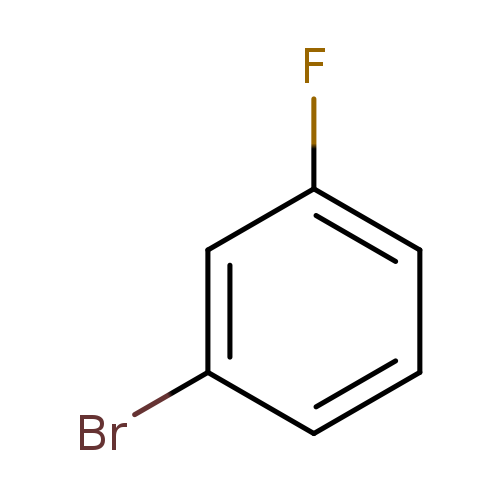
3-BromofluorobenzeneCatalog No.:AA0032MW CAS No.:1073-06-9 MDL No.:MFCD00000326 MF:C6H4BrF MW:174.9984 |
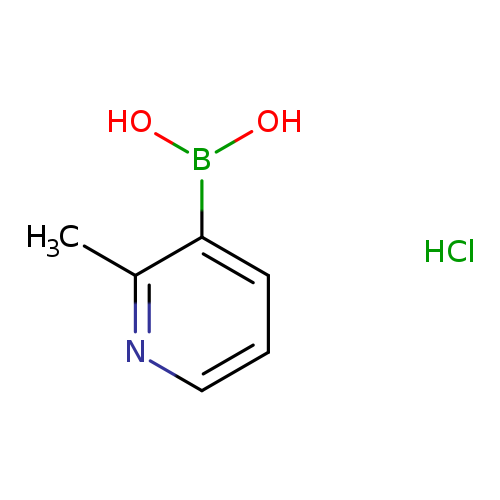
(2-Methylpyridin-3-yl)boronic acid hydrochlorideCatalog No.:AA0033CQ CAS No.:1072952-34-1 MDL No.:MFCD06659489 MF:C6H9BClNO2 MW:173.4052 |
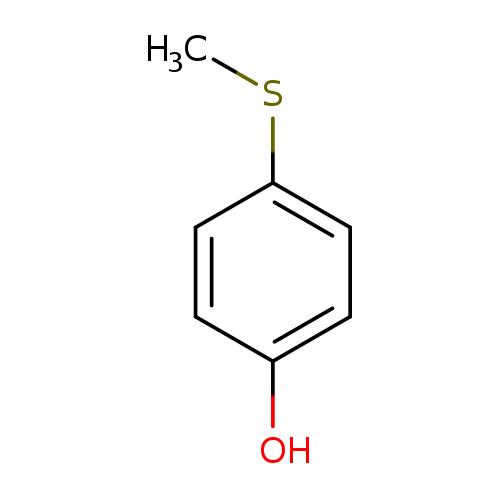
4-(Methylthio)phenolCatalog No.:AA0033R1 CAS No.:1073-72-9 MDL No.:MFCD00002351 MF:C7H8OS MW:140.2028 |
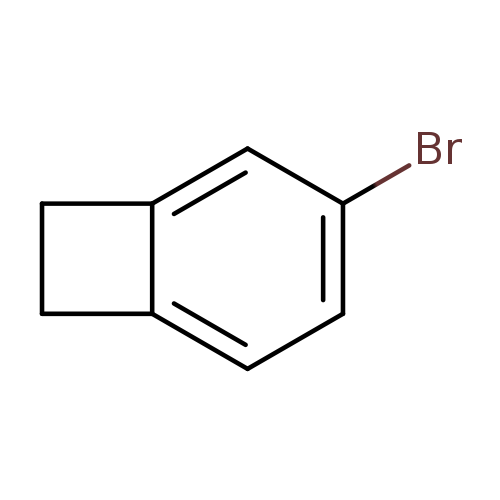
3-Bromobicyclo[4.2.0]octa-1,3,5-trieneCatalog No.:AA0033VJ CAS No.:1073-39-8 MDL No.:MFCD09029072 MF:C8H7Br MW:183.0452 |
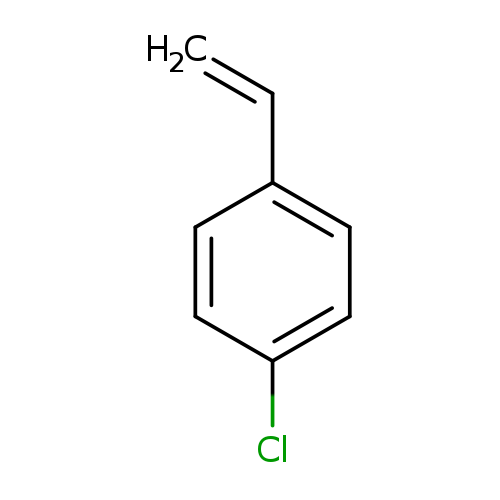
4-ChlorostyreneCatalog No.:AA00389I CAS No.:1073-67-2 MDL No.:MFCD00000632 MF:C8H7Cl MW:138.5942 |
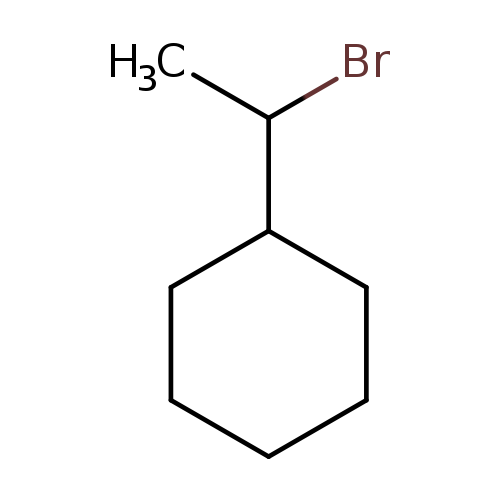
(1-Bromoethyl)cyclohexaneCatalog No.:AA003BCG CAS No.:1073-42-3 MDL No.:MFCD12065565 MF:C8H15Br MW:191.1087 |
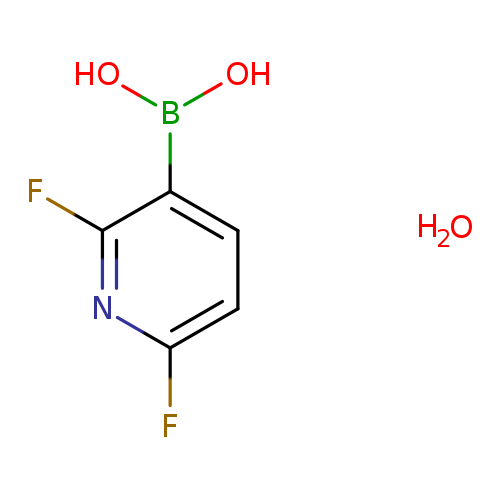
2,6-Difluoropyridine-3-boronic acid hydrateCatalog No.:AA003BIF CAS No.:1072952-27-2 MDL No.:MFCD06657881 MF:C5H6BF2NO3 MW:176.9138 |
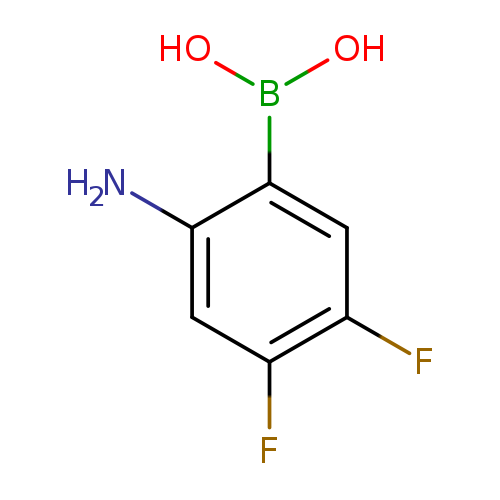
2-Amino-4,5-difluorophenylboronic acidCatalog No.:AA003BIP CAS No.:1072952-14-7 MDL No.:MFCD03095340 MF:C6H6BF2NO2 MW:172.9251 |
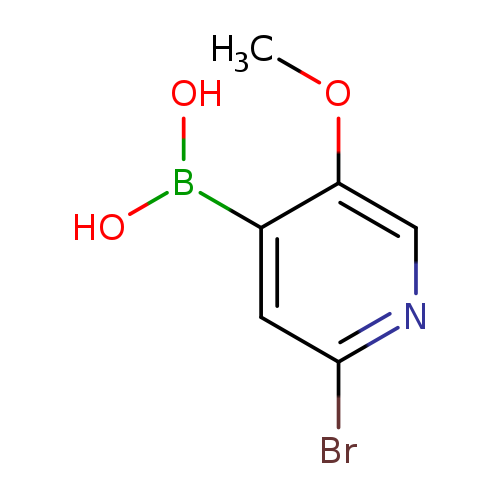
2-Bromo-5-methoxypyridine-4-boronic acidCatalog No.:AA003BJ3 CAS No.:1072952-48-7 MDL No.:MFCD07781222 MF:C6H7BBrNO3 MW:231.8397 |
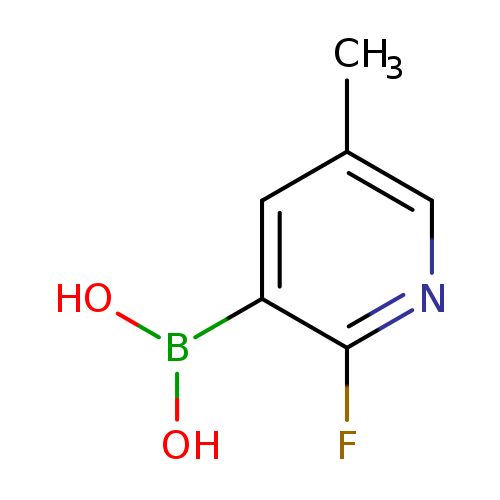
(2-Fluoro-5-methylpyridin-3-yl)boronic acidCatalog No.:AA003BKD CAS No.:1072952-45-4 MDL No.:MFCD07368857 MF:C6H7BFNO2 MW:154.9347 |
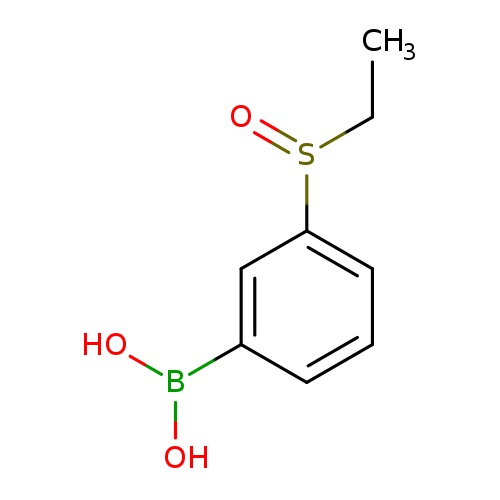
(3-(Ethylsulfinyl)phenyl)boronic acidCatalog No.:AA003BND CAS No.:1072952-07-8 MDL No.:MFCD03092933 MF:C8H11BO3S MW:198.0471 |
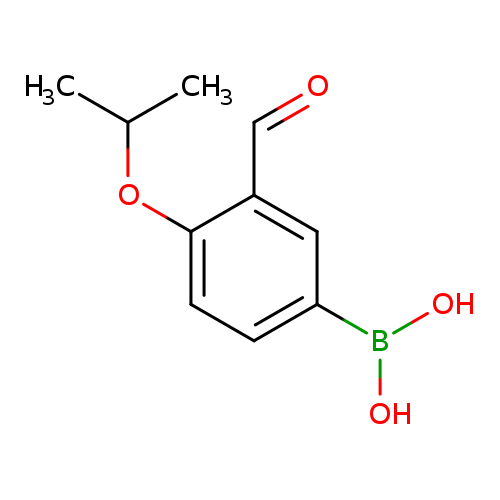
3-Formyl-4-isopropoxyphenylboronic acidCatalog No.:AA003BPN CAS No.:1072952-00-1 MDL No.:MFCD08705272 MF:C10H13BO4 MW:208.0188 |
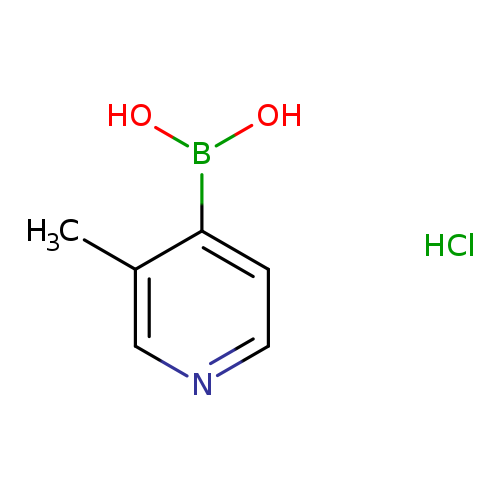
3-PICOLINE-4-BORONIC ACID HCLCatalog No.:AA003BQ3 CAS No.:1072952-40-9 MDL No.:MFCD06659519 MF:C6H9BClNO2 MW:173.4052 |
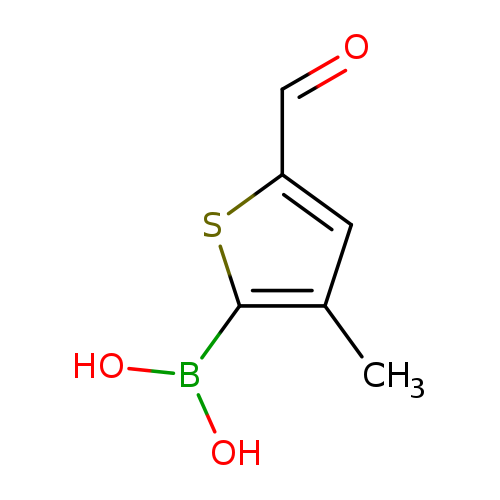
5-Formyl-3-methylthiophene-2-boronic acidCatalog No.:AA003BVB CAS No.:1072952-28-3 MDL No.:MFCD06657888 MF:C6H7BO3S MW:169.9940 |
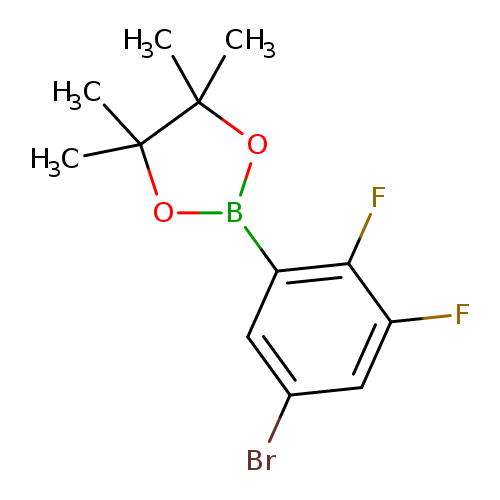
5-Bromo-2,3-difluorophenylboronic acid, pinacol esterCatalog No.:AA003EV1 CAS No.:1073339-12-4 MDL No.:MFCD11855989 MF:C12H14BBrF2O2 MW:318.9502 |
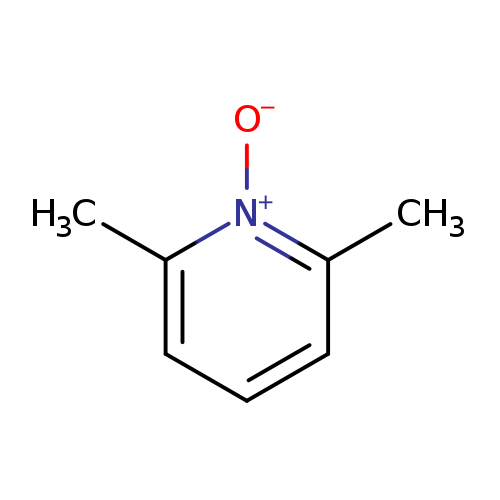
Pyridine, 2,6-dimethyl-, 1-oxideCatalog No.:AA003G31 CAS No.:1073-23-0 MDL No.:MFCD00039715 MF:C7H9NO MW:123.1525 |
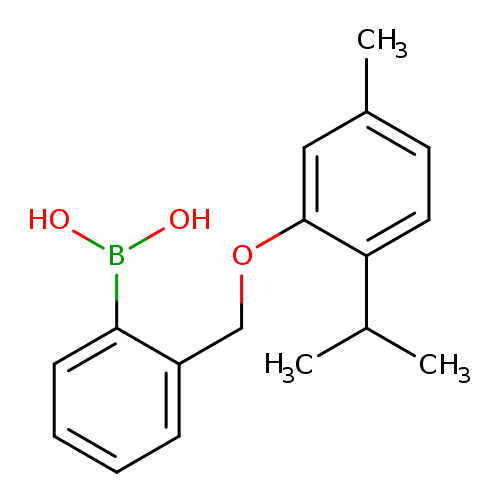
2-[(2-Isopropyl-5-methylphenoxy)methyl]phenylboronic acidCatalog No.:AA003G4X CAS No.:1072951-87-1 MDL No.:MFCD08276821 MF:C17H21BO3 MW:284.1578 |
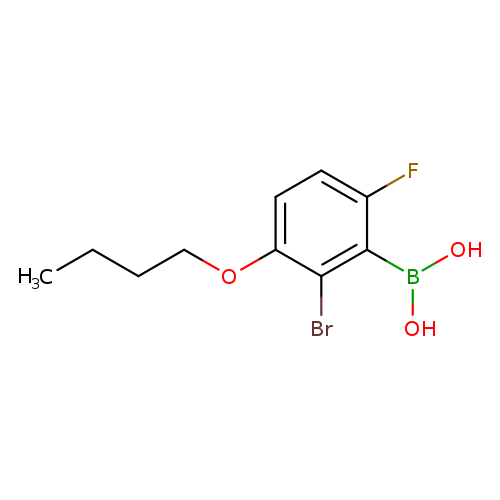
2-Bromo-3-butoxy-6-fluorophenylboronic acidCatalog No.:AA003GJT CAS No.:1072951-95-1 MDL No.:MFCD08276824 MF:C10H13BBrFO3 MW:290.9218 |
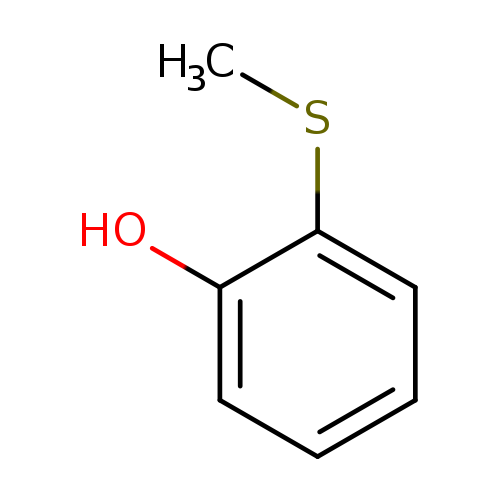
2-(Methylthio)phenolCatalog No.:AA003HDD CAS No.:1073-29-6 MDL No.:MFCD00002211 MF:C7H8OS MW:140.2028 |
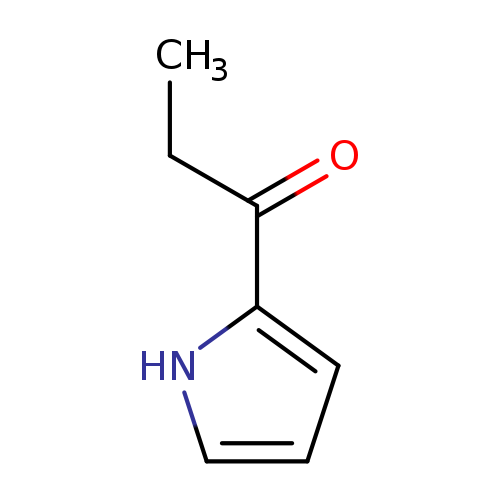
2-PropionylpyrroleCatalog No.:AA003HTP CAS No.:1073-26-3 MDL No.:MFCD01696449 MF:C7H9NO MW:123.1525 |
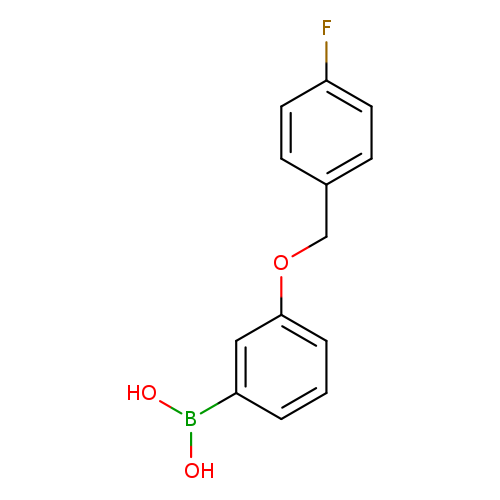
(3-((4-Fluorobenzyl)oxy)phenyl)boronic acidCatalog No.:AA003I06 CAS No.:1072952-03-4 MDL No.:MFCD08705238 MF:C13H12BFO3 MW:246.0420 |
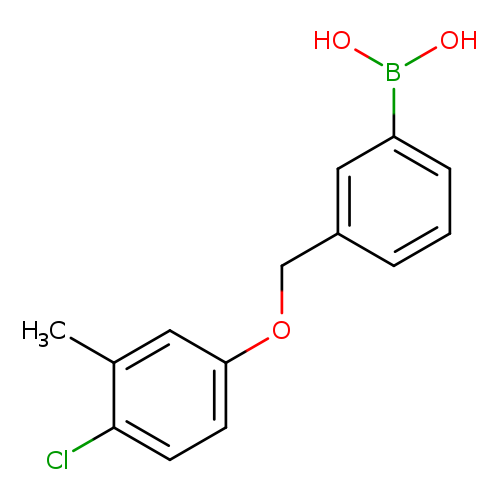
3-[(4-Chloro-3-methylphenoxy)methyl]phenylboronic acidCatalog No.:AA003ION CAS No.:1072951-91-7 MDL No.:MFCD09265140 MF:C14H14BClO3 MW:276.5232 |
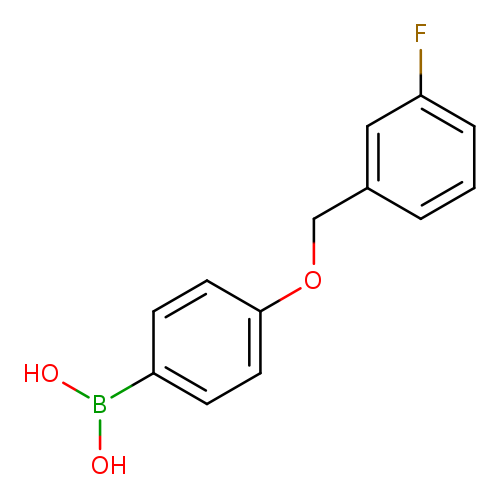
4-(3'-Fluorobenzyloxy)phenylboronic acidCatalog No.:AA003JYC CAS No.:1072951-98-4 MDL No.:MFCD00010512 MF:C13H12BFO3 MW:246.0420 |
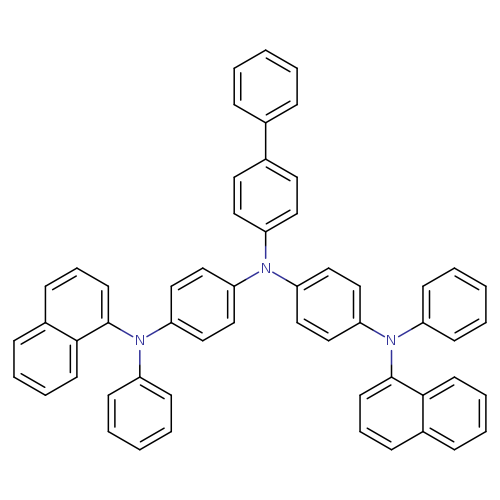
N1-{[1,1'-biphenyl]-4-yl}-N4-(naphthalen-1-yl)-N1-{4-[(naphthalen-1-yl)(phenyl)amino]phenyl}-N4-phenylbenzene-1,4-diamineCatalog No.:AA003KBP CAS No.:1073183-32-0 MDL No.:MFCD06797058 MF:C56H41N3 MW:755.9448 |
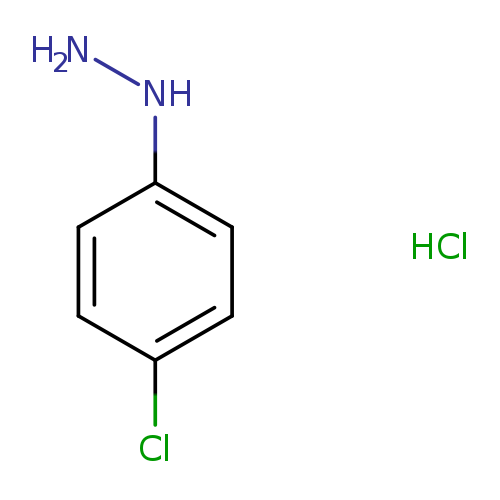
4-Chlorophenylhydrazine HydrochlorideCatalog No.:AA003L5B CAS No.:1073-70-7 MDL No.:MFCD00012943 MF:C6H8Cl2N2 MW:179.0471 |
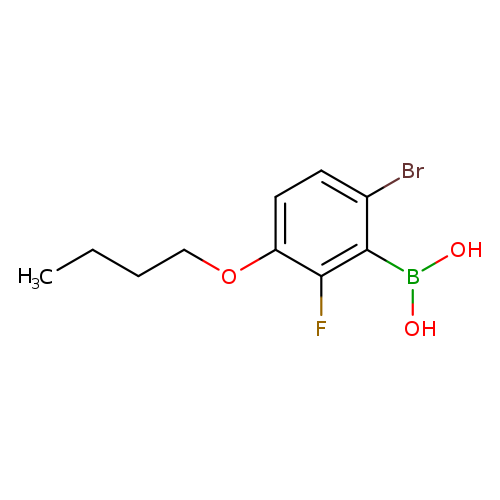
6-Bromo-3-butoxy-2-fluorophenylboronic acidCatalog No.:AA003N1B CAS No.:1072951-88-2 MDL No.:MFCD08276825 MF:C10H13BBrFO3 MW:290.9218 |
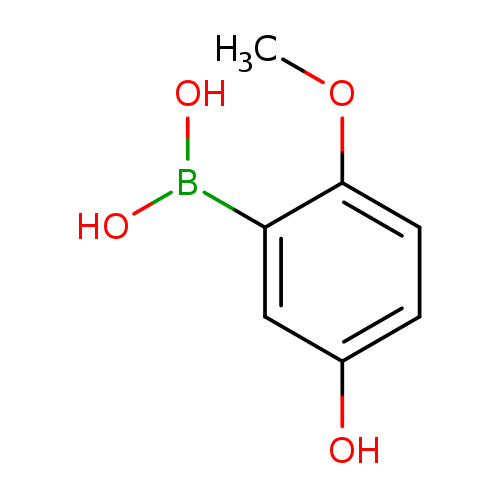
5-Hydroxy-2-methoxyphenylboronic acidCatalog No.:AA003NVO CAS No.:1072952-43-2 MDL No.:MFCD07368831 MF:C7H9BO4 MW:167.9550 |
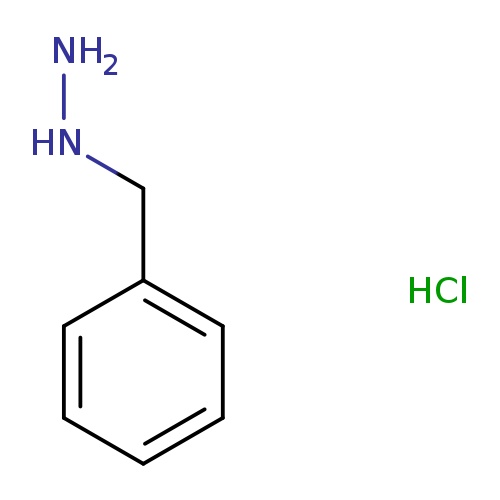
Benzylhydrazine hydrochlorideCatalog No.:AA003O26 CAS No.:1073-62-7 MDL No.:MFCD01722685 MF:C7H11ClN2 MW:158.6286 |
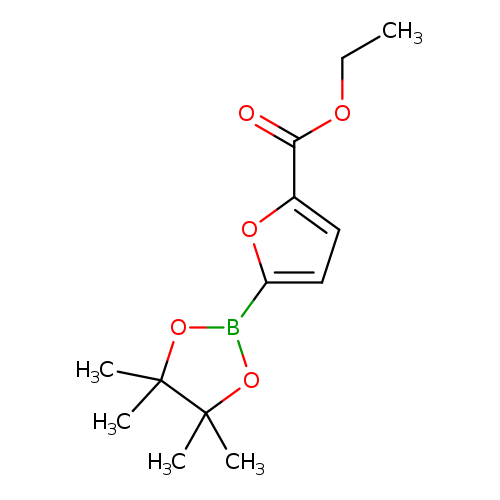
Ethyl 5-(4,4,5,5-tetramethyl-1,3,2-dioxaborolan-2-yl)furan-2-carboxylateCatalog No.:AA003Q8Z CAS No.:1073338-92-7 MDL No.:MFCD11855980 MF:C13H19BO5 MW:266.0980 |
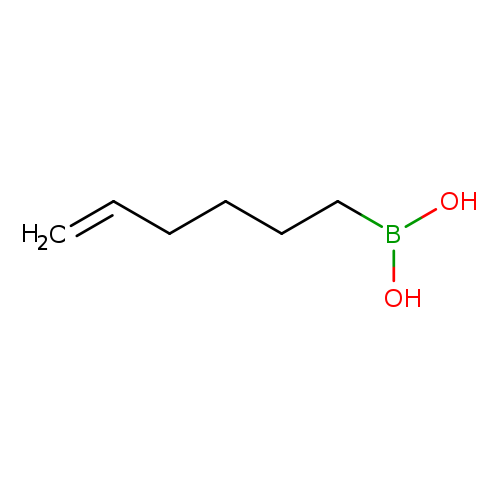
Hex-5-en-1-ylboronic acidCatalog No.:AA003QSK CAS No.:1072952-16-9 MDL No.:MFCD10567048 MF:C6H13BO2 MW:127.9772 |
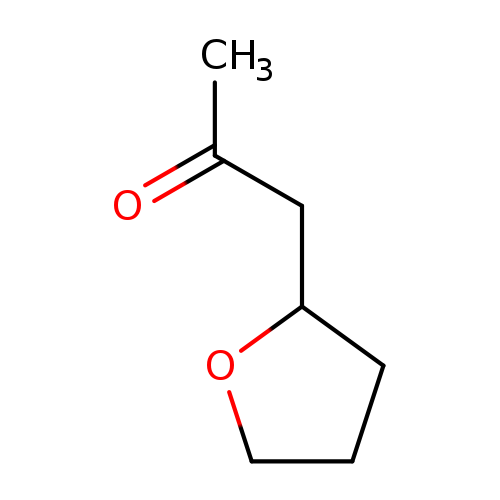
1-(Oxolan-2-yl)propan-2-oneCatalog No.:AA007EF1 CAS No.:1073-73-0 MDL No.:MFCD12153334 MF:C7H12O2 MW:128.1690 |
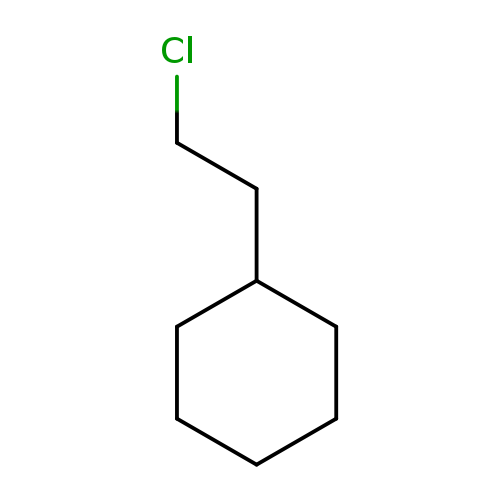
(2-Chloroethyl)cyclohexaneCatalog No.:AA007EKF CAS No.:1073-61-6 MDL No.:MFCD11646261 MF:C8H15Cl MW:146.6577 |
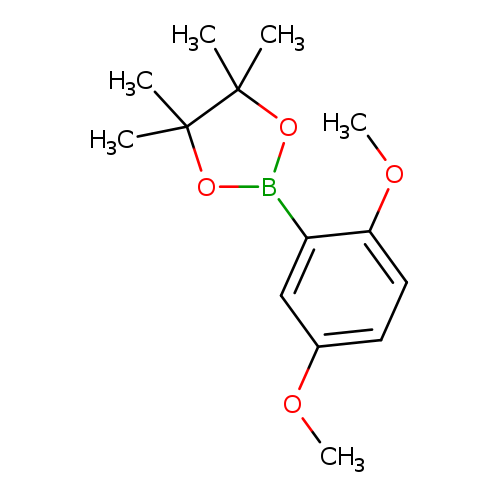
2-(2,5-Dimethoxyphenyl)-4,4,5,5-tetramethyl-1,3,2-dioxaborolaneCatalog No.:AA007EKZ CAS No.:1073339-07-7 MDL No.:MFCD12405521 MF:C14H21BO4 MW:264.1251 |
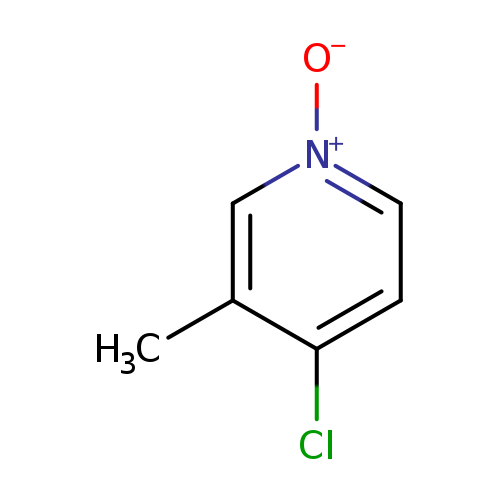
4-chloro-3-methylpyridin-1-ium-1-olateCatalog No.:AA007EKY CAS No.:1073-34-3 MDL No.:MFCD00128858 MF:C6H6ClNO MW:143.5709 |
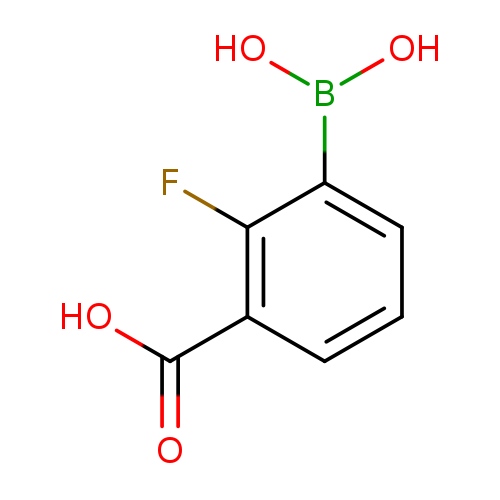
3-Borono-2-fluorobenzoic acidCatalog No.:AA007EP5 CAS No.:1072952-09-0 MDL No.:MFCD03095128 MF:C7H6BFO4 MW:183.9295 |
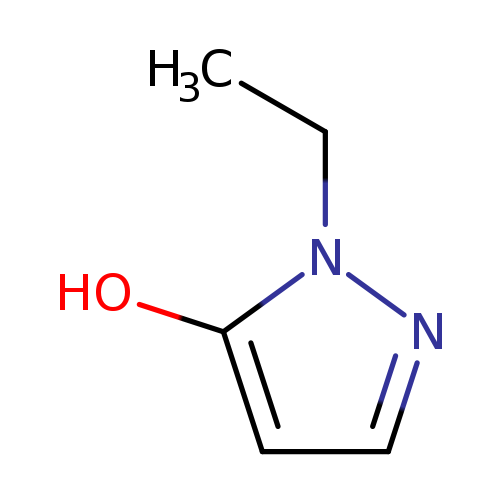
1-ethyl-1H-pyrazol-5-olCatalog No.:AA007EOZ CAS No.:107296-34-4 MDL No.:MFCD13151912 MF:C5H8N2O MW:112.1298 |
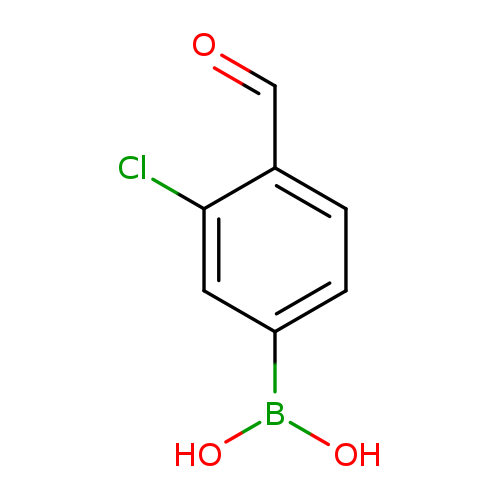
3-Chloro-4-Formylphenylboronic AcidCatalog No.:AA007EP1 CAS No.:1072952-53-4 MDL No.:MFCD08274473 MF:C7H6BClO3 MW:184.3847 |
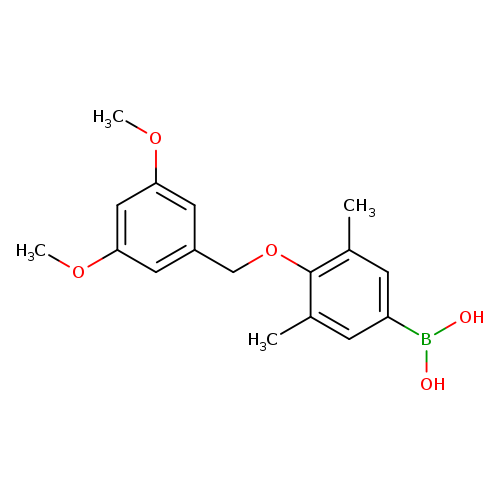
(4-((3,5-Dimethoxybenzyl)Oxy)-3,5-Dimethylphenyl)Boronic AcidCatalog No.:AA007EP6 CAS No.:1072951-94-0 MDL No.:MFCD22421632 MF:C17H21BO5 MW:316.1566 |
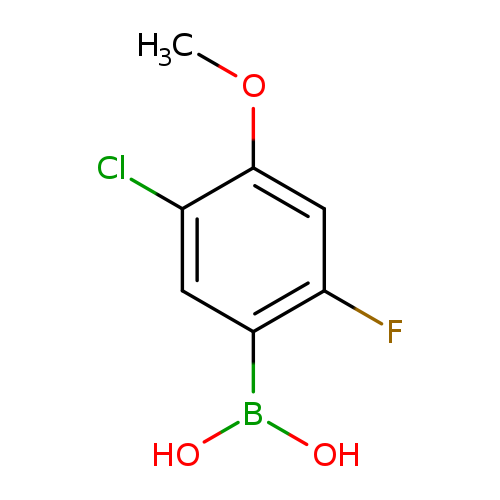
(5-Chloro-2-fluoro-4-methoxyphenyl)boronic acidCatalog No.:AA007EP3 CAS No.:1072952-18-1 MDL No.:MFCD04112552 MF:C7H7BClFO3 MW:204.3911 |
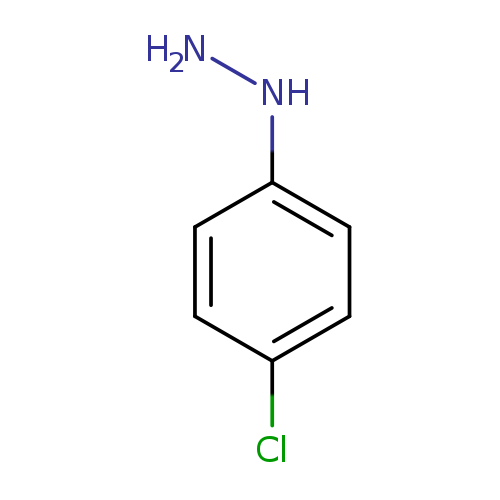
Hydrazine,(4-chlorophenyl)-Catalog No.:AA007W84 CAS No.:1073-69-4 MDL No.:MFCD00038132 MF:C6H7ClN2 MW:142.5862 |
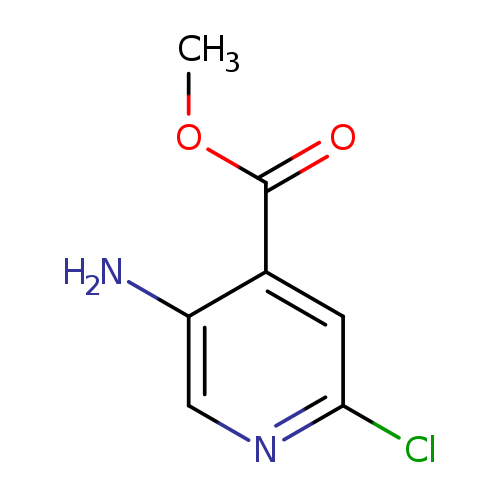
Methyl 5-amino-2-chloroisonicotinateCatalog No.:AA007WF6 CAS No.:1073182-59-8 MDL No.:MFCD11848213 MF:C7H7ClN2O2 MW:186.5957 |
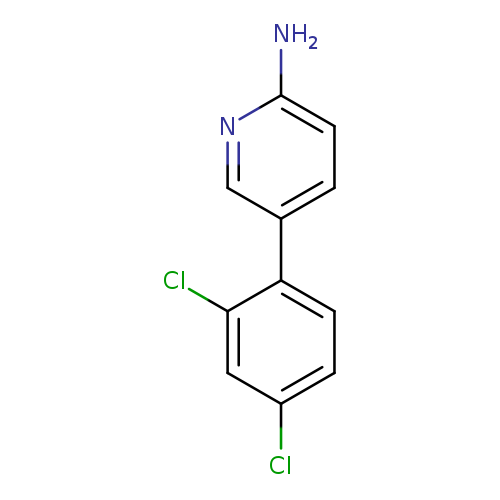
5-(2,4-Dichlorophenyl)pyridin-2-amineCatalog No.:AA007WFA CAS No.:1073114-78-9 MDL No.:MFCD16778826 MF:C11H8Cl2N2 MW:239.1006 |
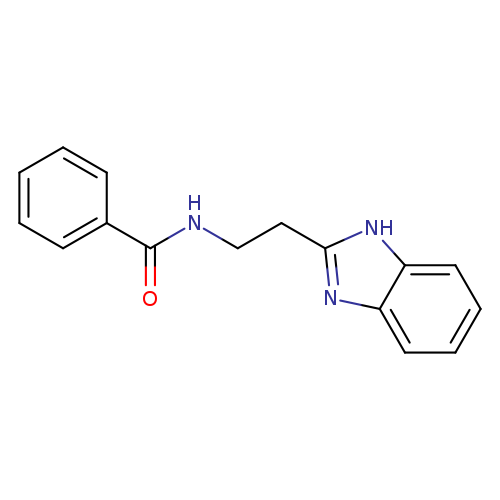
N-[2-(1H-1,3-benzodiazol-2-yl)ethyl]benzamideCatalog No.:AA007WF8 CAS No.:107313-47-3 MDL No.:MFCD00522697 MF:C16H15N3O MW:265.3098 |
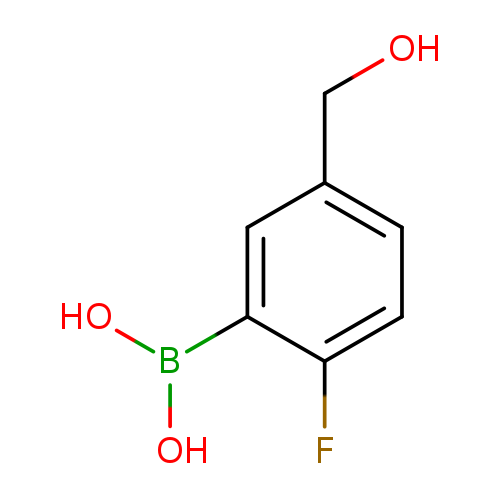
(2-Fluoro-5-(hydroxymethyl)phenyl)boronic acidCatalog No.:AA007WFF CAS No.:1072952-25-0 MDL No.:MFCD06656276 MF:C7H8BFO3 MW:169.9460 |
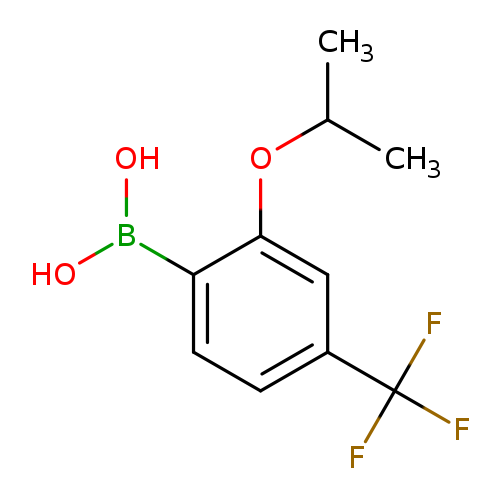
2-Isopropoxy-4-trifluoromethylphenylboronic acidCatalog No.:AA007WFG CAS No.:1072952-21-6 MDL No.:MFCD04972374 MF:C10H12BF3O3 MW:248.0067 |
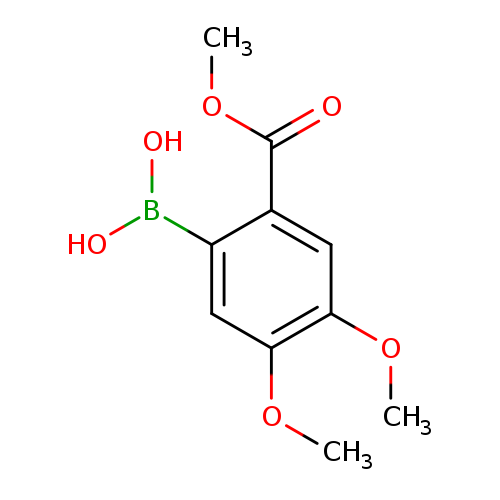
(4,5-Dimethoxy-2-(methoxycarbonyl)phenyl)boronic acidCatalog No.:AA007WFD CAS No.:1072952-49-8 MDL No.:MFCD07781232 MF:C10H13BO6 MW:240.0176 |
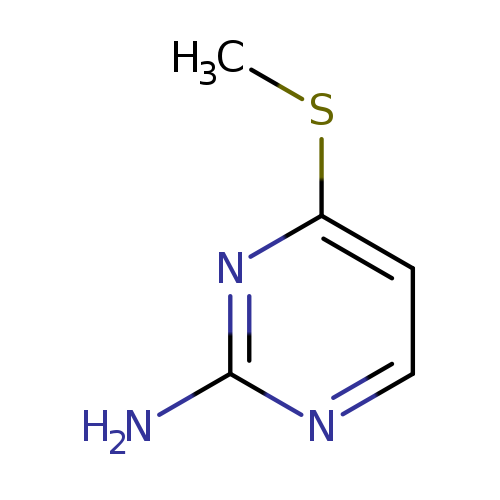
4-(methylsulfanyl)pyrimidin-2-amineCatalog No.:AA0084N3 CAS No.:1073-54-7 MDL No.:MFCD18816603 MF:C5H7N3S MW:141.1942 |
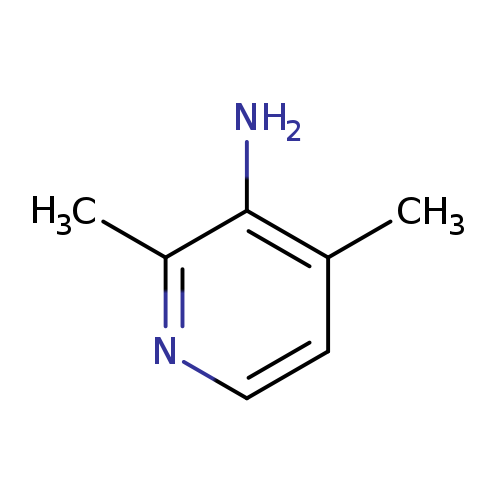
2,4-Dimethylpyridin-3-amineCatalog No.:AA0084TA CAS No.:1073-21-8 MDL No.:MFCD08235192 MF:C7H10N2 MW:122.1677 |
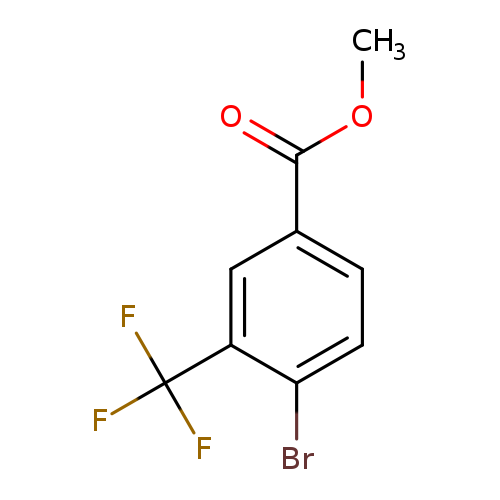
Methyl 4-bromo-3-(trifluoromethyl)benzoateCatalog No.:AA0084TC CAS No.:107317-58-8 MDL No.:MFCD10566409 MF:C9H6BrF3O2 MW:283.0419 |
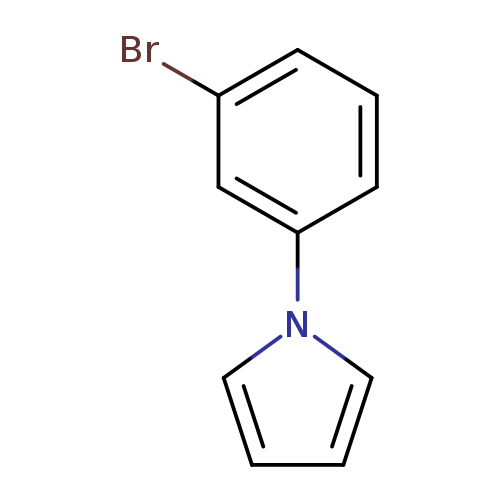
1-(3-Bromophenyl)-1H-pyrroleCatalog No.:AA0084TF CAS No.:107302-22-7 MDL No.:MFCD02665243 MF:C10H8BrN MW:222.0812 |
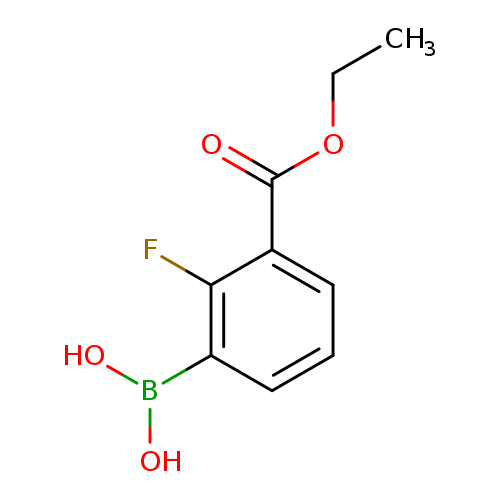
(3-(Ethoxycarbonyl)-2-fluorophenyl)boronic acidCatalog No.:AA0084TH CAS No.:1072952-52-3 MDL No.:MFCD08064050 MF:C9H10BFO4 MW:211.9827 |
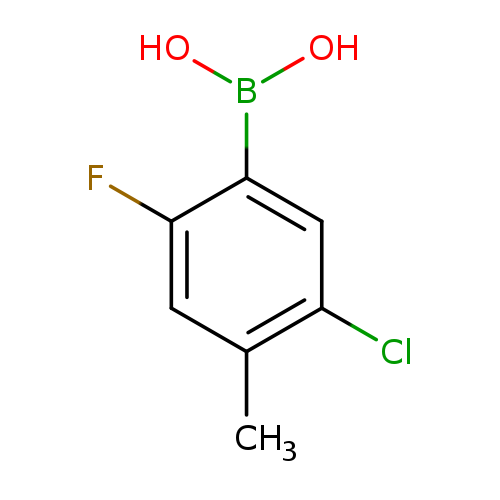
5-CHLORO-2-FLUORO-4-METHYLPHENYLBORONIC ACIDCatalog No.:AA0084TJ CAS No.:1072952-42-1 MDL No.:MFCD07368241 MF:C7H7BClFO2 MW:188.3917 |
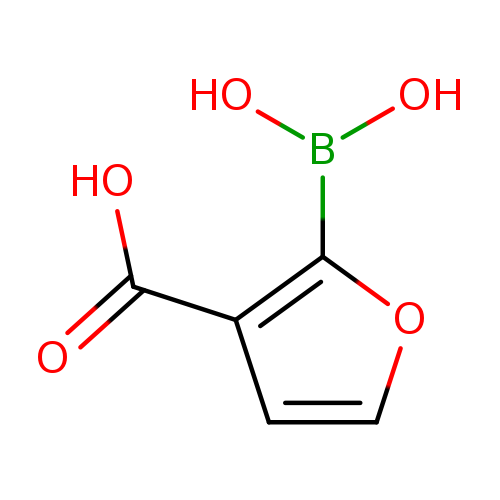
2-Boronofuran-3-carboxylic acidCatalog No.:AA0084TK CAS No.:1072952-23-8 MDL No.:MFCD06203510 MF:C5H5BO5 MW:155.9012 |
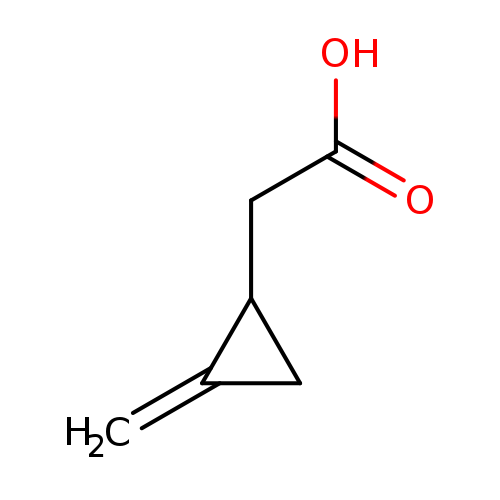
2-Methylenecyclopropaneacetic acidCatalog No.:AA0084TG CAS No.:1073-00-3 MDL No.:MFCD11558999 MF:C6H8O2 MW:112.1265 |
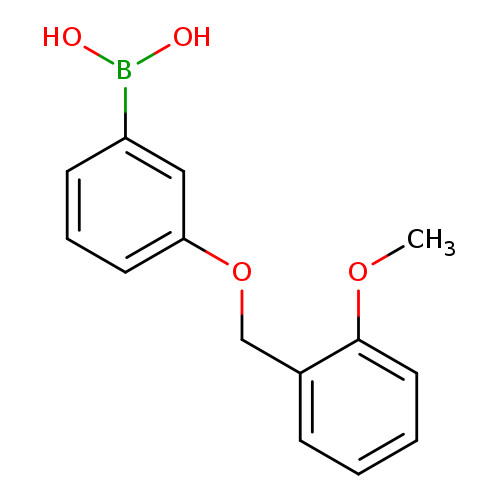
3-(2'-Methoxybenzyloxy)phenylboronic acidCatalog No.:AA0084TN CAS No.:1072952-02-3 MDL No.:MFCD08276833 MF:C14H15BO4 MW:258.0775 |
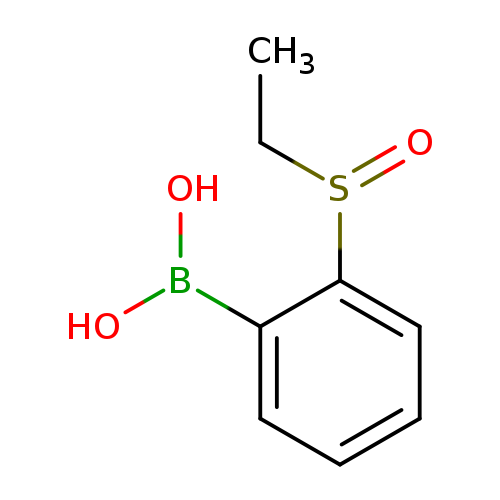
2-Ethylsulfinylphenylboronic acidCatalog No.:AA0084TM CAS No.:1072952-11-4 MDL No.:MFCD03095262 MF:C8H11BO3S MW:198.0471 |
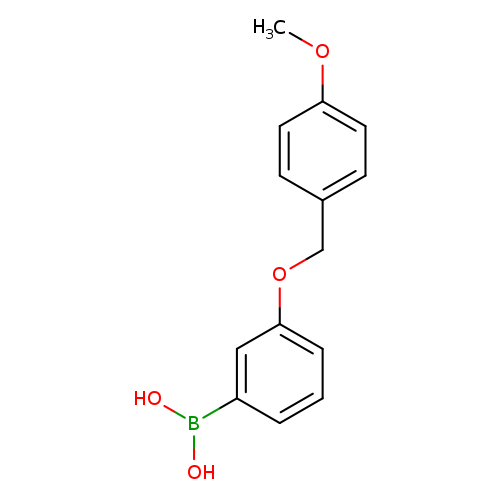
3-(4-Methoxybenzyloxy)phenylboronic acidCatalog No.:AA0084TO CAS No.:1072951-89-3 MDL No.:MFCD09038416 MF:C14H15BO4 MW:258.0775 |
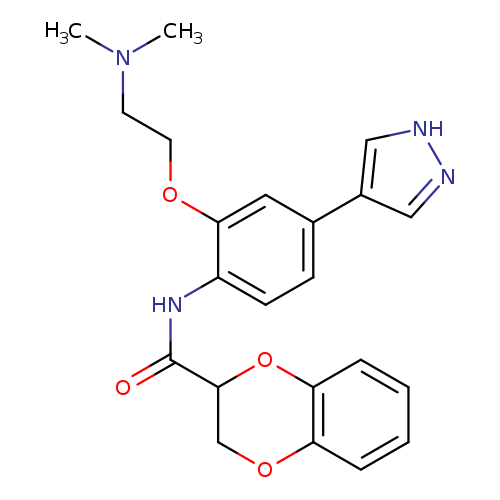
N-[2-[2-(Dimethylamino)ethoxy]-4-(1H-pyrazol-4-yl)phenyl]-2,3-dihydro-1,4-benzodioxin-2-carboxamideCatalog No.:AA008RLJ CAS No.:1072959-67-1 MDL No.:MFCD16619390 MF:C22H24N4O4 MW:408.4504 |
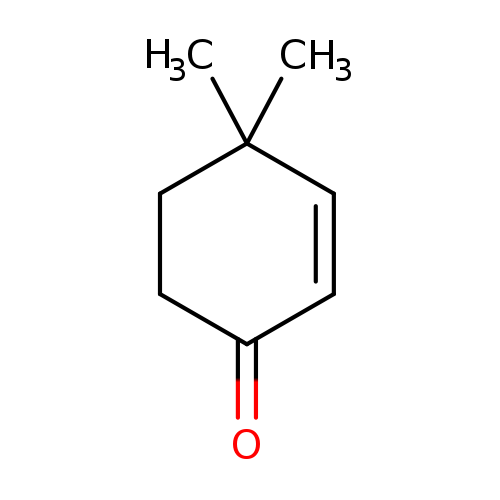
4,4-Dimethyl-2-cyclohexen-1-oneCatalog No.:AA008RLW CAS No.:1073-13-8 MDL No.:MFCD00009695 MF:C8H12O MW:124.1803 |
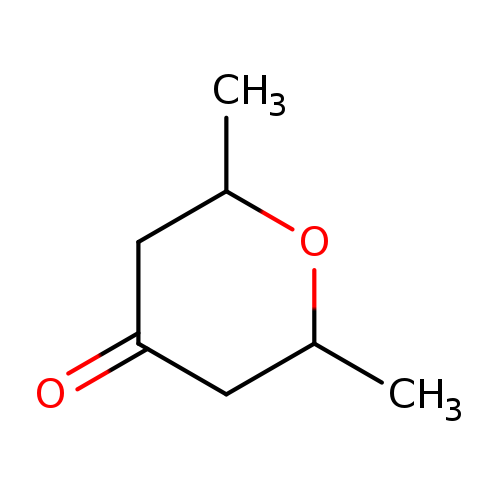
2,6-Dimethyldihydro-2H-pyran-4(3H)-oneCatalog No.:AA008RZB CAS No.:1073-79-6 MDL No.:MFCD01693965 MF:C7H12O2 MW:128.1690 |
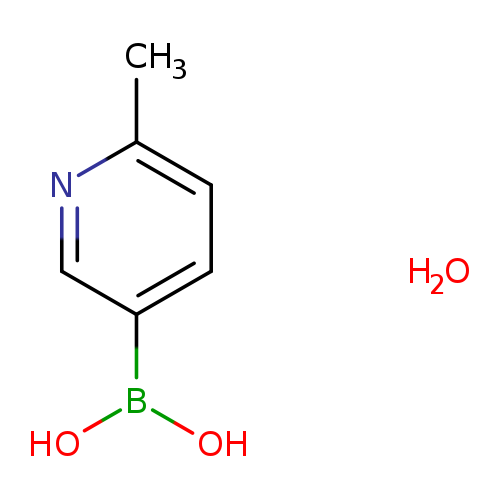
2-Picoline-5-boronic acid hydrateCatalog No.:AA008SSJ CAS No.:1072952-30-7 MDL No.:MFCD06657901 MF:C6H10BNO3 MW:154.9595 |
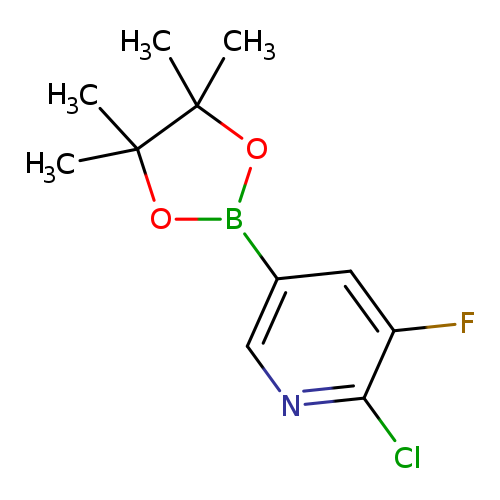
2-Chloro-3-fluoro-5-(4,4,5,5-tetramethyl-1,3,2-dioxaborolan-2-yl)pyridineCatalog No.:AA008STT CAS No.:1073312-28-3 MDL No.:MFCD08063077 MF:C11H14BClFNO2 MW:257.4968 |
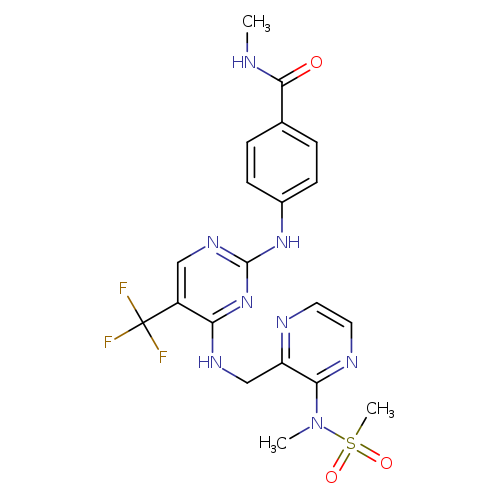
N-Methyl-4-[[4-[[[3-[methyl(methylsulfonyl)amino]-2-pyrazinyl]methyl]amino]-5-(trifluoromethyl)-2-pyrimidinyl]amino]benzamideCatalog No.:AA008TCN CAS No.:1073154-85-4 MDL No.:MFCD25977806 MF:C20H21F3N8O3S MW:510.4927 |
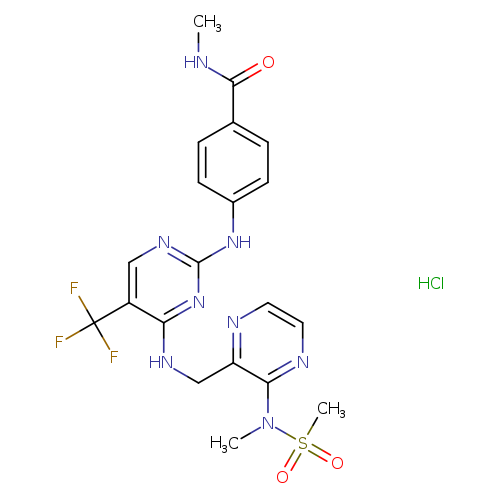
N-Methyl-4-((4-(((3-(N-methylmethylsulfonamido)pyrazin-2-yl)methyl)amino)-5-(trifluoromethyl)pyrimidin-2-yl)amino)benzamide hydrochlorideCatalog No.:AA008TIY CAS No.:1073160-26-5 MDL No.:MFCD28144730 MF:C20H22ClF3N8O3S MW:546.9537 |
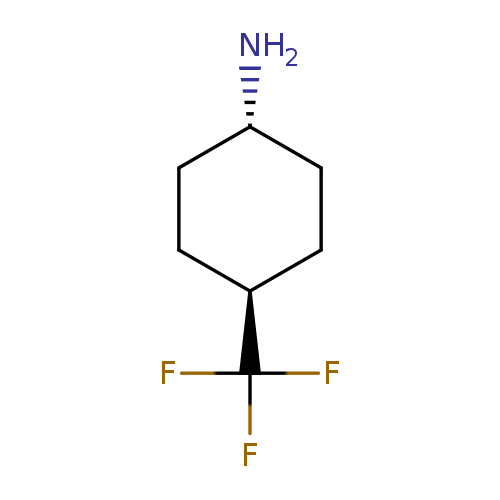
TRANS-4-(TRIFLUOROMETHYL)CYCLOHEXANAMINECatalog No.:AA008UEV CAS No.:1073266-02-0 MDL No.:MFCD18914322 MF:C7H12F3N MW:167.1721 |
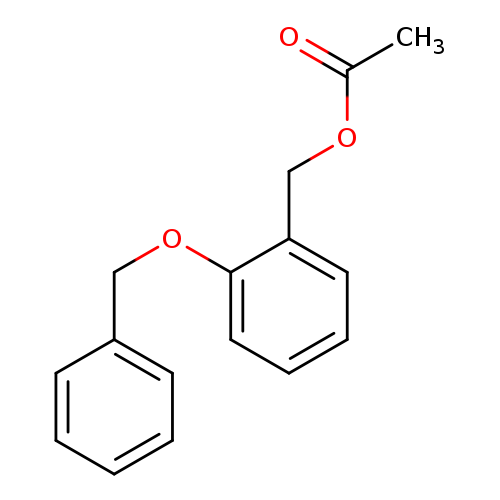
2-Benzyloxybenzyl AcetateCatalog No.:AA008WSQ CAS No.:1073234-31-7 MDL No.:MFCD09038505 MF:C16H16O3 MW:256.2964 |
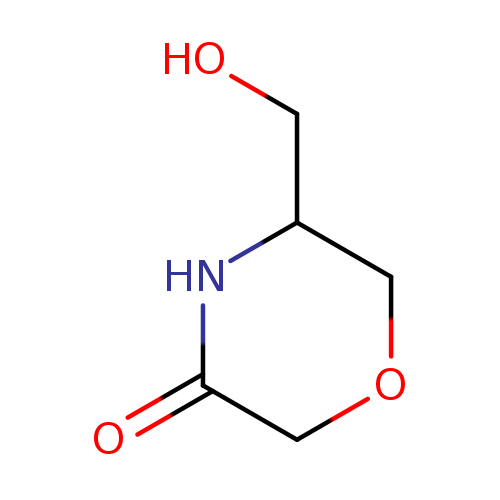
5-(Hydroxymethyl)morpholin-3-oneCatalog No.:AA008ZD2 CAS No.:1073338-64-3 MDL No.:MFCD11044094 MF:C5H9NO3 MW:131.1299 |
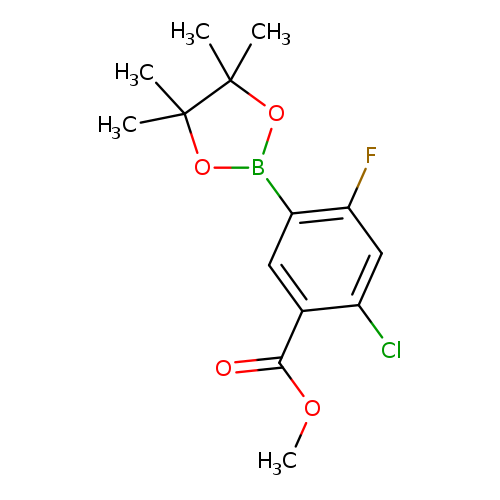
4-Chloro-2-fluoro-5-(methoxycarbonyl)phenylboronic acid, pinacol esterCatalog No.:AA0090C8 CAS No.:1073339-13-5 MDL No.:MFCD12026085 MF:C14H17BClFO4 MW:314.5448 |
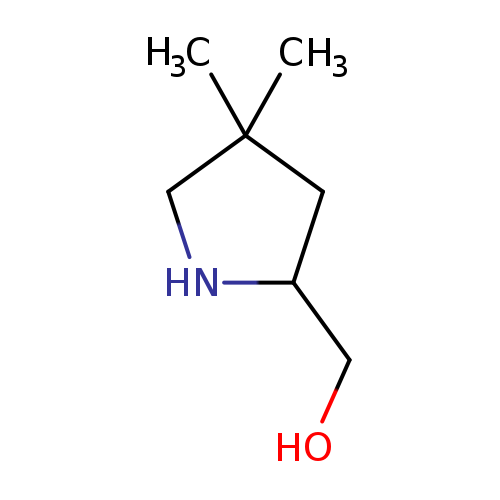
(4,4-Dimethylpyrrolidin-2-yl)methanolCatalog No.:AA0092MB CAS No.:1073283-04-1 MDL No.:MFCD19227423 MF:C7H15NO MW:129.2001 |
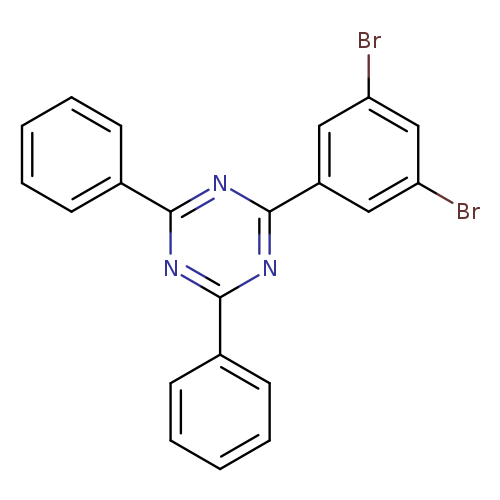
2-(3,5-Dibromophenyl)-4,6-diphenyl-1,3,5-triazineCatalog No.:AA00942Z CAS No.:1073062-59-5 MDL No.:MFCD25562933 MF:C21H13Br2N3 MW:467.1560 |
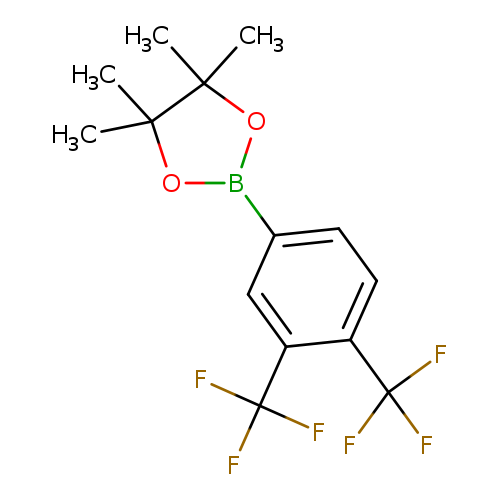
2-(3,4-Bis(trifluoromethyl)phenyl)-4,4,5,5-tetramethyl-1,3,2-dioxaborolaneCatalog No.:AA00944F CAS No.:1073339-08-8 MDL No.:MFCD12405522 MF:C14H15BF6O2 MW:340.0691 |
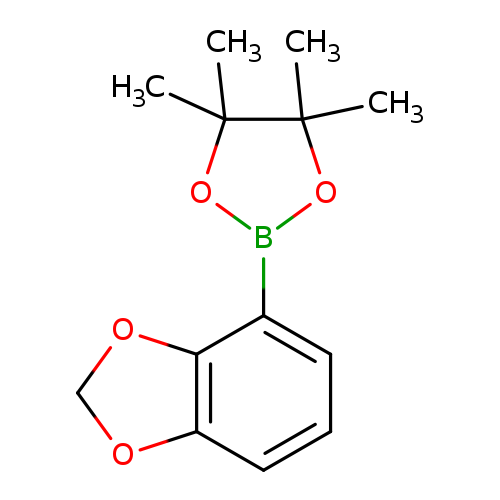
2-(Benzo[d][1,3]dioxol-4-yl)-4,4,5,5-tetramethyl-1,3,2-dioxaborolaneCatalog No.:AA009454 CAS No.:1073339-10-2 MDL No.:MFCD12405524 MF:C13H17BO4 MW:248.0827 |
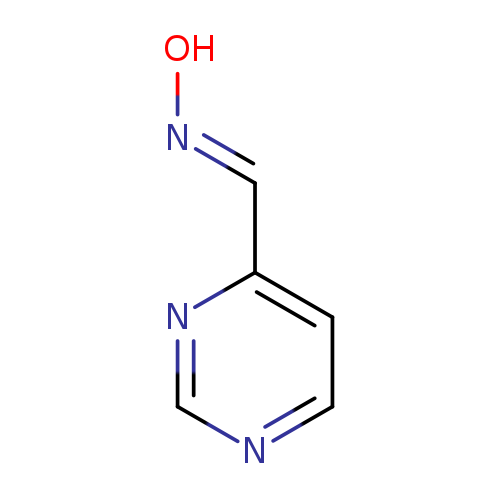
Pyrimidine-4-carbaldehyde oximeCatalog No.:AA0094LI CAS No.:1073-65-0 MDL No.:MFCD18828136 MF:C5H5N3O MW:123.1127 |
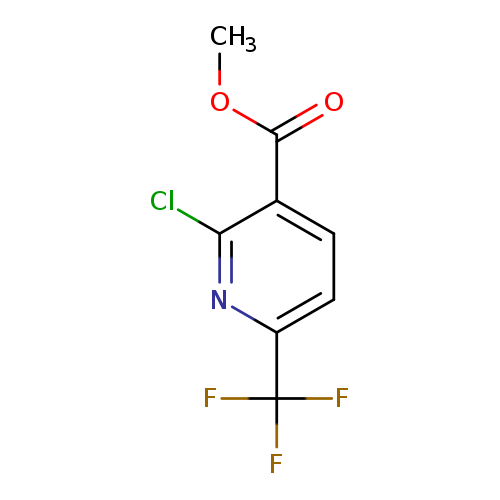
Methyl 2-Chloro-6-(trifluoromethyl)nicotinateCatalog No.:AA0094OZ CAS No.:1073129-57-3 MDL No.:MFCD00016047 MF:C8H5ClF3NO2 MW:239.5790 |
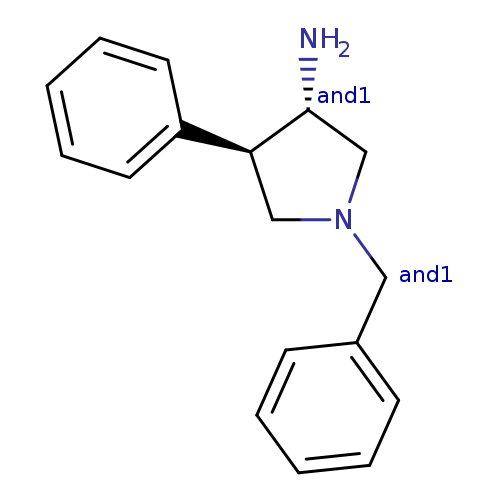
rac-(3R,4S)-1-benzyl-4-phenylpyrrolidin-3-amineCatalog No.:AA0095N2 CAS No.:1073263-65-6 MDL No.:MFCD21608504 MF:C17H20N2 MW:252.3541 |
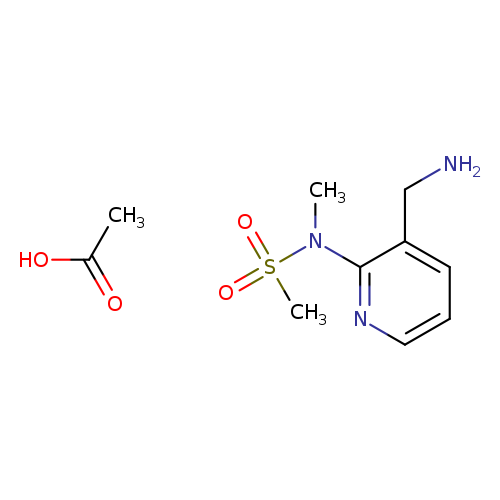
N-(3-(Aminomethyl)pyridin-2-yl)-N-methylmethanesulfonamide acetateCatalog No.:AA0095N9 CAS No.:1073159-75-7 MDL No.:MFCD29044904 MF:C10H17N3O4S MW:275.3247 |
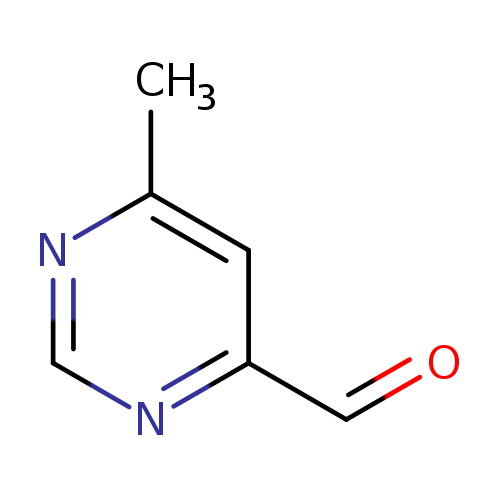
6-Methylpyrimidine-4-carbaldehydeCatalog No.:AA009QTH CAS No.:1073-53-6 MDL No.:MFCD09881197 MF:C6H6N2O MW:122.1246 |
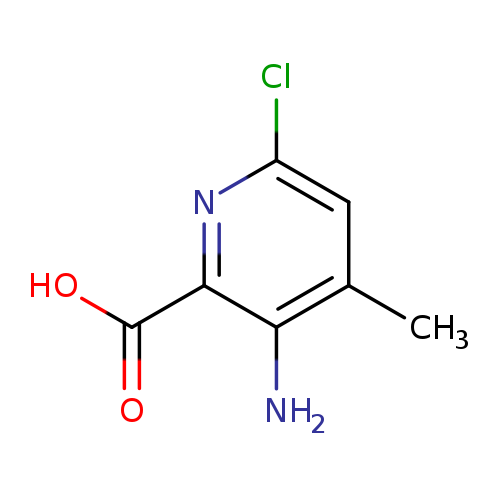
3-Amino-6-Chloro-4-Methylpicolinic AcidCatalog No.:AA00HAW9 CAS No.:1073182-76-9 MDL No.:MFCD18382760 MF:C7H7ClN2O2 MW:186.5957 |
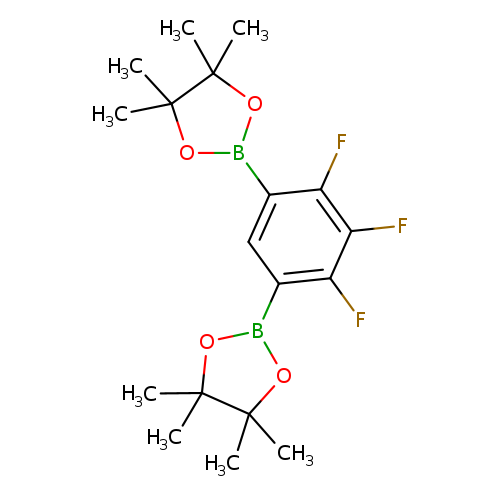
2,2'-(4,5,6-Trifluoro-1,3-phenylene)bis(4,4,5,5-tetramethyl-1,3,2-dioxaborolane)Catalog No.:AA00HAWO CAS No.:1073339-14-6 MDL No.:MFCD12407210 MF:C18H25B2F3O4 MW:384.0059 |
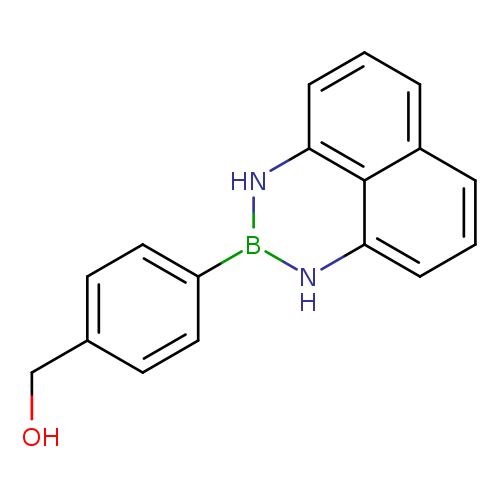
2-(4-Hydroxymethylphenyl)-2,3-dihydro-1h-naphtho[1,8-de][1,3,2]diazaborinineCatalog No.:AA00HAW4 CAS No.:1072960-84-9 MDL No.:MFCD20527131 MF:C17H15BN2O MW:274.1248 |
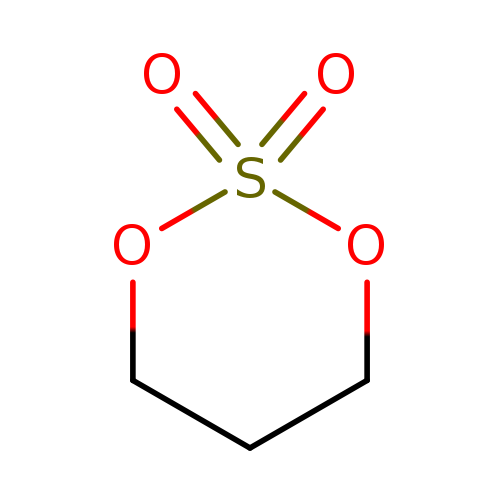
1,3,2-Dioxathiane, 2,2-dioxideCatalog No.:AA00HAW5 CAS No.:1073-05-8 MDL No.:MFCD00801144 MF:C3H6O4S MW:138.1423 |
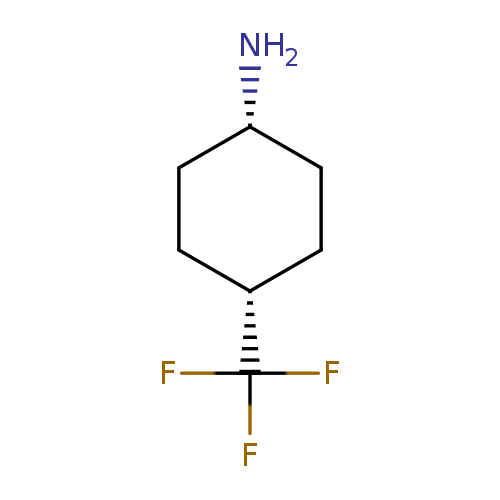
cis-4-(Trifluoromethyl)cyclohexanamineCatalog No.:AA00IMIK CAS No.:1073266-01-9 MDL No.:MFCD19686543 MF:C7H12F3N MW:167.1721 |
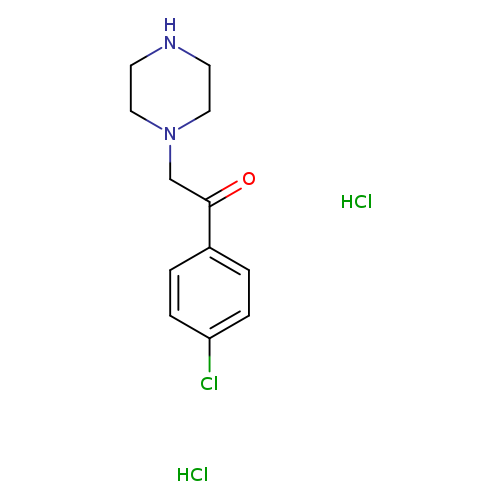
1-(4-Chlorophenyl)-2-(piperazin-1-yl)ethan-1-one dihydrochlorideCatalog No.:AA00VT5N CAS No.:1073155-04-0 MDL No.:MFCD16295341 MF:C12H17Cl3N2O MW:311.6352 |
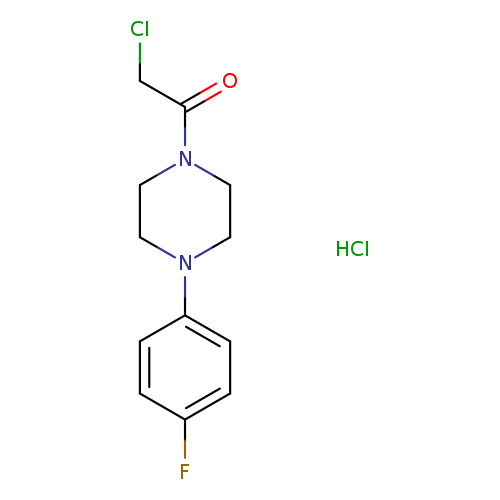
2-chloro-1-[4-(4-fluorophenyl)piperazin-1-yl]ethan-1-one hydrochlorideCatalog No.:AA019JE6 CAS No.:1073059-28-5 MDL No.:MFCD08445288 MF:C12H15Cl2FN2O MW:293.1647 |
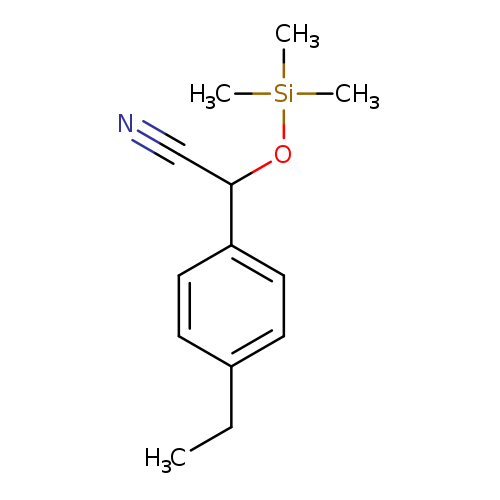
2-(4-ethylphenyl)-2-[(trimethylsilyl)oxy]acetonitrileCatalog No.:AA01BA0T CAS No.:1073135-75-7 MDL No.:MFCD16786523 MF:C13H19NOSi MW:233.3816 |
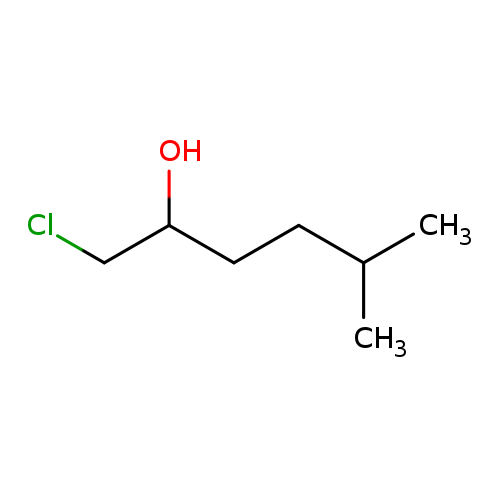
1-chloro-5-methylhexan-2-olCatalog No.:AA01BGMC CAS No.:107323-80-8 MDL No.:MFCD19232587 MF:C7H15ClO MW:150.6464 |
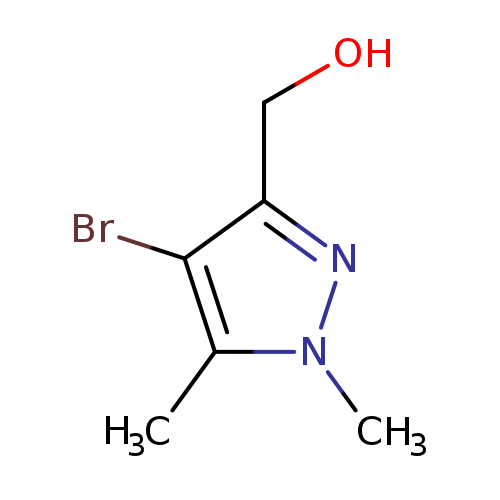
(4-Bromo-1,5-dimethyl-1h-pyrazol-3-yl)methanolCatalog No.:AA01BXKL CAS No.:1073067-93-2 MDL No.:MFCD30497696 MF:C6H9BrN2O MW:205.0525 |
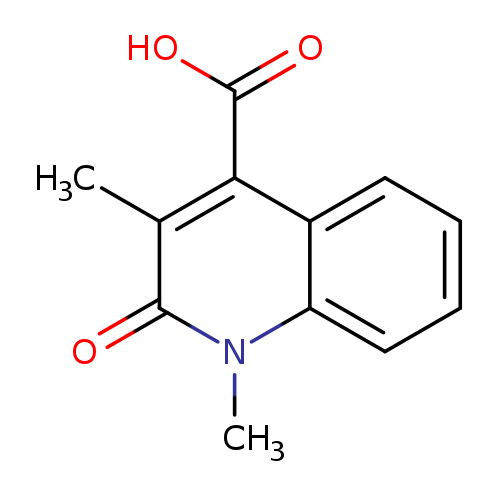
1,3-dimethyl-2-oxo-1,2-dihydroquinoline-4-carboxylic acidCatalog No.:AA01CA6T CAS No.:1073071-78-9 MDL No.:MFCD24499224 MF:C12H11NO3 MW:217.2206 |
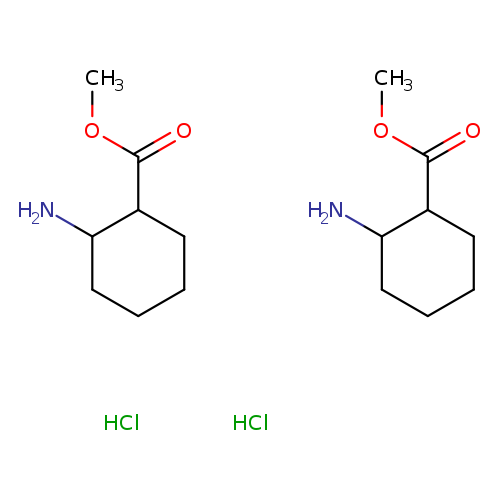
methyl (1R,2R)-rel-2-aminocyclohexane-1-carboxylate hydrochlorideCatalog No.:AA01DMCO CAS No.:107313-17-7 MDL No.:MFCD28892334 MF:C8H16ClNO2 MW:193.6711 |
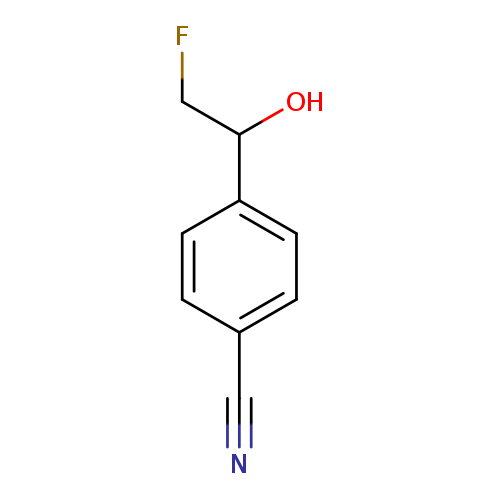
4-(2-fluoro-1-hydroxyethyl)benzonitrileCatalog No.:AA01DX74 CAS No.:1073056-22-0 MDL No.:MFCD31666888 MF:C9H8FNO MW:165.1643 |
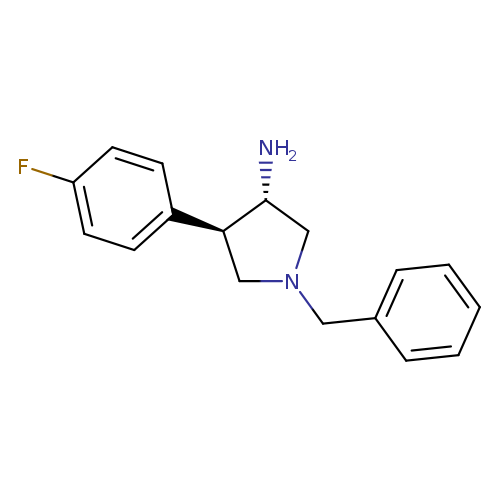
Rel-(3R,4S)-1-benzyl-4-(4-fluorophenyl)pyrrolidin-3-amineCatalog No.:AA01DX75 CAS No.:1073263-80-5 MDL No.:MFCD21605249 MF:C17H19FN2 MW:270.3446 |
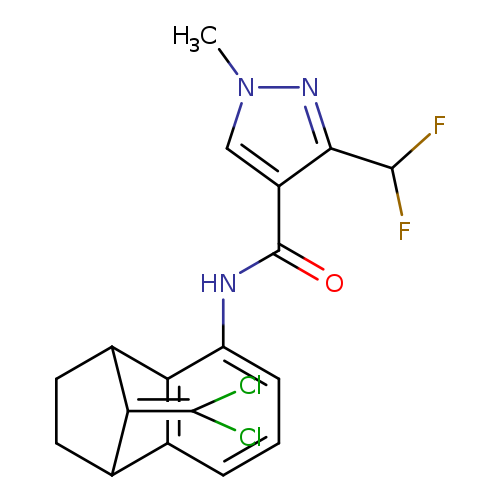
BenzovindiflupyrCatalog No.:AA01DZFR CAS No.:1072957-71-1 MDL No.:MFCD30725523 MF:C18H15Cl2F2N3O MW:398.2340 |
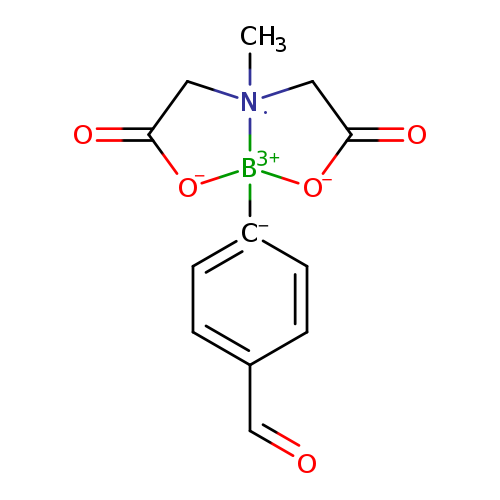
4-(6-Methyl-4,8-Dioxo-1,3,6,2-Dioxazaborocan-2-Yl)BenzaldehydeCatalog No.:AA01FGJ9 CAS No.:1072960-66-7 MDL No.:MFCD11215233 MF:C12H13BNO5 MW:262.0463 |
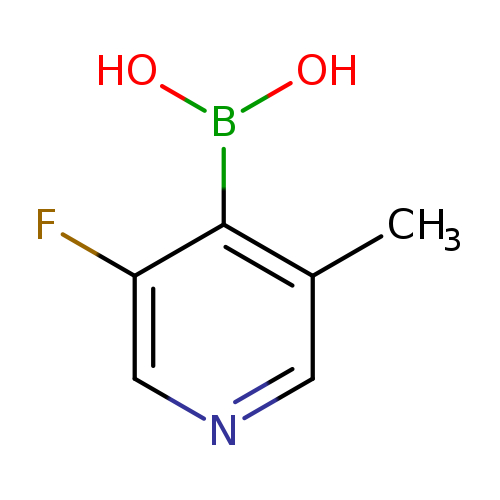
(3-Fluoro-5-methylpyridin-4-yl)boronic acidCatalog No.:AA003BPJ CAS No.:1072952-44-3 MDL No.:MFCD07368843 MF:C6H7BFNO2 MW:154.9347 |
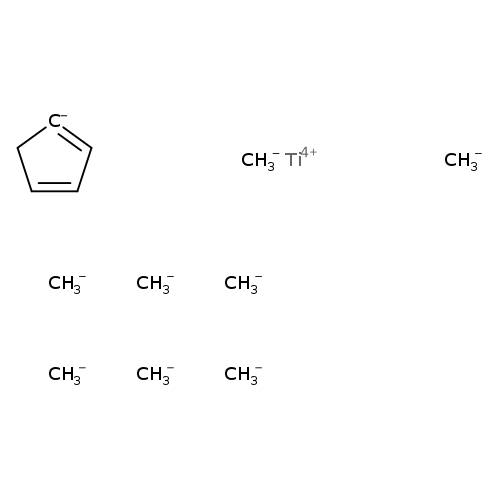
(Trimethyl)pentamethylcyclopentadienyltitanium (IV)Catalog No.:AA003CML CAS No.:107333-47-1 MDL No.:MFCD00269851 MF:C13H29Ti MW:233.2364 |
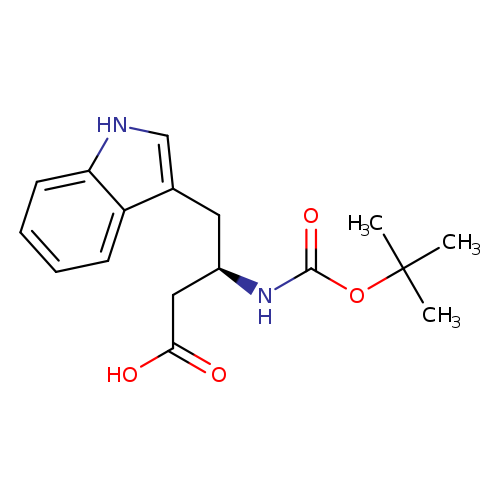
(R)-3-((tert-Butoxycarbonyl)amino)-4-(1H-indol-3-yl)butanoic acidCatalog No.:AA0094WR CAS No.:1073269-91-6 MDL No.:MFCD08276227 MF:C17H22N2O4 MW:318.3676 |
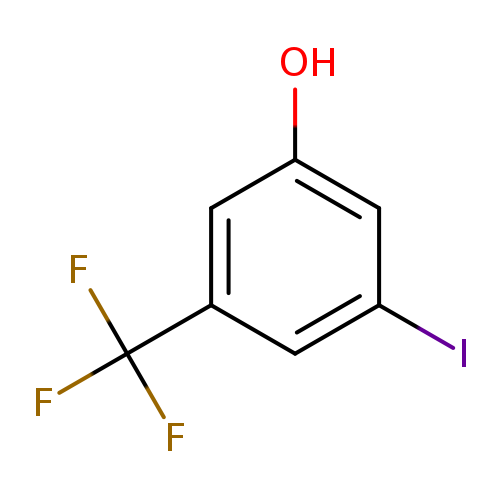
3-Iodo-5-(trifluoromethyl)phenolCatalog No.:AA00953B CAS No.:1073339-06-6 MDL No.:MFCD12405423 MF:C7H4F3IO MW:288.0057 |
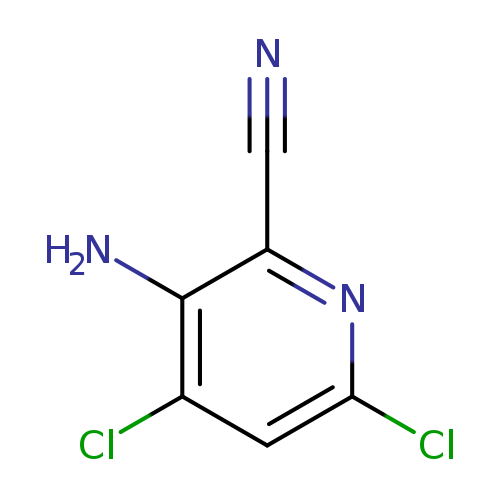
3-AMino-4,6-dichloro-2-pyridinecarbonitrileCatalog No.:AA0098G0 CAS No.:1073182-86-1 MDL No.:MFCD20701019 MF:C6H3Cl2N3 MW:188.0141 |
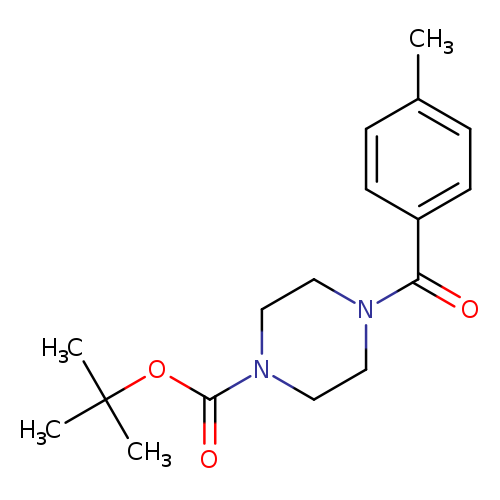
TERT-BUTYL 4-(4-METHYLBENZOYL)PIPERAZINE-1-CARBOXYLATECatalog No.:AA00HAWC CAS No.:1073190-54-1 MDL No.:MFCD14635762 MF:C17H24N2O3 MW:304.3841 |
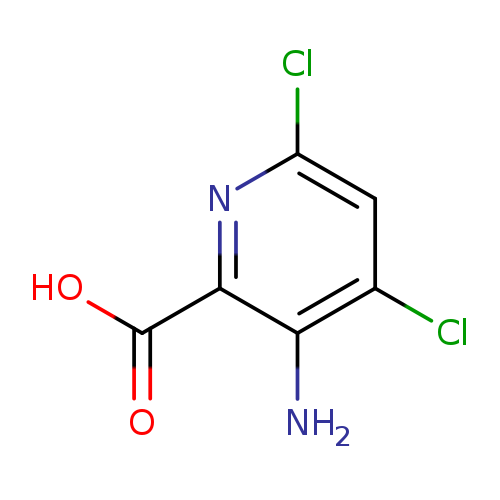
3-Amino-4,6-dichloropicolinic acidCatalog No.:AA009986 CAS No.:1073182-87-2 MDL No.:MFCD24499074 MF:C6H4Cl2N2O2 MW:207.0142 |