

2020-01-30 14:29:13
Rodrigo Montecinos1 | Fernanda Diaz‐Wilson1 | Alexis Bravo‐Sepulveda1 | Cristian O. Salas1 | Gonzalo Recabarren‐Gajardo1 | Faruk Nome
1| INTRODUCTION
Indoles and azaindoles are very interesting heterocycles found in naturally occurring and synthetic molecules exhibiting several biological properties associated with their physicochemical properties.[1] In the context of drug development, azaindoles have been recognized as privileged structures in biological process modulation, in medicinal chemistry and drug discovery programs. Scarcely found in nature, azaindoles are interesting in terms of drug optimization strategies. The drug‐like prop- erties of the molecules such as: oral bioavailable (Lipinski's rules),[2] aqueous solubility, acid‐base proper- ties, target binding, and the properties of absorption‐dis- tribution‐metabolism‐excretion and toxicity (ADME‐Tox properties)[3,4] can be modulated and finely tuned using the azaindole nucleus instead of other bicyclic fused het- erocycles.[5] Indoles and their azaindole derivatives exhibit significant biological activities, and the use of this framework has contributed to the generation of new ther- apeutic agents.[6] The four azaindole isomers, which merge a π‐deficient ring (pyridine) and a π‐rich ring (pyr- role), possess all of the criteria necessary to be excellent bioisosteres of the indole or purine systems.[5,7] When considering the use of an azaindole scaffold instead of an indole one in active drugs, the 5‐aza isomer would seem to be the most commonly encountered because of its strong homology with 5‐hydroxy indoles, the main metabolites of indole, which are present in several mole- cules biologically relevant, but this is misleading. The most popular azaindole is indubitably the N‐7 isomer which has generated more than 100 000 structures, the number of commercially available derivatives is twice that of all other isomers individually, being the most pat- ented structure.[6]
On the other hand, molecular recognition has become a widely studied field in supramolecular chemis- try in the last years due to their implications not only in chemistry but also in materials science and biology.[8–10] Among all kinds of macrocycles receptors used in supra- molecular chemistry studies, pillararenes, reported by first time in 2008,[11] have received a particular attention due to their relatively facile preparation and derivatiza- tion.[12,13] The most common pillararenes are composed of five or six units of hydroquinones, linked at the para position. Thus, pillararenes present two symmetric rims and a relative simplicity for chemical derivatiza- tions.[11,14,15] Depending on the functionalization of the pillararenes, they can recognize guest molecules selec- tively in water and organic solvents, due to an electron‐ rich cavity,[16–18] and the formation of C– H‐‐‐πinteractions.[19–21] The recognition properties of these pillararenes have been investigated with molecules such as amino acids,[22] pesticides,[10,23] sulfonates,[24] among others. In 2011, pillararenes functionalized with positive groups were reported.[25,26]
In the present manuscript, we report a study on the formation of inclusion complexes between trimethylammonium‐derived pillar[5]arene bromide (P5A) and three guests, indole, 5‐azaindole, and 7‐ azaindole (Scheme 1). Comparison of the response of the three N‐heterocycles provides interesting information about the ability of these guests in order to form inclusion complexes and its affinity for hosts with electron‐rich cav- ities and low polarity, what may contribute to suitable drug design and drug carriers.
2| EXPERIMENTAL
2.1| Reagent and compound preparation
Indole (98%) have been purchased from Sigma‐Aldrich, and 5‐azaindole and 7‐azaindole were purchased from AkScientific. All materials were used without further purification. The cationic water‐soluble P5A was synthe- sized as previously described.25
2.2| NMR spectrometry
1H NMR experiments were performed at 298 K with a Bruker Avance 400 spectrometer with the use of a deuter- ated solvent as the lock and a residual solvent as the internal reference. For binding constant determination, NMR titrations were performed while maintaining a con- stant host concentration (usually 1.5 mM) by dissolving the guest in the same host solution. Aliquots of the guest solution were added accurately to the NMR sample of the host solution to cover the range 0 to 2 for [guest]/[host]. 2D NOESY (Nuclear Overhauser Effect Spectroscopy) was performed at 278 K.
2.3| Molecular dynamics simulations
Molecular dynamics (MD) simulations were performed using the program package Gromacs version 4.6.5.[27] Pillar[5]arene and sulfonate derivatives were built with parameters from the GROMOS96 54A7[28] force field and solvated with the SPC water model.[29] Periodic boundary conditions were applied in all three dimen- sions. All simulations were carried out in the isother- mal‐isobaric ensemble. The temperature was maintained at 300 K using the Berendsen thermostat (v‐rescale) with P5A and indole derivatives, and ions and water coupled independently, with a coupling time constant of 0.1 ps. The pressure was maintained at 1 bar using the Berendsen barostat with a coupling time con- stant of 1.0 ps.[30] The LINCS algorithm[31] was used to constrain the bond lengths of the P5A and indole deriv- atives and SETTLE[32] to restrict the structure of the water molecules. A 1.2‐nm cut‐off was used for the van der Waals interactions. Long‐range electrostatic interactions were calculated using the particle mesh Ewald (PME).[33] A time step of 2 fs was used through- out the simulations. The neighbor list was updated every 10‐time steps. Both systems were equilibrated by
500 ps. Trajectories of 30 ns were calculated for each system.
3| RESULTS AND DISCUSSION
3.1| NMR characterization of supramolecular complexes
The structures of the three indole derivatives upon com- plexation with P5A were investigated by 1H NMR and MD simulations. NMR spectroscopy has been widely used to determine the structures of macrocyclic complexes by analyzing the chemical shifts induced by the complexa- tion. Figure 1 shows the partial proton spectra of indole after mixing with different concentrations of P5A. All protons of indole shifted upfield after addition of P5A when compared with the free guest, evidencing the for- mation of an inclusion complex. Fast exchange on the NMR timescale was observed for this complex. Due to the differential shielding of protons, the values of Δδ dif- fer from each other, allowing to deduce the structure of the inclusion complex formed. As it has been described, protons with the highest Δδ values would be mainly affected by the ring current effect provided by the aro- matic core of the macrocycle.[34] A deep penetration of a substrate into the macrocycle cavity could lead to a large upfield shift.[24,25] However, protons with a moderate upfield shift would indicate that the insertion is shallower and that the interaction would occur between the sub- strate and the hydrocarbon chains of the macrocycle. Therefore, according to Δδ observed in Figure 1, an inclu- sion complex between indole and P5A has been formed. In the indole‐P5A complex structure, the incorporation into the cavity would be by the benzene fragment indole orienting the H5 and H6 protons (Scheme 1) toward the inside of the cavity. Nevertheless, the magnitude of the chemical shift values (Table 1) observed for the indole‐ P5A complex are smaller than those observed for deeper substrate insertion into the cavity of P5A.[24] Addition- ally, in the 1H NMR spectra of indole in the presence of increasing concentration of P5A in D2O (Figure S1), the protons Ha, Hb, Hc, and He shows a slightly shifted downfield after complexation. However, the protons Hb and Hc show a higher Δδ suggesting that these protons are less shielded after complexation. These results would indicate that, in the indole‐P5A complex structure, the indole is incorporated into the cavity in the region of the methylene fragments of the P5A with the benzene moiety of indole oriented toward the cavity.
The complexation process between 5‐azaindole and P5A also presented a fast exchange. Figure 2 shows the
1H NMR spectra of this system. In this case, the Δδ values (Table 1) are lower than indole‐P5A structure suggesting a weak complexation for 5‐azaindole‐P5A system. Inter- estingly, despite the relatively lower incorporation of 5‐ azaindole into the cavity of P5A, the protons H3 and H4 of the heterocycle present an upfield shift evidencing that the slight incorporation of 5‐azaindole into P5A through pyrrole fragment. In the same way, the Hb and Hc pro- tons exhibit a slightly downfield shift in P5A while Ha and He show a minimum downfield change (Figure S2). These results indicate that pyrrole fragment of 5‐ azaindole is located in the region of methylenes of P5A.
Figure 3 shows the partial 1H‐NMR spectra of 7‐ azaindole after mixing with different concentrations of P5A. All protons of 7‐azaindole shifted upfield after addi- tion of P5A (Figure 3), evidencing the formation of an inclusion complex. The protons H4 and H5 present the highest Δδ values (Table 1) indicating that 7‐azaindole may penetrate into P5A cavity in tilt conformation, through the pyridine fragment. The Hb and Hc (Figure S3) show the highest upfield shift values, evidencing that in the 7‐azaindole‐P5A complex structure the guest is incorporated into the cavity in the region of the methy- lenes of the P5A by the pyridine fragment.
The differential upfield shifts of the proton signals of the different indole derivatives and the downfield shifts of the protons Hb and Hc in the P5A for the three systems suggest the formation of the external inclusion complex for indole and 7‐azaindole. 5‐Azaindole would generate a weaker interaction with P5A compared with the other guests.
To confirm the different inclusion complex structures between the three guests and the macrocycle, 2D NOESY experiments were measured. As shown in Figure 4A, the indole:P5A complex exhibits cross‐peaks between all the aromatic protons of the guest with Ha, Hb, Hc, and Hd host's protons. In particular, H5 presents a unique crosspeak with He. This result indicates that indole should be deeply included into the cavity of the host with proton H5 near to He proton. Similarly, the NOESY spectrum of the P5A:7‐azaindole system (Figure 4C) shows cross‐peaks between He and H4, H6 protons, and a relatively weaker intensity for the cross‐peak between He and H2 protons. In addition, H4 and H3 protons present cross‐peaks with Hb and Hc indicating the formation of the inclusion com- plex with H4 and H3 oriented toward the center of the cavity. On the other hand, Figure 4B shows the NOESY spectrum for the P5A:5‐azaindole system. In the spectrum, we observe a relatively weak cross‐peak for H4 proton with Hb, Hc, and Hd protons, indicating the inclusion complex formation; H6 presents a unique and weaker dipolar coupling with He, while, H7, H2, and H3 present similar intensity of the cross‐peaks with He. These observations suggest that the pyrrole fragment of the 5‐azaindole is oriented inside of the host cavity. Although the NOESY experiments were carried out at 5°C, the results suggest a high lability of the structures formed by the three inclusion complexes. Considering that the chemical shift of the systems does not change even after molar ratio higher 1.0 and the lability of the systems, we decide to calculate the binding constant between pillararene and the different guests. For deter- mining the binding constant, we apply the model reported by Thordarson et al for NMR titrations.[35] In the three cases, the same trend was obtained; thus, evi- dence for the formation of complex stoichiometry 1:1 can be corroborated by NMR results. The binding con- stant for the formation of 1:1 are summarized in the Table 2. Detailed fitting and parameter information are given in Supporting Information (Figures S5‐S7).
The binding constant values show the following order of affinity of indole >7‐azaindole >5‐azaindole, in line with the experimental and calculated logP values (2.16, 1.26, and 1.06, respectively).[36] The binding constant values are similar to those observed for inclusion complex of indole with cyclodextrin.
3.2 | Molecular dynamics simulations
In order to obtain detailed information about the inclu- sion complex structures between each indole‐derivatives and P5A, MD simulations with the molar ratio of 1:1 were performed. The MD simulations were performed starting from the incorporation of indole, 5‐azaindole, and 7‐azaindole into the pre‐equilibrated system contain- ing one molecule of P5A and 10 bromide ions solvated with 5 300 water molecules (Figure S4). The systems shown in Figure 5 correspond to a binding stoichiometry of 1:1, which is the most probable stoichiometry under experimental conditions where [guest] ≤ [host]. Figure 5 (left) shows the plots of the distances between selected protons of the indole‐derivatives and the center of P5A cavity during the 30 ns of calculation. The equilibrium distance between the center of the cavity of P5A and H5 and H6 of the indole is around 0.40 nm. This distance is relatively stable during simulation time. The distance of the H5 and H6 protons and, in addition, the distance of the H2 proton (0.8 nm) with the center of the cavity reinforce the experimental observation of a shallow or external inclusion complex indole‐P5A com- plex, corroborating the incorporation of indole through benzene fragment in the methylenes region (Figure 5A right).
On the other hand, the interaction between P5A and 5‐azaindole presents an equilibrium distance around
0.6 nm for the H2, H3, and H7 protons (Figure 4B left). In this case, the MD model shows that the H2 and H3 pro- tons of the pyrrole fragment of 5‐azaindole located in the methylenes region. However, additionally to a higher dis- tance of the H2 and H3 with the cavity center compared with indole‐P5A complex, H7 proton exhibits an impor- tant fluctuation evidencing a high dynamic of the 5‐ azaindole in the Hb and Hc region. In addition, the ability of 5‐azaindole to form hydrogen bonds through nitrogen‐ 1 and nitrogen‐5 with water molecules (Figure 5B right) would contribute to decreasing the stability of the inclu- sion complex formation. The high fluctuation distance of 5‐azaindole inside of the cavity allows establishing the formation of a highly dynamic inclusion complex with the respective low chemical shift changes despite the interaction of the substrate with the cavity.
The distances calculated by the interaction between 7‐ azaindole and the center of the host cavity are similar to those observed for indole‐P5A complex (Figure 5C left). However, P5A:7‐azaindole presents a switching between the H3 and H5, H6 distances with the cavity. This result agrees with NMR chemical shift changes and 2D NOESY experiments. The capacity of 7‐azaindole to form hydro- gen bonds through nitrogen‐1 and nitrogen‐7 with water molecules (Figure 4C right) would contribute to increas- ing the stability of this inclusion complex.
In general, despite the C―H… π are weaker than hydrogen bond interactions, in all systems the alkyl chains of the host are oriented toward conjugated π sys- tems of the guests, suggesting that van der Waals and C―H… π are important forces that stabilize of the inclusion complexes.
4| CONCLUSION
In summary, we have studied the structures of the posi- tively charged trimethylammonium‐derived P5A with indole, 5‐azaindole, and 7‐azaindole. In all these systems, an inclusion complex with stoichiometry 1:1 is found. Indole and P5A form the most stable inclusion complex of the three systems, orienting preferentially the H4, H5, and H6 protons, in the benzene fragment of the indole, toward the pillararene cavity. For its part, 5‐ azaindole form an inclusion complex highly dynamic, with H2 and H3 protons of the pyrrole fragment oriented toward the macrocycle cavity and the nitrogen atom in position‐5 exposed to solvent. In the structure of the inclusion complex formed by P5A and 7‐azaindole, the guest is switching between two conformations, the first one orienting the H5 and H6 protons toward the cavity in tilted conformation, and the second one, with H3 and H4 with the nitrogen atoms in position‐1 and posi- tion‐7 exposed to solvent. The formation of external inclusion complexes between P5A and the different guests would involve C―H… π and hydrogen bonds interactions. These results evidence how the addition and the position of one nitrogen atom in the structure of the guest modify the interactions with the macrocycle and the structure of the inclusion complexes. The molecular recognition can be further used in the preparation of new functional supramolecular systems, including drug delivery systems.
ACKNOWLEDGEMENTS
This work was supported by FONDECYT of Chile— Grant 1171870 and Powered@NLHPC: this research was partially supported by the supercomputing infrastructure of the NLHPC (ECM‐02).
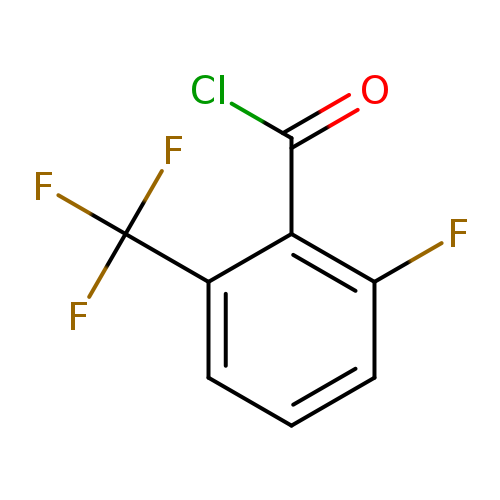
2-Fluoro-6-(trifluoromethyl)benzoyl ChlorideCatalog No.:AA003H7Z CAS No.:109227-12-5 MDL No.:MFCD00061160 MF:C8H3ClF4O MW:226.5554 |
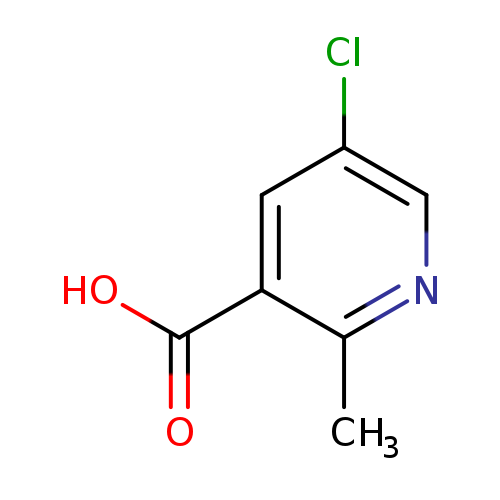
5-Chloro-2-methyl-3-pyridinecarboxylic acidCatalog No.:AA007B8L CAS No.:1092286-30-0 MDL No.:MFCD11557228 MF:C7H6ClNO2 MW:171.5810 |
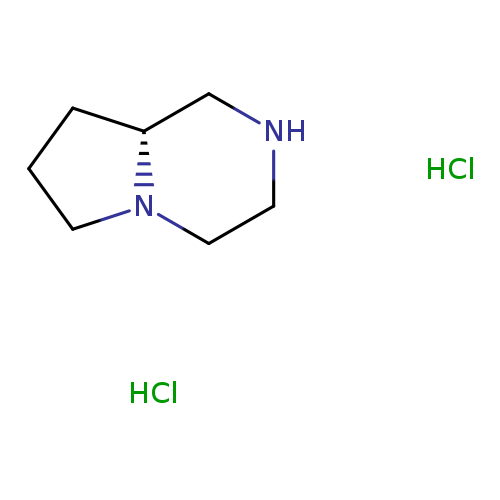
(R)-Octahydropyrrolo[1,2-a]pyrazine dihydrochlorideCatalog No.:AA007B8U CAS No.:1092076-07-7 MDL No.:MFCD11112286 MF:C7H16Cl2N2 MW:199.1213 |
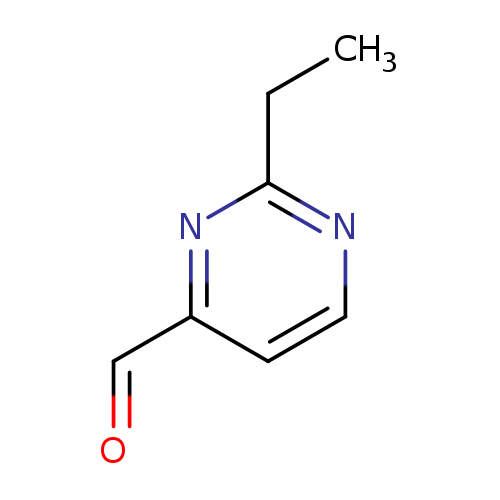
2-Ethyl-4-pyrimidinecarboxaldehydeCatalog No.:AA007TBU CAS No.:1092299-36-9 MDL No.:MFCD11519862 MF:C7H8N2O MW:136.1512 |
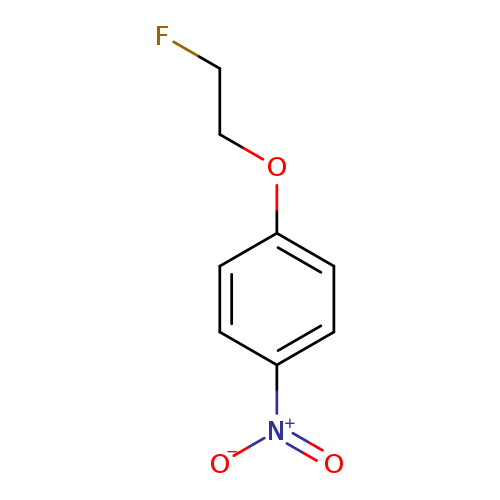
1-(2-Fluoroethoxy)-4-nitrobenzeneCatalog No.:AA007TBT CAS No.:109230-65-1 MDL No.:MFCD09743783 MF:C8H8FNO3 MW:185.1524 |
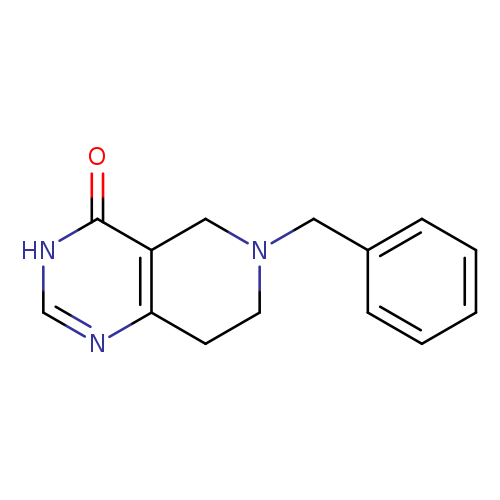
6-Benzyl-5,6,7,8-tetrahydropyrido[4,3-d]pyrimidin-4(3H)-oneCatalog No.:AA007TBV CAS No.:109229-22-3 MDL No.:MFCD09835497 MF:C14H15N3O MW:241.2884 |
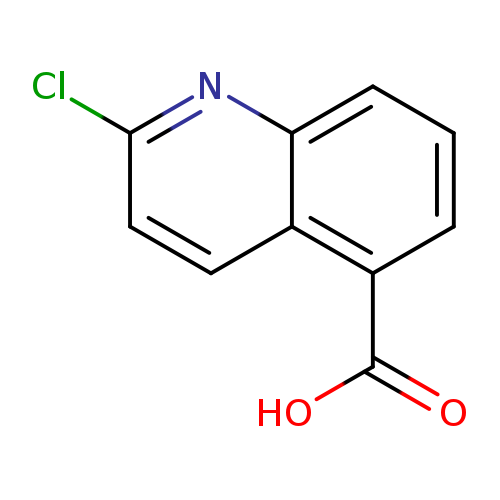
2-Chloroquinoline-5-carboxylic acidCatalog No.:AA007TK2 CAS No.:1092287-30-3 MDL No.:MFCD11226761 MF:C10H6ClNO2 MW:207.6131 |
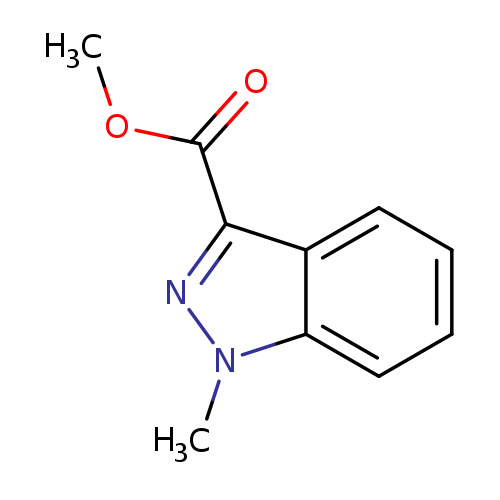
Methyl 1-methyl-1H-indazole-3-carboxylateCatalog No.:AA007TK6 CAS No.:109216-60-6 MDL No.:MFCD03840643 MF:C10H10N2O2 MW:190.1986 |
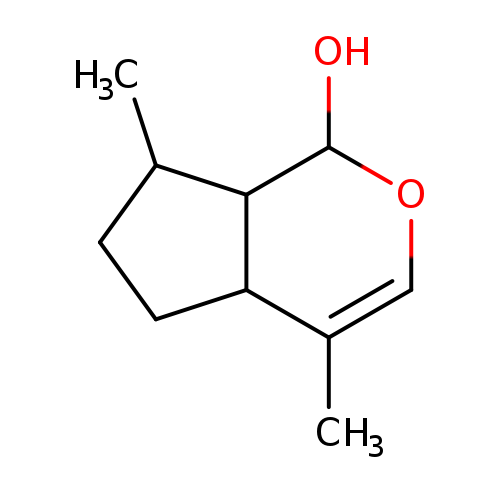
cis/trans-NepetalactolCatalog No.:AA0082N3 CAS No.:109215-55-6 MDL No.:MFCD31692437 MF:C10H16O2 MW:168.2328 |
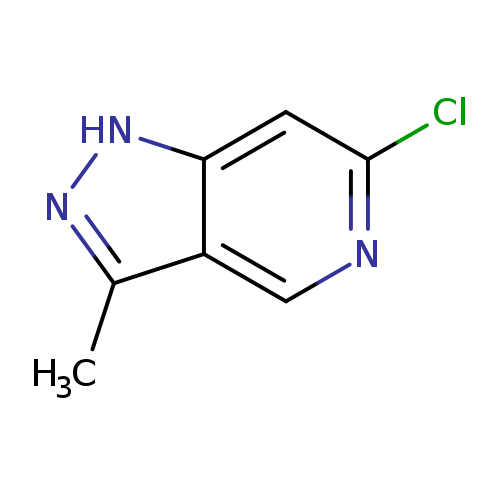
6-Chloro-3-methyl-1H-pyrazolo[4,3-c]pyridineCatalog No.:AA0082N4 CAS No.:1092062-74-2 MDL No.:MFCD16619899 MF:C7H6ClN3 MW:167.5956 |
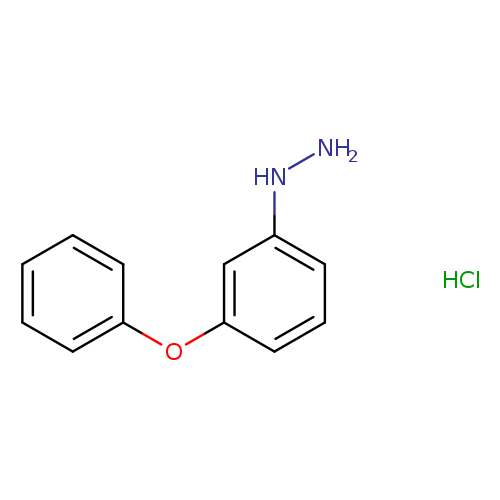
(3-Phenoxy-phenyl)-hydrazine HClCatalog No.:AA008R6W CAS No.:109221-90-1 MDL No.:MFCD06738786 MF:C12H13ClN2O MW:236.6974 |
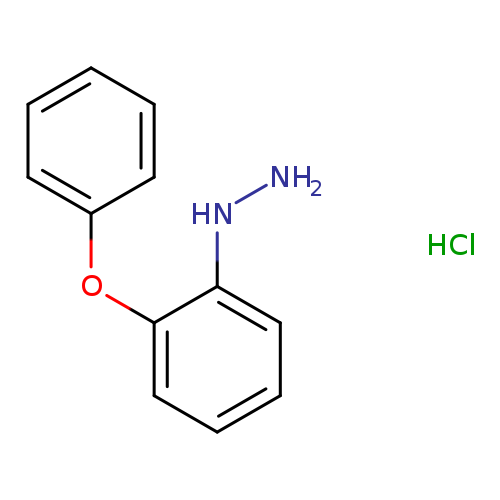
(2-Phenoxy-phenyl)-hydrazine, HClCatalog No.:AA008RNP CAS No.:109221-96-7 MDL No.:MFCD04966823 MF:C12H13ClN2O MW:236.6974 |
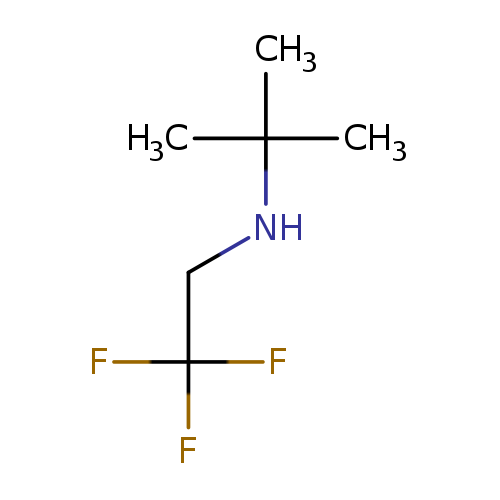
tert-Butyl(2,2,2-trifluoroethyl)amineCatalog No.:AA008U6Q CAS No.:1092294-10-4 MDL No.:MFCD11557734 MF:C6H12F3N MW:155.1614 |
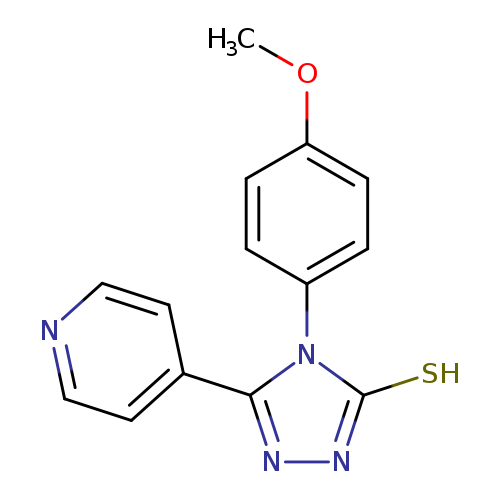
4-(4-Methoxyphenyl)-5-(pyridin-4-yl)-4H-1,2,4-triazole-3-thiolCatalog No.:AA008UKN CAS No.:109220-26-0 MDL No.:MFCD01411685 MF:C14H12N4OS MW:284.3363 |
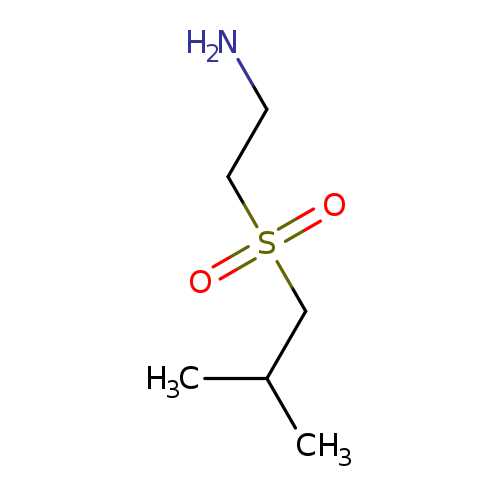
2-(isobutylsulfonyl)ethanamineCatalog No.:AA008V6J CAS No.:1092280-20-0 MDL No.:MFCD11557720 MF:C6H15NO2S MW:165.2538 |
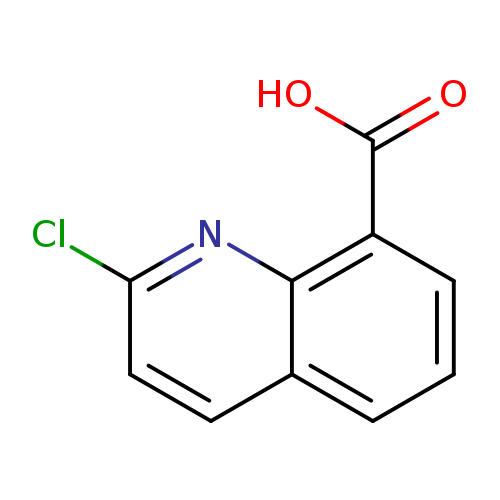
2-Chloroquinoline-8-carboxylic acidCatalog No.:AA008XHR CAS No.:1092287-54-1 MDL No.:MFCD11557275 MF:C10H6ClNO2 MW:207.6131 |
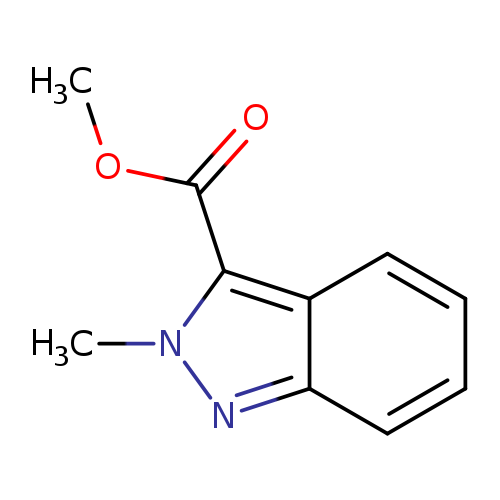
Methyl 2-methyl-2H-indazole-3-carboxylateCatalog No.:AA008Y2I CAS No.:109216-61-7 MDL No.:MFCD17215403 MF:C10H10N2O2 MW:190.1986 |
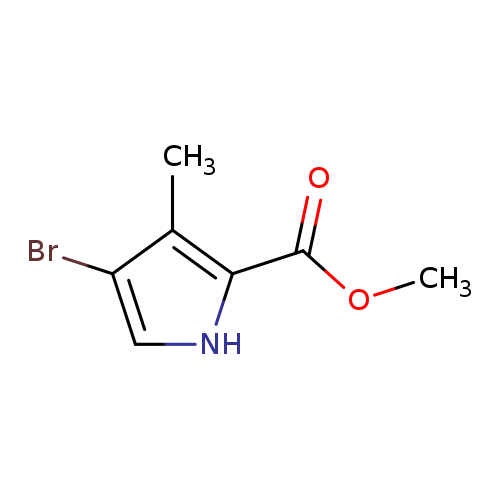
Methyl 4-bromo-3-methyl-1H-pyrrole-2-carboxylateCatalog No.:AA008Z1C CAS No.:1092286-09-3 MDL No.:MFCD11557220 MF:C7H8BrNO2 MW:218.0479 |
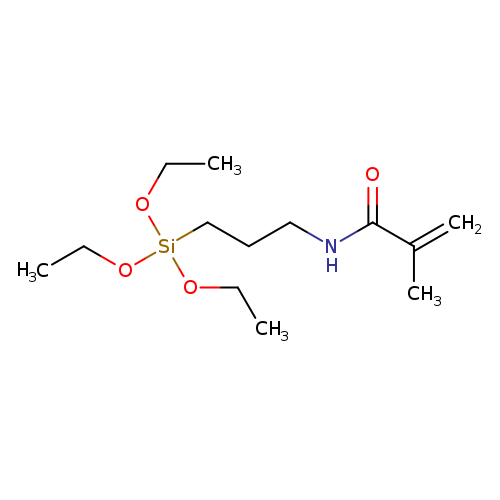
N-(3-(Triethoxysilyl)propyl)methacrylamideCatalog No.:AA008ZJV CAS No.:109213-85-6 MDL No.:MFCD00156464 MF:C13H27NO4Si MW:289.4433 |
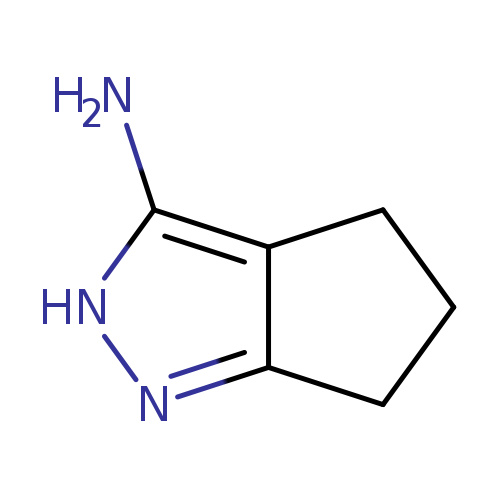
2,4,5,6-Tetrahydrocyclopenta[c]pyrazol-3-aMineCatalog No.:AA0093HF CAS No.:1092301-31-9 MDL No.:MFCD11557097 MF:C6H9N3 MW:123.1558 |
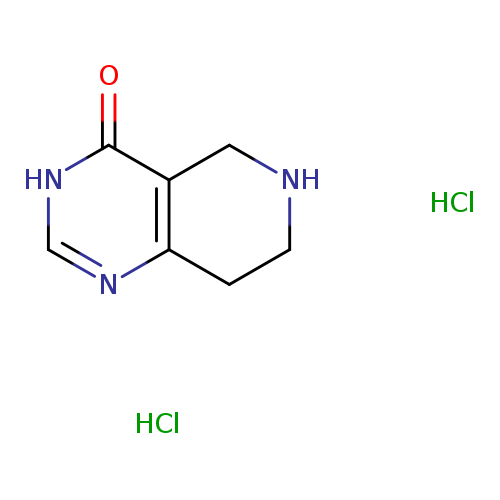
5,6,7,8-Tetrahydropyrido[4,3-d]pyrimidin-4(3H)-one dihydrochlorideCatalog No.:AA0093Y8 CAS No.:109229-08-5 MDL No.:MFCD22570178 MF:C7H11Cl2N3O MW:224.0877 |
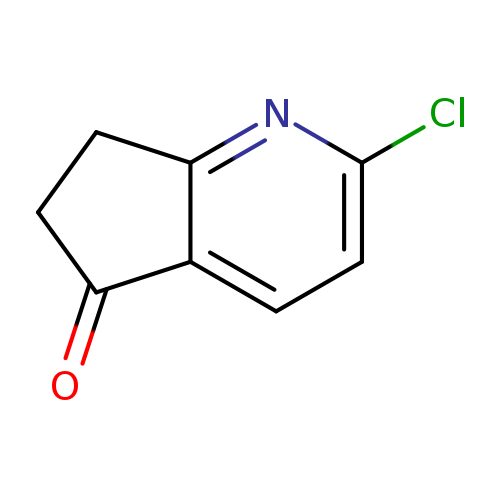
2-Chloro-6,7-dihydro-5H-cyclopenta[b]pyridin-5-oneCatalog No.:AA00955S CAS No.:1092301-56-8 MDL No.:MFCD11557189 MF:C8H6ClNO MW:167.5923 |
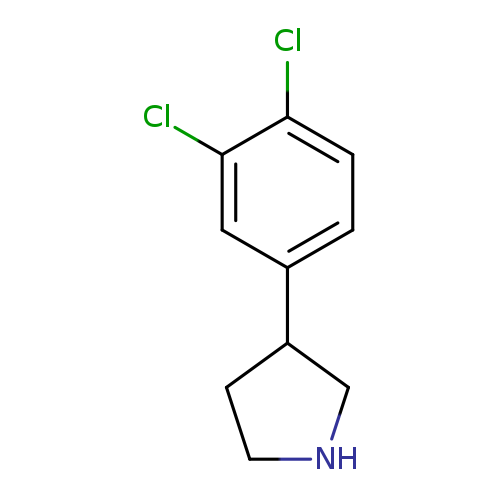
3-(3,4-Dichlorophenyl)pyrrolidineCatalog No.:AA009643 CAS No.:1092108-78-5 MDL No.:MFCD12407012 MF:C10H11Cl2N MW:216.1070 |
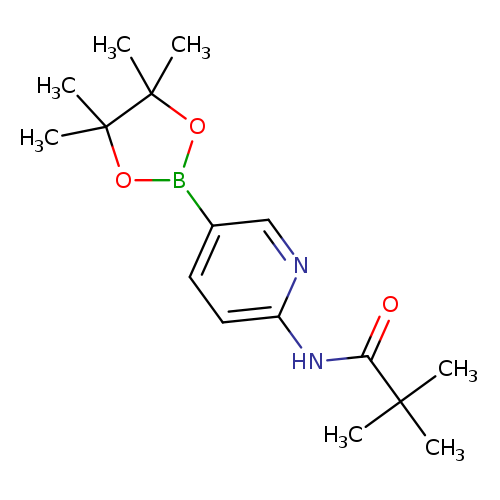
N-(5-(4,4,5,5-Tetramethyl-1,3,2-dioxaborolan-2-yl)pyridin-2-yl)pivalamideCatalog No.:AA00999F CAS No.:1092119-20-4 MDL No.:MFCD13191341 MF:C16H25BN2O3 MW:304.1923 |
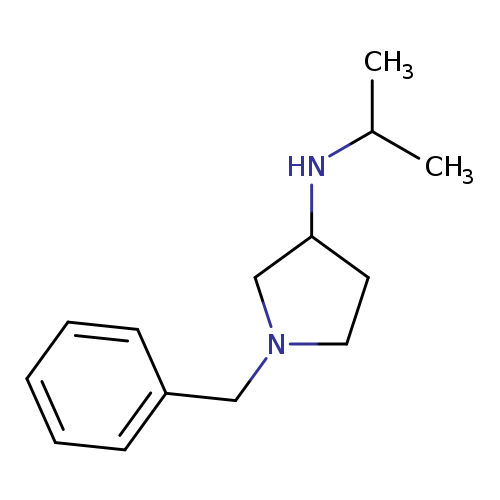
1-Benzyl-N-isopropylpyrrolidin-3-amineCatalog No.:AA009KKT CAS No.:1092294-32-0 MDL No.:MFCD10692135 MF:C14H22N2 MW:218.3379 |
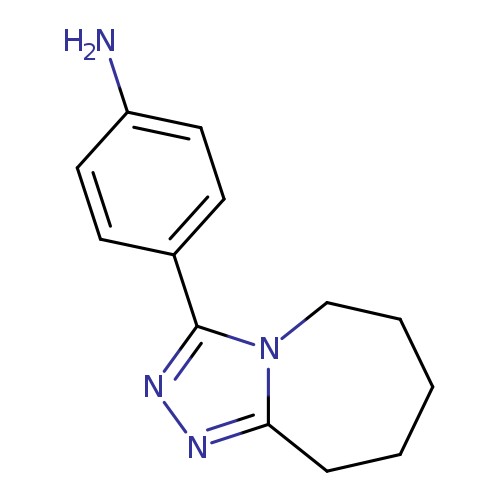
4-{5H,6H,7H,8H,9H-[1,2,4]triazolo[4,3-a]azepin-3-yl}anilineCatalog No.:AA009TKX CAS No.:109220-81-7 MDL No.:MFCD02251871 MF:C13H16N4 MW:228.2929 |
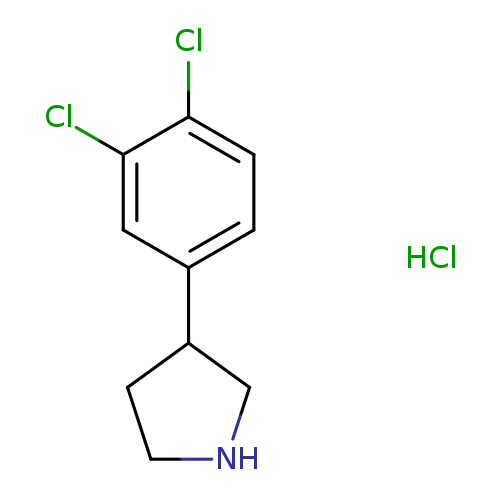
3-(3,4-Dichlorophenyl)pyrrolidine hydrochlorideCatalog No.:AA00HB84 CAS No.:1092108-79-6 MDL No.:MFCD28369479 MF:C10H12Cl3N MW:252.5680 |
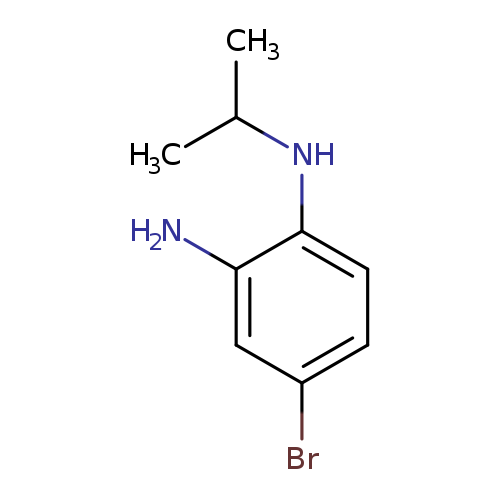
4-Bromo-1-N-isopropylbenzene-1,2-diamineCatalog No.:AA00HB8G CAS No.:1092292-39-1 MDL No.:MFCD10692094 MF:C9H13BrN2 MW:229.1169 |
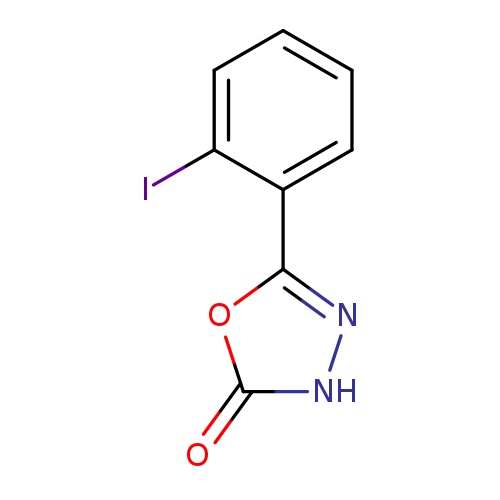
5-(2-Iodophenyl)-1,3,4-oxadiazol-2(3H)-oneCatalog No.:AA00HB85 CAS No.:1092114-27-6 MDL No.:MFCD19673331 MF:C8H5IN2O2 MW:288.0420 |
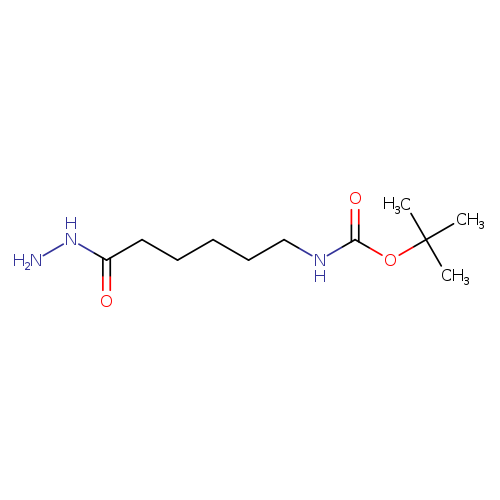
tert-Butyl (6-hydrazino-6-oxohexyl)carbamateCatalog No.:AA00HB8C CAS No.:1092291-07-0 MDL No.:MFCD11108871 MF:C11H23N3O3 MW:245.3186 |
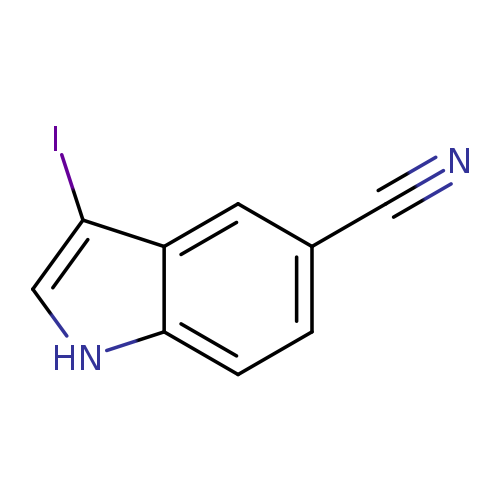
3-Iodo-1H-indole-5-carbonitrileCatalog No.:AA00HB86 CAS No.:1092114-59-4 MDL No.:MFCD22683211 MF:C9H5IN2 MW:268.0539 |
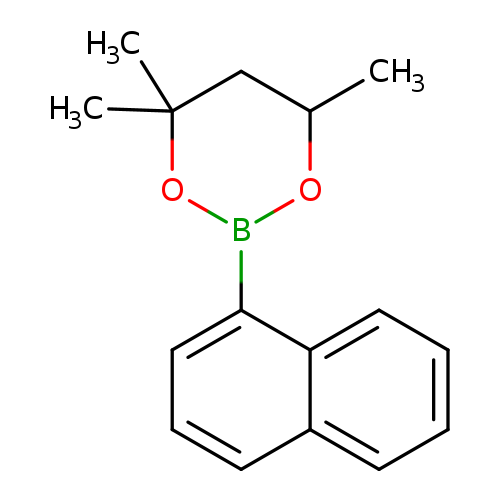
4,4,6-Trimethyl-2-(naphthalen-1-yl)-1,3,2-dioxaborinaneCatalog No.:AA00HB82 CAS No.:1092060-79-1 MDL No.:MFCD28101510 MF:C16H19BO2 MW:254.1319 |
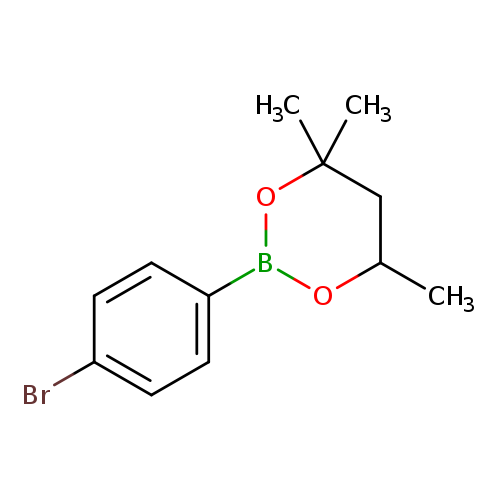
2-(4-Bromophenyl)-4,4,6-trimethyl-1,3,2-dioxaborinaneCatalog No.:AA00HB81 CAS No.:1092060-78-0 MDL No.:MFCD28101506 MF:C12H16BBrO2 MW:282.9692 |
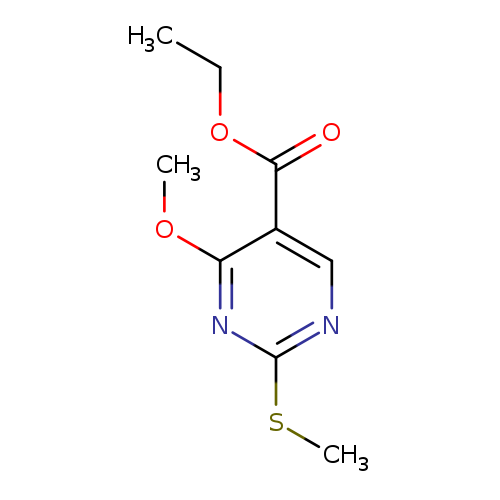
Ethyl 4-methoxy-2-(methylsulfanyl)pyrimidine-5-carboxylateCatalog No.:AA00HB8V CAS No.:1092301-59-1 MDL No.:MFCD11557194 MF:C9H12N2O3S MW:228.2682 |
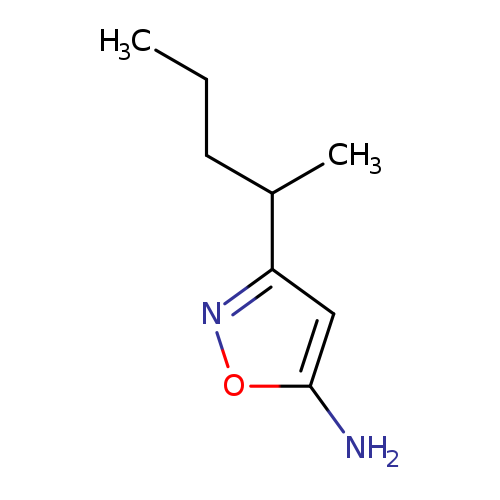
3-(Pentan-2-Yl)-1,2-Oxazol-5-AmineCatalog No.:AA00HB8O CAS No.:1092298-90-2 MDL No.:MFCD10691804 MF:C8H14N2O MW:154.2096 |
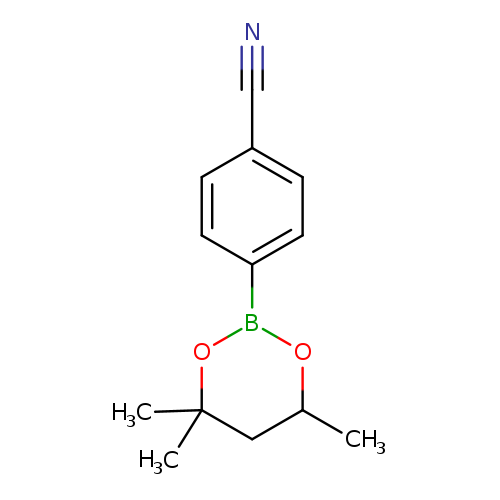
4-(4,4,6-Trimethyl-1,3,2-dioxaborinan-2-yl)benzonitrileCatalog No.:AA00HB83 CAS No.:1092060-81-5 MDL No.:MFCD28101509 MF:C13H16BNO2 MW:229.0826 |
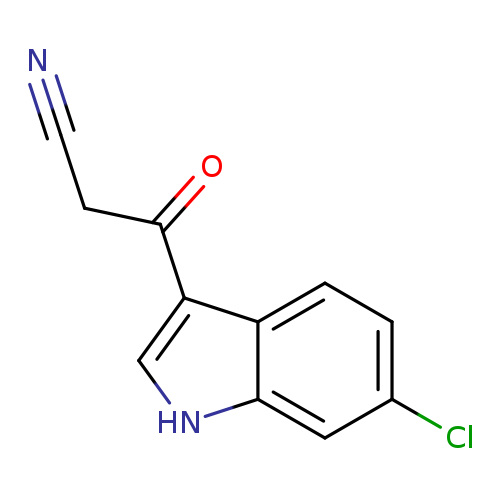
3-(6-Chloro-1H-indol-3-yl)-3-oxopropanenitrileCatalog No.:AA00HB8Q CAS No.:1092299-42-7 MDL No.:MFCD11106798 MF:C11H7ClN2O MW:218.6391 |
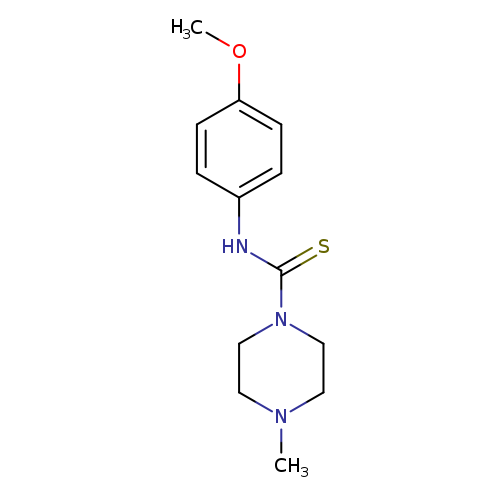
N-(4-methoxyphenyl)-4-methylpiperazine-1-carbothioamideCatalog No.:AA00IX97 CAS No.:109219-12-7 MDL No.:MFCD00955353 MF:C13H19N3OS MW:265.3745 |
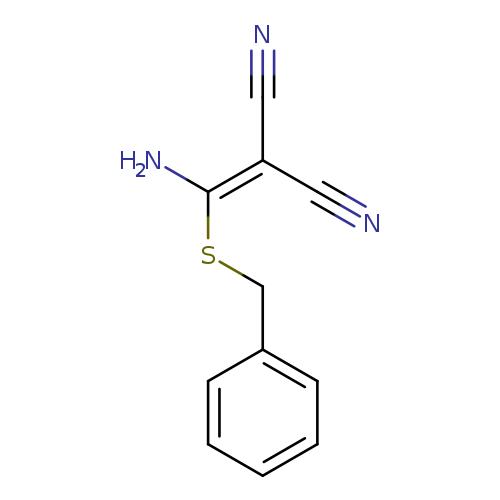
2-[amino(benzylsulfanyl)methylene]malononitrileCatalog No.:AA00IYKQ CAS No.:109228-98-0 MDL No.:MFCD00139228 MF:C11H9N3S MW:215.2743 |
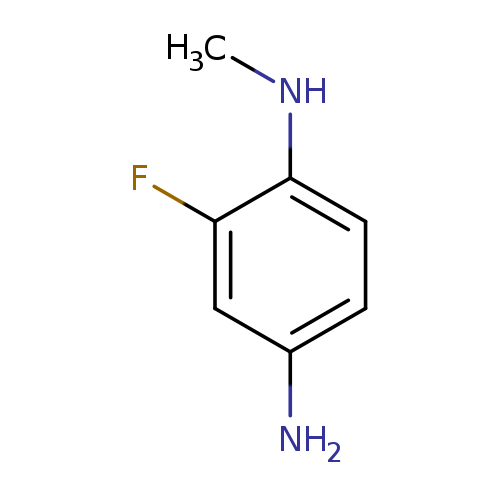
2-fluoro-N1-methylbenzene-1,4-diamineCatalog No.:AA019RZC CAS No.:1092298-50-4 MDL No.:MFCD10689772 MF:C7H9FN2 MW:140.1582 |
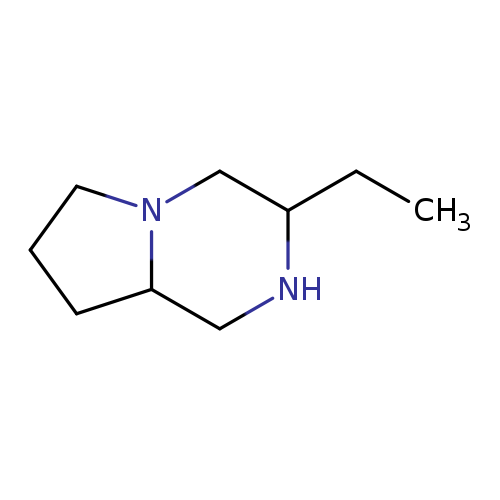
3-ethyl-octahydropyrrolo[1,2-a]piperazineCatalog No.:AA019SIS CAS No.:1092297-94-3 MDL No.:MFCD11108359 MF:C9H18N2 MW:154.2526 |
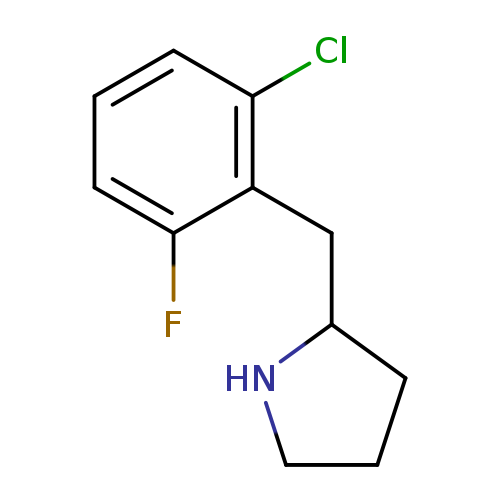
2-[(2-chloro-6-fluorophenyl)methyl]pyrrolidineCatalog No.:AA019URA CAS No.:1092277-10-5 MDL No.:MFCD10691061 MF:C11H13ClFN MW:213.6790 |
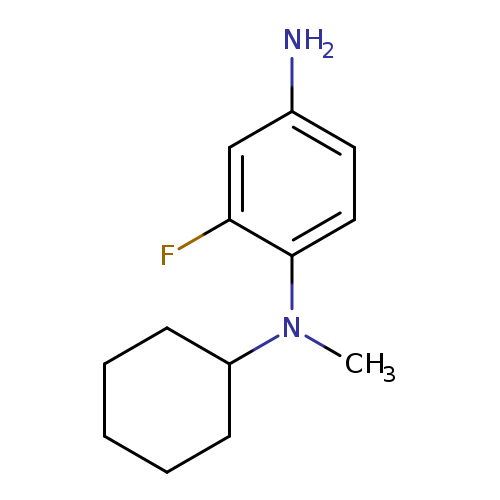
N1-cyclohexyl-2-fluoro-N1-methylbenzene-1,4-diamineCatalog No.:AA019UTX CAS No.:1092280-03-9 MDL No.:MFCD10691937 MF:C13H19FN2 MW:222.3018 |
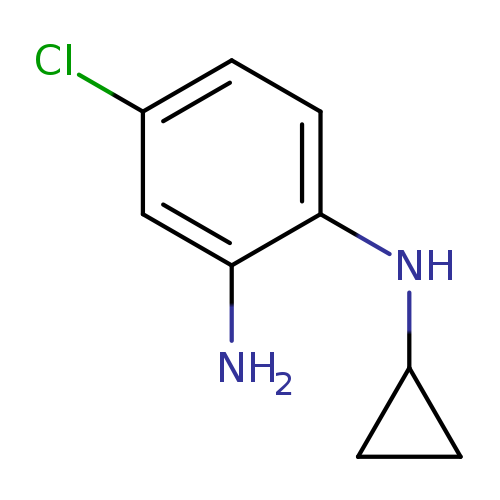
4-chloro-N1-cyclopropylbenzene-1,2-diamineCatalog No.:AA019VC7 CAS No.:1092286-35-5 MDL No.:MFCD10689533 MF:C9H11ClN2 MW:182.6500 |
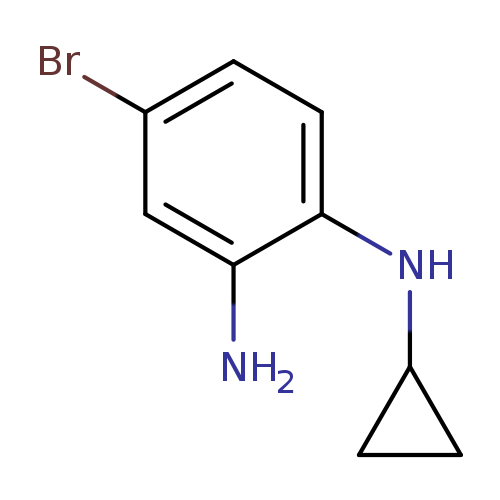
4-bromo-N1-cyclopropylbenzene-1,2-diamineCatalog No.:AA019VC9 CAS No.:1092291-41-2 MDL No.:MFCD10690746 MF:C9H11BrN2 MW:227.1010 |
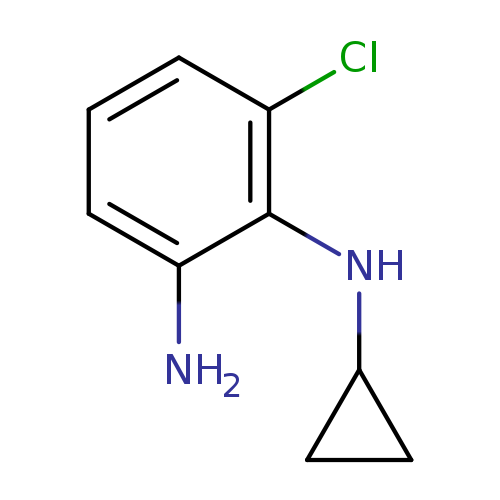
6-Chloro-N1-cyclopropylbenzene-1,2-diamineCatalog No.:AA019VCG CAS No.:1092286-38-8 MDL No.:MFCD10691312 MF:C9H11ClN2 MW:182.6500 |
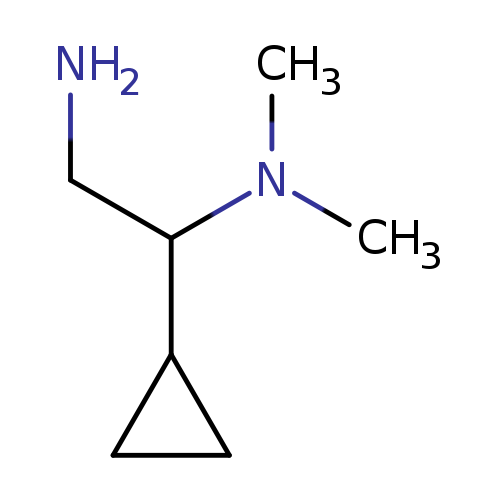
(2-amino-1-cyclopropylethyl)dimethylamineCatalog No.:AA019VQ4 CAS No.:1092301-70-6 MDL No.:MFCD11558157 MF:C7H16N2 MW:128.2153 |
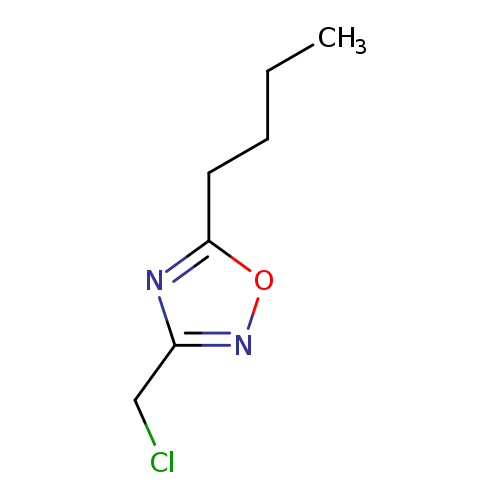
5-butyl-3-(chloromethyl)-1,2,4-oxadiazoleCatalog No.:AA019WUT CAS No.:1092301-09-1 MDL No.:MFCD10691081 MF:C7H11ClN2O MW:174.6280 |
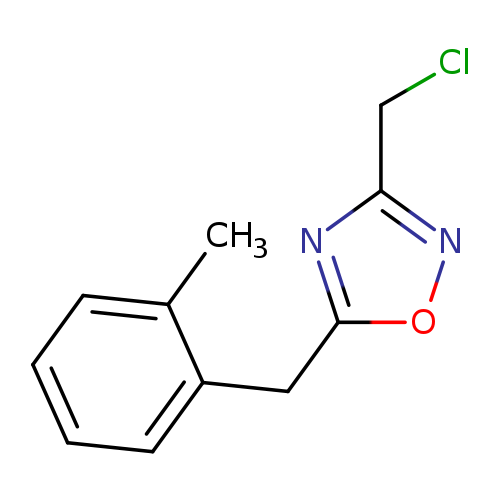
3-(chloromethyl)-5-[(2-methylphenyl)methyl]-1,2,4-oxadiazoleCatalog No.:AA019YHX CAS No.:1092280-36-8 MDL No.:MFCD10690829 MF:C11H11ClN2O MW:222.6708 |
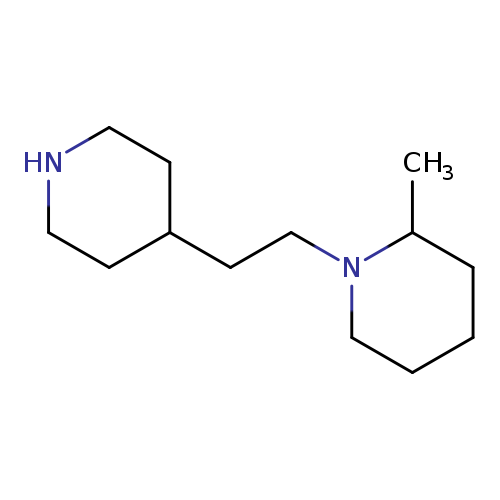
2-methyl-1-[2-(piperidin-4-yl)ethyl]piperidineCatalog No.:AA01A08D CAS No.:1092276-49-7 MDL No.:MFCD10691933 MF:C13H26N2 MW:210.3589 |
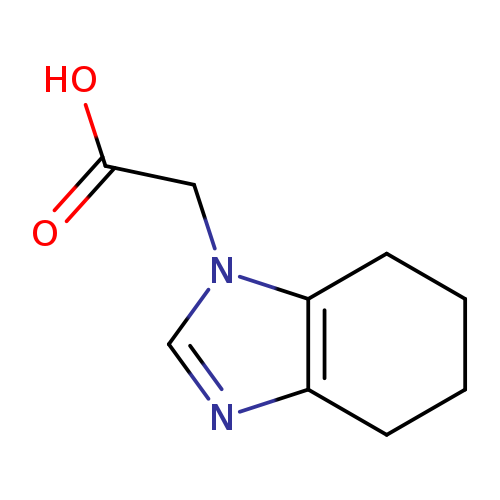
2-(4,5,6,7-tetrahydro-1H-1,3-benzodiazol-1-yl)acetic acidCatalog No.:AA01A4KX CAS No.:1092286-74-2 MDL No.:MFCD11226756 MF:C9H12N2O2 MW:180.2038 |
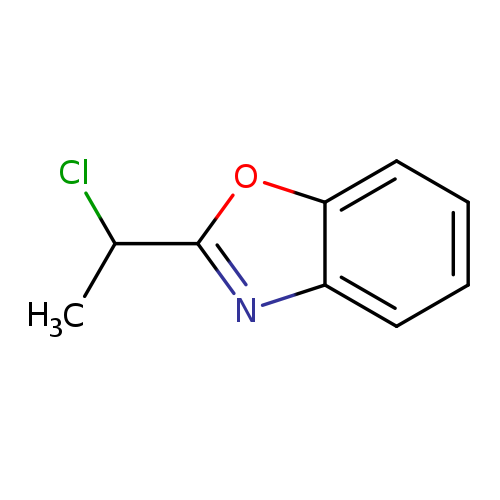
2-(1-chloroethyl)-1,3-benzoxazoleCatalog No.:AA01A4OX CAS No.:1092286-05-9 MDL No.:MFCD10691335 MF:C9H8ClNO MW:181.6189 |
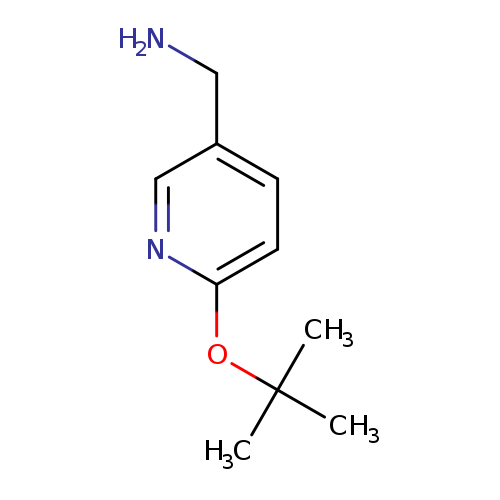
[6-(tert-butoxy)pyridin-3-yl]methanamineCatalog No.:AA01A54F CAS No.:1092285-80-7 MDL No.:MFCD10690489 MF:C10H16N2O MW:180.2468 |
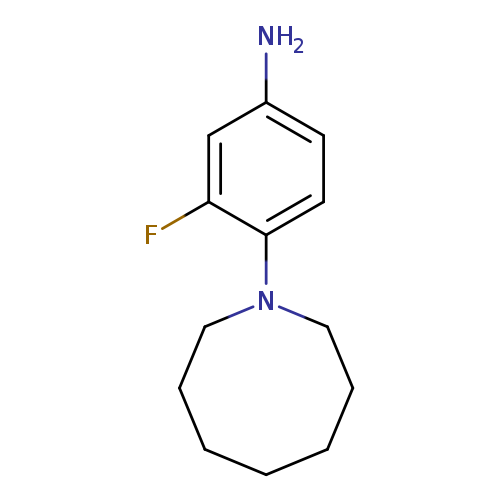
4-(azocan-1-yl)-3-fluoroanilineCatalog No.:AA01A656 CAS No.:1092279-99-6 MDL No.:MFCD10689275 MF:C13H19FN2 MW:222.3018 |
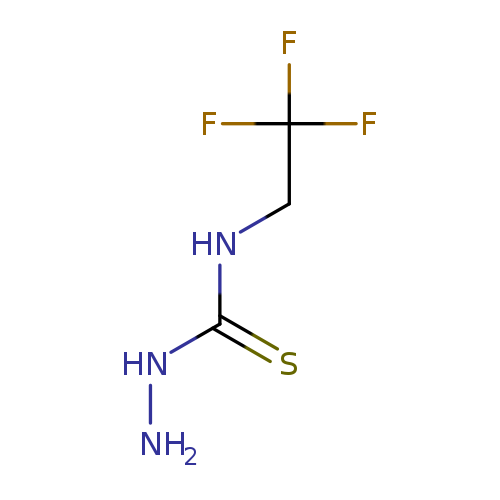
1-amino-3-(2,2,2-trifluoroethyl)thioureaCatalog No.:AA01A7NN CAS No.:1092300-87-2 MDL No.:MFCD10689812 MF:C3H6F3N3S MW:173.1600 |
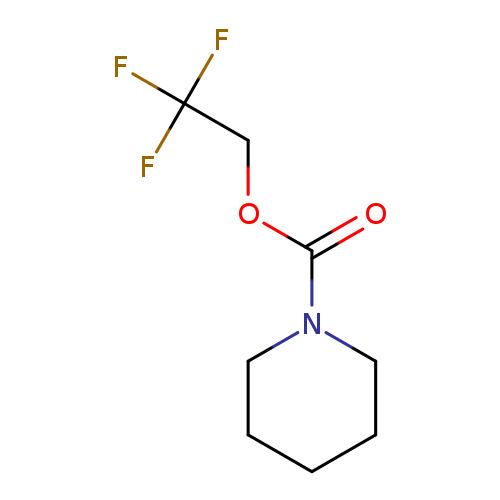
2,2,2-trifluoroethyl piperidine-1-carboxylateCatalog No.:AA01A89S CAS No.:1092074-32-2 MDL No.:MFCD15209700 MF:C8H12F3NO2 MW:211.1816 |
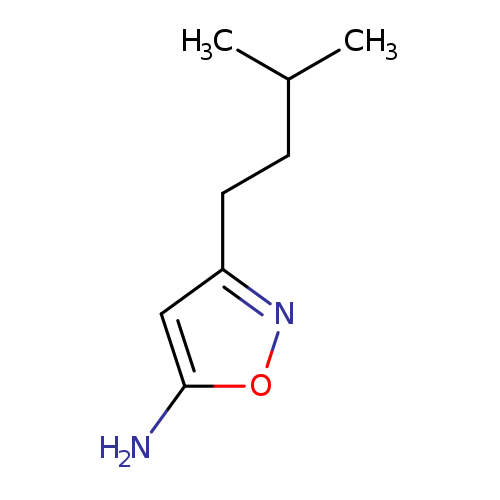
3-(3-Methylbutyl)-1,2-oxazol-5-amineCatalog No.:AA01A8LV CAS No.:1092298-86-6 MDL No.:MFCD10690423 MF:C8H14N2O MW:154.2096 |
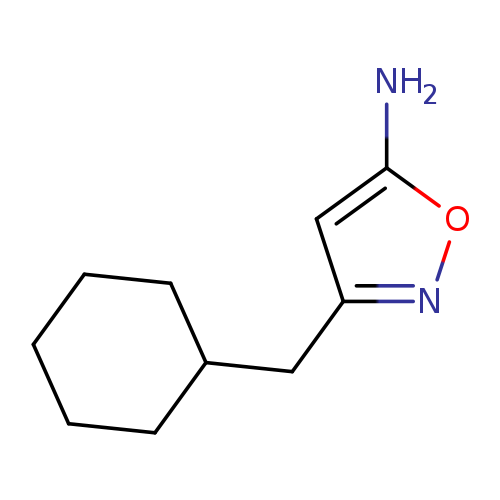
3-(cyclohexylmethyl)-1,2-oxazol-5-amineCatalog No.:AA01A8LW CAS No.:1092285-76-1 MDL No.:MFCD10688904 MF:C10H16N2O MW:180.2468 |
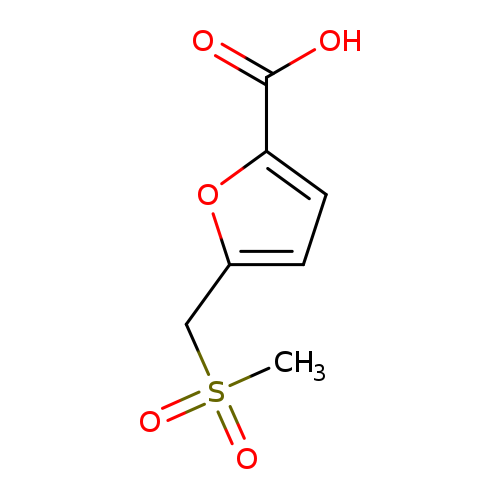
5-((methylsulfonyl)methyl)furan-2-carboxylic acidCatalog No.:AA01A97J CAS No.:1092287-15-4 MDL No.:MFCD11557262 MF:C7H8O5S MW:204.2004 |
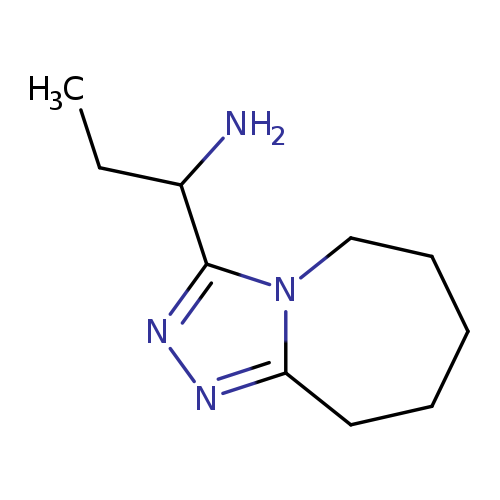
1-{5H,6H,7H,8H,9H-[1,2,4]triazolo[4,3-a]azepin-3-yl}propan-1-amineCatalog No.:AA01A9FF CAS No.:1092287-76-7 MDL No.:MFCD11108300 MF:C10H18N4 MW:194.2767 |
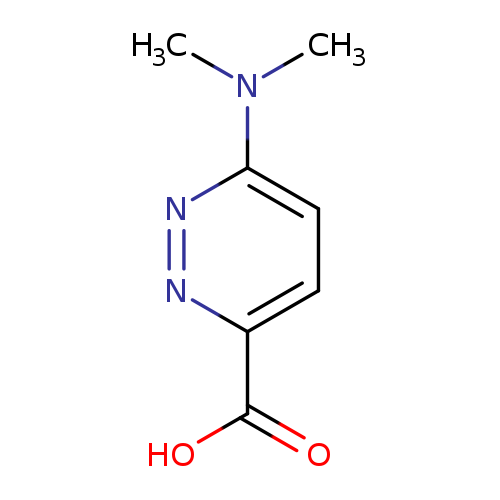
6-(Dimethylamino)pyridazine-3-carboxylic acidCatalog No.:AA01AACY CAS No.:1092297-91-0 MDL No.:MFCD10700192 MF:C7H9N3O2 MW:167.1653 |
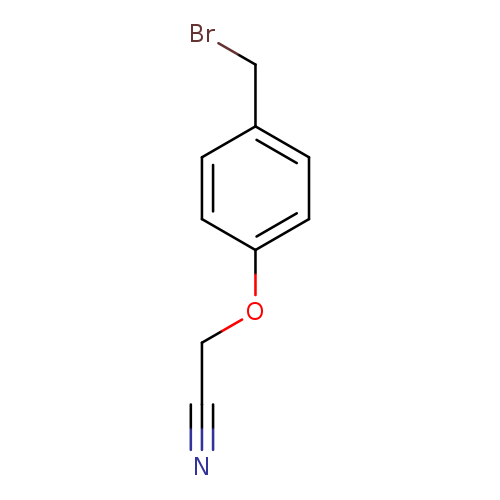
2-[4-(bromomethyl)phenoxy]acetonitrileCatalog No.:AA01AAKI CAS No.:1092078-26-6 MDL No.:MFCD11180381 MF:C9H8BrNO MW:226.0699 |
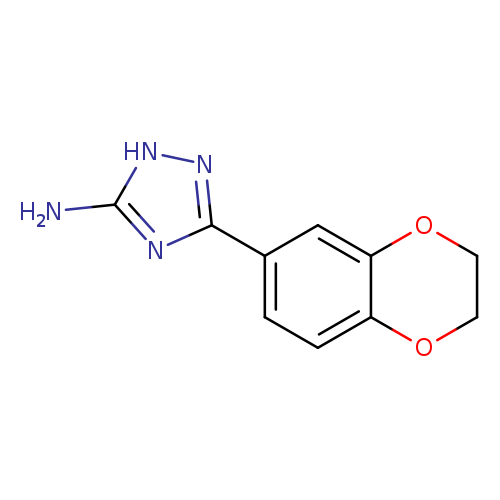
3-(2,3-dihydro-1,4-benzodioxin-6-yl)-1H-1,2,4-triazol-5-amineCatalog No.:AA01AGZX CAS No.:1092294-05-7 MDL No.:MFCD17015208 MF:C10H10N4O2 MW:218.2120 |
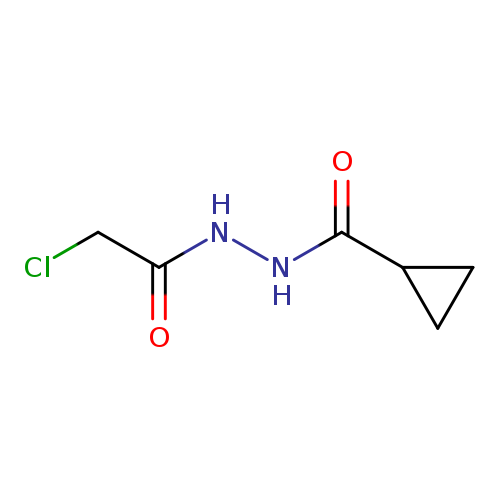
N'-(2-chloroacetyl)cyclopropanecarbohydrazideCatalog No.:AA01AHPK CAS No.:1092277-56-9 MDL No.:MFCD11109095 MF:C6H9ClN2O2 MW:176.6009 |
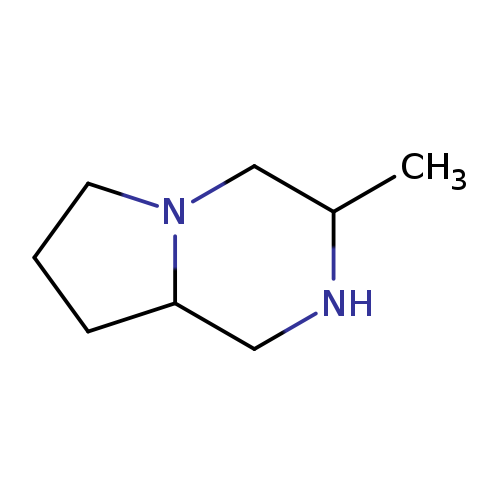
3-methyl-octahydropyrrolo[1,2-a]piperazineCatalog No.:AA01AHZR CAS No.:1092297-90-9 MDL No.:MFCD11108358 MF:C8H16N2 MW:140.2260 |
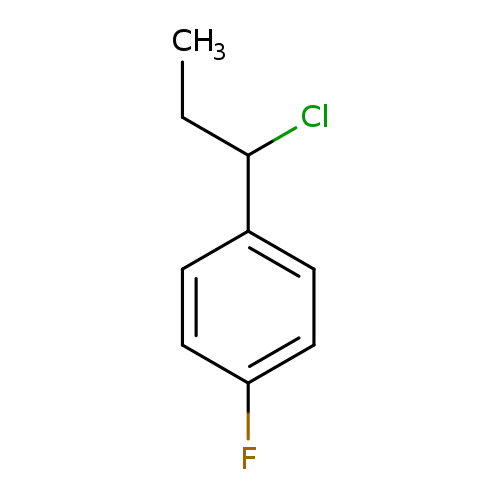
1-(1-chloropropyl)-4-fluorobenzeneCatalog No.:AA01AJRN CAS No.:1092300-84-9 MDL No.:MFCD10690353 MF:C9H10ClF MW:172.6271 |
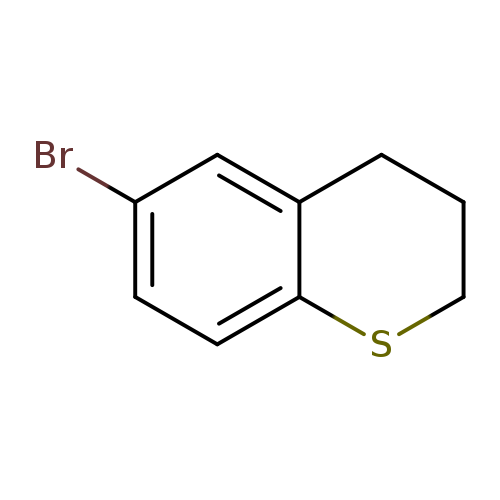
6-bromo-3,4-dihydro-2H-1-benzothiopyranCatalog No.:AA01ALMH CAS No.:109209-87-2 MDL No.:MFCD22035461 MF:C9H9BrS MW:229.1368 |
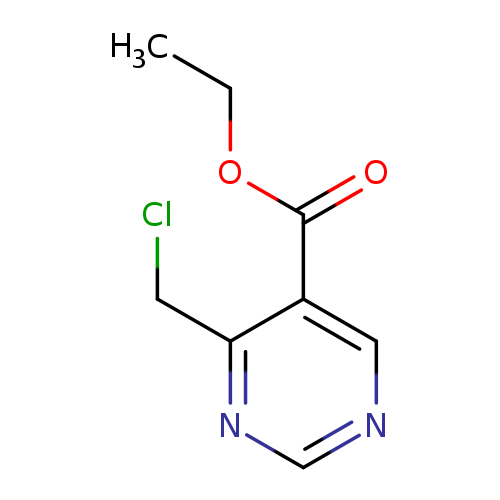
ethyl 4-(chloromethyl)pyrimidine-5-carboxylateCatalog No.:AA01B1I8 CAS No.:1092281-11-2 MDL No.:MFCD11557996 MF:C8H9ClN2O2 MW:200.6223 |
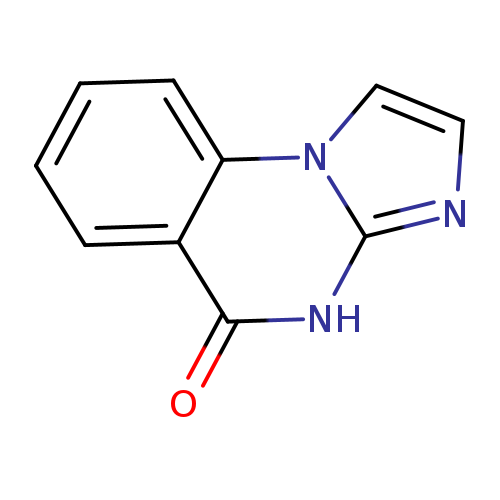
4H,5H-imidazo[1,2-a]quinazolin-5-oneCatalog No.:AA01B9PI CAS No.:109224-70-6 MDL No.:MFCD11210658 MF:C10H7N3O MW:185.1821 |
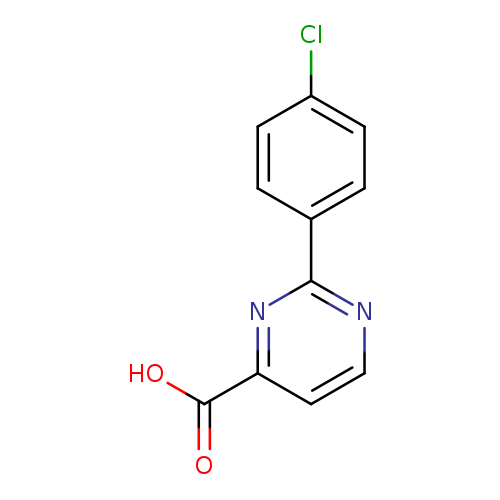
2-(4-chlorophenyl)pyrimidine-4-carboxylic acidCatalog No.:AA01BAFW CAS No.:1092300-50-9 MDL No.:MFCD11519889 MF:C11H7ClN2O2 MW:234.6385 |
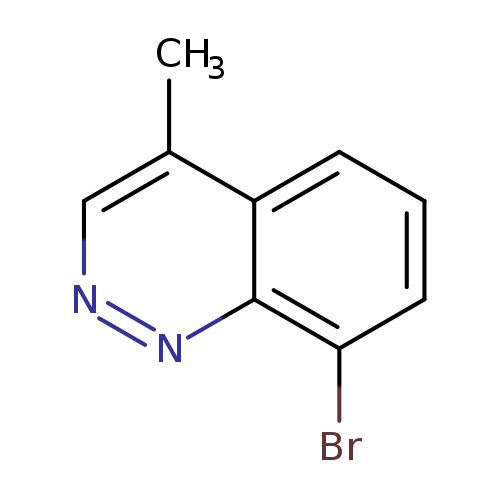
8-bromo-4-methylcinnolineCatalog No.:AA01BCU9 CAS No.:1092287-69-8 MDL No.:MFCD11557286 MF:C9H7BrN2 MW:223.0693 |
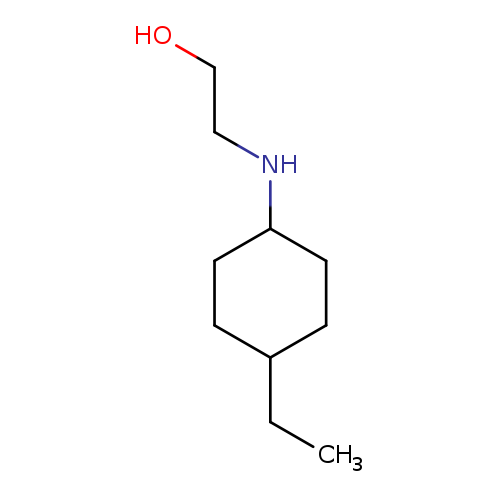
2-[(4-ethylcyclohexyl)amino]ethan-1-olCatalog No.:AA01BDN1 CAS No.:1092300-65-6 MDL No.:MFCD10690991 MF:C10H21NO MW:171.2798 |
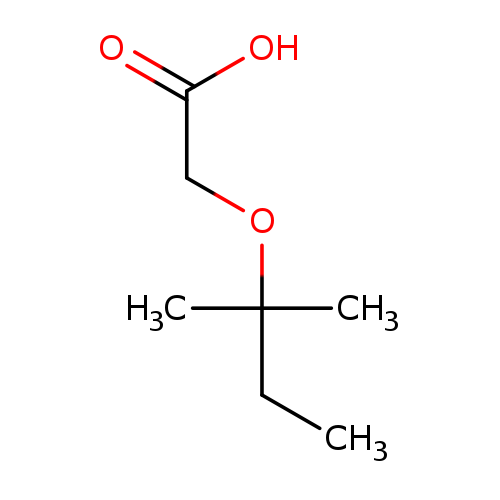
2-[(2-Methylbutan-2-yl)oxy]acetic acidCatalog No.:AA01C250 CAS No.:1092298-70-8 MDL No.:MFCD10691028 MF:C7H14O3 MW:146.1843 |
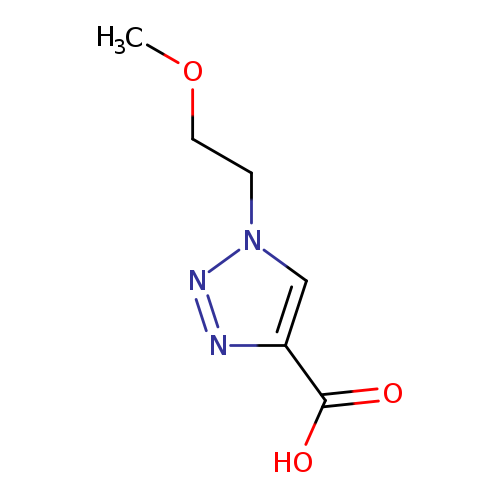
1-(2-Methoxyethyl)-1H-1,2,3-triazole-4-carboxylic acidCatalog No.:AA01C2H5 CAS No.:1092300-57-6 MDL No.:MFCD10689515 MF:C6H9N3O3 MW:171.1540 |
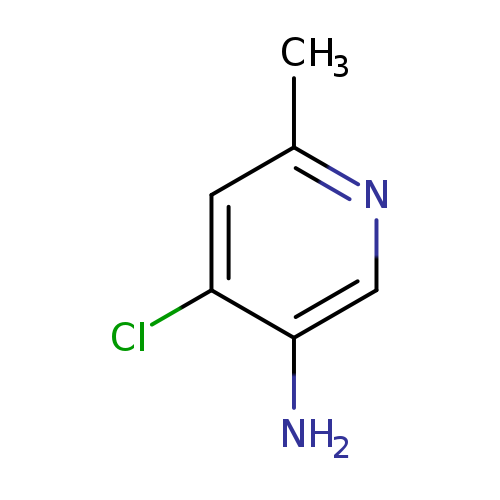
4-Chloro-6-methylpyridin-3-amineCatalog No.:AA01DKKI CAS No.:1092285-77-2 MDL No.:MFCD11557208 MF:C6H7ClN2 MW:142.5862 |
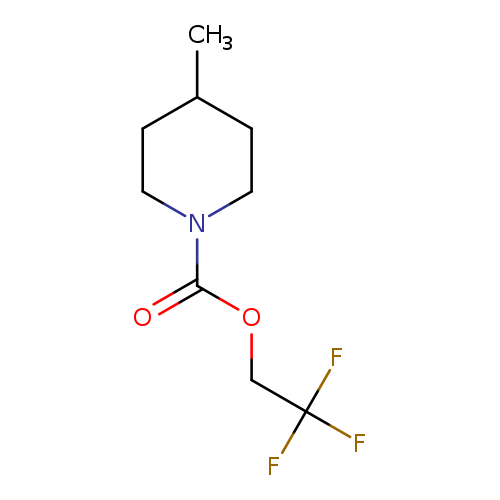
2,2,2-trifluoroethyl 4-methylpiperidine-1-carboxylateCatalog No.:AA01E7W6 CAS No.:1092074-38-8 MDL No.:MFCD20768682 MF:C9H14F3NO2 MW:225.2082 |
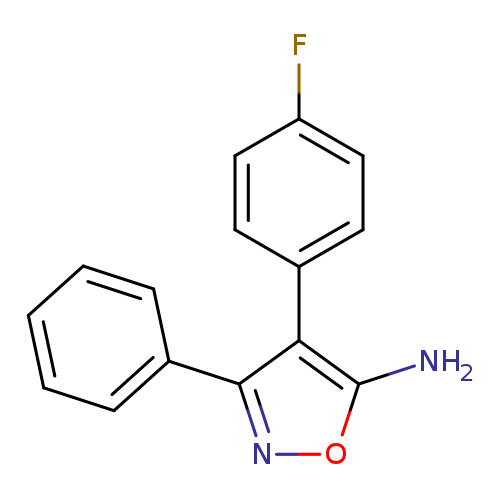
4-(4-fluorophenyl)-3-phenyl-1,2-oxazol-5-amineCatalog No.:AA01EJJR CAS No.:1092286-97-9 MDL No.:MFCD11558672 MF:C15H11FN2O MW:254.259 |
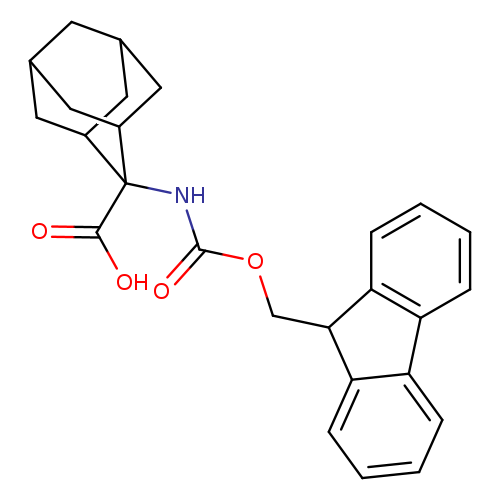
2-({[(9H-fluoren-9-yl)methoxy]carbonyl}amino)adamantane-2-carboxylic acidCatalog No.:AA01EK9D CAS No.:1092172-31-0 MDL No.:MFCD31421527 MF:C26H27NO4 MW:417.4969 |
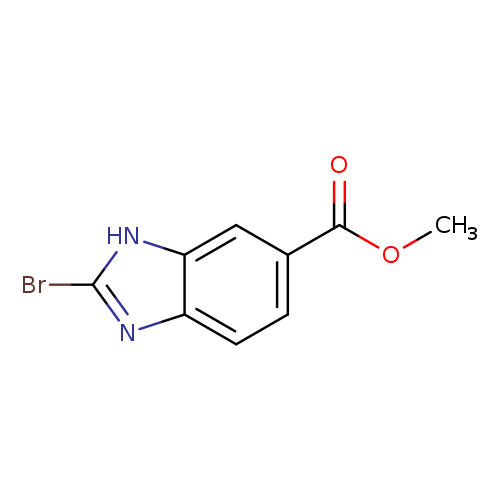
Methyl 2-bromo-1H-benzimidazole-6-carboxylateCatalog No.:AA01EL6K CAS No.:1092286-70-8 MDL No.:MFCD13176842 MF:C9H7BrN2O2 MW:255.0681 |
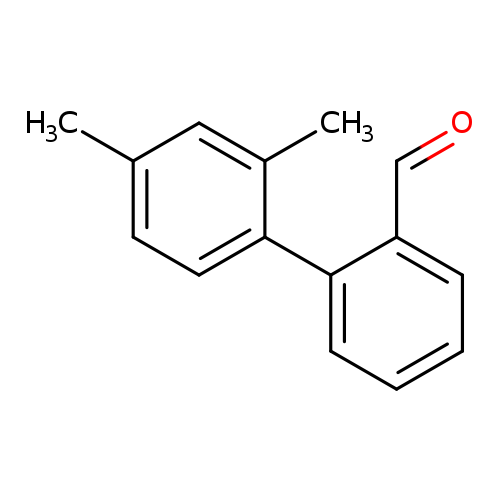
2-(2,4-dimethylphenyl)benzaldehydeCatalog No.:AA01EM5W CAS No.:1092060-85-9 MDL No.:MFCD12403270 MF:C15H14O MW:210.2711 |
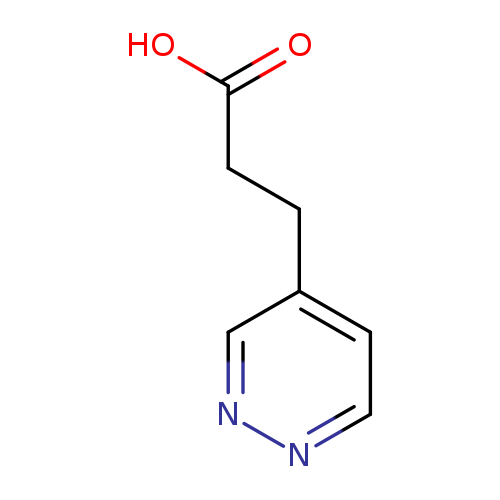
3-(Pyridazin-4-yl)propanoic acidCatalog No.:AA00IL42 CAS No.:1092297-70-5 MDL No.:MFCD10700177 MF:C7H8N2O2 MW:152.1506 |
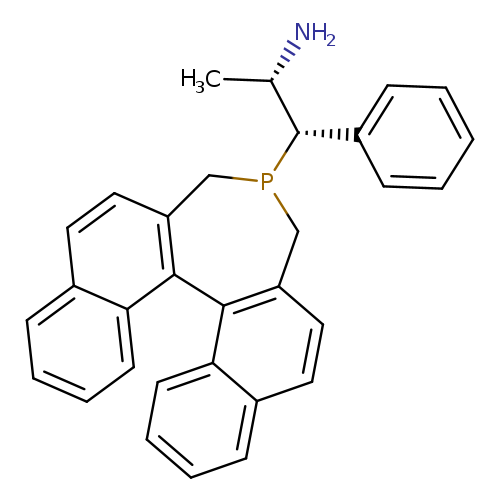
(1S,2S)-1-((4S)-3H-Dinaphtho[2,1-c:1',2'-e]phosphepin-4(5H)-yl)-1-phenylpropan-2-amineCatalog No.:AA003BG1 CAS No.:1092064-04-4 MDL No.:MFCD11045441 MF:C31H28NP MW:445.5345 |