

2020-02-08 17:16:01
Visible light-mediated chemistry of indolinones
Construction of indolin-2-ones (oxindoles)
In general, the preparation of oxindoles relies on the addition of free radicals to N-arylacrylamides, followed by cyclization. As photoredox chemistry creates mild and convenient conditions for free radical generation, numerous examples of oxindole preparation have been reported. To start with, Zou and co-workers developed the synthesis of 3,3-disubstituted oxindoles 112 by the reaction of N-arylacrylamides 113 with diazonium salts in the presence of photocatalyst Ru(bpy)2Cl2 6H2O under visible light irradiation (Scheme 54). Photoexcited Ru(II)* undergoes a reductive quenching by donating an electron to the aryldi- azonium salt, which extrudes N2 and transforms into an aryl radical. The addition of free radical to a double bond of an acrylamide is followed by a five-membered ring-forming cyclization.
Oxidation of the radical intermediate by Ru(III) regenerates the catalyst and gives a carbocation, readily aromatized to a final product. This principal mechanism, complementing the oxidative quenching cycle of the PC, lays the basis for the whole series of oxindole preparations. Then, the ring forming introduction of CF2CO2Et,85 CH2CF3,86 CF3,87 CCl3,88 CF2PO(OEt)2,89 CH2SO2Ar,22 acyl,90 SCF3,91 malonate,92 and CH2CN93 groups has been developed, mostly taking advantage of the higher reducing capacity of the Ir catalysts. Use of a Ru(II)/DIPEA catalytic system allows the formation of free radicals from hydroxyphthalimide-derived N-Boc-proline and results in the corresponding oxindole for- mation.94 Oxindoles, containing CF3 groups, were made avail- able through a photocatalytic reaction of aryldiazoniums with CF3-containing amides (Table 1).95 As a rule, no N-unsubstituted oxindoles (R1 = H) are obtained through that method and the meta-substituted arylacrylamides expectedly give mixtures of regioisomeric products.
Some peculiar methods, employing hypervalent iodine reagents were developed for oxindole synthesis from arylacrylamide derivatives. For example, use of DABSO/iodonium salts96 or PhI(OAc)2/RCOOH/Ir(III)97 led to the formation of SO2Ar-sub- stituted oxindoles 114, or introduction of the radical from carboxylic acids to give products 115, respectively (Scheme 55). Sulfur ylides 115 undergo a photoredox catalyzed transformation into oxindoles 74 (Scheme 56).98 The mechanistic investigations have shown the reaction to start with SET-oxidation of sulfur ylide by photoexcited Ir(III)*, followed by intramolecular radical addition to the benzene ring. The cyclization may be followed by SET- reduction with Ir(II), desulfurization and tautomerization. The reaction works smoothly with a wide scope of substrates.
Diazoamides also proved to be a viable substrate for the formation of 3-ester-3-hydroxy-2-oxindoles 117 through two consecutive photocatalyzed steps.99 Irradiation of diazo compounds in CF3CH2OH in the presence of an Ir(dF(CF3)ppy)2(dtbbpy)PF6 catalyst with visible light firstly led to an energy transfer-induced extrusion of N2, followed by intramolecular cyclization. Consecutive addition of base and further irradiation under an air atmosphere led to SET-oxidation of the intermediate oxindole, superoxide anion addition and peroxide decomposition, forming the final product 117 (Scheme 57).
A visible light-mediated difluoroalkylation–amidation route towards 3,3-difoluorooxindoles 118 from simple anilines has been developed by Zhang and co-workers.100 Free anilines were subjected to Ir-catalyzed radical difluoroalkylation by BrCF2CO2Et. Consecutive heating in EtOH resulted in intramolecular amidation, giving target molecules 118 with 30–85% yields (Scheme 58). It is worth noting that N-unsubstituted oxindoles are readily available through this method (Scheme 54).
Functionalization of indolin-2-ones (oxindoles)
An intermolecular [2+2] cycloaddition reaction of 3-ylidene- oxindole 119 for the synthesis of spirocyclic oxindoles 120 has been firstly reported by Xiao and co-workers in the presence of a Ru(bpy) Cl ·6H O PC (Scheme 59).101 Recently, this transformation has been realized by He and co-workers with the use of Rose Bengal PC (Scheme 59).102 The role of the PC is attributed to the energy transfer process for activation of the substrate. The reaction proceeds with excellent yields and diastereoselectivity, smoothly furnishing N-substituted (R2 = CH3, Bn) and unprotected (R2 = H) spirocyclic oxindoles 120. Esters of 3-ylidene oxindole with R1 = OMe, OEt, OPr and ketones with R1 = CH3, Ph undergo the cycloaddition reaction well. Substrates with electron-donating or withdrawing substituents (R3) on the aromatic ring of the 3-ylidene oxindole 119 underwent the reaction to furnish 120 with yields up to 93%.
Another example of 3-ylideneoxindole 119 functionalization is based on the addition of the difluoromethyl radical to an activated double bond.103 The best results are achieved with difluoromethyltriphenylphosphonium bromide as a radical source and Ir(ppy)3 as a PC. The addition of KI has been found to be necessary to recycle the catalyst (Ir(IV) to Ir(III)) and to reduce the radical intermediate. Various substrates react smoothly, delivering target difluoro-substituted oxindoles 121 with 44–91% yields (Scheme 60).
Construction of indolin-3-ones (indoxiles)
A straightforward route towards the pseudoindoxyl alkaloid core has been elaborated by Lu, Xiao, and co-workers.104 In a standard experiment, 2,3-disubstituted indoles are irradiated with a blue LED in the presence of a Ru(II) complex under an oxygen atmosphere to produce 2,2-disubstituted indolin-3-ones 122 with moderate to excellent yields via an oxidation/semi- pinacol rearrangement reaction sequence. Indoles with electron- rich substituents demonstrate slightly higher reactivity than the indoles with electron-withdrawing groups. It has also been found that naphthyl-, thienyl-, alkyl- and even allyl-substituted indoles form products smoothly (Scheme 61). Fluorescence quenching experiments and cyclic voltammetry studies have shown that the starting 3-benzyl-2-phenylindole may be successfully oxi- dized with Ru(II)*, and 18O-labeling experiments reliably concluded that the oxygen originated from the carbonyl group, rather than from water. Notably, performing the reaction in the presence of chiral phosphoric acid results in promising enantioselectivity (60% ee).
This asymmetric synthesis has been recently improved by Zhao, Jiang and co-workers, who employed the combination of dicyanopyrazine-derived chromophore (DPZ) and chiral phos- phoric acid C1 to produce 2,2-disubstituted indolin-3-ones 122 with ee up to 94% (Scheme 62).105
Visible light-induced reaction of 2-substituted indoles under an oxygen atmosphere in the presence of dicyanopyrazine- derived chromophore (DPZ) gave different products in different solvents. Thus, in MeOH indoxiles of type 123 were prepared, and in CF3CH2OH oxidative dimerization took place to form compounds 124 (Scheme 63).
Visible light-mediated chemistry of isatins
Construction of isatins
Isatins 125 may be prepared through a photocatalytic oxygenation of indoles, as described by Jiang and co-workers, with employment of a dicyanopyrazine-derived chromophore (DPZ) (Scheme 64).
The reaction has been found to be pH-dependent and chemo- divergent oxygenation of indoles may be achieved by varying the conditions. Mechanistic studies show the reaction to proceed through initial single electron oxidation of an indole by photo- excited DPZ, followed by cycloaddition with a superoxide anion and formation of the iminium intermediate, capable of water addition to furnish an isatin. The incorporation of oxygen from both O2 and H2O has been confirmed by 18O2 labeling experi- ments. Only N-substituted isatins may be synthesized with different substituents on the benzene ring.
Functionalization of isatins
A practical route for aminoalkylation of isatins with tetrahydro- isoquinolines has been developed by Yang and co-workers.106 The reactions are carried out with Ru(bpy)3PF6 as a PC, in the presence of o-fluorobenzoic acid (40 mol%) in 1,3-dimethyl- 3,4,5,6-tetrahydro-2(1H)-pyrimidinone (DMPU) as a solvent under an Ar atmosphere and white LED irradiation to produce the corres- ponding 3-hydroxy-3-aminoalkylindolin-2-ones 126 in moderate to excellent yields and with mostly excellent diastereoselectivities (Scheme 65). The reaction presumably proceeds through homo- coupling of free radicals, generated firstly by reduction of isatin by the photoexcited Ru(II)*-complex, and secondly by oxidation of the tetrahydroisoquinoline by the formed Ru(III).
Xiang, Yang, and co-workers reported a photoredox-catalyzed reductive dimerization of isatins, furnishing 3,30-disubstituted bisoxindoles 127 (Scheme 66).107 The reaction is performed in the presence of the common Ru(bpy)3(PF6)2 complex and trimethyl- amine as a reductive quencher. Generation of the superoxide anion and its interaction with isatin gives ketyl radical anion 128, which is protonated and dimerized. Interestingly, the analogous transforma- tion is realizable on isatin-derived ketimines.
Conclusion
Modification of indoles and related heterocycles under the action of visible light has drawn much attention of the scientific community, and a series of preparative methods have been developed. The usefulness of the approach has been demon- strated by syntheses of natural products and pharmaceutical ingredients. The absolute majority of the photocatalyzed reactions involve modification of indole, with only several examples where indole nucleus remains unscathed. We believe that this might lead to two consequences in the future. The first one is the development of methods for selective functionalization of indole in complex molecules, which, for instance, might be useful for labeling of biomolecules. The second one is that the methods which do not affect the indole will also be of value. The preparation of indole-nines, indolinones, and isatins mostly relies on the transformations of indoles. The modification of these heterocycles through photo- catalyzed protocols remains underexplored.
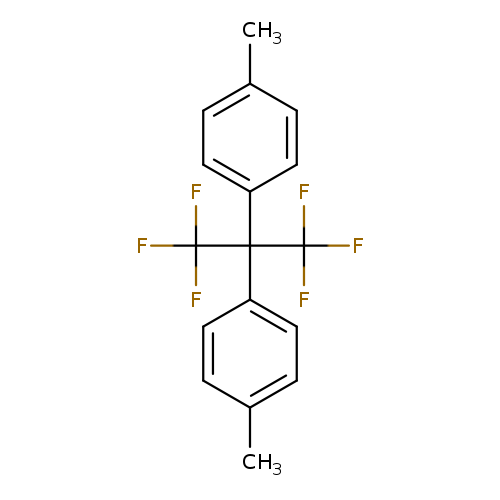
2,2-Bis(4-methylphenyl)hexafluoropropaneCatalog No.:AA0032TV CAS No.:1095-77-8 MDL No.:MFCD00042597 MF:C17H14F6 MW:332.2835 |
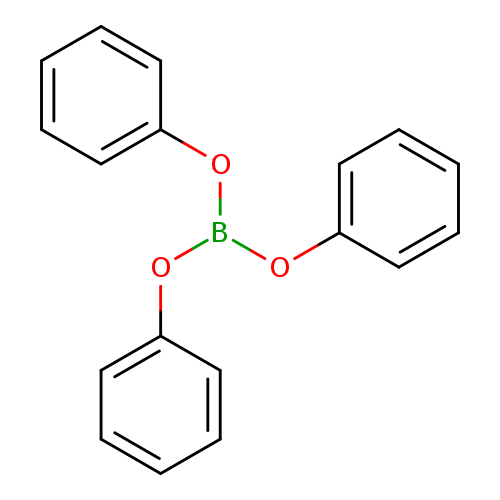
Triphenyl BorateCatalog No.:AA0035OU CAS No.:1095-03-0 MDL No.:MFCD00059011 MF:C18H15BO3 MW:290.1209 |
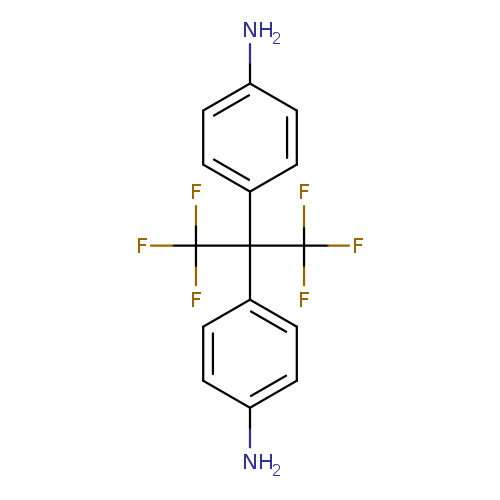
2,2-Bis(4-aminophenyl)hexafluoropropaneCatalog No.:AA003F73 CAS No.:1095-78-9 MDL No.:MFCD00039146 MF:C15H12F6N2 MW:334.2596 |
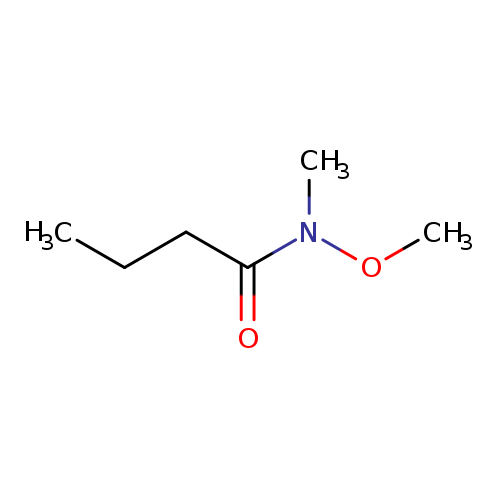
N-Methoxy-N-methylbutyramideCatalog No.:AA007SXV CAS No.:109480-78-6 MDL No.:MFCD14707556 MF:C6H13NO2 MW:131.1729 |
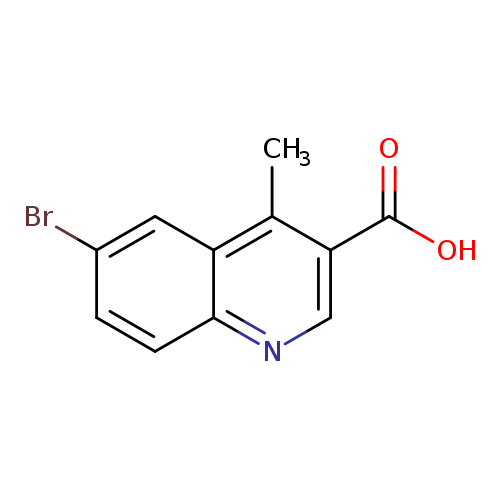
6-Bromo-4-methylquinoline-3-carboxylic acidCatalog No.:AA007SXS CAS No.:1095010-36-8 MDL No.:MFCD11052869 MF:C11H8BrNO2 MW:266.0907 |
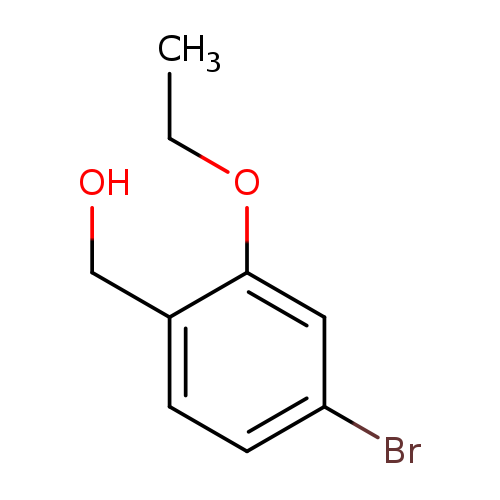
4-Bromo-2-ethoxybenzyl alcoholCatalog No.:AA007SYU CAS No.:1094750-85-2 MDL No.:MFCD11652000 MF:C9H11BrO2 MW:231.0864 |
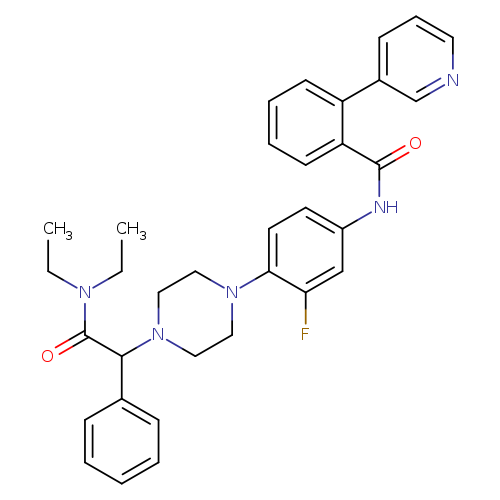
JNJ-31020028Catalog No.:AA008SQJ CAS No.:1094873-14-9 MDL No.:MFCD18782744 MF:C34H36FN5O2 MW:565.6803 |
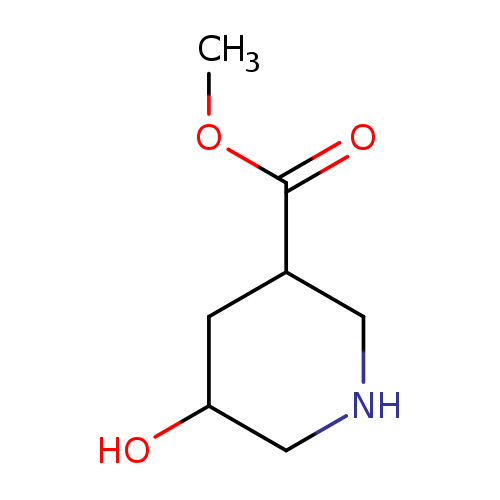
Methyl 5-hydroxypiperidine-3-carboxylateCatalog No.:AA008YZY CAS No.:1095010-44-8 MDL No.:MFCD11656767 MF:C7H13NO3 MW:159.1830 |
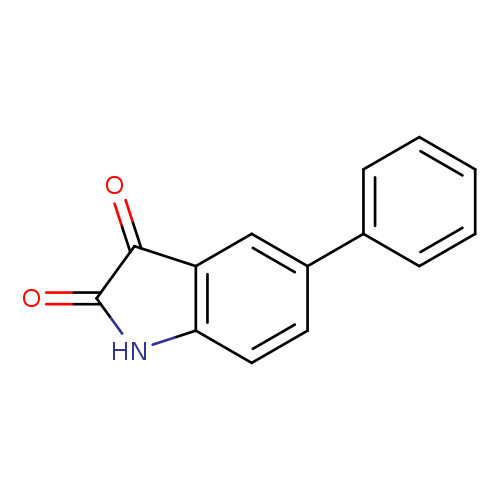
5-Phenyl-2,3-dihydro-1h-indole-2,3-dioneCatalog No.:AA0093S1 CAS No.:109496-98-2 MDL No.:MFCD06802815 MF:C14H9NO2 MW:223.2268 |
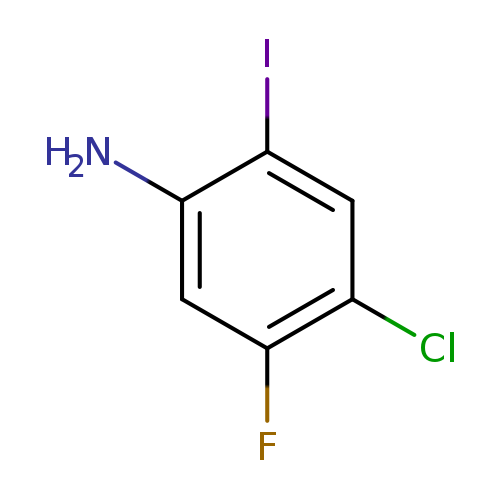
4-Chloro-5-fluoro-2-iodoanilineCatalog No.:AA0096XN CAS No.:1094759-93-9 MDL No.:MFCD26407029 MF:C6H4ClFIN MW:271.4585 |
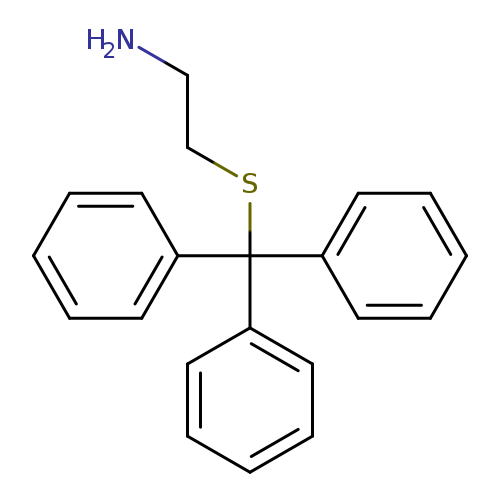
2-(Tritylthio)ethanamineCatalog No.:AA00HBFW CAS No.:1095-85-8 MDL No.:MFCD00822629 MF:C21H21NS MW:319.4631 |
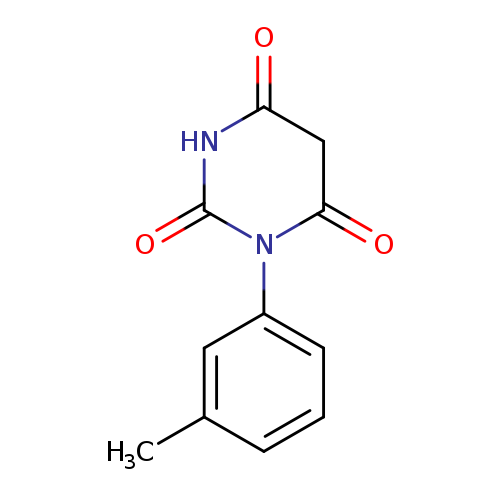
1-(3-methylphenyl)-1,3-diazinane-2,4,6-trioneCatalog No.:AA00JEX8 CAS No.:109493-60-9 MDL No.:MFCD01052227 MF:C11H10N2O3 MW:218.2087 |
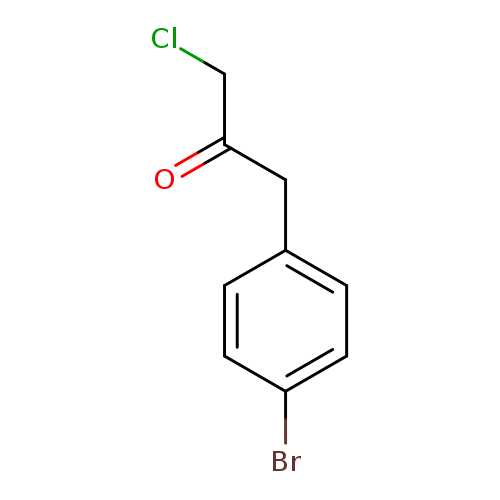
1-(4-BROMOPHENYL)-3-CHLOROPROPAN-2-ONECatalog No.:AA00JT8T CAS No.:1094842-70-2 MDL No.:MFCD11621964 MF:C9H8BrClO MW:247.5162 |
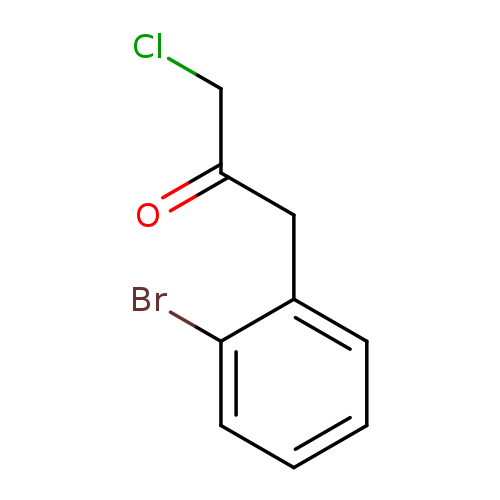
1-(2-Bromophenyl)-3-chloropropan-2-oneCatalog No.:AA00JT8V CAS No.:1094787-56-0 MDL No.:MFCD11621967 MF:C9H8BrClO MW:247.5162 |
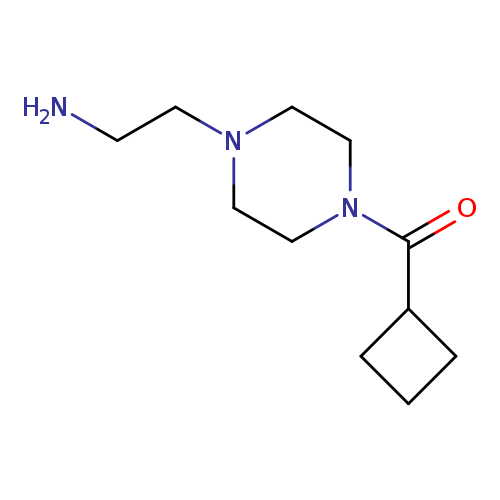
2-(4-cyclobutanecarbonylpiperazin-1-yl)ethan-1-amineCatalog No.:AA018MQI CAS No.:1094793-21-1 MDL No.:MFCD11620416 MF:C11H21N3O MW:211.3039 |
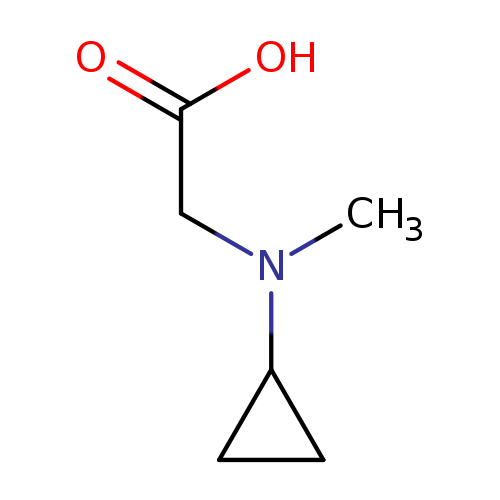
2-[Cyclopropyl(methyl)amino]acetic acidCatalog No.:AA018S8T CAS No.:1094909-72-4 MDL No.:MFCD11624173 MF:C6H11NO2 MW:129.1570 |
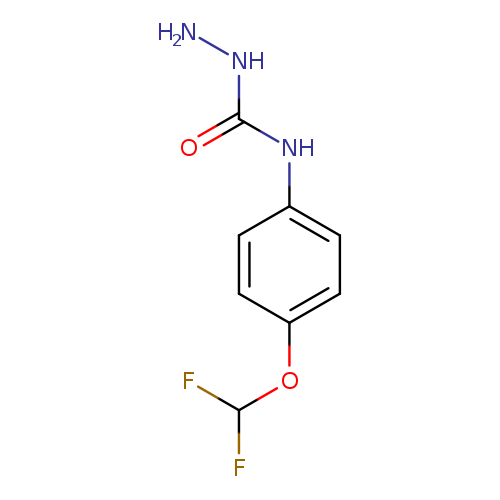
3-amino-1-[4-(difluoromethoxy)phenyl]ureaCatalog No.:AA019ROJ CAS No.:1094769-82-0 MDL No.:MFCD11212827 MF:C8H9F2N3O2 MW:217.1728 |
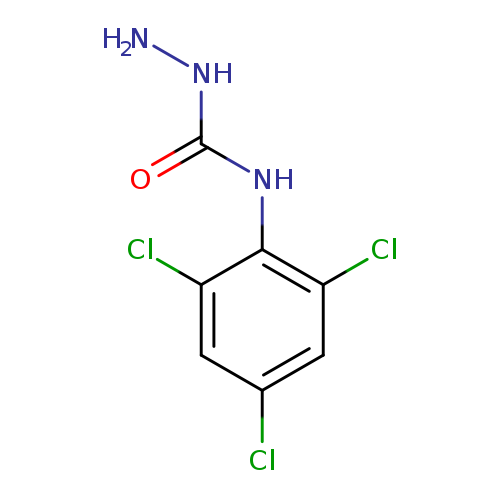
3-amino-1-(2,4,6-trichlorophenyl)ureaCatalog No.:AA019S1N CAS No.:1094755-66-4 MDL No.:MFCD00060554 MF:C7H6Cl3N3O MW:254.5010 |
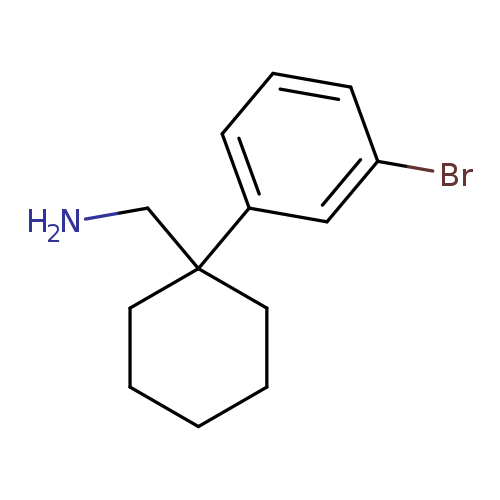
[1-(3-bromophenyl)cyclohexyl]methanamineCatalog No.:AA019S9Q CAS No.:1094766-69-4 MDL No.:MFCD11642696 MF:C13H18BrN MW:268.1927 |
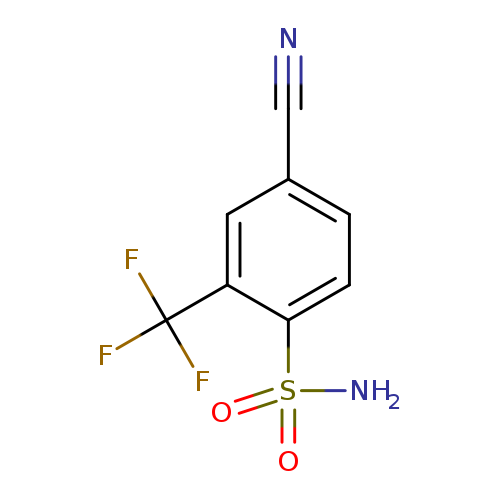
4-cyano-2-(trifluoromethyl)benzenesulfonamideCatalog No.:AA019WI3 CAS No.:1094770-14-5 MDL No.:MFCD11212968 MF:C8H5F3N2O2S MW:250.1977 |
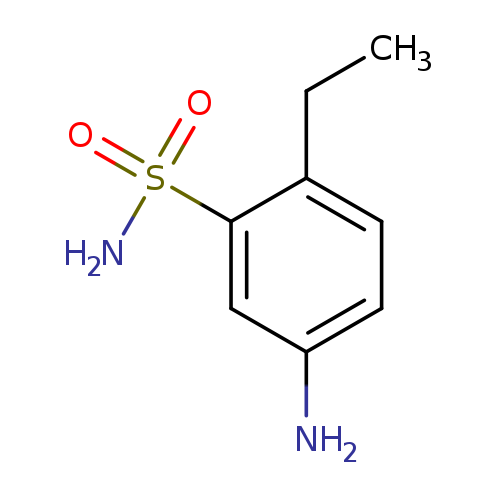
5-Amino-2-ethylbenzene-1-sulfonamideCatalog No.:AA019Y2A CAS No.:1094938-11-0 MDL No.:MFCD11621290 MF:C8H12N2O2S MW:200.2581 |
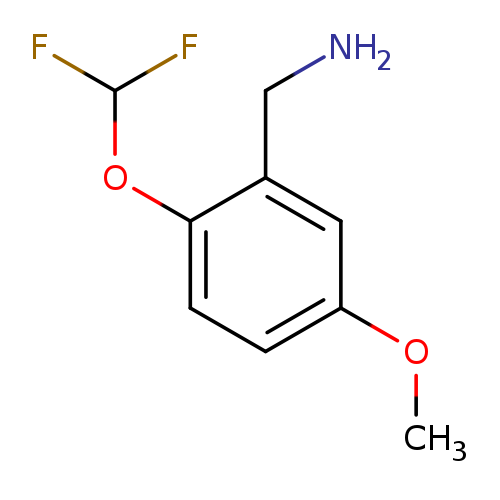
[2-(difluoromethoxy)-5-methoxyphenyl]methanamineCatalog No.:AA019ZDI CAS No.:1094792-05-8 MDL No.:MFCD29034325 MF:C9H11F2NO2 MW:203.1859 |
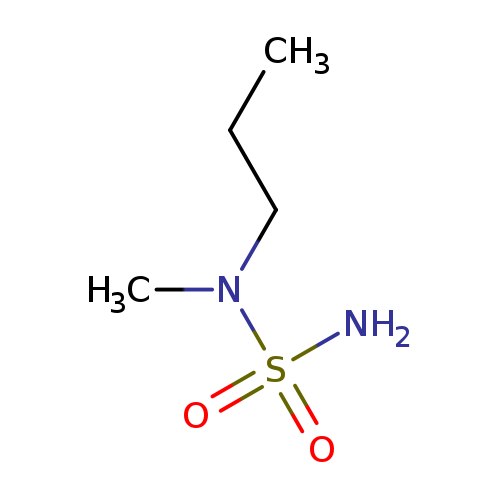
[Methyl(propyl)sulfamoyl]amineCatalog No.:AA019ZG7 CAS No.:1094790-34-7 MDL No.:MFCD11627425 MF:C4H12N2O2S MW:152.2153 |
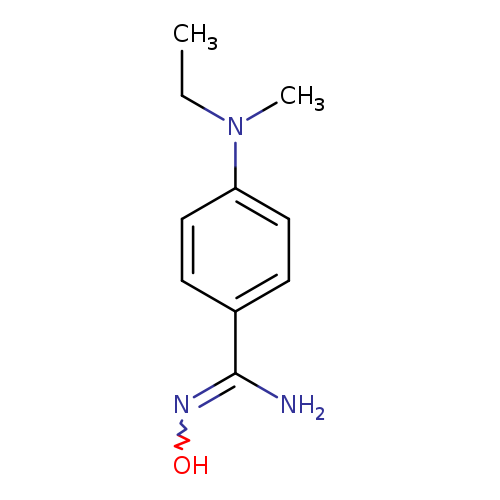
4-[ethyl(methyl)amino]-N'-hydroxybenzene-1-carboximidamideCatalog No.:AA01A03I CAS No.:1094777-91-9 MDL No.:MFCD11622983 MF:C10H15N3O MW:193.2456 |
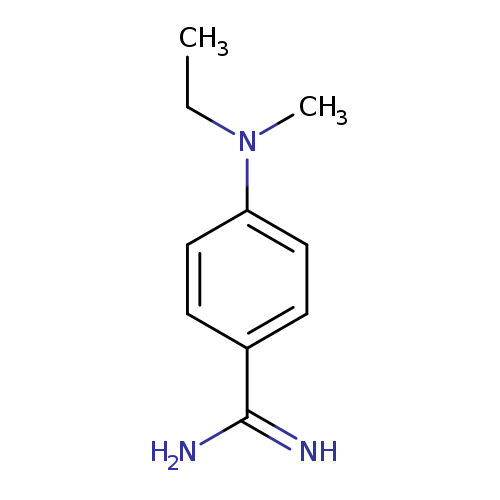
4-[ethyl(methyl)amino]benzene-1-carboximidamideCatalog No.:AA01A03H CAS No.:1094944-38-3 MDL No.:MFCD11623025 MF:C10H15N3 MW:177.2462 |
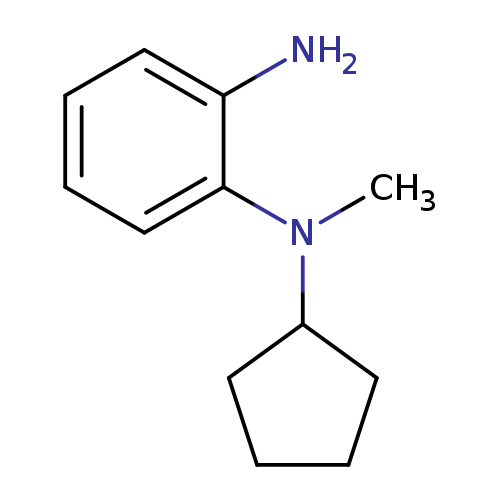
N1-Cyclopentyl-N1-methylbenzene-1,2-diamineCatalog No.:AA01A04P CAS No.:1094917-98-2 MDL No.:MFCD11625009 MF:C12H18N2 MW:190.2847 |
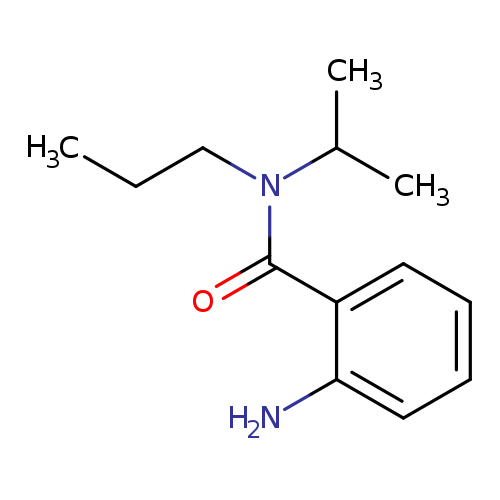
2-Amino-N-(propan-2-yl)-N-propylbenzamideCatalog No.:AA01A19U CAS No.:1094866-20-2 MDL No.:MFCD11626157 MF:C13H20N2O MW:220.3107 |
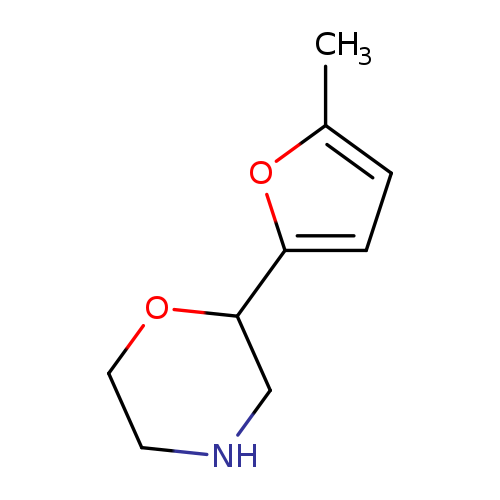
2-(5-Methylfuran-2-yl)morpholineCatalog No.:AA01A2J9 CAS No.:1094752-65-4 MDL No.:MFCD11646214 MF:C9H13NO2 MW:167.2050 |
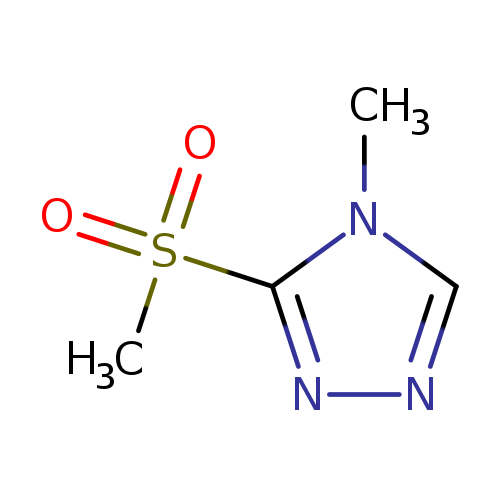
3-Methanesulfonyl-4-methyl-4H-1,2,4-triazoleCatalog No.:AA01A5EI CAS No.:1094755-10-8 MDL No.:MFCD11212370 MF:C4H7N3O2S MW:161.1823 |
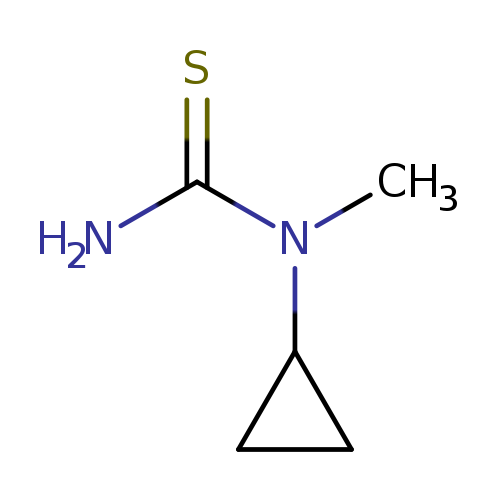
1-Cyclopropyl-1-methylthioureaCatalog No.:AA01A6E5 CAS No.:1094883-17-6 MDL No.:MFCD11624020 MF:C5H10N2S MW:130.2113 |
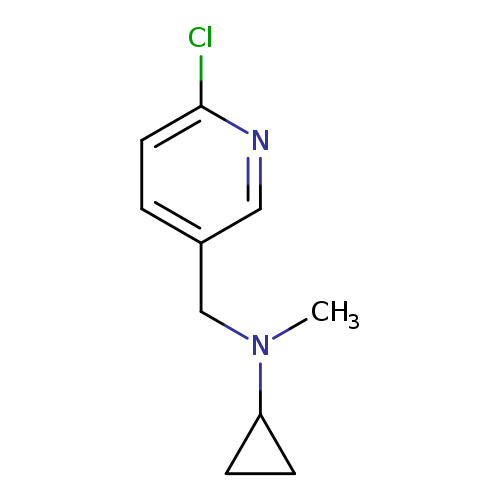
N-[(6-chloropyridin-3-yl)methyl]-N-methylcyclopropanamineCatalog No.:AA01A6ZX CAS No.:1094883-18-7 MDL No.:MFCD11624023 MF:C10H13ClN2 MW:196.6766 |
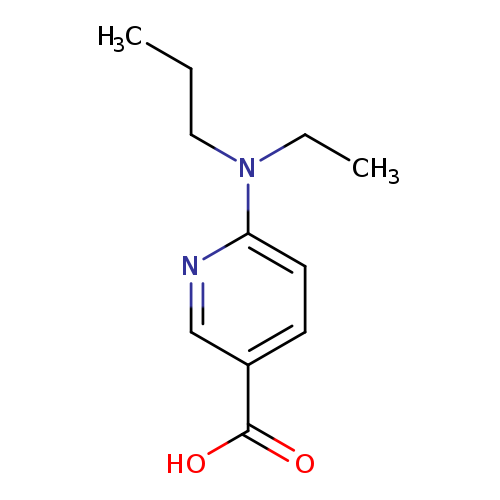
6-[ethyl(propyl)amino]pyridine-3-carboxylic acidCatalog No.:AA01A8NM CAS No.:1094866-00-8 MDL No.:MFCD11626108 MF:C11H16N2O2 MW:208.2569 |
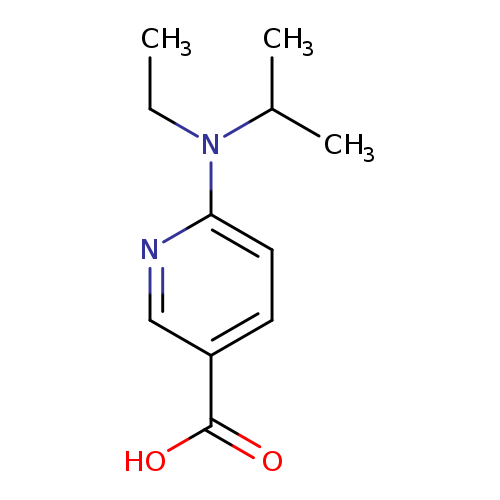
6-[ethyl(propan-2-yl)amino]pyridine-3-carboxylic acidCatalog No.:AA01A8TG CAS No.:1094798-46-5 MDL No.:MFCD11624749 MF:C11H16N2O2 MW:208.2569 |
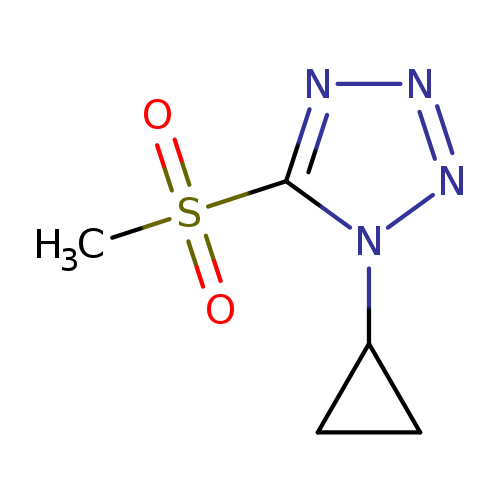
1-cyclopropyl-5-methanesulfonyl-1H-1,2,3,4-tetrazoleCatalog No.:AA01A922 CAS No.:1094755-11-9 MDL No.:MFCD11212377 MF:C5H8N4O2S MW:188.2076 |
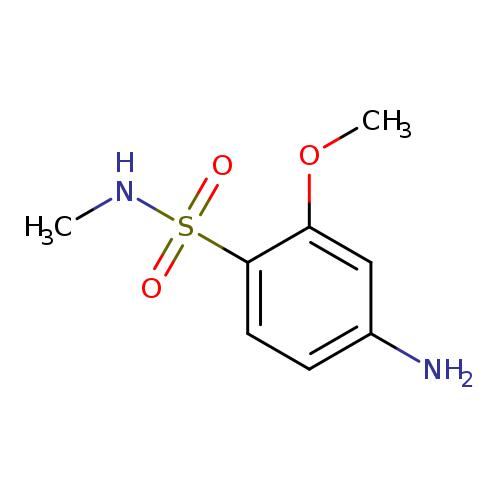
4-Amino-2-methoxy-N-methylbenzene-1-sulfonamideCatalog No.:AA01A9PC CAS No.:1094904-92-3 MDL No.:MFCD11621463 MF:C8H12N2O3S MW:216.2575 |
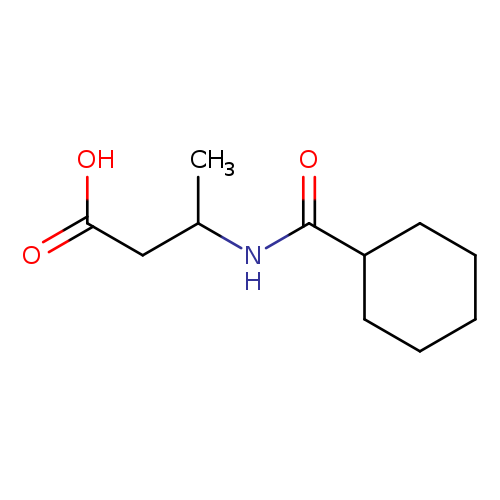
3-(cyclohexylformamido)butanoic acidCatalog No.:AA01A9S6 CAS No.:1094766-18-3 MDL No.:MFCD11647060 MF:C11H19NO3 MW:213.2735 |
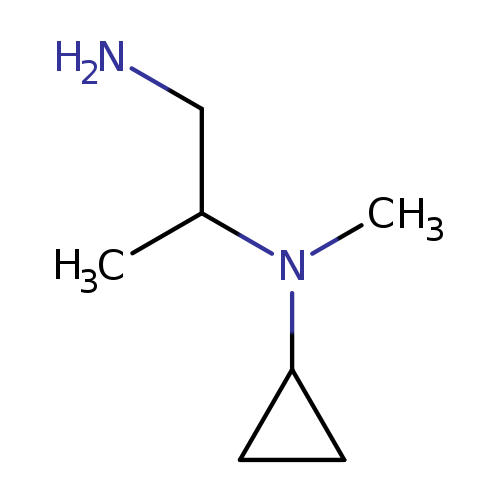
N-(1-aminopropan-2-yl)-N-methylcyclopropanamineCatalog No.:AA01AA4J CAS No.:1094882-63-9 MDL No.:MFCD11623853 MF:C7H16N2 MW:128.2153 |
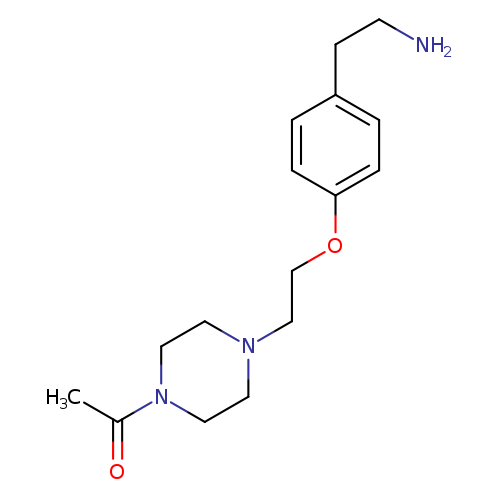
1-(4-{2-[4-(2-aminoethyl)phenoxy]ethyl}piperazin-1-yl)ethan-1-oneCatalog No.:AA01AA6T CAS No.:1094860-51-1 MDL No.:MFCD13636612 MF:C16H25N3O2 MW:291.3886 |
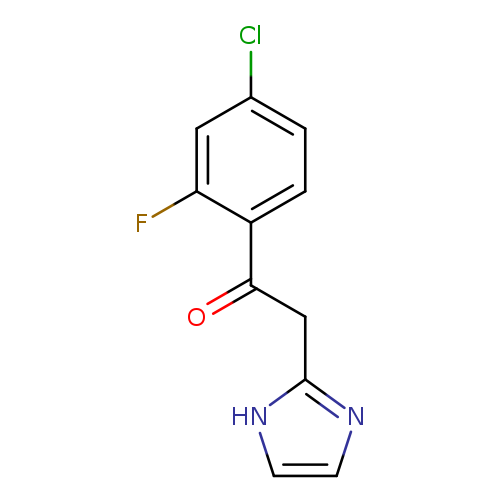
1-(4-chloro-2-fluorophenyl)-2-(1H-imidazol-2-yl)ethan-1-oneCatalog No.:AA01AAIV CAS No.:1094763-06-0 MDL No.:MFCD11211885 MF:C11H8ClFN2O MW:238.6454 |
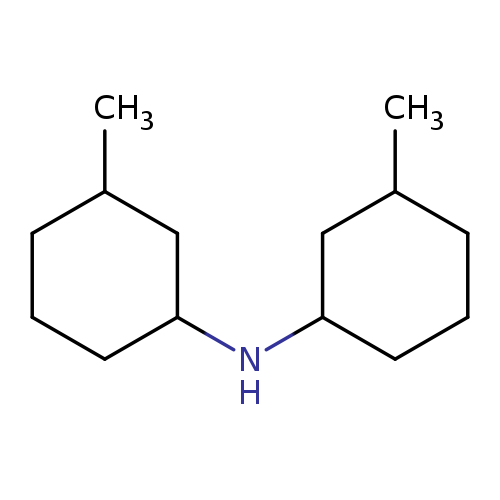
3-methyl-N-(3-methylcyclohexyl)cyclohexan-1-amineCatalog No.:AA01AAKA CAS No.:109496-89-1 MDL No.:MFCD12166366 MF:C14H27N MW:209.3709 |
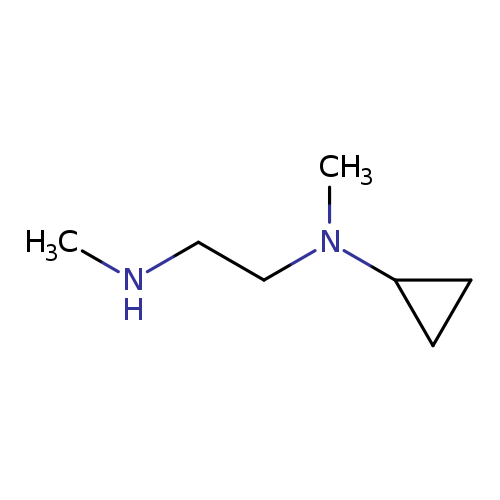
N-Methyl-N-[2-(methylamino)ethyl]cyclopropanamineCatalog No.:AA01ACTE CAS No.:1094936-78-3 MDL No.:MFCD11624135 MF:C7H16N2 MW:128.2153 |
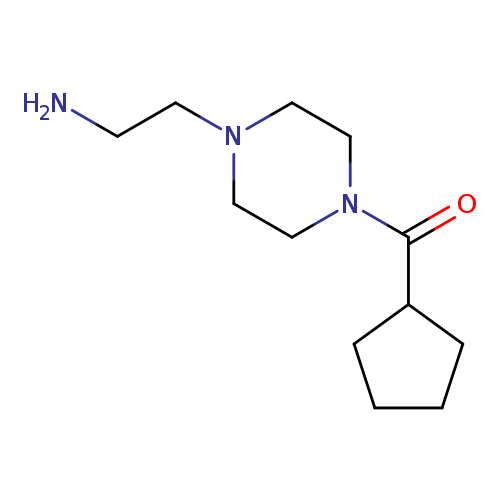
2-(4-cyclopentanecarbonylpiperazin-1-yl)ethan-1-amineCatalog No.:AA01AHUC CAS No.:1094880-41-7 MDL No.:MFCD11620415 MF:C12H23N3O MW:225.3305 |
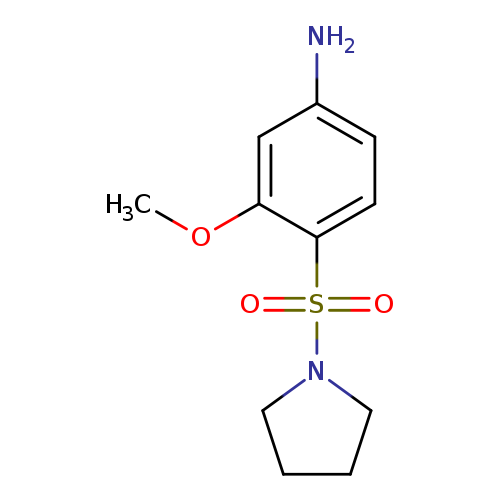
3-methoxy-4-(pyrrolidine-1-sulfonyl)anilineCatalog No.:AA01AIR9 CAS No.:1094923-09-7 MDL No.:MFCD11621357 MF:C11H16N2O3S MW:256.3213 |
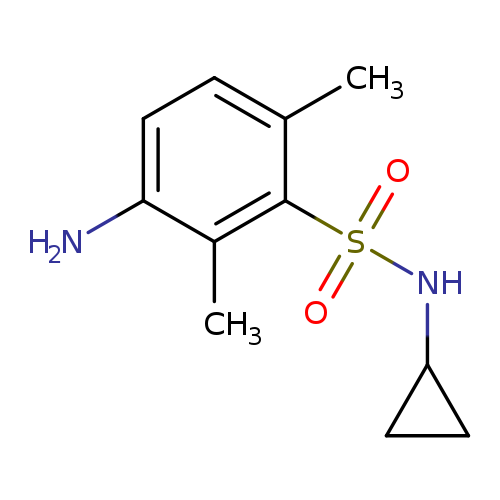
3-amino-N-cyclopropyl-2,6-dimethylbenzene-1-sulfonamideCatalog No.:AA01AKBS CAS No.:1094812-28-8 MDL No.:MFCD11621433 MF:C11H16N2O2S MW:240.3219 |
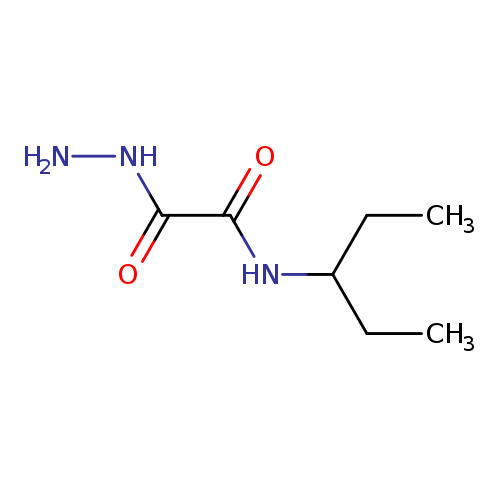
1-(Hydrazinecarbonyl)-N-(pentan-3-yl)formamideCatalog No.:AA01AKCK CAS No.:1094769-64-8 MDL No.:MFCD11212738 MF:C7H15N3O2 MW:173.2129 |
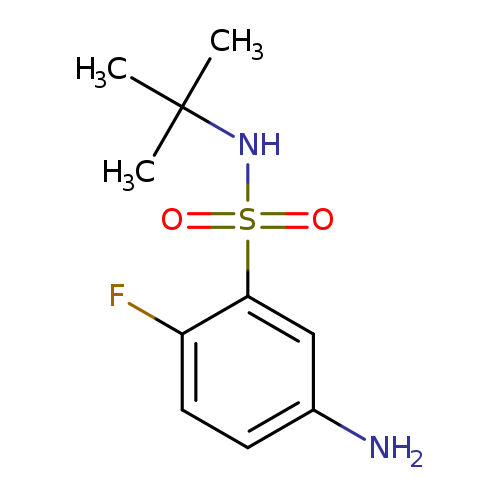
5-Amino-N-tert-butyl-2-fluorobenzene-1-sulfonamideCatalog No.:AA01AKEF CAS No.:1094822-19-1 MDL No.:MFCD11621159 MF:C10H15FN2O2S MW:246.3017 |
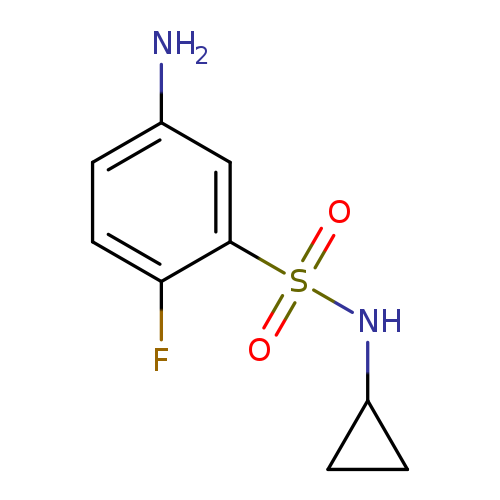
5-Amino-N-cyclopropyl-2-fluorobenzene-1-sulfonamideCatalog No.:AA01AKDX CAS No.:1094887-97-4 MDL No.:MFCD11621163 MF:C9H11FN2O2S MW:230.2592 |
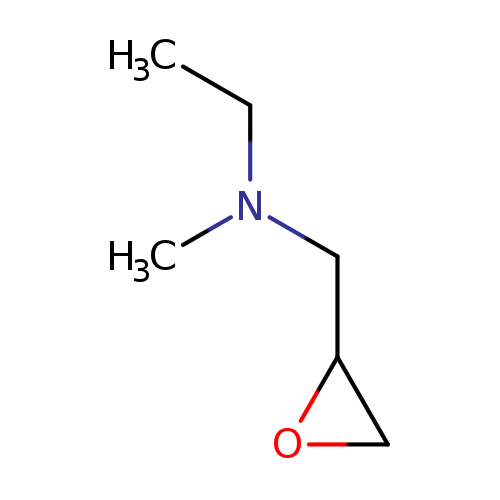
Ethyl(methyl)[(oxiran-2-yl)methyl]amineCatalog No.:AA01AL0P CAS No.:1094891-40-3 MDL No.:MFCD11622951 MF:C6H13NO MW:115.1735 |
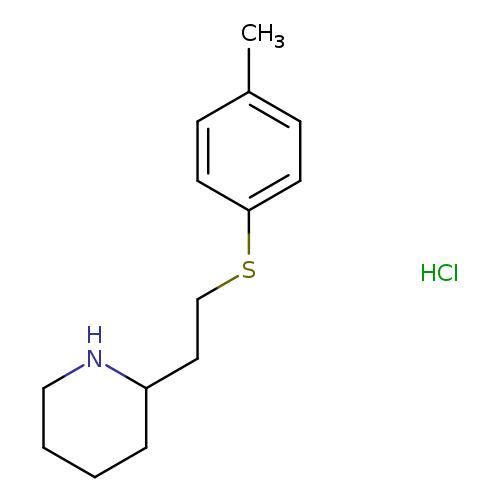
2-{2-[(4-methylphenyl)sulfanyl]ethyl}piperidine hydrochlorideCatalog No.:AA01AS0P CAS No.:1094873-20-7 MDL No.:MFCD08143955 MF:C14H22ClNS MW:271.8492 |
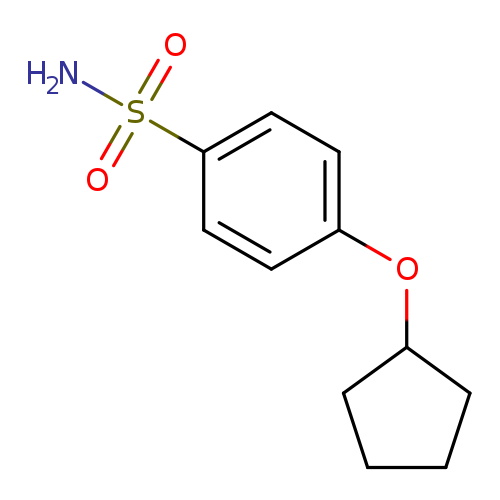
4-(cyclopentyloxy)benzene-1-sulfonamideCatalog No.:AA01B2S8 CAS No.:1094770-58-7 MDL No.:MFCD11213099 MF:C11H15NO3S MW:241.3067 |
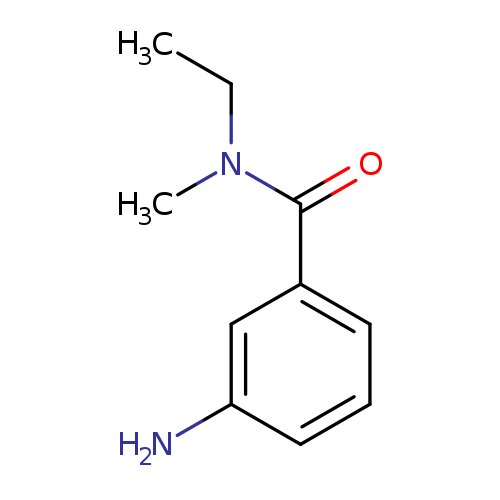
3-amino-N-ethyl-N-methylbenzamideCatalog No.:AA01B9A9 CAS No.:1094911-27-9 MDL No.:MFCD11622584 MF:C10H14N2O MW:178.2310 |
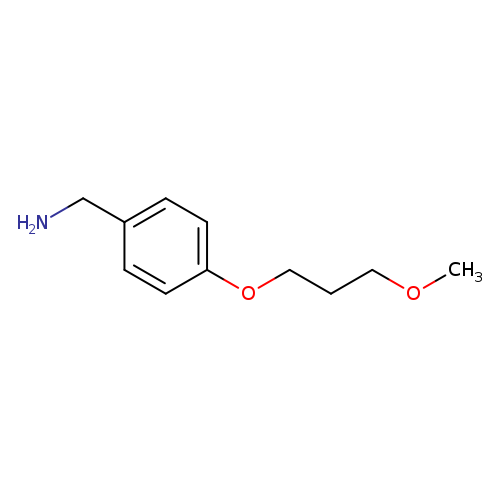
[4-(3-Methoxypropoxy)phenyl]methanamineCatalog No.:AA01B9YG CAS No.:1094783-71-7 MDL No.:MFCD11620912 MF:C11H17NO2 MW:195.2582 |
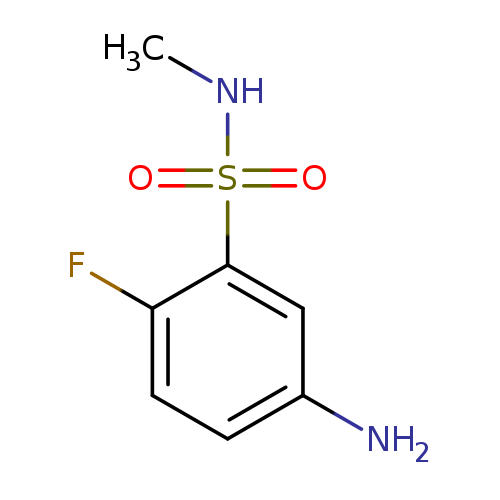
5-amino-2-fluoro-N-methylbenzene-1-sulfonamideCatalog No.:AA01BA65 CAS No.:1094887-98-5 MDL No.:MFCD11621167 MF:C7H9FN2O2S MW:204.2220 |
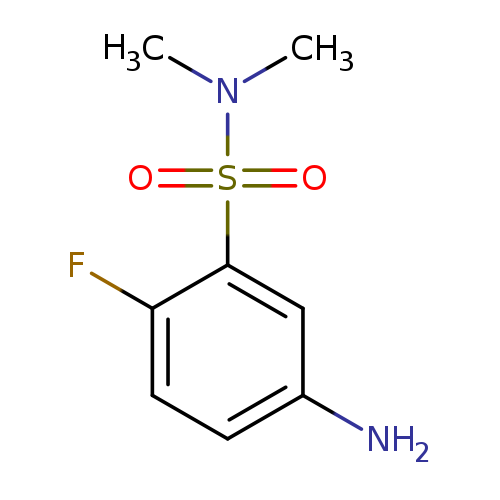
5-Amino-2-fluoro-N,N-dimethylbenzene-1-sulfonamideCatalog No.:AA01BA7W CAS No.:1094853-59-4 MDL No.:MFCD11621176 MF:C8H11FN2O2S MW:218.2485 |
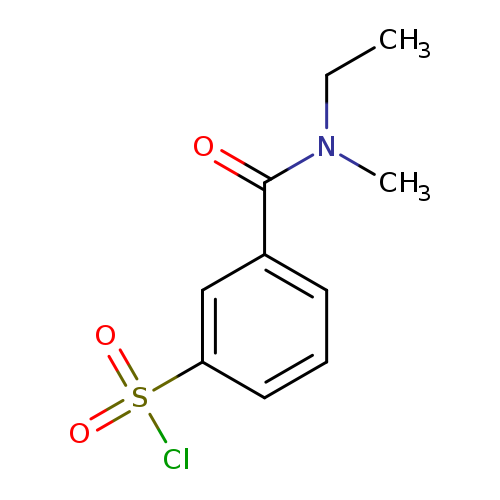
3-[Ethyl(methyl)carbamoyl]benzene-1-sulfonyl chlorideCatalog No.:AA01BB87 CAS No.:1094841-09-4 MDL No.:MFCD11623045 MF:C10H12ClNO3S MW:261.7252 |
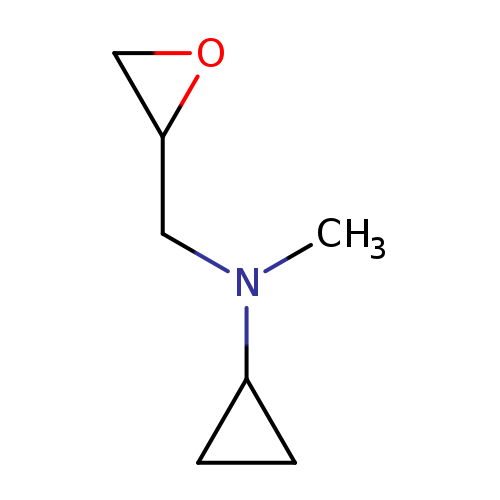
N-methyl-N-[(oxiran-2-yl)methyl]cyclopropanamineCatalog No.:AA01BC8D CAS No.:1094936-42-1 MDL No.:MFCD11624019 MF:C7H13NO MW:127.1842 |
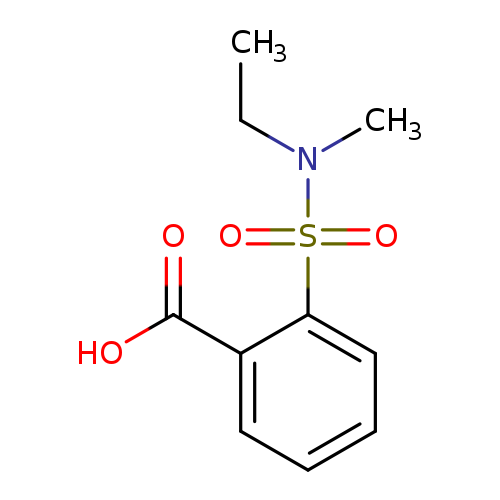
2-[Ethyl(methyl)sulfamoyl]benzoic acidCatalog No.:AA01BD5V CAS No.:1094777-57-7 MDL No.:MFCD11622865 MF:C10H13NO4S MW:243.2795 |
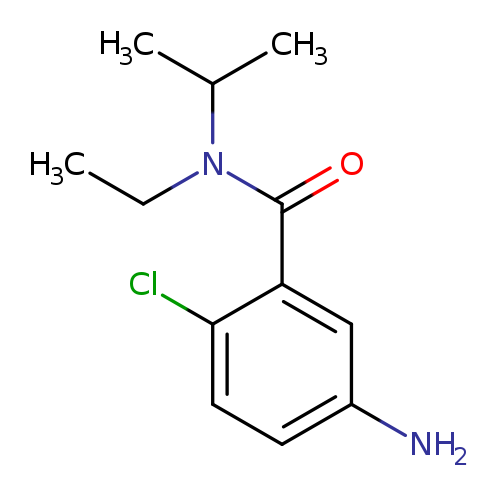
5-Amino-2-chloro-N-ethyl-N-(propan-2-yl)benzamideCatalog No.:AA01BF5E CAS No.:1094910-07-2 MDL No.:MFCD11624295 MF:C12H17ClN2O MW:240.7292 |
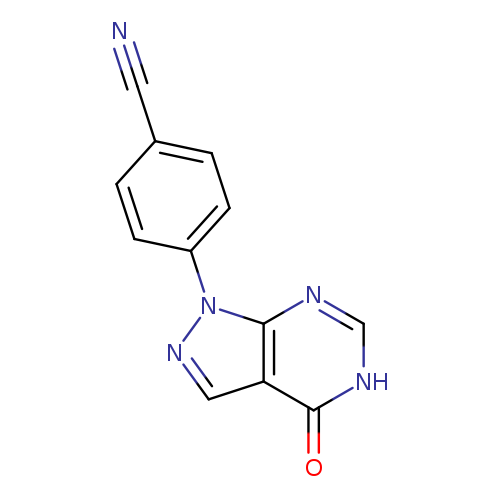
4-{4-oxo-1H,4H,5H-pyrazolo[3,4-d]pyrimidin-1-yl}benzonitrileCatalog No.:AA01BFDI CAS No.:1094828-05-3 MDL No.:MFCD11526392 MF:C12H7N5O MW:237.2169 |
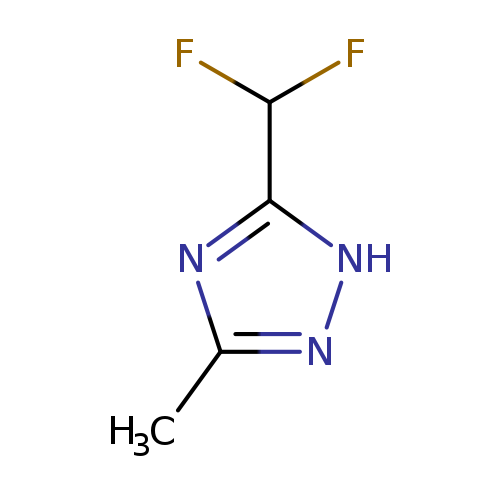
5-(difluoromethyl)-3-methyl-1H-1,2,4-triazoleCatalog No.:AA01BGYI CAS No.:1094760-03-8 MDL No.:MFCD11215032 MF:C4H5F2N3 MW:133.0994 |
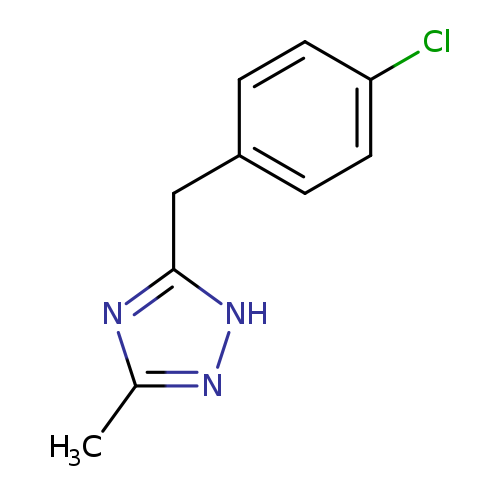
5-[(4-chlorophenyl)methyl]-3-methyl-1H-1,2,4-triazoleCatalog No.:AA01BJ6S CAS No.:1094760-12-9 MDL No.:MFCD11215070 MF:C10H10ClN3 MW:207.6595 |
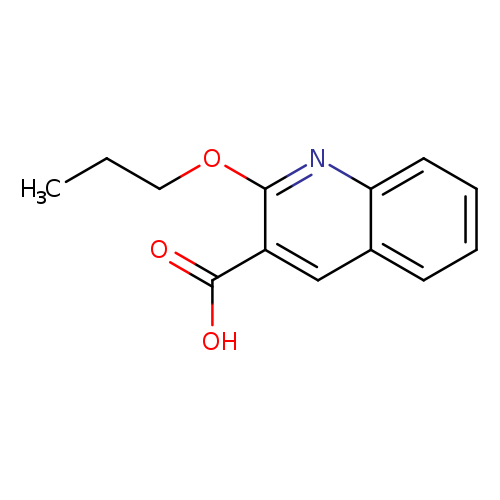
2-propoxyquinoline-3-carboxylic acidCatalog No.:AA01BJXL CAS No.:1094760-75-4 MDL No.:MFCD11619325 MF:C13H13NO3 MW:231.2472 |
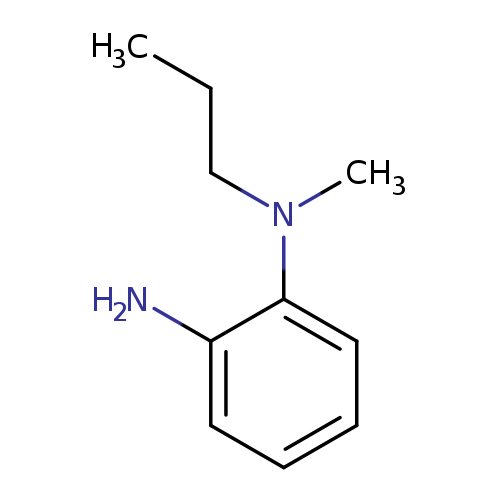
1-N-methyl-1-n-propylbenzene-1,2-diamineCatalog No.:AA01BXP7 CAS No.:1094813-04-3 MDL No.:MFCD11627041 MF:C10H16N2 MW:164.2474 |
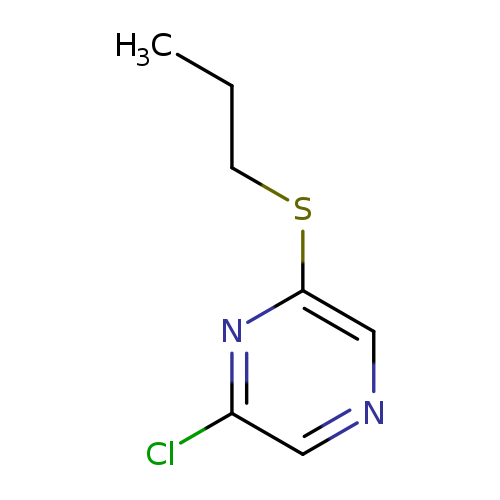
2-Chloro-6-(propylsulfanyl)pyrazineCatalog No.:AA01BYJO CAS No.:1094842-84-8 MDL No.:MFCD11622026 MF:C7H9ClN2S MW:188.6778 |
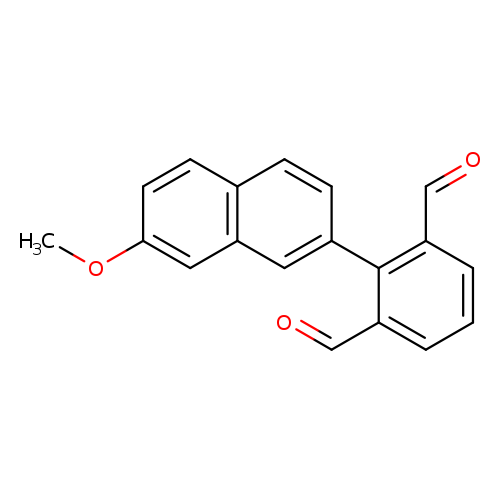
2-(7-Methoxy-2-naphthalenyl)-1,3-benzenedicarboxaldehydeCatalog No.:AA01CC8O CAS No.:1094898-02-8 MDL No.: MF:C15H25N3O3S MW:327.4423 |
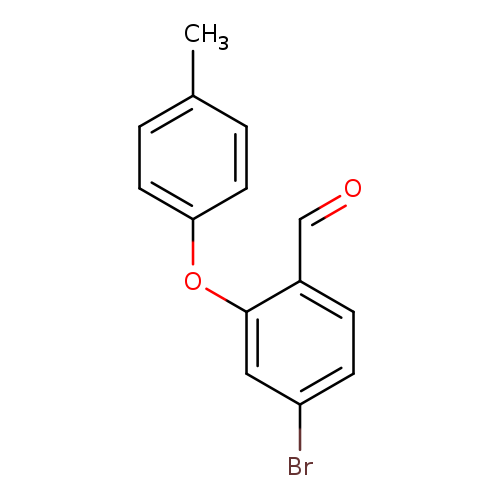
4-bromo-2-(4-methylphenoxy)benzaldehydeCatalog No.:AA01E7BS CAS No.:1094750-41-0 MDL No.:MFCD11651783 MF:C14H11BrO2 MW:291.1399 |
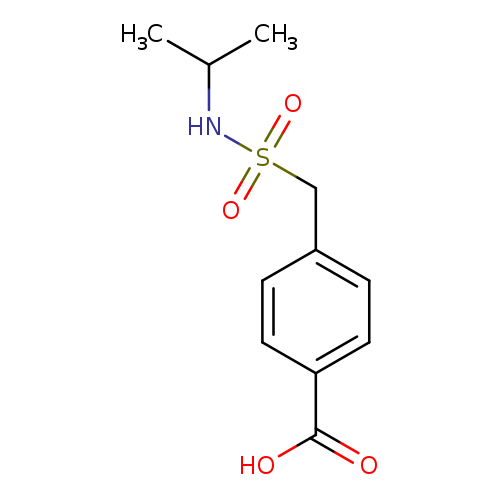
4-[(ISopropylsulfamoyl)methyl]benzoic acidCatalog No.:AA01EH7B CAS No.:1094750-93-2 MDL No.:MFCD11649770 MF:C11H15NO4S MW:257.3061 |
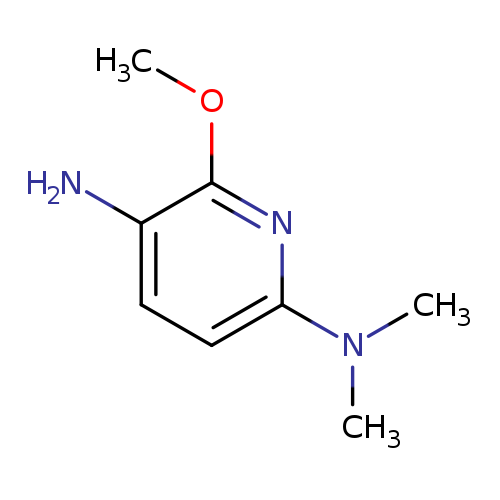
6-methoxy-N2,N2-dimethylpyridine-2,5-diamineCatalog No.:AA01FLCY CAS No.:1094927-54-4 MDL No.:MFCD11622113 MF:C8H13N3O MW:167.2083 |
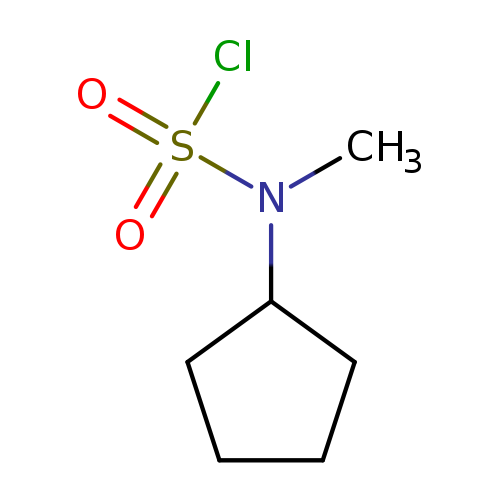
N-cyclopentyl-N-methylsulfamoyl chlorideCatalog No.:AA01A0GT CAS No.:1094918-33-8 MDL No.:MFCD11625077 MF:C6H12ClNO2S MW:197.6830 |
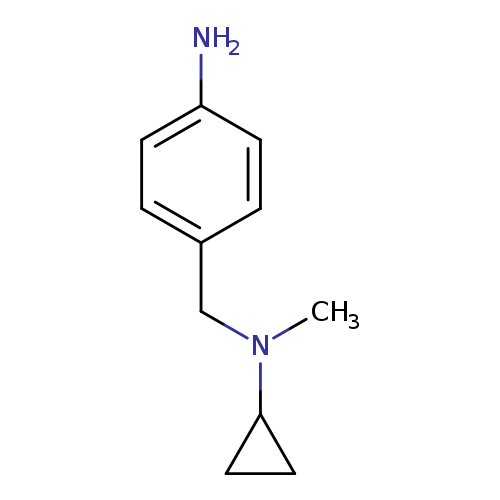
4-([Cyclopropyl(methyl)amino]methyl)anilineCatalog No.:AA01B54U CAS No.:1094851-04-3 MDL No.:MFCD11623758 MF:C11H16N2 MW:176.2581 |