

2020-02-09 23:03:00
Kai-Xiong Ye+,[a] Ting-Ting Fan+,[a] Lawrence Jordan Keen,[a] and Bing-Nan Han*[a]
1.Introduction
1.1Development of Marine Pigments
Natural pigments, a surprisingly indispensable part of human life, play an important role in food, cosmetic, medical treatment and textile industries. The first use of pigment can be dated back to ancient Egypt for mainly decorative applications. Due to the lack of natural pigments sources and the complexity of extraction process, they would not seek much attention until 1856, when Sir Willey Henry invented the first artificial colour-mauvine, after that began the age of synthetic pigments.[1] However, as people became more aware of the potential harmfulness of synthetic pigments, natural pigments return to the forefront.
In recent times, natural pigments are mainly extracted from some terrestrial plants, but their sources and production remain limited. Since the 1960’s, prostaglandin precursors have been found highly bioactive in the soft coral species Gorgonacea, leading many natural product chemists to move their research from the land to the sea. The oceans cover more than 70 percent of the earth‘s surface and are humanity‘s largest repository of resources. In fact, pigments were extracted from marine organisms in the early days, but due to underdeveloped science and technology of the time, people did not have a deep understanding of them. As an example, astaxanthin, first isolated from shrimp shells in 1930, has been subjected to extensive research since the 1980s for its obvious biological functions: enhancing immunity system, protecting the retina from radiation, antioxidization, anti-inflammation, and preventing blood LDL-cholesterol from oxidization. Artificial synthesis still dominates astaxanthin production, however, the green microalgae Haematococcus pluvialis and the red yeast Phaffia rhodozyma have begun to compete economically with synthetic astaxanthin.
1.2Examples of Pigment Resources
In recent years, natural pigments from marine animals such as fish and invertebrates have attracted considerable attention, and a number of novel classes of natural pigments with potential economic importance have been reported.[3] Marine invertebrates, algae and microbes are the three main sources of marine pigments. Among marine animals, the pigments of astaxanthin that are produced by crustaceans and echino- chrome produced by echinoderms are known most widely. For marine plants, some algae can also produce pigments in addition to photosynthetic pigments produced by phytoplank- ton. Pigments from marine plants are divided into three categories: chlorophyll, carotenoid and phycobiliproteins. Among these pigments, chlorophyll, fucoxanthin, lutein and phycocyanin are best known. The pigments from the source of microorganisms are relatively abundant, and the microorgan- isms that can produce pigments mainly include bacteria, cyanobacteria, actinobacteria, yeast, and fungi. These marine microorganisms are isolated from different places, including algae, fishes, molluscs, sponges, mangroves, seawater, and sediments and the compounds of pigments are various, including carotenoids, indole derivatives, polyenes, alkaloids, peptides, macrolides, melanins, monascins, and terpenoids.[4]
Microorganisms have always been known to be an extremely diverse group and that is also seen in the wide array of colours they produce. Briefly, we list some example of different coloured pigments produced by a variety of micro- organisms: Miao et al extracted prodigiosin-like pigments from the marine bacteria Serratia proteamacula 657;[5] Ashley Franks et al. isolated a new yellow pigment from Pseudoalter- omonas tunicata;[6] several purple pigments were produced from Alteromonas species isolated from Kinko Bay in Kagoshima Prefecture, Japan;[7–9] melanin or melanin-like pigments were produced by marine bacterial strains Vibrio cholerae, Shewanella colwelliana, and Alteromonas nigrifaciens.
2.Marine Animal Sources
Marine animals, especially those from tropical waters, are usually brilliantly coloured and that bright colouration is widespread in invertebrates. These spectacular natural colours are common among species inhabiting in shallow water areas, but also occur in animals living in deep dark areas where sunlight cannot reach them.[3] Natural pigments isolated from marine animals mainly include quinone, carotenoid and tetrapyrrole compounds, which are mainly derived from invertebrates such as echinoderms (sea urchins), molluscs (mussels) and crustaceans(crabs).
2.1Echinochrome and Spinochromes
Echinochromes and spinochromes are the main natural pig- ments of quinones from marine sources as well as a group of 5,8-dihydroxy-1,4-naphthoquinones known as naphthazarins. Echinochrome is the name which was given by MacMunn [1885, 1889] to a pigment contained in the cells of the perivisceral fluid of Strongylocentrotus lividus, Amphidotus cordatus, E. sphaera and E. Esculentu.[14] It has been reported to have several protective biologic effects: including antiox- idant properties; scavenging reactive oxygen species (ROS); and chelating iron.[15–16]
Two new spinochromes, echinamines A (1) and echin- amines B (2), were isolated from the sea urchin Scaphechinus mirabilis at a depth of 5 m off Peter the Great Bay of the Japan Sea, in 2004.[17] Echinamines A was obtained as a dark brown powder, while B was obtained as dark brown needles. UV/vis spectra of Echinamines A and Echinamines B showed absorption maxima at lmax 274, 345, and 479 nm, correspond- ing to those for polyhydroxy- naphthazarines. Echinamines A and B were shown to have 50 % radical scavenging ability (EC50) at a concentration of 0.01 mM against 0.1 mM DPPH in ethanol. Lola Brasseur et al. extracted Echinochrome A and four Spinochromes (Spinochrome A, Spinochrome C, Spino- chrome D, Spinochrome E) (3–6) from four common normal sea urchins (Echinometra mathaei, Diadema savignyi, Trip- neustes gratilla and Toxopneustes pileolus) collected in the Indian Ocean reef shoals, in 2017.[18] All extracts showed antibacterial activity against at least one bacterial strain (E. coli, B. subtilis, V. aestuarianus, C. marina and S. oneidensis). Meanwhile, all isolated spinochromes showed high antioxidant effects and cytotoxic activity. Da-yong zhou et al. extracted Spinochrome A, Spinochrome C, Spinochrome E and Echin- amines A from sea urchins collected in the yellow sea of China and also extracted Spinochrome B (7).[19] It was found that the compound had the largest ultraviolet absorption peak at about 470 nm as well as having DPPH radical scavenging activity, Fe2 + chelating activity and reducing power.
2.2Carotenoids
Carotenoids, commonly found in the yellow, orange or red pigments of higher plants, fungi and algae, are classed as antioxidant compounds that assume a key role in cell protection. In fact, the ability to quench singlet oxygen molecules, capture light and protect photosynthesis are the most relevant biological functions of carotenoids.[20] Studies have found that carotenoids can also be isolated from some marine animals. R. C. Symonds isolated two carotenoids from sea urchins Paracentrotus lividus collected at two locations along the shoreline of Bantry Bay.[21] The carotenoids were breakdown products of fucoxanthin (9); namely fucoxanthinol and amarouciaxanthin A. Mytiloxanthin (10) distributed in several marine invertebrates such as shellfish and tunicates. It was reported that mytiloxanthin was converted from fucox- anthin through a pinacol-like rearrangement. Mytiloxanthin presents as yellow and the maximum UV-VIS absorption values of the mytiloxanthin is 484 nm.[22] Takashi Maoka et al. synthesized mytiloxanthin and studied its anti-oxidative activities and found that the compound showed excellent scavenging activity for hydroxyl radicals.[23] Caroline Ute- rmann et al. isolated an Alloxanthin analogue (8) from mussels (Mytilus spp.) collected at an organic blue mussel farm located in KF (Baltic Sea, Germany).[24] Furthermore, Daniel Garama et, al. isolated seven carotenoids from sea urchins (Evechinus chloroticus) collected from Doubtful Sound, Fiordland (New Zealand).
2.3Other Pigments from Marine Animals
Another viable source of pigments is from marine inverte- brates found throughout the ocean. Caroline et al. isolated not only carotenoids but also two tetrapyrroles (Chlorophylone-a a(11) and Pyropheophorbide-a(12)) and a Porphyrin pigment Corallistin B (13) from mussels (Mytilus spp.) collected at an organic blue mussel farm located in KF (Baltic Sea, Germany).[24] Chlorophyllone-a (11) is a liposoluble pigment, that presents as a dark green colour and its maximum absorbance includes 408, 503, 534, 608, 665 nm. Interestingly it also has high antioxidant activity.[26] Pyropheophorbide-a
(12) is a seaweed chlorophyll derivative and presents as a liposoluble dark green pigment.[27] It is photosensitive and unstable under light conditions, therefore often chosen to be a photosensitizer. The absorption maximum of pyropheophor- bide a (12) is at 668 nm.[28] Plankinidine D (14) isolated from a Plakortis sp. sponge collected near the island of Rota, Northern Mariana Islands in 1996, is a polycyclic heteroar- omatic compound representing the first member of the pyrroloacridine class of marine alkaloids. Plankinidine D (14), a red-orange liposoluble solid and its maximum absorbance are 328, 388, 436, 514 nm. It can resist human colon cancer cells in vitro. In addition, studies have found that some deep- sea fish are the main sources of fluorescent pigments.[29–39]
R.H. Douglas et al. discovered that the deep-sea stomiid Malacosteus niger, which produces far red bioluminescence, has two visual pigments within its retina which form a rhodopsin/porphyropsin pigment pair with lmax values around 520 and 540 nm.[31] At the same time, they also found long- wave-sensitive visual pigments in its retina to enhance its sensitivity to longwave radiation such as its own biolumines- cence. These liposoluble pigments subsequently identify as a mixture of defarnesylated and demetallated derivatives of bacteriochlorophylls c (15) bacteriochlorophylls d (16) with lmax at 670 nm and found to be used as a photosensitiser to enhance its sensitivity to longwave radiation.
3.Marine Plant Sources
Pigments from marine plants are mainly found in phytoplank- ton and algae. The pigments are mainly divided into three groups: chlorophylls (a, b, c1, c2, c3, d), carotenoids (carotenes and their oxygenated derivatives known as xantho- phylls), and phycobiliproteins (allophycocyanins, phycocya- nins, phycoerythrins).
3.1Chlorophyll and its Derivatives
Chlorophylls are the famous photosynthetic greenish pigments found in algae, plants, and cyanobacteria. Chlorophylls contain a porphyrin ring and belong to a major class of tetrapyrroles.[33] Chlorophyll-a is present abundantly in the marine environment and always found in marine algae and cyanobacteria. Ruairi C. Robertson et al. isolated some anti- inflammatory lipids and chlorophyll-a (17) from three samples of red algae (Porphyra dioica, Palmaria palmata and Chondrus crispus) collected in Galway bay.[34] Chlorophyll-a is a blue/green colour pigment with maximum absorbance from 660 to 665 nm and plays an important role in marine plants photosynthesis.[35] Chlorophyll-b (18) is abundant in marine plankton, so it is one of the five most prominent biomarkers (The other four biomarkers are fucoxanthin, peridinin, 19’-hexanoyloxyfucoxanthin and alloxanthin).[36] Chlorophyll-b is a green/yellow colour pigment and its maximum absorbance is 642 to 652 nm. Chlorophyll-c(19–21) is an accessory blue-greenish colour pigment with maximum absorbance from 447 to 452 nm and it can be found in many algae (marine green Ulva intestinalis and brown macroalgae Sargassum angustifolium).[37] Chlorophyll-d (22) is commonly found in plants, algae and other cyanobacteria. Michael Ku¨ hl et al. isolated chlorophyll-d from the cyanobacteria, Acaryo- chloris marina, and found that the cyanobacterium uses chlorophyll-d as its principal light-harvesting pigment instead of chlorophyll-a.[38] Chlorophyll-d absorbs far-red light, at the 710 nm wavelength.[39] Y. Kamei et al. isolated a chlorophyl- c2 derivative from marine brown algae (Eisenia bicyclis) collected from the Japanese coastline.[40] The derivative named MC15(23) and found that the UV=VIS spectrum of MC15 in diethyl ether showed maximum absorption at 437 nm. MC15 showed similar antiviral activity against other salmonid enveloped viruses such as Paralichthys olivaceus virus and Oncorhynchus masou virus, and stability against any pH and temperatures up to 1008C.
3.2Carotenoids
Carotenoids are the most common pigments in the marine environment. They are generally biosynthesized by all auto- trophic marine organisms; therefore, they can be easily found in marine plants. The most common carotenoids in marine plants include: fucoxanthin, astaxanthin, zeaxanthin, lutein, neoxanthinand violaxanthin.[41]
Fucoxanthin (9) is an orange-coloured pigment with the maximum absorption wavelength of at 447 nm, present in Chromophyta (Heterokontophyta or Ochrophyta), including brown seaweeds (Phaeophyceae) and diatoms (Bacillariophy- ta). Fucoxanthin was first isolated from the marine brown seaweeds Fucus, Dictyotaand Laminaria by Willsta¨tter and Page in 1914.[42] Fucoxanthin has been isolated from multiples sources each showing significant biological activity: such from Undaria pinnatifida exhibiting strong antiproliferative activity in 1999;[43] isolates from Hijrkia fusiformis displaying strong DPPH radical scavenging activity;[44] or efficient antioxidant properties in extracts from algae of the coast of Jeju Island, Korea in 2008.[48] Together, these suggest the potential of fucoxanthin as a candidate for medical benefits in a wide range of areas.[46]
Zeaxanthin (24), the yellow carotenoid can be found in marine algae, such as Spirulina and red algae.[47–49] It also can be isolated from the diatom (Phaeodactylum tricornutum). Zeaxanthin and lutein are xanthophylls considered to play a potential role in maintaining eye health.[50]
Waesarat Soontornchaiboon et al. isolated a red pigment violaxanthin (25) from microalgae (Chlorella ellipsoidea) obtained from the Daesang company with the maximum absorption wavelength at 441 nm.[51] Studies have shown that violaxanthin has strong antiproliferative activity against McF- 7 human breast cancer cells grown in vitro, which suggests that violaxanthin should be an active compound for induction of apoptosis.[52]
Weiqi fu et al. isolated the yellow pigment lutein (26) from
the green microalgae (Dunaliella salina) obtained from the University of Texas at Austin.[53] Rhesa Pramudita Utomo et al. also isolated lutein from chlorella sp. with a maximum UV-VIS absorption value of 444 nm. Lutein has been described as a protective compound against the early stages of the atherosclerotic process and be widely consumed as food colourant in the last decade.[54]
Chiasa Uragami et al. obtained two neoxanthins (all-trans neoxanthin and 9’-cis neoxanthin) (27–28) from a siphonous green alga (Codium (C.) intricatum) isolated from Okinawa prefecture in Japan. These two compounds were then re- isolated from a siphonaceous marine green algae(Bryopsis corticulans)collected from intertidal zones around seashore of Qingdao city, China.[56] These two neoxanthins are liposoluble and present as green compounds, whilst showing moderate thermal stability, prone to oxidation and fading, and are easily isomerized under the action of heat, acid or light. Chiasa Uragami et al. found that these two neoxanthins are unstable under high-light conditions, when cultured under high irradi- ance, 9’-cis neoxanthin will convert to all-trans neoxanthin. The maximum ultraviolet absorption peaks of these two compounds in ethanol solution were 441 nm and 439 nm.[55]
Paulina Kuczynska et al. recorded that multiple carotenoids, including b-carotene (29), antheraxanthin (30), Diadinoxanthin(31)and Diatoxanthin(32), can be isolated from diatoms (Phaeodactylum tricornutum).[57] The maximum ultra- violet absorption of the four carotenoids was 453 nm, 446 nm, 448 nm and 454 nm, respectively. Duc Tranet al. isolated b- carotene from green algae (Dunaliella salina DCCBC15) provided by Dr. E.W. Polle, department of Biology, Brooklyn College of CUNY Brooklyn, NY (USA).[58] b-Carotene because of its nontoxic and antioxidative properties, have found applications in the food, drug and cosmetic industry.
Astaxanthin (33) a red liposoluble pigment, mainly found in crustaceans (such as shrimp), algae (such as Haematococcus pluvialis and fungi) and Haematococcus pluvialis.[59–61] The compound is a ketone-type non-vitamin A protocarotenoid with various biological functions such as colouring, anti- oxidation, photoprotection, promotion of reproduction, enhancement of immunity, and maintenance of central nervous system health. The maximum UV-VIS absorption value of it in trichloromethane is 489 nm.[62–63] Due to the long conjugated unsaturated double bond in the molecular structure of astaxanthin its properties are extremely unstable. Oxygen, light, heat and metal ions can cause damage to astaxanthin, causing it to oxidize or degrade.[64] Astaxanthin possesses two identical asymmetric carbon atoms at C-3 and C-3 making three possible isomers with all-transconfiguration of the chain: 1.) (3S, 3s)-astaxanthin, isotated from lobster, salmon and the spider mite; 2.) (3R, 3R)-astaxanthin isolated from the red yeast Phaffia rhodozyma, which presents partial antioxidant activity; 3.) meso-form (3S, 3’R)-astaxanthin, which has not been found in nature.
Canthaxanthin (34) is a natural diketo derivative of b-carotene primarily used by the food and feed industries.[65] Canthaxanthin, along with astaxanthin, lutein and b-carotene, was isolated from microalgae (Coelastrella sp. F50) collected in tropical Taiwan.[66] Canthaxanthin is used as a lipid-soluble natural pigment and has excellent antioxidant activity com- pared to carotenoids such as b-carotene.[67]
3.3Phycobiliproteins
Phycobiliproteins are composed by a protein and a chromo- phore part (linked by covalent bonds) called phycobilin. Phycocyanin (35) from Arthrospira and phycoerythrin (36) from Porphyridium are two of the most known phycobilipro- teins.[68] The maximum ultraviolet absorption peaks of two phycobiliproteins were 540–570 nm and 610–620 nm, respec- tively. Owning to its strong fluorescence and easy combination with the isotope and biotin, phycobiliproteins has been developed as the fluorescence probe. With the development of single cell protein (SCP) from algae, phycobiliproteins has also been used widely in fields of the medicine, pharmaceut- ical, chemical industry, and medicinal diagnose.
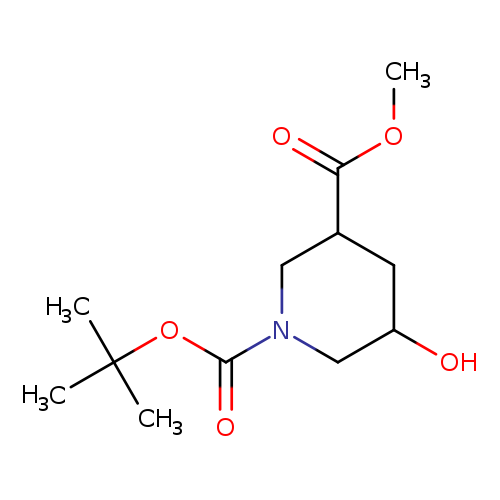
1-tert-Butyl 3-methyl 5-hydroxypiperidine-1,3-dicarboxylateCatalog No.:AA00352M CAS No.:1095010-47-1 MDL No.:MFCD11656770 MF:C12H21NO5 MW:259.2988 |
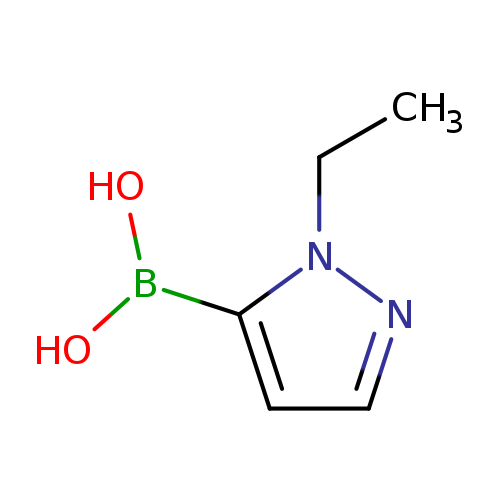
B-(1-Ethyl-1H-pyrazol-5-yl)boronic acidCatalog No.:AA00399P CAS No.:1095080-54-8 MDL No.:MFCD03419491 MF:C5H9BN2O2 MW:139.9482 |
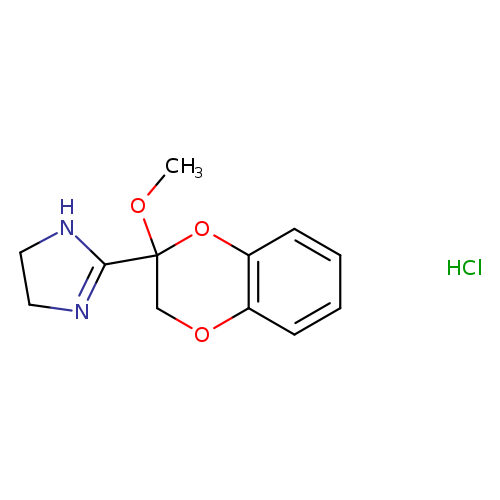
2-(3-methoxy-2h-1,4-benzodioxin-3-yl)-4,5-dihydro-1h-imidazole,hydrochlorideCatalog No.:AA0039BT CAS No.:109544-45-8 MDL No.:MFCD00069343 MF:C12H15ClN2O3 MW:270.7121 |
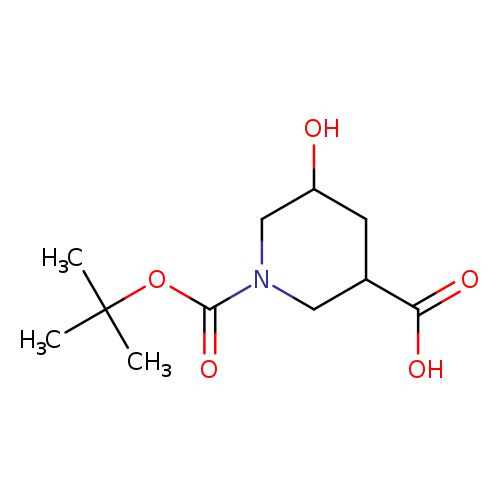
1-Boc-5-Hydroxypiperidine-3-carboxylic AcidCatalog No.:AA003DZF CAS No.:1095010-48-2 MDL No.:MFCD11656771 MF:C11H19NO5 MW:245.2723 |
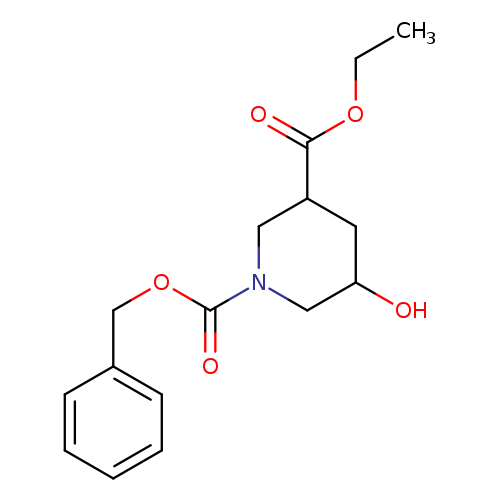
Ethyl 1-Cbz-5-Hydroxypiperidine-3-carboxylateCatalog No.:AA003PXV CAS No.:1095010-49-3 MDL No.:MFCD11656772 MF:C16H21NO5 MW:307.3416 |
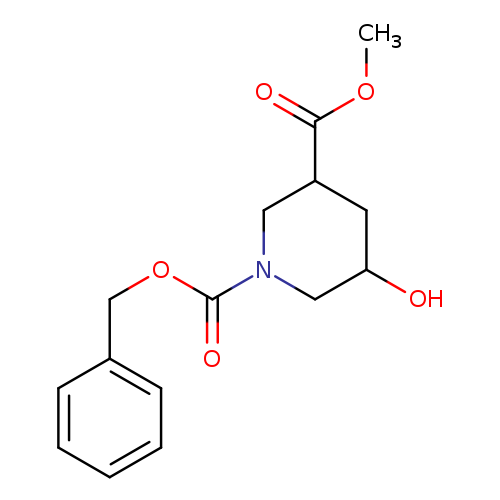
1,3-Piperidinedicarboxylic acid, 5-hydroxy-, 3-methyl 1-(phenylmethyl) esterCatalog No.:AA003RHD CAS No.:1095010-45-9 MDL No.:MFCD11656768 MF:C15H19NO5 MW:293.3151 |
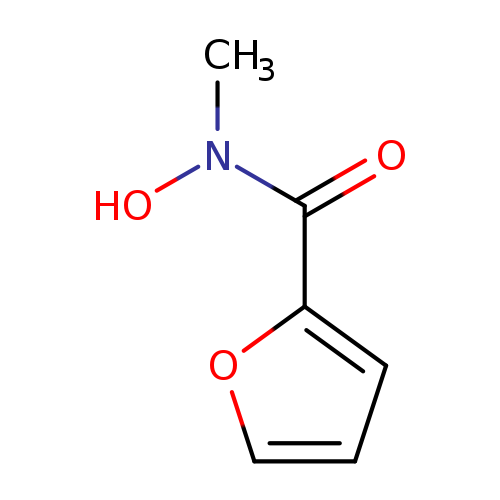
N-Methylfurohydroxamic AcidCatalog No.:AA003T4Z CAS No.:109531-96-6 MDL No.:MFCD00144939 MF:C6H7NO3 MW:141.1247 |
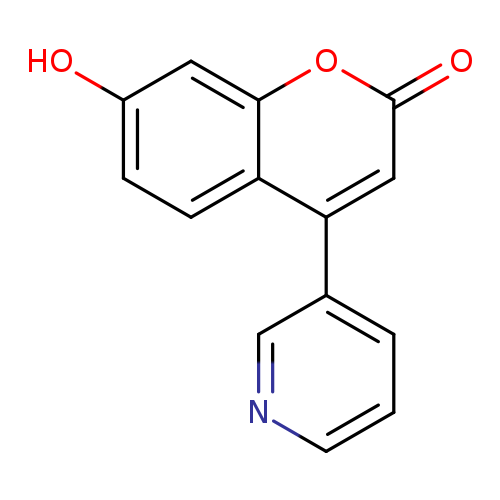
7-Hydroxy-4-(3-pyridyl)coumarinCatalog No.:AA007AF9 CAS No.:109512-76-7 MDL No.:MFCD01941325 MF:C14H9NO3 MW:239.2262 |
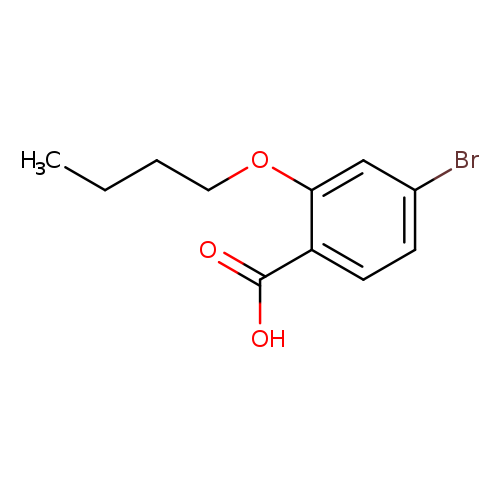
4-Bromo-2-butoxybenzoic acidCatalog No.:AA007SXR CAS No.:1095036-68-2 MDL No.:MFCD11625509 MF:C11H13BrO3 MW:273.1231 |
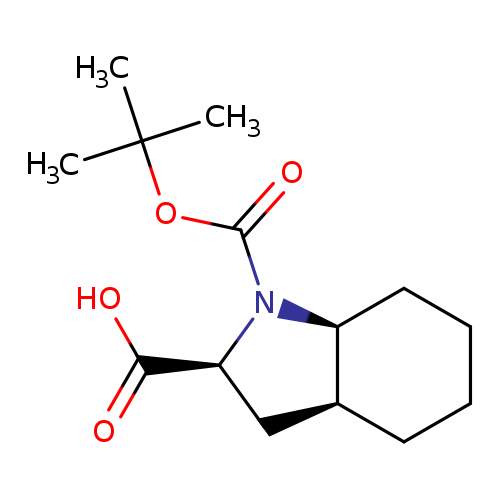
(2S,3aS,7aS)-1-(tert-Butoxycarbonyl)octahydro-1H-indole-2-carboxylic acidCatalog No.:AA007SXI CAS No.:109523-13-9 MDL No.:MFCD09750486 MF:C14H23NO4 MW:269.3367 |
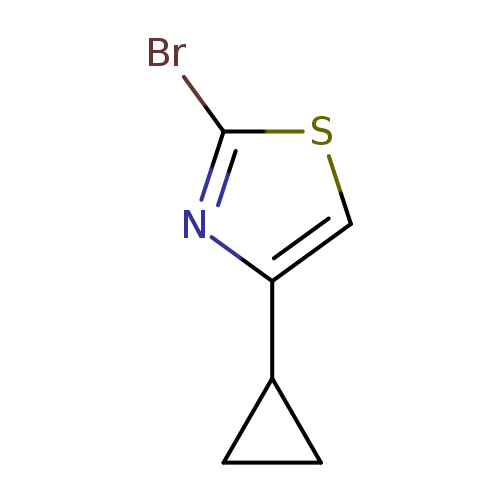
2-Bromo-4-cyclopropylthiazoleCatalog No.:AA00826W CAS No.:1095010-50-6 MDL No.:MFCD11656783 MF:C6H6BrNS MW:204.0875 |
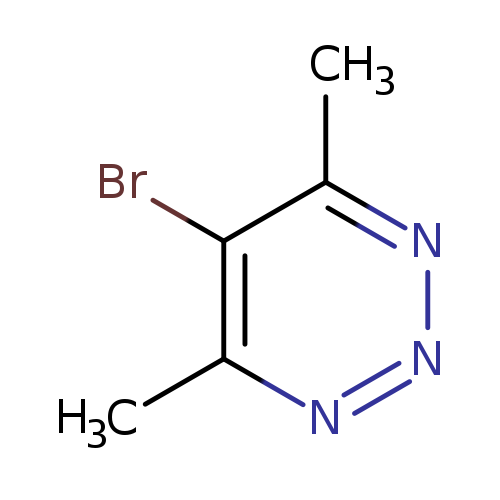
5-bromo-4,6-dimethyl-1,2,3-triazineCatalog No.:AA00826Q CAS No.:109520-03-8 MDL No.:MFCD31421319 MF:C5H6BrN3 MW:188.0252 |
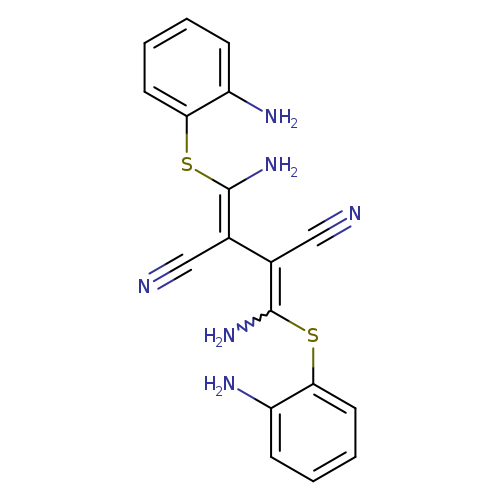
U0126Catalog No.:AA008R7W CAS No.:109511-58-2 MDL No.:MFCD09971039 MF:C18H16N6S2 MW:380.4898 |
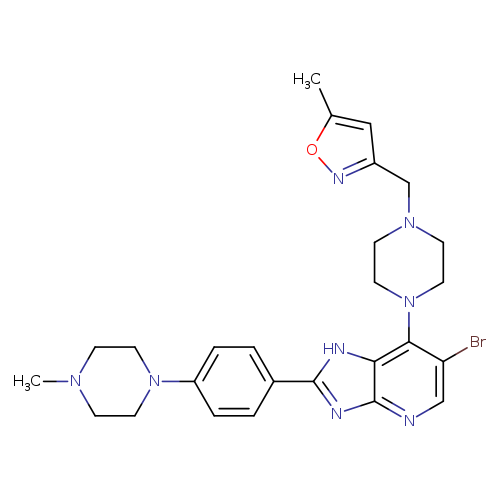
CCT137690Catalog No.:AA008TC7 CAS No.:1095382-05-0 MDL No.:MFCD18206879 MF:C26H31BrN8O MW:551.4813 |
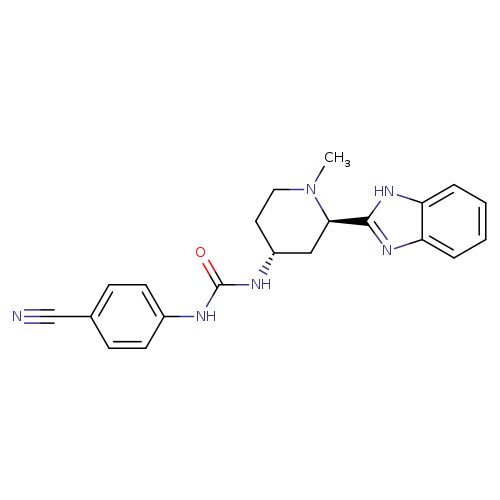
N-[(2R,4R)-2-(1H-Benzimidazol-2-yl)-1-methyl-4-piperidinyl]-N'-(4-cyanophenyl)ureaCatalog No.:AA008TG5 CAS No.:1095173-27-5 MDL No.:MFCD25976839 MF:C21H22N6O MW:374.4390 |
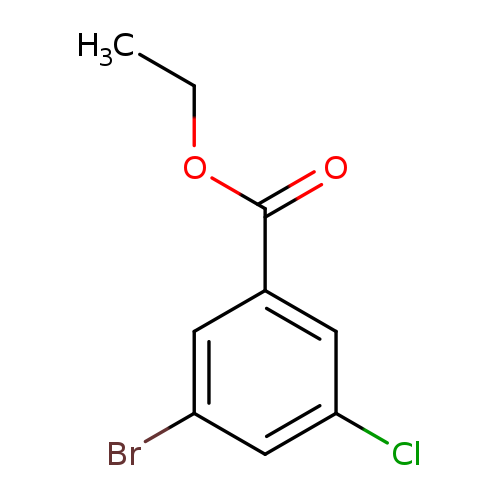
Ethyl 3-bromo-5-chlorobenzoateCatalog No.:AA008TN9 CAS No.:1095274-55-7 MDL No.:MFCD10566220 MF:C9H8BrClO2 MW:263.5156 |
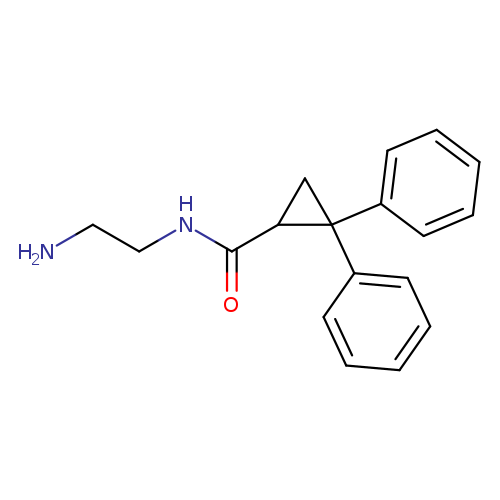
N-(2-Aminoethyl)-2,2-diphenylcyclopropanecarboxamideCatalog No.:AA008WH7 CAS No.:109546-07-8 MDL No.:MFCD24386607 MF:C18H20N2O MW:280.3642 |
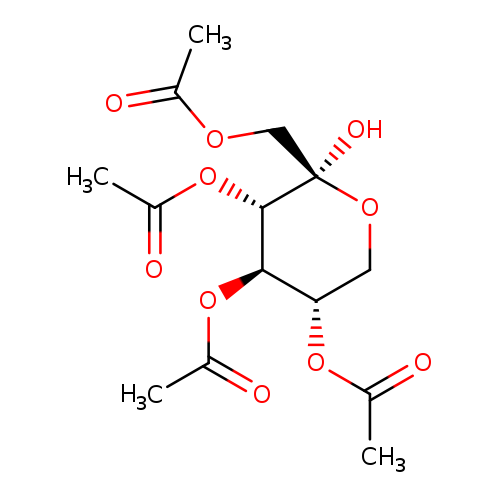
1,3,4,5-Tetra-O-acetyl-L-sorbopyranoseCatalog No.:AA008WW8 CAS No.:109525-53-3 MDL No.:MFCD02683398 MF:C14H20O10 MW:348.3026 |
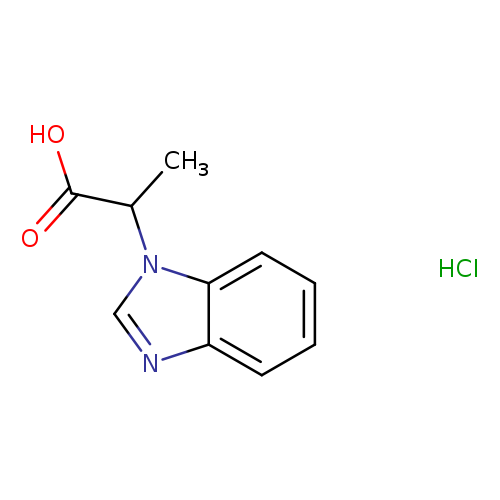
2-(1H-benzimidazol-1-yl)propanoic acid hydrochlorideCatalog No.:AA008X8L CAS No.:1095080-29-7 MDL No.:MFCD08144050 MF:C10H11ClN2O2 MW:226.6595 |
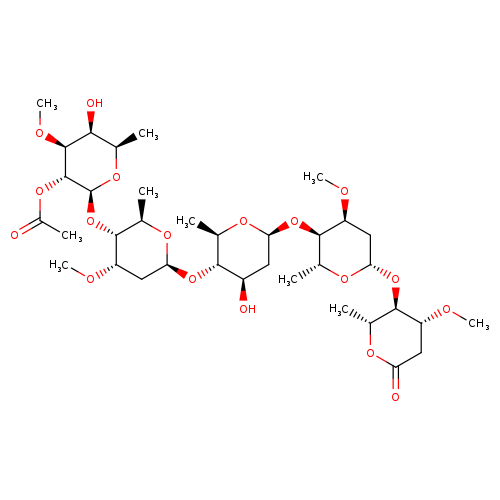
Perisesaccharide BCatalog No.:AA008Y0A CAS No.:1095261-93-0 MDL No.:MFCD30725490 MF:C36H60O18 MW:780.8508 |
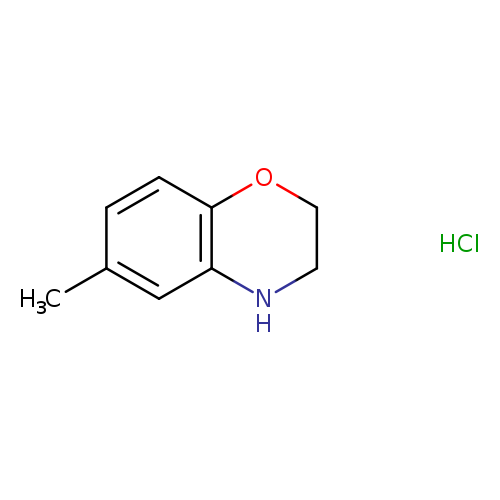
6-Methyl-3,4-dihydro-2H-benzo[b][1,4]oxazine hydrochlorideCatalog No.:AA0096V4 CAS No.:1095270-80-6 MDL No.:MFCD09026861 MF:C9H12ClNO MW:185.6507 |
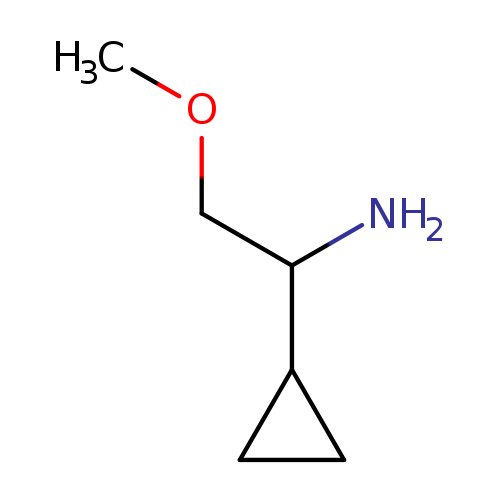
1-cyclopropyl-2-methoxyethan-1-amineCatalog No.:AA009MR5 CAS No.:1095431-22-3 MDL No.:MFCD15144652 MF:C6H13NO MW:115.1735 |
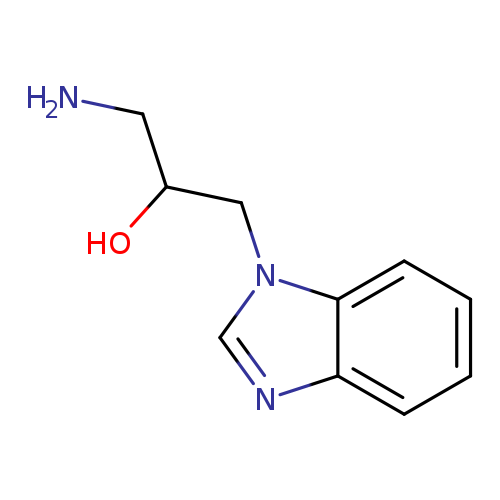
1-Amino-3-benzoimidazol-1-yl-propan-2-olCatalog No.:AA009P62 CAS No.:109540-56-9 MDL No.:MFCD08144110 MF:C10H13N3O MW:191.2297 |
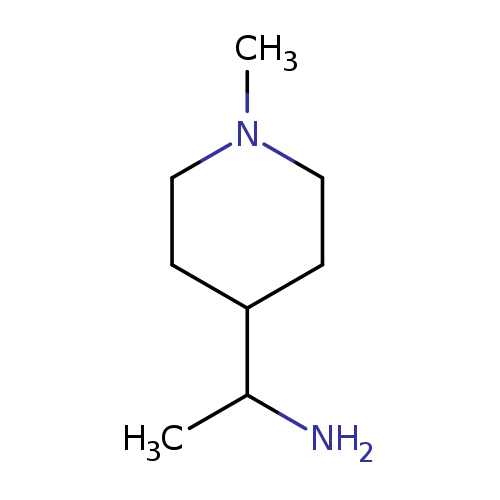
1-(1-Methylpiperidin-4-yl)ethanamineCatalog No.:AA00HBGD CAS No.:1095499-33-4 MDL No.:MFCD09864381 MF:C8H18N2 MW:142.2419 |
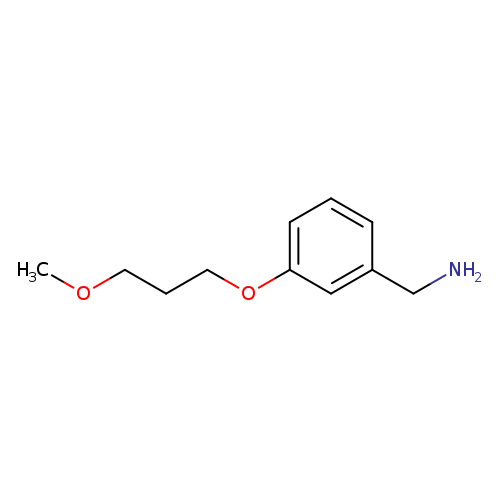
[3-(3-methoxypropoxy)phenyl]methanamineCatalog No.:AA019R48 CAS No.:1095024-68-2 MDL No.:MFCD11620911 MF:C11H17NO2 MW:195.2582 |
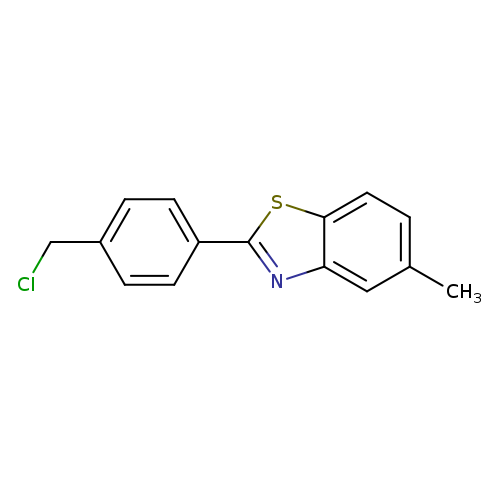
2-[4-(chloromethyl)phenyl]-5-methyl-1,3-benzothiazoleCatalog No.:AA019TZA CAS No.:1095493-96-1 MDL No.:MFCD11534882 MF:C15H12ClNS MW:273.7805 |
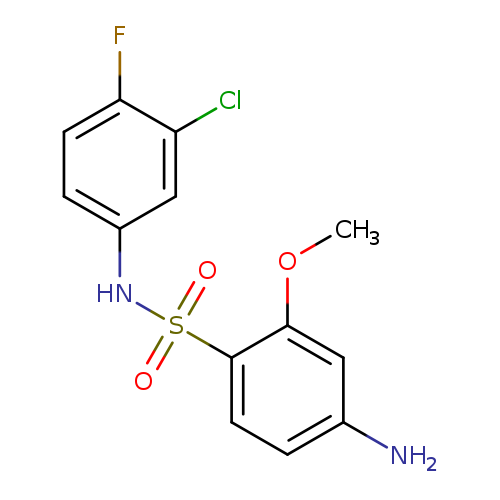
4-amino-N-(3-chloro-4-fluorophenyl)-2-methoxybenzene-1-sulfonamideCatalog No.:AA019VSL CAS No.:1095012-62-6 MDL No.:MFCD12912772 MF:C13H12ClFN2O3S MW:330.7624 |
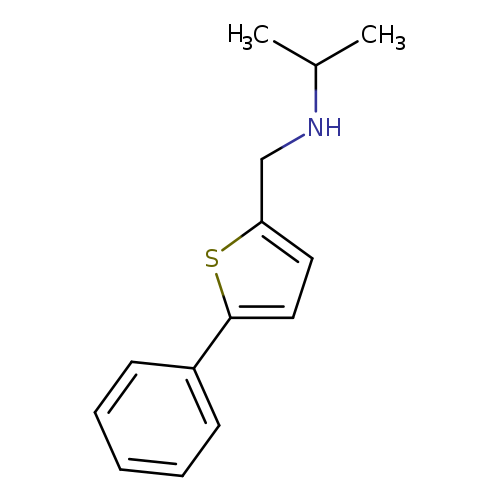
[(5-phenylthiophen-2-yl)methyl](propan-2-yl)amineCatalog No.:AA019X4P CAS No.:1095204-97-9 MDL No.:MFCD11629404 MF:C14H17NS MW:231.3565 |
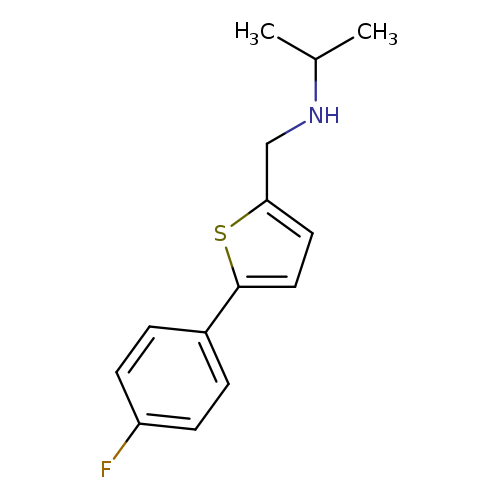
{[5-(4-fluorophenyl)thiophen-2-yl]methyl}(propan-2-yl)amineCatalog No.:AA019X4Q CAS No.:1095140-49-0 MDL No.:MFCD11629473 MF:C14H16FNS MW:249.3469 |
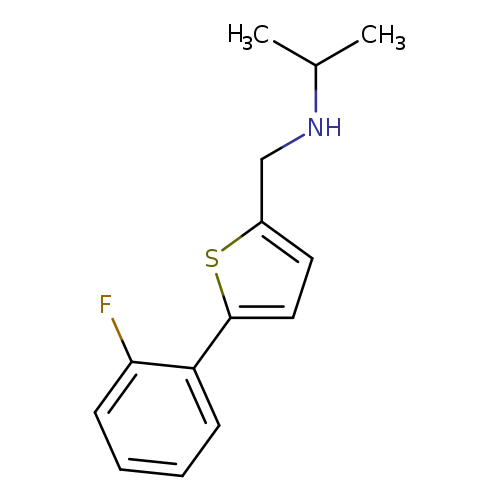
{[5-(2-fluorophenyl)thiophen-2-yl]methyl}(propan-2-yl)amineCatalog No.:AA019X5E CAS No.:1095117-78-4 MDL No.:MFCD11629507 MF:C14H16FNS MW:249.3469 |
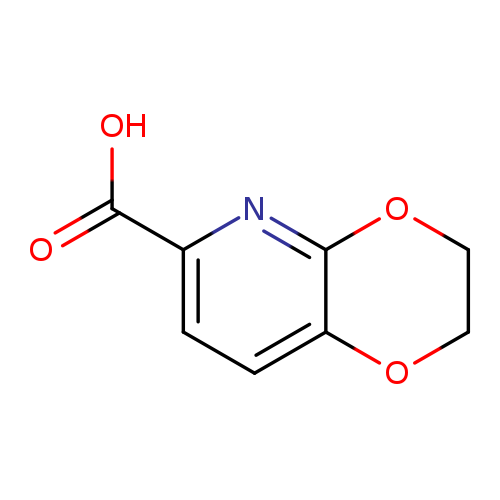
2,3-Dihydro-[1,4]dioxino[2,3-b]pyridine-6-carboxylic acidCatalog No.:AA01A31D CAS No.:1095276-23-5 MDL No.:MFCD18260625 MF:C8H7NO4 MW:181.1455 |
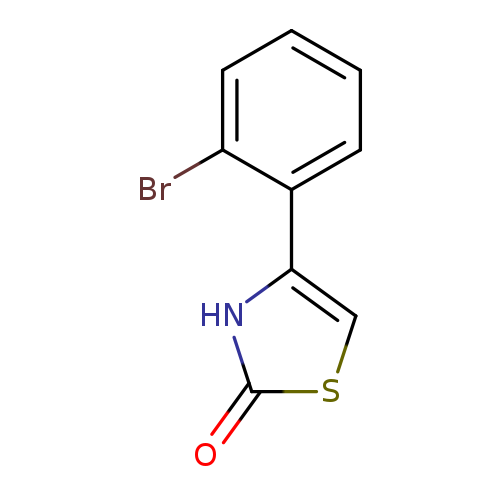
4-(2-bromophenyl)-2,3-dihydro-1,3-thiazol-2-oneCatalog No.:AA01A3UG CAS No.:1095231-39-2 MDL No.:MFCD09746484 MF:C9H6BrNOS MW:256.1190 |
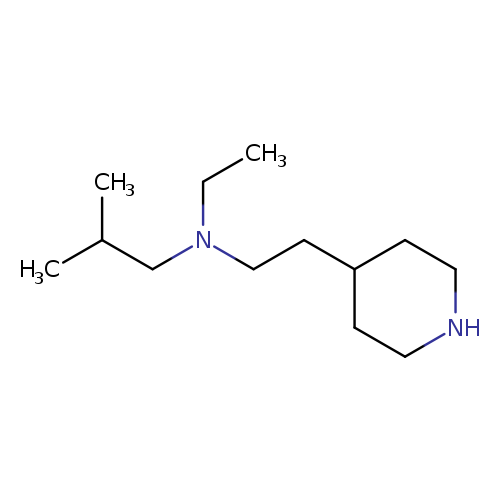
ethyl(2-methylpropyl)[2-(piperidin-4-yl)ethyl]amineCatalog No.:AA01A45I CAS No.:1095151-56-6 MDL No.:MFCD11628613 MF:C13H28N2 MW:212.3748 |
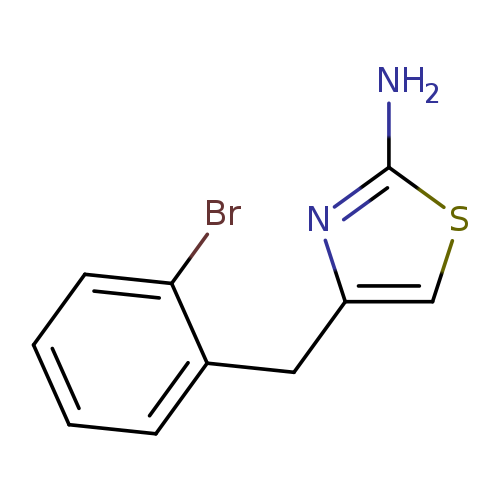
4-[(2-bromophenyl)methyl]-1,3-thiazol-2-amineCatalog No.:AA01A6H9 CAS No.:1095033-08-1 MDL No.:MFCD11621982 MF:C10H9BrN2S MW:269.1609 |
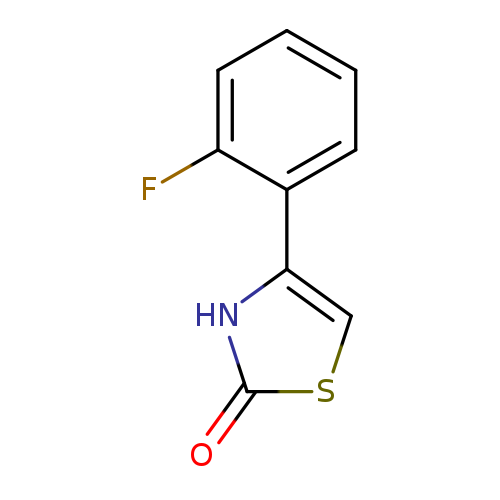
4-(2-fluorophenyl)-2,3-dihydro-1,3-thiazol-2-oneCatalog No.:AA01A7K3 CAS No.:1095051-79-8 MDL No.:MFCD09746485 MF:C9H6FNOS MW:195.2134 |
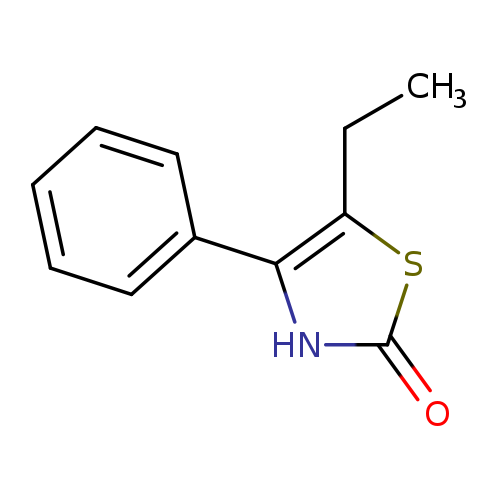
5-ethyl-4-phenyl-2,3-dihydro-1,3-thiazol-2-oneCatalog No.:AA01A8OP CAS No.:1095051-83-4 MDL No.:MFCD11220576 MF:C11H11NOS MW:205.2761 |
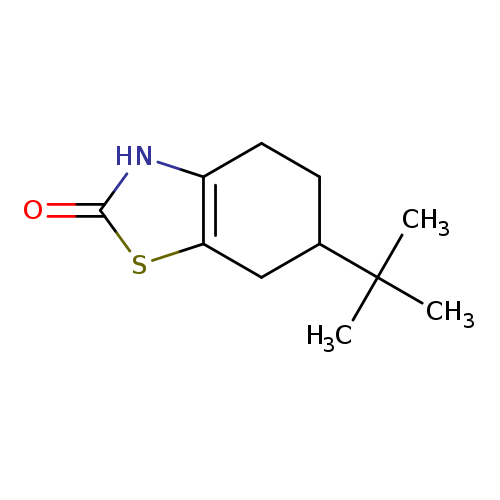
6-tert-butyl-2,3,4,5,6,7-hexahydro-1,3-benzothiazol-2-oneCatalog No.:AA01A8OR CAS No.:1095051-70-9 MDL No.:MFCD11632146 MF:C11H17NOS MW:211.3238 |
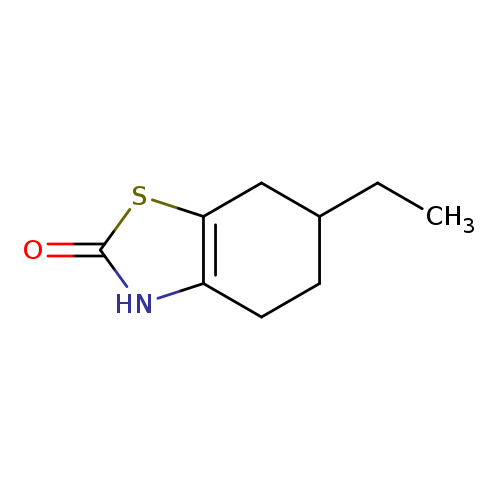
6-ethyl-2,3,4,5,6,7-hexahydro-1,3-benzothiazol-2-oneCatalog No.:AA01A8OW CAS No.:1095231-37-0 MDL No.:MFCD11632145 MF:C9H13NOS MW:183.2706 |
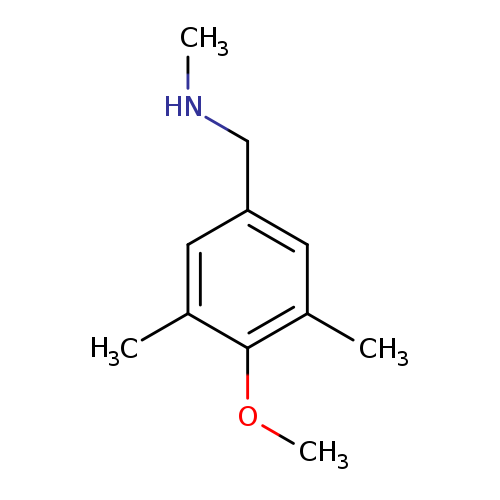
[(4-methoxy-3,5-dimethylphenyl)methyl](methyl)amineCatalog No.:AA01A92B CAS No.:1095073-10-1 MDL No.:MFCD11629852 MF:C11H17NO MW:179.2588 |
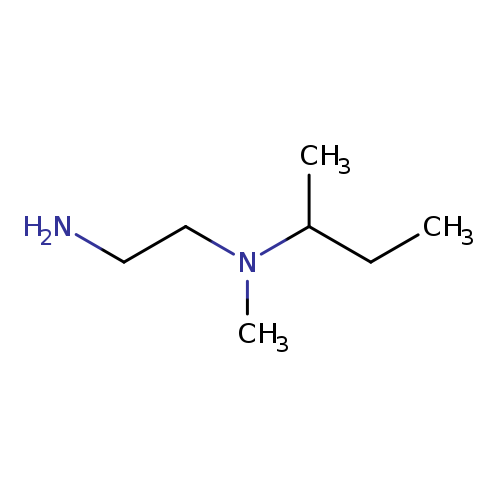
(2-aminoethyl)(butan-2-yl)methylamineCatalog No.:AA01A9RN CAS No.:1095209-01-0 MDL No.:MFCD11628025 MF:C7H18N2 MW:130.2312 |
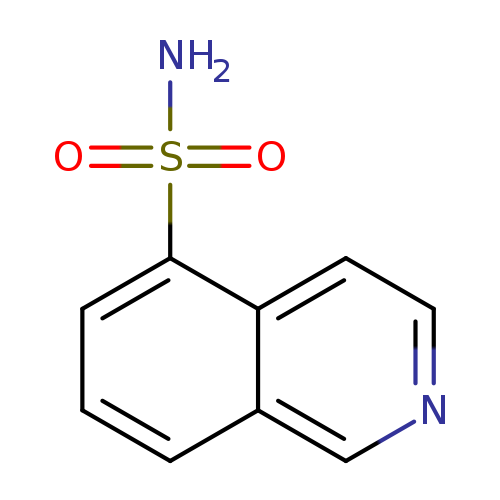
isoquinoline-5-sulfonamideCatalog No.:AA01AAG0 CAS No.:109547-31-1 MDL No.:MFCD11650656 MF:C9H8N2O2S MW:208.2370 |
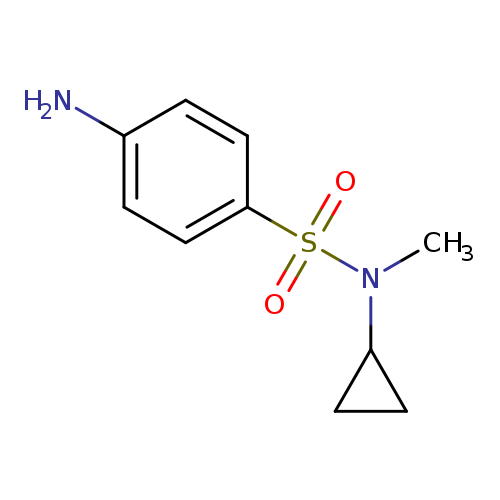
4-amino-N-cyclopropyl-N-methylbenzene-1-sulfonamideCatalog No.:AA01AAON CAS No.:1095038-51-9 MDL No.:MFCD11623797 MF:C10H14N2O2S MW:226.2954 |
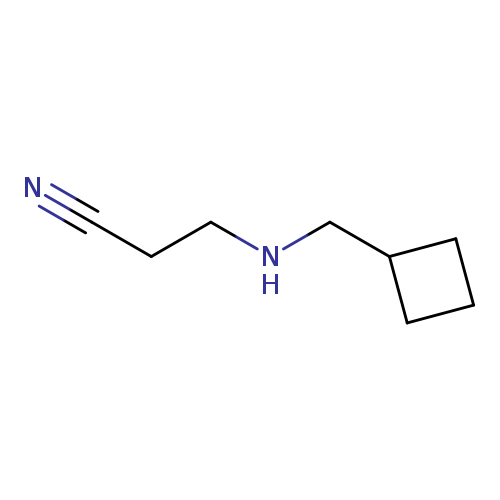
3-[(cyclobutylmethyl)amino]propanenitrileCatalog No.:AA01AAPF CAS No.:1095242-13-9 MDL No.:MFCD11629602 MF:C8H14N2 MW:138.2102 |
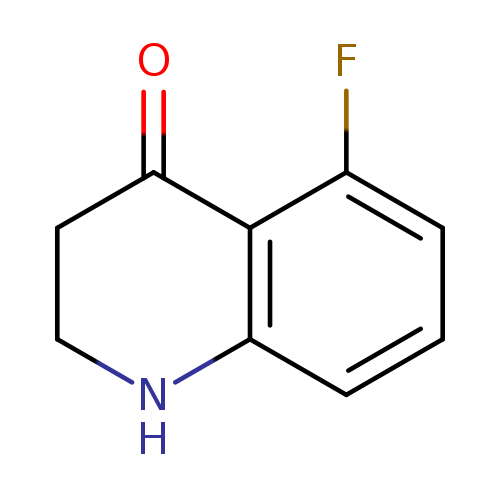
5-Fluoro-2,3-dihydroquinolin-4(1H)-oneCatalog No.:AA01ACSD CAS No.:1095270-78-2 MDL No.:MFCD18643354 MF:C9H8FNO MW:165.1643 |
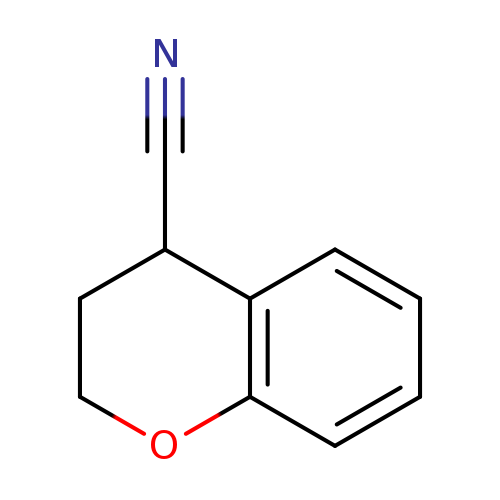
3,4-Dihydro-2H-1-benzopyran-4-carbonitrileCatalog No.:AA01AGQK CAS No.:109543-00-2 MDL No.:MFCD11641469 MF:C10H9NO MW:159.1846 |
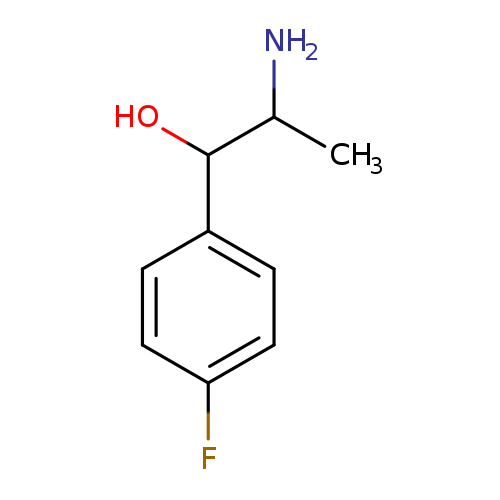
2-amino-1-(4-fluorophenyl)propan-1-olCatalog No.:AA01AHES CAS No.:109515-15-3 MDL No.:MFCD11168265 MF:C9H12FNO MW:169.1961 |
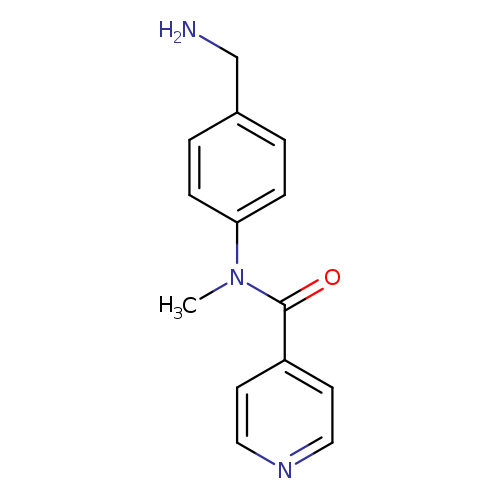
N-[4-(aminomethyl)phenyl]-N-methylpyridine-4-carboxamideCatalog No.:AA01AJLD CAS No.:1095067-87-0 MDL No.:MFCD11529574 MF:C14H15N3O MW:241.2884 |
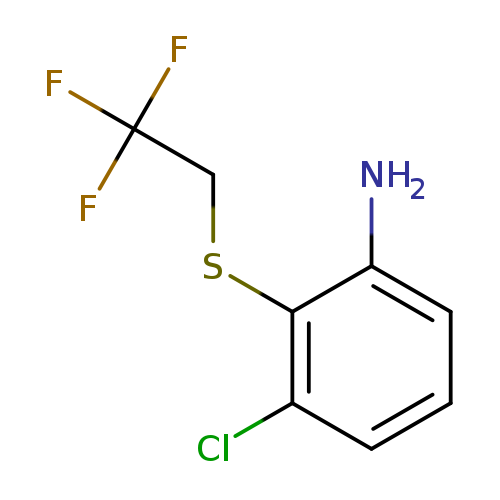
3-chloro-2-[(2,2,2-trifluoroethyl)sulfanyl]anilineCatalog No.:AA01AJMF CAS No.:1095491-33-0 MDL No.:MFCD11636626 MF:C8H7ClF3NS MW:241.6611 |
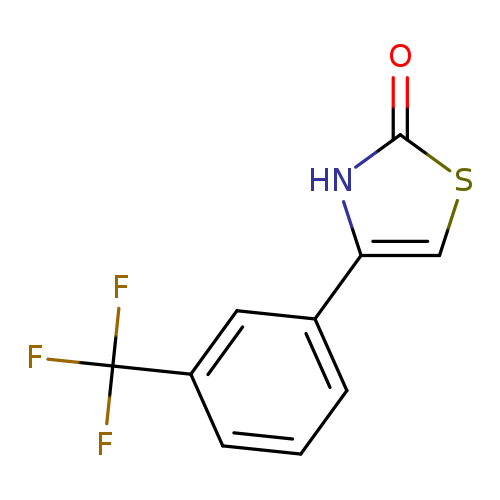
4-[3-(trifluoromethyl)phenyl]-2,3-dihydro-1,3-thiazol-2-oneCatalog No.:AA01AJTC CAS No.:1095163-09-9 MDL No.:MFCD09746493 MF:C10H6F3NOS MW:245.2209 |
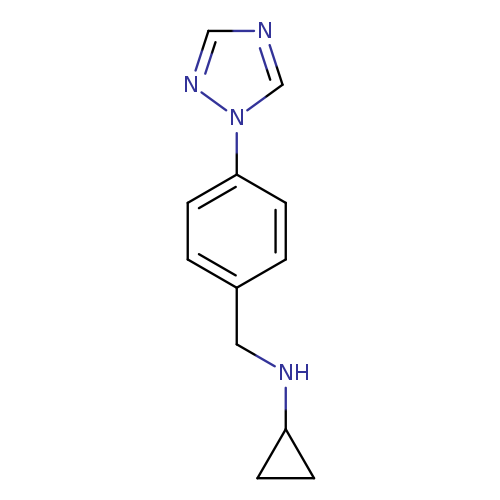
N-([4-(1H-1,2,4-Triazol-1-yl)phenyl]methyl)cyclopropanamineCatalog No.:AA01B90E CAS No.:1095118-30-1 MDL No.:MFCD11629610 MF:C12H14N4 MW:214.2664 |
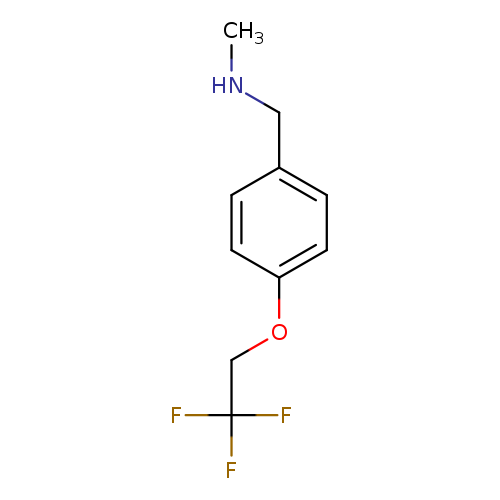
methyl({[4-(2,2,2-trifluoroethoxy)phenyl]methyl})amineCatalog No.:AA01BA8Y CAS No.:1095157-60-0 MDL No.:MFCD11629897 MF:C10H12F3NO MW:219.2036 |
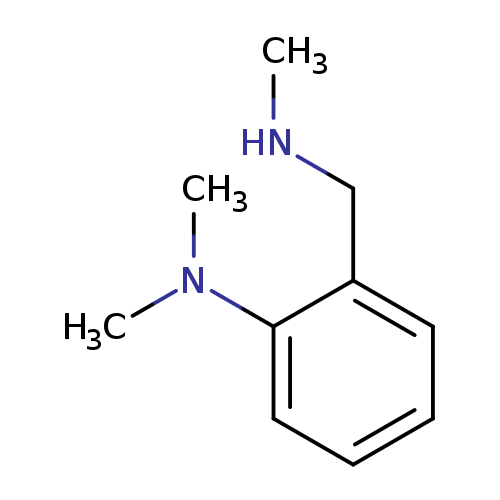
N,N-dimethyl-2-[(methylamino)methyl]anilineCatalog No.:AA01BBKI CAS No.:1095080-04-8 MDL No.:MFCD11630739 MF:C10H16N2 MW:164.2474 |
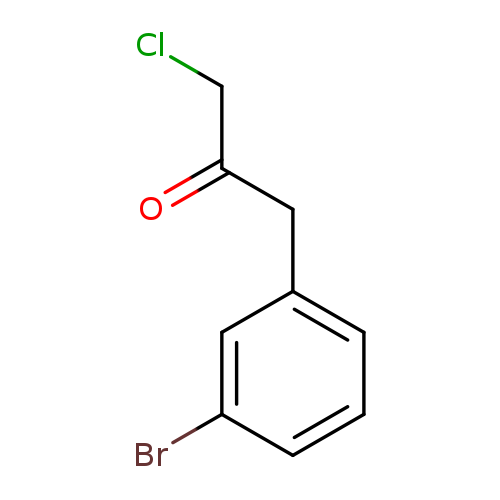
1-(3-bromophenyl)-3-chloropropan-2-oneCatalog No.:AA01BG66 CAS No.:1095033-06-9 MDL No.:MFCD11621966 MF:C9H8BrClO MW:247.5162 |
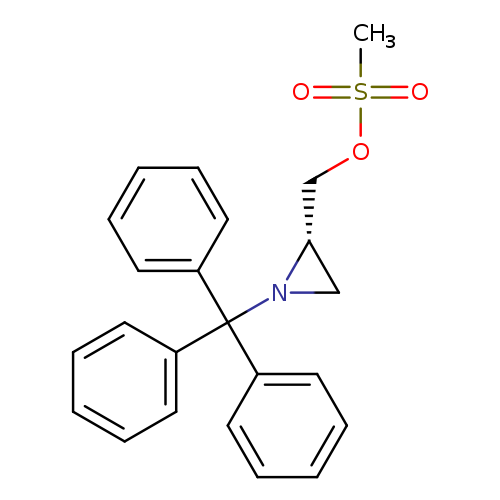
[(2S)-1-(Triphenylmethyl)aziridin-2-yl]methyl methanesulfonateCatalog No.:AA01BRGH CAS No.:1095273-25-8 MDL No.:MFCD30535753 MF:C23H23NO3S MW:393.4986 |
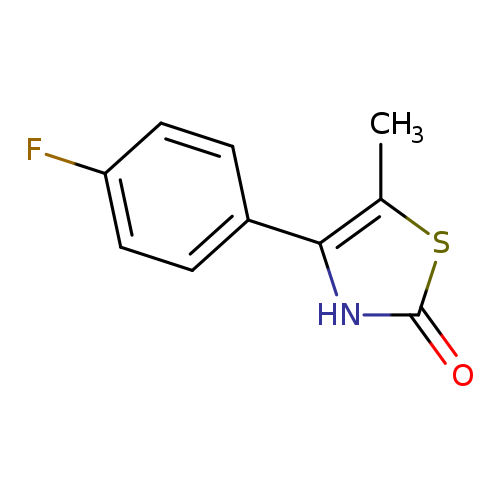
4-(4-fluorophenyl)-5-methyl-2,3-dihydro-1,3-thiazol-2-oneCatalog No.:AA01BZXX CAS No.:1095231-44-9 MDL No.:MFCD11220487 MF:C10H8FNOS MW:209.2400 |
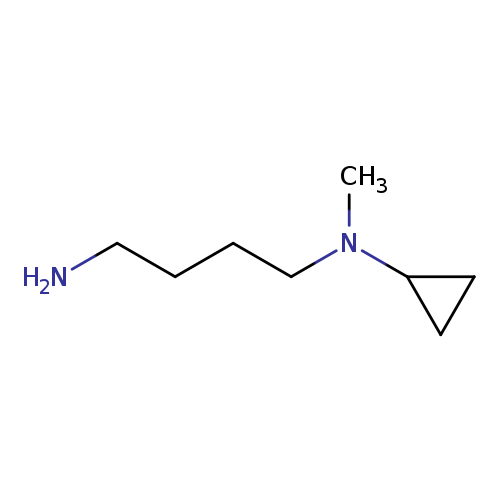
N-(4-aminobutyl)-N-methylcyclopropanamineCatalog No.:AA01C29S CAS No.:1095038-58-6 MDL No.:MFCD11623814 MF:C8H18N2 MW:142.2419 |
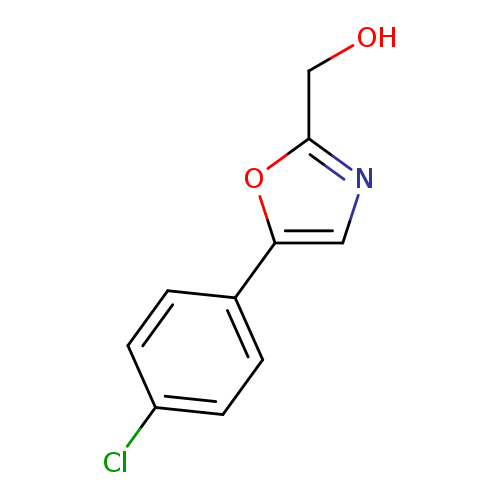
[5-(4-Chlorophenyl)-1,3-oxazol-2-yl]methanolCatalog No.:AA01C5AX CAS No.:109544-14-1 MDL No.:MFCD12137993 MF:C10H8ClNO2 MW:209.6290 |
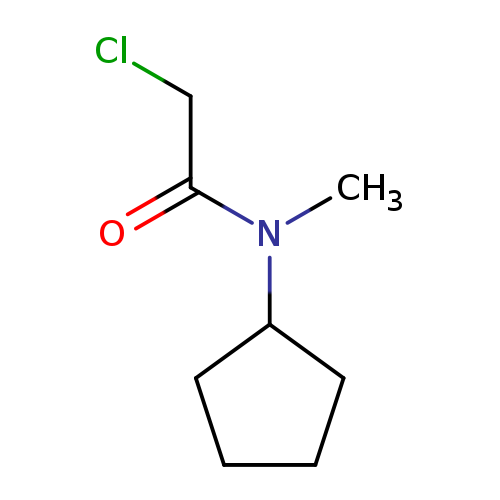
2-Chloro-N-cyclopentyl-N-methylacetamideCatalog No.:AA01DX7Y CAS No.:1095028-85-5 MDL No.:MFCD11625091 MF:C8H14ClNO MW:175.6559 |
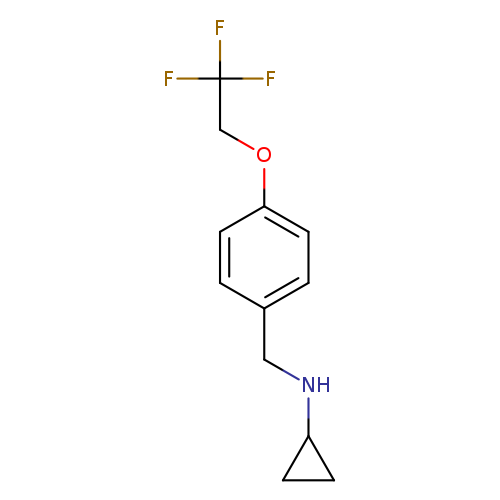
Cyclopropyl-[4-(2,2,2-trifluoro-ethoxy)-benzyl]-amineCatalog No.:AA01DX7Z CAS No.:1095127-74-4 MDL No.:MFCD11629940 MF:C12H14F3NO MW:245.2409 |
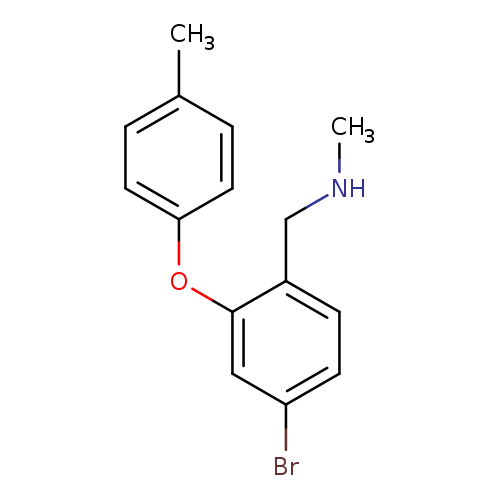
{[4-bromo-2-(4-methylphenoxy)phenyl]methyl}(methyl)amineCatalog No.:AA01E7BB CAS No.:1095098-16-0 MDL No.:MFCD11530681 MF:C15H16BrNO MW:306.1976 |
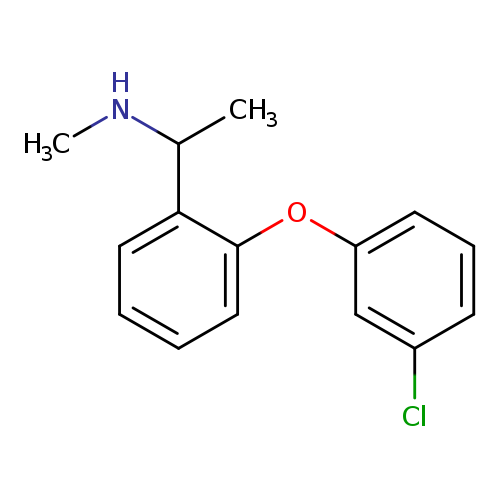
{1-[2-(3-chlorophenoxy)phenyl]ethyl}(methyl)amineCatalog No.:AA01E87X CAS No.:1095152-58-1 MDL No.:MFCD11531191 MF:C15H16ClNO MW:261.7466 |
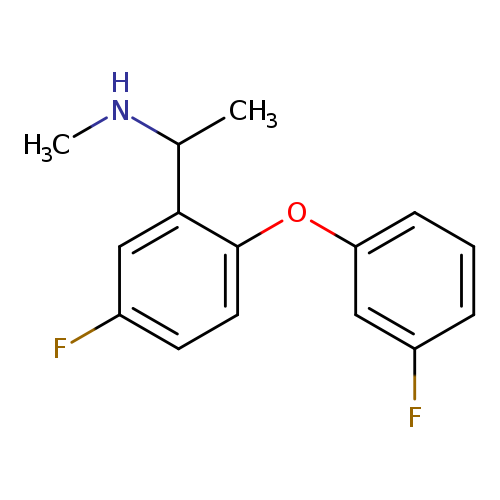
{1-[5-fluoro-2-(3-fluorophenoxy)phenyl]ethyl}(methyl)amineCatalog No.:AA01E8A0 CAS No.:1095069-23-0 MDL No.:MFCD12453811 MF:C15H15F2NO MW:263.2825 |
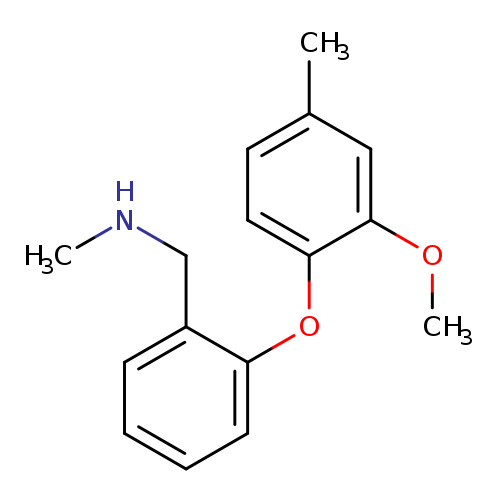
{[2-(2-methoxy-4-methylphenoxy)phenyl]methyl}(methyl)amineCatalog No.:AA01E8M6 CAS No.:1095149-42-0 MDL No.:MFCD12453298 MF:C16H19NO2 MW:257.3276 |
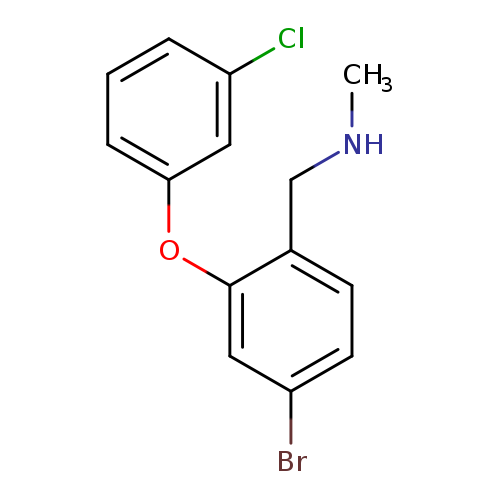
{[4-bromo-2-(3-chlorophenoxy)phenyl]methyl}(methyl)amineCatalog No.:AA01E8O4 CAS No.:1095192-34-9 MDL No.:MFCD11530799 MF:C14H13BrClNO MW:326.6161 |
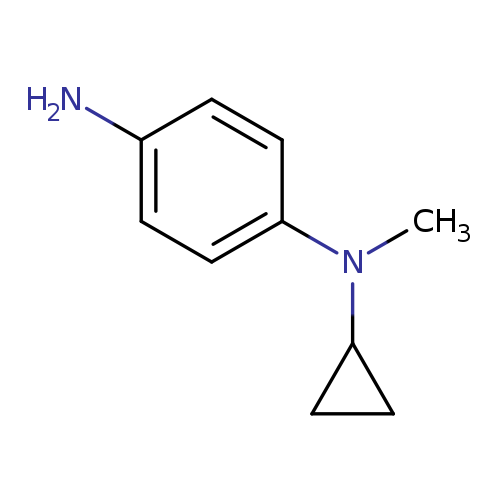
N1-cyclopropyl-N1-methylbenzene-1,4-diamineCatalog No.:AA01EI3Q CAS No.:1095038-67-7 MDL No.:MFCD11623833 MF:C10H14N2 MW:162.2316 |
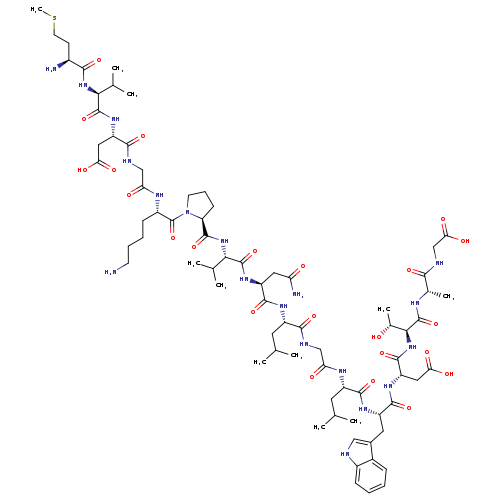
Rac1 Inhibitor W56Catalog No.:AA01ENN6 CAS No.:1095179-01-3 MDL No.: MF:C74H117N19O23S MW:1672.8993 |
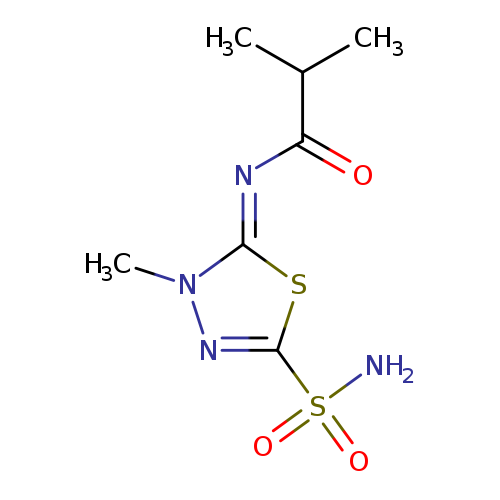
2-Methyl-N-[(2Z)-3-methyl-5-sulfamoyl-2,3-dihydro-1,3,4-thiadiazol-2-ylidene]propanamideCatalog No.:AA01F340 CAS No.:109517-21-7 MDL No.:MFCD00956103 MF:C7H12N4O3S2 MW:264.3252 |
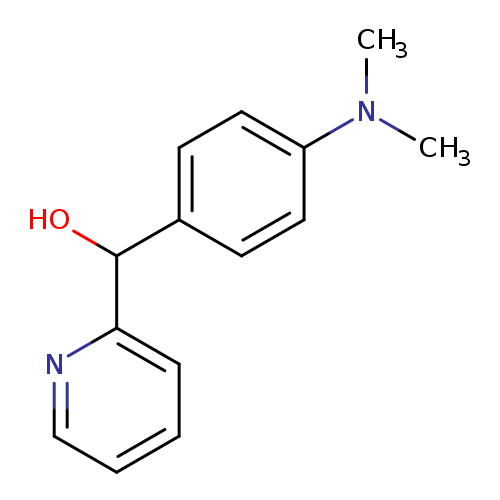
[4-(Dimethylamino)phenyl](pyridin-2-yl)methanolCatalog No.:AA01F9MV CAS No.:109520-25-4 MDL No.:MFCD00963057 MF:C14H16N2O MW:228.2896 |