

2020-03-01 11:03:19
Saji Uthamana, Shameer Pillarisettib, Ansuja Pulickal Mathewb, Yugyeong Kima, Woo Kyun Baec, Kang Moo Huha, In-Kyu Parkb
1.Introduction
The conventional approach for treating several types of cancer involves a combination of invasive resection and chemotherapy [1]. However, the therapeutic efficacy of clinically used chemotherapeutic drugs is generally limited by their low bioavailability, poor solubility, and off-target side effects. For addressing these drawbacks while at- taining the successful delivery of therapeutic drugs to the tumor region, various nanocarrier systems have been proposed over the last decade. Recently, smart nanocarriers that can undergo dramatic changes in their physicochemical properties in response to several internal stimuli such as pH [2–5], temperature [6], redox potential [7], and enzymes [8], and external stimuli, including light [9], ultrasound [10], and magnetic field [11], have been extensively developed. Although significant advances in tumor therapy have been made with tumor- specific nanocarriers responding to internal stimuli, their clinical ap- plications have been limited due to the existence of significant het- erogeneity in internal stimulus according to tumor types and progres- sion stage [12]. External stimuli may offer an opportunity to design a nanocarrier with improved spatiotemporal controllability for targeted delivery and release, while reducing adverse side-effect arising from the release of drug in non-targeted tissues. Among these, near infra-red (NIR) light-sensitive nanocarrier system has attracted considerable at- tention due to its potential for biomedical application, as NIR radiations possess deeper tissue penetration, lesser scattering, and negligible phototoxicity [13].
Cancer cells, in comparison with normal healthy cells, are more prone to reactive oxygen species (ROS) stress due to the oncogenic transformation, as reflected from their increased metabolic activity and mitochondrial dysfunction [14]. On the contrary, normal cells posses- sing lower level of ROS stress can endure additionally generated ROS stress compared to cancer cells. Therefore, further increment of the ROS level around tumor environment with additional treatment would specifically kill the cancer cells and spare the non-tumor cells. Photo- dynamic therapy (PDT) is one of the therapeutic techniques that in- volve the illumination on a photosensitizer (PS) with NIR/red light to generate excess ROS for destroying cancer cells [15,16]. Singlet oxygen (1O2), a type of ROS, is one of the main cytotoxic agents generated during PDT. Additional effects of elevated ROS production during PDT procedure include damage to tissue vasculature [17] and induction of acute inflammation and infiltration of leukocytes [18], thereby exerting in-direct anti-cancer effects. Furthermore, PDT also stimulates the local immune system through the presentation of in situ tumor antigens to neighboring tumor infiltrating immune cells during PDT [19,20].
One of the recent approaches in anti-cancer therapies involves the combination of a chemotherapeutic drug with another treatment modality for accomplishing synergistic anti-cancer effect [21]. Chemo- photodynamic therapy is one of promising approaches for inducing synergistic anti-tumor effect while reducing adverse side effects on normal tissues. In combinational chemo-photodynamic therapy, PS would generate singlet oxygen upon laser irradiation, and the produced singlet oxygen would interact with neighboring cellular membrane, causing cell death, while chemo drug hinders macromolecular biosynthesis in the target cells. Recent studies have reported that chemo- photodynamic therapy can augment anti-cancer efficacy and prevent drug resistance [22]. Moreover, the anti-tumor effect could be achieved irrespective of the concentration of each agent, because of the different cytotoxic modes of action exerted by PDT and chemo-drug individually. In case of the chemo-photodynamic therapies reported until now, the lack of synergistic mechanisms between the PS and chemodrug has resulted in achieving simply additive therapeutic effect of encapsulated PS and chemo-drug. Zhang et al. [23] co-delivered traditional anti- neoplastic chemotherapeutic drug, DOX, and pheophorbide A (PhA), using Pluronic F127 nanomicelles for achieving enhanced anti-tumor effect. Kim et al. [24] designed DOX-loaded photo-responsive nano- micelles in combination with chlorin e6 (Ce6) and lipoic acid in order to obtain enhanced anti-tumor efficacy synergistically. Among the various ROS-sensitive covalent bonds, the cleavable thioketal linkers (TLs) serves as the most potent ROS-sensitive one. The selective clea- vage of TL by NIR-induced ROS accelerates the release of the che- motherapeutic drug loaded inside the nanoparticle carrier [15,25,26]. Moreover, the higher stability of the thioketal bond under normal physiological conditions prevents premature drug leakage during cir- culation in the blood [27]. Another study reported that TL-based na- noparticles could efficiently deliver therapeutic cargo to ROS-rich re- gions in body such as inflammation sites and cancer cells [28].
In the present study, we have developed photoactivatable nanomi- celles with enhanced tumor tropism and ROS cascade responsive drug releasing property for locoregional chemo-photodynamic therapy (Scheme 1). The photoactivatable nanomicelles are constructed by self- assembly of poly (ethylene glycol) (PEG)-stearamine conjugate (PTS) with a thioketal linker (TL) and were co-loaded with PhA and DOX (PTS-DP) into their inner hydrophobic core. The outer PEG layer of nanomicelles allows for prolonged circulation in the blood and selective accumulation in the tumor environment by enhanced permeability and retention (EPR) based passive targeting mechanism. The inner hydro- phobic region consisting of multiple stearamine domains act both as reservoir of hydrophobic molecules and also as drug penetrator through the induction of perturbation effect on cancer cell membrane by fusion, thereby facilitating the drug internalization [29]. For the first time we integrated ROS responsive linkage, drug penetrator and chemo and photodynamic agents into a single nanoplatform for enhanced locor- egional chemo-photodynamic therapy. PTS-DP are designed to de- monstrate a ROS cascade responsive release of DOX and PhA specifically in tumor microenvironment. The initial release of DOX and PhA would be facilitated by higher intracellular ROS levels within tumor. A subsequent laser irradiation further induces the locoregional ROS generation by photoactiviation of PhA molecules, which in turn causes rapid dissociation of ROS-responsive TL linkage in situ, resulting to instantaneous destabilization of nanomicelles and accelerating the release of DOX within the tumor microenvironment. Herein, we sys- tematically evaluated the physicochemical properties of PTS nanomi- celles and their biological performance, including circulation, inter- nalization, accumulation, antitumor efficacy, and immune cell recruitment in the tumor region. We believe that this photo-activatable nanomicelles with a locoregionally controllable release property could pave the way for efficiently delivering dual drugs for enhanced chemo- photodynamic therapy and minimized side effects.
2.Materials and methods
2.1.Materials
Methoxy-PEG amine (2 KDa, PEG-AM) was purchased from PEG- Shop (SunBio Inc., South Korea). Stearamine (C18), 1-ethyl-3-(3-di- methylaminopropyl) carbodiimide (EDC), N-hydroxysuccinimide (NHS), and 3-mercaptopropionic acid were procured from Sigma–Aldrich (St Louis, MO, USA). N, N-dimethylformamide (DMF) was purchased from Merck (Darmstadt, Germany). DOX was also pur- chased from Dingyan Chem Co. (Hangzhou city, China) and PhA from Frontier Scientific (Utah, USA). Cell Counting Kit-8 (CCK-8) was ob- tained from Dojindo Molecular Technologies Inc. (Kumamoto, Japan). Dulbecco's modified Eagle's medium (DMEM) was acquired from Welgene (Fresh Media™, South Korea). Other solvents and reagents were of analytical grade and used as received.
2.2.Synthesis of thioketal linker-conjugated PEG (PEG-TL)
The TL was synthesized as previously described [26]. Briefly, 49 mmol of 3-mercaptopropionic acid was dissolved in 98 mmol of anhydrous acetone and purged with dry hydrogen chloride under constant stirring for 6 h at 23 °C, followed by cooling in an ice–salt mixture until crystallization. The crystallized product was filtered and rinsed with n-hexane and then cold distilled water (DW), followed by lyophilization. PEG-TL was synthesized through the EDC/NHS reaction between the amine (-NH2) group of PEG-AM and the carboxylic (-COOH) group of TL (Scheme S1). Briefly, 200 mg of PEG-AM and 254 mg of TL were mixed in 10 mL of DMF at RT. Then, 278 mg of EDC and 345 mg of NHS were added to the above mentioned solution, fol- lowed by 16 h incubation under stirring and purging with N2. After stirring, the solution was dialyzed against water (molecular weight cut- off, MWCO = 1000) to remove by-products during EDC/NHS reaction and then freeze-dried. The freeze-dried powder was re-dissolved in
1 mL DMF and precipitated into cold diethyl ether five times re- peatedly. Then, the final product was vacuum dried.
2.3.Synthesis and characterization of PTS
PTS was synthesized through a reaction between the –NH2 group of C18 and the –COOH group of PEG-TL. Briefly, 100 mg of PEG-TL, 80 μL of triethylamine (TEA), and 80 mg of C18 were mixed in 10 mL of DMF at 80 °C. After thorough mixing, 240 mg of EDC and 145 mg of NHS were added to the reaction mixture and stirred overnight under N2 purging. After the reaction, the solution was purified by dialysis (MWCO = 2000) against DW for 2 days, followed by freeze-drying. The chemical structures of TL, PEG-TL, and PTS were confirmed by proton nuclear magnetic resonance (1H NMR) spectroscopy (400 Hz, Bruker; Billerica, MA, USA) and Fourier-transform infrared (FTIR) spectroscopy (Spectrum Two; PerkinElmer, Waltham, MA, USA). The molecular weight of PTS was determined using gel-permeation chromatography (GPC) (Agilent Technologies; CA, USA). The critical nanomicelles concentration (CMC) of PTS nanomicelles was estimated using pyrene as the fluorescent probe [30]. Various concentrations of PTS nanomi- celles ranging from 10 mg mL−1 to 1 × 10⁻⁴ mg mL−1 were prepared in the presence of pyrene (6.0 × 10⁻⁷ M). The final solution was subjected to 30 min of sonication, followed by overnight incubation at RT to reach the solubilization equilibrium of pyrene. Subsequently, the fluorescence spectra of the samples were recorded at an excittion wa- velength of 336 nm and emission wavelength ranging from 360 to 450 nm.
2.4.Preparation of DOX/PhA-loaded PTS nanomicelles
The oil in water (O/W) emulsion technique was used to prepare PTS-DP. Firstly, hydrophobic DOX was prepared by adding TEA into DOX–HCl solution in DMF. Then, DOX (1 or 2 mg) and PhA (1 or 2 mg) were mixed with PTS (10 mg) at different feed weight ratios in chloroform (oil phase). The oil phase was then added dropwise into 10 mL of DW (water phase) under sonication. The solution was con- stantly stirred for 24 h under dark conditions and then dialyzed against DW (MWCO = 10–12 kDa), followed by lyophilization. The morphol- ogies of PTS-DP were observed by field emission transmission electron microscopy (FE-TEM; JEM-2100F, USA).
2.5.Degradation of thioketal linker
Briefly, PTS-DP were suspended in phosphate-buffered saline (PBS) (pH 7.4, PhA concentration = 3 μg mL−1). PTS-DP were then exposed to 100 mW cm−2 irradiations for different time intervals. The free thiol groups were estimated by 5,5′-dithiobis(2-nitrobenzoic acid) (DTNB) assay [25]. The fluorescence intensity of the DOX released under dif- ferent time intervals of irradiation was determined according to the fluorescence spectra recorded using the SPARK 10 M multimode mi- croplate reader (Tecan, Austria) at an excitation wavelength of 470 nm and an emission wavelength ranging from 500 to 700 nm.
2.6.Determination of singlet oxygen generation
PTS-DP mediated singlet oxygen generation (SOG) was chemically analyzed using diemethylanthracene (DMA) that reacts irreversibly with 1O2 in organic solutions and water. Briefly, 20 mM of DMA was mixed with PTS-DP in DMF and phosphate-buffered saline (PBS), re- spectively, and irradiated for different time intervals with 100 mW cm−2 laser (670 nm). The fluorescence intensity of DMA was measured using SPARK 10 M microplate reader (Tecan, Austria) at an excitation wavelength of 360 nm and emission wavelength ranging from 380 to 550 nm.
2.7.In vitro release of DOX
To evaluate the release of DOX from the nanomicelles upon laser irradiation, PTS-DP were dispersed in PBS and irradiated with 670-nm laser, 100 mW cm−2 for 30 min. All samples were placed in dialysis bags, sealed, and kept in 50 mL of release medium (1 × PBS) in the dark with shaking at 200 rpm. In order to mimic intracellular ROS environment, appropriate amount of H2O2 was added to release media to attain a final H2O2 concentration of 100 μM. One milliliter of the release medium was collected at different time intervals and substituted with equivalent volume of fresh medium. The concentration of DOX in the release medium was then quantified by high-performance liquid chromatography (HPLC) analysis. Dichloromethane (DCM) based ex- traction method was used for the extraction of hydrophobic PhA. Briefly, in to 1 mL of released media collected at respective time in- tervals an equal volume of DCM was added and the resulting solution was mixed thoroughly. The DCM phase containing the PhA was col- lected and DCM was dried off and then concentration of PhA was de- termined through HPLC analysis.
2.8.Cell viability and combination index (CI) analysis
In vitro cell viability profile of PTS-DP was evaluated using the mouse colon cancer cell line (CT-26). Briefly, 1 × 10⁴ CT-26 cells were seeded at the density of 1 × 10⁵ cells mL−1 into a 96-well plate and incubated at 37 °C and 5% carbon dioxide (CO2) for 16 h. Subsequently, the culture medium was aspirated, samples were added at various concentrations, and the plates were further incubated at 37 °C for 24 h. Subsequently, the cell viability profile was quantified using the CCK-8 assay, as per manufacture's protocol.
In order to check the level of apoptosis marker Caspase 3 expression in cells after chemo-photodynamic was evaluated by Western blot analysis. Briefly, the cells were suspended in lysis buffer for 24 h in −80 °C for overnight. The supernatant was collected, and protein concentration was estimated using bicinchoninic acid assay kit (Thermo Scientific, Waltham, MA, USA) as per the manufacturer's instructions. Protein extract was separated using 10% sodium dodecyl sulfate poly- acrylamide gel electrophoresis (SDS-PAGE) and then transferred to polyvinylidene difluoride (PVDF) membranes. The membranes were the blocked using 5% skimmed milk and incubated with primary antibody (Anti Caspase-3 Antibody,1:1000, Cell Signaling Technology, Danvers, MA, USA and anti β-actin antibody (1:5000, Santa Cruz Biotechnology, Dallas, Texas, USA) overnight at 4 °C. The primary antibody treated membranes were then further incubated with horseradish peroxidase conjugated antibody. The blots were then visualized using SmartChemi (Korea Lab Tech, Korea).
IC50 levels were calculated graphically, and the mean IC50 levels were derived. The results were expressed as the mean of at least three determinations. The results of the treatment with DOX with Laser, PhA with Laser, DTS-DP with Laser were analyzed according to the method of [31], using the Calcusyn software program. The results of the se- quential treatment with doxorubicin and pheophorbide-A were ana- lyzed according to the method of Chou and Talylay, using the Calcusyn software program (Biosoft, Cambridge, UK). The resultant Combination Index (CI) is a quantitative measure of the degree of interaction be- tween different drugs. When CI is equal to 1, it denotes additivity; when the CI is greater than 1, antagonism; CI values between 1 and 0.7 in- dicate slight synergism; CI values of 0.7 to 0.3, synergism; CI values less than 0.3, strong synergism.
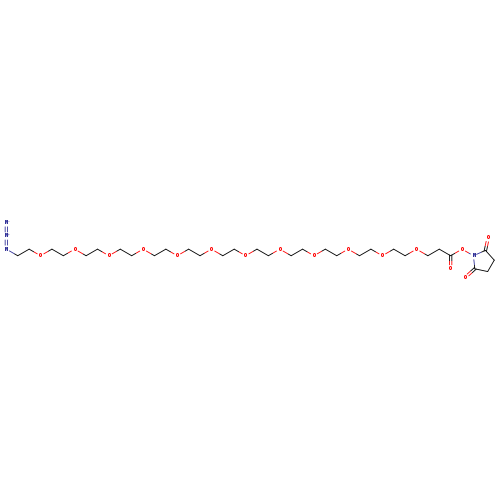
Azido-PEG(n)-NHS esterCatalog No.:AA001VJM CAS No.:1108750-59-9 MDL No.:MFCD13184947 MF:C11H16N4O6 MW:300.2679 |
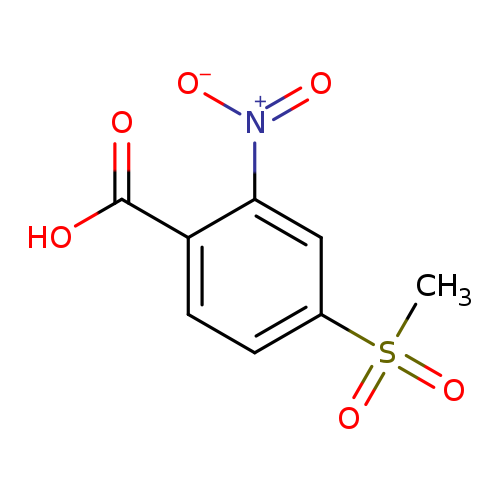
4-(Methylsulfonyl)-2-nitrobenzoic AcidCatalog No.:AA0033C0 CAS No.:110964-79-9 MDL No.:MFCD01941299 MF:C8H7NO6S MW:245.2093 |
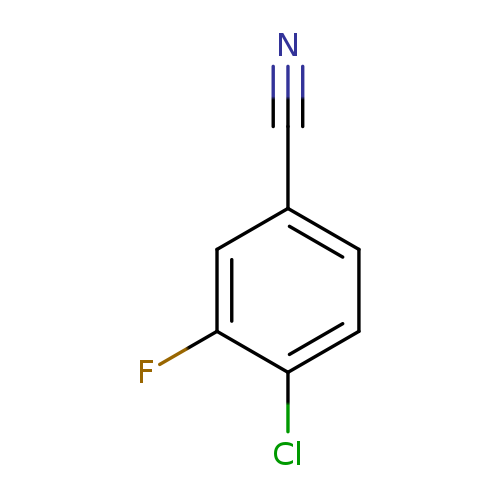
4-Chloro-3-fluorobenzonitrileCatalog No.:AA0033WO CAS No.:110888-15-8 MDL No.:MFCD00143291 MF:C7H3ClFN MW:155.5568 |
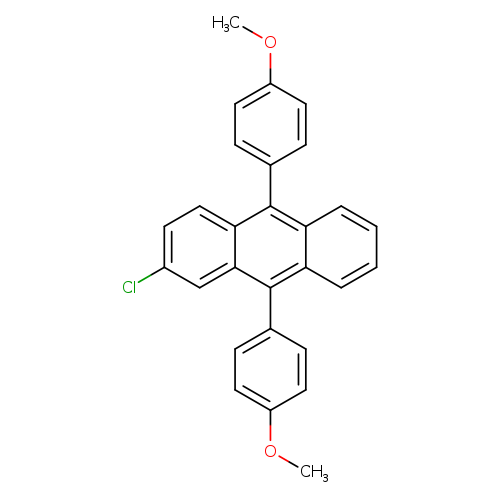
9,10-Bis(4-methoxyphenyl)-2-chloroanthraceneCatalog No.:AA0034C5 CAS No.:110904-87-5 MDL No.:MFCD00009935 MF:C28H21ClO2 MW:424.9181 |
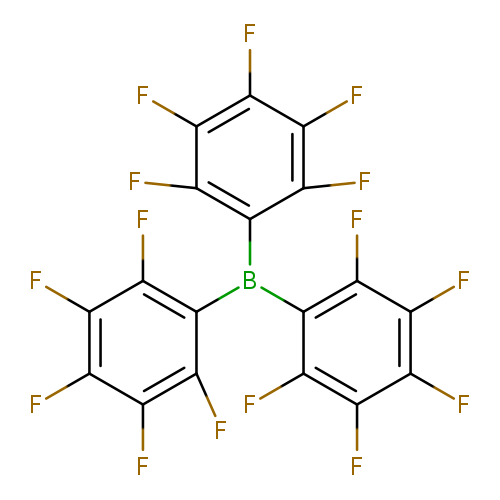
Tris(pentafluorophenyl)boraneCatalog No.:AA003639 CAS No.:1109-15-5 MDL No.:MFCD00269813 MF:C18BF15 MW:511.9796 |
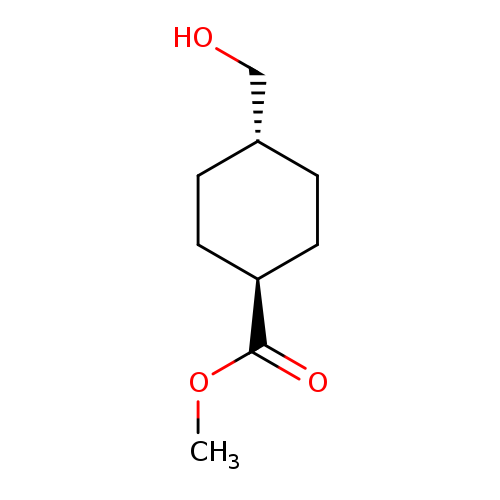
trans-Methyl 4-(hydroxymethyl)cyclohexanecarboxylateCatalog No.:AA0038WD CAS No.:110928-44-4 MDL No.:MFCD03840884 MF:C9H16O3 MW:172.2215 |
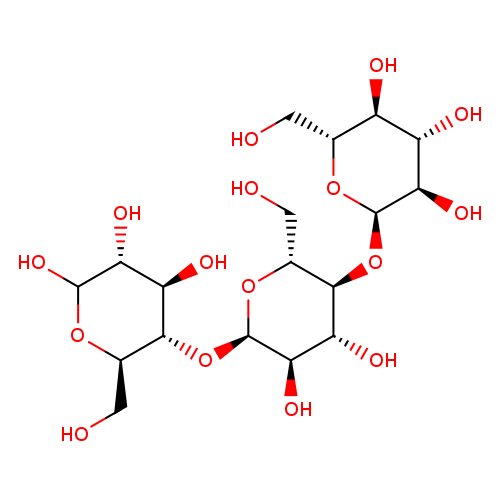
(2R,3R,4R,5R)-4-(((2R,3R,4R,5S,6R)-3,4-Dihydroxy-6-(hydroxymethyl)-5-(((2R,3R,4S,5S,6R)-3,4,5-trihydroxy-6-(hydroxymethyl)tetrahydro-2H-pyran-2-yl)oxy)tetrahydro-2H-pyran-2-yl)oxy)-2,3,5,6-tetrahydroxyhexanalCatalog No.:AA003969 CAS No.:1109-28-0 MDL No.:MFCD00149451 MF:C18H32O16 MW:504.4371 |
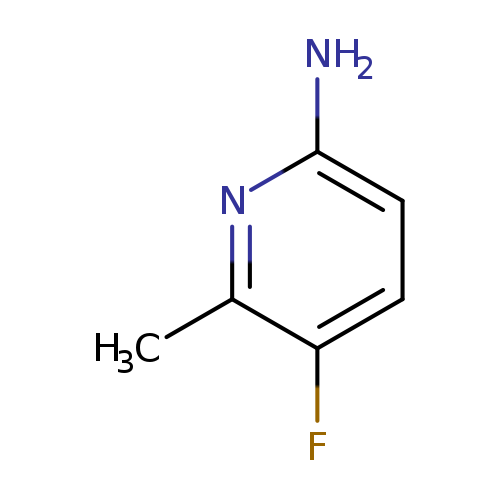
2-Amino-5-fluoro-6-methylpyridineCatalog No.:AA0039K1 CAS No.:110919-71-6 MDL No.:MFCD09835298 MF:C6H7FN2 MW:126.1316 |
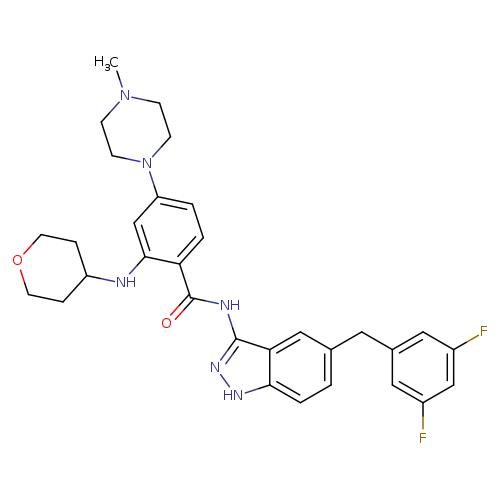
N-[5-[(3,5-Difluorophenyl)methyl]-1H-indazol-3-yl]-4-(4-methyl-1-piperazinyl)-2-[(tetrahydro-2H-pyran-4-yl)amino]benzamideCatalog No.:AA0039QC CAS No.:1108743-60-7 MDL No.:MFCD28129099 MF:C31H34F2N6O2 MW:560.6375 |
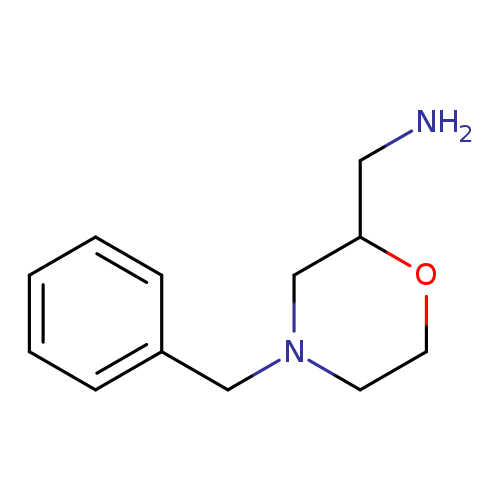
(4-Benzylmorpholin-2-yl)methanamineCatalog No.:AA003BRU CAS No.:110859-47-7 MDL No.:MFCD02682010 MF:C12H18N2O MW:206.2841 |
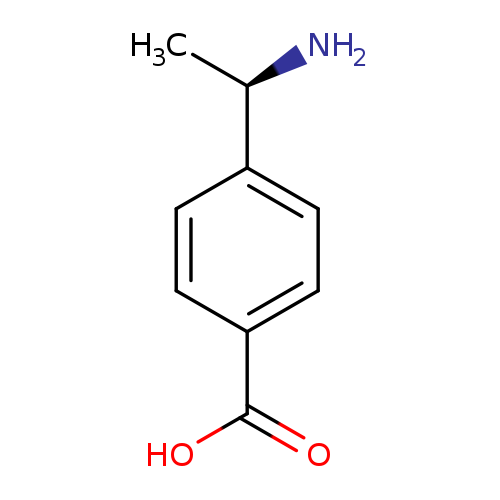
(R)-4-(1-Aminoethyl)benzoic acidCatalog No.:AA003C72 CAS No.:1108683-66-4 MDL No.:MFCD06761798 MF:C9H11NO2 MW:165.1891 |
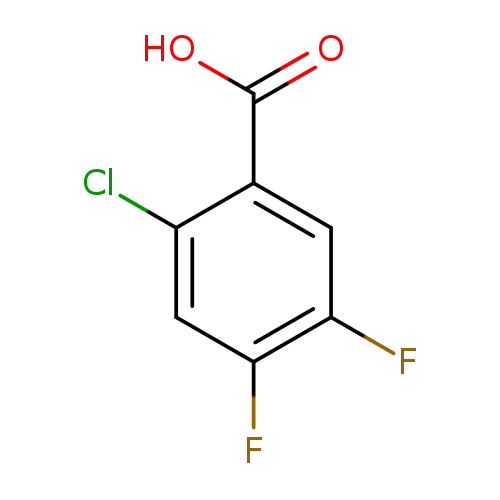
2-Chloro-4,5-difluorobenzoic acidCatalog No.:AA003GTT CAS No.:110877-64-0 MDL No.:MFCD00077479 MF:C7H3ClF2O2 MW:192.5473 |
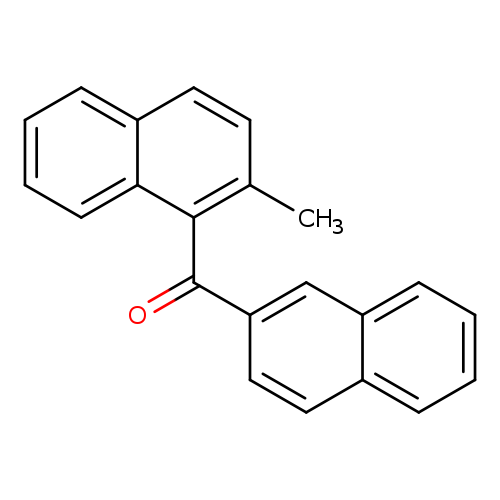
(2-Methylnaphthalen-1-yl)(naphthalen-2-yl)methanoneCatalog No.:AA003HI3 CAS No.:110876-52-3 MDL No.:MFCD01321179 MF:C22H16O MW:296.3618 |
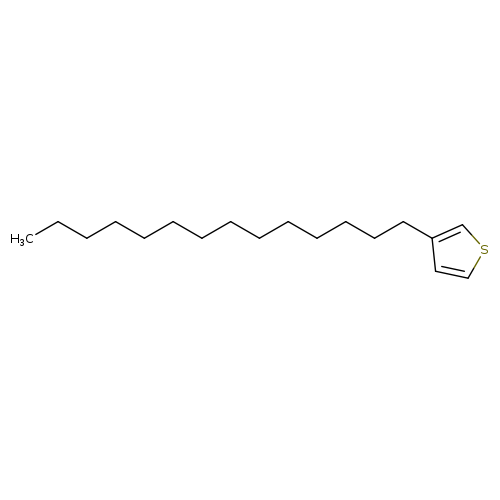
3-TetradecylthiopheneCatalog No.:AA003JU2 CAS No.:110851-66-6 MDL No.:MFCD09750675 MF:C18H32S MW:280.5117 |
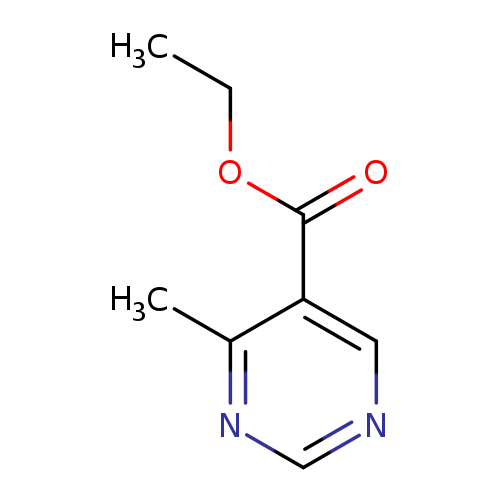
Ethyl 4-methylpyrimidine-5-carboxylateCatalog No.:AA003Q8P CAS No.:110960-73-1 MDL No.:MFCD07369107 MF:C8H10N2O2 MW:166.1772 |
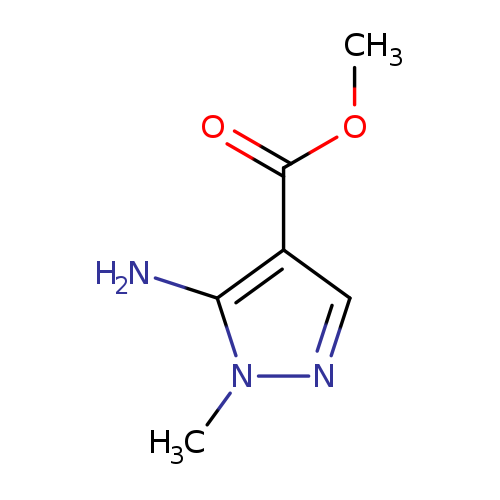
Methyl 5-amino-1-methyl-1H-pyrazole-4-carboxylateCatalog No.:AA003RU6 CAS No.:110860-60-1 MDL No.:MFCD08693264 MF:C6H9N3O2 MW:155.1546 |
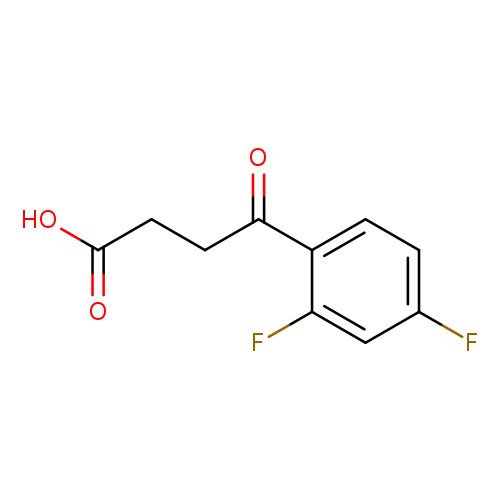
4-(2,4-Difluorophenyl);-4-oxobutanoic acidCatalog No.:AA007BN2 CAS No.:110931-77-6 MDL No.:MFCD00143016 MF:C10H8F2O3 MW:214.1655 |
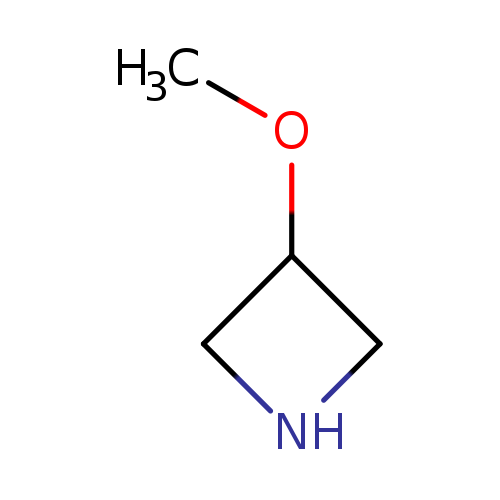
3-MethoxyazetidineCatalog No.:AA007BN8 CAS No.:110925-17-2 MDL No.:MFCD05663973 MF:C4H9NO MW:87.1204 |
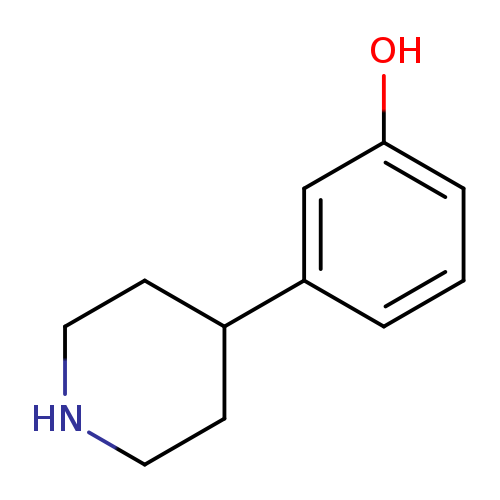
4-(3-Hydroxyphenyl)piperidineCatalog No.:AA007BZ8 CAS No.:110878-71-2 MDL No.:MFCD02093474 MF:C11H15NO MW:177.2429 |
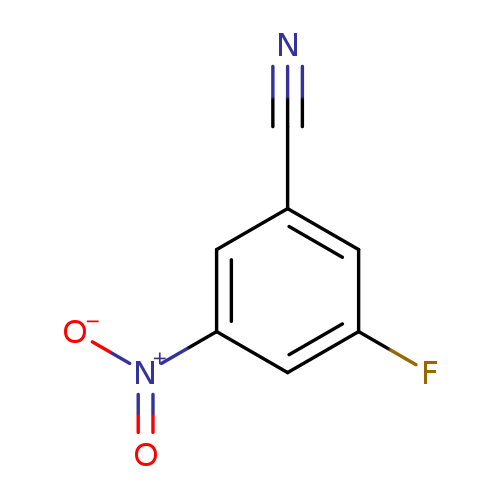
3-Fluoro-5-nitrobenzonitrileCatalog No.:AA007BZ7 CAS No.:110882-60-5 MDL No.:MFCD05864356 MF:C7H3FN2O2 MW:166.1093 |
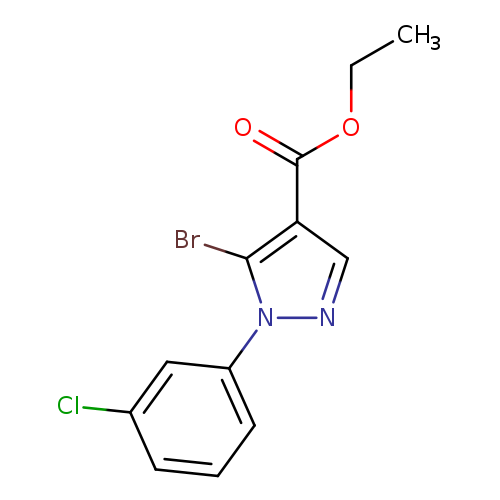
ETHYL 5-BROMO-1-(3-CHLOROPHENYL)-1H-PYRAZOLE-4-CARBOXYLATECatalog No.:AA007C00 CAS No.:110821-39-1 MDL No.:MFCD03791223 MF:C12H10BrClN2O2 MW:329.5770 |
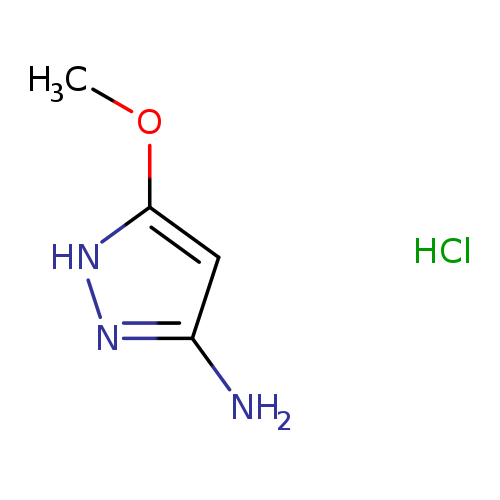
5-Methoxy-1H-pyrazol-3-aMine hydrochlorideCatalog No.:AA007BZ4 CAS No.:110884-53-2 MDL No.:MFCD17392863 MF:C4H8ClN3O MW:149.5788 |
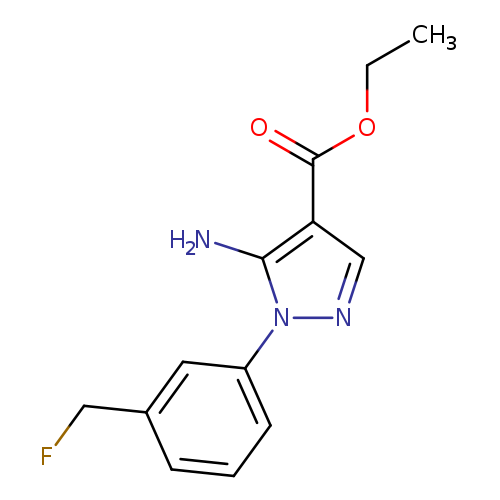
Ethyl 5-amino-1-(3-(fluoromethyl)phenyl)-1H-pyrazole-4-carboxylateCatalog No.:AA007C01 CAS No.:110821-29-9 MDL No.:MFCD07388524 MF:C13H12F3N3O2 MW:299.2485 |
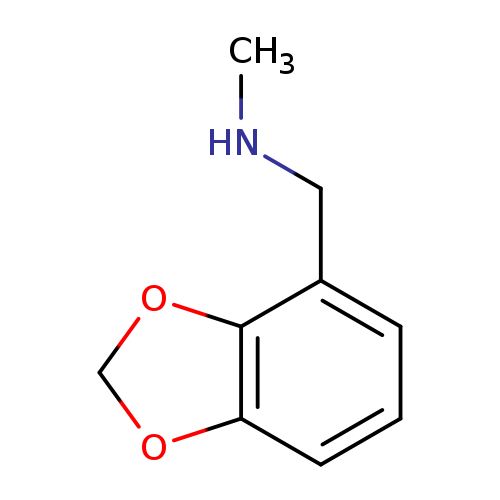
1-(Benzo[d][1,3]dioxol-4-yl)-N-methylmethanamineCatalog No.:AA007TUJ CAS No.:110931-73-2 MDL No.:MFCD12143045 MF:C9H11NO2 MW:165.1891 |
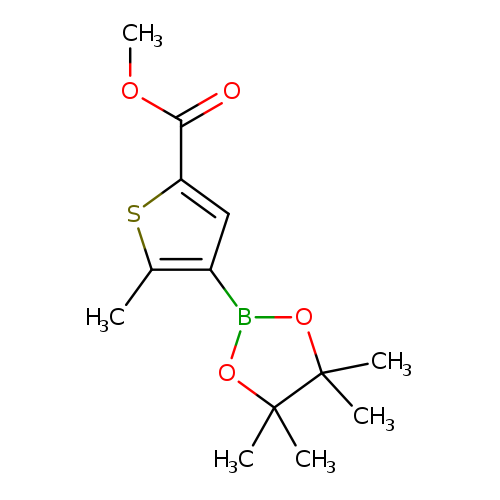
Methyl 5-methyl-4-(4,4,5,5-tetramethyl-1,3,2-dioxaborolan-2-yl)thiophene-2-carboxylateCatalog No.:AA007TUM CAS No.:1109284-49-2 MDL No.:MFCD18427556 MF:C13H19BO4S MW:282.1636 |
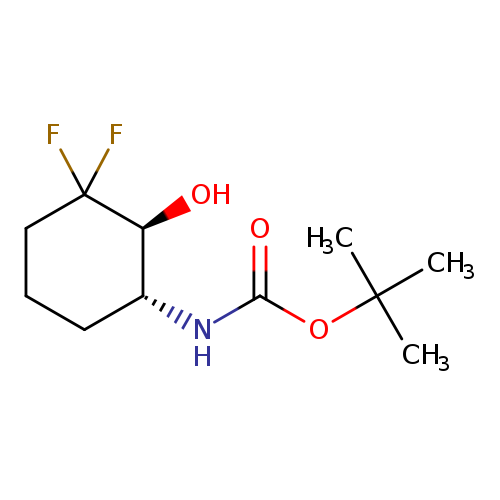
tert-Butyl ((1R,2S)-3,3-difluoro-2-hydroxycyclohexyl)carbamateCatalog No.:AA007U07 CAS No.:1109284-41-4 MDL No.:MFCD22419899 MF:C11H19F2NO3 MW:251.2703 |
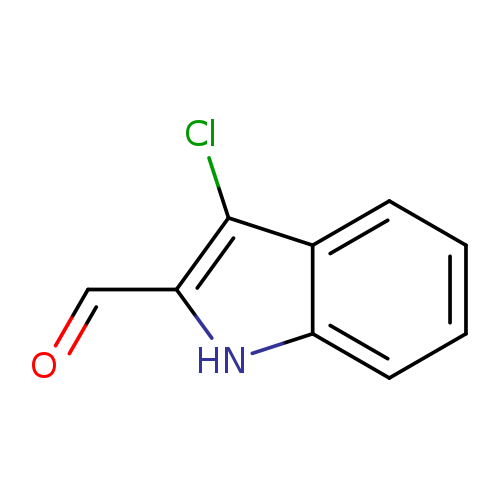
3-Chloro-1H-indole-2-carbaldehydeCatalog No.:AA007U0J CAS No.:110912-15-7 MDL No.:MFCD03828574 MF:C9H6ClNO MW:179.6030 |
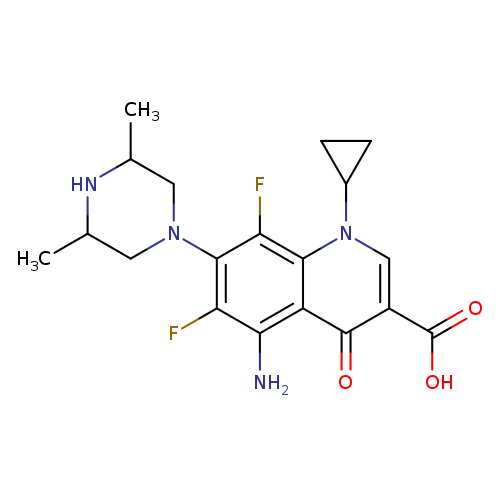
SparfloxacinCatalog No.:AA007U0V CAS No.:110871-86-8 MDL No.:MFCD00869619 MF:C19H22F2N4O3 MW:392.3998 |
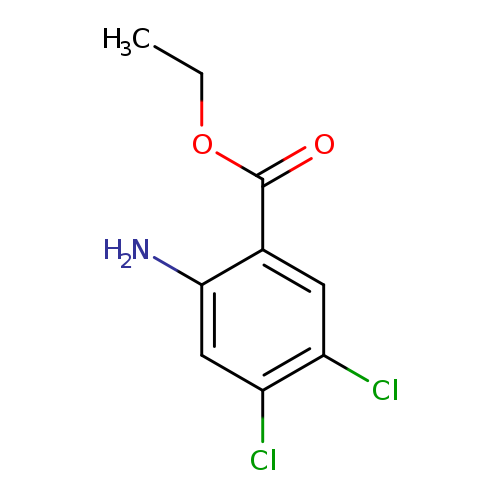
Ethyl 2-amino-4,5-dichlorobenzoateCatalog No.:AA007U0Y CAS No.:1108668-25-2 MDL No.:MFCD10566266 MF:C9H9Cl2NO2 MW:234.0793 |
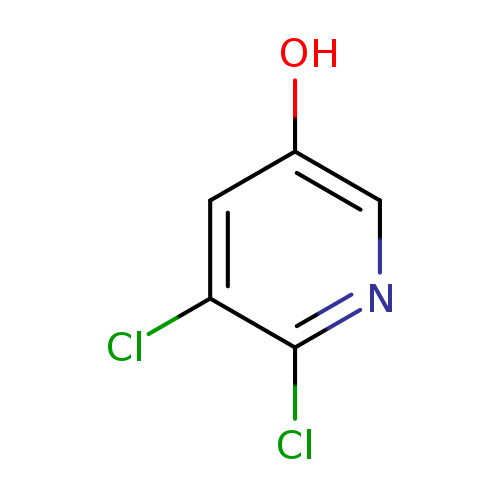
5,6-Dichloropyridin-3-olCatalog No.:AA007U11 CAS No.:110860-92-9 MDL No.:MFCD09835219 MF:C5H3Cl2NO MW:163.9894 |
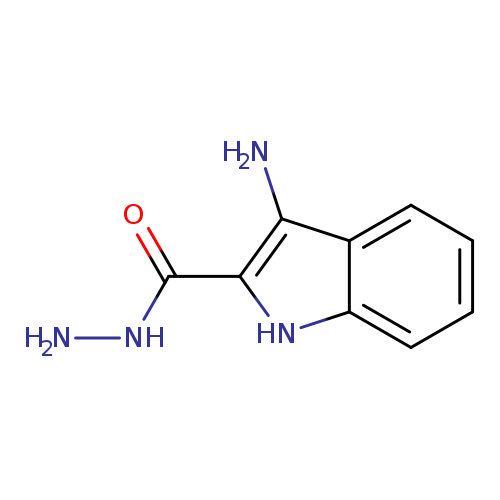
3-Amino-1H-indole-2-carbohydrazideCatalog No.:AA008352 CAS No.:110963-29-6 MDL No.:MFCD18384569 MF:C9H10N4O MW:190.2019 |
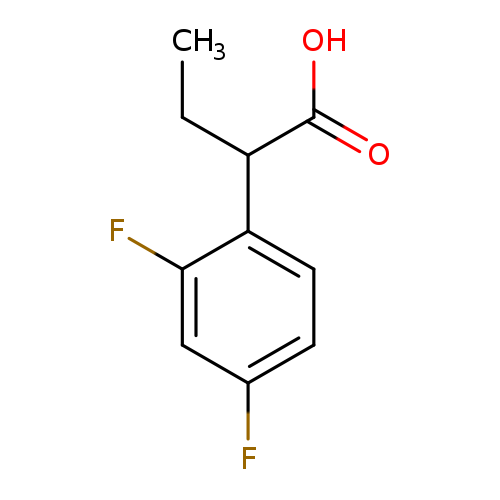
4-(2,4-Difluorophenyl)butanoic acidCatalog No.:AA00835H CAS No.:110931-78-7 MDL No.:MFCD06810482 MF:C10H10F2O2 MW:200.1820 |
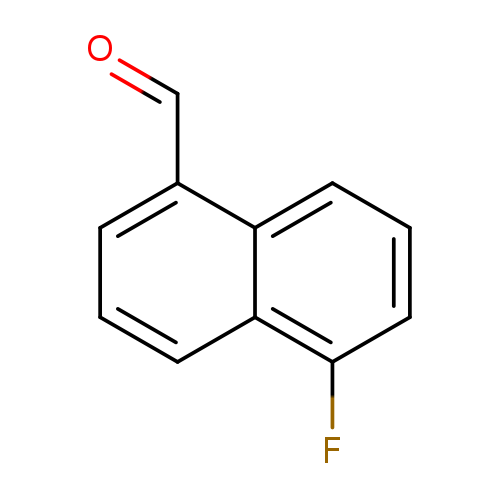
5-Fluoro-1-naphthaldehydeCatalog No.:AA00835F CAS No.:110931-86-7 MDL No.:MFCD09258965 MF:C11H7FO MW:174.1711 |
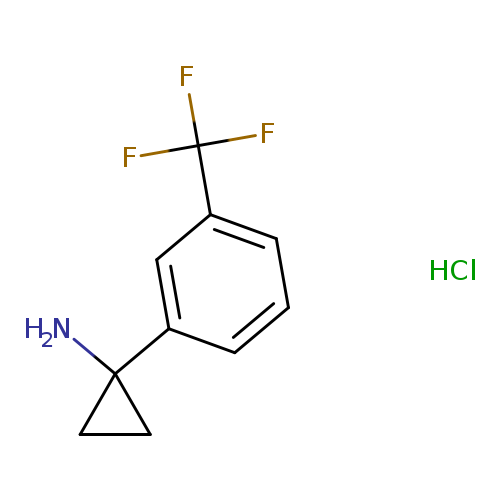
1-(3-(Trifluoromethyl)phenyl)cyclopropanamine hydrochlorideCatalog No.:AA008365 CAS No.:1108698-58-3 MDL No.:MFCD09028132 MF:C10H11ClF3N MW:237.6492 |
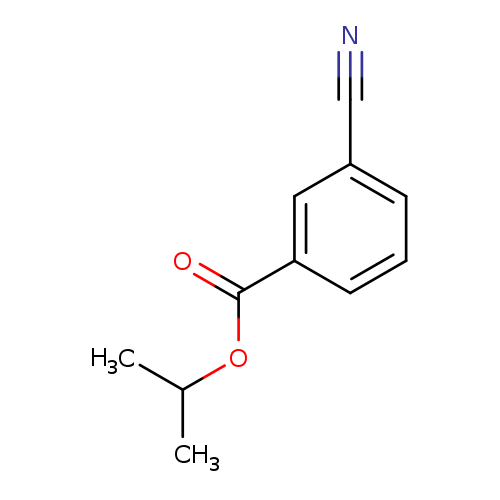
Isopropyl 3-cyanobenzoateCatalog No.:AA00835Z CAS No.:110893-37-3 MDL No.:MFCD19981536 MF:C11H11NO2 MW:189.2105 |
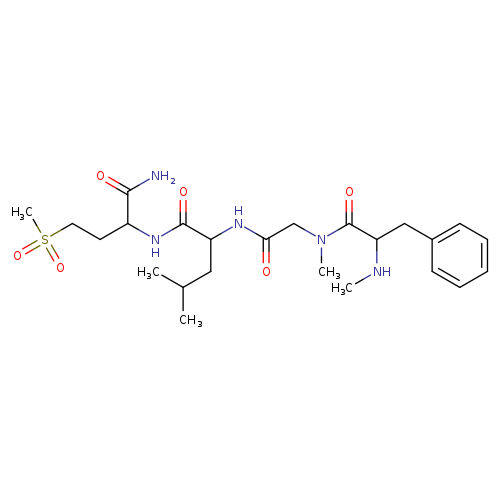
[Sar9,Met(O2)11]-Substance PCatalog No.:AA008363 CAS No.:110880-55-2 MDL No.:MFCD00076787 MF:C64H100N18O15S MW:1393.6554 |
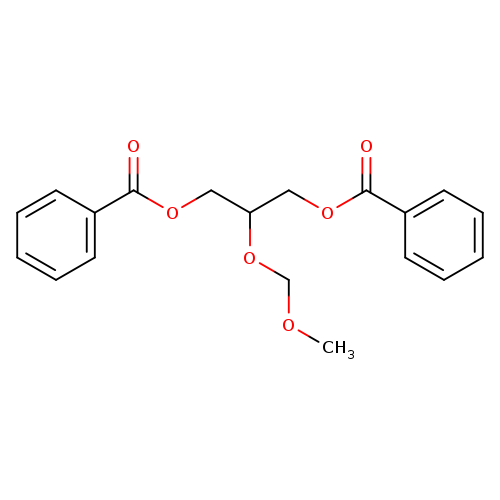
2-(Methoxymethoxy)-1,3-propanediyl dibenzoateCatalog No.:AA008364 CAS No.:110874-21-0 MDL No.:MFCD09840890 MF:C19H20O6 MW:344.3585 |
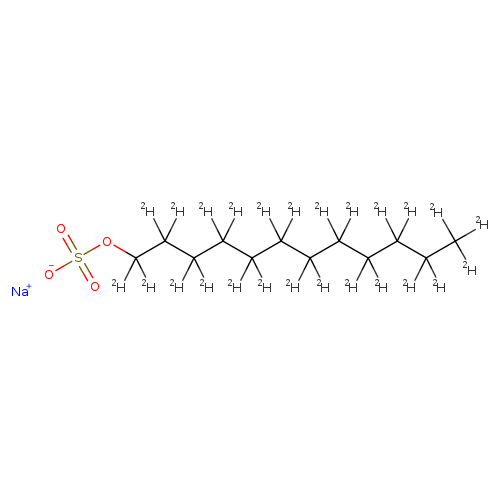
Sodium Dodecyl Sulfate-D25Catalog No.:AA008369 CAS No.:110863-24-6 MDL No.:MFCD00144219 MF:C12D25NaO4S MW:313.5333 |
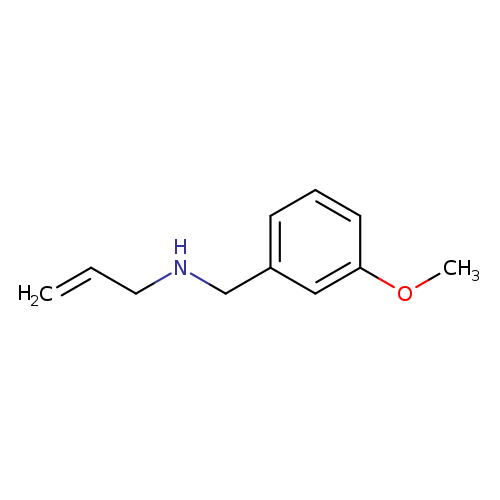
[(3-Methoxyphenyl)methyl](prop-2-en-1-yl)amineCatalog No.:AA008397 CAS No.:110841-68-4 MDL No.:MFCD07406326 MF:C11H15NO MW:177.2429 |
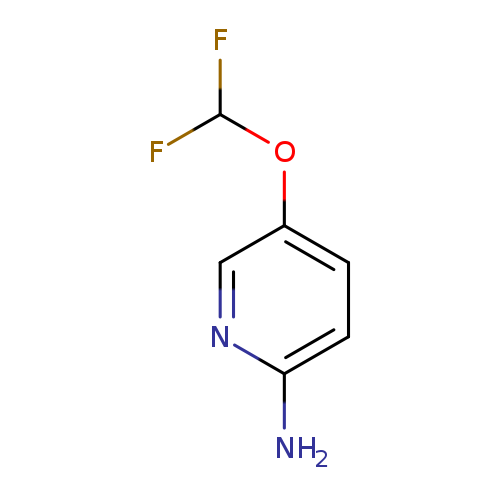
5-(Difluoromethoxy)pyridin-2-amineCatalog No.:AA008393 CAS No.:110861-14-8 MDL No.:MFCD11977404 MF:C6H6F2N2O MW:160.1214 |
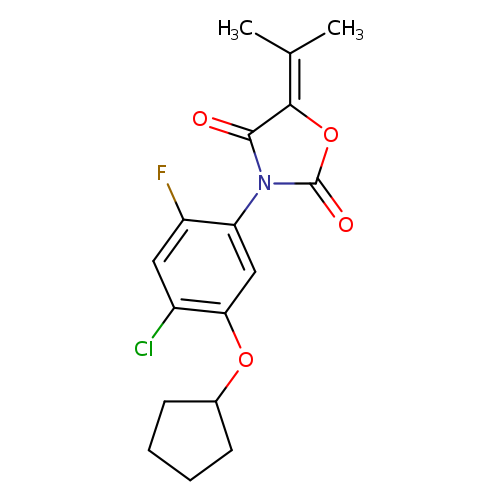
PentoxazoneCatalog No.:AA008RID CAS No.:110956-75-7 MDL No.:MFCD03427480 MF:C17H17ClFNO4 MW:353.7726 |
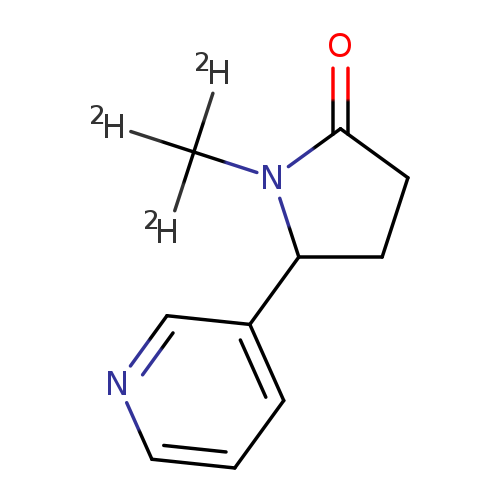
1-(Methyl-d3)-5-(pyridin-3-yl)pyrrolidin-2-oneCatalog No.:AA008SX2 CAS No.:110952-70-0 MDL No.:MFCD00083283 MF:C10H9D3N2O MW:179.2336 |
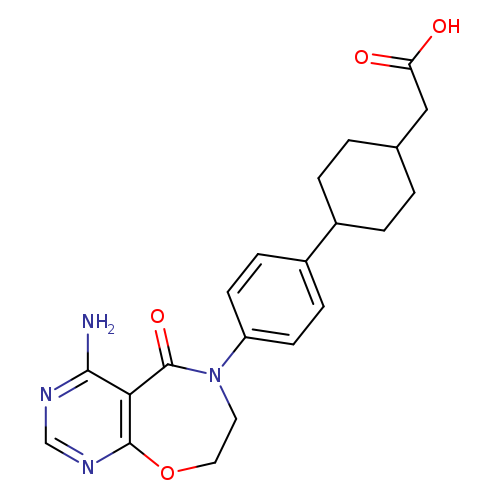
2-(trans-4-(4-(4-Amino-5-oxo-7,8-dihydropyrimido[5,4-f][1,4]oxazepin-6(5H)-yl)phenyl)cyclohexyl)acetic acidCatalog No.:AA008TG6 CAS No.:1109276-89-2 MDL No.:MFCD19443642 MF:C21H24N4O4 MW:396.4397 |
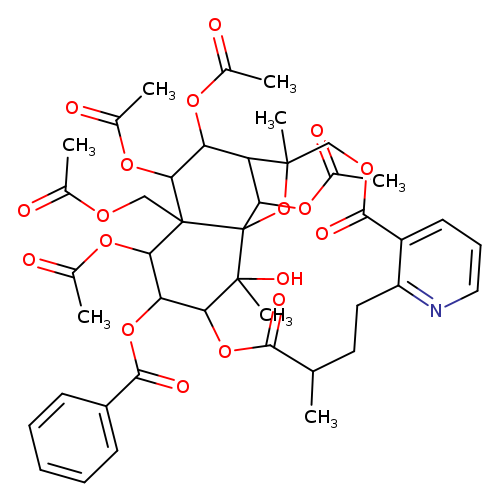
(8R,9R,10R,11S,12S,13R,14R,15S,18S,21S,22S,23R)-10,13,22,23-Tetrakis(acetyloxy)-12-[(acetyloxy)methyl]-14-(benzoyloxy)-7,8,9,10,12,13,14,15,19,20-decahydro-21-hydroxy-8,18,21-trimethyl-8,11-epoxy-9,12-ethano-11,15-methano-5H,11H-[1,9]dioxacyclooctadecino[4,3-b]pyridine-5,17(18H)-dioneCatalog No.:AA008TKN CAS No.:11088-09-8 MDL No.:MFCD01726768 MF:C43H49NO18 MW:867.8451 |
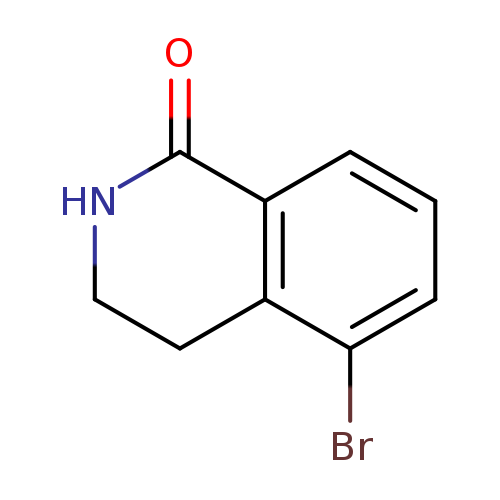
5-Bromo-3,4-dihydroisoquinolin-1(2H)-oneCatalog No.:AA008TOJ CAS No.:1109230-25-2 MDL No.:MFCD11847788 MF:C9H8BrNO MW:226.0699 |
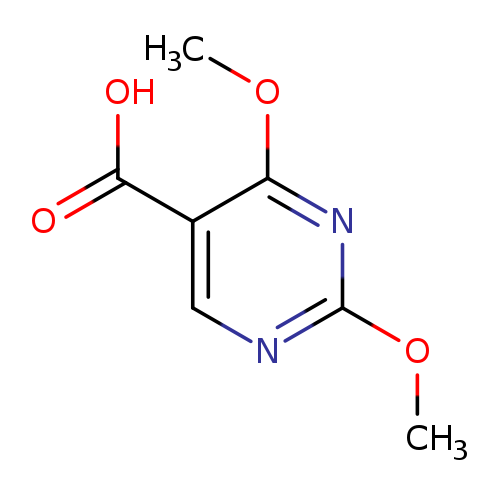
2,4-Dimethoxypyrimidine-5-carboxylic acidCatalog No.:AA008UOA CAS No.:110821-07-3 MDL No.:MFCD03232921 MF:C7H8N2O4 MW:184.1494 |
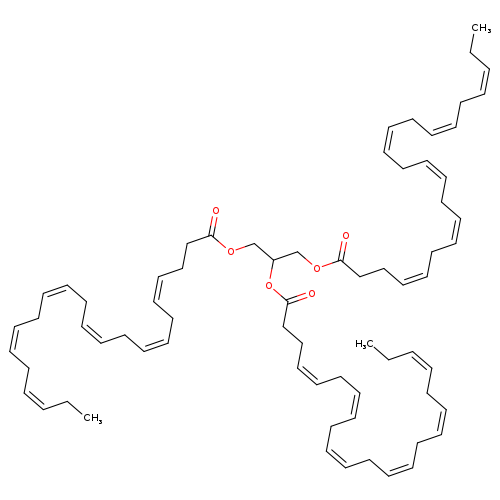
1,2,3-Tridocosahexaenoyl GlycerolCatalog No.:AA008UZK CAS No.:11094-59-0 MDL No.:MFCD00673520 MF:C69H98O6 MW:1023.5128 |
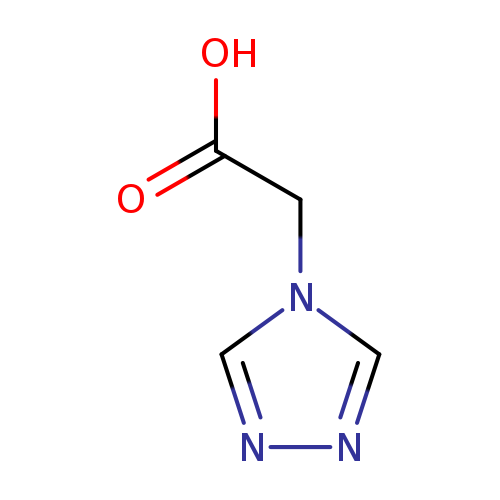
2-(4H-1,2,4-Triazol-4-yl)acetic acidCatalog No.:AA008VHP CAS No.:110822-97-4 MDL No.:MFCD03093050 MF:C4H5N3O2 MW:127.1014 |
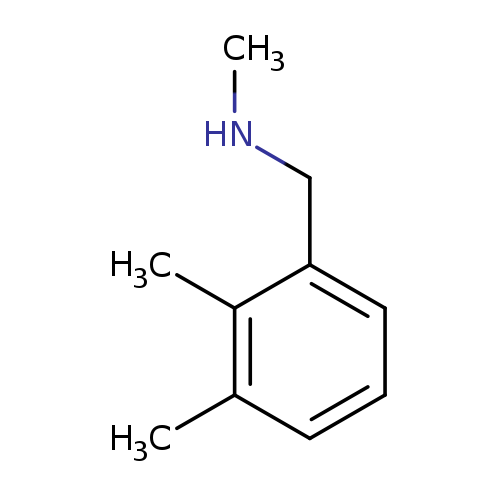
(2,3-dimethylbenzyl)methylamineCatalog No.:AA008VJF CAS No.:110931-75-4 MDL No.:MFCD19982307 MF:C10H15N MW:149.2328 |
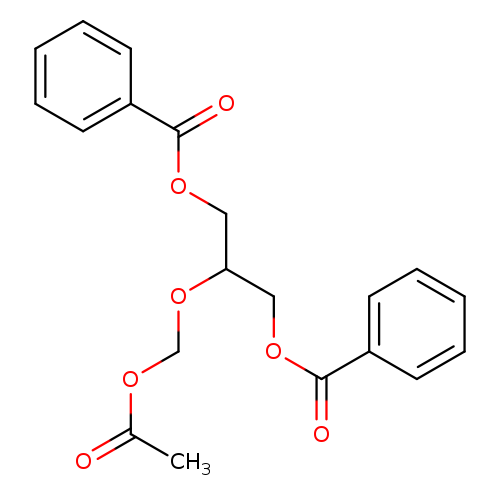
2-(Acetoxymethoxy)-1,3-propanediyl DibenzoateCatalog No.:AA008WH8 CAS No.:110874-22-1 MDL No.:MFCD09839821 MF:C20H20O7 MW:372.3686 |
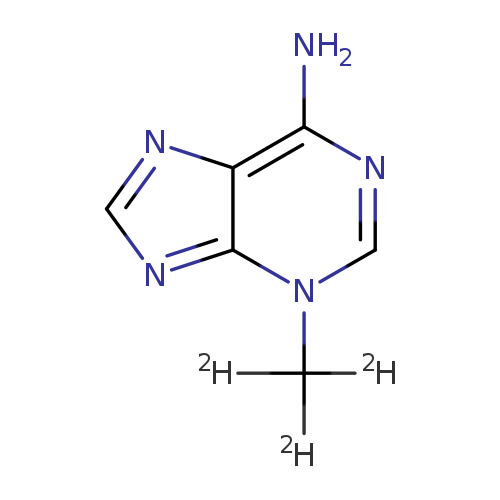
3-Methyladenine-d3Catalog No.:AA008X4L CAS No.:110953-39-4 MDL No.:MFCD03701198 MF:C6H4D3N5 MW:152.1718 |
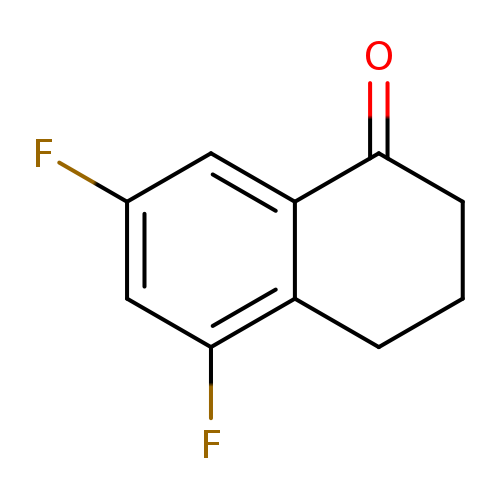
5,7-Difluoro-3,4-dihydronaphthalen-1(2H)-oneCatalog No.:AA008XC2 CAS No.:110931-79-8 MDL No.:MFCD08544417 MF:C10H8F2O MW:182.1667 |
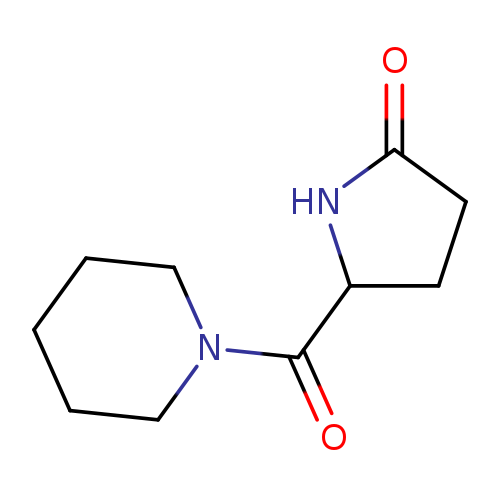
(R)-5-(Piperidine-1-carbonyl)pyrrolidin-2-oneCatalog No.:AA008YEY CAS No.:110958-19-5 MDL No.:MFCD00875708 MF:C10H16N2O2 MW:196.2462 |
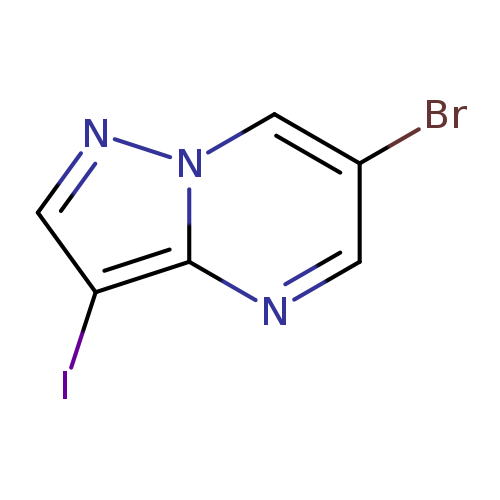
6-Bromo-3-iodopyrazolo[1,5-a]pyrimidineCatalog No.:AA008Z4M CAS No.:1109284-33-4 MDL No.:MFCD18073604 MF:C6H3BrIN3 MW:323.9166 |
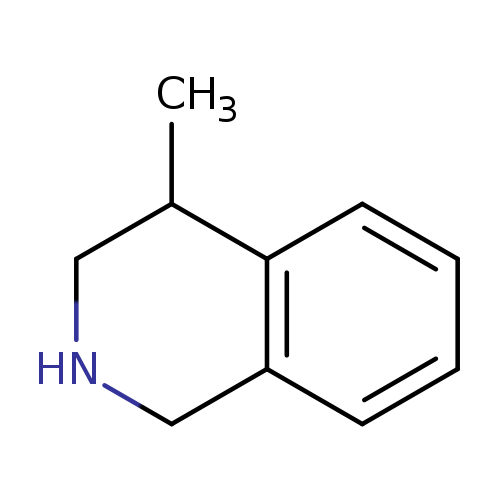
1,2,3,4-Tetrahydro-4-methylisoquinolineCatalog No.:AA0092G8 CAS No.:110841-71-9 MDL No.:MFCD09036169 MF:C10H13N MW:147.2169 |
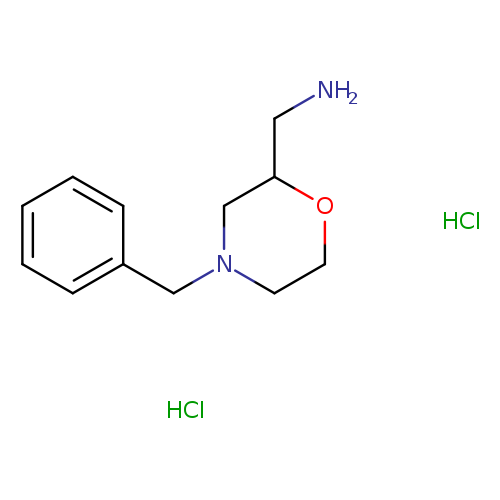
(4-Phenethylmorpholin-2-yl)methanamine dihydrochlorideCatalog No.:AA0094CG CAS No.:110859-49-9 MDL No.:MFCD09029000 MF:C13H22Cl2N2O MW:293.2326 |
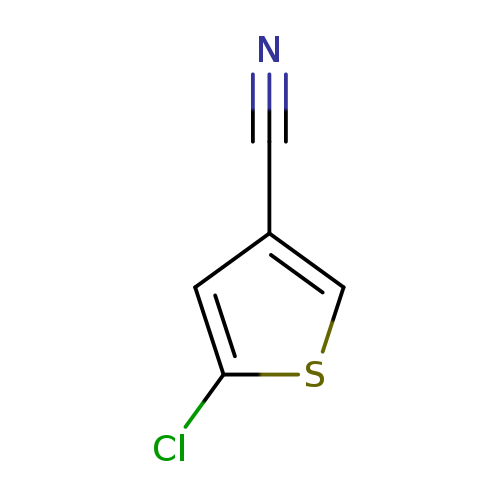
5-Chlorothiophene-3-carbonitrileCatalog No.:AA0094MW CAS No.:1108712-56-6 MDL No.:MFCD17016064 MF:C5H2ClNS MW:143.5941 |
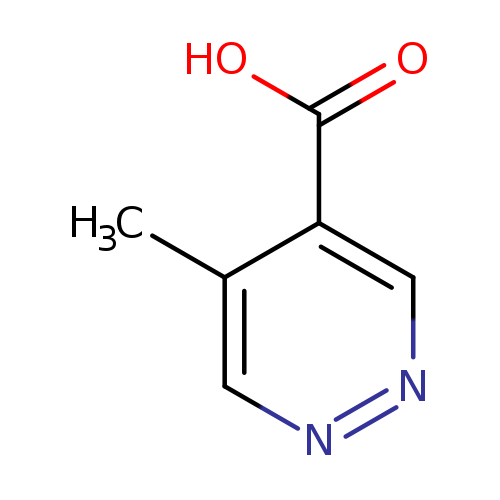
5-Methylpyridazine-4-carboxylic acidCatalog No.:AA0094SF CAS No.:1108712-51-1 MDL No.:MFCD07699510 MF:C6H6N2O2 MW:138.1240 |
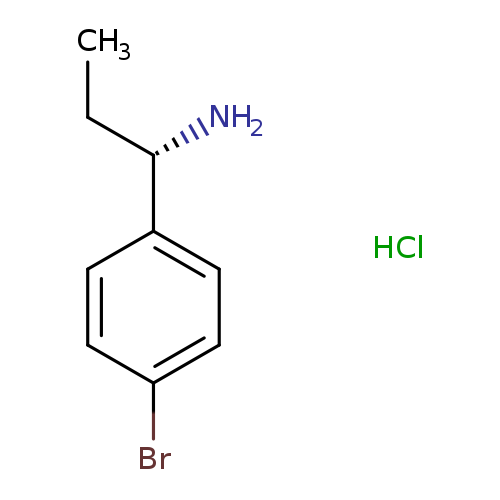
(S)-1-(4-bromophenyl)propan-1-amineCatalog No.:AA009631 CAS No.:1108684-03-2 MDL No.:MFCD06761890 MF:C9H12BrN MW:214.1023 |
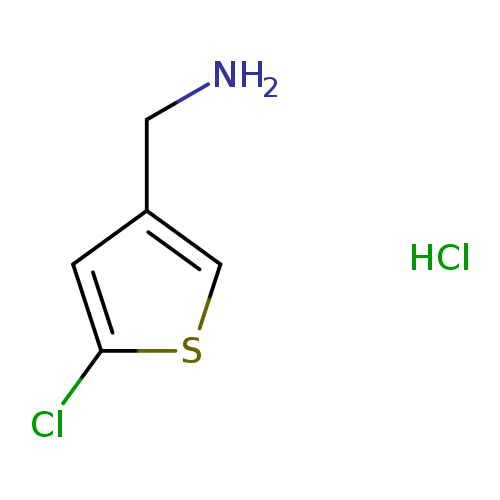
(5-Chlorothiophen-3-yl)methanamine hydrochlorideCatalog No.:AA00999V CAS No.:1108712-55-5 MDL No.:MFCD17016065 MF:C5H7Cl2NS MW:184.0868 |
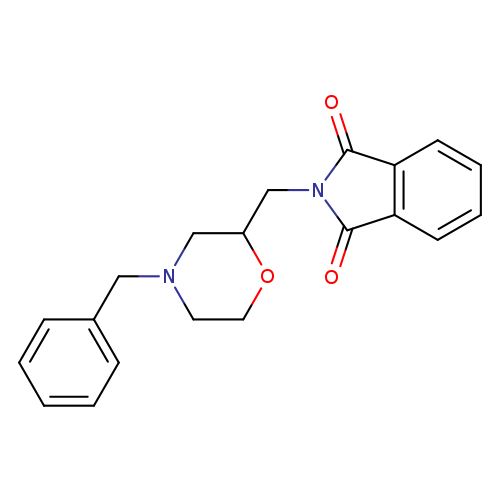
2-[(4-benzylmorpholin-2-yl)methyl]-2,3-dihydro-1H-isoindole-1,3-dioneCatalog No.:AA009KN9 CAS No.:110859-48-8 MDL No.:MFCD11101104 MF:C20H20N2O3 MW:336.3844 |
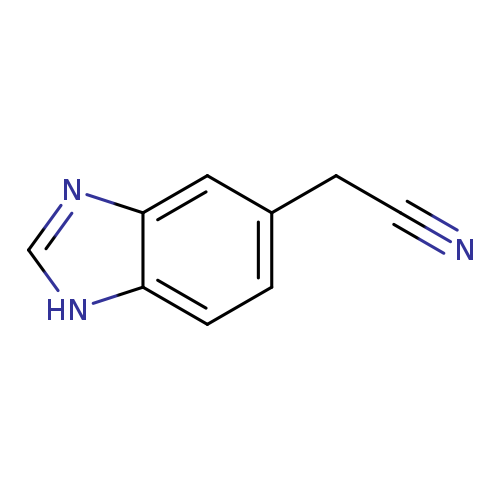
2-(1H-Benzo[d]imidazol-5-yl)acetonitrileCatalog No.:AA009P63 CAS No.:110925-52-5 MDL No.:MFCD18807905 MF:C9H7N3 MW:157.1720 |
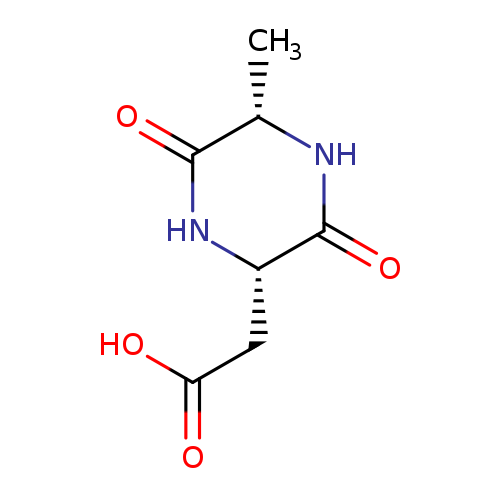
2-((2S,5S)-5-Methyl-3,6-Dioxopiperazin-2-yl)acetic acidCatalog No.:AA009TY4 CAS No.:110954-19-3 MDL No.:MFCD30002119 MF:C7H10N2O4 MW:186.1653 |
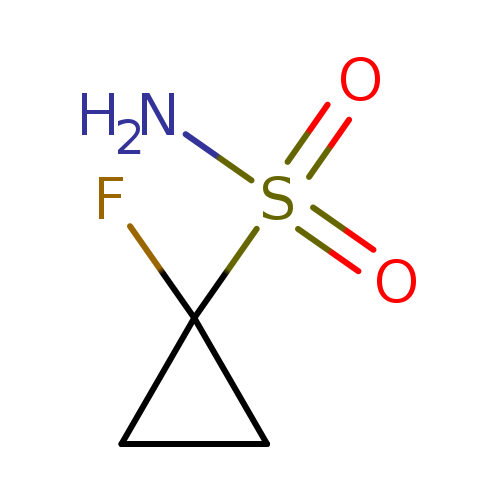
1-fluorocyclopropanesulfonamideCatalog No.:AA00HBPC CAS No.:1108658-19-0 MDL No.:MFCD22690232 MF:C3H6FNO2S MW:139.1486 |
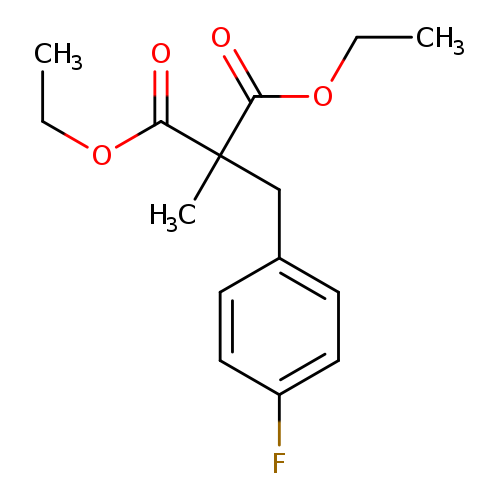
Diethyl 2-(4-Fluorobenzyl)-2-methylmalonateCatalog No.:AA00HBP7 CAS No.:1108187-27-4 MDL No.:MFCD26936124 MF:C15H19FO4 MW:282.3074 |
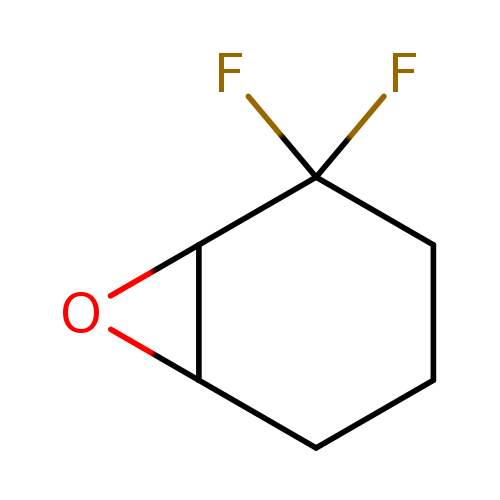
2,2-difluoro-7-oxabicyclo[4.1.0]heptaneCatalog No.:AA00HBPN CAS No.:1109284-38-9 MDL No.:MFCD17926414 MF:C6H8F2O MW:134.1239 |
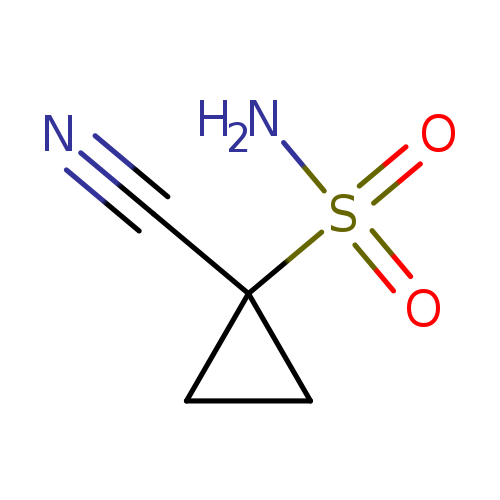
1-Cyanocyclopropane-1-sulfonamideCatalog No.:AA00HBPD CAS No.:1108658-23-6 MDL No.:MFCD27955221 MF:C4H6N2O2S MW:146.1676 |
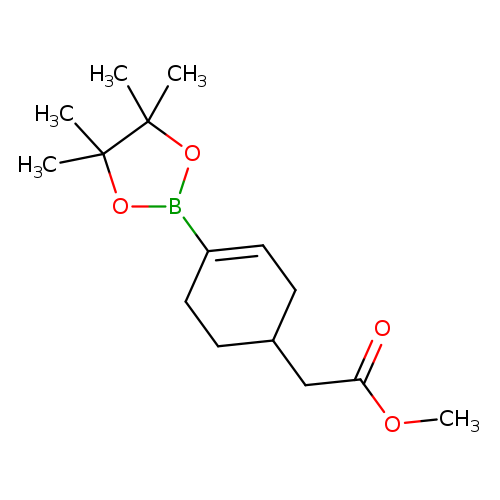
Methyl 2-[4-(4,4,5,5-tetramethyl-1,3,2-dioxaborolan-2-yl)cyclohex-3-en-1-yl]acetateCatalog No.:AA00HBPM CAS No.:1109277-66-8 MDL No.:MFCD18427631 MF:C15H25BO4 MW:280.1676 |
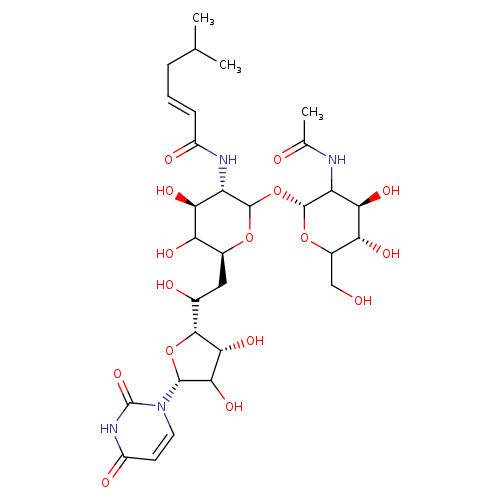
TunicamycinCatalog No.:AA00ILMT CAS No.:11089-65-9 MDL No.:MFCD00065709 MF:C22H25Cl2N3O3 MW:450.3582 |
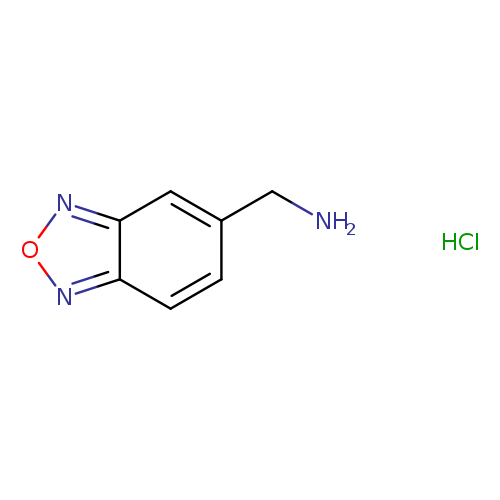
(2,1,3-benzoxadiazol-5-ylmethyl)amine hydrochlorideCatalog No.:AA00J0V9 CAS No.:1108713-69-4 MDL No.:MFCD12028209 MF:C7H8ClN3O MW:185.6109 |
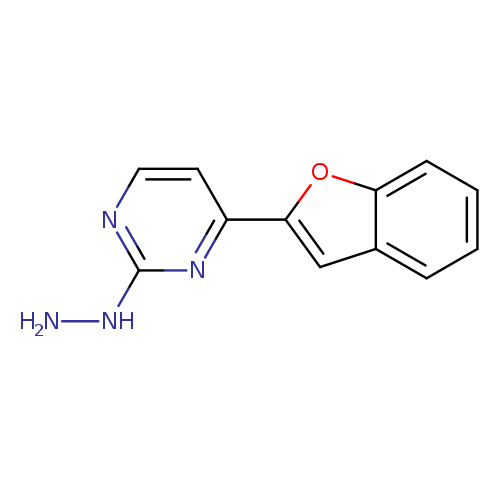
4-(1-benzofuran-2-yl)-2-hydrazinopyrimidineCatalog No.:AA00J2JJ CAS No.:1108234-21-4 MDL No.:MFCD22575201 MF:C12H10N4O MW:226.234 |
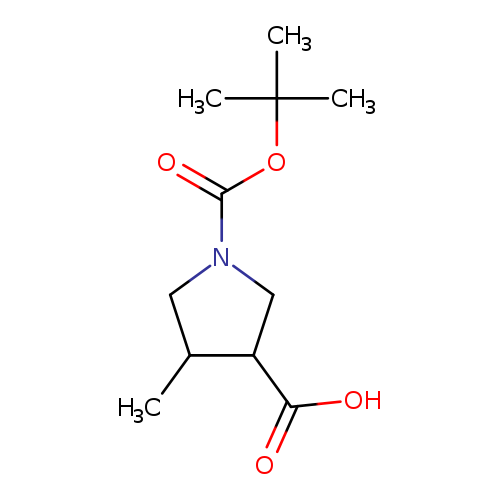
1-(TERT-BUTOXYCARBONYL)-4-METHYLPYRROLIDINE-3-CARBOXYLIC ACIDCatalog No.:AA00MBV9 CAS No.:1108713-51-4 MDL No.:MFCD08461234 MF:C11H19NO4 MW:229.2729 |
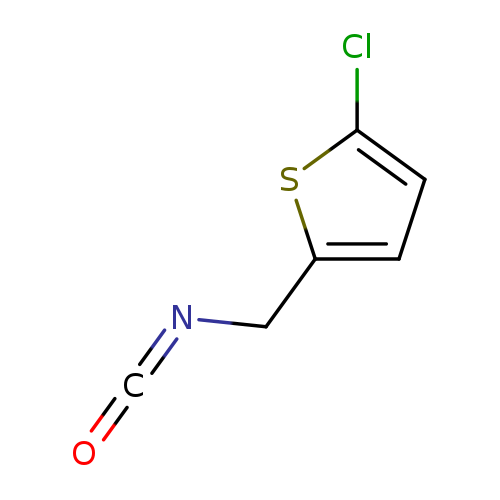
2-chloro-5-(isocyanatomethyl)thiopheneCatalog No.:AA019RQD CAS No.:1108713-12-7 MDL No.:MFCD20295436 MF:C6H4ClNOS MW:173.6201 |
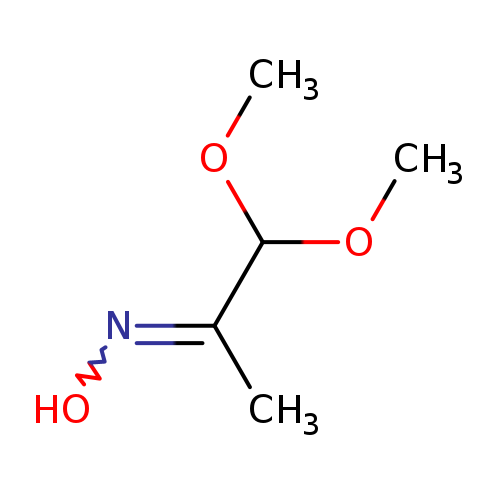
N-(1,1-dimethoxypropan-2-ylidene)hydroxylamineCatalog No.:AA019ZNP CAS No.:110828-79-0 MDL No.:MFCD31559558 MF:C5H11NO3 MW:133.1457 |
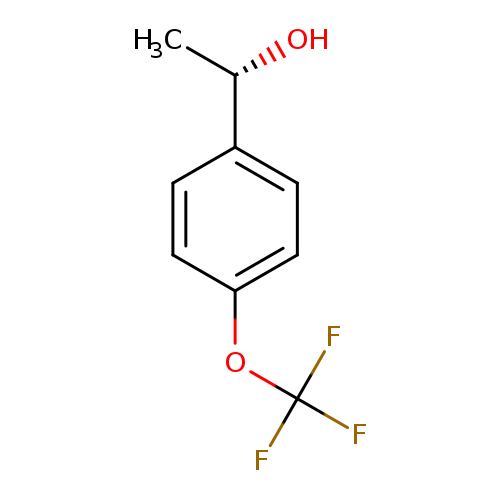
(1S)-1-[4-(Trifluoromethoxy)phenyl]ethan-1-olCatalog No.:AA01A31W CAS No.:1108723-47-2 MDL No.:MFCD18339538 MF:C9H9F3O2 MW:206.1618 |
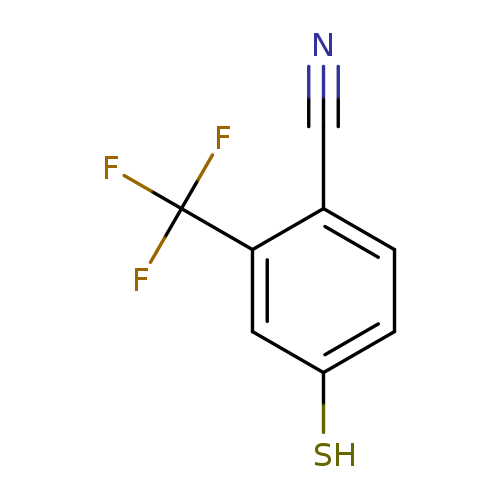
4-Cyano-3-(trifluoromethyl)thiophenolCatalog No.:AA01A4KS CAS No.:110888-22-7 MDL No.:MFCD11178413 MF:C8H4F3NS MW:203.1843 |
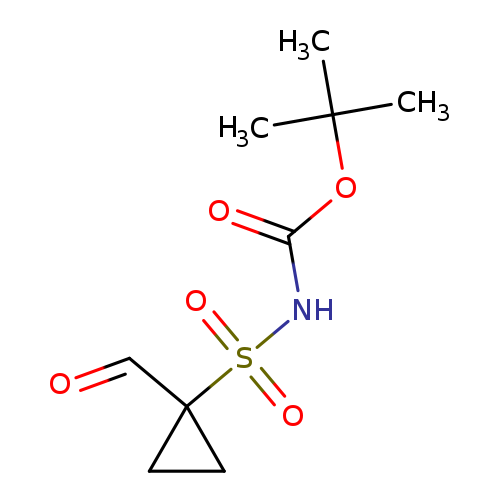
tert-Butyl N-[(1-formylcyclopropyl)sulfonyl]carbamateCatalog No.:AA01B5GO CAS No.:1108658-38-3 MDL No.:MFCD24470891 MF:C9H15NO5S MW:249.2841 |
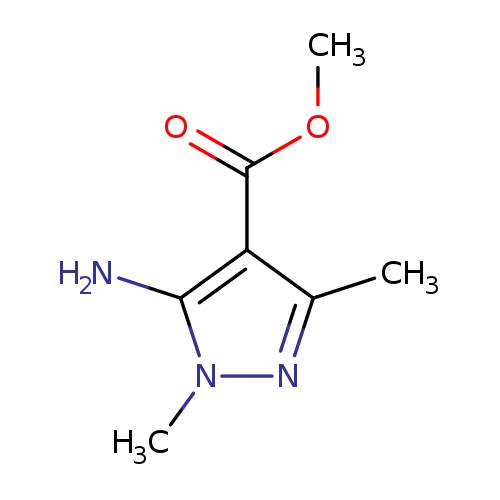
Methyl 5-amino-1,3-dimethyl-1H-pyrazole-4-carboxylateCatalog No.:AA01B5PP CAS No.:110860-59-8 MDL No.:MFCD20722626 MF:C7H11N3O2 MW:169.1811 |
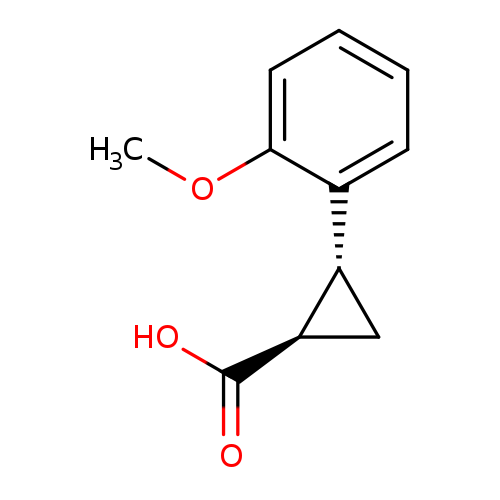
rel-(1R,2R)-2-(2-Methoxyphenyl)cyclopropanecarboxylic acidCatalog No.:AA01B7ZZ CAS No.:110826-01-2 MDL No.:MFCD20760172 MF:C11H12O3 MW:192.2112 |
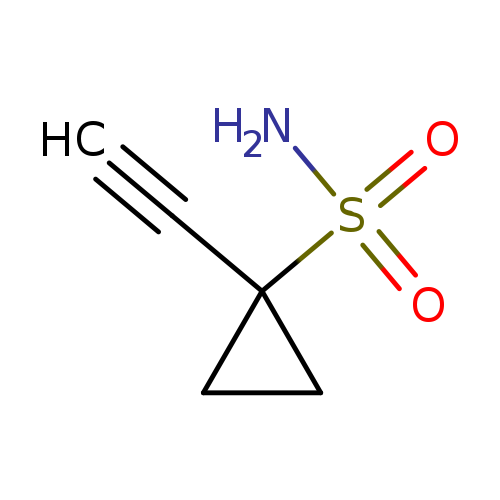
1-Ethynylcyclopropane-1-sulfonamideCatalog No.:AA01BNON CAS No.:1108658-43-0 MDL No.:MFCD26384365 MF:C5H7NO2S MW:145.1796 |
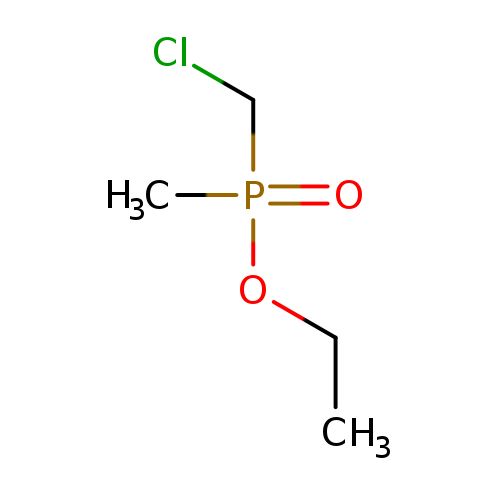
Ethyl (chloromethyl)(methyl)phosphinateCatalog No.:AA01BUS2 CAS No.:110838-42-1 MDL No.:MFCD19233127 MF:C4H10ClO2P MW:156.5478 |
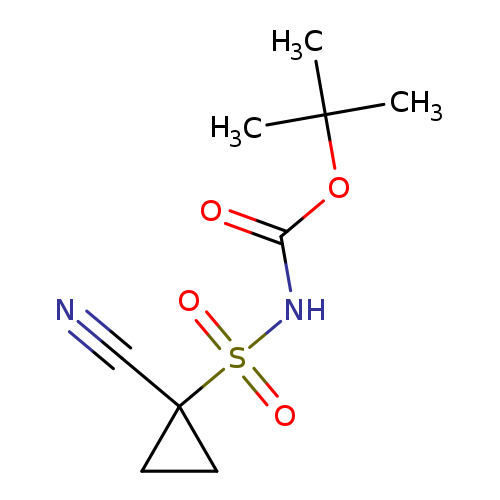
tert-Butyl N-[(1-cyanocyclopropyl)sulfonyl]carbamateCatalog No.:AA01BVF2 CAS No.:1108658-10-1 MDL No.:MFCD27955223 MF:C9H14N2O4S MW:246.2835 |
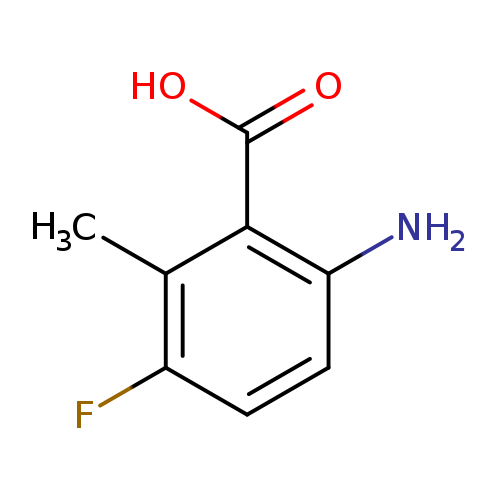
6-amino-3-fluoro-2-methylbenzoic acidCatalog No.:AA01C1HX CAS No.:1108666-12-1 MDL No.:MFCD29906786 MF:C8H8FNO2 MW:169.1530 |
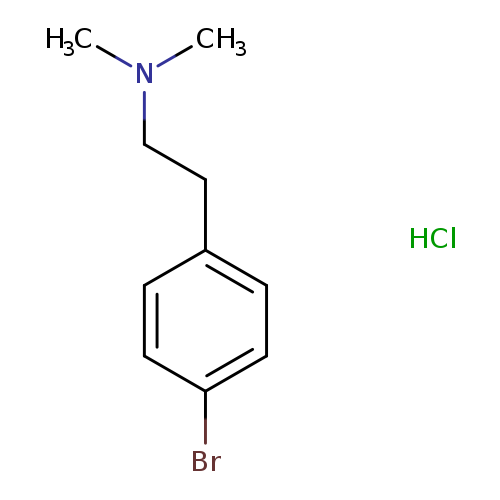
[2-(4-Bromophenyl)ethyl]dimethylamine hydrochlorideCatalog No.:AA01C3P4 CAS No.:110965-09-8 MDL No.:MFCD29762865 MF:C10H15BrClN MW:264.5898 |
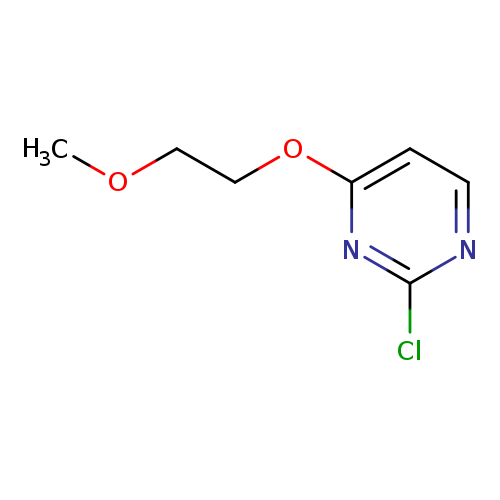
2-chloro-4-(2-methoxyethoxy)pyrimidineCatalog No.:AA01DUWF CAS No.:110821-12-0 MDL No.:MFCD16712380 MF:C7H9ClN2O2 MW:188.6116 |
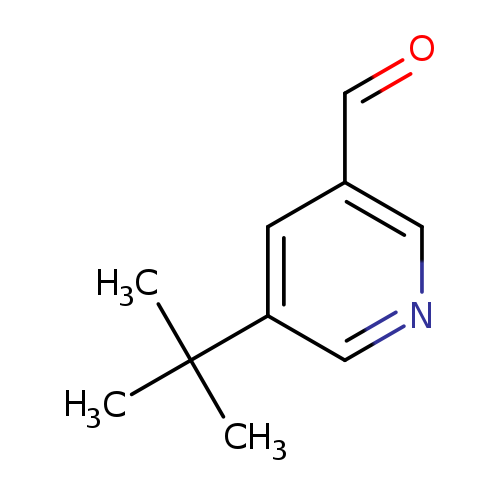
5-tert-butylpyridine-3-carbaldehydeCatalog No.:AA01DYCI CAS No.:1108725-46-7 MDL No.:MFCD18254140 MF:C10H13NO MW:163.2163 |
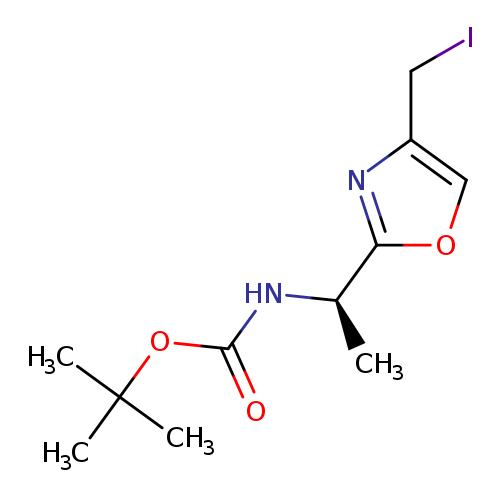
tert-butyl N-[(1R)-1-[4-(iodomethyl)-1,3-oxazol-2-yl]ethyl]carbamateCatalog No.:AA01ELVX CAS No.:1108723-76-7 MDL No.:MFCD31617597 MF:C11H17IN2O3 MW:352.1687 |
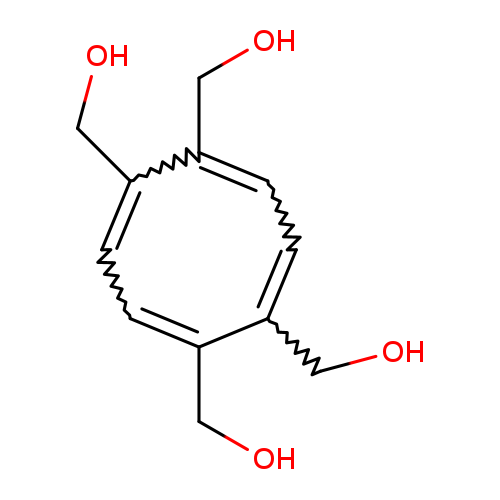
[(1E,3E,5E,7E)-4,5,8-tris(hydroxymethyl)cycloocta-1,3,5,7-tetraen-1-yl]methanolCatalog No.:AA01EM28 CAS No.:110890-98-7 MDL No.:MFCD00229276 MF:C12H16O4 MW:224.253 |