

2020-01-07 08:40:21
Chao Zheng and Shu-Li You
1.Introduction
The positive interplay between the studies on natural product synthesis and synthetic methodology development constitutes the major theme of fundamental organic chemistry. The fasci- nating structures of various natural products serve as the inspi- ration and driving force of endless emerging and evolving unprecedented synthetic methods. On the other hand, natural product synthesis is generally regarded as a premier stage, where a synthetic method can exhibit its practicality and robustness. Indole-based polycyclic structures have constantly received intensive research interests due to their wide occurrence in numerous alkaloids that possess diverse biological activities.
Dearomatization of indole derivatives has long been viewed as an attractive strategy to readily access sophisticated spiro or fused polycyclic indoline scaffolds. Accordingly, Qin et al. developed an elegant cascade (or stepwise) reaction of cyclopropanation/ring-opening/iminium (CRI) cyclization of tryptamine derivatives, which enables the efficient assembly of a variety of indoline alkaloids.8 Meanwhile, Ma and co-workers carried out systematic studies on intramolecular dearomative oxidative coupling (IDOC) reactions of indoles and accom- plished the total synthesis of many indoline alkaloids.
In recent years, catalytic asymmetric dearomatization (CADA) reactions have been recognized as powerful methods for the conversion of readily available planar aromatic feed- stocks to three-dimensional polycyclic molecules.10–18 Partic- ularly, the synthesis of many indole-based natural products becomes viable with the key ring system and the stereo- chemistry being established via a CADA reaction. A major advantage of these syntheses is that they do not rely on the chiral pool strategy. The absolute conftguration of the product is solely controlled by the chiral catalyst. Therefore, not only natural products themselves, but also their corresponding unnatural enantiomers, diastereoisomers, and even libraries of analogs can be easily synthesized, which is of great impor- tance in medicinal chemistry.
Herein, we summarize the most recent progress on the total synthesis of indole-based natural products enabled by an asymmetric dearomatization reaction as the key step (Fig. 1). Several ring-forming strategies for the construction of key polycyclic scaffolds will be ftrst highlighted. Then, the various applications of asymmetric dearomatization reactions in the total syntheses of these natural products will be discussed accordingly. Finally, we present a personal perspective of this dynamic research fteld.
2.General strategies for the formation of key ring systems
In general, a series of ring-formation strategies have been devel- oped in the total synthesis of indole-based natural products via a CADA reaction (Fig. 2). Most of these strategies take advantage of the inherent strong nucleophilicity of the C3 position of 3- substituted indoles and the electrophilicity of 3,3-disubstituted indolenine cations (types I to IV). By devising appropriately teth- ered nucleophiles and electrophiles, cascade cyclization reactions may be triggered. On the other hand, the recent enantioselective total synthesis of (+)-hinckdentine A involved a dearomative Heck- type cyclization, which can be regarded as the connection between the C2 position of indole with an electrophile (type V). Notably, the asymmetric dearomatization of indole derivatives via a visible- light-mediated sequential single-electron transfer process has also emerged, which allowed the formal installation of an external nucleophile at the C3 position of indole with concomitant cycli- zation (type VI). By employing these strategies, spiro, fused, and even bridged polycyclic scaffolds can be assembled by carefully manipulating the reaction sequence. In the following sections, detailed discussions will be presented on how these strategies have been applied in the construction of the core structures of indole-based natural products.
3.Type I cyclization
The most frequently employed strategy takes advantage of indole substrates possessing a pendant nucleophile on the C3 position, where tryptamine/tryptophol derivatives are among the commonly used substrates. A Friedel–Cras-type addition with an external electrophile generates a 3,3-disubstituted indolenine intermediate whose iminium moiety is readily trapped by the nucleophilic side chain, yielding the corre- sponding hexahydropyrrolo[2,3-b]indole (HPI) or tetrahydro- 2H-furo[2,3-b]indole core structures, which lays a solid foun- dation for further synthetic elaborations.
As early as in 2000, O¯mura, Smith and coworkers furnished the enantioselective synthesis of 3a-hydroxyfuroindoline from tryptophol by employing the Sharpless asymmetric epoxidation protocol (Scheme 1). This strategy was successfully applied in their study towards the total synthesis and the absolute conftg- uration assignment of (+)-madindoline A and (+)-madindoline B, which are potent inhibitors of interleukin 6 (IL-6).19 N-Alkylated tryptophol (+)-2 was prepared from oxazolidinone (+)-1 via 18 linear steps. The (+)-DET/Ti(OiPr)4-promoted Sharpless asym- metric epoxidation/cyclization, a process involving the asym- metric dearomatization of indole, served as the ftnal step to complete the synthesis of (+)-madindoline A (31% yield) and its diastereoisomer (—)-madindoline B (14% yield).
(—)-Flustramine B and (—)-debromo ustramine B belong to a family of marine alkaloids isolated from the Bryozoa Flustra foliacea, which possess skeletal and smooth muscle relaxant activity and signiftcant butyrylcholinesterase inhibitory activity, respectively.20 Their embedded HPI core structure makes them popular targets in recent asymmetric total synthesis studies.
In 2004, the MacMillan group reported the enantioselective synthesis of (—)-ustramine B and (—)-debromo ustramine B (Scheme 2).24 In the presence of an imidazolidinone catalyst (S,S)-C1,25 6-bromo-substituted tryptamine derivative 3 reacted smoothly with acrolein in a cascade dearomative addition/ cyclization sequence. HPI compound 4 with a pendant primary alcohol group was achieved in 78% yield with 90% ee aer in situ reduction by NaBH4. The 3-hydroxy propyl side- chain was readily converted to a prenyl moiety in a three-step, two-pot sequence. The primary alcohol in 4 was first mesylated and then transformed into terminal alkene by treat- ment with 2-nitrophenyl selenocyanate/H2O2. A cross- metathesis with 2-methyl-2-butene by Grubbs II catalyst incor- porated the prenyl moiety in 5. Finally, (—)-ustramine B and (—)-debromo ustramine B were obtained via selective reduction of the N-Boc group and removal of the 6-bromo substituent in the latter case.
In 2012, Zhang and Antilla reported the asymmetric synthesis of (—)-debromo ustramine B from tryptamine deriv- ative 6 and methyl vinyl ketone (MVK) using a chiral phosphoric acid (CPA) catalyst (Scheme 2).26 With TRIP-CPA (R)-C2 (ref. 27) as the optimal catalyst, the HPI core of 7 was assembled with two MVK segments incorporated at the N1 and C3a positions in good yield (90%) and enantioselectivity (93% ee). Subsequently, the two methyl ketone moieties were transformed into two prenyl groups of 8 via sequential Wittig reaction/oleftn isom- erization. (—)-Debromo ustramine B was obtained in quanti- tative yield via Red-Al reduction of 8.
During their continuous efforts towards transition-metal- catalyzed asymmetric allylic dearomatization reactions,12 You's group developed a series of efficient asymmetric syntheses of the ustramine family of natural products (Scheme 3).28 With [Ir(cod) Cl]2 as the Ir-precursor, Carreira P/oleftn ligand L1 (ref. 29) as the optimal chiral ligand, and Fe(OTf)2 as the promoter, the dear- omatization reaction of tryptamine derivative 9 occurred with cinnamyl alcohol, leading to N1,C3a-biscinnamyl substituted HPI product 10 in good yield (87%) with high enantioselectivity (90% ee). The cinnamyl groups could be converted to prenyl groups through cross-metathesis reaction by the Grubbs II catalyst. The ftnal reduction of the N-CO2Me group furnished the total synthesis of (—)-debromo ustramine B. Very recently, You and coworkers discovered an enabling Pd-catalyzed enantioselective dearomative prenylation of indole derivatives.30 By employing a Pd-complex derived from [Pd(prenyl)Cl]2 and a newly synthe- sized chiral phosphoramidite ligand allylphos (L2), prenyl carbonate could react with a large array of indole derivatives 12. In particular, the reaction of the 6-bromo-substituted tryptamine derivative 12a afforded the prenylated HPI product 13 in excellent yield (95%) and enantioselectivity (94% ee). The following N- prenylation reaction resulted in the formation of compound 14, which is a known precursor of (—)-debromo ustramine B.24 Meanwhile, (—)-ustramine B could also be prepared from 14 aer deprotection of the N-Boc group and reductive amination. On the other hand, the reaction of 12b with a different prenyl precursor bearing a tethered silyl ether group provided the dearomatized product 16. The following reduction of the ester group and removal of the silyl group accomplished the synthesis of (—)-pseudophrynaminol. In addition, with the readily available tryptophan derivative Boc-L-Trp-OMe 12c as the starting material, the synthesis of prenylated HPI product 18 could be realized on the gram-scale with a catalyst loading as low as 0.5 mol%.
Subsequent protecting group manipulation and coupling with L- leucic acid furnished the total synthesis of mollenine A, which corrected the assignment of its absolute conftguration.31–33 Notably, this Pd-catalyzed enantioselective dearomative pre- nylation reaction tolerates highly functionalized indole deriva- tives as substrates. Under the standard conditions, the L-Trp-L- leucic acid 12d was involved in a cascade dearomative prenylation/cyclization/lactonization reaction, which allowed the one-step synthesis of mollenine A on the gram-scale, and also a library of analogues of mollenine A to be built from the corre- sponding tryptophan derivatives synthesized by reacting with various a-amino acids or chiral a-hydroxyl carboxylic acids.
(—)-Diazonamide A belongs to a structurally unique class of secondary metabolites isolated from the colonial marine ascidian Diazona angulata and is a potent antimitotic agent.34,35 In 2011, MacMillan and coworkers reported the asymmetric total synthesis of diazonamide A (Scheme 4).36 Starting from functionalized indole boron ester 19 and 2-iodophenol 20, Suzuki coupling furnished 2-(indol-3-yl)phenol 21, whose complexity was further enriched to 23 in two steps. With 23 and propynal as substrates, the imidazolidinone catalyst (R,R)-C1- enabled asymmetric dearomative addition/cyclization strategy was applied to assemble the key tetracyclic core with concomi- tant establishment of the quaternary chiral center at the C10 position, leading to the key intermediate 24 in good yield (86%) with excellent diastereoselectivity (>20 : 1 dr). Aer the exchange of the N-protecting group from PMB to TFA, ozonol- ysis furnished aldehyde 26. Subsequently, an intramolecular aldol reaction closed the 13-membered ring, affording 27 as a single diastereoisomer. The central oxazole ring (28) was then formed via a two-step oxidation/cyclodehydration sequence. In the presence of AgTFA, the thioester functionality of 28 was displaced by amine 29. The resulting intermediate 30 under- went a second cyclodehydration, furnishing bisoxazole 31. Aer debenzylation and treatment with PhNTf2, the bromo-bistriate intermediate 32 was obtained. The tandem Pd-catalyzed borylation/annulation of 32 occurred smoothly with B2pin2/KF under microwave heating, leading to the full installation of the carbon framework of (—)-diazonamide A. The ftnal selective chlorination was achieved in two steps, employing Br as a transient protecting group for the C5 position of the activated indoline ring.
(—)-Chimonanthine is a dimer of HPI units connected by a C3–C30 bond, which has long been known as a synthetic target.37,38 In 2013, Xie, Lai, Ma and coworkers reported the concise enantioselective total synthesis of (—)-chimonanthine based on the asymmetric dearomative bromocyclization of tryptamine 35 (Scheme 5).39 By utilizing DABCO-derived bromine salt 36 as the electrophilic bromination reagent and chiral phosphoric acid 8H-TRIP (R)-C3 as the catalyst, the C3- brominated HPI compound 37 was delivered on the gram- scale in excellent yield (96%) with high enantioselectivity (95% ee).40 Next, the Co-catalyzed homodimerization of 37 afforded 38 in 40% yield. The latter possesses the entire skel- eton of (—)-chimonanthine with correct stereochemistry.41,42 Simple removal of the protecting groups from 38 led to the target molecule. Subsequently, Lai, Xie and coworkers realized the asymmetric total synthesis of (—)-conolutinine, a terpenoid indole alkaloid isolated from Malaysian Tabernaemontana43 with a similar asymmetric dearomative bromocyclization reac- tion (39 / 40) as the key step (Scheme 5).44 Hydrolysis of the bromide and removal of the N-CO2Me protecting group of 40 provided 41. The enantiopurity of 41 was improved to 97.5% ee aer recrystallization. The desired eight-membered ring was constructed via double SN2 reactions of 41 with 1-bromo-2- (bromomethyl)but-2-ene. The ftnal ring in (—)-conolutinine was closed aer Co-mediated hydration of the exocyclic double bond followed by reduction of the amide by DIBAL-H.
3a-Amino-pyrroloindoline is another type of important core structure widely found in indole alkaloids and pharmacological compounds. In 2015, Deng, Liao and coworkers developed the asymmetric synthesis of 3a-amino-pyrroloindolines from the corresponding tryptamine derivatives and aryl diazonium salts catalyzed by a chiral phosphoric anion-paired catalyst (Scheme 6).45 With (S)-C2 as the chiral catalyst and Na2CO3 and 2,6-di-tBu-pyridine as the bases, the reaction between 43 and 44a produced C3-diazenated pyrroloindoline 45 in high enan- tiopurity (>96% ee).46 The N]N double bond could be cleaved with hydrazine hydrate in the presence of RANEY® Ni to afford the 3a-amino-pyrroloindoline compound 46, which underwent Buchwald–Hartwig amination with 1,2-dibromobenzene in the presence of a Pd-catalyst derived from Xantphos, leading to 47. Next, Pd-catalyzed cyclization of 47 with alkyne 48 afforded tryptamine dimer 49, from which routine protecting group manipulations delivered (—)-psychotriasine.47 Under slightly modifted conditions, the cyclic dipeptide 50 could couple with the phenyl diazonium salt 44b to give the dearomatized product 51 in 79% yield. Subsequently, the diazo group was reduced to primary amine 52 by hydrazine hydrate and Pd/C. Aer a series of screenings, the ortho-brominated hypervalent iodine reagent 53 was identifted as a suitable coupling partner for the Cu- catalyzed C–N bond formation, leading to 54 in reasonable yield (45%). The total synthesis of (+)-pestalazine B48,49 was completed aer ftnal cyclization of 54 with alkyne 55 (Scheme 6). Shortly aer, Tang, You and coworkers reported the Cu- catalyzed asymmetric dearomative amination reaction of trypt- amines (Scheme 6).50 In the presence of a Cu-catalyst ligated by the novel chiral BOX ligand L3, 3a-amino-pyrroloindoline 57 could be directly obtained in a reasonable yield (65%) and good enantioselectivity (90% ee) from tryptamine derivative 9 with O- (2,4-dinitrophenyl)hydroxylamine (DPH) 56 as the amination reagent. In this regard, (—)-psychotriasine was readily prepared from 57 through a known C–N bond formation/Larock cyclization/reduction sequence.
In 2013, Zhu and MacMillan disclosed that the reaction between tryptamides and diaryliodonium salts by a chiral Cu– BOX complex could lead to the facile synthesis of aryl pyrro- loindolines through an arylation/cyclization strategy.51–53 This method paved the way for their later discovery of the collective synthesis of higher-order polypyrroloindoline natural products (Scheme 7).54 The key protocol involved in these syntheses is the iterative homologation of the pyrroloindoline segment by a two- step reaction, which connects the two neighboring pyrro- loindolines between their C3 and C70 positions. For example, in the presence of a chiral Cu-catalyst (S,S)-C4, the reaction of the nucleophilic n-order oligomer 60 with the electrophilic aryl indolyliodonium salt 61 led to compound 62 with the formation of a stereochemically deftned C3–C70 bond. Subsequently, the carbonyl group of the a-ketoamide side chain of 62 was reduced by Hantzsch ester, re-establishing a nucleophilic tryptamide moiety in the (n + 1)-order oligomer 63 for the next-round iter- ation. The synthetic sequence was terminated via a ftnal head-to-head tryptamine dimerization with N1-Bn-N-Moc- tryptamine facilitated by N-chlorophthalimide, which installed the desired pseudo-meso “cap” through the formation of the requisite C3–C30 bond (64). With this synthetic plan, the Mac- Millan group furnished the total synthesis of hodgkinsine (>450 mg), hodgkinsine B,55–57 idiospermuline,58 quadrigemine H59 and isopsychotridines B and C.60,61 Since the stereochemistry of the reaction sequence was controlled by the chiral catalyst, this method was also capable of preparing two putatively unnatural quadrigemine analogs.
Notably, prior to MacMillan's report on the collective synthesis of polypyrroloindoline natural products,54 You and coworkers developed Cu-catalyzed asymmetric dearomatization reactions of tryptamides with 3-indolylphenyliodonium salts (Scheme 7).62 With the Cu-complex derived from the chiral BOX ligand L4 as the optimal catalyst, the reaction between tryptamide 65 and 3-indo- lylphenyliodonium salt 66 provided straightforward access to 3- (3a-indolyl)-hexahydropyrroloindoline 67 in high yield (83%) with excellent enantioselectivity (95% ee). Aer routine protecting group manipulations and hydrolysis of the aminal moiety, 67 was readily converted to chiral oxindole 69, a known precursor to folicanthine.
4.Type II cyclization
The MacMillan group developed a Diels–Alder/aminative cycli- zation strategy capable of constructing polycyclic indoline skeletons. In the presence of a chiralimidazolidinone catalyst, 2-vinyl tryptamine derivatives work as a diene in an enantioselective Diels–Alder reaction with an unsaturated aldehyde. Then the nucleophilic attack of the pendant amine nucleophile to an appropriate electrophilic site closes the fused or bridged cyclic skeleton.
In their nine-step enantioselective synthesis of (+)-min- ftensine, a structurally unique Strychnos alkaloid,64 MacMillan and coworkers applied the Diels–Alder/aminative cyclization strategy to assemble the tetracyclic carbazole framework of this natural product (Scheme 8).65 2-Vinylsulftde-substituted trypt- amine 70 was allowed to react with propynal in the presence of a catalytic amount of (R,R)-C5. The cyclohexadienyl interme- diate I isomerized into the indolenine intermediate II, which was readily trapped by the amine side chain via a 5-exo cycli- zation, forging the bridged tetracyclic pyrroloindoline 71 in high yield (87%) with excellent enantioselectivity (96% ee). Treatment of 71 with TESOTf removed the N-Boc protecting group and the secondary amine formed in 72 underwent reductive amination with 4-(tert-butylthio)but-2-ynal 73, deliv- ering propargylic sulftde 74. In this design, the incorporation of a 1-methyl sulftde group in 70 not only accelerated the Diels– Alder reaction, but also served as a latent handle for the subsequent radical cyclization facilitated by AIBN/tBu3SnH, which is required in the formation of the ftnal ring (74 / 75). (+)-Minftensine can be obtained from 75 via simple manipula- tions in two steps.
Subsequently, Horning and MacMillan reported the highly efficient enantioselective synthesis of (—)-vincorine, the parent compound of an akuammiline alkaloid family,66 by applying the same strategy (Scheme 8).67 With a different imidazolidinone catalyst (S)-C6, the sequential Diels–Alder/aminative cyclization reaction of 2-vinyl-substituted tryptamine 76 with the func- tionalized a,b-unsaturated aldehyde 77 led to the key interme- diate 78 in 70% yield with 95% ee. The aldehyde group in 78 was oxidized to acid 79 and then transformed into acryl telluride 80. As employed in the synthesis of (+)-minftensine,65 a propargylic sulftde moiety was introduced in 81 via reductive amination. The construction of the challenging seven-membered azepanyl ring in 82 was realized based on an intramolecular radical cyclization between the propargylic sulftde and the acyl telluride moieties of 81 under thermal conditions. The ftnal hydrogena- tion reaction of the allene group of 82 completed the synthesis of (—)-vincorine.
The power of this Diels–Alder/aminative cyclization strategy was further exemplifted with the collective synthesis of Strych- nos, Aspidosperma and Kopsia alkaloids reported by the Mac- Millan group (Scheme 9).68 The key step in this synthetic sequence is the generation of tetracyclic spiroindoline 84, common advanced intermediates of the target natural products. The syntheses of 84 relied on the coupling of 2-vinylselenide- substituted tryptamines 83 with propynal by the chiral imida- zolidinone catalyst C5. The methylselenide group of III had a high propensity to undergo b-elimination, which afforded the highly conjugated iminium IV. Thus, the desired advanced intermediates 84 could be generated in good yields (82–83%) with high enantiopurity (97% ee) aer the facile Michael addi- tion of pendant amine in IV. The synthesis of (—)-strychnine, the best-known member of the Strychnos family,69 started from 85, which could be obtained from (3aR,11bR)-84a via three steps. The reduction of the ester group of 85 and the intro- duction of a vinyl iodide moiety led to 87, from which a Heck cyclization/lactol formation/N-deprotection afforded the Wie- land–Gumlich aldehyde 89, a well-known precursor of (—)-strychnine.70 Notably, the N-PMB group was crucial for the efficiency of these reaction sequences. Finally, enantioenriched (—)-strychnine was delivered when 89 was heated in a mixture of malonic acid, acetic anhydride and sodium acetate.
In addition, the synthesis of (—)-akuammicine71 could also be readily accomplished from 85. Aer the removal of the N- PMB group and isomerization of the C]C double bond into conjugation with the ester moiety by TFA/thiophenol, N- allylation incorporated a vinyl iodide group in 91, which is a direct precursor of (—)-akuammicine via Heck cyclization.
Notably, by employing the slight variant (3aS,11bS)-84b as an entry point, only simple functional group manipulations were required to realize the synthesis of (+)-aspidospermidine72 and (+)-vincadifformine,73 which are among the most highly sought Aspidosperma alkaloid targets. Starting from (3aS,11bS)-84b, Wittig reaction of the dienal moiety followed by deprotection of the N-Boc group and N-allylation reaction led to 93. The regio- selective Heck cyclization of vinyl iodide with the trisubstituted endocyclic C]C double bond furnished 94. With Pd(OH)2 on carbon as the catalyst, global hydrogenation and debenzylation were achieved simultaneously, completing the total synthesis of (+)-aspidospermidine. In addition, the Swern oxidation of (+)-aspidospermidine afforded imine 95, which was readily transformed into (+)-vincadifformine when treated with nBuLi followed by methyl cyanoformate.
Moreover, the concise syntheses of the highly caged Kopsia alkaloids (—)-kopsinine74 and (—)-kopsanone75 were made possible based on (3aR,11bR)-84b. The removal of the N-Boc group triggered a conjugate addition to vinyl triphenylphos- phonium bromide 96 and subsequent Wittig oleftnation, leading to cyclic triene 97. It was reacted with phosgene/ methanol, accomplishing enamine a-carbomethoxylation. Selective hydrogenation by Pd/C delivered diene 98, which underwent Diels–Alder reaction with phenylvinyl sulfone, furnishing 99. Desulfonylation, hydrogenolysis of the N-Bn group and diastereoselective alkene reduction were realized in one step with RANEY® Ni to yield (—)-kopsinine. It was found that this molecule could be transformed to ( )-kopsanone efficiently via an acid-promoted skeleton rearrangement. It should be emphasized that the Diels–Alder/aminative cycliza- tion strategy enabled the enantioselective total synthesis of six structurally diverse natural products in only 9 to 12 steps with unprecedented high efficiency.
The dienophile of the Diels–Alder/amine cyclization strategy was further extended to propargylic ketone (Scheme 10).76 The reaction between 2-vinylselenide-substituted tryptamine 83a and 3-butyn-2-one was facilitated by chiral imidazolidinone catalyst (S,S)-C7, leading to tetracyclic spiroindoline 100 bearing an exocyclic ketone substituent (72% yield, 91% ee). Concise downstream elaborations resulted in the total synthesis of (—)-minovincine.77 The Pd-catalyzed carbomethoxylation of 100 was realized in the presence of CO/MeOH to afford 101. 1,4- Conjugated reduction of 101 was achieved with bulky L-selectride followed by deprotection of the N-Boc group, which gave rise to 102. The synthesis of (—)-minovincine was completed aer the closing of the ftnal ring with 1,3-diiodo- propane and debenzylation from the indoline nitrogen atom.
5.Type III cyclization
The type III cyclization strategy employs the reaction of C3- substituted indoles with an external amphiphilic reagent in a concerted manner or in separate steps. The connections between the C3-position of the indole ring to the electrophilic site of the amphiphilic reagent and the C2 position to the nucleophilic site furnish the dearomatization process with the fast construction of molecular complexity.
The most signiftcant example comes from the synthesis of (—)-lansai B78 and (+)-nocardioazines A and B,79,80 bis(- pyrroindolines) joined through a central diketopiperazine (DKP) ring, which was reported by Wang and Reisman (Scheme 11).81 In 2013, Reisman's group developed an asym- metric dearomative [3 + 2] annulation reaction between C3- substituted indoles and 2-amidoacrylates 103 using a BINOL- derived chiral Sn-complex.82 The synthesis of these natural products is quite convergent. Starting from N-methyl skatoles 104 and 107, the Sn-complex-catalyzed asymmetric dearomative [3 + 2] annulation reaction with 103a led to pyrroloindoline compounds in high yields with excellent diastereo- and enan- tioselectivities (85% yield, 92% ee, and 14 : 1 dr for 105 and 79% yield, 93% ee, and 12 : 1 dr for 108) respectively. The utilization of 2,6-dibromophenol is believed to be beneftcial for the turn- over of the catalyst, while not being acidic enough to protonate the enolate intermediate in a racemic fashion. Subsequent two- step protecting-group manipulations afforded naked amino acids 106 and 109 as the ftnal coupling partners, respectively. (—)-Lansai B was afforded (38% yield) by the assembly of the central DKP ring through a double amide condensation reac- tion, with the concomitant formation of homodimers of 106 and 109 (about 20% yield for each homodimer).
The synthetic route towards (+)-nocardioazine B is rather similar to that of (—)-lansai B (Scheme 11). With different substituted indoles (110 and 113) as starting materials, and slightly varied conditions in the steps for asymmetric dear- omative [3 + 2] annulation reactions and following protecting group manipulations, orthogonally protected amino acids 112 and 115 were obtained smoothly, respectively, which participated a stepwise cyclization, assembling the central DKP ring in 116. The ftnal Pd-catalyzed deallylation and incorpora- tion of a prenyl moiety via cross-metathesis furnished the total synthesis of (+)-nocardioazine B.
Notably, (+)-nocardioazine A has a more complicated caged structure, in which the two HPI units are connected by a trisubstituted epoxy moiety. The strategy of forging the epoxy moiety in the ftnal stage was not successful, only leading to an epimer of the target molecule. In this regard, another synthetic plan involving early epoxidation was executed (Scheme 12). Cross-metathesis of the previously synthesized HPI derivative 112 with a-methyl acrolein afforded enal 117. Subsequent reduction, epoxidation, and mesylation provided intermediate 120. Simultaneously, the other coupling partner 122 was prepared from 114 via a three-step sequence (transesteriftcation/epimerization/deallylation). An SN2 reaction mediated by TBAI and Hu¨nig's base connected 120 and 122. The following saponiftcation of methyl ester afforded bis(amino acid) 123. A ftnal macrocyclization through double amide condensation furnished (+)-nocardioazine A with high efficiency.
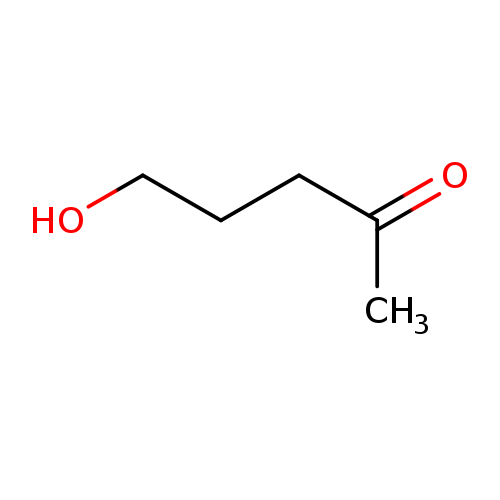
5-Hydroxy-2-pentanoneCatalog No.:AA00347H CAS No.:1071-73-4 MDL No.:MFCD00002961 MF:C5H10O2 MW:102.1317 |
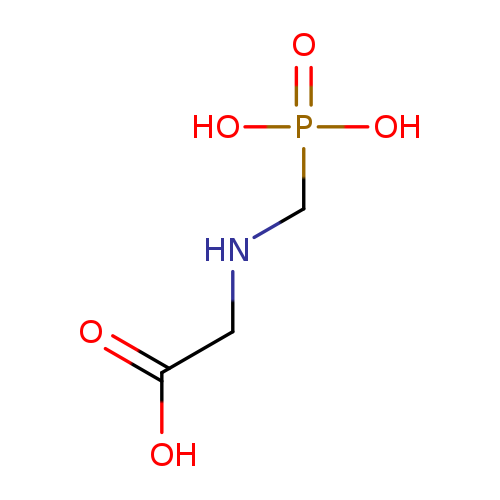
N-PhosphomethylglycineCatalog No.:AA0034WG CAS No.:1071-83-6 MDL No.:MFCD00055350 MF:C3H8NO5P MW:169.0731 |
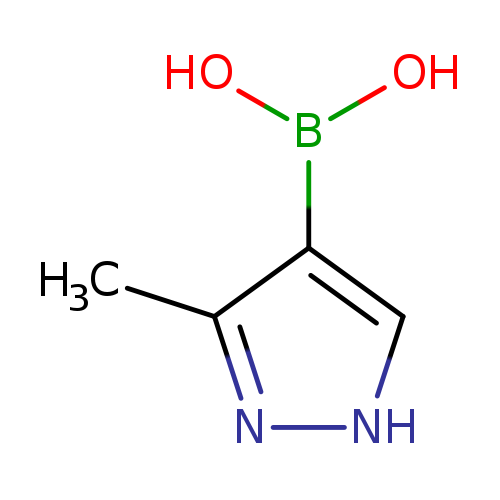
3-Methylpyrazole-4-boronic acidCatalog No.:AA00388V CAS No.:1071455-14-5 MDL No.:MFCD12546507 MF:C4H7BN2O2 MW:125.9216 |
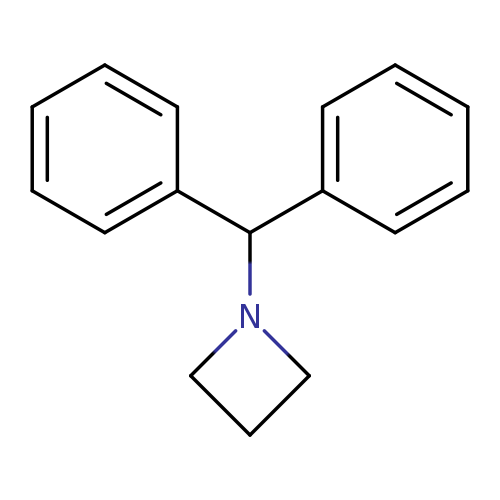
1-BenzhydrylazetidineCatalog No.:AA003DW4 CAS No.:107128-00-7 MDL No.:MFCD00192107 MF:C16H17N MW:223.3129 |
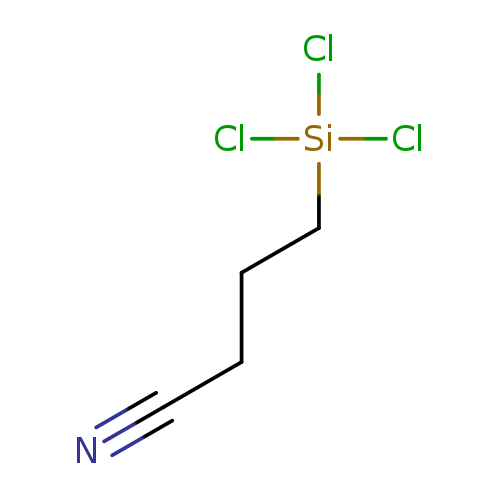
3-CYANOPROPYLTRICHLOROSILANECatalog No.:AA003J9P CAS No.:1071-27-8 MDL No.:MFCD00013832 MF:C4H6Cl3NSi MW:202.5416 |
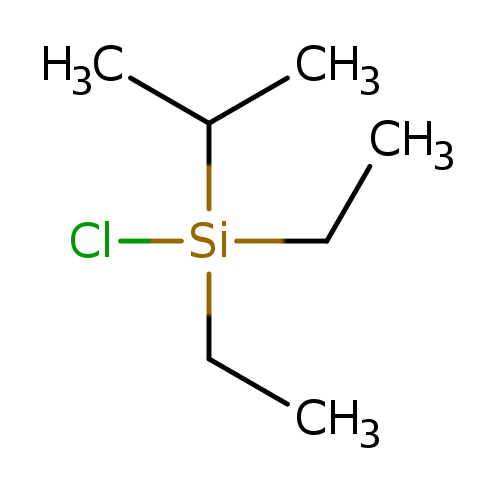
chlorodiethyl(propan-2-yl)silaneCatalog No.:AA003PFG CAS No.:107149-56-4 MDL No.:MFCD00191631 MF:C7H17ClSi MW:164.7484 |
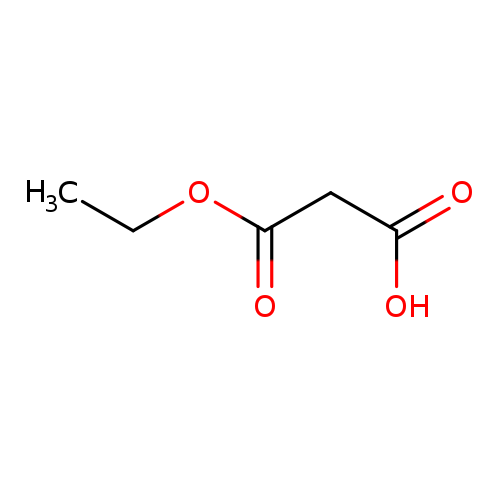
3-Ethoxy-3-oxopropanoic acidCatalog No.:AA003QCJ CAS No.:1071-46-1 MDL No.:MFCD00020490 MF:C5H8O4 MW:132.1146 |
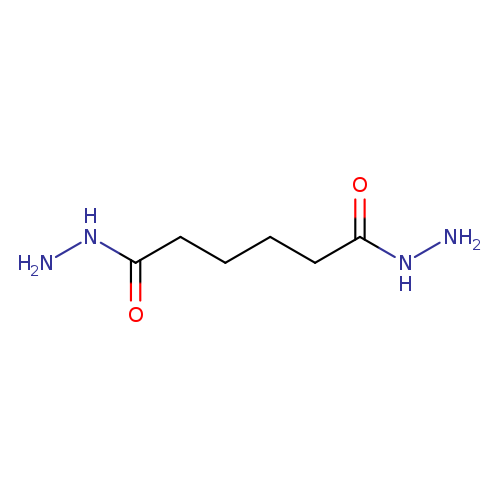
AdipohydrazideCatalog No.:AA003QU1 CAS No.:1071-93-8 MDL No.:MFCD00007614 MF:C6H14N4O2 MW:174.2010 |
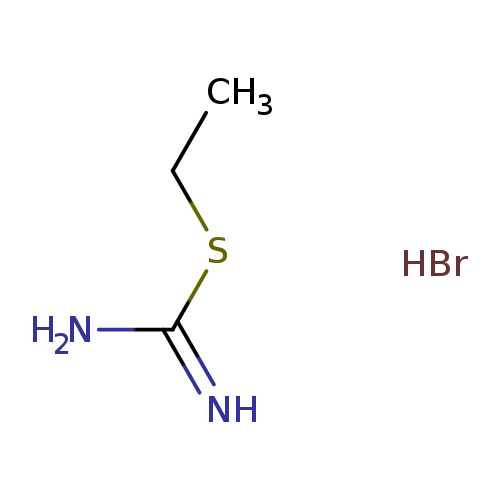
Ethyl carbamimidothioate hydrobromideCatalog No.:AA003U61 CAS No.:1071-37-0 MDL No.:MFCD00012585 MF:C3H9BrN2S MW:185.0860 |

Methyl 1-methyl-1H-indazole-4-carboxylateCatalog No.:AA007B19 CAS No.:1071428-42-6 MDL No.:MFCD00509937 MF:C10H10N2O2 MW:190.1986 |
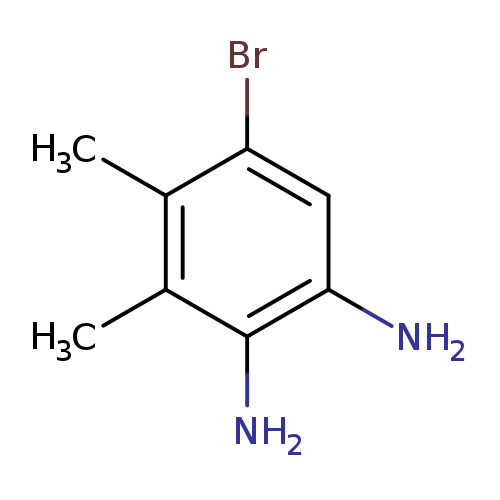
5-Bromo-3,4-dimethylbenzene-1,2-diamineCatalog No.:AA007B30 CAS No.:107100-16-3 MDL No.:MFCD00052696 MF:C8H11BrN2 MW:215.0903 |
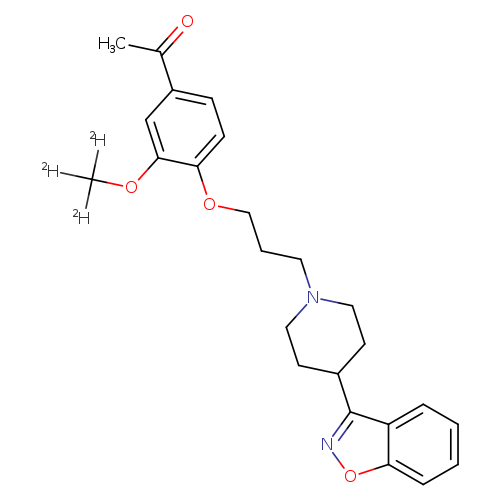
Iloperidone-d3Catalog No.:AA007B2Y CAS No.:1071167-49-1 MDL No.:MFCD30145898 MF:C24H24D3FN2O4 MW:429.4991 |
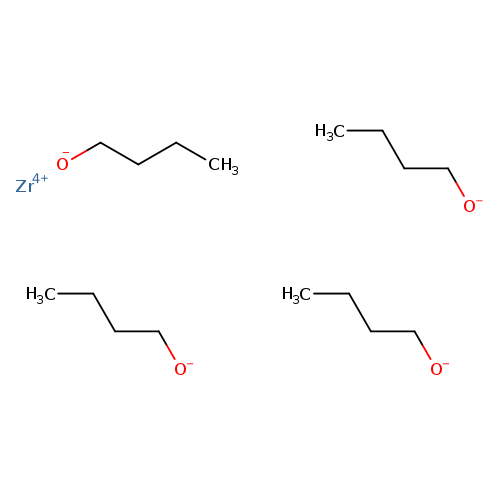
Zirconiumn-butoxideCatalog No.:AA007T68 CAS No.:1071-76-7 MDL No.:MFCD00048765 MF:C16H36O4Zr MW:383.6786 |
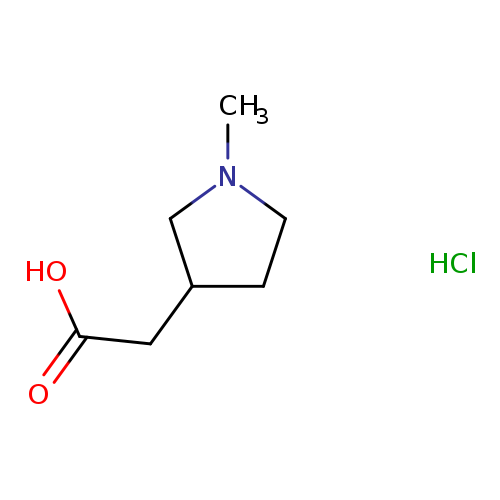
2-(1-Methylpyrrolidin-3-yl)acetic acid hydrochlorideCatalog No.:AA007TBZ CAS No.:1071634-26-8 MDL No.:MFCD23135758 MF:C7H14ClNO2 MW:179.6446 |
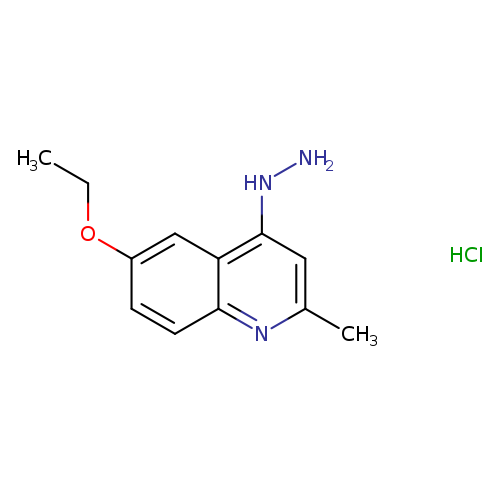
6-Ethoxy-4-hydrazino-2-methylquinoline hydrochlorideCatalog No.:AA007TC0 CAS No.:1071572-37-6 MDL No.:MFCD09787829 MF:C12H16ClN3O MW:253.7279 |
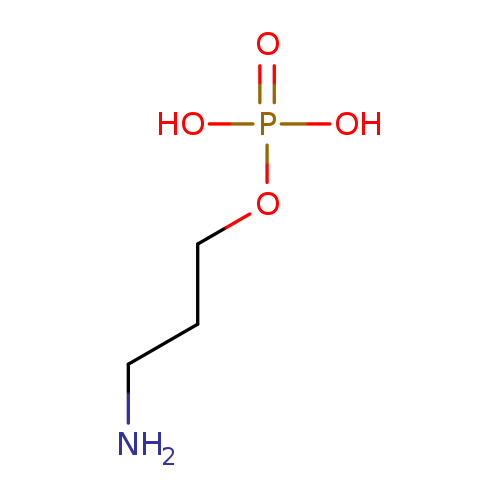
3-Aminopropyl dihydrogen phosphateCatalog No.:AA0082IO CAS No.:1071-28-9 MDL No.:MFCD01757086 MF:C3H10NO4P MW:155.0896 |
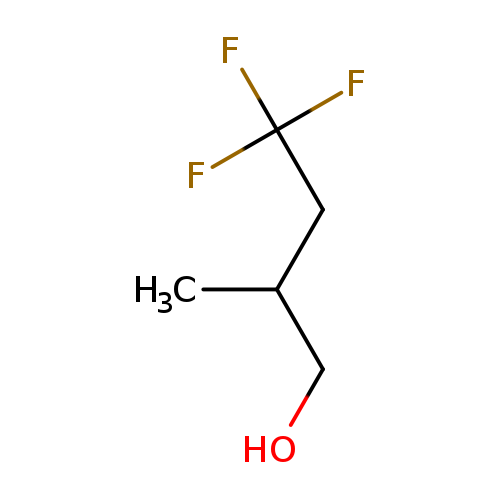
4,4,4-Trifluoro-2-methyl-1-butanolCatalog No.:AA0082IS CAS No.:107103-95-7 MDL No.:MFCD00190639 MF:C5H9F3O MW:142.1196 |
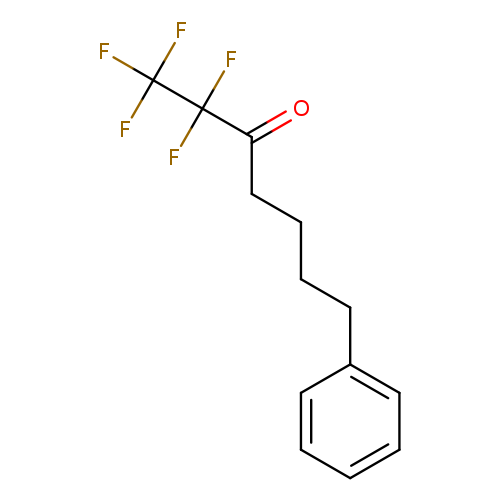
FKGK 11Catalog No.:AA008SP2 CAS No.:1071000-98-0 MDL No.:MFCD18382097 MF:C13H13F5O MW:280.2337 |
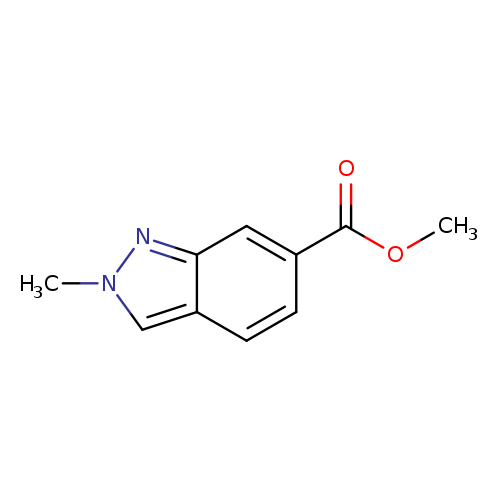
Methyl 2-methyl-2H-indazole-6-carboxylateCatalog No.:AA008TO1 CAS No.:1071433-01-6 MDL No.:MFCD11109407 MF:C10H10N2O2 MW:190.1986 |
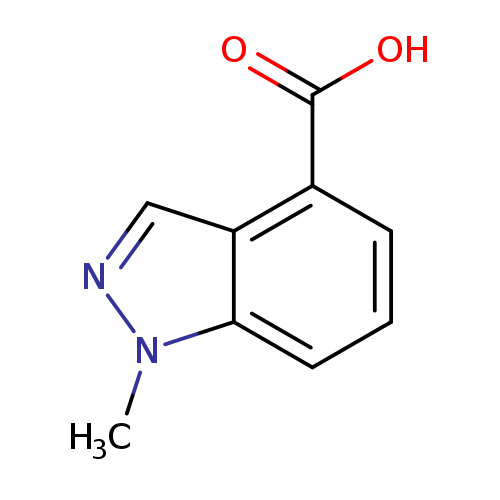
1-Methyl-1H-indazole-4-carboxylic acidCatalog No.:AA008TWW CAS No.:1071433-05-0 MDL No.:MFCD15071442 MF:C9H8N2O2 MW:176.1720 |
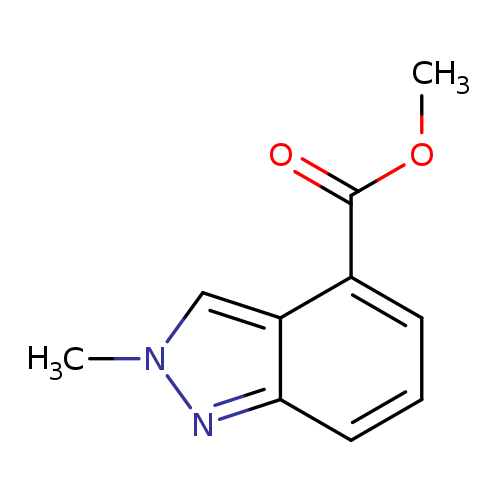
Methyl 2-methyl-2H-indazole-4-carboxylateCatalog No.:AA008U27 CAS No.:1071428-43-7 MDL No.:MFCD11109405 MF:C10H10N2O2 MW:190.1986 |
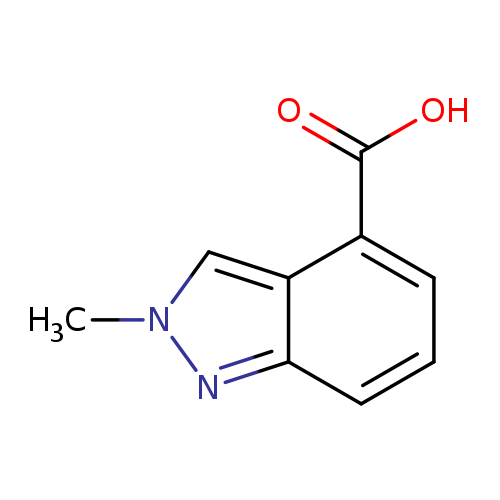
2-Methyl-2H-indazole-4-carboxylic acidCatalog No.:AA008U4G CAS No.:1071433-06-1 MDL No.:MFCD15071443 MF:C9H8N2O2 MW:176.1720 |
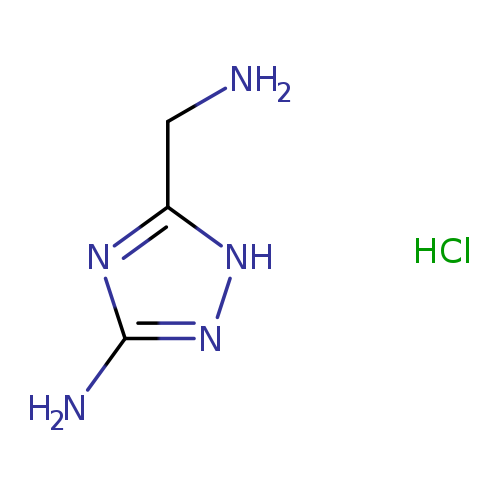
3-(Aminomethyl)-1H-1,2,4-triazol-5-amine hydrochlorideCatalog No.:AA008UAC CAS No.:1071625-99-4 MDL No.:MFCD19691792 MF:C3H8ClN5 MW:149.5821 |
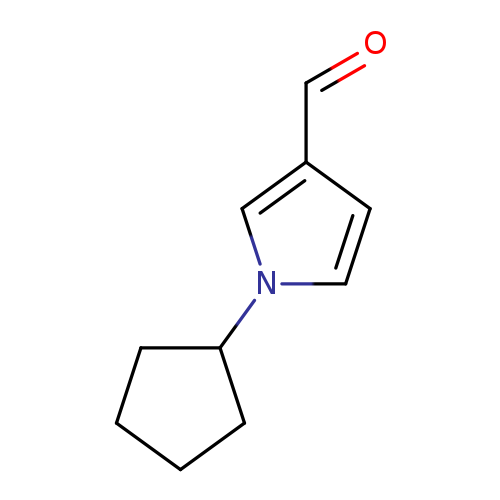
1-Cyclopentyl-1H-pyrrole-3-carbaldehydeCatalog No.:AA008V1F CAS No.:1071359-81-3 MDL No.:MFCD11695056 MF:C10H13NO MW:163.2163 |
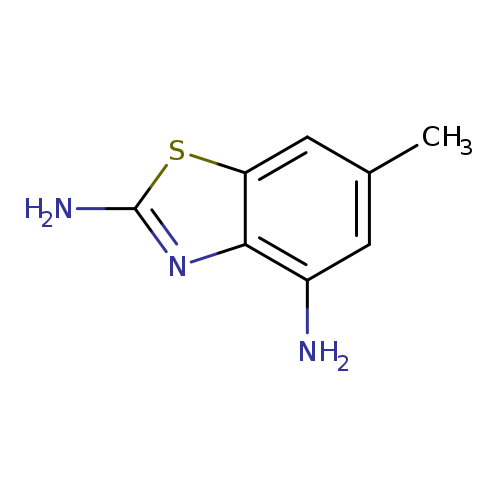
6-Methylbenzo[d]thiazole-2,4-diamineCatalog No.:AA008VBB CAS No.:1071346-94-5 MDL No.:MFCD11695879 MF:C8H9N3S MW:179.2422 |
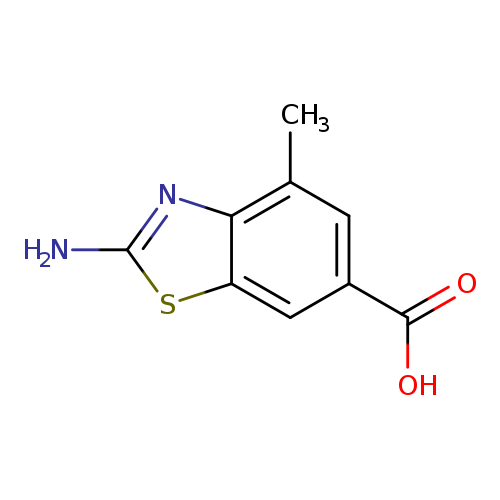
2-amino-4-methyl-1,3-benzothiazole-6-carboxylic acidCatalog No.:AA008VAW CAS No.:1071359-88-0 MDL No.:MFCD11695062 MF:C9H8N2O2S MW:208.2370 |
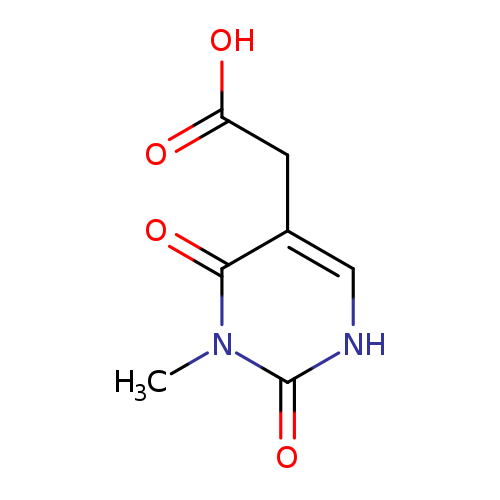
2-(3-Methyl-2,4-dioxo-1,2,3,4-tetrahydropyrimidin-5-yl)acetic acidCatalog No.:AA008VI9 CAS No.:1071308-45-6 MDL No.:MFCD11695658 MF:C7H8N2O4 MW:184.1494 |
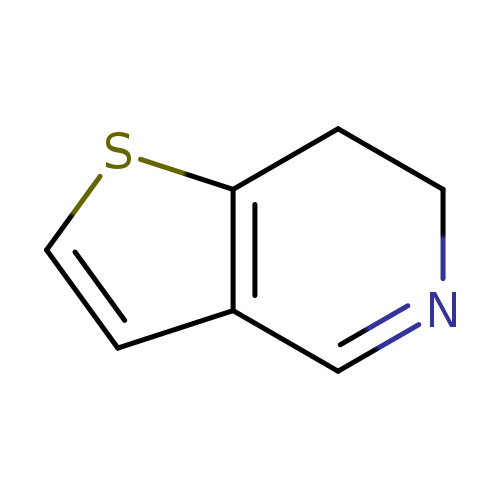
6,7-Dihydrothieno[3,2-c]pyridineCatalog No.:AA008W7Q CAS No.:107112-93-6 MDL No.:MFCD30741464 MF:C7H7NS MW:137.2022 |
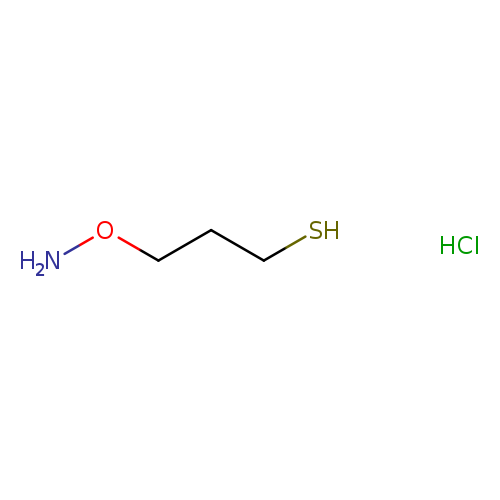
1-Propanethiol, 3-(aminooxy)-, hydrochloride (1:1)Catalog No.:AA008WX0 CAS No.:1071-99-4 MDL No.:MFCD15144903 MF:C3H10ClNOS MW:143.6356 |
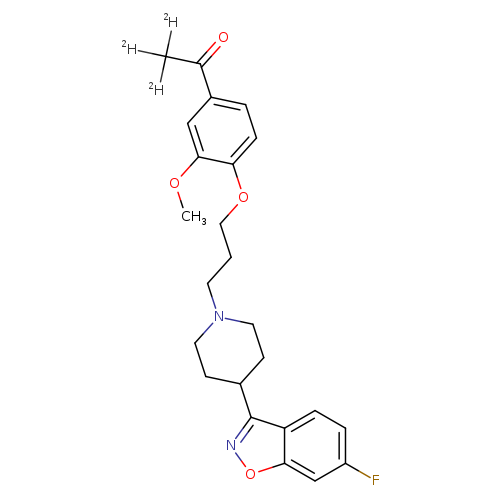
Iloperidone-d3Catalog No.:AA008WDG CAS No.:1071168-82-5 MDL No.: MF:C24H24D3FN2O4 MW:429.4991 |
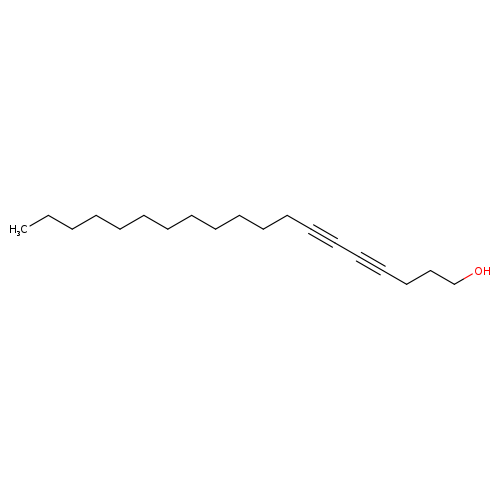
4,6-NOnadecadiyn-1-olCatalog No.:AA008XXW CAS No.:1071447-01-2 MDL No.:MFCD06797150 MF:C19H32O MW:276.4568 |
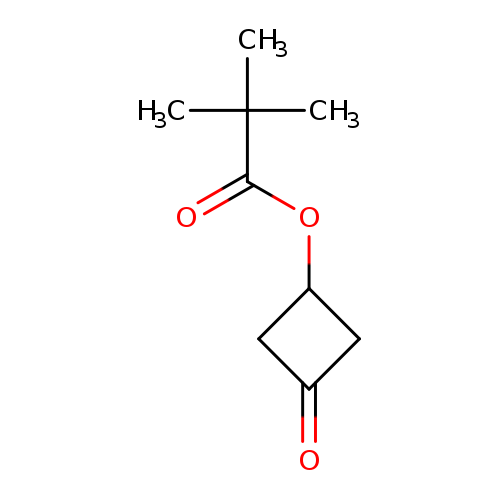
3-Oxocyclobutyl PivalateCatalog No.:AA008ZRL CAS No.:1071194-23-4 MDL No.:MFCD24690600 MF:C9H14O3 MW:170.2057 |
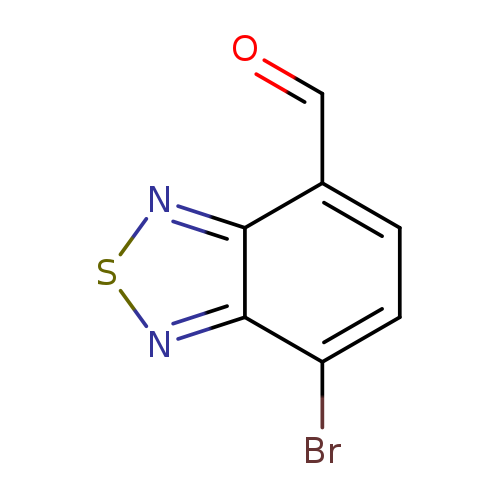
7-Bromobenzo[c][1,2,5]thiadiazole-4-carbaldehydeCatalog No.:AA0091WO CAS No.:1071224-34-4 MDL No.:MFCD23704428 MF:C7H3BrN2OS MW:243.0805 |
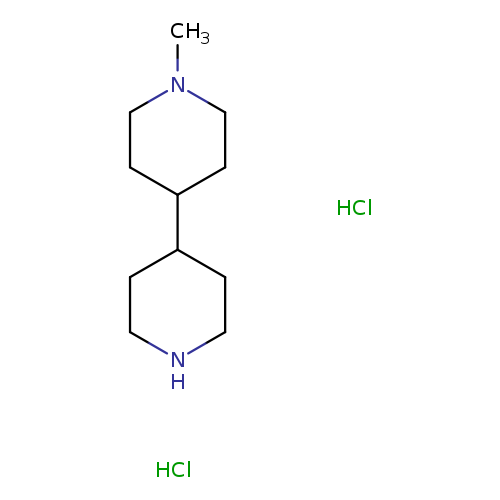
1-Methyl-4,4'-bipiperidine dihydrochlorideCatalog No.:AA0092B0 CAS No.:1071634-39-3 MDL No.:MFCD09759210 MF:C11H24Cl2N2 MW:255.2277 |
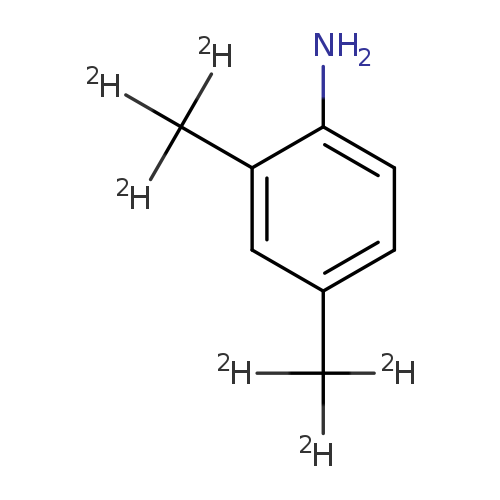
2,4-Xylidine-d6Catalog No.:AA00962J CAS No.:1071170-27-8 MDL No.:MFCD22565800 MF:C8H5D6N MW:127.2166 |
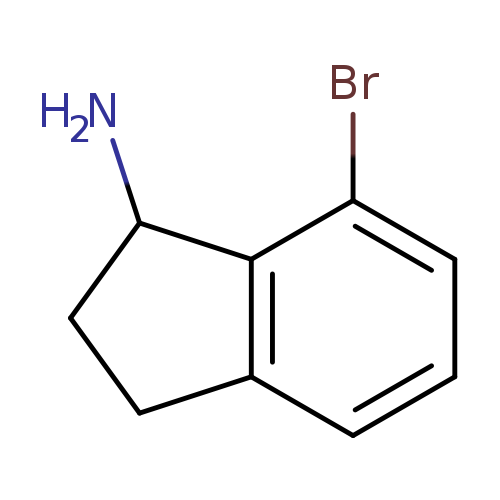
1H-Inden-1-amine, 7-bromo-2,3-dihydro-Catalog No.:AA009663 CAS No.:1071449-08-5 MDL No.:MFCD17215685 MF:C9H10BrN MW:212.0864 |
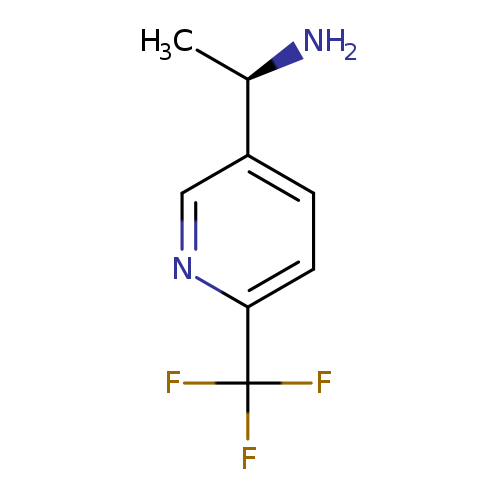
(1R)-1-[6-(trifluoromethyl)(3-pyridyl)]ethylamineCatalog No.:AA00968Y CAS No.:1071435-61-4 MDL No.:MFCD09256746 MF:C8H9F3N2 MW:190.1657 |
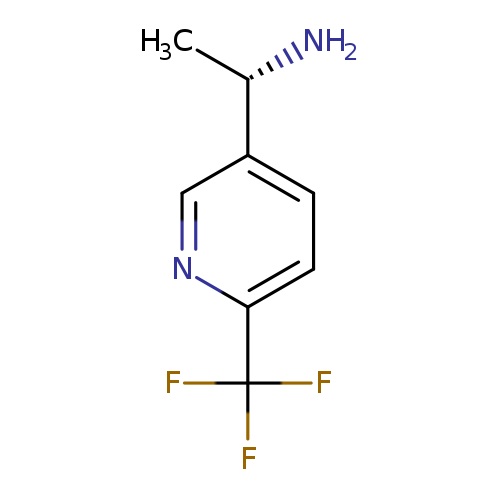
(1S)-1-[6-(trifluoromethyl)(3-pyridyl)]ethylamineCatalog No.:AA009690 CAS No.:1071435-62-5 MDL No.:MFCD09256747 MF:C8H9F3N2 MW:190.1657 |
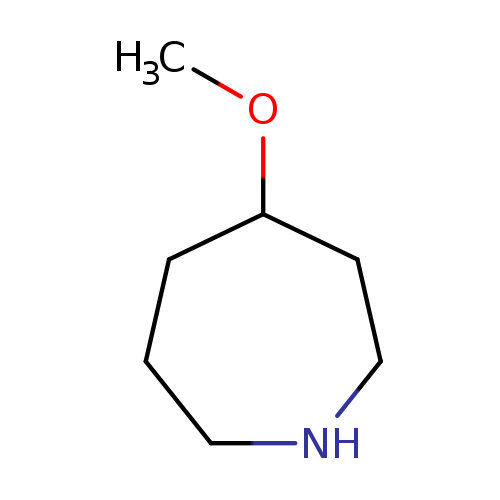
4-MethoxyazepaneCatalog No.:AA00995Y CAS No.:1071594-49-4 MDL No.:MFCD17015864 MF:C7H15NO MW:129.2001 |
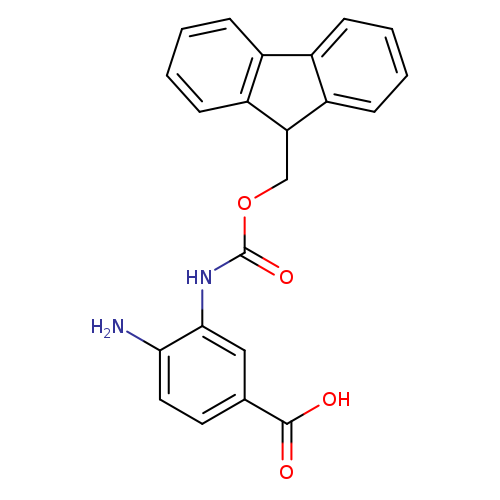
3-((((9H-Fluoren-9-yl)methoxy)carbonyl)amino)-4-aminobenzoic acidCatalog No.:AA009KAG CAS No.:1071446-05-3 MDL No.:MFCD22989433 MF:C22H18N2O4 MW:374.3893 |
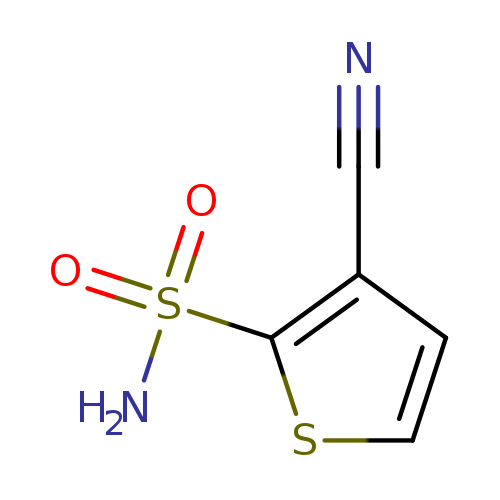
3-Cyanothiophene-2-sulfonamideCatalog No.:AA009T9V CAS No.:107142-12-1 MDL No.:MFCD18817149 MF:C5H4N2O2S2 MW:188.2275 |
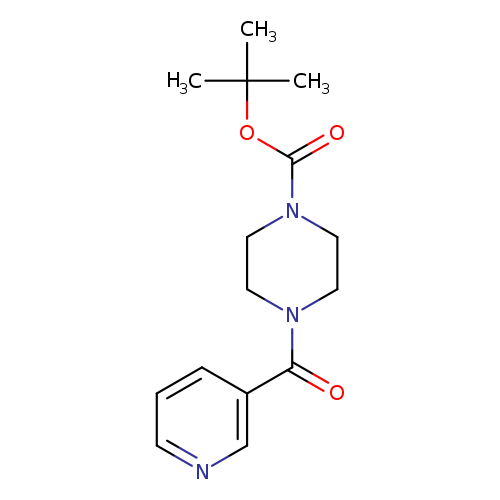
1-BOC-4-(3-PYRIDINYLCARBONYL)PIPERAZINECatalog No.:AA00HAUU CAS No.:1071521-50-0 MDL No.:MFCD16620803 MF:C15H21N3O3 MW:291.3455 |
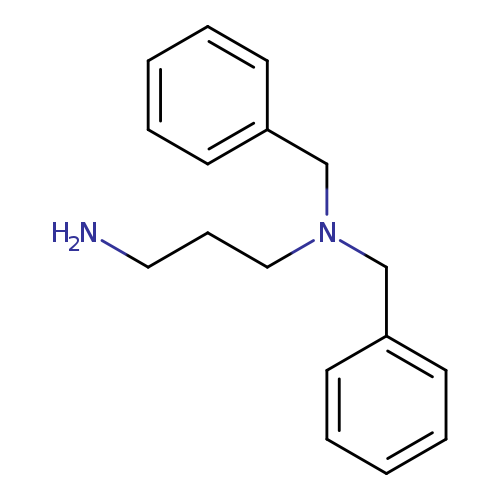
(3-Aminopropyl)dibenzylamineCatalog No.:AA00HAUL CAS No.:107142-94-9 MDL No.:MFCD12569920 MF:C17H22N2 MW:254.3700 |
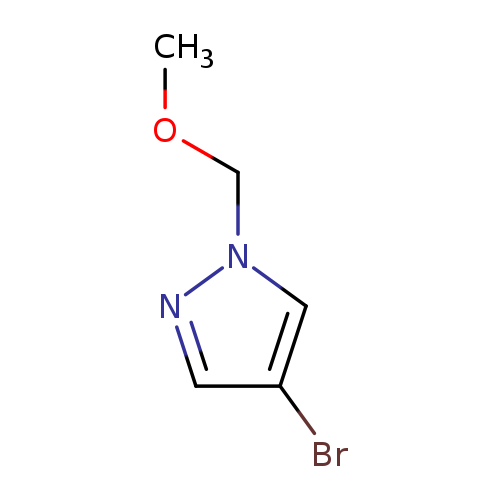
4-Bromo-1-(Methoxymethyl)-1H-pyrazoleCatalog No.:AA00HATY CAS No.:1071200-42-4 MDL No.:MFCD18324047 MF:C5H7BrN2O MW:191.0259 |
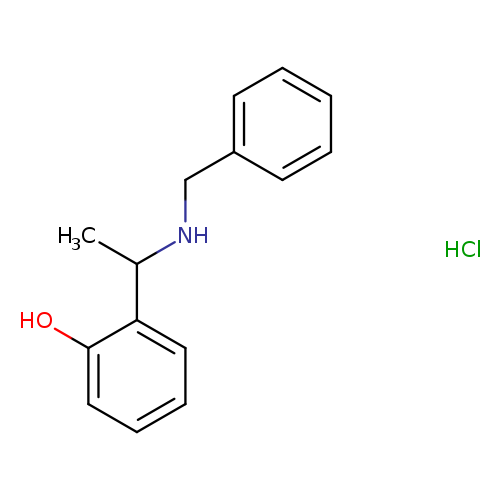
2-(1-(Benzylamino)ethyl)phenol hydrochlorideCatalog No.:AA00HAUY CAS No.:1071628-77-7 MDL No.:MFCD26959779 MF:C15H18ClNO MW:263.7625 |
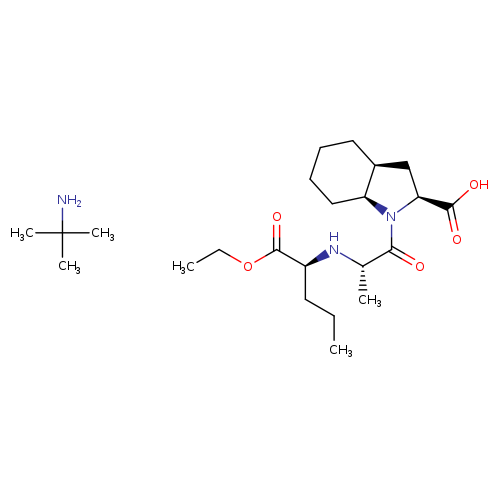
Perindopril erbumineCatalog No.:AA00IKH7 CAS No.:107133-36-8 MDL No.:MFCD02313824 MF:C23H43N3O5 MW:441.6046 |
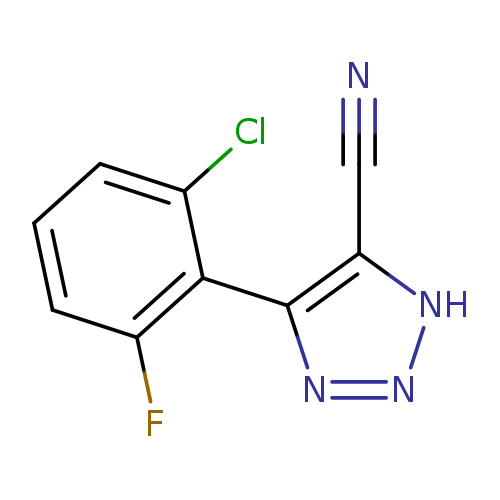
4-(2-chloro-6-fluorophenyl)-1H-1,2,3-triazole-5-carbonitrileCatalog No.:AA00ITI9 CAS No.:1071166-49-8 MDL No.:MFCD00245951 MF:C9H4ClFN4 MW:222.6063 |
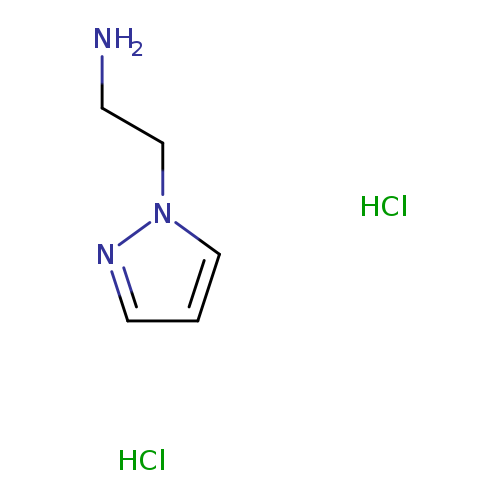
[2-(1H-Pyrazol-1-yl)ethyl]amine dihydrochlorideCatalog No.:AA00J0QY CAS No.:1071550-46-3 MDL No.:MFCD06801243 MF:C5H11Cl2N3 MW:184.0669 |
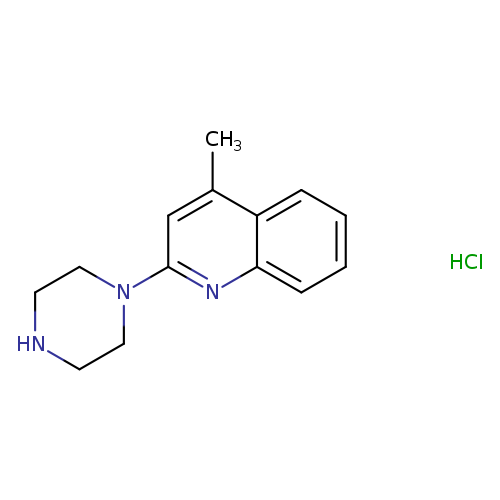
4-methyl-2-(1-piperazinyl)quinoline hydrochlorideCatalog No.:AA00J0SK CAS No.:1071545-91-9 MDL No.:MFCD07202007 MF:C14H18ClN3 MW:263.7658 |
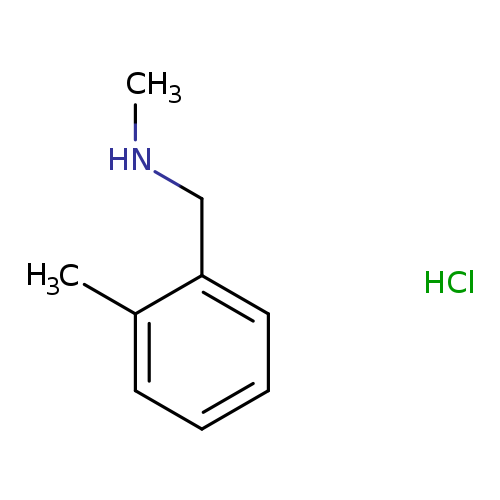
N-methyl-1-(2-methylphenyl)methanamine hydrochlorideCatalog No.:AA00J1RL CAS No.:1071580-83-0 MDL No.:MFCD07110180 MF:C9H14ClN MW:171.6672 |
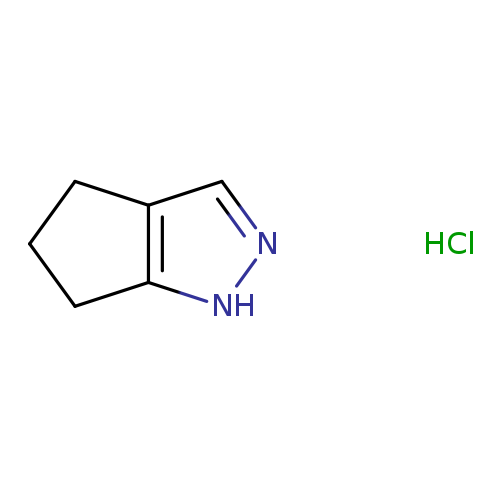
1,4,5,6-Tetrahydrocyclopenta[c]pyrazole hydrochlorideCatalog No.:AA00J1ZY CAS No.:1071575-85-3 MDL No.:MFCD11983586 MF:C6H9ClN2 MW:144.6021 |
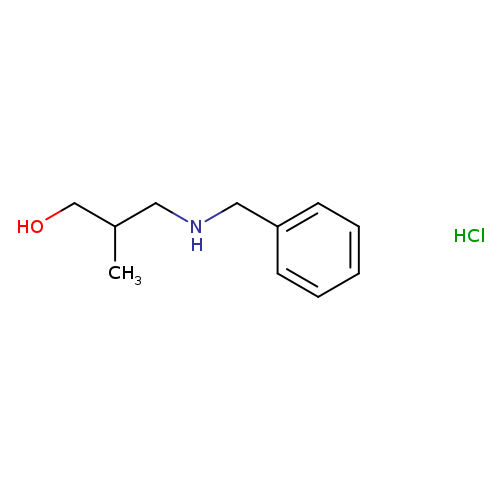
3-(Benzylamino)-2-methylpropan-1-ol hydrochlorideCatalog No.:AA00J3VE CAS No.:1071567-87-7 MDL No.:MFCD11179446 MF:C11H18ClNO MW:215.7197 |
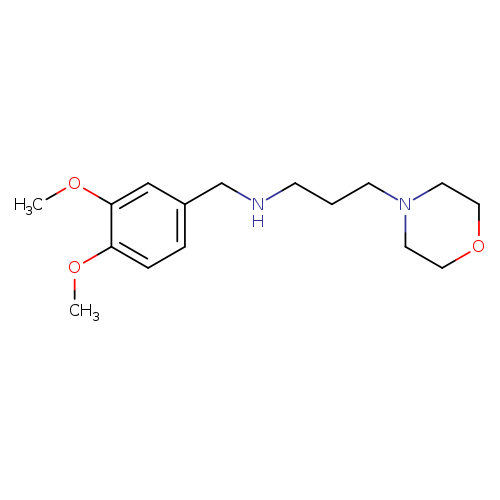
N-(3,4-Dimethoxybenzyl)-3-morpholinopropan-1-amineCatalog No.:AA018XWV CAS No.:107155-56-6 MDL No.:MFCD01475400 MF:C16H26N2O3 MW:294.3892 |
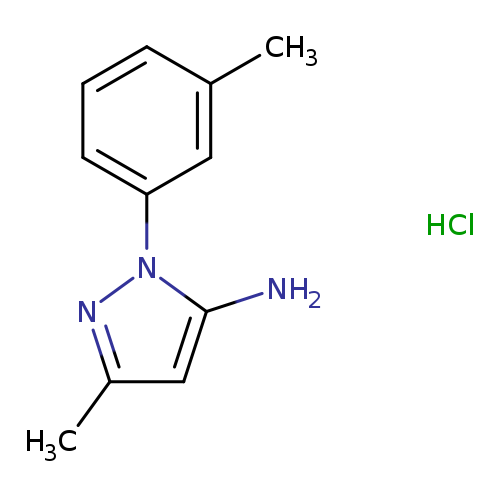
3-methyl-1-(3-methylphenyl)-1H-pyrazol-5-amine hydrochlorideCatalog No.:AA019H0Y CAS No.:1071548-24-7 MDL No.:MFCD08447169 MF:C11H14ClN3 MW:223.7020 |
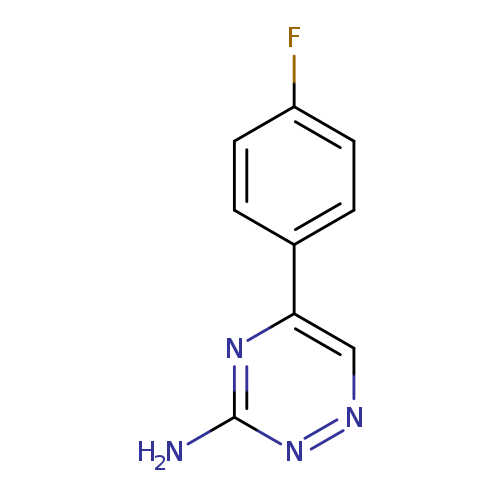
5-(4-Fluorophenyl)-1,2,4-triazin-3-amineCatalog No.:AA019X1L CAS No.:107128-47-2 MDL No.:MFCD06739746 MF:C9H7FN4 MW:190.1771 |
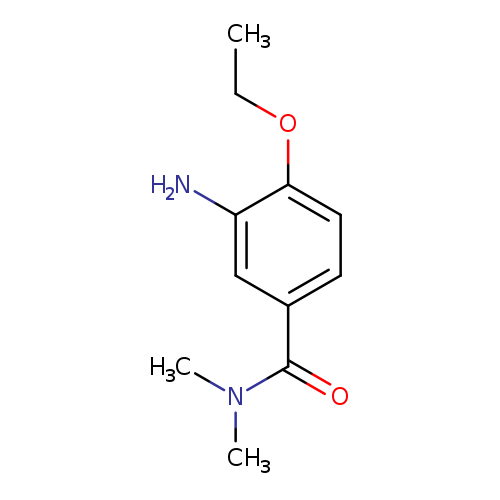
3-Amino-4-ethoxy-N,N-dimethylbenzamideCatalog No.:AA019YBL CAS No.:1071290-49-7 MDL No.:MFCD11695218 MF:C11H16N2O2 MW:208.2569 |
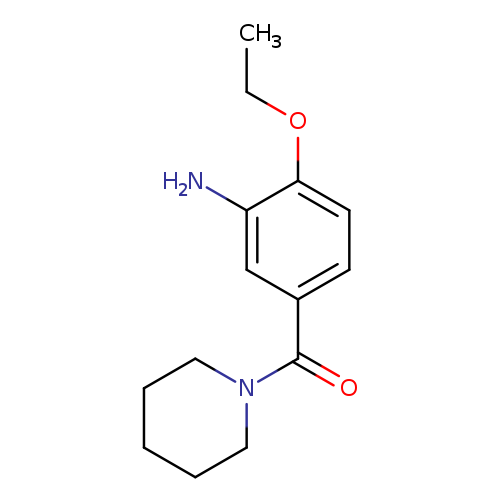
2-Ethoxy-5-[(piperidin-1-yl)carbonyl]anilineCatalog No.:AA019YE6 CAS No.:1071395-78-2 MDL No.:MFCD11695230 MF:C14H20N2O2 MW:248.3208 |
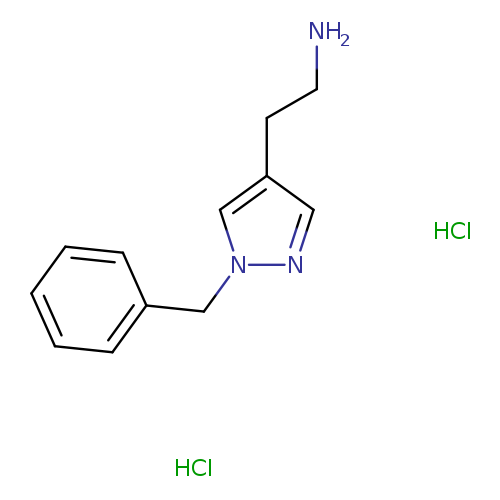
2-(1-benzyl-1H-pyrazol-4-yl)ethan-1-amine dihydrochlorideCatalog No.:AA019ZFV CAS No.:1071537-11-5 MDL No.:MFCD22369966 MF:C12H17Cl2N3 MW:274.1895 |
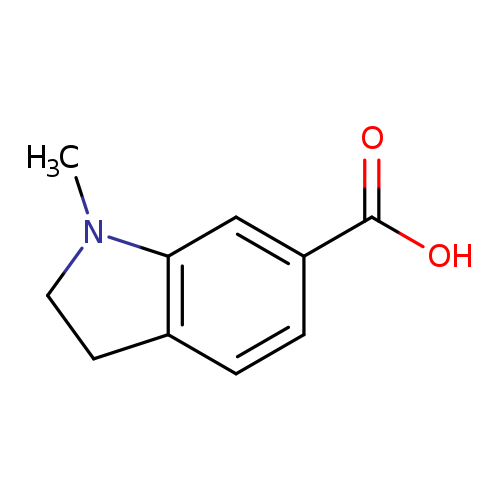
1-Methylindoline-6-carboxylic acidCatalog No.:AA01A668 CAS No.:1071432-99-9 MDL No.:MFCD20660457 MF:C10H11NO2 MW:177.1998 |
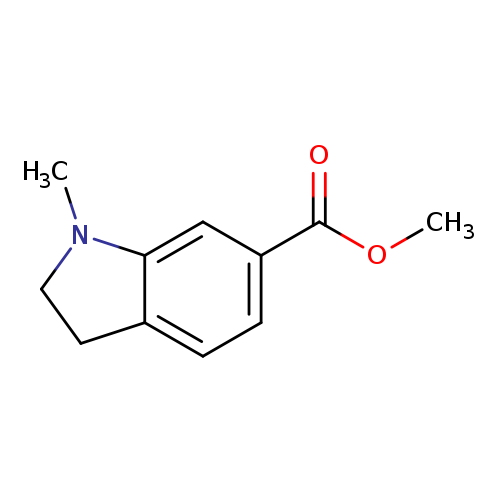
methyl 1-methyl-2,3-dihydro-1H-indole-6-carboxylateCatalog No.:AA01A6H8 CAS No.:1071432-28-4 MDL No.:MFCD25970327 MF:C11H13NO2 MW:191.2264 |
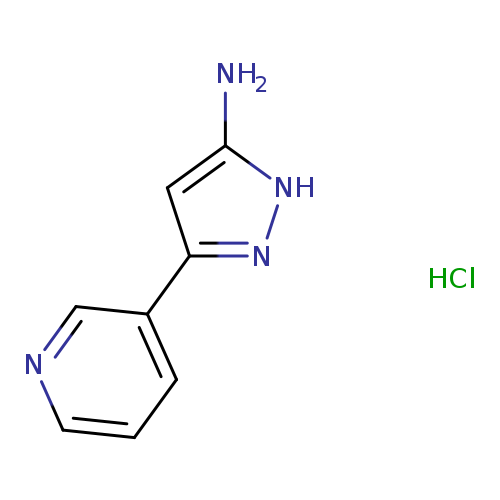
5-(Pyridin-3-yl)-1H-pyrazol-3-amine hydrochlorideCatalog No.:AA01A7SD CAS No.:1071623-05-6 MDL No.:MFCD28252264 MF:C8H9ClN4 MW:196.6369 |
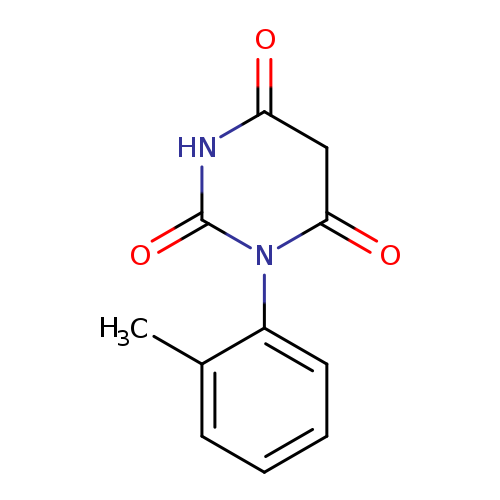
1-(2-methylphenyl)-2,4,6(1H,3H,5H)-pyrimidinetrioneCatalog No.:AA01APXL CAS No.:107147-53-5 MDL No.:MFCD00552519 MF:C11H10N2O3 MW:218.2087 |
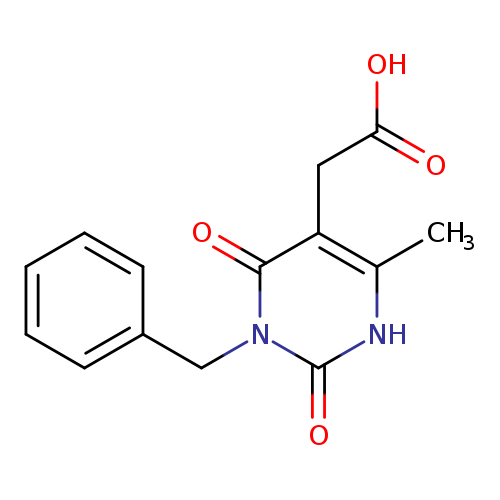
2-(3-benzyl-6-methyl-2,4-dioxo-1,2,3,4-tetrahydropyrimidin-5-yl)acetic acidCatalog No.:AA01AQTJ CAS No.:1071381-42-4 MDL No.:MFCD11695554 MF:C14H14N2O4 MW:274.2720 |
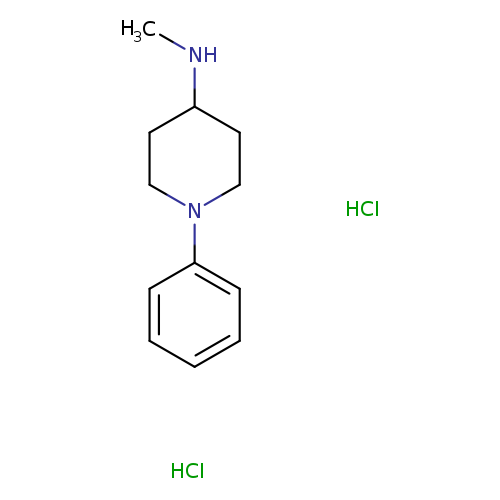
N-methyl-1-phenylpiperidin-4-amine dihydrochlorideCatalog No.:AA01BH74 CAS No.:1071590-88-9 MDL No.:MFCD28139558 MF:C12H20Cl2N2 MW:263.2066 |
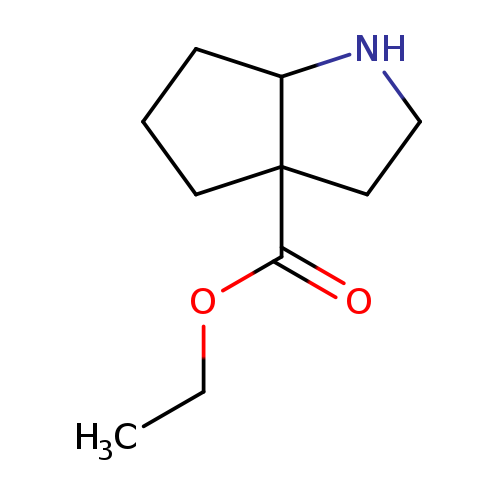
Ethyl octahydrocyclopenta[b]pyrrole-3a-carboxylateCatalog No.:AA01BNAU CAS No.:1071585-99-3 MDL No.:MFCD24518617 MF:C10H17NO2 MW:183.2475 |
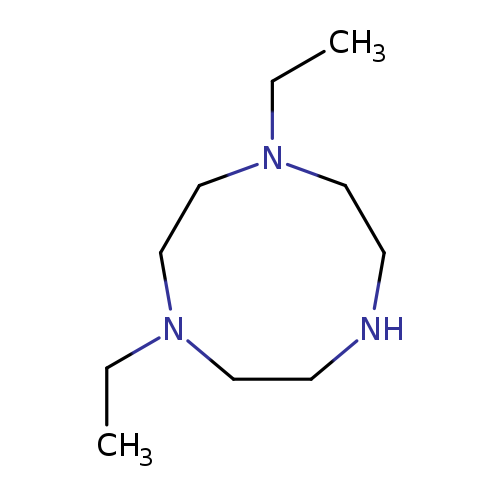
1,4-diethyl-1,4,7-triazonaneCatalog No.:AA01BU27 CAS No.:1071170-26-7 MDL No.:MFCD20683269 MF:C10H23N3 MW:185.3097 |
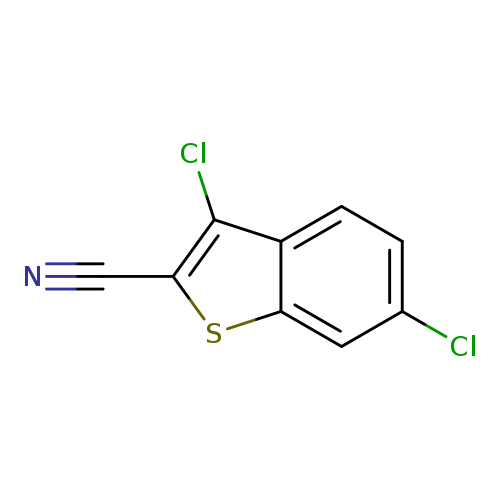
3,6-dichloro-1-benzothiophene-2-carbonitrileCatalog No.:AA01BU8M CAS No.:1071350-10-1 MDL No.:MFCD11696309 MF:C9H3Cl2NS MW:228.0978 |
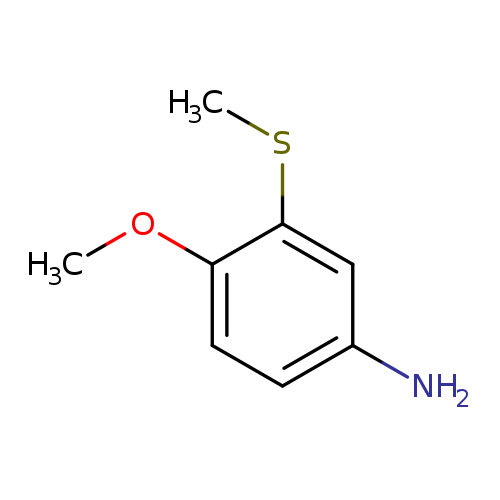
4-Methoxy-3-(methylsulfanyl)anilineCatalog No.:AA01C2GR CAS No.:1071602-10-2 MDL No.:MFCD22489025 MF:C8H11NOS MW:169.244 |
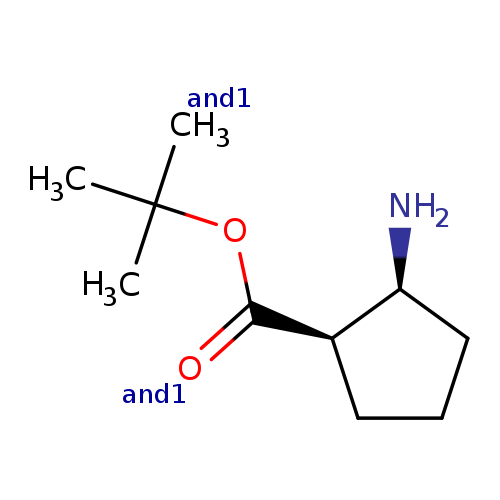
rac-tert-butyl (1R,2S)-2-aminocyclopentane-1-carboxylateCatalog No.:AA01CA4Q CAS No.:1071428-75-5 MDL No.:MFCD31617830 MF:C10H19NO2 MW:185.2634 |
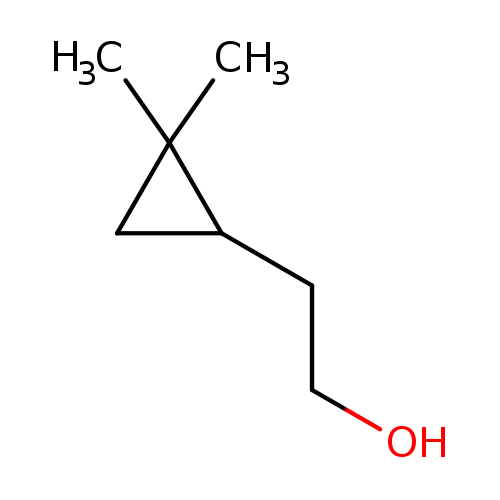
2-(2,2-dimethylcyclopropyl)ethan-1-olCatalog No.:AA01CAAJ CAS No.:1071087-95-0 MDL No.:MFCD29971681 MF:C7H14O MW:114.1855 |
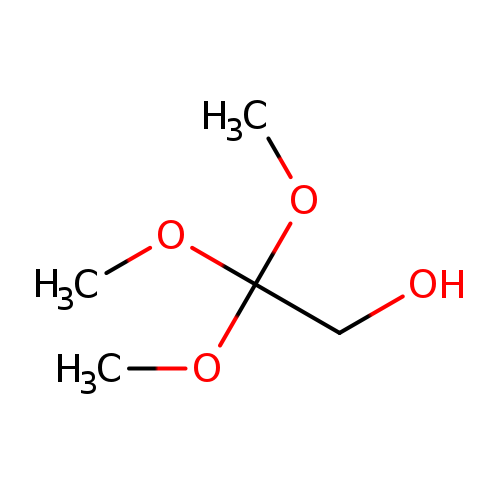
2,2,2-trimethoxyethan-1-olCatalog No.:AA01DX73 CAS No.:107155-72-6 MDL No.:MFCD12403548 MF:C5H12O4 MW:136.1464 |
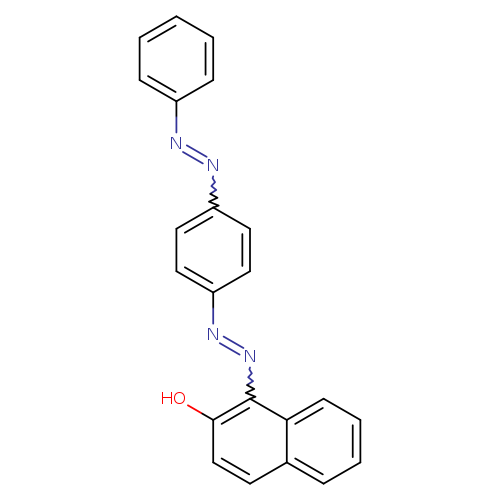
1-{2-[4-(2-phenyldiazen-1-yl)phenyl]diazen-1-yl}naphthalen-2-olCatalog No.:AA01EMHK CAS No.:1071538-45-8 MDL No.:MFCD00003905 MF:C22H16N4O MW:352.3886 |
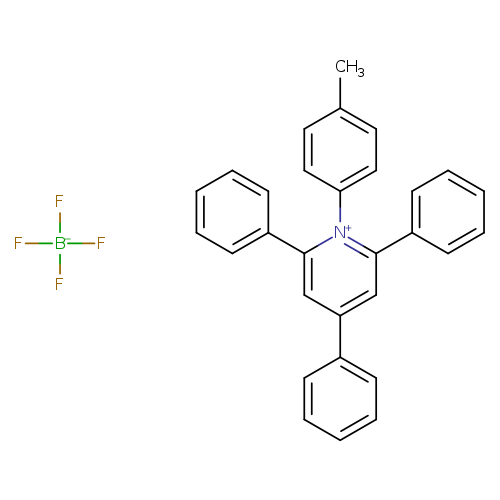
1-(4-Methylphenyl)-2,4,6-triphenylpyridinium tetrafluoroborateCatalog No.:AA01EQMA CAS No.:107108-26-9 MDL No.:MFCD00960926 MF:C30H24BF4N MW:485.3229 |
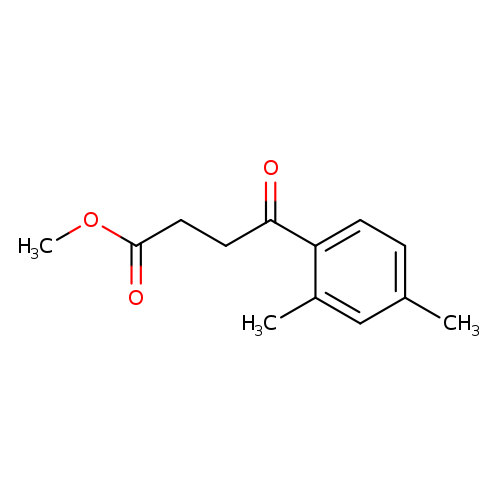
Methyl 4-(2,4-dimethylphenyl)-4-oxobutanoateCatalog No.:AA01FAGM CAS No.:107151-32-6 MDL No.:MFCD16068125 MF:C13H16O3 MW:220.2643 |
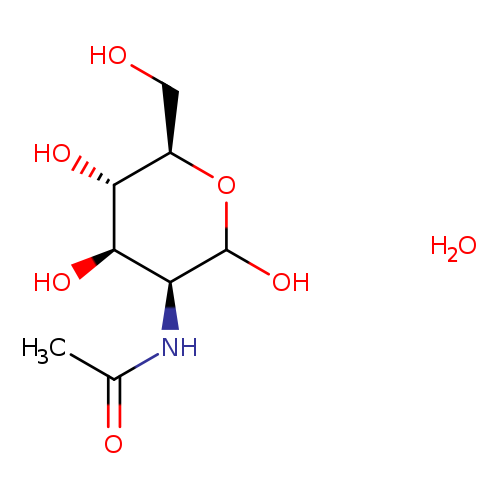
N-((2R,3S,4R,5S,6R)-2,4,5-Trihydroxy-6-(hydroxymethyl)tetrahydro-2H-pyran-3-yl)acetamide hydrateCatalog No.:AA01FDYP CAS No.:1071625-31-4 MDL No.:MFCD00149493 MF:C8H17NO7 MW:239.2231 |
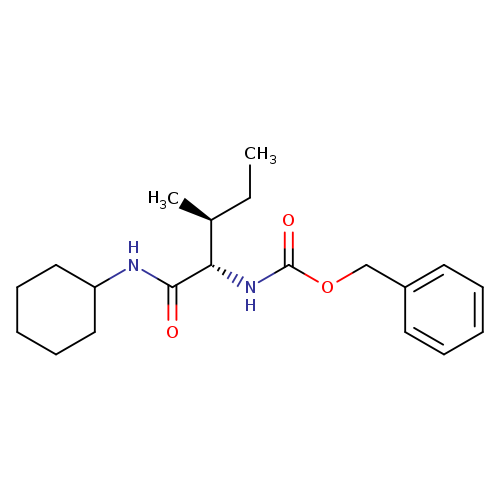
N-Cyclohexyl L-Z-isoleucinamideCatalog No.:AA009484 CAS No.:1071594-16-5 MDL No.:MFCD23135925 MF:C20H30N2O3 MW:346.4638 |
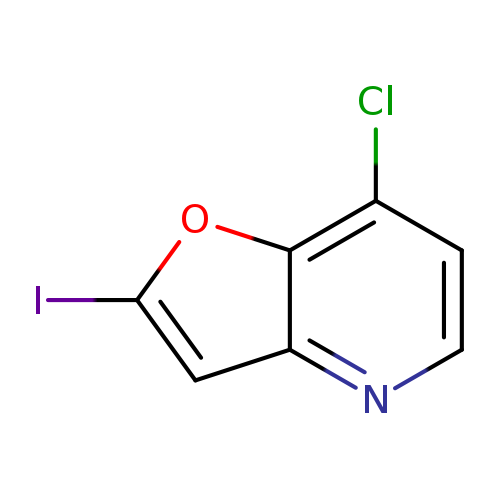
7-Chloro-2-iodofuro[3,2-b]pyridineCatalog No.:AA0094OC CAS No.:1071540-54-9 MDL No.:MFCD17016060 MF:C7H3ClINO MW:279.4623 |
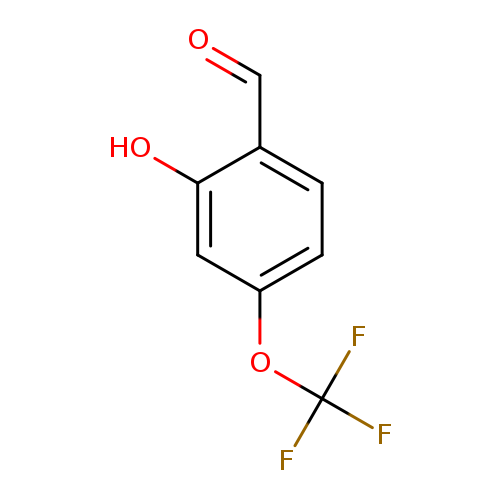
2-Hydroxy-4-(trifluoromethoxy)benzaldehydeCatalog No.:AA00HATX CAS No.:1071156-25-6 MDL No.:MFCD18397426 MF:C8H5F3O3 MW:206.1187 |