

2020-02-29 12:41:33
Chieh-Yu Chang, Yu-Huan Lin and Yen-Ku Wu
Indoles are prevailing structural motifs in natural products, pharmaceutical agents, and organic optoelectronic materials. Given their significance, the selective functionalization of this privileged scaffold continues to be the essence of many synthetic studies.1 In particular, extensive efforts have been undertaken to develop methods for the selective allylic alkylation of indole nucleophiles at N1 and C3 sites.2 The formation of C3-allylated products from simple indoles is generally favored due to the high reactivity of the C3 position toward electrophiles.3 On the other hand, it has been reported that the reaction courses of indolates, an ambient nucleophile, are strongly dependent on the choice of counter cations and polarity of solvents; for instance, the reaction at N1 was shown to be facilitated with less covalently coordinated metal ions and in a polar medium.4 However, such conventional transformations necessitate the employment of strong bases, thus restricting their scope due to the incompatibility of base-sensitive functional groups.
Catalysis by transition metal complexes has emerged as an indispensible approach for the C3-allylation of indoles.5 Despite the poor capability of the hydroxyl group to serve as a leaving group,6 a number of catalytic systems have been devised for the direct allylation of indoles with allylic alcohols; most notably, excellent C3 selectivity had been observed in each of these cases (Scheme 1a).7 Nevertheless, catalytic protocols for the N1-selective allylation of indoles remain rare. Bandini and Umani-Ronchi showed the Pd-catalyzed alkylation of indoles with allylic carbonates could occur at the N1 site by judiciously selecting bases and solvents, however the reaction scope had not been broadly studied (Scheme 1b).8 Recent advances by Stanley and Hartwig were achieved upon strategic installation of an electron-withdrawing substituent to the indole nucleus, which tempers the C3-nucleophilicity as well as increasing N–H acidity (Scheme 1c).9 Other ingenious methods exploiting the N-substitution of indolines or aryl hydrazines require additional transformations to accomplish the formal N1-allylation of indoles.10 Therefore, a general N1-allylation of indoles by catalysis still represents a formidable challenge. It is also worth noting that the N1-selective condensation of indoles and allylic alcohols had been an unsolved problem. Here we report a Pd(0)/Ti(IV)- based tactic that directly addresses this gap in organic synthesis, and present a simple, high-yielding route to a wide variety of N-allylated indoles (Scheme 1d).
Palladium-catalyzed titanium(IV)-assisted catalytic allylations with underivatized allyl alcohols had been first developed by Miura and co-workers using phenols as the substrates.11 Later Yang12 and Wu13 showed analogous Pd(0)/Ti(IV) systems could be applied to the allylations of anilines and nitroalkanes, respectively. At the outset of this project, we sought to examine the capacity of these published conditions for the allylation of an electron-rich indole as a test substrate (Table 1). While the yields of the catalytic allylation were modest with 50 mol% of Ti(Oi-Pr)4 in the presence of different amounts of DBU, we observed an exclusive formation of N1-allylated product 2a along with unconsumed 5-methoxy- indole (1a) (entries 1 and 2). The complete selectivity favoring the N1 – over the C3-allylation was unprecedented with allylic alcohols as the allyl source; the corresponding N1,C3-bisallylated product was not detected even with the excess alcohol. Prompted by this intriguing find, we set out to optimize this reaction by systematically varying the molar ratio of titanium tetraisoprop- oxide and DBU. Increasing the equivalent of Ti(Oi-Pr)4 besteaded the reaction efficiency, but such beneficial effects reached a plateau at the level of 150 mol% Ti(Oi-Pr)4 (cf. entries 4 and 5). Further surveys on the loading of DBU showed 50 mol% is optimal to ensure efficient transformations (entries 6 and 7). The allylation with other bases including Hu¨nig’s base, triethyl- amine, pyridine, and 1,4-diazabicyclo[2.2.2]octane (DABCO) was also studied but gave inferior results than the one with DBU. In lieu of Ti(Oi-Pr)4, a few Lewis acids (AlCl3, Sc(OTf)3, and ZnI2) were examined; however, the desired N1-allylation product was not generated under those conditions. In consideration of cost and practicality, we examined the reaction of 5-methoxyindole with only 1.1 equiv. of b-methallyl alcohol and were delighted to see it still gave 2a in good yield (entry 8). We also performed control experiments which verified the requisite role of both the Ti(IV) reagent and the palladium catalyst (entries 9 and 10).
With the optimized condition in hand, we then explored the scope of N-unprotected indole substrates (Table 2). Indoles of diverse steric and electronic properties were reacted smoothly to give N1-allylated products in good to excellent yields. The broad functional group compatibility of this method is evident in exhibiting tolerance to halo, ester, cyano, nitro, allyl, tertiary amino, and formyl substituents (see 2e–g, 2h, 2i, 2j, 2n, 2o, 2q, respectively). Moreover, the exclusive N1-allylation of tryptophol showcased innocence of the primary hydroxyl group in the transformation (see 2p); such high level of selectivity, bypassing uses of protecting groups, would be hard to achieve with conventional N-allylation protocols involving the use of strong bases and allyl halides.14 In the cases of 2-substituted indoles, a minor amount of the corresponding N1,C3-bisallylated indoles were concomitantly formed with the expected products (see 2l and 2m);15 the results were attributed to the enhanced nucleo- philicity of the C3 cite by the C2-electron-donating substituent. The favorable N1-allylation of a highly sophisticated indole, namely reserpine,16 further testified the applicability of this method (see 2s). The reactions with a few representative allyl alcohols also delivered allylated products in excellent N1-selectivity (see 2t–w). In the case with crotyl alcohol, the branched product 2u was formed as the major component in a mixture of inseparable isomeric N-allylated indoles. On the other hand, the allylation with cinnamyl alcohol proceeded cleanly to afford linear allylated indole 2v as the sole product. The reason behind the observed branched/linear selectivity with crotyl and cinnamyl alcohol is still obscure and deserves further investigation. The reaction between indole and a cyclic allylic alcohol was relatively sluggish giving 2w in modest yield.17 Unfortunately, prenyl alcohol was not compatible with the standard reaction conditions. A few common heterocycles (pyrole, carbazole, indazole and phenothiazine) were subjected to the catalytic allylation; to our delight, the corresponding N-allylated products 3a–d were uneventfully produced in synthetically useful yields (Table 3).
A plausible reaction mechanism for the synthesis of 2 from indoles is illustrated in Scheme 2. We envisioned that titanium tetraisopropoxide serves a dual purpose of activating allyl alcohols toward the generation of a palladium p-allyl inter- mediate and functioning as a latent base for the deprotonation of indoles (for a related mechanistic discussion, please see ref. 11). Nevertheless, further computational studies are demanded to fully rationalize the exceptional N1-selectivity with this catalytic system.
To further showcase the versatility of our method, we sought to tackle the total synthesis of N-(40-hydroxyprenyl)-cyclo(alanyl- tryptophyl) (6), recently isolated from the culture extract of Eurotium cristatum, an endophytic fungus obtained from the marine alga Sargassum thunbergii.18 While the bio-medicinal profile of 6 is yet to be explored, several indole diketopiperazine alkaloids were shown to display antibacterial and nematicidal activities.19 Our synthesis commenced with a known amide bond formation20 between commercially available L-tryptophan methyl ester hydrochloride and N-Boc-L-alanine using 1-ethyl-3- (3-dimethylaminopropyl)carbodiimide (EDC) as the coupling reagent (Scheme 3). The chemoselective allylation of masked dipeptide 4, a delicate substrate bearing amide N–H groups and epimerizable a-centers, provided 2x in good yield. Subsequent to the allylation was a cross metathesis between the allyl indole and b-methallyl alcohol, thus setting up the prenyl unit at the indole nitrogen (see 5).21 Finally, a two-step process involving sequential removal of the Boc group22 and construction of the diketopiperazine core23 was successfully executed resulting in the first total synthesis of N-(40-hydroxyprenyl)-cyclo(alanyltryptophyl) (6). The spectral data of the synthetic N-(40-hydroxyprenyl)- cyclo(alanyltryptophyl) were found to be in good agreement with those of the natural product reported in the literature.
In summary, we have developed a general method for the selective N-allylation of indoles. We conceived that the prospects of implementing the late-stage N-allylation of complex indole substrates are enlightened by the current work. Studies directed toward gaining mechanistic insights into the regioselectivity are currently underway, and the results will be detailed in due course. We thank the Young Scholar Fellowship Program by the Ministry of Science and Technology in Taiwan (MOST107-2636-M-009-003) for financial support of this work.
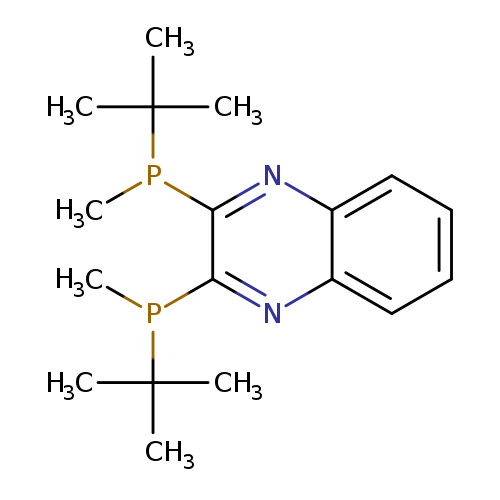
(S,S)-2,3-Bis(tert-butylmethylphosphino)quinoxalineCatalog No.:AA0032EV CAS No.:1107608-80-9 MDL No.:MFCD10567042 MF:C18H28N2P2 MW:334.3758 |
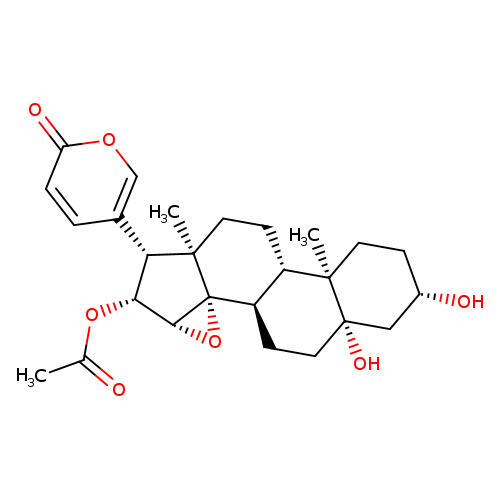
CinobufotalinCatalog No.:AA0038WF CAS No.:1108-68-5 MDL No.:MFCD28396383 MF:C26H34O7 MW:458.544 |
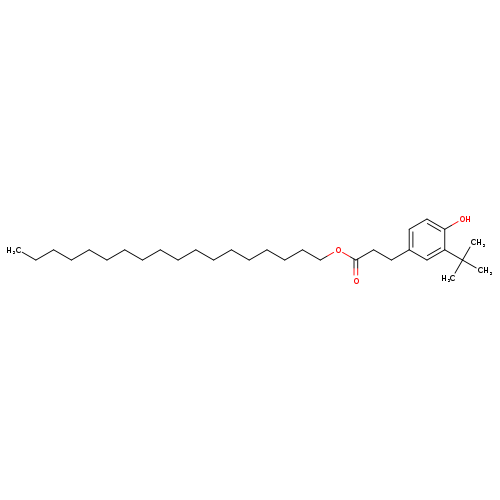
Benzenepropanoic acid,3-(1,1-dimethylethyl)-4-hydroxy-,octadecyl esterCatalog No.:AA003ANJ CAS No.:110729-26-5 MDL No.:MFCD30062864 MF:C31H54O3 MW:474.7587 |
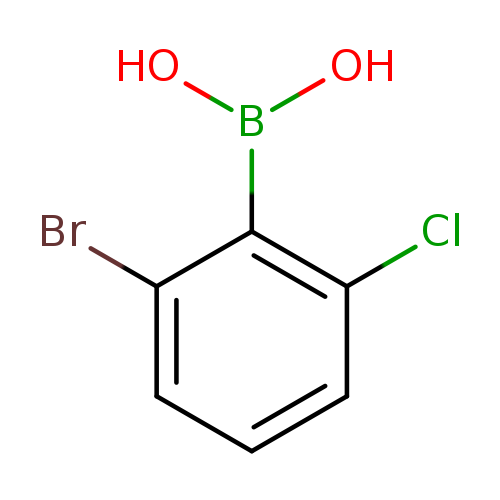
(2-Bromo-6-chlorophenyl);boronic acidCatalog No.:AA003BJ5 CAS No.:1107580-65-3 MDL No.:MFCD08701777 MF:C6H5BBrClO2 MW:235.2707 |
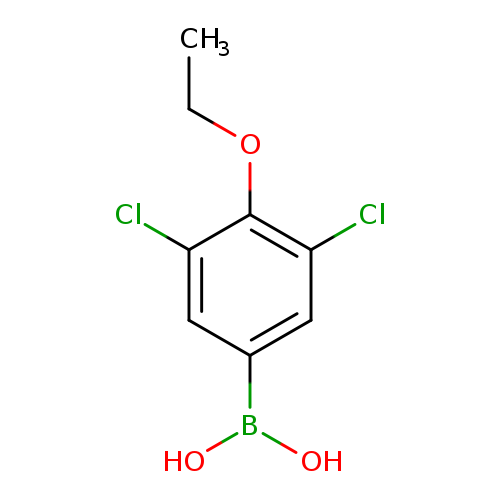
4-Ethoxy-3,5-dichlorophenylboronic acidCatalog No.:AA003BNR CAS No.:1107604-10-3 MDL No.:MFCD08701776 MF:C8H9BCl2O3 MW:234.8723 |
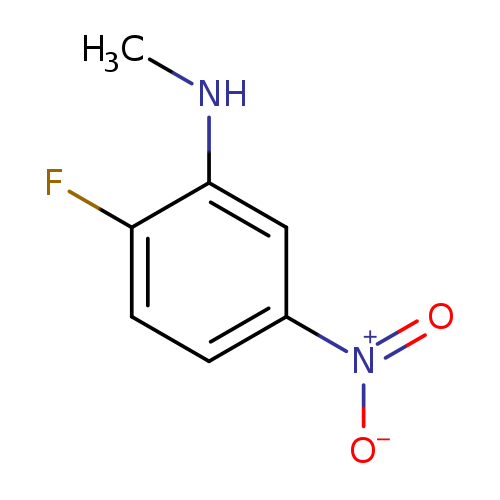
2-Fluoro-N-methyl-5-nitroanilineCatalog No.:AA003H99 CAS No.:110729-51-6 MDL No.:MFCD15527248 MF:C7H7FN2O2 MW:170.1411 |
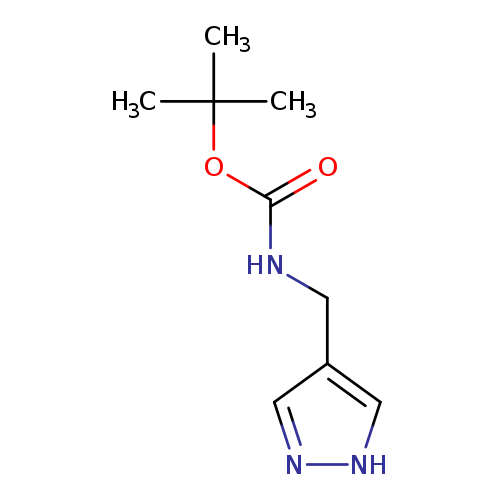
4-(Boc-aminomethyl)pyrazoleCatalog No.:AA003K3M CAS No.:1107620-72-3 MDL No.:MFCD12820298 MF:C9H15N3O2 MW:197.2343 |
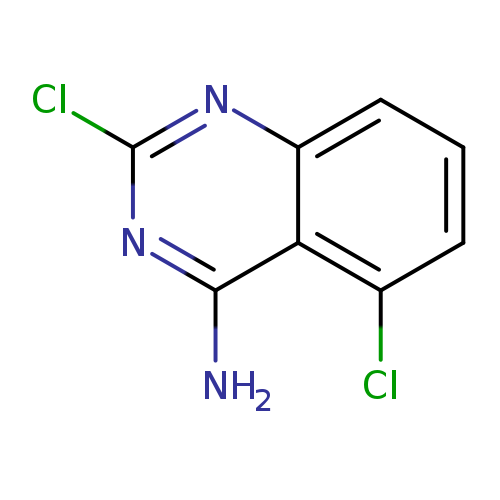
4-Amino-2,5-dichloroquinazolineCatalog No.:AA003KLF CAS No.:1107695-06-6 MDL No.:MFCD11858274 MF:C8H5Cl2N3 MW:214.0514 |
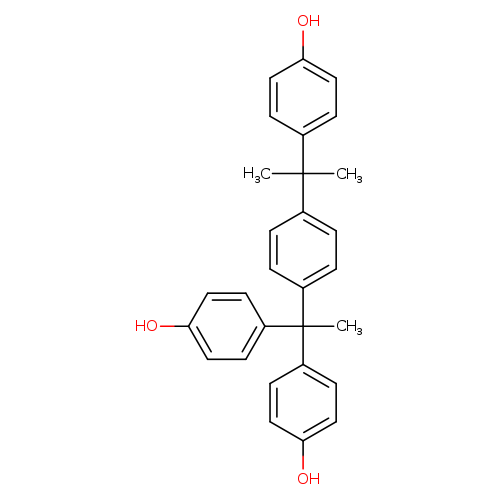
4,4'-(1-(4-(2-(4-Hydroxyphenyl)propan-2-yl)phenyl)ethane-1,1-diyl)diphenolCatalog No.:AA003NOQ CAS No.:110726-28-8 MDL No.:MFCD00191685 MF:C29H28O3 MW:424.5308 |
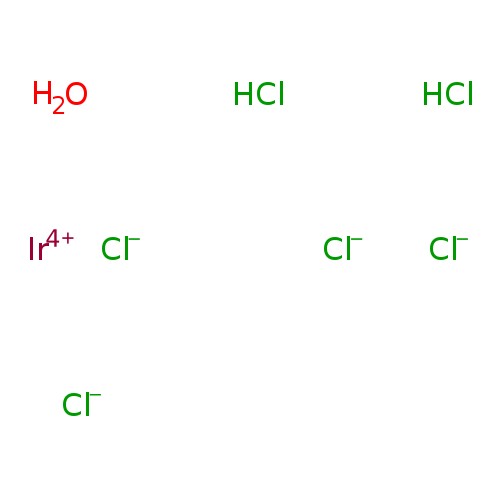
Dihydrogen hexachloroiridate(IV) xhydrateCatalog No.:AA003QVY CAS No.:110802-84-1 MDL No.:MFCD00011328 MF:Cl6H2IrO MW:424.9662 |
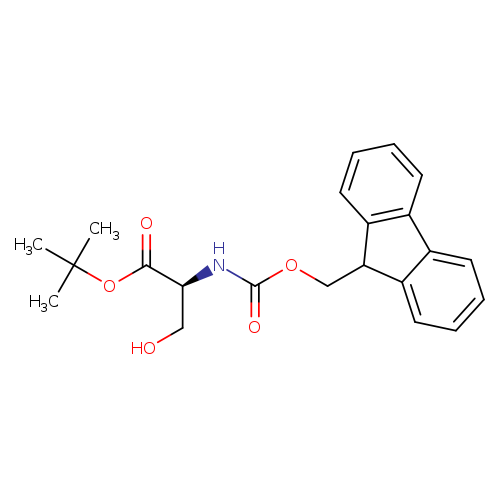
(S)-tert-Butyl 2-((((9H-fluoren-9-yl)methoxy)carbonyl)amino)-3-hydroxypropanoateCatalog No.:AA003SN9 CAS No.:110797-35-8 MDL No.:MFCD01861331 MF:C22H25NO5 MW:383.4376 |
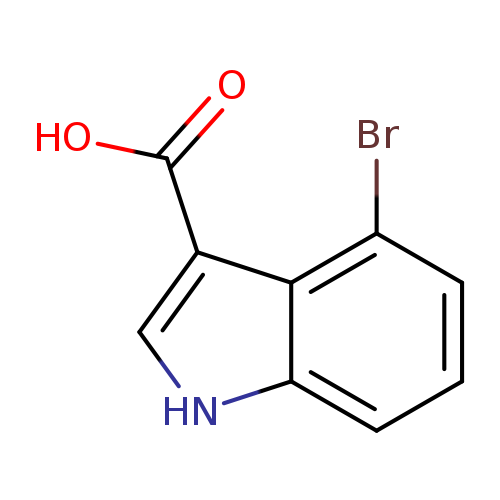
1H-Indole-3-carboxylic acid, 4-bromo-Catalog No.:AA007C06 CAS No.:110811-31-9 MDL No.:MFCD09817565 MF:C9H6BrNO2 MW:240.0534 |
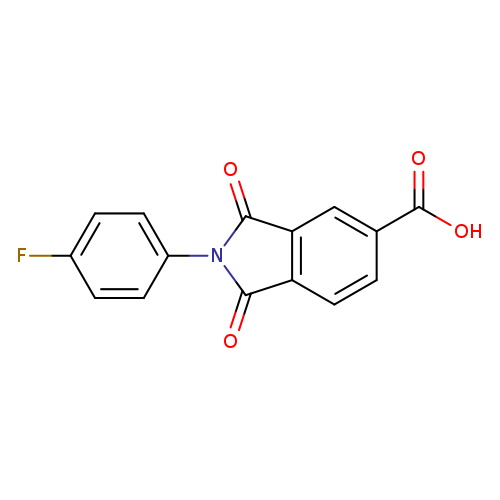
2-(4-Fluorophenyl)-1,3-dioxoisoindoline-5-carboxylic acidCatalog No.:AA007C4M CAS No.:110768-19-9 MDL No.:MFCD00187337 MF:C15H8FNO4 MW:285.2267 |
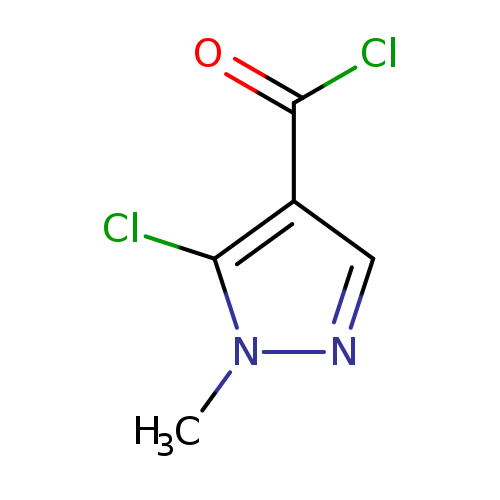
5-Chloro-1-methyl-1H-pyrazole-4-carbonyl chlorideCatalog No.:AA007C4R CAS No.:110763-09-2 MDL No.:MFCD02179947 MF:C5H4Cl2N2O MW:179.0041 |
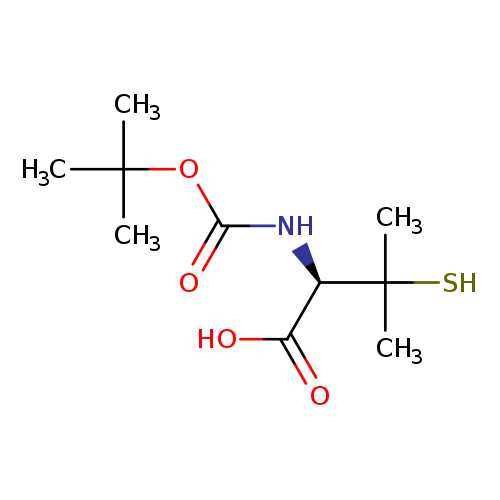
(R)-2-((tert-Butoxycarbonyl)amino)-3-mercapto-3-methylbutanoic acidCatalog No.:AA007C4Q CAS No.:110763-40-1 MDL No.:MFCD02682558 MF:C10H19NO4S MW:249.3272 |
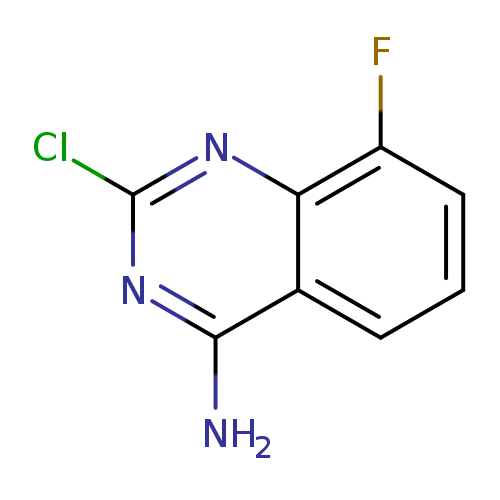
2-Chloro-8-fluoroquinazolin-4-amineCatalog No.:AA007U3C CAS No.:1107695-04-4 MDL No.:MFCD11858273 MF:C8H5ClFN3 MW:197.5968 |
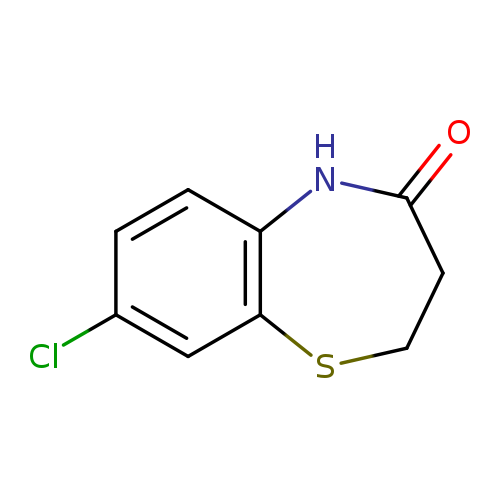
8-Chloro-2,3,4,5-tetrahydro-1,5-benzothiazepin-4-oneCatalog No.:AA007U3G CAS No.:110766-84-2 MDL No.:MFCD24551369 MF:C9H8ClNOS MW:213.6839 |
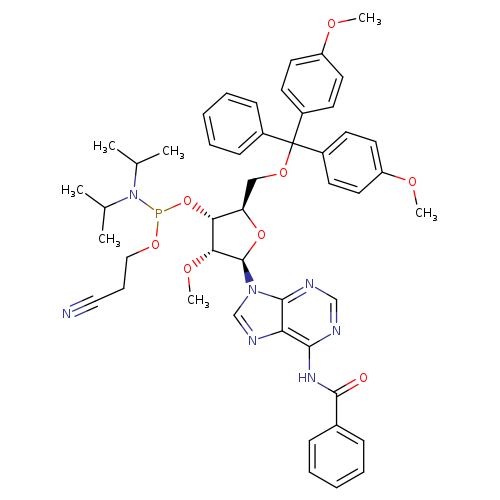
2'-OMe-A(Bz) PhosphoramiditeCatalog No.:AA007U39 CAS No.:110782-31-5 MDL No.:MFCD00792622 MF:C48H54N7O8P MW:887.9582 |
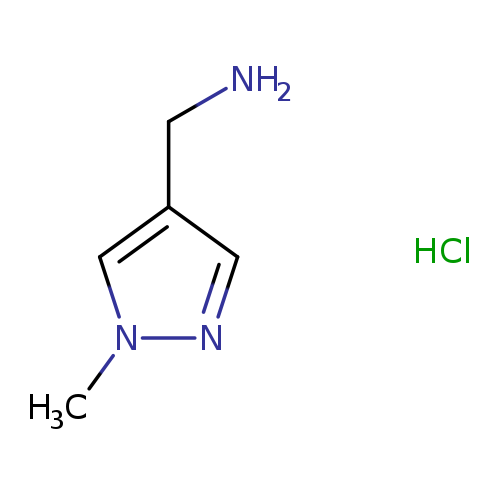
(1-Methyl-1H-pyrazol-4-yl)methanamine hydrochlorideCatalog No.:AA007U3J CAS No.:1107601-70-6 MDL No.:MFCD11042229 MF:C5H10ClN3 MW:147.6060 |
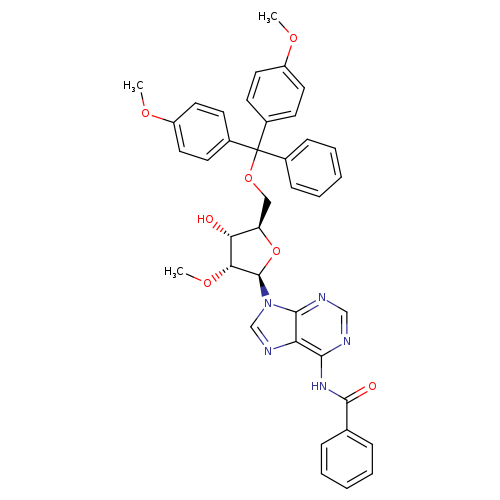
5'-DMT-2'-OMe-Bz-ACatalog No.:AA0083A2 CAS No.:110764-72-2 MDL No.:MFCD08704196 MF:C39H37N5O7 MW:687.7404 |
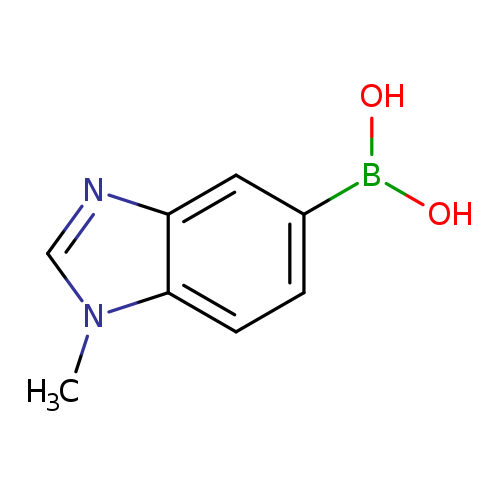
B-(1-Methyl-1H-benzimidazol-5-yl)boronic acidCatalog No.:AA0083A4 CAS No.:1107627-21-3 MDL No.:MFCD16036273 MF:C8H9BN2O2 MW:175.9803 |
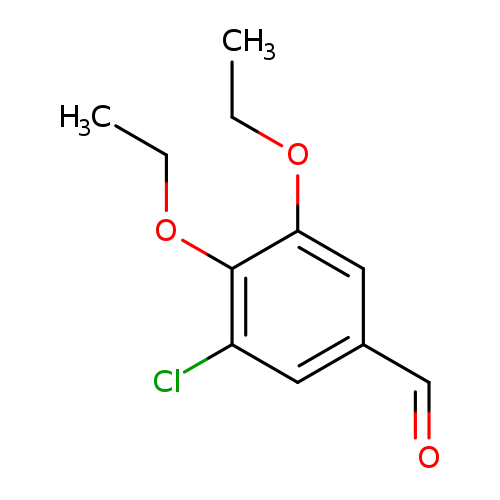
3-Chloro-4,5-diethoxybenzaldehydeCatalog No.:AA0083AD CAS No.:110732-06-4 MDL No.:MFCD01169250 MF:C11H13ClO3 MW:228.6721 |
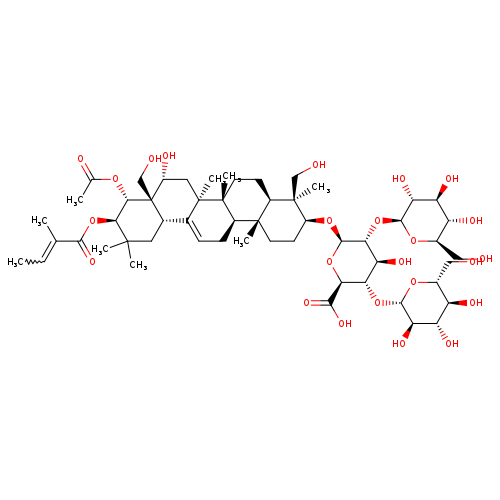
beta-EscinCatalog No.:AA008RFM CAS No.:11072-93-8 MDL No.:MFCD00076054 MF:C55H86O24 MW:1131.2569 |
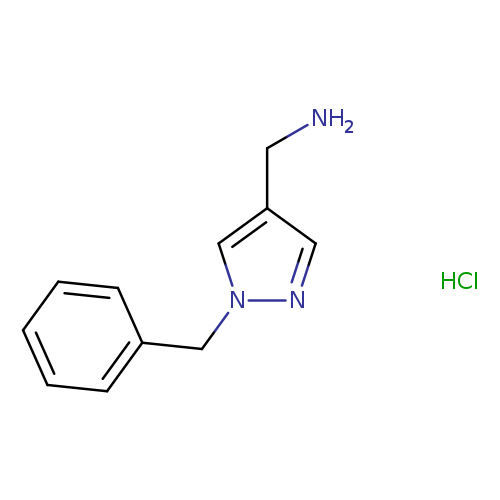
C-(1-Benzyl-1h-pyrazol-4-yl)-methylamine hydrochlorideCatalog No.:AA008RS1 CAS No.:1107604-11-4 MDL No.:MFCD06739004 MF:C11H14ClN3 MW:223.702 |
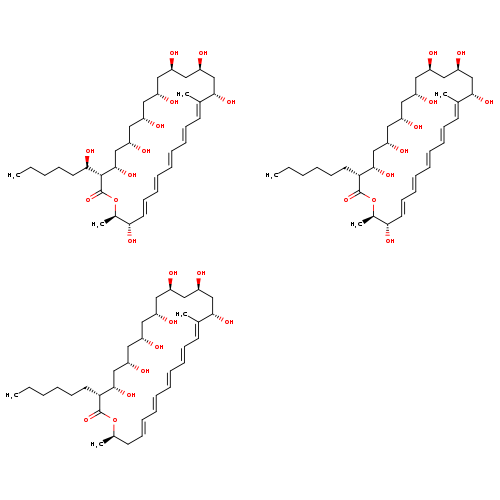
FilipinCatalog No.:AA008SLU CAS No.:11078-21-0 MDL No.:MFCD00131073 MF:C105H174O30 MW:1916.4871 |
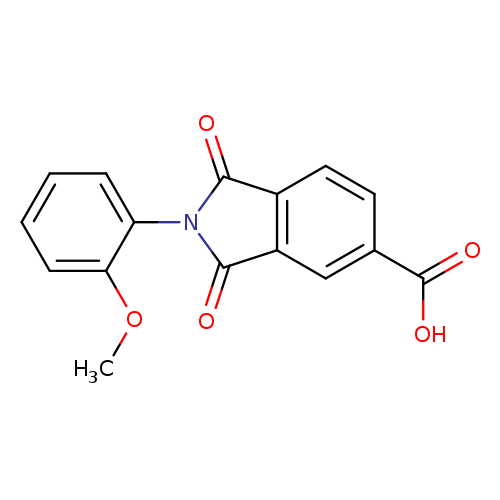
2-(2-Methoxyphenyl)-1,3-dioxoisoindoline-5-carboxylic acidCatalog No.:AA008SV5 CAS No.:110768-14-4 MDL No.:MFCD00401804 MF:C16H11NO5 MW:297.2622 |
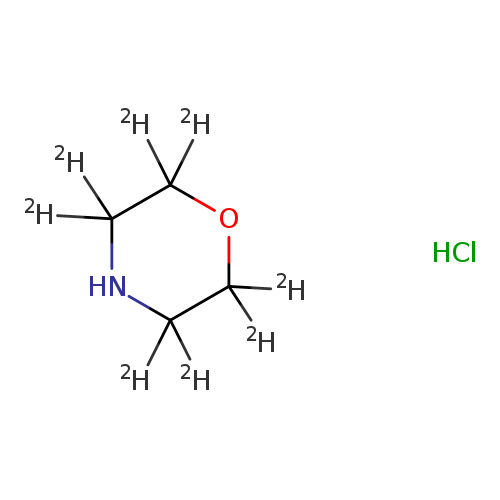
Morpholine-D8 HydrochlorideCatalog No.:AA008SXG CAS No.:1107650-56-5 MDL No.:MFCD06656380 MF:C4H2ClD8NO MW:131.6306 |
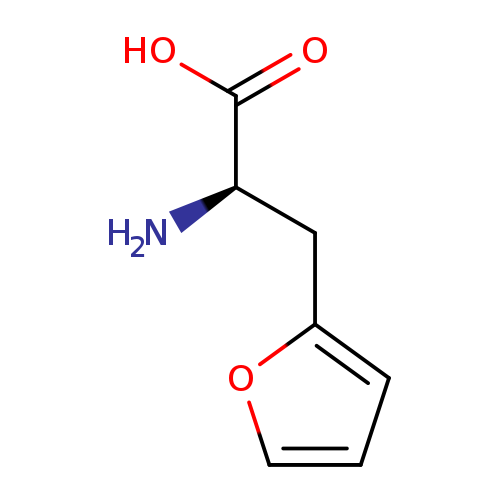
(R)-2-Amino-3-(furan-2-yl)propanoic acidCatalog No.:AA008UB0 CAS No.:110772-46-8 MDL No.:MFCD01860879 MF:C7H9NO3 MW:155.1513 |
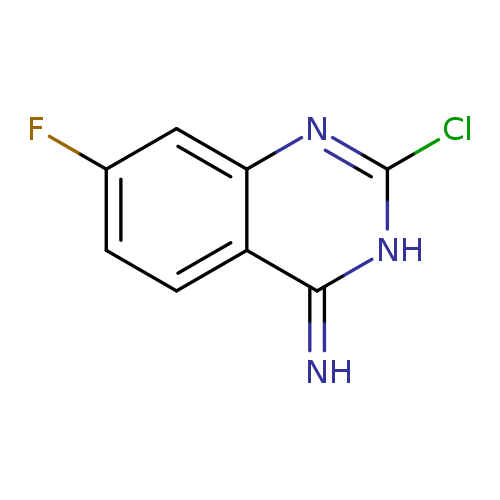
4-Amino-2-chloro-7-fluoroquinazolineCatalog No.:AA008UDB CAS No.:1107695-02-2 MDL No.:MFCD11858272 MF:C8H5ClFN3 MW:197.5968 |
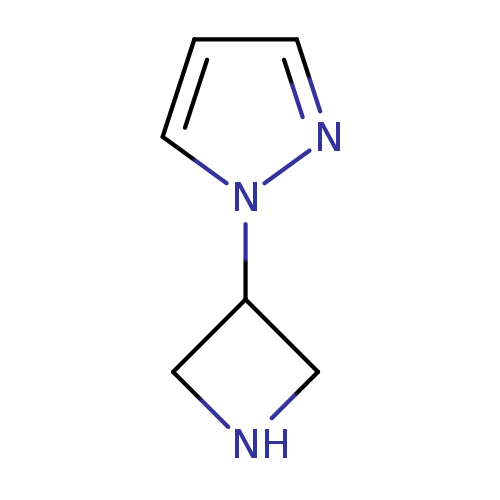
1-(Azetidin-3-yl)-1H-pyrazole dihydrochlorideCatalog No.:AA008V96 CAS No.:1107627-16-6 MDL No.:MFCD09971220 MF:C6H9N3 MW:123.1558 |
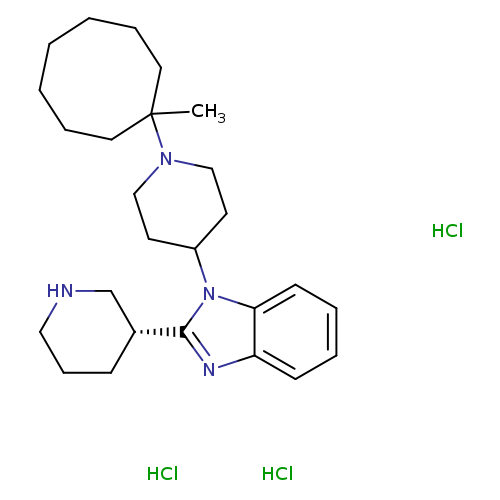
MCOPPB (triHydrochloride)Catalog No.:AA008W3A CAS No.:1108147-88-1 MDL No.:MFCD20036262 MF:C26H41ClN4 MW:445.0835 |
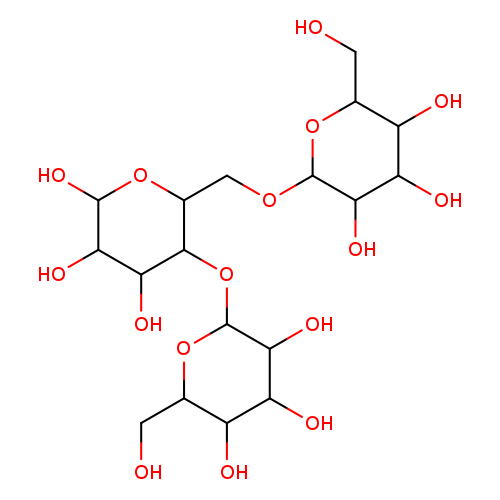
D-Galacto-D-MannanCatalog No.:AA008WZA CAS No.:11078-30-1 MDL No.:MFCD00146683 MF:C18H32O16 MW:504.4371 |
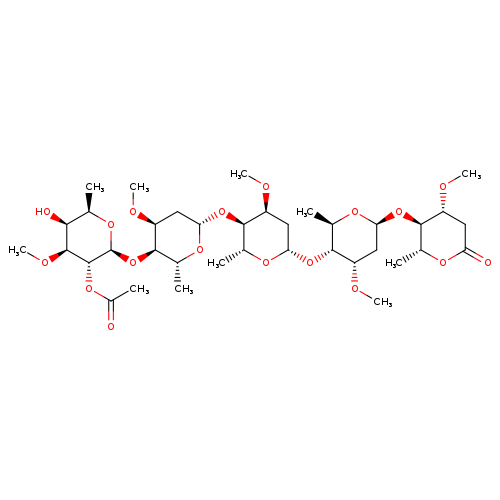
Acetyl Perisesaccharide CCatalog No.:AA008Y0B CAS No.:110764-09-5 MDL No.:MFCD30725489 MF:C37H62O18 MW:794.8774 |
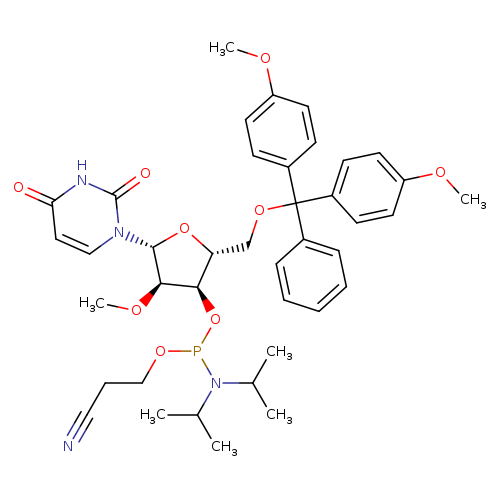
Uridine, 5'-O-[bis(4-methoxyphenyl)phenylmethyl]-2'-O-methyl-, 3'-[2-cyanoethyl N,N-bis(1-methylethyl)phosphoramidite]Catalog No.:AA008YJS CAS No.:110764-79-9 MDL No.:MFCD00792626 MF:C40H49N4O9P MW:760.8122 |
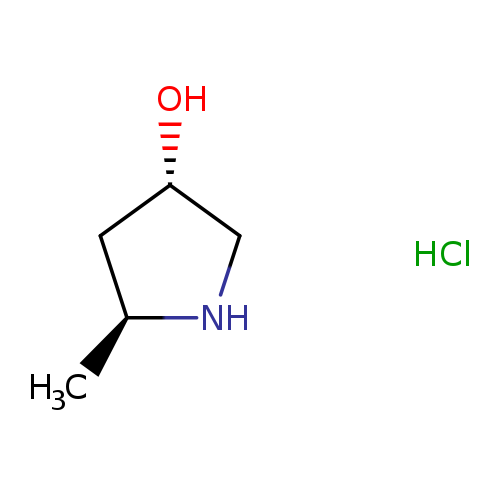
(3S,5S)-5-Methylpyrrolidin-3-ol hydrochlorideCatalog No.:AA008YZ8 CAS No.:1107658-77-4 MDL No.:MFCD19227362 MF:C5H12ClNO MW:137.6079 |
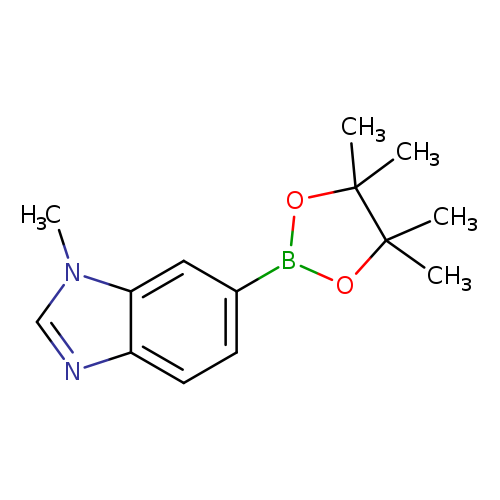
1-Methyl-6-(4,4,5,5-tetraMethyl-1,3,2-dioxaborolan-2-yl)-1H-benzo[d]iMidazoleCatalog No.:AA008Z5X CAS No.:1107627-01-9 MDL No.:MFCD16995903 MF:C14H19BN2O2 MW:258.1239 |
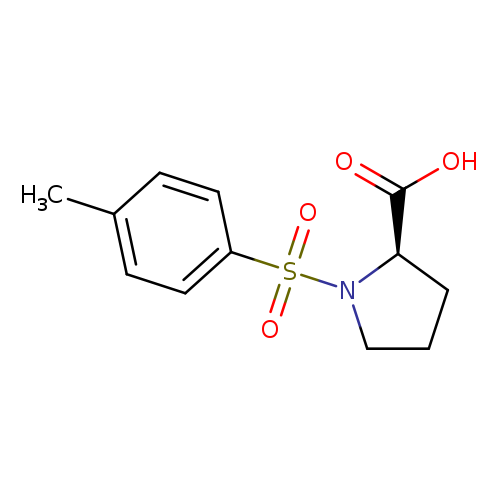
Tos-D-Pro-OHCatalog No.:AA008ZT4 CAS No.:110771-95-4 MDL No.:MFCD00237289 MF:C12H15NO4S MW:269.3168 |
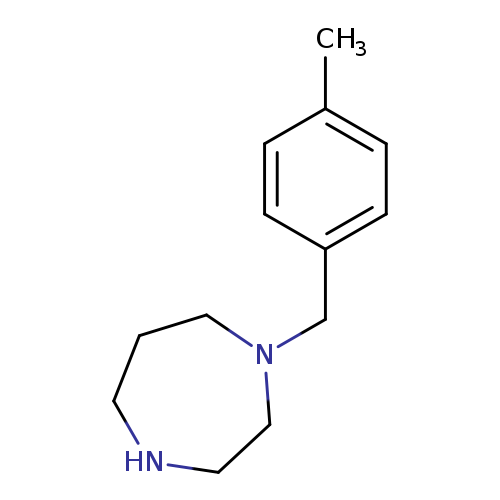
1-[(4-Methylphenyl)methyl]-1,4-diazepaneCatalog No.:AA00907P CAS No.:110766-00-2 MDL No.:MFCD07383227 MF:C13H20N2 MW:204.3113 |
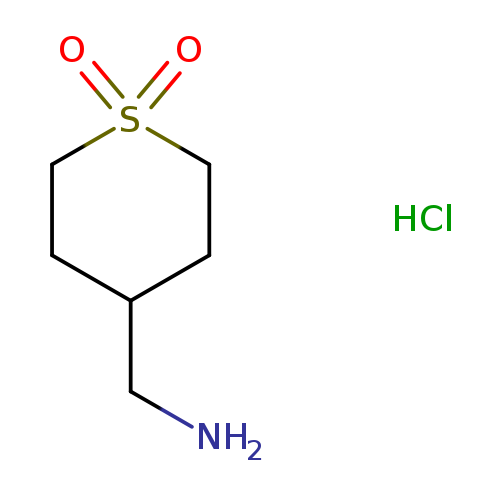
4-(Aminomethyl)tetrahydro-2H-thiopyran 1,1-dioxide hydrochlorideCatalog No.:AA0092J0 CAS No.:1107645-98-6 MDL No.:MFCD13193865 MF:C6H14ClNO2S MW:199.6989 |
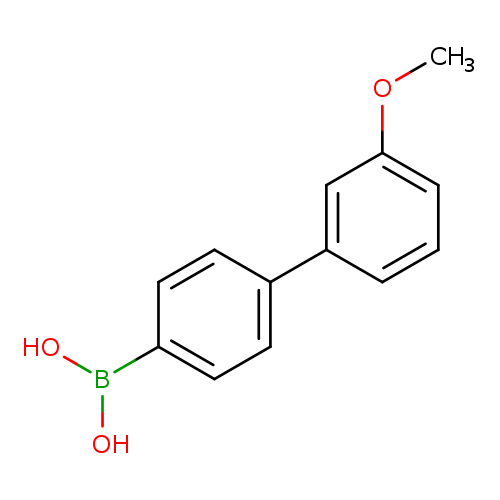
3'-Methoxy-biphenyl-4-boronic acidCatalog No.:AA0092RR CAS No.:1107579-37-2 MDL No.:MFCD08544395 MF:C13H13BO3 MW:228.0515 |
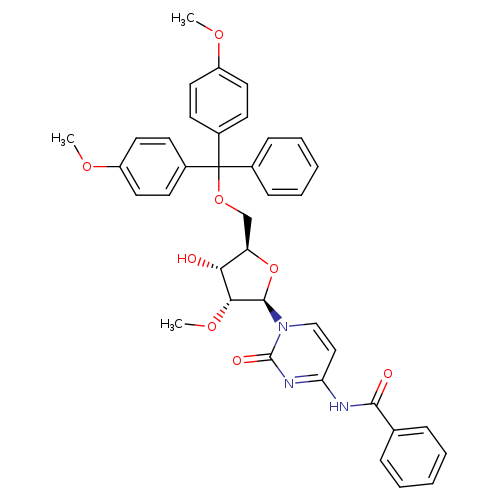
DMT-2'-OMe-Bz-CCatalog No.:AA0094CB CAS No.:110764-74-4 MDL No.:MFCD00226243 MF:C38H37N3O8 MW:663.7157 |
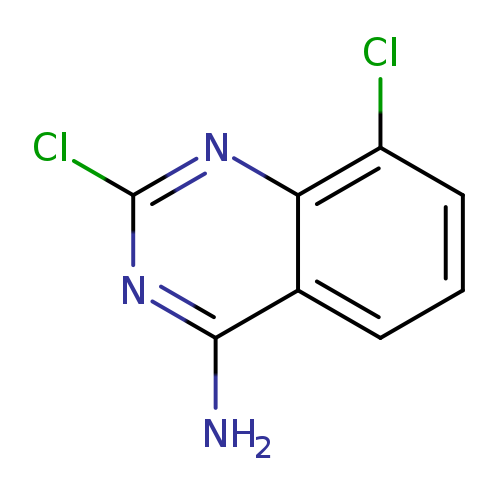
2,8-Dichloroquinazolin-4-amineCatalog No.:AA0094FK CAS No.:1107694-84-7 MDL No.:MFCD11858259 MF:C8H5Cl2N3 MW:214.0514 |
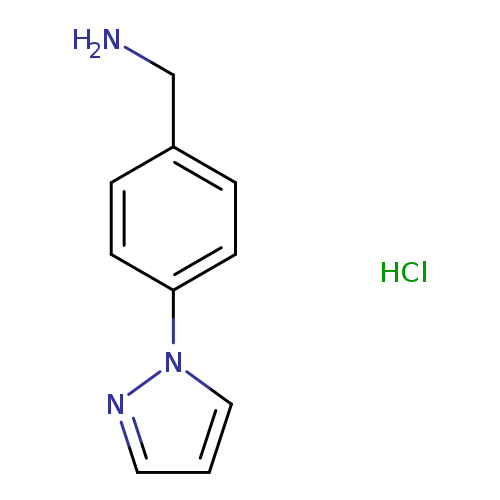
1-[4-(1H-Pyrazol-1-yl)phenyl]methanamine HClCatalog No.:AA00971Q CAS No.:1107632-13-2 MDL No.:MFCD11505500 MF:C10H12ClN3 MW:209.6754 |
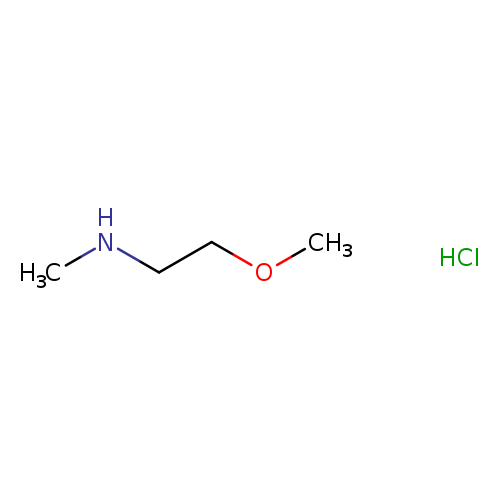
2-Methoxy-N-methylethanamine hydrochlorideCatalog No.:AA0099TK CAS No.:110802-06-7 MDL No.:MFCD08741493 MF:C4H12ClNO MW:125.5972 |
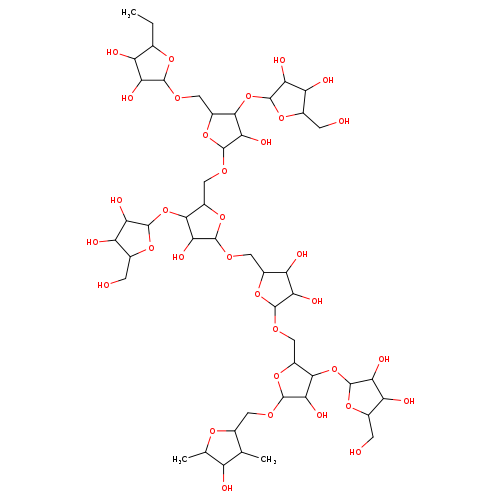
ArabinanCatalog No.:AA009KOX CAS No.:11078-27-6 MDL No.: MF:C48H80O34 MW:1201.1284 |
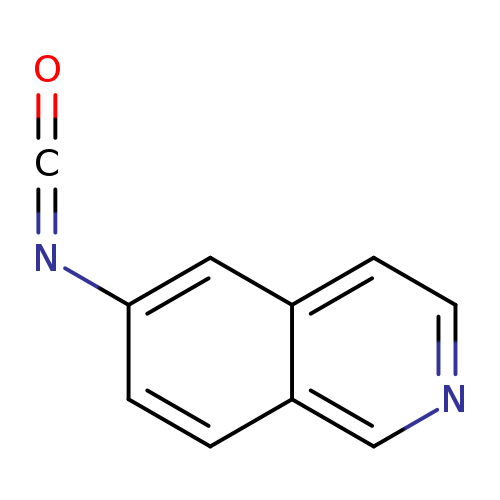
6-isocyanatoisoquinolineCatalog No.:AA009QO5 CAS No.:110763-94-5 MDL No.:MFCD28163758 MF:C10H6N2O MW:170.1674 |

Acetyl-pepstatinCatalog No.:AA009RKK CAS No.:11076-29-2 MDL No.:MFCD00214071 MF:C31H57N5O9 MW:643.8124 |
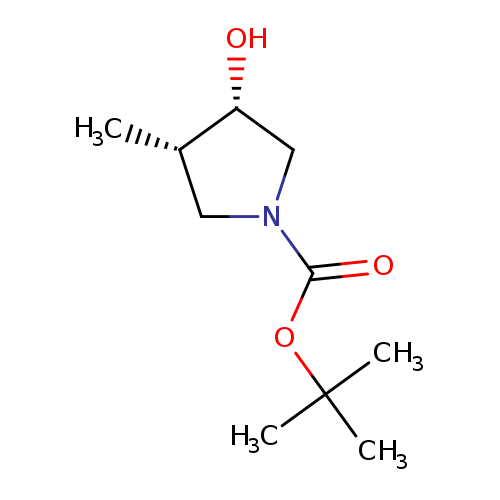
(3R,4R)-rel-tert-Butyl 3-hydroxy-4-methylpyrrolidine-1-carboxylateCatalog No.:AA00HBOY CAS No.:1107658-75-2 MDL No.:MFCD18375159 MF:C10H19NO3 MW:201.2628 |
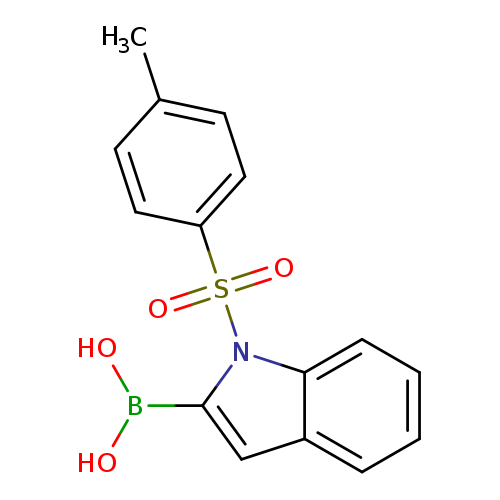
1-(P-Toluenesulfonyl)indole-2-boronic acidCatalog No.:AA00HBOP CAS No.:1107603-38-2 MDL No.:MFCD08701721 MF:C15H14BNO4S MW:315.1520 |
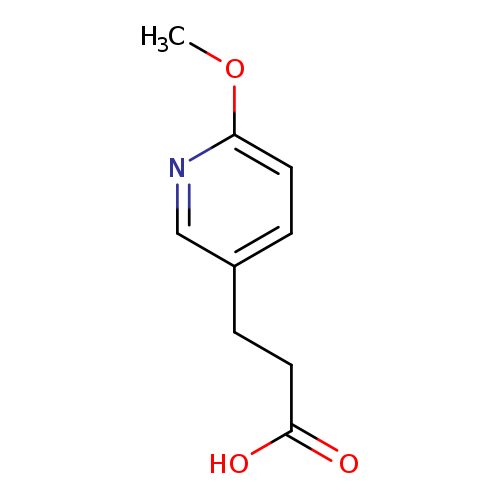
6-Methoxy-3-pyridinepropanoic acidCatalog No.:AA00HBOQ CAS No.:1107609-36-8 MDL No.:MFCD18259982 MF:C9H11NO3 MW:181.1885 |
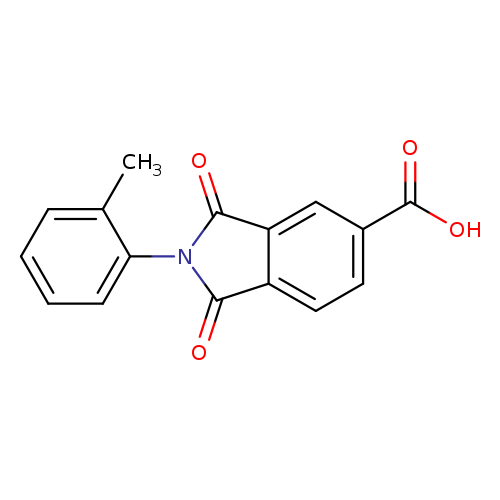
2-(2-methylphenyl)-1,3-dioxo-2,3-dihydro-1H-isoindole-5-carboxylic acidCatalog No.:AA00HBP2 CAS No.:110768-31-5 MDL No.:MFCD00187749 MF:C16H11NO4 MW:281.2628 |
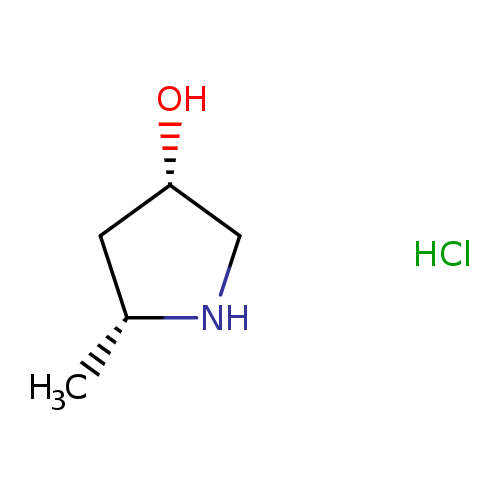
(3S,5R)-5-Methylpyrrolidin-3-ol hydrochlorideCatalog No.:AA00HBOZ CAS No.:1107658-78-5 MDL No.:MFCD28390287 MF:C5H12ClNO MW:137.6079 |
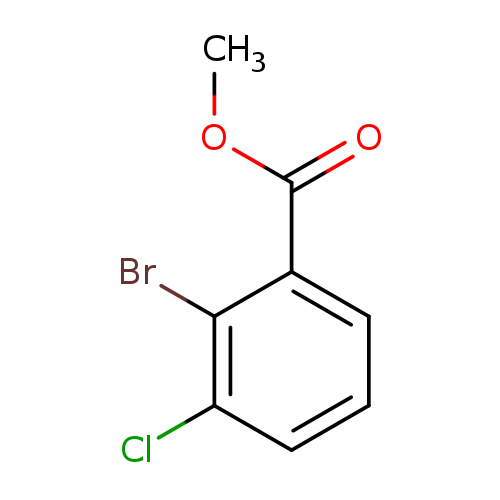
Methyl 2-Bromo-3-chlorobenzoateCatalog No.:AA00HBOS CAS No.:1107627-14-4 MDL No.:MFCD18398719 MF:C8H6BrClO2 MW:249.4890 |
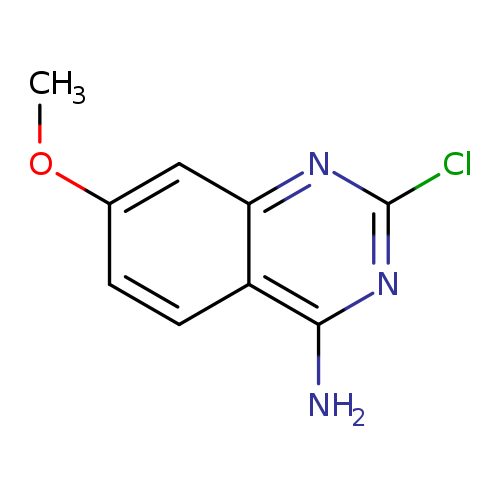
2-Chloro-7-methoxyquinazolin-4-amineCatalog No.:AA00HBP5 CAS No.:1107694-98-3 MDL No.:MFCD11858269 MF:C9H8ClN3O MW:209.6323 |
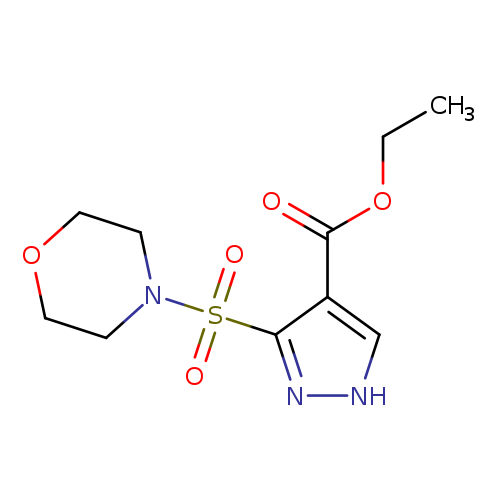
Ethyl 3-(morpholine-4-sulfonyl)-1H-pyrazole-4-carboxylateCatalog No.:AA00HBP6 CAS No.:1108050-18-5 MDL No.:MFCD18194701 MF:C10H15N3O5S MW:289.3082 |
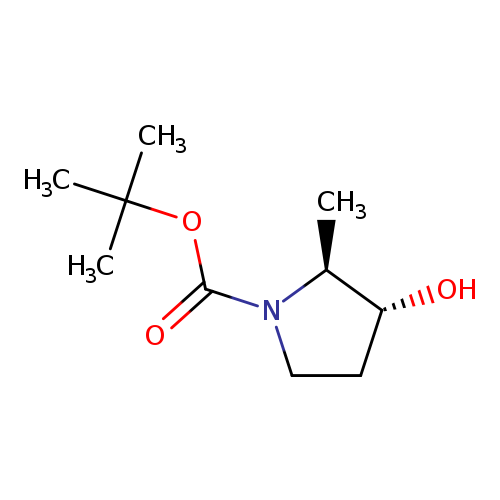
tert-Butyl (2S,3R)-3-hydroxy-2-methylpyrrolidine-1-carboxylateCatalog No.:AA00IL6U CAS No.:1107659-77-7 MDL No.:MFCD30749392 MF:C10H19NO3 MW:201.2628 |
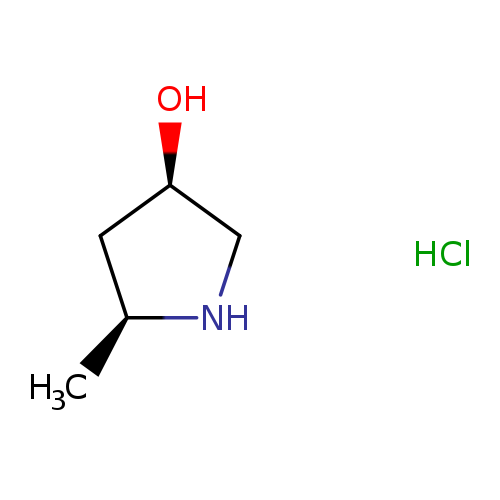
(3R,5S)-5-Methylpyrrolidin-3-ol hydrochlorideCatalog No.:AA00IL8W CAS No.:1107658-76-3 MDL No.:MFCD29920525 MF:C5H12ClNO MW:137.6079 |
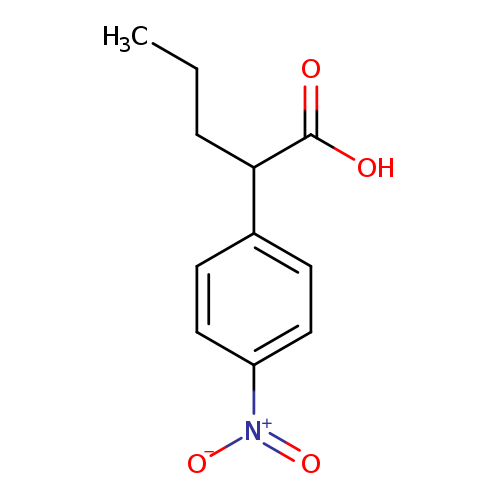
2-(4-nitrophenyl)pentanoic acidCatalog No.:AA00IN6B CAS No.:110728-99-9 MDL No.:MFCD03617655 MF:C11H13NO4 MW:223.2252 |
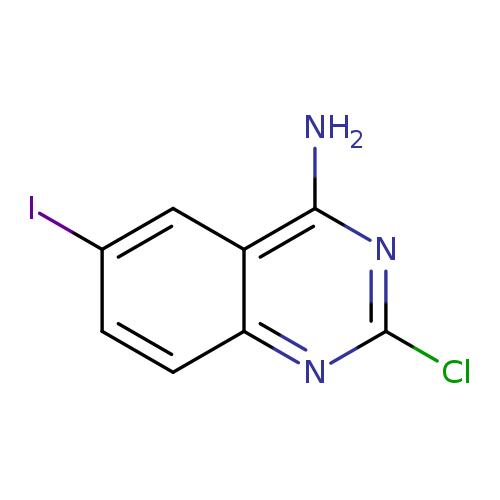
2-chloro-6-iodoquinazolin-4-amineCatalog No.:AA00IZFN CAS No.:1107694-88-1 MDL No.:MFCD11858263 MF:C8H5ClIN3 MW:305.5029 |
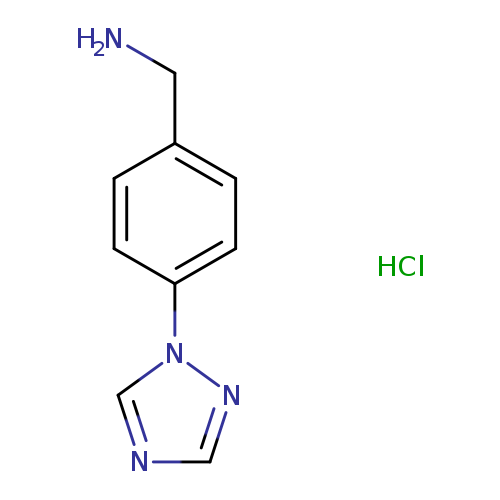
[4-(1H-1,2,4-triazol-1-yl)benzyl]amine hydrochlorideCatalog No.:AA00J1A6 CAS No.:1107633-38-4 MDL No.:MFCD11821954 MF:C9H11ClN4 MW:210.6634 |
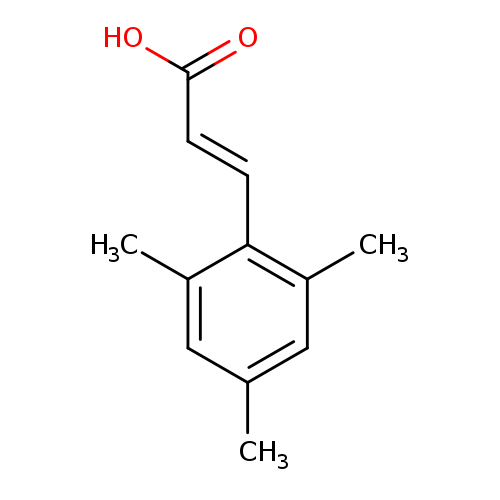
(2E)-3-(2,4,6-trimethylphenyl)prop-2-enoic acidCatalog No.:AA00JNO1 CAS No.:110795-27-2 MDL No.:MFCD00267591 MF:C12H14O2 MW:190.2384 |
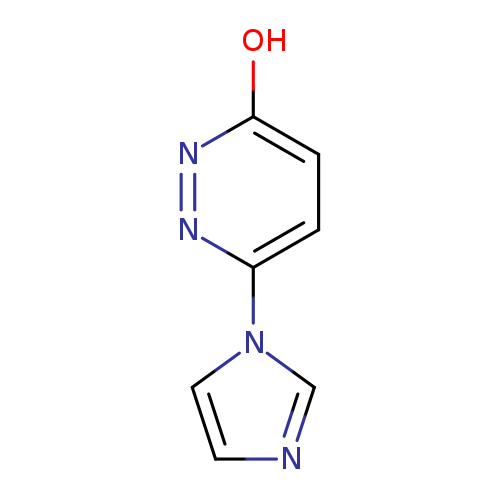
6-(1H-imidazol-1-yl)-2,3-dihydropyridazin-3-oneCatalog No.:AA018BL7 CAS No.:110714-14-2 MDL No.:MFCD14705677 MF:C7H6N4O MW:162.1487 |
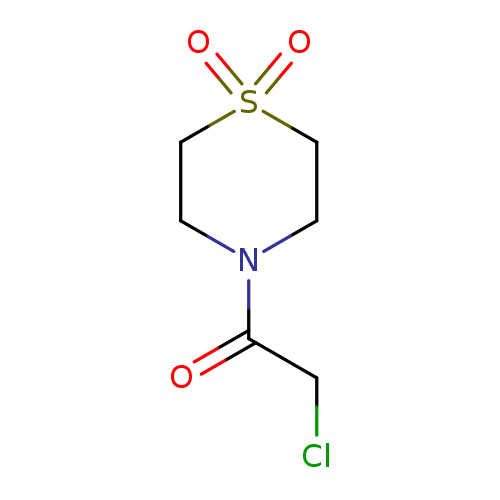
4-(2-chloroacetyl)-1lambda6-thiomorpholine-1,1-dioneCatalog No.:AA018RUF CAS No.:1107645-55-5 MDL No.:MFCD12142619 MF:C6H10ClNO3S MW:211.6665 |
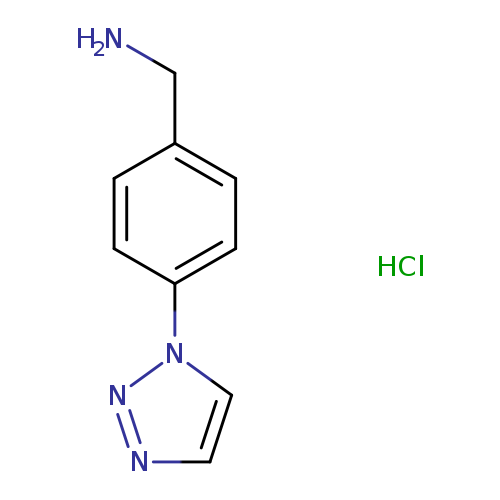
(4-(1H-1,2,3-Triazol-1-yl)phenyl)methanamine hydrochlorideCatalog No.:AA019EV4 CAS No.:1107632-55-2 MDL No.:MFCD28384796 MF:C9H11ClN4 MW:210.6634 |
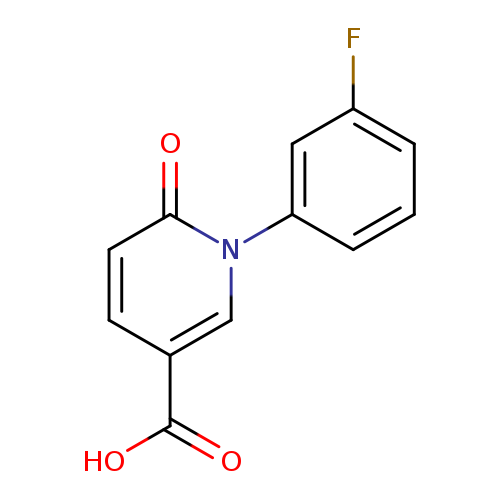
1-(3-fluorophenyl)-6-oxo-1,6-dihydropyridine-3-carboxylic acidCatalog No.:AA019YKB CAS No.:1107650-68-9 MDL No.:MFCD16519150 MF:C12H8FNO3 MW:233.1952 |
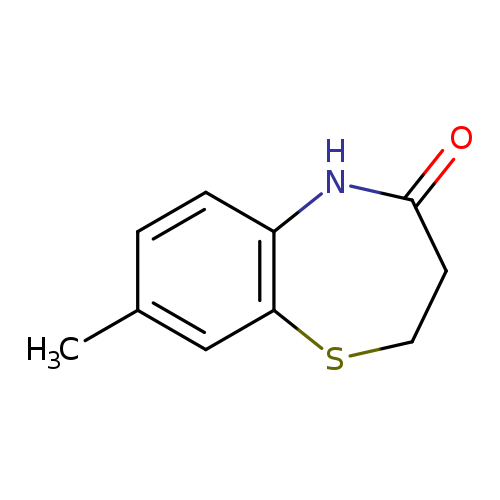
8-methyl-2,3,4,5-tetrahydro-1,5-benzothiazepin-4-oneCatalog No.:AA01A65M CAS No.:110766-86-4 MDL No.:MFCD16171063 MF:C10H11NOS MW:193.2654 |
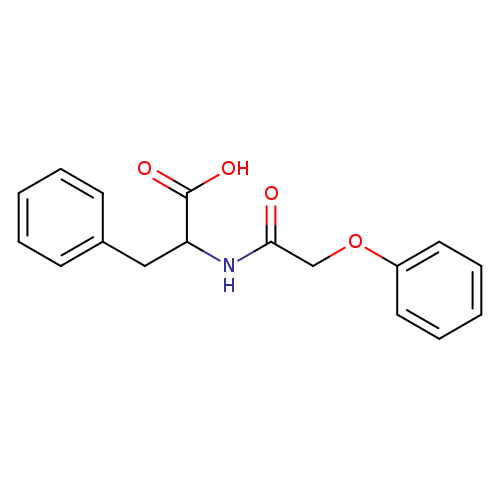
2-(2-Phenoxy-acetylamino)-3-phenyl-propionic acidCatalog No.:AA01APWO CAS No.:110728-29-5 MDL No.:MFCD00266828 MF:C17H17NO4 MW:299.3212 |
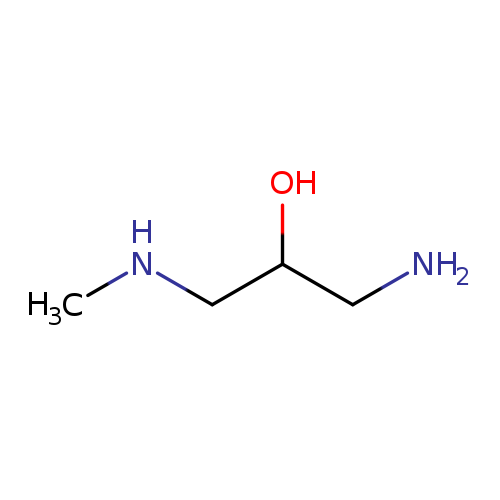
1-Amino-3-(methylamino)propan-2-olCatalog No.:AA01BCB8 CAS No.:110818-54-7 MDL No.:MFCD19203245 MF:C4H12N2O MW:104.1509 |
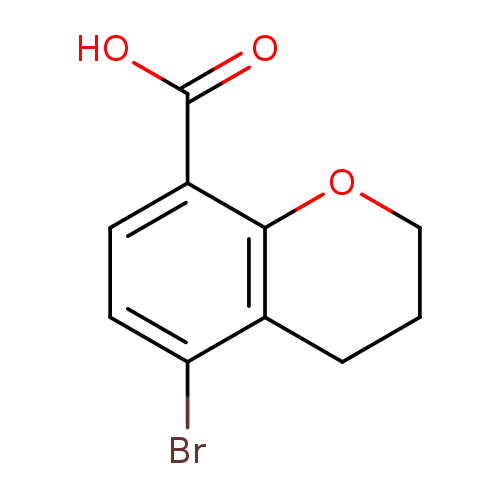
5-Bromo-3,4-dihydro-2H-1-benzopyran-8-carboxylic acidCatalog No.:AA01BEJM CAS No.:110751-07-0 MDL No.:MFCD16037373 MF:C10H9BrO3 MW:257.0807 |
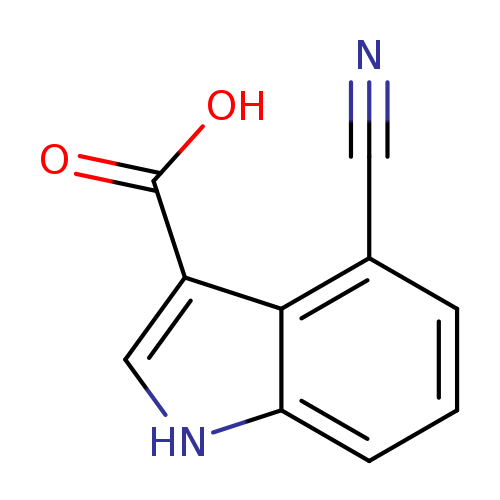
4-Cyano-1H-indole-3-carboxylic acidCatalog No.:AA01BTAP CAS No.:110811-33-1 MDL No.:MFCD20654284 MF:C10H6N2O2 MW:186.1668 |
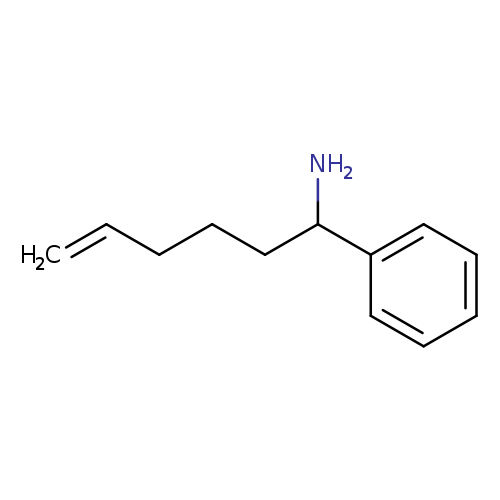
1-phenylhex-5-en-1-amineCatalog No.:AA01BU48 CAS No.:110775-38-7 MDL No.:MFCD20291161 MF:C12H17N MW:175.2701 |
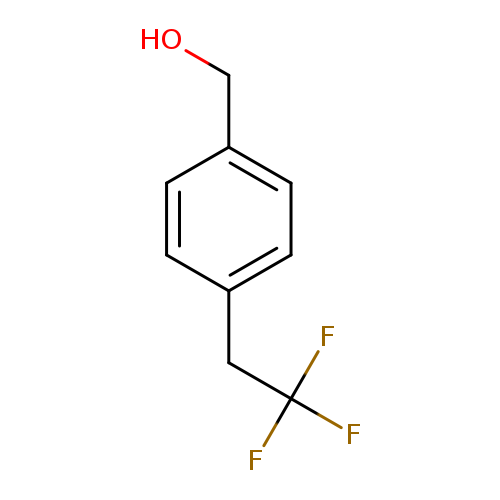
[4-(2,2,2-Trifluoroethyl)phenyl]methanolCatalog No.:AA01C031 CAS No.:1108151-49-0 MDL No.:MFCD28522957 MF:C9H9F3O MW:190.1624 |
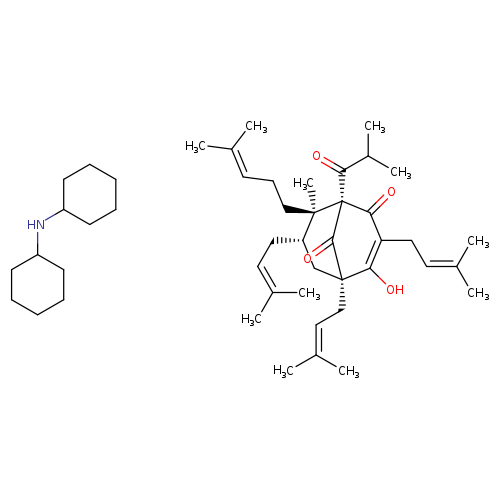
HyperforinCatalog No.:AA01DP69 CAS No.:11079-53-1 MDL No.:MFCD01861497 MF:C35H52O4 MW:536.7850 |
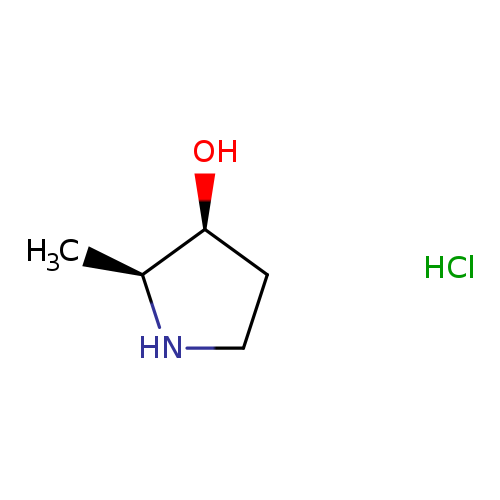
(2S,3S)-2-Methylpyrrolidin-3-ol HydrochlorideCatalog No.:AA01E7PG CAS No.:1107659-78-8 MDL No.:MFCD30726588 MF:C5H12ClNO MW:137.6079 |
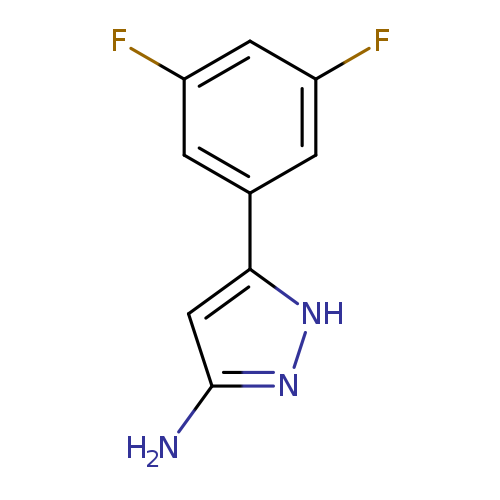
5-(3,5-difluorophenyl)-1H-pyrazol-3-amineCatalog No.:AA01E8DU CAS No.:1107481-22-0 MDL No.:MFCD11054295 MF:C9H7F2N3 MW:195.1688 |
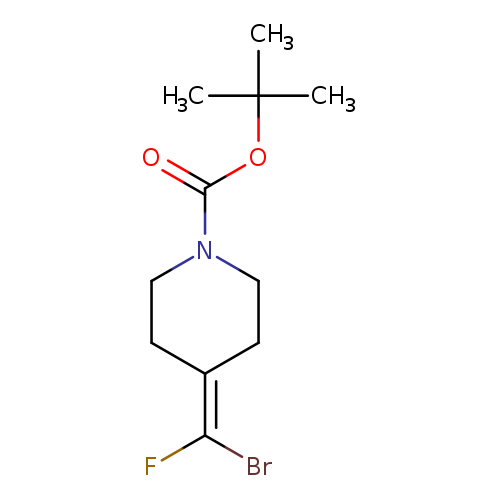
tert-butyl 4-[bromo(fluoro)methylidene]piperidine-1-carboxylateCatalog No.:AA01EM4A CAS No.:1107620-26-7 MDL No.:MFCD31431451 MF:C11H17BrFNO2 MW:294.1606 |
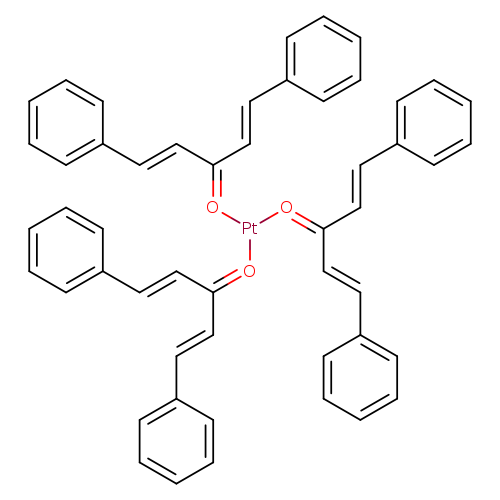
Tris(dibenzylideneacetone)platinum(0)Catalog No.:AA008WT9 CAS No.:11072-92-7 MDL No.:MFCD22666053 MF:C51H42O3Pt MW:897.9554 |
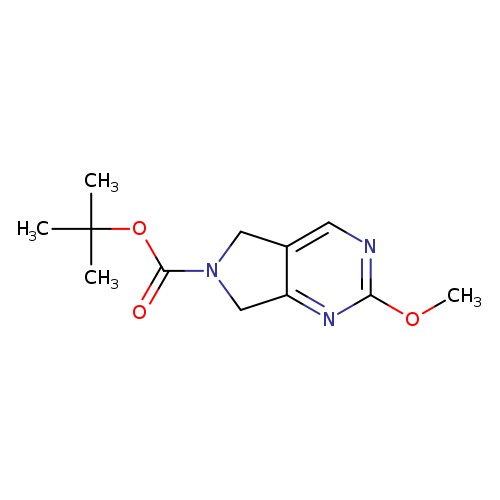
2-Methoxy-5,7-dihydro-pyrrolo[3,4-d]pyrimidine-6-carboxylic acid tert-butyl esterCatalog No.:AA0093H5 CAS No.:1107625-56-8 MDL No.:MFCD22544055 MF:C12H17N3O3 MW:251.2817 |