

2019-11-03 10:44:03
David M. Schubert
AvidChem LLC, Lone Tree, CO 80124, USA; [email protected] Received: 17 June 2019; Accepted: 26 June 2019; Published: 30 June 2019
Zinc borate ranks among the top ten boron-containing industrial chemicals in global production and use [1]. With its special properties, tens of thousands of tons of zinc borate are used every year for a variety of applications. A zinc diborate group generally composed of aZnO·bB2O3·cH2 Where c> 0, containing at least thirteen unique crystalline compounds; most importantly 2ZnO·3B2O3·3H2O or Zn [B3O4(OH)3] is commercially known as 2ZnO·3B2O3·3.5H2O due to early characterization errors. The main applications of zinc borate include loan durability Bio-composite building materials and improve the fire and electrical properties of polymers. Zinc borate is also used as a corrosion inhibitor in coatings, as a flame retardant and preservative, as a flux in ceramic and glazes, as a matrix for scintillation compounds, and as an ingredient in agricultural micronutrients. The chemistry of hydrated zinc diborate is reviewed here, with a focus on industrial scale commercial interests. The use of industrial zinc borate is discussed, including their role as preservatives and as flame retardants in biocomposite building materials. Highlights outstanding issues in the field.
Table 1 lists the crystalline hydrated zinc borate that is well documented in the chemical literature. They are arranged according to their boron-richness, as defined by the B2O3 / ZnO molar ratio or Q value. In this review, the resolved oxide formulas are used interchangeably as they are widely accepted in commercial environments and can also be used to estimate the composition of zinc borate that has not been structurally characterized. Oxide formulations are used almost exclusively in the technical literature related to industrial applications of zinc borate, as well as in regulatory documents.
Of the 13 zinc borate listed in Table 1, five are manufactured and sold in truck loading and unloading. These will be briefly described in the next section. Although most crystalline zinc borate has a well-defined composition and structure, some are not fully characterized, including some commercially produced zinc borate. Although this review focuses on hydrated zinc diborate, which has the greatest commercial activity in terms of throughput, it can be mentioned that several crystalline anhydrous zinc borate have been structurally characterized, these include Zn4O(BO2)6(4ZnO·3B2O3)[2], Zn3(BO3)2(ZnO·B2O3)[3] and ZnB4O7(ZnO·2B2O3)[4].
They can be used in glass manufacturing and electro-optic materials. Metal and metal chemistry non-metallic borates have been reviewed [5].

Industrial zinc borate
2ZnO·3B2O3·3H2O (Q = 1.5) or Zn [B3O4(OH)3]
Today, this recognized commercial compound is produced much more than other zinc borate. In the zinc borate phase, it is generally more practical in most applications due to its relatively high dehydration onset temperature (about 290 ° C). It is also the only zinc borate that has been sterilized by certain brands, including the US EPA and the Canadian PMRA.
It is commonly referred to as 2ZnO·3B2O3·3.5H2O in commerce. Its first description was discovered independently by German academic researchers and industrial researchers in the 1960s.
United States [12, 14]. In the 1960s, industrial chemists developed a practical manufacturing process involving the reaction of zinc oxide with excess boric acid in water, and began commercial production on a multi-ton scale around 1970. This zinc borate is currently produced by a number of manufacturers and sold under various names, including Firebrake® ZB, Borogard® ZB, Composibor®, ZB-Shield, ZB-2335, ZB-467.
Lehmann et al., in 1967, described compounds that synthesize 2ZnO·3B2O3·3H2O and provide powder X-ray diffraction data that match modern commercial products [12]. Industrial researchers also discovered the compound in the 1960s, but described it as 2ZnO·3B2O3·3.5H2O. The trade-off between the analyses indicated that its composition ranged from 2ZnO·3B2O3·3.3H2O to 2ZnO·3B2O3·3.7H2O [14 ]. Until 2003, the single crystal X-ray diffraction study clearly determined its composition as 2ZnO·3B2O3·3H2O, and provided the structural formula Zn [B3O4(OH)3] [15]. By that time, the composition 2ZnO·3B2O3·3.5H2O was firmly rooted in the commercial literature and continued to this day. This slightly inaccurate composition can also cause other erroneous nomenclature in commercial applications, such as 4ZnO·6B2O3·7H2O. All of these compositions are identical to the compounds best described by the formula Zn [B3O4(OH)3].
Initial report by Lehmann et al. It is pointed out that 2ZnO·3B2O3·3H2O is formed by a mixture of boric acid and zinc oxide in a molar ratio of 4:1 at 165 ° C in a closed tube. Such hydrothermal synthesis conditions are not feasible in the production of multi-ton products within this range. Nies et al. In a 1970 patent, a method for producing zinc borate in water from zinc oxide and a stoichiometric excess of boric acid in the presence of product seeds is disclosed in a patent at a temperature as low as 75 ° C. Manufacturing method. The temperature required to form this phase is about 70 °C. In the past fifty years, although the detailed manufacturing parameters for the production of this zinc borate are still proprietary, many methods for the methods originally described by Nies have been published [12, 20-25]. Although the reaction of zinc oxide with boric acid as shown in equation (1) has been the primary manufacturer's choice for decades, many smaller manufacturers have also prepared this compound by the reaction of zinc salts such as zinc sulfate, with borax and boric acid as shown in formula (2). A disadvantage of this process is that it produces by-product salts that must be disposed of, while the Nies process produces only by-product water and recycles the weak reaction liquid to subsequent batches.

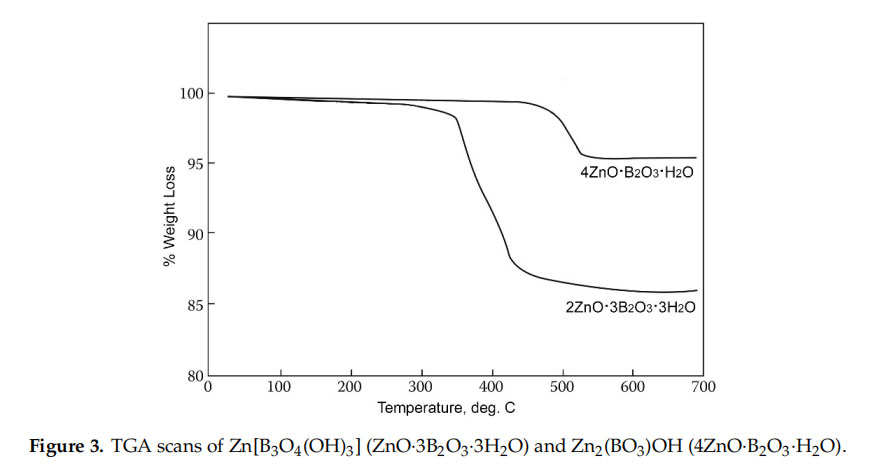
A commercially important property of Zn[B3O4(OH)3] (2ZnO·3B2O3·3H2O) is its relatively high dehydration on-set temperature of ca. 290 ◦C compared to other zinc borate phases. Most borates
that crystallize from water possess either free water of crystallization or B-OH groups that condense out as water at relatively low temperatures. Zinc borate Zn[B3O4(OH)3] is among a small number of borates that crystallize from water under non-hydrothermal conditions at industrially practical
rates and also exhibit high dehydration on-set temperatures. Only the zinc borate Zn2(BO3)OH (4ZnO·B2O3·H2O) has a higher dehydration on-set temperature (∼411 ◦C). and can be produced in a practical non-hydrothermal process.
Zinc borate Zn[B3O4(OH)3] crystallizes in the monoclinic space group P21/c. Its structure is based on chains of linked cyclic B3O4(OH)3 fundamental building blocks, as shown in Figure 1 [15]. Tetrahedral Zn2+ cations are coordinated by borate B-O-B and B-OH oxygen atoms of three separate polyborate chains. A section of the polyborate chain structure in Zn[B3O4(OH)3] is shown in Figure 2. The structure of this zinc borate resembles that of the important industrial borate mineral colemanite,
CaB3O4(OH)3·H2O (2CaO·3B2O3·5H2O), in that both contain polytriborate chains [26]. However, the higher coordination demands of the Ca ion in colemanite leads to the inclusion of water in
the structure.

2.2. 4ZnO·B2O3·H2O (Q = 0.25) or Zn2(BO3)OH
This zinc borate is unique in having the highest dehydration on-set temperature of the hydrated zinc borates, i.e., ca. 411 ◦C, as illustrated by the thermogravimetric scans shown in Figure 3. This allows for its use in applications requiring high processing or service temperatures. It can be noted that neither 2ZnO·3B2O3·3H2O nor 4ZnO·B2O3·H2O contain free water, as indicated by their structural formulas Zn[B3O4(OH)3] and Zn2(BO3)OH, and dehydration results from condensation of B-OH groups at elevated temperatures.
Zinc borate 4ZnO·B2O3·H2O and methods to produce it on industrial scale were initially described in the patent literature and multi-ton scale commercial production under the tradename Firebrake 415 started in the early 1990s [9,10]. It is currently produced by various manufacturers. It is produced by reaction of zinc oxide with boric acid in water near the boiling point in the presence of product seed according to Equation (3). Boric acid must be added in stages in order to maintain a sufficiently high pH (above ca. pH 6) to allow the reaction to proceed.

As long as a seed is present, this compound crystallizes rapidly as a pure phase in practical slurry concentrations under non-hydrothermal conditions. It also forms in a reaction of zinc salts with borax in the presence of seed or without seed by slow hydrolysis of a dilute (<5%) slurry of ZnO·3B2O3·3H2O in boiling water [9,10,15].
This zinc borate crystallizes in the non-centrosymmetric monoclinic system space group P21. Its structure was elucidated in 2000 by ab initio determination of the isostructural compound Zn2(BO3)(OH)0.75F0.25, in which fluoride occupies one quarter of the hydroxide positions [27]. A single crystal structure determination of pure Zn2(BO3)OH was reported in 2003 [11]. It has a framework structure built from two crystallographically independent ZnO4 tetrahedra that share corners with BO3 triangles with some ZnO4 corners occupied by hydroxyl groups.
2.3. 3ZnO·3B2O3·5H2O (Q = 1.00)
This zinc borate phase has been a commercial product for many years but is produced in much smaller quantities than ZnO·3B2O3·3H2O. As with most zinc borates, it is encountered as a microcrystalline powder that is not amenable to single crystal X-ray diffractions studies. Its crystal structure and precise chemical composition are currently unknown. It is often described in commercial literature as either ZnO·B2O3·2H2O or 2ZnO·2B2O3·3H2O and referred to as an article of commerce as ZB-112 or ZB-223. Analyses by this author suggest an actual composition close to ZnO·B2O3·1.67H2O, making 3ZnO·3B2O3·5H2O a more accurate resolved oxide formula. Although its composition is close to that of the well-defined compound ZnO·B2O3∼1.12H2O, discussed below, it is a unique crystalline phase that exhibits a characteristic powder X-ray diffraction pattern and thermal profile. It has a dehydration on-set temperature of about 200 ◦C, allowing it to be processed in a variety of polymers in which it is used as a fire retardant synergist and smoke suppressant.
This zinc borate can be prepared by aqueous reaction of borax with a dilute zinc nitrate solution. A more practical method developed by industrial chemists is by a reaction of zinc oxide with boric acid in hot aqueous solution. Whereas formation of 2ZnO·3B2O3·3H2O requires excess boric in solution, this phase forms only when boric is present in close to the stoichiometrically required amount as given
by Equation (4). When a substantial stoichiometric excess of boric acid is present the product contains 2ZnO·3B2O3·3H2O.

Typically, a slight stoichiometric excess of boric acid is needed to avoid the presence of unreacted zinc oxide in the product. With careful control of stoichiometry substantially pure 3ZnO·3B2O3·5H2O can be produced as may be confirmed by XRD and titration analysis.
2.4. 2ZnO·3B2O3·7H2O (Q = 1.5) or Zn[B3O3(OH)5]·H2O
This compound has been in commercial use since at least the 1930s and was the primary commercial zinc borate in the marketplace prior to the introduction of Zn[B3O4(OH)3] (2ZnO·3B2O3·3H2O) around 1970. Its low dehydration on-set temperature of about 120 ◦C is the primary disadvantage of this zinc borate in many commercial applications. This phase forms at room temperature in an aqueous reaction of borax with zinc salts or reaction boric acid with zinc oxide. An improved method to produce this zinc borate on industrial scale from zinc sulfate, zinc oxide and borax was described in a 1946 patent [28].
A single-crystal X-ray study was report confirming the structural formula of Zn[B3O3(OH)5]·H2O [16]. It crystallizes in the orthorhombic space group Pmna and contains isolated [B3O4(OH)5]2− anions, as shown in Figure 4, coordinated to Zn2+ cations along with one water molecule.

2.5. 3ZnO·5B2O3·14H2O (Q = 1.67)
This zinc borate has also been sold commercially, but is rarely encountered today because its low dehydration onset temperature makes it impractical for many applications. As an article of commerce, it is sometimes referred to as 2ZnO·3B2O3·9H2O or ZB-239. It can be prepared by aqueous
reaction of borax or boric acid with zinc salts. For example, a 1958 report of this compound describes crystallization within a few hours at 30 ◦C from an aqueous mixture of boric acid and zinc acetate in a 1:5 mole ratio [17]. When heated, the compound begins to dehydrate at 60 ◦C and loses 11 moles of water by 120 ◦C and all 14 moles of water by 300 ◦C.
The structure of 3ZnO·5B2O3·14H2O has not been determined and there is some uncertainly
regarding its precise composition. It is nevertheless a unique crystalline phase having a characteristic powder X-ray diffraction pattern and thermal profile. The proposed structural formula of this compound is Zn3[B5O6(OH)6]2·8H2O, shown in Figure 5. This is a zinc salt of the [B5O6(OH)6]3− anion, which is found in other borate compounds including the important industrial mineral borate ulexite, NaCa[B5O6(OH)6]2·5H2O.

3.Other Hydrated Zinc Borates
3.1. Overview of Other Hydrated Zinc Borates
The commercial zinc borate compounds discussed above are, or have been, produced on multi-ton scale and sold in truckload quantities. Production on this scale requires efficient and economical manufacturing methods. Although solvothermal syntheses are readily carried out on laboratory or small industrial scale, the equipment needed to undertake solvothermal production on multi-ton scale is generally too costly to be viable for chemical products in the value range of zinc borates. Therefore, the major commercial zinc borates are all produced under non-hydrothermal conditions using reaction pathways requiring at most a few hours to complete a multi-ton batch. The non-commercial zinc borates discussed in this section are prepared under solvothermal conditions often involving reaction times of days or weeks. Nevertheless, practical methods for manufacture of some of these zinc borates on industrial scale may eventually be developed, making these compounds of potential commercial interest. Some may also be of interest for smaller scale high value applications such electro-optical materials.
3.2. 16ZnO·3B2O3·3H2O (Q = 0.19) or Zn8(BO3)3O2(OH)3
This compound was described in 2006 [6]. It is prepared in about 20% yield by maintaining an aqueous mixture of the anhydrous zinc borate Zn3B2O6 and acetic acid in the presence of ethylenediamine in sealed tube at 170 ◦C for one week. It crystallizes in the non-centrosymmetric space group R32 and exhibits a framework structure constructed from two-ring [B5O6(OH)] fundamental building blocks and four-ring Zn8O18(OH)3 groups.
3.3. 12ZnO·3B2O3·H2O (Q = 0.25) or H[Zn6O2(BO3)3] or Zn6O(OH)(BO3)3
Two research groups described this zinc borate in 2006 and noted this as the correct formulation of a compound initially reported in 1993 as Zn4O(BO3)2 based on ab initio analysis of X-ray powder diffraction data [7,8,29]. The compound crystallizes in the rhombohedral space group R3c and has a framework structure consisting of vertex-sharing ZnO4 tetrahedra and BO3 triangles similar to that
originally described for anhydrous formulation. However, the redefined structure contains hydrogen that participates in nearly linear O–H···O hydrogen bonds. The presence of hydrogen was verified by solid state NMR spectroscopy [7].
This zinc borate can be prepared by maintaining an aqueous mixture of borax, zinc nitrate, and sodium hydroxide in a sealed vessel at 200 ◦C for four days [7]. Single crystals for X-ray diffraction work were prepared by heating a mixture of ZnO, B2O3, NaBr, and water in a 2:2:1:30 mole ratio at 280 ◦C for 20 days.
3.4. 6ZnO·5B2O3·3H2O (Q = 0.83)
This zinc borate was reported by Lehmann et al in 1967 [12]. It was initially prepared by heating a mixture of zinc oxide with boric acid in a 1:6–8 mole ratio with water in a sealed container for 16 hours at 165 ◦C. This compound also forms slowly when a dilute suspension of 2ZnO·3B2O3·3H2O in water is refluxed for a few weeks following initial formation of the 4ZnO·B2O3·H2O after about
one week [15]. The compound has not been structurally characterized. It exhibits a powder X-ray diffraction pattern similar to that of the anhydrous zinc borate 4ZnO·3B2O3 but has a dehydration on-set temperature below 100 ◦C and produces a distinctive IR spectrum consistent with the presence
of water or hydroxyl groups.
3.5. ZnO·B2O3·∼1.12H2O (Q = 1.00) or Zn(H2O)[B2O4]·∼0.12H2O
This zinc borate, first described in 2002, crystallizes from an aqueous mixture of zinc oxide, boric acid and guanidinium carbonate in a 1.0:3.3:1.0 mole ratio when heated in a sealed tube at 180 ◦C for 2 days [13]. The compound crystallizes in the rhombohedral system space group R3m. It has an open architecture framework structure featuring large [B12O24]12− polyborate rings. It begins to lose water when heated to about 120 ◦C.
3.6. 2ZnO·3B2O3·7.5H2O (Q = 1.5)
This is a distinct zinc borate phase that presents a powder X-ray diffraction pattern different from 2ZnO·3B2O3·7H2O. It is a higher hydrate of 2ZnO·3B2O3·7H2O having the proposed structural formula Zn[B3O3(OH)5]·1.5H2O. It forms at room temperature under similar but slightly different conditions to the lower hydrate. In an example described by Lehmann et al., the initially formed
amorphous precipitate obtained when zinc sulfate, borax, and boric acid are mixed in a 1:1:10 mole ratio in water at room temperature crystallizes after one or two days to provide this phase [12]. Zinc
oxide can be substituted for zinc sulfate. This phase was sometimes found in commercial samples of 2ZnO·3B2O3·7H2O in the past.
3.7. 2ZnO·3B2O3·4H2O (Q = 1.5) or Zn(H2O)4[B6O10]
This zinc borate, described in 2017, crystallizes from a mixture of boric acid and zinc hydroxide in a 10:1:40 mole ratio in the presence of propanediamine when held at 220 ◦C in sealed tube for 10 days. It crystallizes in the orthorhombic system space group Pna21 and has a open framework structure containing 10- and 11-membered ring channels formed from repeating cyclic [B3O7] units [19].
3.8. ZnO·5B2O3·4.5H2O (Q = 5)
This compound was reported by Lehmann et al. in 1967 [12]. It is obtained as a microcrystalline powder from a mixture of boric acid and zinc oxide in a >30:1 mole ratio without added water when heated in sealed container for 16 hours are 165 ◦C. The synthesis was repeated by this author and its initially reported powder X-ray diffraction pattern was confirmed. The compound has not been structurally characterized. It likely contains a condensed pentaborate framework structure with included water molecules. Upon heating, the compound begins to lose water at temperatures below 100 ◦C.
3.9. ZnO·6B2O3·5H2O (Q = 6) or ZnB12O14(OH)10
This zinc borate was reported in 2013 as a member of family of borate compounds, MB12O14(OH)10 (M = Mn, Fe, Zn) [19]. It was made using a two-step boric acid flux method. A mixture of zinc nitrate and oxalic acid in a 1:25 mole ratio was first heated in a sealed vessel at 150 ◦C for two days. The resulting product was washed with water, mixed with excess boric acid, and heated in a sealed vessel at 220 ◦C for another three days. The compound crystallizes in the monoclinic space group P21/c. It has a framework structure consisting of 2D layers constructed from two kinds of triborate building blocks and interstitial zinc cations.
4.Applications
4.1.Overview of Applications
Zinc borates have been employed in commercial applications since at least the 1930s. By the 1940s, they were used extensively as fire retardants in building materials, paints, floor coverings fire resistant fabrics, wire and cable jacketing, automotive parts, and mechanical rubber goods [30]. These applications continue to be important today and have expanded in scope. More recently developed major applications include uses as preservatives for bio-composites, anti-corrosives in coatings, fluxes in ceramics, and ingredients in agricultural micronutrients. These applications are discussed briefly below.
4.2.Polymer Additives
As polymer additives, zinc borates act as flame retardants, smoke and afterglow suppressants, and anti-drip and anti-arcing agents. They can also enhance thermal stability. The extensive literature on the uses of borates, including zinc borates, in fire retardancy has been reviewed [31]. This is a dynamic field with many new technical papers and patents relating appearing annually. Use of zinc borates as
polymer additives dates back at least to the 1930s. Prior to 1970 the predominant zinc borates used in these applications were 2ZnO·3B2O3·7H2O and 3ZnO·5B2O3·14H2O. These were largely replaced by 2ZnO·3B2O3·3H2O after its introduction, as the latter can be used at the higher processing temperatures required for many newer polymer systems and production methods.
Well estabilished polymer additives applications of zinc borate 2ZnO·3B2O3·3H2O (called 2ZnO·3B2O3·3.5H2O in commerce) include extensive use in polyvinyl chloride (PVC), polyamides, polyolefins, epoxies, phenolics, ethylene vinyl acetate (EVA) and rubber products [32–43]. This zinc borate is used in wall coverings, automotive interiors, conveyor belts, wire and cable jacketing, carpet backings, electrical connectors, electronics assemblies, and many other items. It has also been used as an adhesion promoter in steel belted tires.
Zinc borates are used both halogenated and halogen-free polymer systems, often together mineral fillers. Antimony oxide is commonly used as a synergist for halogen-based fire retardants. Although the combination of halogen and antimony is effective in suppressing flaming combustion, it often results in excessive smoke generation under realistic fire conditions. Partial replace of antimony oxide with zinc borate in these systems usually results in substantial reduction in smoke while maintaining fire performance. Zinc borate can typically replace half of the antimony oxide normally needed as a halogen synergist and can sometimes completely replace it. In systems such as flexible PVC, this synergy is further improved by addition of alumina trihydrate.
Fire performance in halogen-free polymers in often achieved through use of mineral fillers, such as alumina trihydrate (ATH) or magnesium hydroxide (MDH), which may be used at loadings of 70% or more. When about 5% of the mineral filler is replaced by a zinc borate, fire performance may be substantially improved. This results from the ability of zinc borate to act a flux to convert the ATH or MDH into a hard, vitreous char that reduces the rate of heat release, suppresses afterglow, and improves other fire performance parameters. For example, replacement of 5% of ATH with zinc borate in non-crosslinked ethylene vinyl acetate (EVA) results in substantial reduction of the peak rate of heat release, delayed in time to ignition, and reduction in smoke generation [38–40].
Zinc borate 3ZnO·3B2O3·5H2O (often referred to as ZB-112 or ZB-223 in commerce) is thought to provide better smoke suppression in some polymer systems. Although manufactured in much smaller quantities than 2ZnO·3B2O3·3H2O, it is sometimes chosen for this reason. This effect might be related to its higher zinc content as 4ZnO·B2O3·H2O has been observed to also provide lower smoke generation in some systems.
Zinc borate 2ZnO·3B2O3·3H2O, which is used most widely in polymers, begins to lose water through condensation of B-OH groups at ca. 290 ◦C. This allows for use in many types of polymers processed at temperatures up to this temperature and even at 300 ◦C, since water loss is minimal in the 290–300 ◦C range. Increased use of engineering polymers requiring higher processing temperatures, as
well as the need for higher production rates, has created a demand for zinc borates having greater thermal stability. This demand has been met in two ways. One method is by calcining hydrated zinc borates to produce anhydrous products. The other way is by use of zinc borates that have inherently higher dehydration onset temperatures. In the first case, 2ZnO·3B2O3·3H2O is calcined to form an anhydrous amorphous material of composition 2ZnO·3B2O3. This anhydrous zinc borate is now a well-established product in the fire retardant market. In the second case, the crystalline zinc borate 4ZnO·B2O3·H2O, which has a dehydration on-set temperature of about 411 ◦C, was developed as a commercial product in the early 1990s specifically to meet the need for higher processing temperatures.
These zinc borates are used in polyamides, polyether ketones, polysulfones, fluoropolymers, polyesters and other systems requiring high processing temperatures. An advantage of 4ZnO·B2O3·H2O is its greater stability towards moisture compared to the more hygroscopic 2ZnO·3B2O3.
Zinc borates are also used to improve the electrical properties, such as comparative tracking index(CTI), of polymers used to make electrical connectors and related products. For example, zinc borate is used to partially replace antimony oxide or sodium antimonate in fiberglass-reinforced polyamides containing halogen fire retardants. This results in a substantial improvement in CTI, melt viscosity,
thermal and color stability while maintaining UL-94 fire performance. Because polyamides and other engineering polymers are often processed at temperatures exceeding 300 ◦C, 4ZnO·B2O3·H2O and anhydrous zinc borate 2ZnO·3B2O3 are used in these systems to improve electrical properties and fire performance [32,42].
4.3.Preservative for Bio-Composites
Bio-composites, especially wood composites, are increasingly popular building materials. However, these materials may be susceptible to biodegradation. Zinc borate is used to lend durability to these products, including oriented strand board (OSB), laminated strand lumber, oriented structural straw board, particle board, engineered bamboo scrimber, waferboard, and wood-plastic composites [44–49].
OSB is the most common load bearing wood composite panel used in residential and commercial construction in North America. It is widely used as a primary structural sheathing material in construction for subfloors, floors, walls, roofs, structural I-beam components, and siding. It is also used for furniture frames and industrial crates and pallet tops. Global production of OSB now exceeds 2 × 10⁷ m3 per year [50]. Although OSB has excellent engineering properties, it may be susceptible to attack by decay fungi and insects when used under conditions favorable to wood destroying organisms. For this reason, a biocide is generally added to OSB during production. The most common biocide used in OSB is zinc borate of the form Zn[B3O4(OH)3] (described in the commercial context as ZnO·3B2O3·3.5H2O) for which certain brands carry required biocidal registrations. Zinc borate is typically added at 0.75–2% by weight as a fine powder to the dry wood chips. Wax and adhesive are added and the OSB panels are formed by application of heat and pressure. More than two decades of field test data now exists demonstrating long-term effectiveness of zinc borate for protection of OSB against biodegradation, making it the benchmark preservative in this market.
The mechanism by which zinc borate acts as a preservative for bio-composites involves controlled hydrolysis to gradually and reversibly release boric acid. Boric acid is well known to inhibit wood destroying organisms and carries biocidal registration for this use in many jurisdictions. However, its relatively low dehydration onset temperature (<100 ◦C) and high solubility makes it impractical
to incorporate directly into most building materials. Zinc borate ZnO·3B2O3·3H2O exhibits both low solubility and a high dehydration temperature, making it suitable for use in bio-composite manufacturing processes.
Zinc borate ZnO·3B2O3·3H2O, which has the structural formula Zn[B3O4(OH)3], displays incongruent solubility in water with hydrolysis resulting in more soluble boric acid and less soluble
zinc hydroxide, according to Equation (5). This hydrolysis is reversible and proceeds to a large extend only under high dilution conditions.

A 5 wt% aqueous slurry of ZnO·3B2O3·3H2O remains essentially unhydrolyzed at room temperature, whereas dilution to 0.05% results in complete hydrolysis. Under conditions relevant to the use of zinc borate in building materials, movement of moisture during service results in limited hydrolysis zinc borate with release of boric acid only when required to prevent the growth of decay fungi [51].
4.4.Coatings
Zinc borate ZnO·3B2O3·3H2O is used as a corrosion inhibitor, in-can preservative, and tannin stain blocker in aqueous and non-aqueous coatings. It is also used as a component in some fire retardant and intumescent coatings [52].
4.5.Ceramics and Ceramic Glazes
Zinc borates are used as fluxes in ceramic bodies and as ingredients in ceramic glazes. Addition of zinc borate, most often ZnO·3B2O3·3H2O, at 1–10 wt% to ceramic bodies is reported to substantially decrease firing times and/or firing temperatures and to increase both green and fired strength. Zinc borates have been used for these reasons in vitreous porcelains, bricks, and other related products[53,54].
4.6.Agriculture
Adequate supplies of both zinc and boron are needed for the proper functioning of plants. Suboptimal soil concentrations of these two elements are among the most prevalent micronutrient deficiencies facing global agriculture. Tens of thousands of tons of refined sodium borates and beneficiated borate minerals are currently used to boost crops yields and prevent plant diseases related to boron deficiency. Zinc borates are also used as components in some agricultural micronutrient formulation.
5.Conclusions
Industrial applications of zinc borates continue to develop. Currently, more than 100 new patents and technical papers appear annually in this field. Despite the extensive and growing industrial applications of zinc borates, some outstanding questions remain unanswered regarding their chemistry. For example, phase relationships in the ZnO-B2O3-H2O system have not been fully defined. Conflicting data in the literature regarding conditions under which distinct crystalline phases form may result from the high susceptibility toward seeding exhibited by many zinc borates. In addition, structural elucidation is still needed for some well-documented phases, including those having approximate compositions 6ZnO·5B2O3·3H2O, ZnO·5B2O3·4.5H2O, and 3ZnO·3B2O3·5H2O. The last of these is often described in commercial use by the compositions ZnO·B2O3·2H2O and 2ZnO·2B2O3·3H2O, but these are likely inaccurate descriptions.
Conflicts of Interest: The author declares no conflicts of interest.
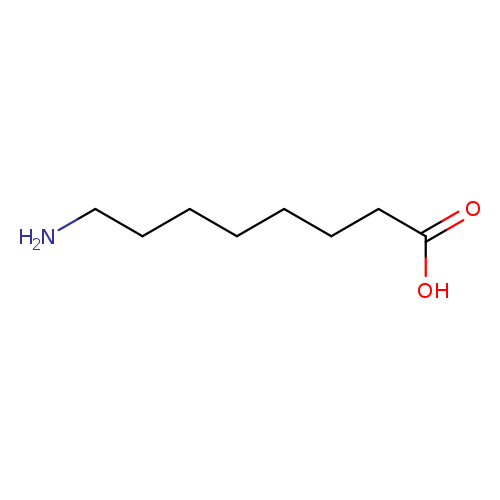
8-Aminooctanoic acidCatalog No.:AA00015I CAS No.:1002-57-9 MDL No.:MFCD00008245 MF:C8H17NO2 MW:159.2261 |
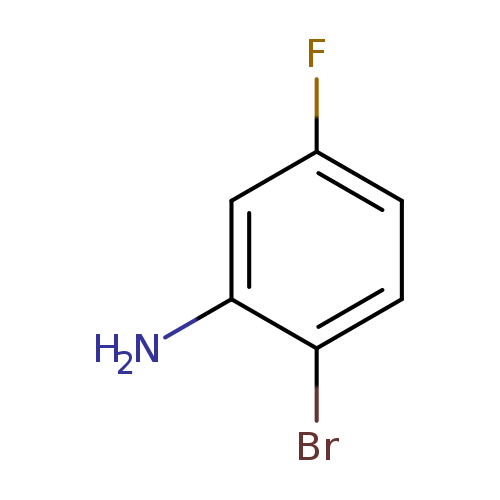
2-Bromo-5-fluoroanilineCatalog No.:AA0001GG CAS No.:1003-99-2 MDL No.:MFCD00070750 MF:C6H5BrFN MW:190.0130 |
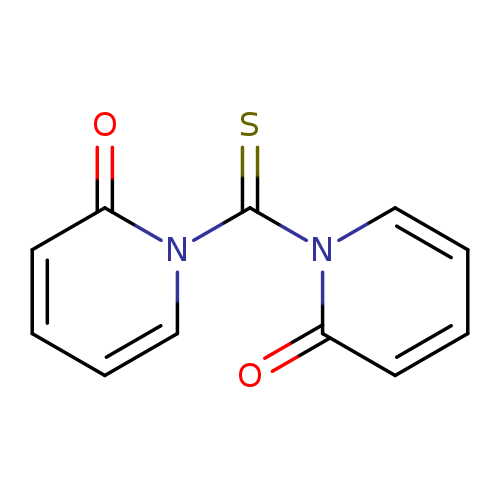
1,1'-Thiocarbonylbis(pyridin-2(1H)-one)Catalog No.:AA00077P CAS No.:102368-13-8 MDL No.:MFCD00075238 MF:C11H8N2O2S MW:232.2584 |
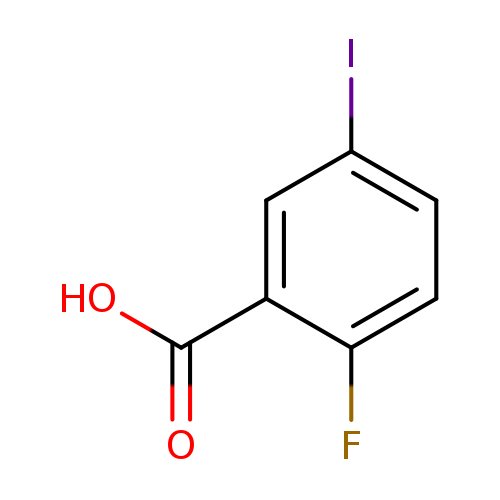
Benzoic acid, 2-fluoro-5-iodo-Catalog No.:AA000MK0 CAS No.:124700-41-0 MDL No.:MFCD03094517 MF:C7H4FIO2 MW:266.0083 |
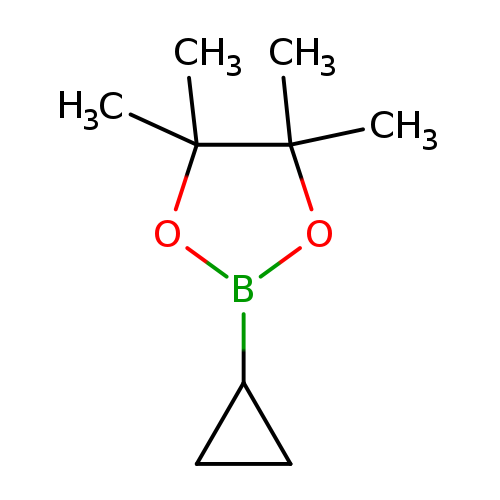
2-Cyclopropyl-4,4,5,5-tetramethyl-1,3,2-dioxaborolaneCatalog No.:AA000T0W CAS No.:126689-01-8 MDL No.:MFCD05663847 MF:C9H17BO2 MW:168.0411 |
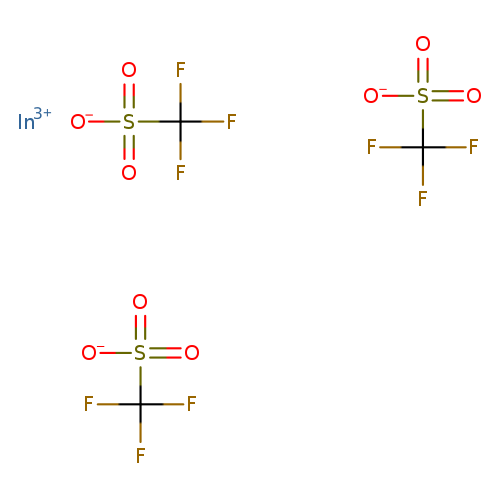
Methanesulfonic acid, 1,1,1-trifluoro-, indium(3+) salt (3:1)Catalog No.:AA000XM9 CAS No.:128008-30-0 MDL No.:MFCD00144478 MF:CHF3InO3S MW:264.8950 |
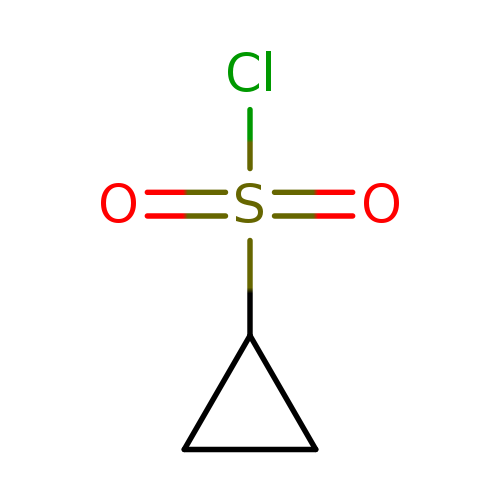
CyclopropanesulfonylchlorideCatalog No.:AA001BBY CAS No.:139631-62-2 MDL No.:MFCD01631933 MF:C3H5ClO2S MW:140.5886 |
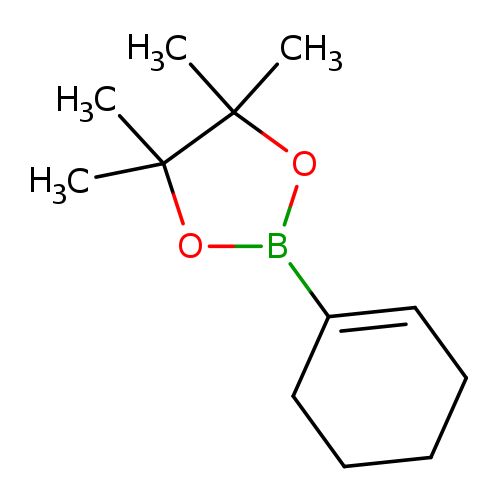
2-(1-Cyclohexen-1-yl)-4,4,5,5-tetramethyl-1,3,2-dioxaborolaneCatalog No.:AA001FT7 CAS No.:141091-37-4 MDL No.:MFCD05663845 MF:C12H21BO2 MW:208.1049 |
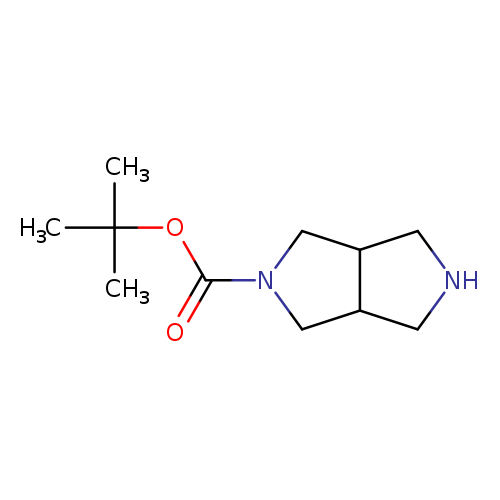
tert-Butyl hexahydropyrrolo[3,4-c]pyrrole-2(1H)-carboxylateCatalog No.:AA001GBX CAS No.:141449-85-6 MDL No.:MFCD04115128 MF:C11H20N2O2 MW:212.2887 |
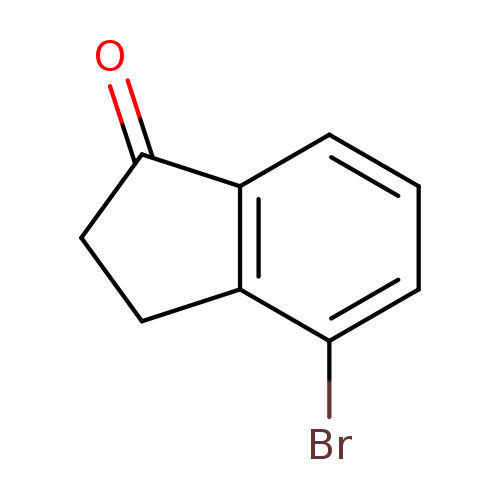
4-Bromo-1-indanoneCatalog No.:AA001N1Y CAS No.:15115-60-3 MDL No.:MFCD01719772 MF:C9H7BrO MW:211.0553 |
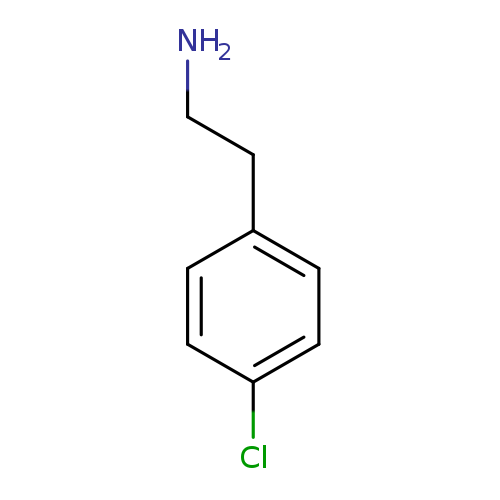
4-ChlorophenethylamineCatalog No.:AA001OCE CAS No.:156-41-2 MDL No.:MFCD00008191 MF:C8H10ClN MW:155.6247 |
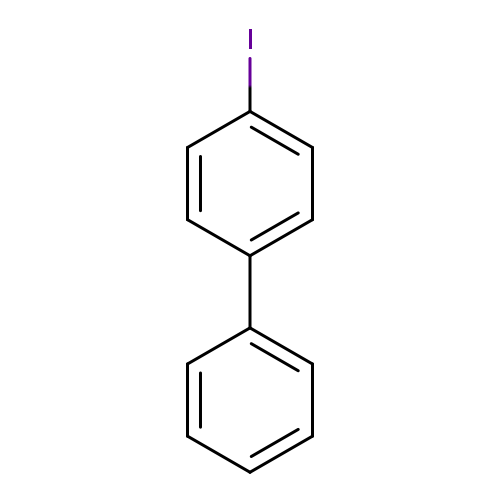
4-IodobiphenylCatalog No.:AA001QEN CAS No.:1591-31-7 MDL No.:MFCD00019028 MF:C12H9I MW:280.1043 |
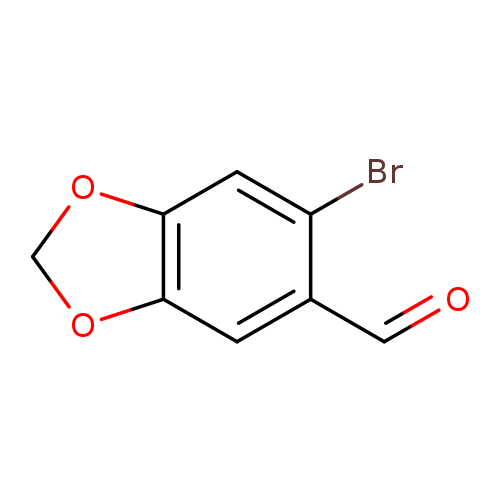
6-Bromobenzo[d][1,3]dioxole-5-carbaldehydeCatalog No.:AA001QJM CAS No.:15930-53-7 MDL No.:MFCD00022952 MF:C8H5BrO3 MW:229.0275 |
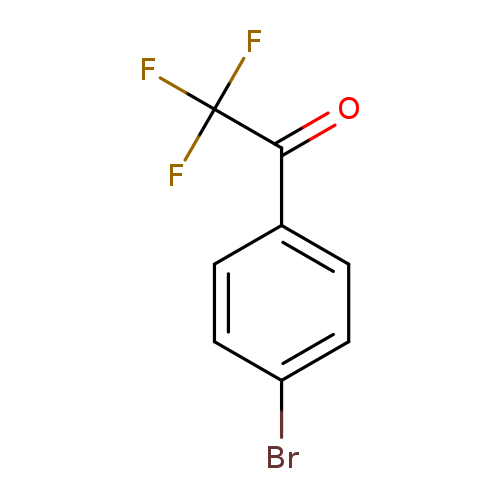
4'-Bromo-2,2,2-trifluoroacetophenoneCatalog No.:AA001VV0 CAS No.:16184-89-7 MDL No.:MFCD00191862 MF:C8H4BrF3O MW:253.0160 |
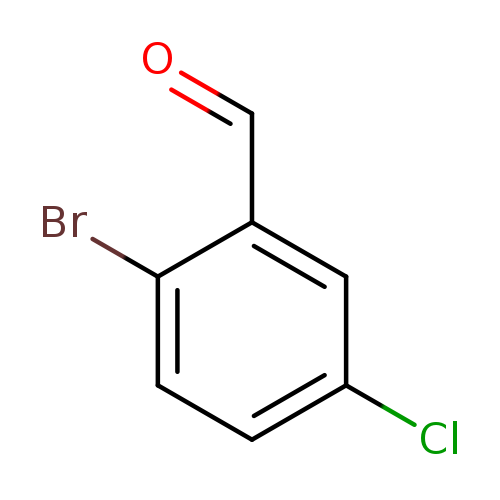
2-Bromo-5-chlorobenzaldehydeCatalog No.:AA001ZGW CAS No.:174265-12-4 MDL No.:MFCD00462870 MF:C7H4BrClO MW:219.4631 |
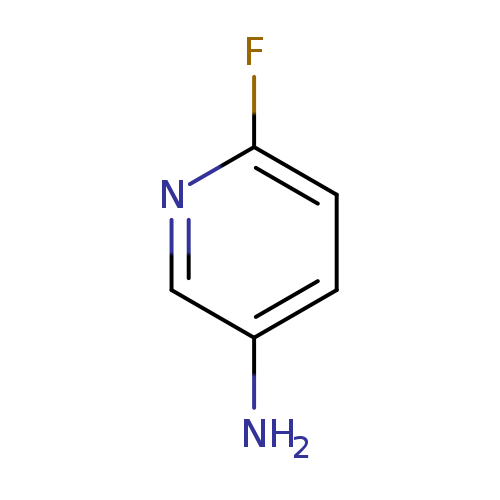
5-Amino-2-fluoropyridineCatalog No.:AA00240Q CAS No.:1827-27-6 MDL No.:MFCD01632180 MF:C5H5FN2 MW:112.1050 |
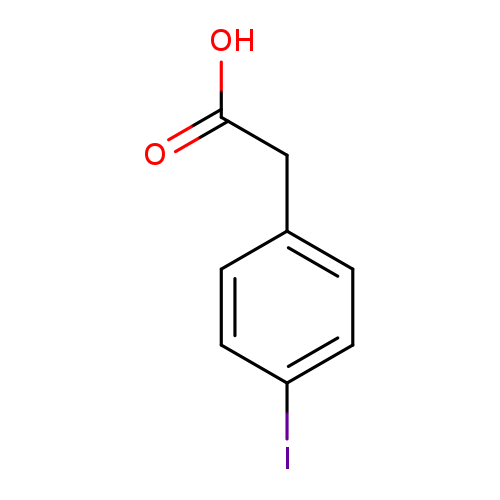
2-(4-Iodophenyl)acetic acidCatalog No.:AA00276O CAS No.:1798-06-7 MDL No.:MFCD00082985 MF:C8H7IO2 MW:262.0444 |
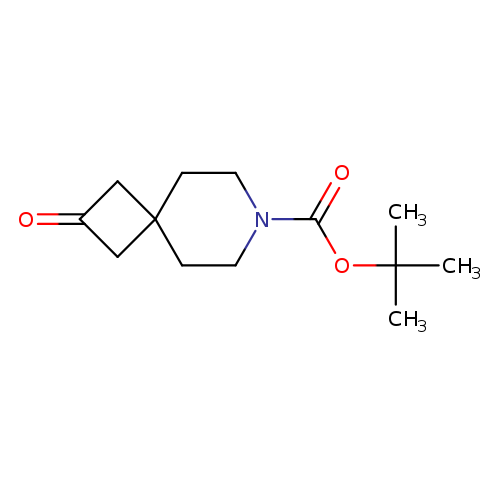
tert-Butyl 2-oxo-7-azaspiro[3.5]nonane-7-carboxylateCatalog No.:AA0028ZB CAS No.:203661-69-2 MDL No.:MFCD12198552 MF:C13H21NO3 MW:239.3107 |
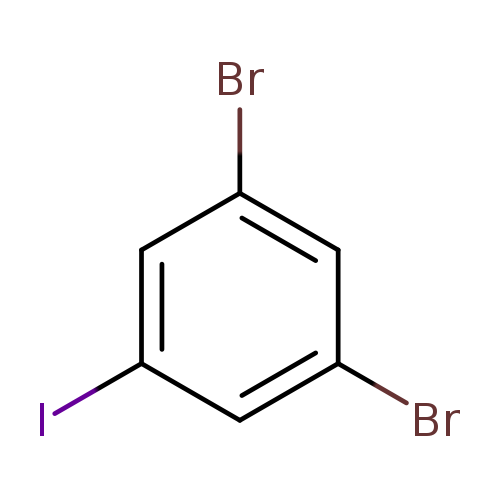
1,3-Dibromo-5-iodobenzeneCatalog No.:AA002ASI CAS No.:19752-57-9 MDL No.:MFCD07778996 MF:C6H3Br2I MW:361.8005 |
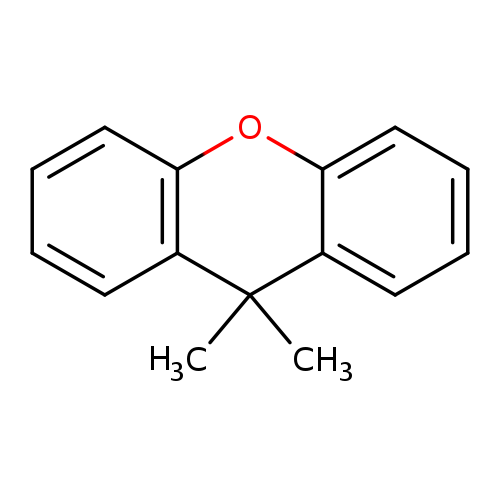
9,9-Dimethyl-9H-xantheneCatalog No.:AA002B91 CAS No.:19814-75-6 MDL No.:MFCD00134434 MF:C15H14O MW:210.2711 |
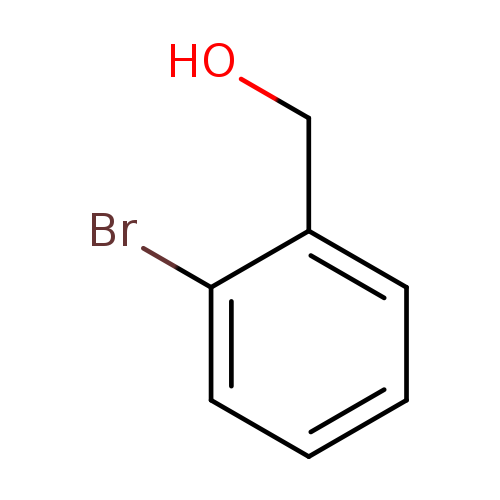
2-Bromobenzyl alcoholCatalog No.:AA002DXX CAS No.:18982-54-2 MDL No.:MFCD00004600 MF:C7H7BrO MW:187.0339 |
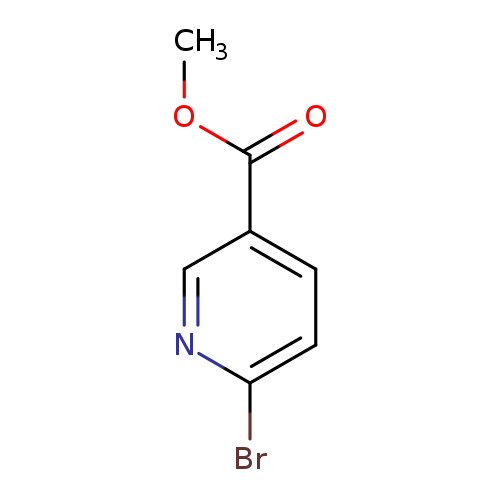
Methyl 6-bromonicotinateCatalog No.:AA002S8C CAS No.:26218-78-0 MDL No.:MFCD04972371 MF:C7H6BrNO2 MW:216.0320 |
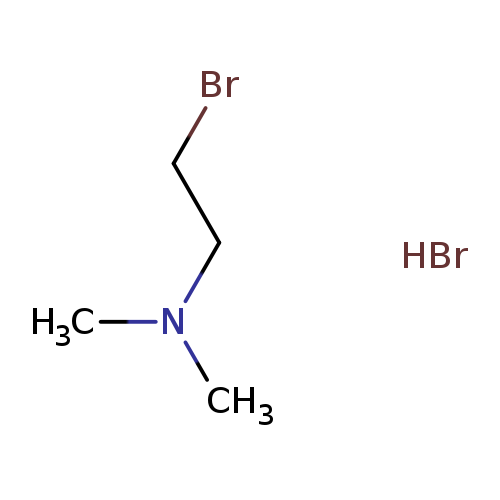
2-Bromo-N,N-dimethylethylamine HydrobromideCatalog No.:AA002VTB CAS No.:2862-39-7 MDL No.:MFCD00040375 MF:C4H11Br2N MW:232.9448 |
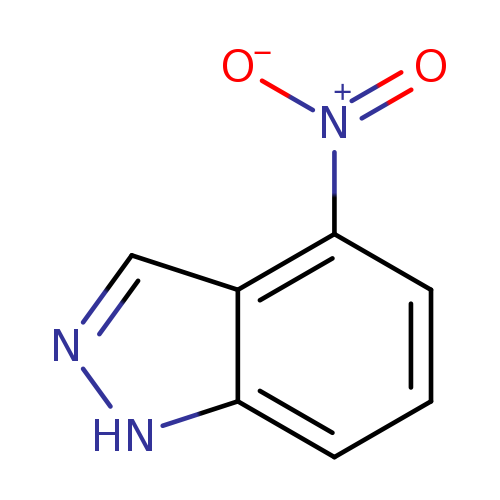
4-nitro-1H-indazoleCatalog No.:AA002Y8W CAS No.:2942-40-7 MDL No.:MFCD00022784 MF:C7H5N3O2 MW:163.1335 |
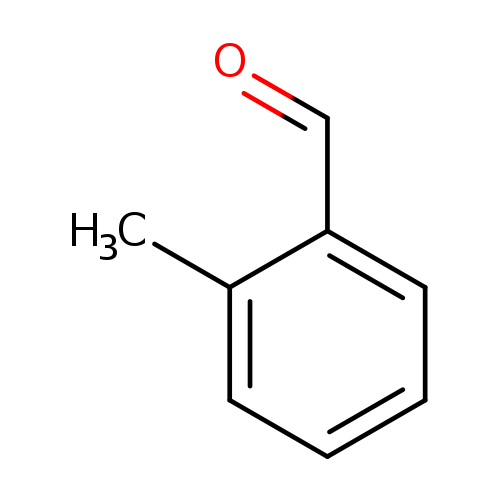
2-MethylbenzaldehydeCatalog No.:AA003277 CAS No.:529-20-4 MDL No.:MFCD00003338 MF:C8H8O MW:120.1485 |
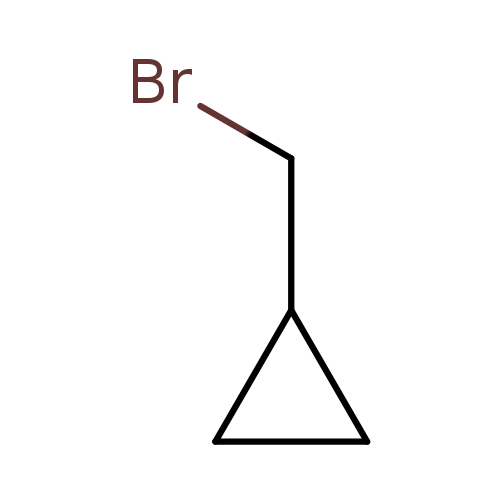
(Bromomethyl)cyclopropaneCatalog No.:AA0032AE CAS No.:7051-34-5 MDL No.:MFCD00001306 MF:C4H7Br MW:135.0024 |
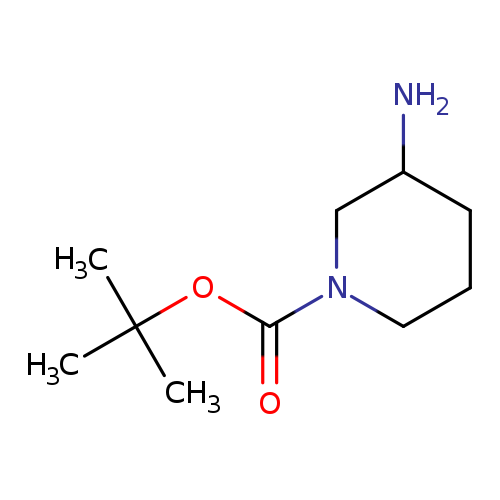
(S)-1-Boc-3-aminopiperidineCatalog No.:AA0032DP CAS No.:625471-18-3 MDL No.:MFCD03094718 MF:C10H20N2O2 MW:200.2780 |
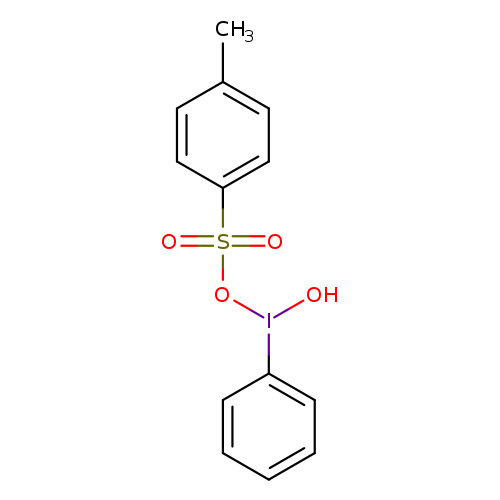
[Hydroxy(tosyloxy)iodo]benzeneCatalog No.:AA0032FD CAS No.:27126-76-7 MDL No.:MFCD00011547 MF:C13H13IO4S MW:392.2094 |
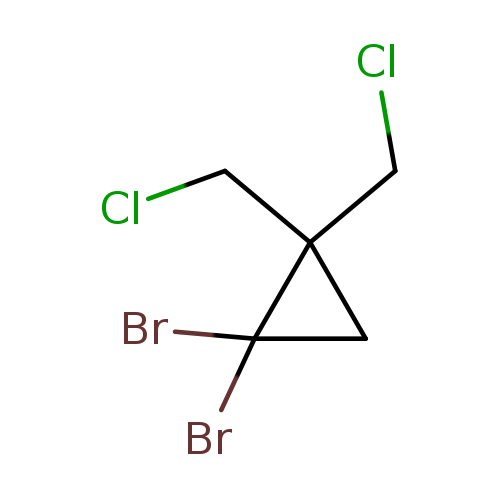
1,1-Dibromo-2,2-bis(chloromethyl)cyclopropaneCatalog No.:AA0032H1 CAS No.:98577-44-7 MDL No.:MFCD00101445 MF:C5H6Br2Cl2 MW:296.8151 |
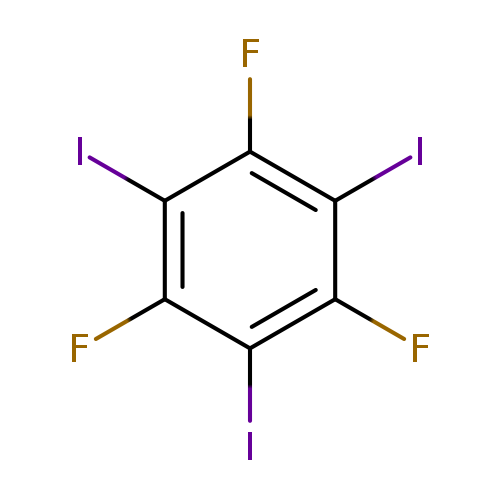
1,3,5-Trifluoro-2,4,6-triiodobenzeneCatalog No.:AA0032ID CAS No.:84322-56-5 MDL No.:MFCD06248899 MF:C6F3I3 MW:509.7728 |
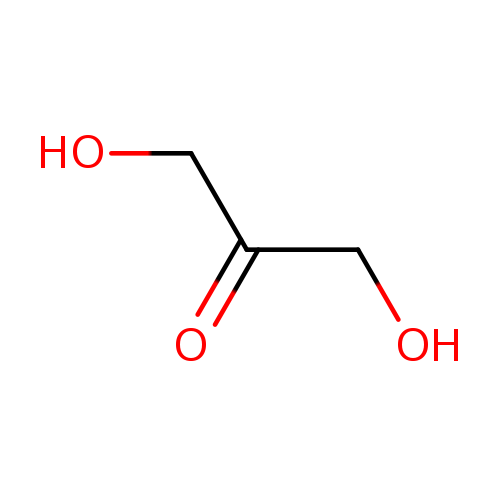
1,3-DihydroxyacetoneCatalog No.:AA0032IW CAS No.:96-26-4 MDL No.:MFCD00004670 MF:C3H6O3 MW:90.0779 |
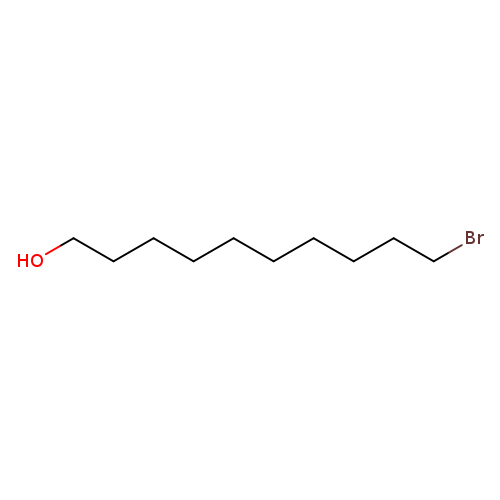
10-BromodecanolCatalog No.:AA0032L1 CAS No.:53463-68-6 MDL No.:MFCD00041681 MF:C10H21BrO MW:237.1771 |
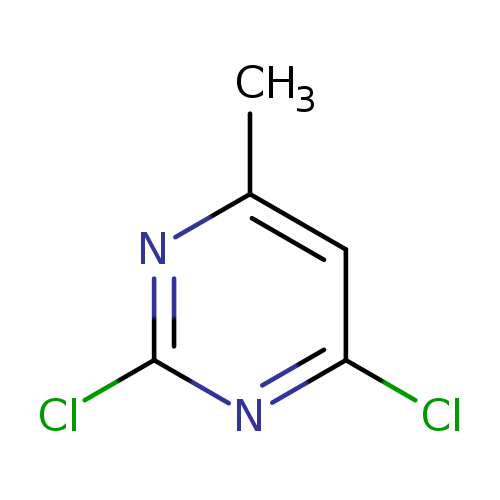
2,4-Dichloro-6-methylpyrimidineCatalog No.:AA0032WC CAS No.:5424-21-5 MDL No.:MFCD00006064 MF:C5H4Cl2N2 MW:163.0047 |
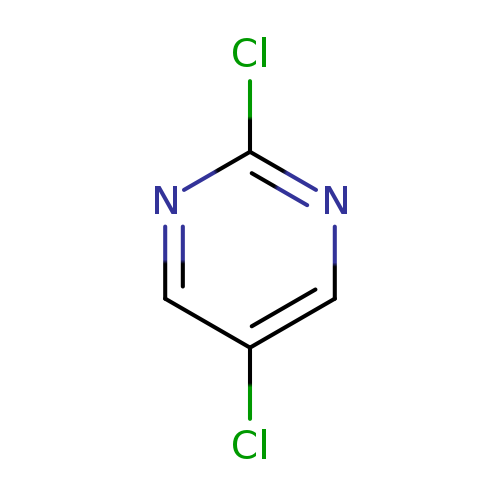
2,5-DichloropyrimidineCatalog No.:AA0032XH CAS No.:22536-67-0 MDL No.:MFCD00673131 MF:C4H2Cl2N2 MW:148.9781 |
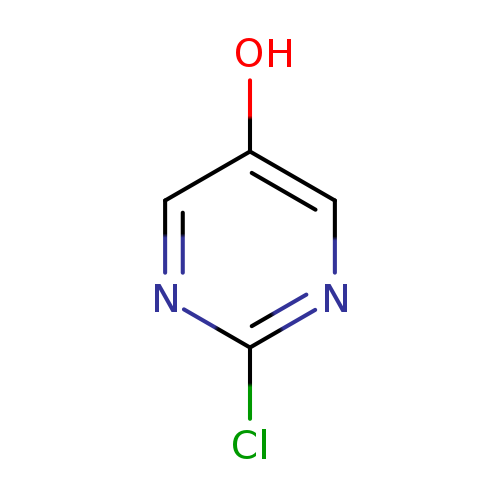
2-Chloro-5-hydroxypyrimidineCatalog No.:AA00335L CAS No.:4983-28-2 MDL No.:MFCD09743796 MF:C4H3ClN2O MW:130.5324 |
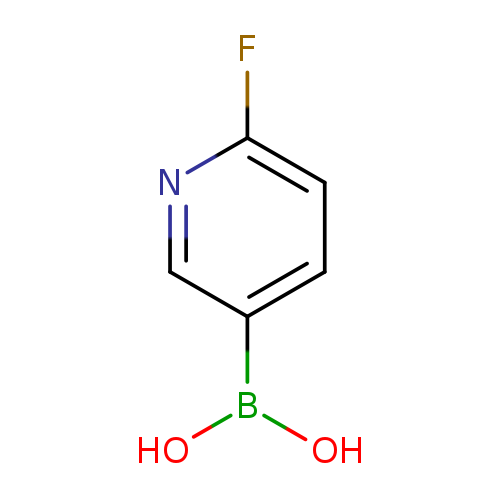
2-Fluoropyridine-5-boronic acidCatalog No.:AA003394 CAS No.:351019-18-6 MDL No.:MFCD03411559 MF:C5H5BFNO2 MW:140.9081 |
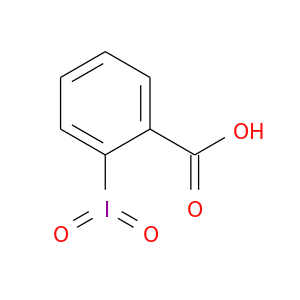
2-Iodoxybenzoic acidCatalog No.:AA0033AI CAS No.:61717-82-6 MDL No.:MFCD02912492 MF:C7H5IO4 MW:280.0167 |
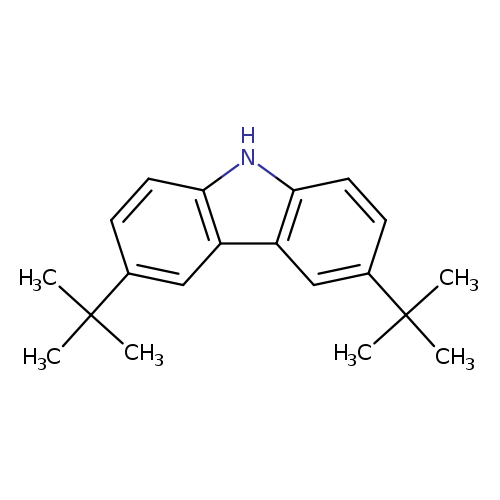
3,6-ditert-butyl-9H-carbazoleCatalog No.:AA0033H9 CAS No.:37500-95-1 MDL No.:MFCD03788903 MF:C20H25N MW:279.4192 |
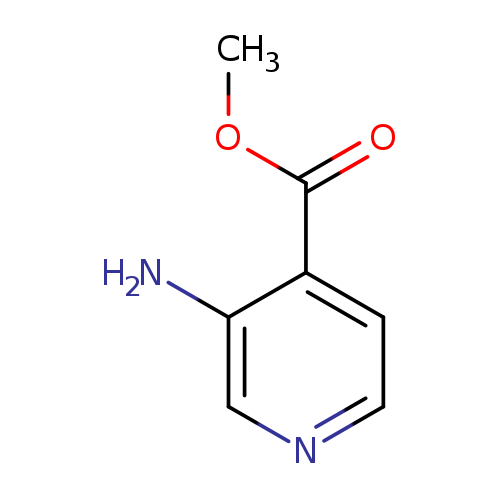
3-Amino-Isonicotinic Acid Methyl EsterCatalog No.:AA0033IN CAS No.:55279-30-6 MDL No.:MFCD02082535 MF:C7H8N2O2 MW:152.1506 |
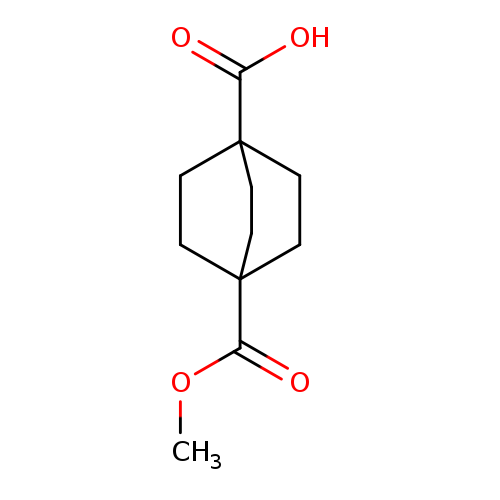
4-(Methoxycarbonyl)bicyclo[2.2.2]octane-1-carboxylic AcidCatalog No.:AA0033QR CAS No.:18720-35-9 MDL No.:MFCD18459359 MF:C11H16O4 MW:212.2423 |
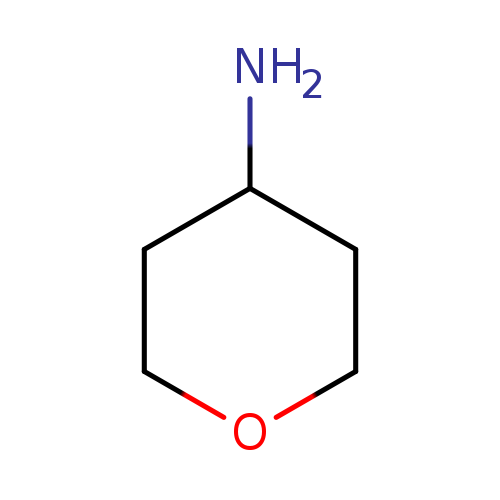
4-AminotetrahydropyranCatalog No.:AA0033U2 CAS No.:38041-19-9 MDL No.:MFCD02179436 MF:C5H11NO MW:101.1469 |
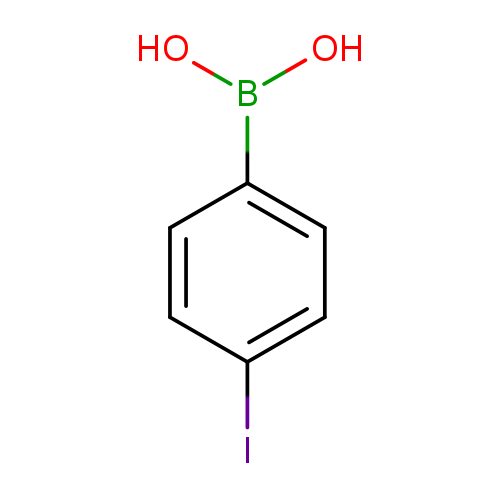
(4-Iodophenyl)boronic acidCatalog No.:AA003405 CAS No.:5122-99-6 MDL No.:MFCD01319014 MF:C6H6BIO2 MW:247.8261 |
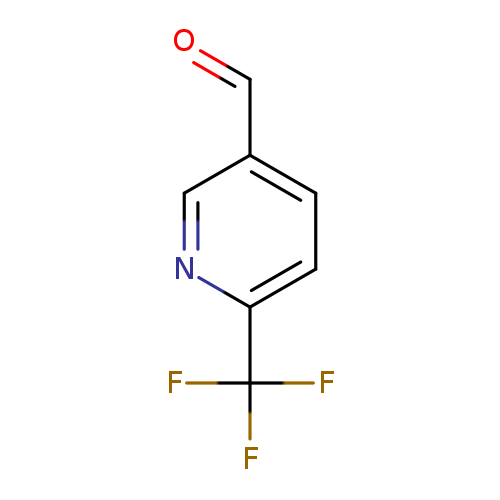
6-(Trifluoromethyl)pyridine-3-carboxaldehydeCatalog No.:AA00348J CAS No.:386704-12-7 MDL No.:MFCD01862647 MF:C7H4F3NO MW:175.1080 |
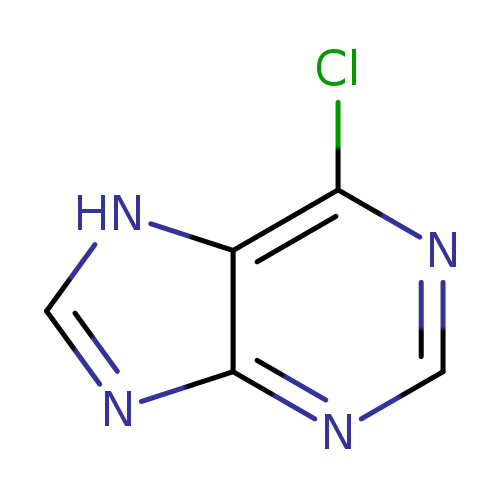
6-ChloropurineCatalog No.:AA0034A0 CAS No.:87-42-3 MDL No.:MFCD00075825 MF:C5H3ClN4 MW:154.5571 |
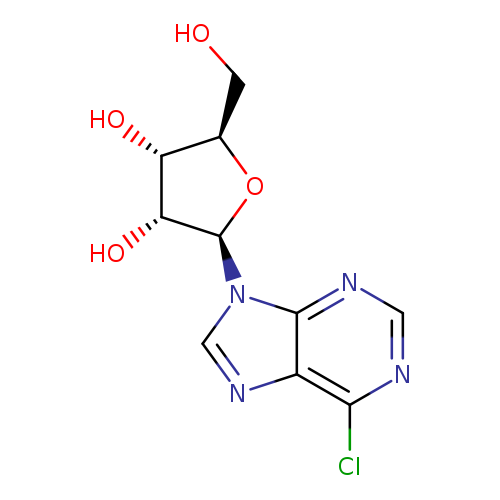
6-Chloropurine 9-β-D-ribofuranosideCatalog No.:AA0034A1 CAS No.:5399-87-1 MDL No.:MFCD00005738 MF:C10H11ClN4O4 MW:286.6717 |
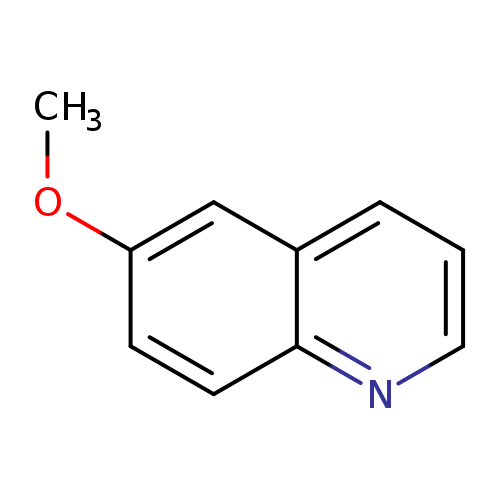
6-MethoxyquinolineCatalog No.:AA0034AL CAS No.:5263-87-6 MDL No.:MFCD00006800 MF:C10H9NO MW:159.1846 |
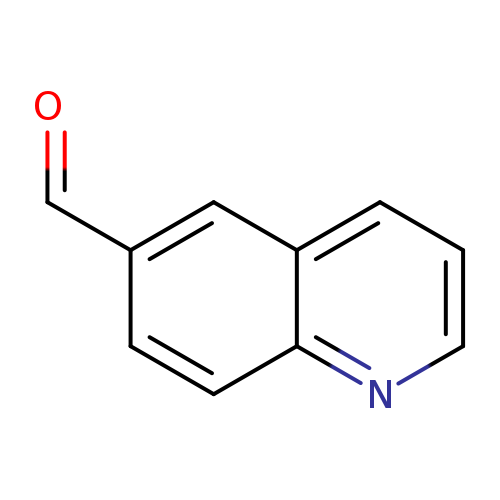
6-QuinolinecarboxaldehydeCatalog No.:AA0034AS CAS No.:4113-04-6 MDL No.:MFCD00805836 MF:C10H7NO MW:157.1687 |
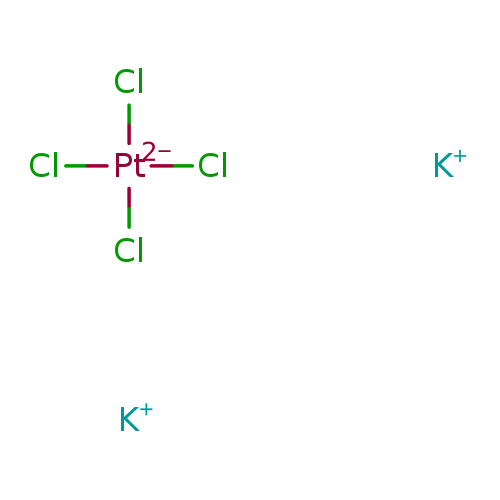
Dipotassium tetrachloroplatinateCatalog No.:AA0034PG CAS No.:10025-99-7 MDL No.:MFCD00011378 MF:Cl4K2Pt MW:415.0866 |
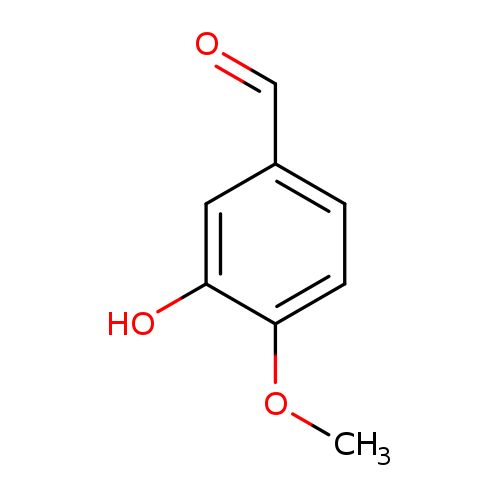
3-Hydroxy-4-MethoxybenzaldehydeCatalog No.:AA0034ZO CAS No.:621-59-0 MDL No.:MFCD00003369 MF:C8H8O3 MW:152.1473 |
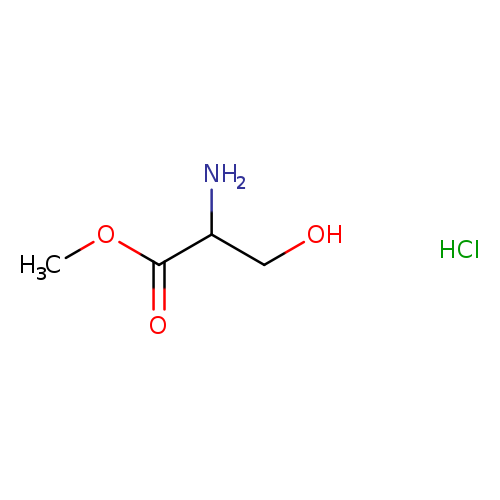
L-Serine Methyl Ester HydrochlorideCatalog No.:AA003519 CAS No.:5680-80-8 MDL No.:MFCD00063680 MF:C4H10ClNO3 MW:155.5801 |
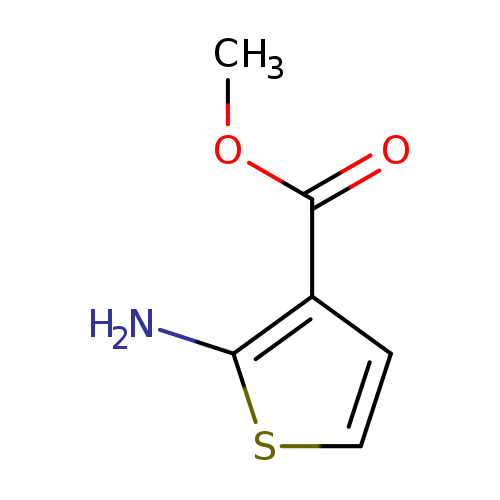
Methyl 2-aminothiophene-3-carboxylateCatalog No.:AA003530 CAS No.:4651-81-4 MDL No.:MFCD00159547 MF:C6H7NO2S MW:157.1903 |
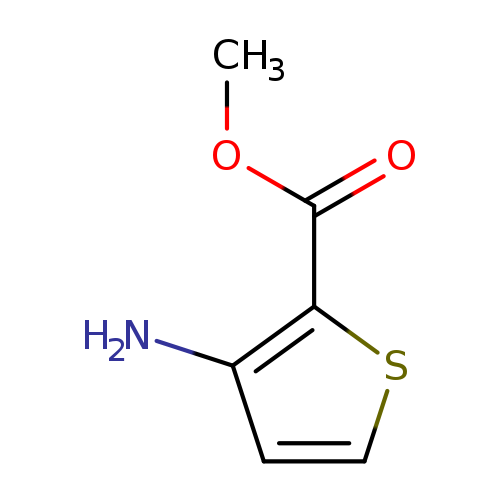
Methyl 3-amino-2-thiophenecarboxylateCatalog No.:AA00353R CAS No.:22288-78-4 MDL No.:MFCD00001914 MF:C6H7NO2S MW:157.1903 |
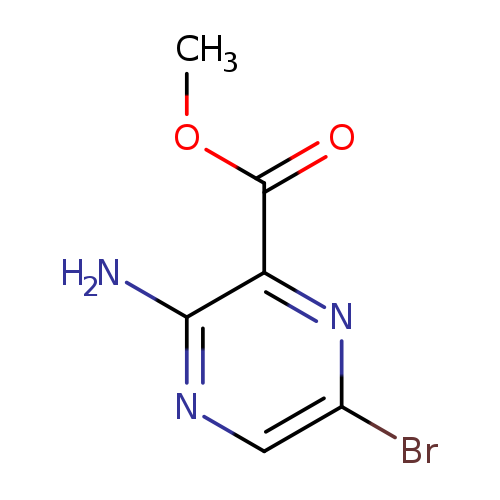
Methyl 3-Amino-6-bromopyrazine-2-carboxylateCatalog No.:AA00353S CAS No.:6966-01-4 MDL No.:MFCD04038568 MF:C6H6BrN3O2 MW:232.0347 |
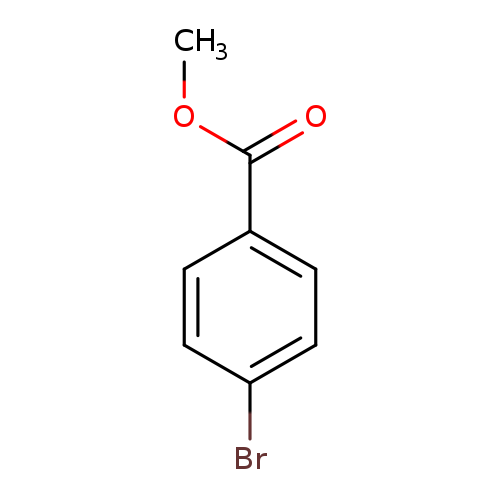
Methyl 4-BromobenzoateCatalog No.:AA00354M CAS No.:619-42-1 MDL No.:MFCD00013531 MF:C8H7BrO2 MW:215.0440 |
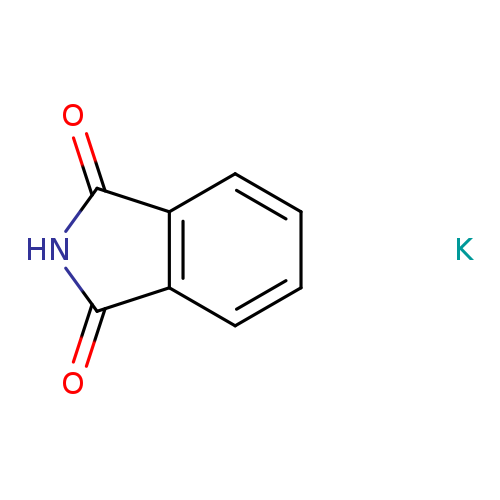
Potassium PhthalimideCatalog No.:AA0035FX CAS No.:1074-82-4 MDL No.:MFCD00005887 MF:C8H5KNO2 MW:186.2291 |
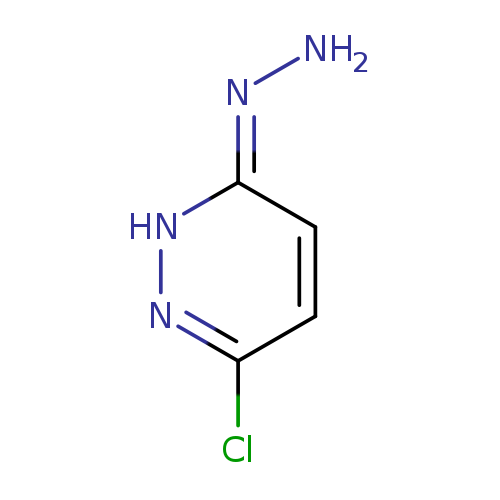
3-Chloro-6-hydrazinopyridazineCatalog No.:AA0035R6 CAS No.:17284-97-8 MDL No.:MFCD26743662 MF:C4H5ClN4 MW:144.5623 |
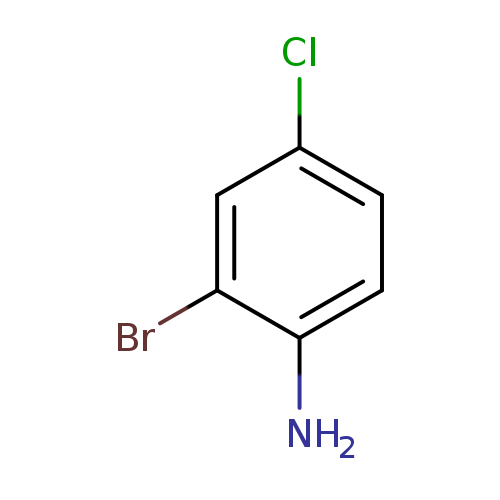
2-Bromo-4-chloroanilineCatalog No.:AA00368P CAS No.:873-38-1 MDL No.:MFCD00041313 MF:C6H5BrClN MW:206.4676 |
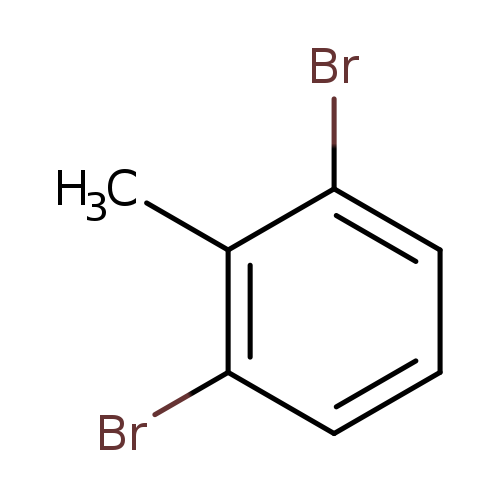
2,6-DibromotolueneCatalog No.:AA0036JD CAS No.:69321-60-4 MDL No.:MFCD00013524 MF:C7H6Br2 MW:249.9305 |
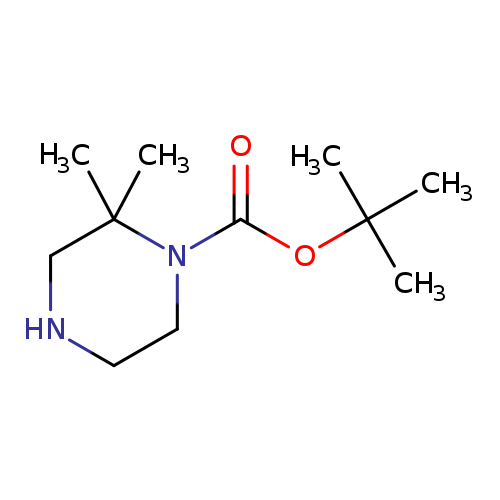
tert-Butyl 2,2-dimethylpiperazine-1-carboxylateCatalog No.:AA0036JE CAS No.:674792-07-5 MDL No.:MFCD07371652 MF:C11H22N2O2 MW:214.3046 |
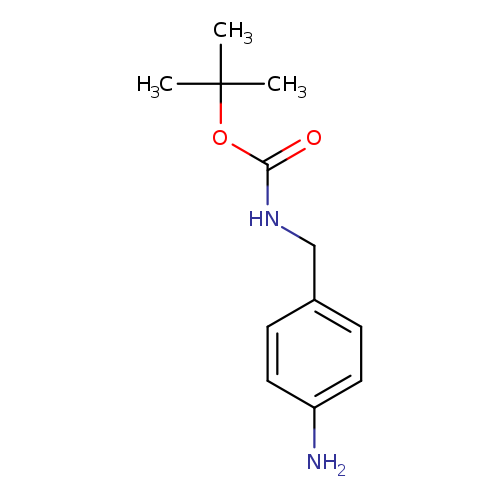
4-[(N-Boc)aminomethyl]anilineCatalog No.:AA0036LB CAS No.:94838-55-8 MDL No.:MFCD03001716 MF:C12H18N2O2 MW:222.2835 |
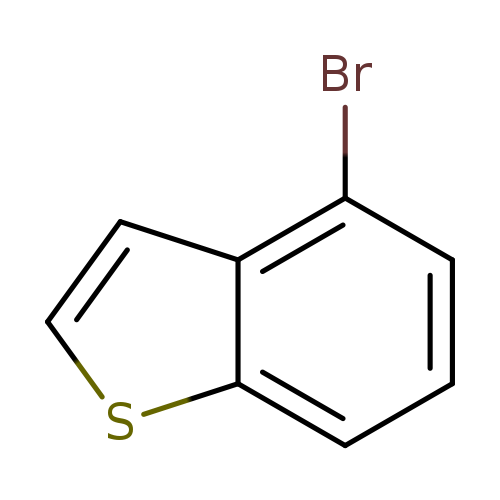
4-Bromobenzo[b]thiopheneCatalog No.:AA00371H CAS No.:5118-13-8 MDL No.:MFCD21105463 MF:C8H5BrS MW:213.0943 |
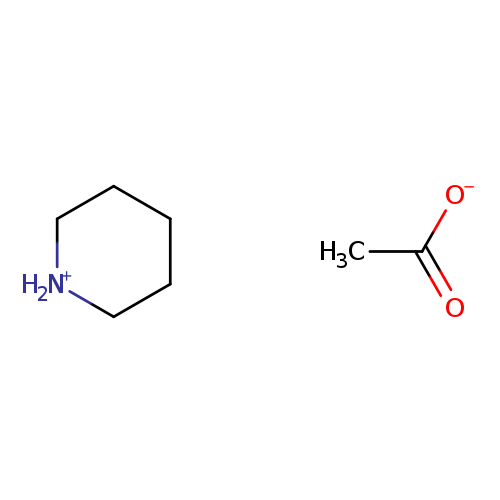
Piperidinium acetateCatalog No.:AA00373X CAS No.:4540-33-4 MDL No.:MFCD06797161 MF:C7H15NO2 MW:145.1995 |
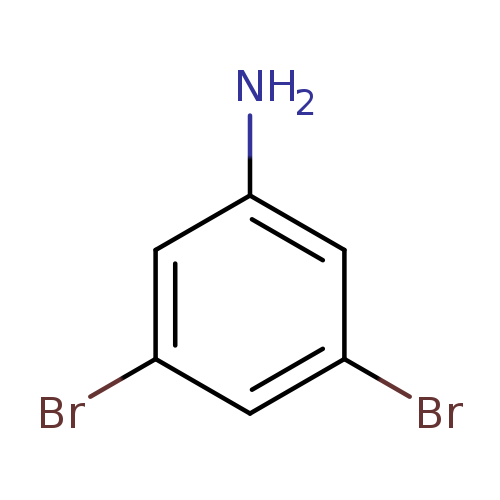
3,5-DibromoanilineCatalog No.:AA00374E CAS No.:626-40-4 MDL No.:MFCD00047841 MF:C6H5Br2N MW:250.9186 |
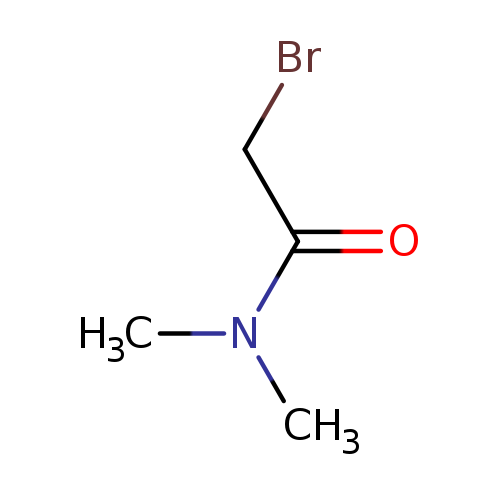
2-bromo-N,N-dimethyl-acetamideCatalog No.:AA00377B CAS No.:5468-77-9 MDL No.:MFCD12026683 MF:C4H8BrNO MW:166.0164 |
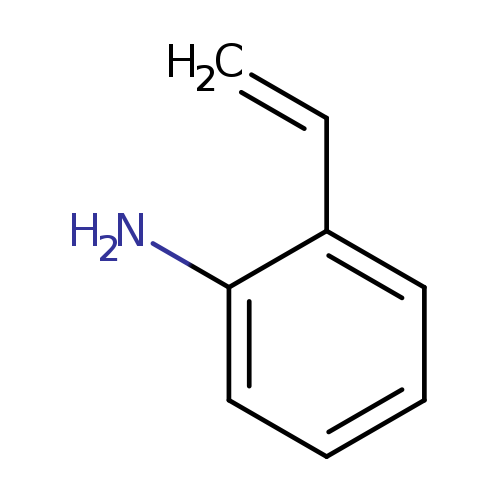
2-AMINOSTYRENECatalog No.:AA003789 CAS No.:3867-18-3 MDL No.:MFCD11878483 MF:C8H9N MW:119.1638 |
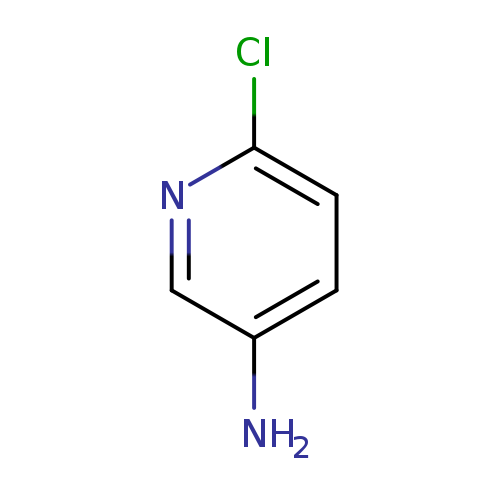
6-Chloropyridin-3-amineCatalog No.:AA003784 CAS No.:5350-93-6 MDL No.:MFCD00006243 MF:C5H5ClN2 MW:128.5596 |
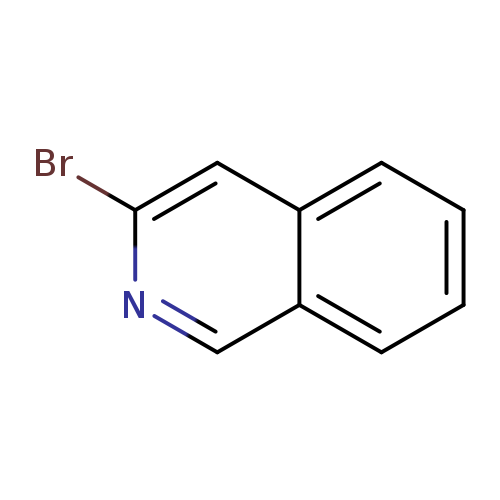
3-BromoisoquinolineCatalog No.:AA003797 CAS No.:34784-02-6 MDL No.:MFCD00234479 MF:C9H6BrN MW:208.0546 |
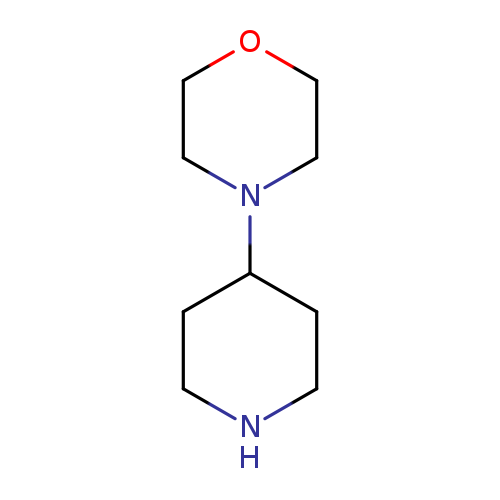
4-(PIPERIDIN-4-YL)-MORPHOLINECatalog No.:AA0037LZ CAS No.:53617-35-9 MDL No.:MFCD03274733 MF:C9H18N2O MW:170.2520 |
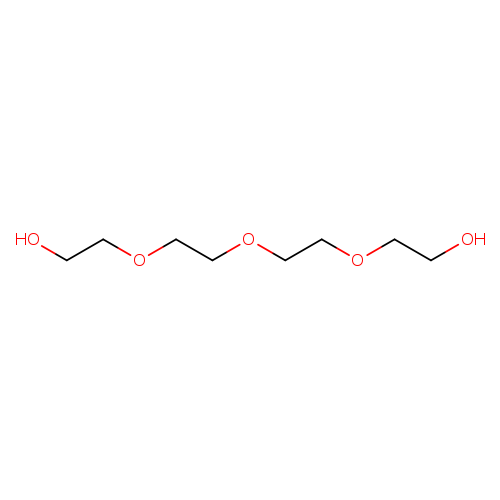
Tetraethylene glycolCatalog No.:AA00388R CAS No.:112-60-7 MDL No.:MFCD00002879 MF:C8H18O5 MW:194.2255 |
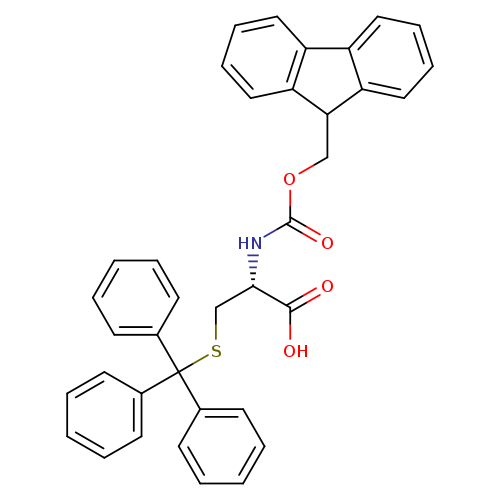
Fmoc-Cys(Trt)-OHCatalog No.:AA0038A7 CAS No.:103213-32-7 MDL No.:MFCD00038538 MF:C37H31NO4S MW:585.7113 |
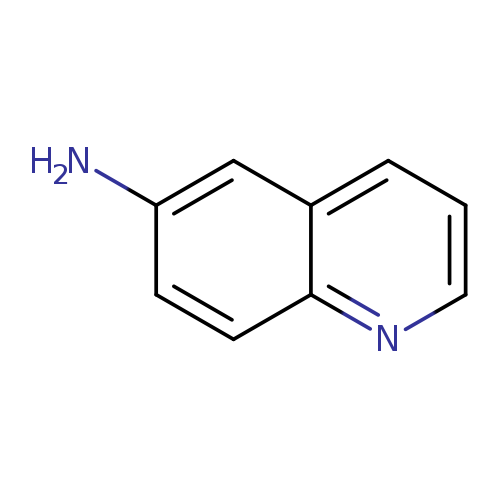
6-AminoquinolineCatalog No.:AA0038JJ CAS No.:580-15-4 MDL No.:MFCD00006803 MF:C9H8N2 MW:144.1732 |
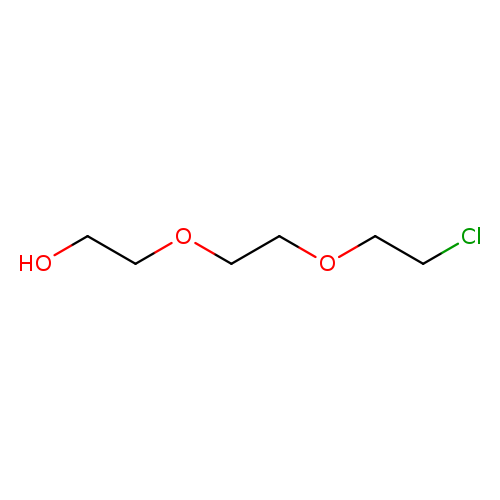
2-(2-(2-Chloroethoxy)ethoxy)ethanolCatalog No.:AA0038LH CAS No.:5197-62-6 MDL No.:MFCD00002874 MF:C6H13ClO3 MW:168.6186 |
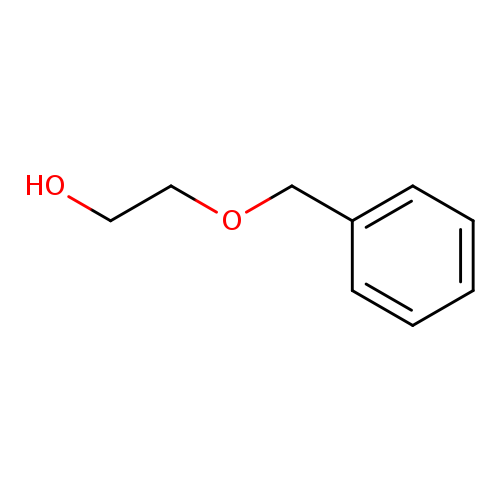
2-(Benzyloxy)ethanolCatalog No.:AA0039OU CAS No.:622-08-2 MDL No.:MFCD00002868 MF:C9H12O2 MW:152.1904 |
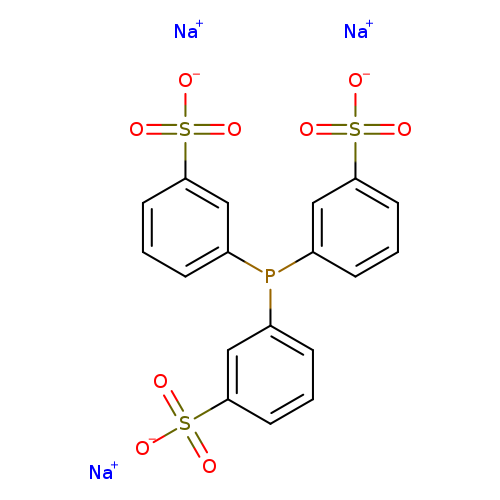
Triphenylphosphine-3,3',3''-trisulfonic acid trisodium saltCatalog No.:AA0039QP CAS No.:63995-70-0 MDL No.:MFCD00221694 MF:C18H12Na3O9PS3 MW:568.4206 |
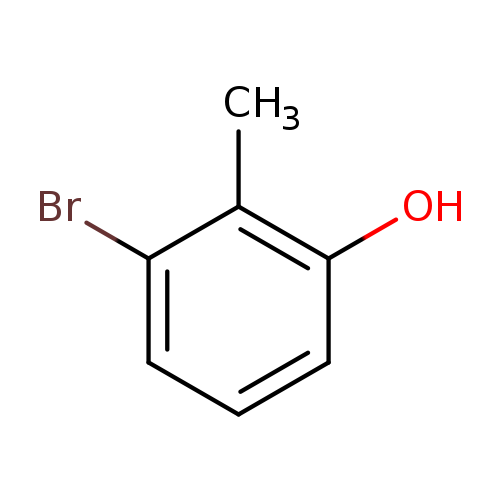
3-Bromo-2-methylphenolCatalog No.:AA0039R5 CAS No.:7766-23-6 MDL No.:MFCD11100990 MF:C7H7BrO MW:187.0339 |
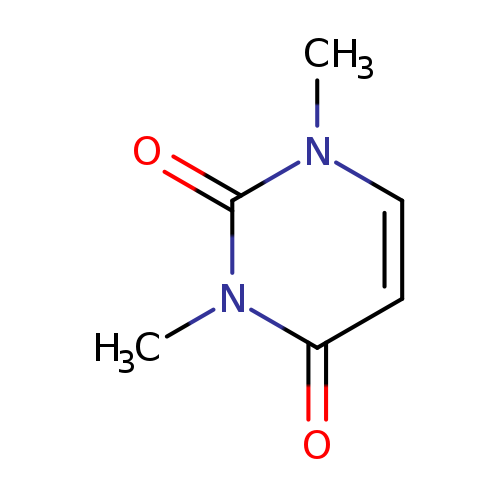
1,3-DimethyluracilCatalog No.:AA003DHS CAS No.:874-14-6 MDL No.:MFCD00038065 MF:C6H8N2O2 MW:140.1399 |
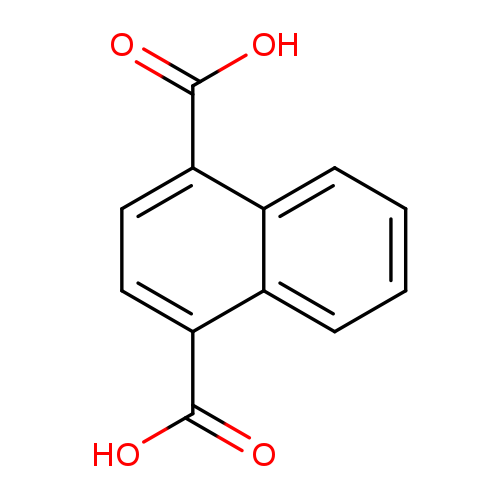
Naphthalene-1,4-dicarboxylic acidCatalog No.:AA003DMH CAS No.:605-70-9 MDL No.:MFCD00014312 MF:C12H8O4 MW:216.1895 |
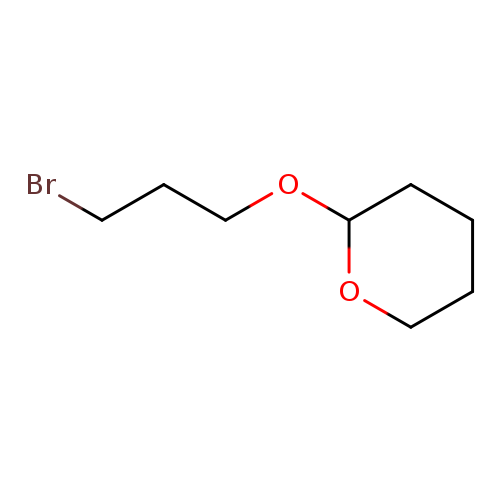
2-(3-Bromopropoxy)tetrahydro-2H-pyranCatalog No.:AA003EQP CAS No.:33821-94-2 MDL No.:MFCD00058593 MF:C8H15BrO2 MW:223.1075 |
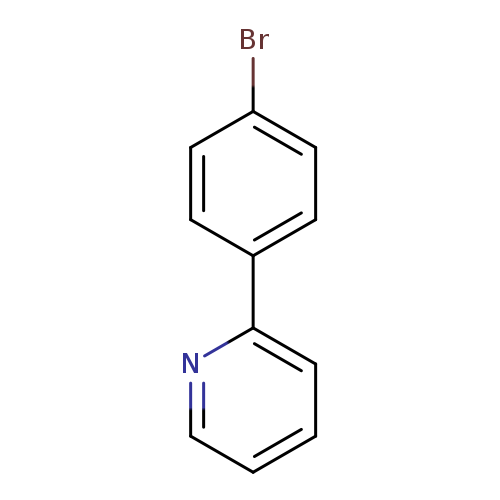
Pyridine, 2-(4-bromophenyl)-Catalog No.:AA003ESL CAS No.:63996-36-1 MDL No.:MFCD04116231 MF:C11H8BrN MW:234.0919 |
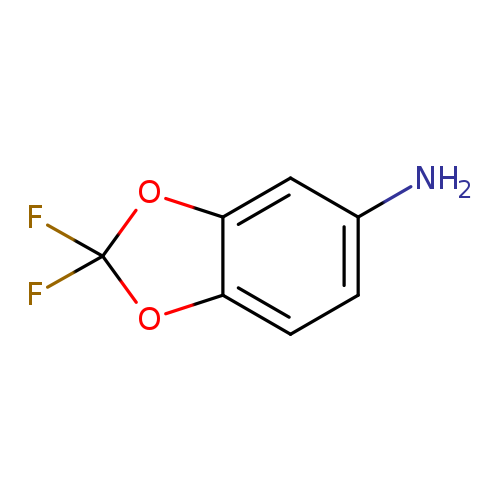
2,2-Difluorobenzo[d][1,3]dioxol-5-amineCatalog No.:AA003F84 CAS No.:1544-85-0 MDL No.:MFCD00190144 MF:C7H5F2NO2 MW:173.1169 |
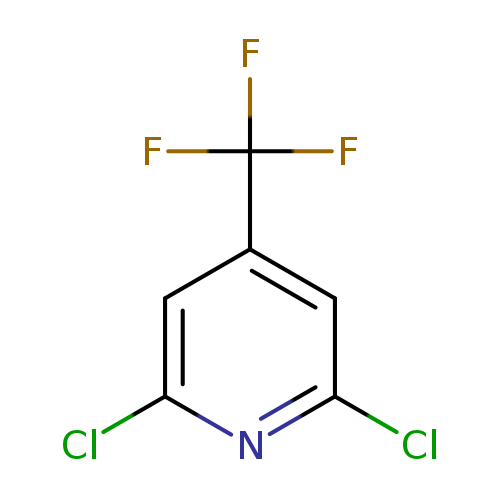
2,6-Dichloro-4-(trifluoromethyl)pyridineCatalog No.:AA003G02 CAS No.:39890-98-7 MDL No.:MFCD00042246 MF:C6H2Cl2F3N MW:215.9880 |
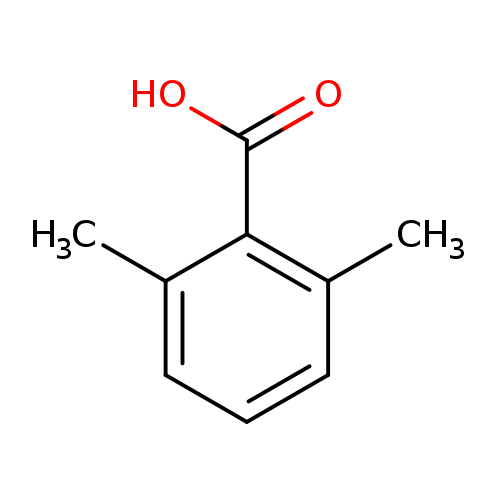
Benzoic acid, 2,6-dimethyl-Catalog No.:AA003G2T CAS No.:632-46-2 MDL No.:MFCD00002483 MF:C9H10O2 MW:150.1745 |
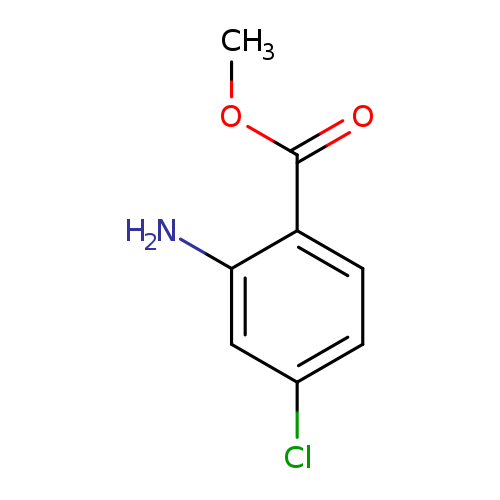
Methyl 2-amino-4-chlorobenzoateCatalog No.:AA003GC9 CAS No.:5900-58-3 MDL No.:MFCD00017568 MF:C8H8ClNO2 MW:185.6076 |
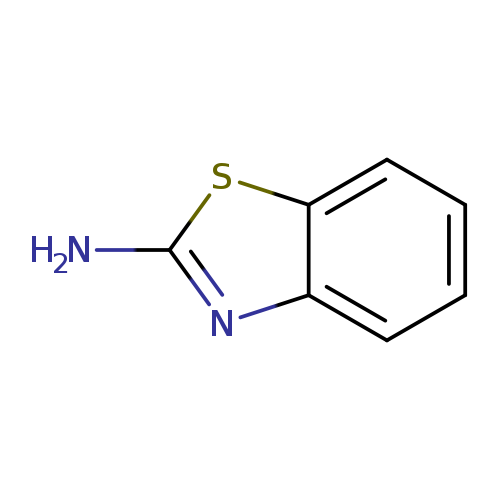
2-BenzothiazolamineCatalog No.:AA003GHZ CAS No.:136-95-8 MDL No.:MFCD00005785 MF:C7H6N2S MW:150.2009 |
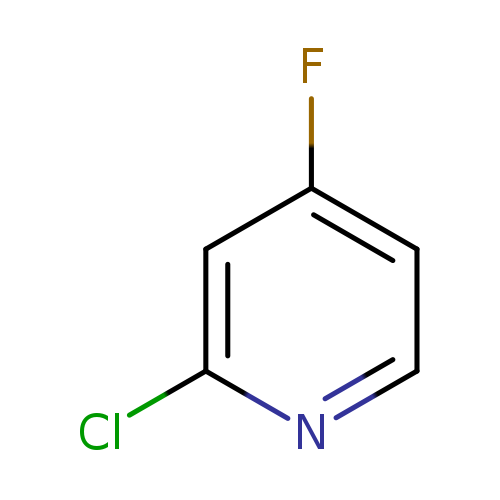
2-Chloro-4-fluoropyridineCatalog No.:AA003GUF CAS No.:34941-91-8 MDL No.:MFCD04039345 MF:C5H3ClFN MW:131.5354 |
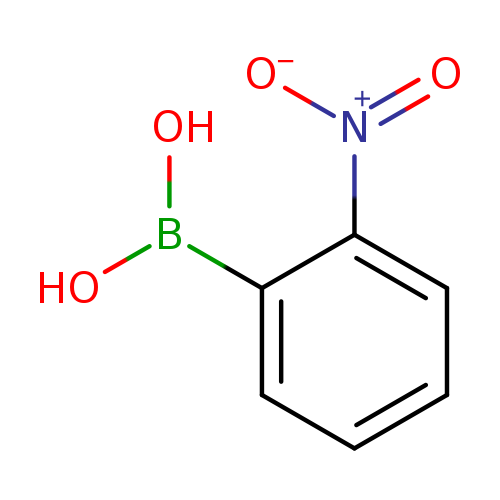
(2-Nitrophenyl)boronic acidCatalog No.:AA003HQ9 CAS No.:5570-19-4 MDL No.:MFCD00161358 MF:C6H6BNO4 MW:166.9271 |
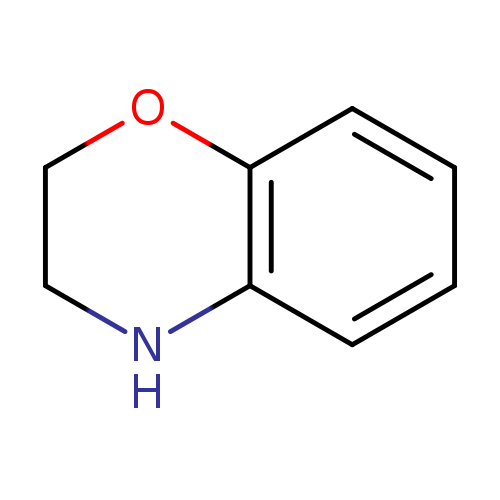
BenzomorpholineCatalog No.:AA003IEJ CAS No.:5735-53-5 MDL No.:MFCD02181098 MF:C8H9NO MW:135.1632 |
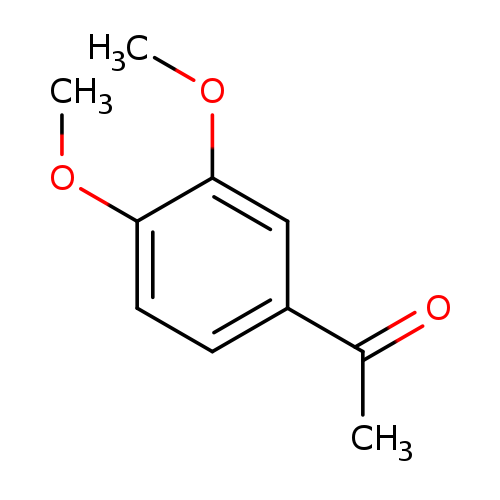
1-(3,4-Dimethoxyphenyl)ethanoneCatalog No.:AA003IF7 CAS No.:1131-62-0 MDL No.:MFCD00008737 MF:C10H12O3 MW:180.2005 |
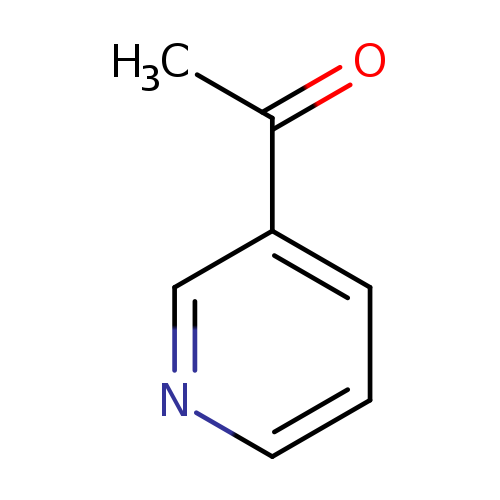
1-(Pyridin-3-yl)ethanoneCatalog No.:AA003IQQ CAS No.:350-03-8 MDL No.:MFCD00006396 MF:C7H7NO MW:121.1366 |
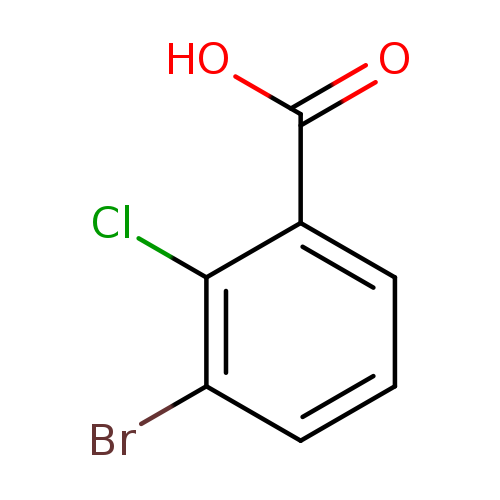
3-Bromo-2-chlorobenzoic acidCatalog No.:AA003IXF CAS No.:56961-27-4 MDL No.:MFCD01569399 MF:C7H4BrClO2 MW:235.4625 |
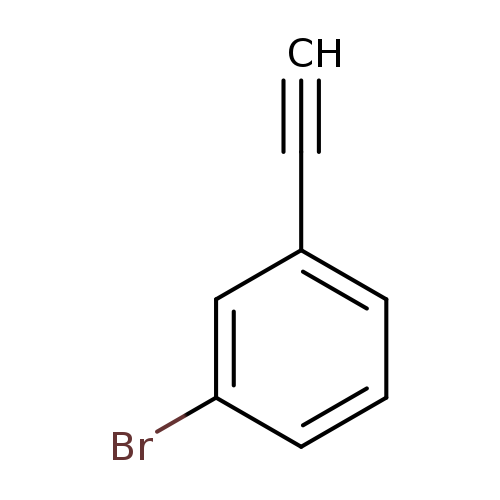
3-BromophenylacetyleneCatalog No.:AA003J24 CAS No.:766-81-4 MDL No.:MFCD03839983 MF:C8H5Br MW:181.0293 |
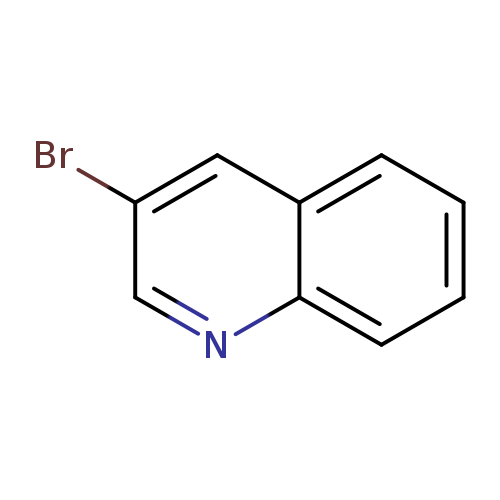
Quinoline, 3-bromo-Catalog No.:AA003J2H CAS No.:5332-24-1 MDL No.:MFCD00006767 MF:C9H6BrN MW:208.0546 |
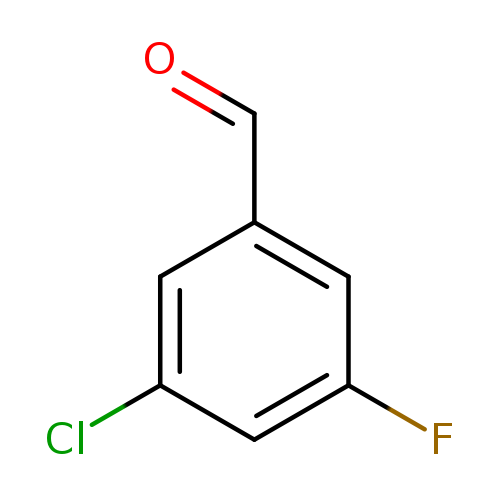
3-Chloro-5-fluorobenzaldehydeCatalog No.:AA003J6H CAS No.:90390-49-1 MDL No.:MFCD02261734 MF:C7H4ClFO MW:158.5575 |
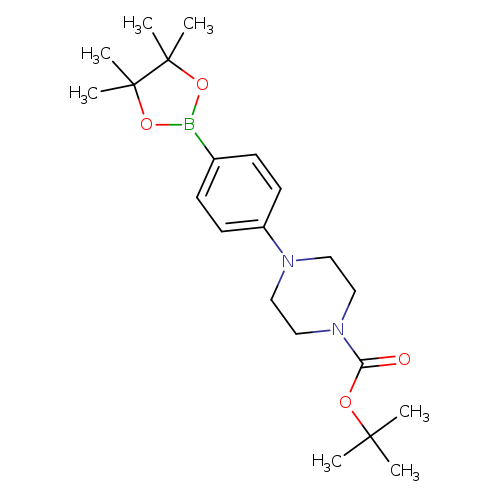
tert-Butyl 4-(4-(4,4,5,5-tetramethyl-1,3,2-dioxaborolan-2-yl)phenyl)piperazine-1-carboxylateCatalog No.:AA003JZH CAS No.:470478-90-1 MDL No.:MFCD06411544 MF:C21H33BN2O4 MW:388.3087 |
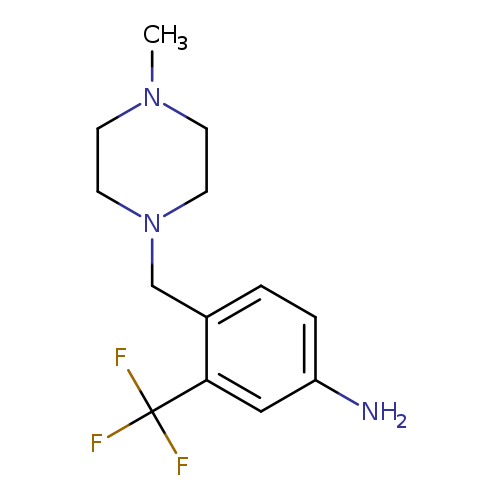
4-((4-Methylpiperazin-1-yl)methyl)-3-(trifluoromethyl)anilineCatalog No.:AA003K1T CAS No.:694499-26-8 MDL No.:MFCD09909924 MF:C13H18F3N3 MW:273.2973 |
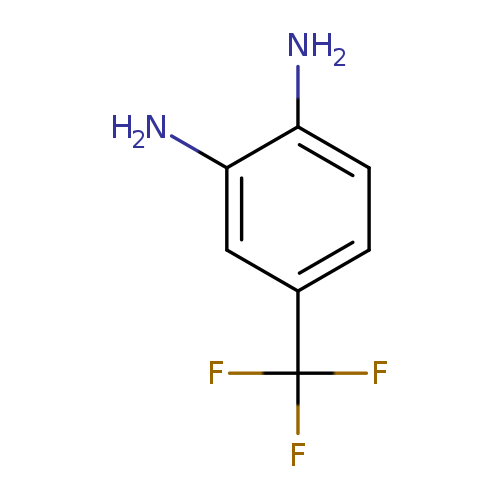
4-(Trifluoromethyl)benzene-1,2-diamineCatalog No.:AA003K8L CAS No.:368-71-8 MDL No.:MFCD00042456 MF:C7H7F3N2 MW:176.1391 |
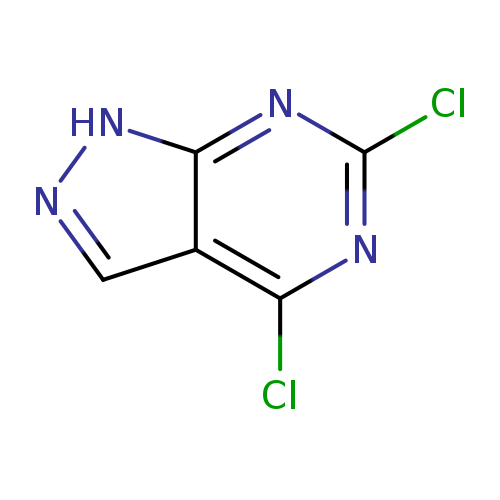
4,6-Dichloro-1H-pyrazolo[3,4-d]pyrimidineCatalog No.:AA003KG8 CAS No.:42754-96-1 MDL No.:MFCD09835493 MF:C5H2Cl2N4 MW:189.0022 |
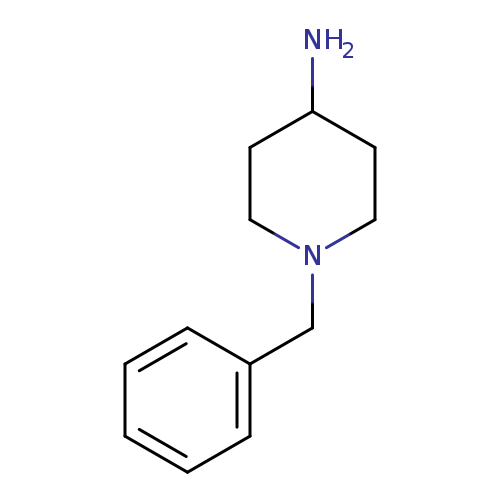
4-Amino-1-benzylpiperidineCatalog No.:AA003KKQ CAS No.:50541-93-0 MDL No.:MFCD00006504 MF:C12H18N2 MW:190.2847 |
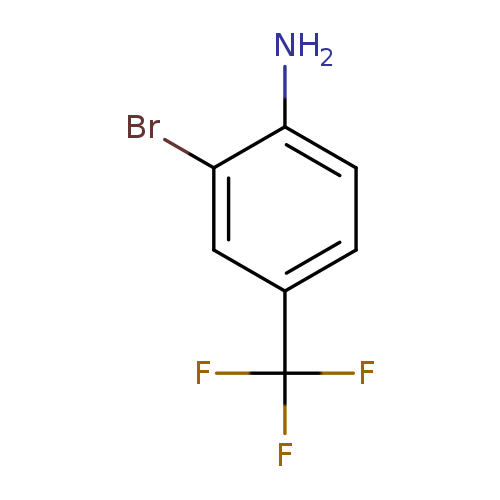
Benzenamine, 2-bromo-4-(trifluoromethyl)-Catalog No.:AA003KMH CAS No.:57946-63-1 MDL No.:MFCD00042150 MF:C7H5BrF3N MW:240.0205 |
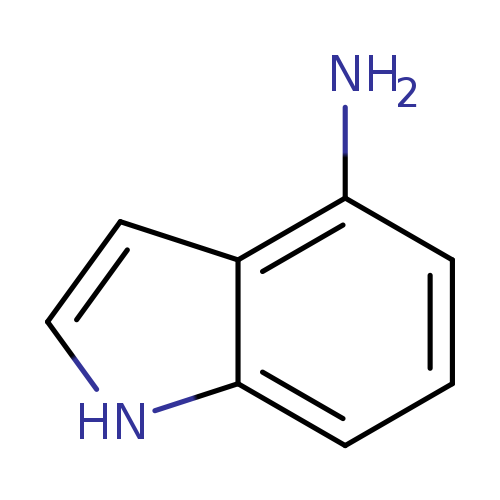
4-AminoindoleCatalog No.:AA003KOM CAS No.:5192-23-4 MDL No.:MFCD01076559 MF:C8H8N2 MW:132.1625 |
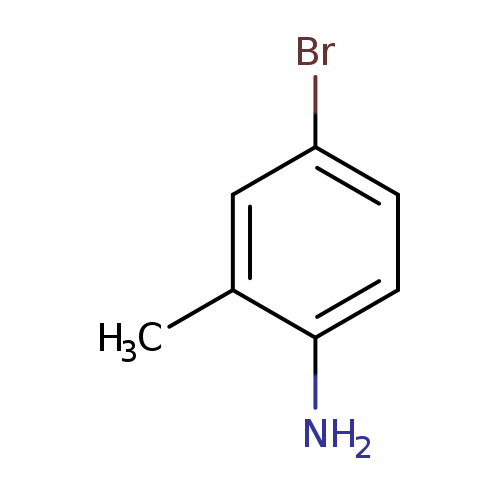
4-Bromo-2-methylanilineCatalog No.:AA003KUF CAS No.:583-75-5 MDL No.:MFCD00007825 MF:C7H8BrN MW:186.0491 |
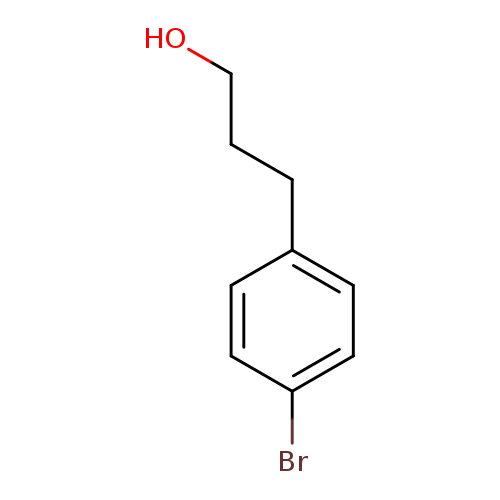
Benzenepropanol, 4-bromo-Catalog No.:AA003KWR CAS No.:25574-11-2 MDL No.:MFCD09028724 MF:C9H11BrO MW:215.0870 |
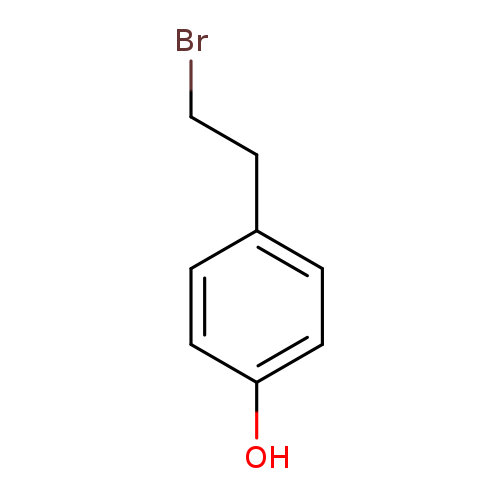
Phenol, 4-(2-bromoethyl)-Catalog No.:AA003LGV CAS No.:14140-15-9 MDL No.:MFCD00129679 MF:C8H9BrO MW:201.0605 |
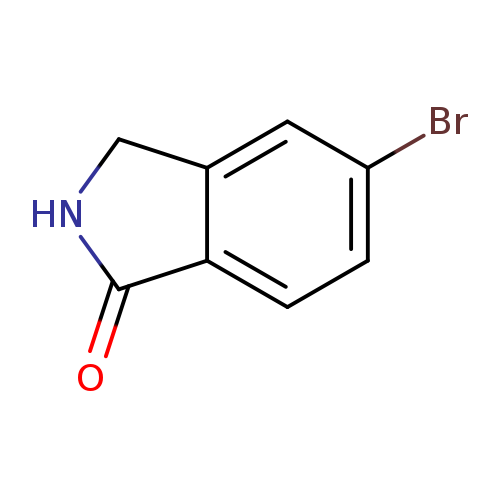
5-Bromo-2,3-Dihydroisoindol-1-OneCatalog No.:AA003MDM CAS No.:552330-86-6 MDL No.:MFCD09701292 MF:C8H6BrNO MW:212.0433 |
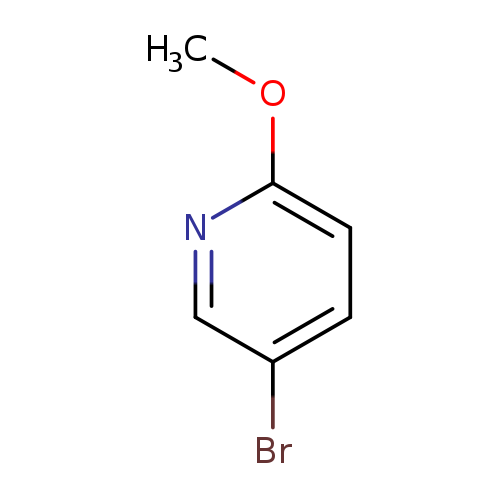
5-Bromo-2-methoxypyridineCatalog No.:AA003MET CAS No.:13472-85-0 MDL No.:MFCD01318952 MF:C6H6BrNO MW:188.0219 |
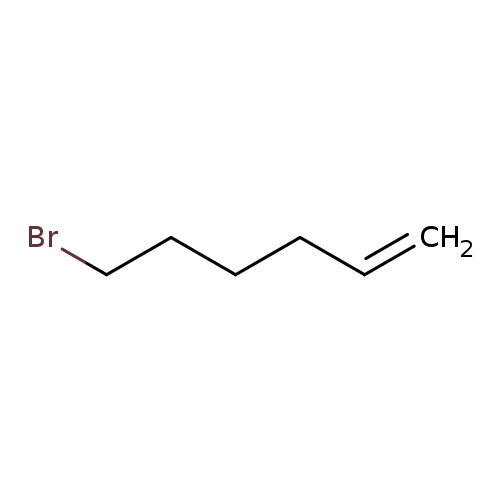
6-Bromo-1-hexeneCatalog No.:AA003MPE CAS No.:2695-47-8 MDL No.:MFCD00000269 MF:C6H11Br MW:163.0555 |
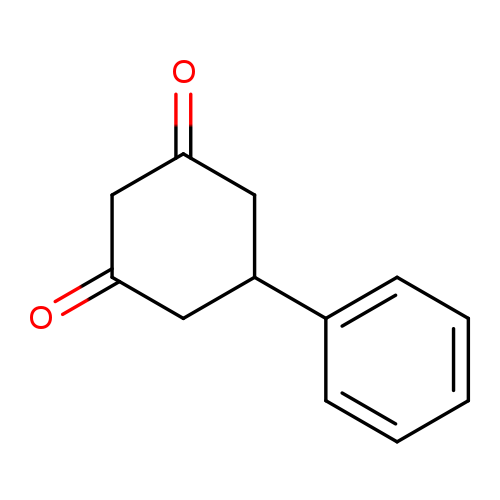
5-Phenylcyclohexane-1,3-dioneCatalog No.:AA003MVI CAS No.:493-72-1 MDL No.:MFCD00051846 MF:C12H12O2 MW:188.2225 |
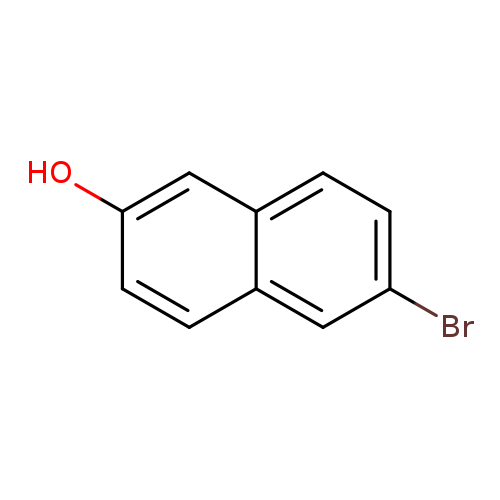
6-Bromo-2-naphtholCatalog No.:AA003N19 CAS No.:15231-91-1 MDL No.:MFCD00004081 MF:C10H7BrO MW:223.0660 |
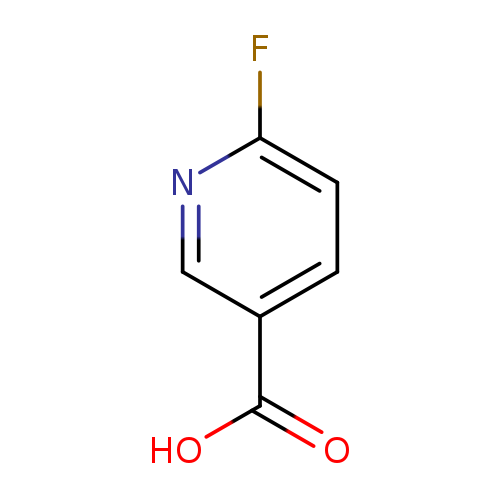
6-Fluoronicotinic acidCatalog No.:AA003N54 CAS No.:403-45-2 MDL No.:MFCD01859863 MF:C6H4FNO2 MW:141.0999 |
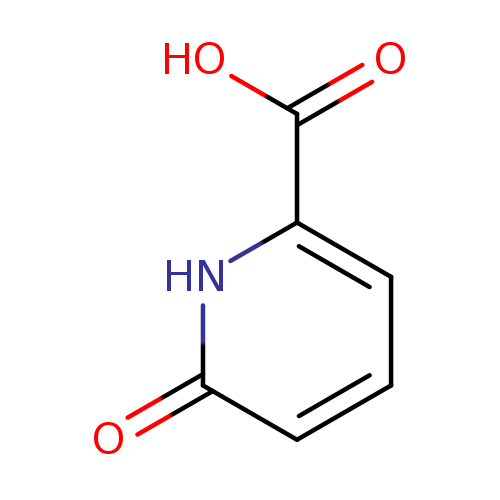
6-Oxo-1,6-dihydropyridine-2-carboxylic acidCatalog No.:AA003N5P CAS No.:19621-92-2 MDL No.:MFCD00192220 MF:C6H5NO3 MW:139.1088 |
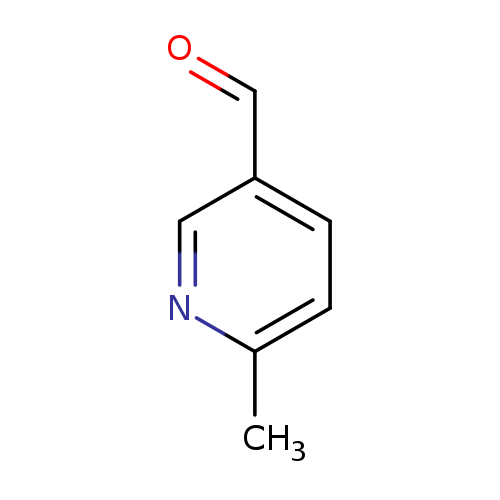
2-Methyl-5-formylpyridineCatalog No.:AA003N82 CAS No.:53014-84-9 MDL No.:MFCD08272279 MF:C7H7NO MW:121.1366 |
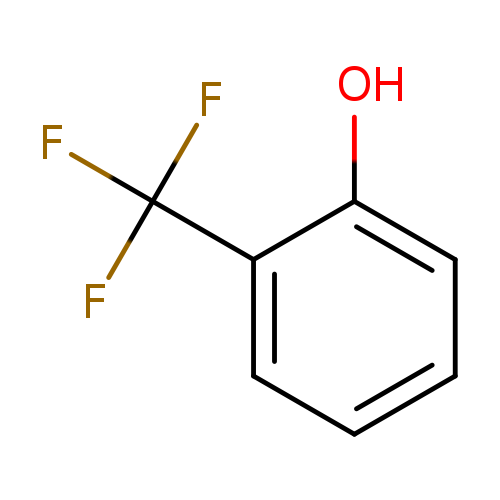
2-(Trifluoromethyl)phenolCatalog No.:AA003NOF CAS No.:444-30-4 MDL No.:MFCD00002222 MF:C7H5F3O MW:162.1092 |
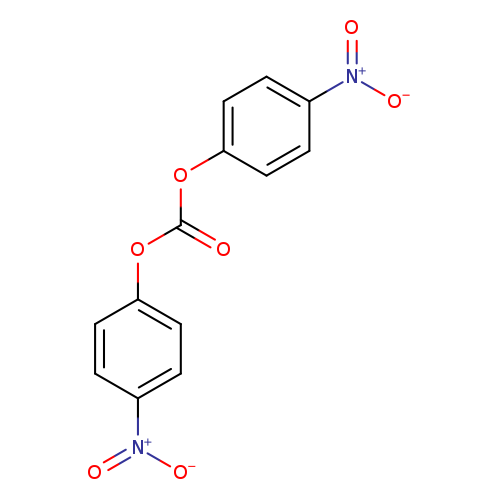
Bis(4-nitrophenyl) carbonateCatalog No.:AA003O71 CAS No.:5070-13-3 MDL No.:MFCD00007322 MF:C13H8N2O7 MW:304.2118 |
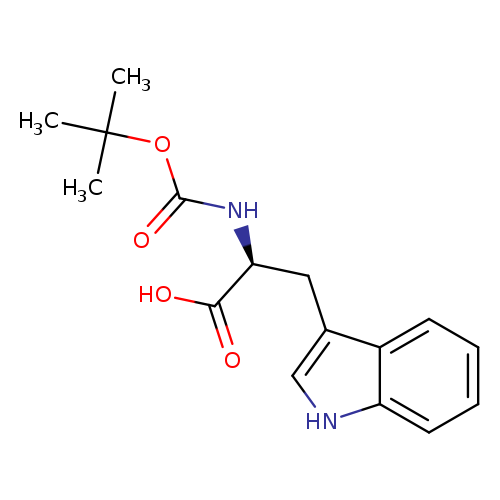
L-Tryptophan, N-[(1,1-dimethylethoxy)carbonyl]-Catalog No.:AA003OFM CAS No.:13139-14-5 MDL No.:MFCD00065595 MF:C16H20N2O4 MW:304.3410 |
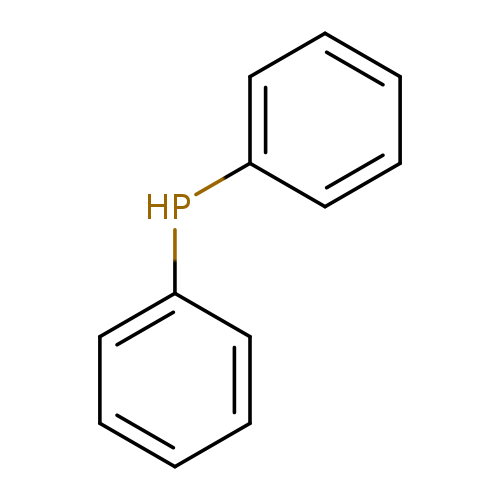
DiphenylphosphineCatalog No.:AA003PN5 CAS No.:829-85-6 MDL No.:MFCD00003040 MF:C12H11P MW:186.1895 |
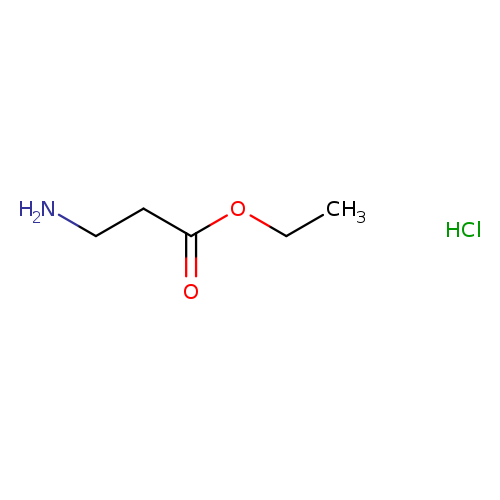
Ethyl 3-aminopropanoate hydrochlorideCatalog No.:AA003Q4E CAS No.:4244-84-2 MDL No.:MFCD00012909 MF:C5H12ClNO2 MW:153.6073 |
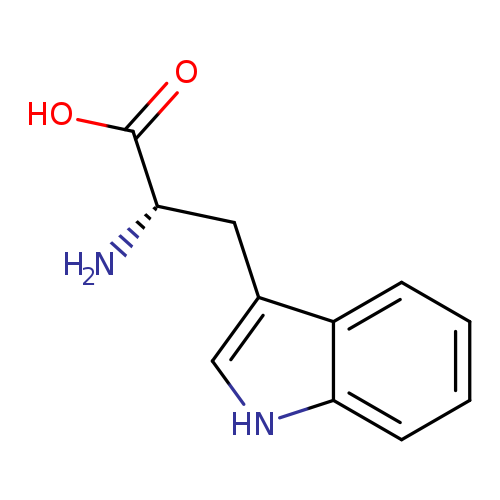
L-TryptophanCatalog No.:AA003R3R CAS No.:73-22-3 MDL No.:MFCD00079394 MF:C11H12N2O2 MW:204.2252 |
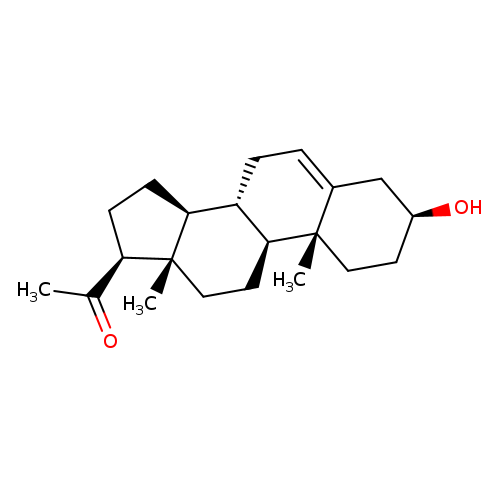
PregnenoloneCatalog No.:AA003TVN CAS No.:145-13-1 MDL No.:MFCD00003628 MF:C21H32O2 MW:316.4776 |
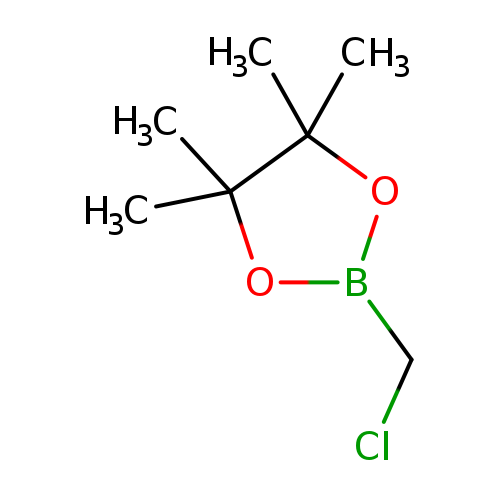
2-(Chloromethyl)-4,4,5,5-tetramethyl-1,3,2-dioxaborolaneCatalog No.:AA004TQ1 CAS No.:83622-42-8 MDL No.:MFCD12405514 MF:C7H14BClO2 MW:176.4489 |
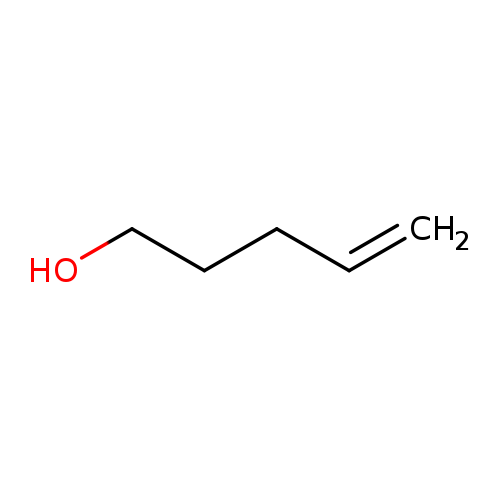
Pent-4-en-1-olCatalog No.:AA004WDO CAS No.:821-09-0 MDL No.:MFCD00002975 MF:C5H10O MW:86.1323 |
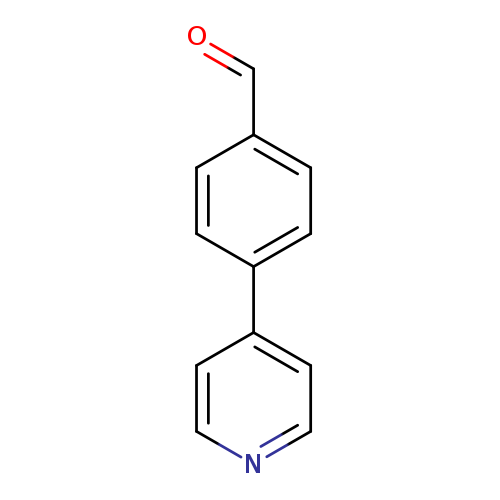
4-Pyridin-4-yl-benzaldehydeCatalog No.:AA00667V CAS No.:99163-12-9 MDL No.:MFCD02684110 MF:C12H9NO MW:183.2060 |
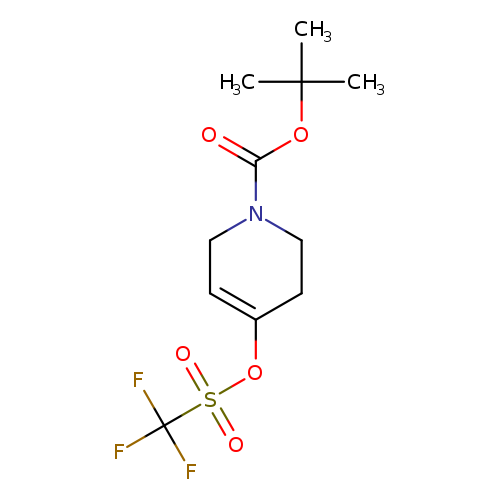
1(2H)-Pyridinecarboxylic acid, 3,6-dihydro-4-[[(trifluoromethyl)sulfonyl]oxy]-, 1,1-dimethylethyl esterCatalog No.:AA007LMU CAS No.:138647-49-1 MDL No.:MFCD09997858 MF:C11H16F3NO5S MW:331.3086 |
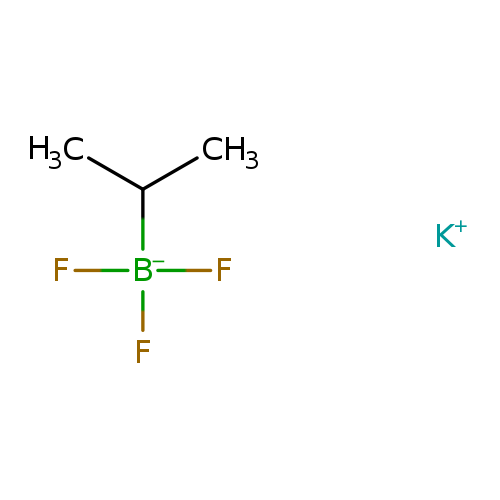
Potassium trifluoro(isopropyl)borateCatalog No.:AA008R5U CAS No.:1041642-13-0 MDL No.:MFCD04112718 MF:C3H7BF3K MW:149.9922 |
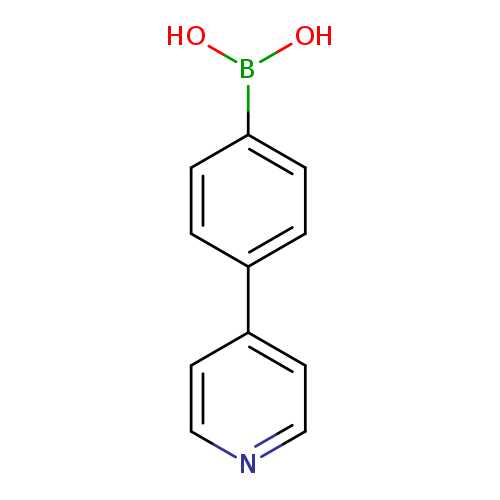
(4-(Pyridin-4-yl)phenyl)boronic acidCatalog No.:AA008SDE CAS No.:1045332-30-6 MDL No.:MFCD17170043 MF:C11H10BNO2 MW:199.0136 |
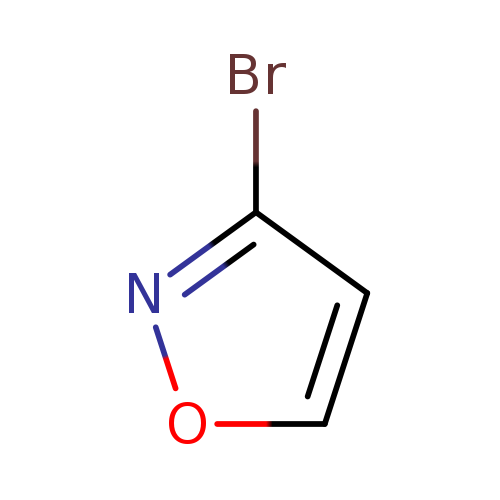
3-BromoisoxazoleCatalog No.:AA008T5X CAS No.:111454-71-8 MDL No.:MFCD07778379 MF:C3H2BrNO MW:147.9581 |
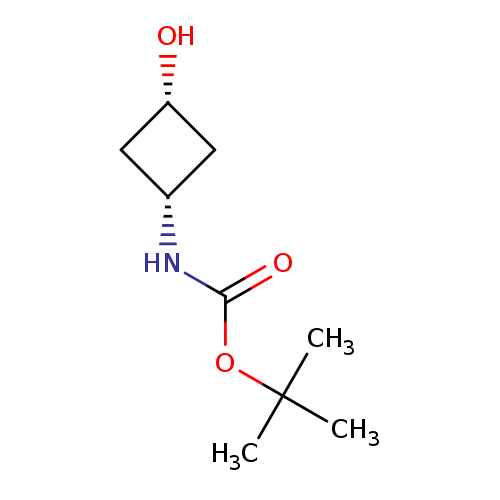
tert-Butyl (cis-3-hydroxycyclobutyl)carbamateCatalog No.:AA00BZD1 CAS No.:389890-43-1 MDL No.:MFCD09038208 MF:C9H17NO3 MW:187.2362 |
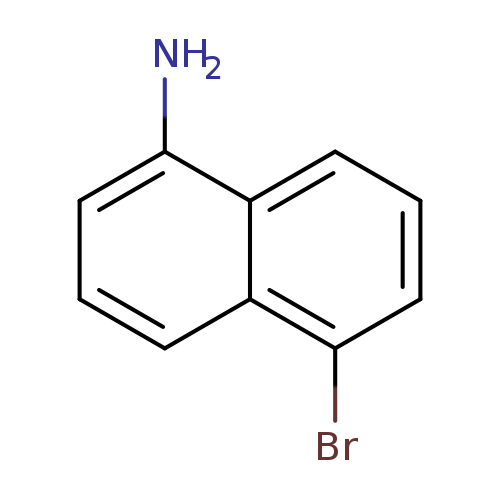
5-Bromonaphthalen-1-amineCatalog No.:AA00D912 CAS No.:4766-33-0 MDL No.:MFCD07369883 MF:C10H8BrN MW:222.0812 |
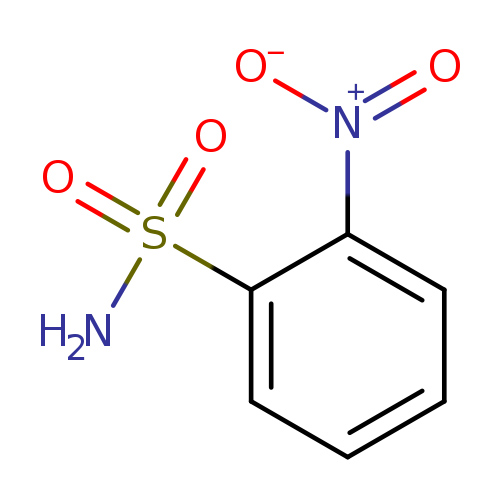
Benzenesulfonamide, 2-nitro-Catalog No.:AA00DE3O CAS No.:5455-59-4 MDL No.:MFCD00009807 MF:C6H6N2O4S MW:202.1878 |
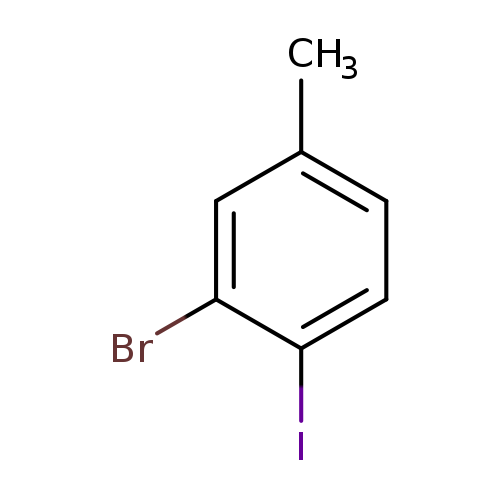
2-Bromo-1-iodo-4-methylbenzeneCatalog No.:AA00F9ZR CAS No.:71838-16-9 MDL No.:MFCD00079718 MF:C7H6BrI MW:296.9310 |
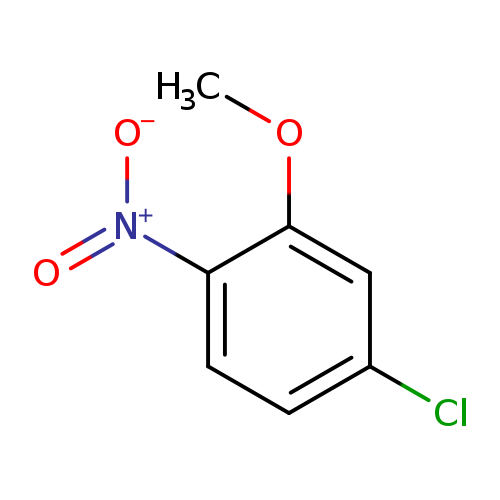
5-Chloro-2-nitroanisoleCatalog No.:AA00FBH5 CAS No.:6627-53-8 MDL No.:MFCD00007288 MF:C7H6ClNO3 MW:187.5804 |
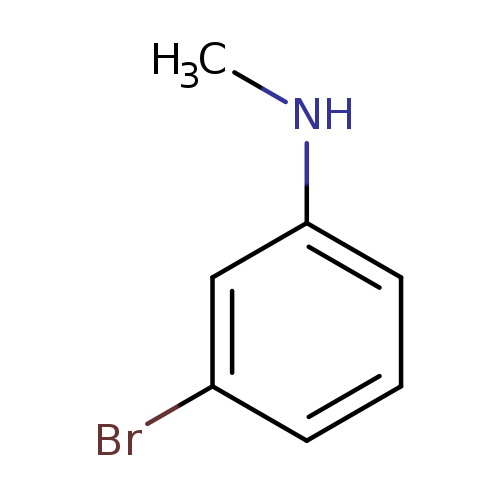
3-Bromo-N-methylanilineCatalog No.:AA00FE6J CAS No.:66584-32-5 MDL No.:MFCD05664376 MF:C7H8BrN MW:186.0491 |
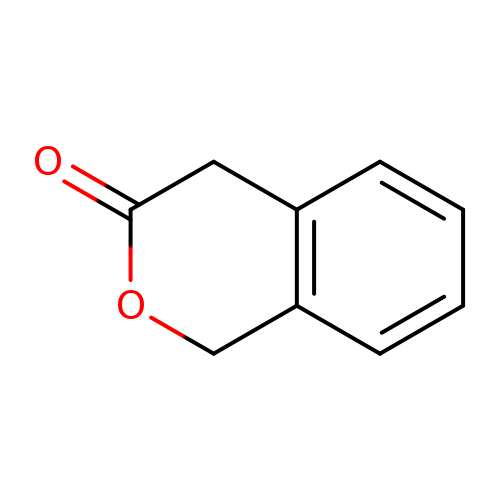
3-IsochromanoneCatalog No.:AA00I8A4 CAS No.:4385-35-7 MDL No.:MFCD00043005 MF:C9H8O2 MW:148.1586 |
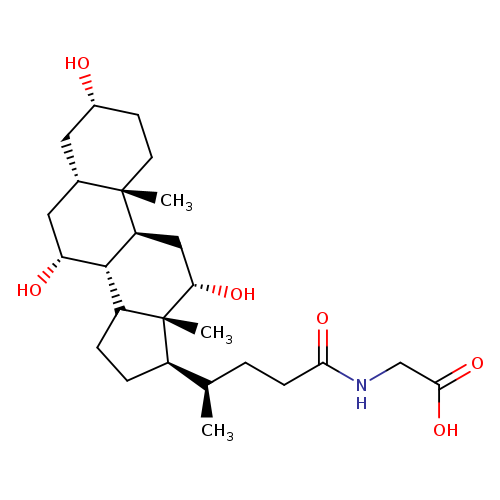
N-[(3α,5β,7α,12α)-3,7,12-Trihydroxy-24-oxocholan-24-yl]glycineCatalog No.:AA00I8L2 CAS No.:475-31-0 MDL No.:MFCD00065902 MF:C26H43NO6 MW:465.6227 |
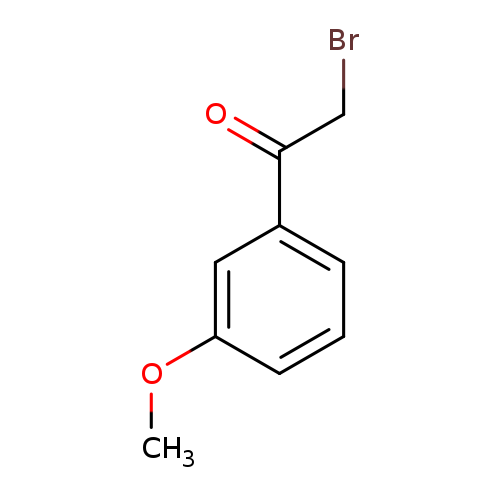
2-Bromo-1-(3-methoxyphenyl)ethanoneCatalog No.:AA00I8UC CAS No.:5000-65-7 MDL No.:MFCD00000199 MF:C9H9BrO2 MW:229.0706 |