

2019-10-31 21:11:07
Chemistry of boronic esters
Boronic acid chemistry
Boronic acids are weak organic Lewis acids. The ionic equilibrium in aqueous solution between the neutral and anionic forms of boronic acids is shown in Fig. 2. Under acidic conditions, the neutral form is favored, with a vacant p-orbital [29]. The B-atom is sp2 ehybridized and adopts a trigonal planar configuration with an O-B-O bond angle of 120. Under more basic conditions, the electron-deficient B-atom is attacked by OH ions, forming a hydroxyboronate anion. Upon OH ion complexation, the B-atom becomes sp3-hybridized and adopts a tetrahedral configuration with a bond angle of ~109.5 [21,29]. These two species have very different electronic properties; the boronic acid is electron-accepting, while the boronate anion is electron-donating [30]. Thus, any chemical reaction involving a boronic acid is highly dependent on the equilibrium between its neutral and anionic forms.

Chemistry of boronic ester complexation
Boronic acids interact with polyols in aqueous solution to form reversible and cyclic esters [31]. Fig. 3 summarizes the reaction landscape of boronic ester formation, highlighting the possible pathways for the reaction of boronic acids with cis-diol moieties. As shown in Fig. 3, both cyclic boronic and boronate esters are formed with their B-atoms, sp2 and sp3 hybridized, respectively. The boronic and boronate esters exist in ionic equilibrium. Initially, it was believed that the boronate anion was much more reactive than the neutral acid because ester formation is favored at high pH, where the concentration of the anions are high. This was supported by kinetic studies based on the pH-depression method [21], which suggested that the boronate anion was 104 times faster than the neutral boronic acid in forming esters with diols [32]. More recently, however, Springsteen and Wang revealed discrepancies with these earlier measurements when investigating boronic ester stability with the fluorescent reporter Alizarin Red S. (ARS) [33]. In fact, the precise kinetics of boronic acid-diol complexation are much more complicated than originally thought. Other factors have to be considered, such as the buffer system. For instance, a medium dependence on the binding affinities between boronic acids and diols was observed because of the formation of binary and ternary complexes with common buffer components [34]. Furthermore, some kinetic paths are indistinguishable from each other due to the effects of ‘proton ambiguity’ [35]. It is now proposed that the preferred kinetic pathway for esterification is through the addition of diols to the neutral boronic acid, rather than through substitution of the hydroxyl ion in the anionic species [30]. This would imply that the reaction rates of esterification are inversely proportional to pH. Evidence of this can be found in materials cross-linked with boronic esters, as longer gel times are observed with increasing pH of the precursor solutions [36].
To account for the multiple ionization states of the acid, ester, and diols in aqueous solution, Van Duin et al. proposed the ‘charge rule’ to determine the pH-dependent reactivity of the ester. The authors hypothesized that the maximum amount of esters are found at the pH at which the ‘sum of the charges of the free esterifying species is equal to the charge of the ester’ [37]. Since the pKa of a molecule defines the pH at which 50% of the neutral groups are converted to their anionic forms, this rule has been interpreted to mean that the optimal pH for ester formation is somewhere in between the pKa values of the boronic acid and the diol. A simple approximation to this value is to use the mean pKa of the boronic acid and diol, as shown in Eq. (1):

The validity of this relationship has been confirmed experimentally by several studies that examined the effects of substituents on the affinity of boronic acids to diols [30,38]. Recently, a more complete general equation for this relationship was independently derived by Martínez-Aguirre et al. from equilibrium constant measurements and mass balances [39]. Given that diols are almost always less acidic than boronic acids, the charge rule implies that to find an optimal acid-diol pair for physiological use, the pKa of the boronic acid must be equal to or less than 7.4. To this end, boronic acids have been modified chemically to tune their pKa, allowing their tailored use for specific conditions and different applications.
Ionization constants (pKa) of boronic acids
To broaden the utility of boronic acids for ester formation in balanced pH solutions (pH ~7) and for biomedical applications, new synthetic variants of boronic acid have been designed with tailored
pKa. Table 1 highlights several boronic acid derivatives and their associated pKa values as published in the literature. In general, a few design guidelines have emerged. Electron-withdrawing groups
lower the pKa of the boronic acid, whereas electron-donating groups increase its pKa. This is because the more acidic boronic acids contain the more electrophilic boron atoms, which improve
the formation and stabilization of the boronate anion [29]. Indeed, alkylboronic acids are generally less acidic then arylboronic acids. For example, the pKa of methylboronic acid (10.4) is much higher
than that of phenylboronic acid (PBA) (8.8). From Eq. (1), however, PBA is not ideal for physiological use as its pKa is greater than 7.4. To improve this, strong electron withdrawing groups have been
introduced into the phenyl ring of PBAs in an attempt to lower their pKa [40]. Table 2 shows how the addition of substituent groups with different electronic properties significantly alters the acidity of PBA
derivatives. Electron-rich derivatives of PBA such as 2-methyl and 2-methoxy PBA have higher pKa values (9.7 and 9.0, respectively) than electron-poor derivatives such as 3-methoxycarbonyl-5-nitro
and 2-fluoro-5-nitro PBA (6.9 and 6.0, respectively). Plotting the pKa of substituted PBAs against the Hammet s-values of the substituents yields a straight line with a slope of 2.1 [38], indicating the
formation of an anionic product as shown in Fig. 2. However, some exceptions to this trend exist. For example, the pKa of 2-methyl PBA is higher (9.7) than that of 4-methyl PBA (9.3), which is explained
by the additional steric hindrance of the 2-methyl group during complexation to the boronate anion [29].


Recently attention has focused on 2-hydroxymethyl PBA, shown in Table 1. In water, it spontaneously converts to a cyclic benzoboroxole (also known as a benzoxaborole) via intramolecular B-O
coordination. This accounts for its relatively low pKa (7.2), which is largely because of a decrease in ring strain associated with rearrangement from the neutral sp2ehybridized form to the anionic sp3ehybridized form. Other key advantages of benzoboroxoles are their high water-solubility and their ability to bind to many different types of diols [41]. ‘Wulff-type’ boronic acids, such as 2-aminomethyl PBA (pKa ¼ 5.2) shown in Table 1, are commonly used for the sensing of saccharides [41]. In aqueous solution, a dative bond is formed between the N and B atoms in these types of acids, which enhances binding at neutral pH [42]. The exact reasons behind this lower pKa are still debated, with some citing a shift to sp3ehybridized boron after the B-N adduct is formed while others believe that there is ionic stabilization of the boronate center by a cationic ammonium center [43]. Finally, zwitterionic and heteroaromatic compounds, such as 3-pyridylboronic acid, shown in Table 1, are known to have
pKa values as low as 4.0 [44].
Therefore, with the appropriate chemical modification, the pKa of various boronic acids can be varied from ~4.0 to 10. As a result, the equilibrium of esterification can be shifted across a range of pH,
dictated by the pKa of the boronic acid derivative. This enables complexation in acidic and basic environments, including under physiological conditions. It is worth keeping in mind that the acidity of the diol also plays a role in determining the optimal pH, especially in the rare case when the diol is more acidic than the boronic acid. A notable example occurs during the binding between ARS (pKa ¼ 6.9) and PBA (pKa ¼ 8.8), where the optimal pH was found to be ~7.0 [33].
Binding affinities of diols to boronic acids
Another critical factor to consider for the stability of boronic ester bonds is the binding affinity of the diol to the boronic acid, which is a measure of the strength of the interaction between the
diol and the boronic acid. This can be captured by Keq, the equilibrium dissociation constant for the esterification reaction, which determines the composition of the system at thermodynamic
equilibrium, irrespective of the starting conditions. Fig. 1 shows how Keq is related to the quotient of the concentrations of the species involved in dynamic covalent network formation, as well as
to the forward and backwards rate constants kf and kb of the chemical reaction [8]. In 1959, Lorand and Edwards carried out the first systematic examination of the binding affinities between boronic acids and diols. Their reported formation constants between selected polyols and PBA are listed in Table 3, under Method


1. The pH depression method used, however, cannot fully capture the complexity of boronic acid-diol binding. Their experimental design was based on the formation constant being directly proportional to the drop in pH associated upon the formation of a boronate ester. This method assumes that only the tetrahedral boronate anions are reacting with the diols; however, it is known that the neutral trigonal species also play a role. Therefore, recent studies have proposed that the binding constants measured by Lorand and Edwards are values for Ktet rather than the overall Keq[33]. In an attempt to measure the overall binding affinities, Springsteen and Wang developed a method based on the competitive displacement of the fluorescent diolecontaining ARS.
Their findings are summarized in Table 3, under Method
2. Even though there is a lot of variability in the absolute magnitude of the reported binding constants between the two different methods, the observed trends are consistent. The order of the affinities is determined by the relative position and orientation of the hydroxyl groups in the diol [26]. As the stability of the ester is determined by the amount of strain introduced upon binding of the borate to the diol, the sequence of stabilities should follow the degree of preorganization of the starting diols [30]. Indeed, both studies report that catechol and ARS have the highest binding constants. The rigidity of the coplanar vicinal cis-diols in these molecules (highlighted in blue in Table 3) was suggested to account for their enhanced reactivity, as the loss of configurational entropy suffered upon complexation is lower than that of ligands with additional degrees of freedom [41]. A different trend is observed with the acyclic sugar alcohols. Looking at ethylene glycol, glycerol and mannitol in Table 3 reveals how their binding affinity increases with their number of hydroxyl groups, because statistically the possibilities of binding to a boronic acid increase with the number of diols. However, this entropic contribution is not enough to account for the huge increase in stability observed by Lorand and Edwards going from glycerol (19.7 M-1) to mannitol (2275 M1). Possible explanations for this include a chelating effect in the stepwise hydrolysis of the ester bond and stabilization due to intramolecular hydrogen bonding[45].
The studies also reported large differences in the stability constants of different monosaccharides. For instance, Lorand and Edwards showed that the binding constant of fructose (4370 M1) is much higher than that of glucose (110 M1) and galactose(276 M1). To account for this, the different forms of the saccharides in aqueous solution have to be considered. Table 3 shows the equilibrium between the pyranose (left) and furanose (right) forms of glucose, galactose, and fructose. Studies have shown that the most stable boronic acid-diol complexes are formed with the conformationally locked syn-periplanar hydroxyl groups on furanose rings (highlighted in blue in Table 3), while the more disorganized pyranose diols have much lower binding affinities [46,47].
Therefore, the saccharides with a larger relative percentage of furanose in their natural speciation should have the higher stability constants. This is exactly what was observed: the composition of
furanose in solution is 0.14% for glucose, followed by 2.5% for galactose and 25% for fructose [48]. Furthermore, the disaccharide lactose, which can only exist in the pyranose form, was found to
have a lower binding affinity (1.6 M-1) than its components glucose(4.6 M-1) and galactose (15 M1).
The chemical details of boronic ester formation and breakage are complicated and remain an area of active research. Nonetheless, robust characterization of the pKa of different boronic acids as well as the binding affinities for common boronic acid-diol pairs provides the user with sufficient guidelines to predict boronic ester behavior as cross-links in polymer networks. While the field will benefit from new chemistries and additional characterization of boronic ester binding kinetics and thermodynamics, the tools already exist to form materials from dynamic covalent boronic ester bonds. Control over materials properties in these dynamic covalent networks requires an understanding of the binding partners as well as how network formation and connectivity dictate macroscale properties. Engineering principles for network formation are discussed in the following section.

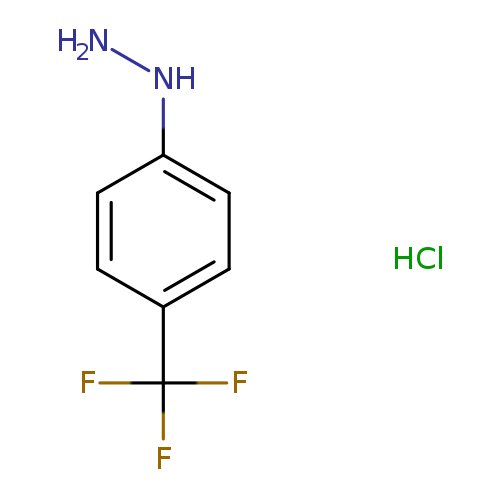
4-(Trifluoromethyl)phenylhydrazine HydrochlorideCatalog No.:AA002XPJ CAS No.:2923-56-0 MDL No.:MFCD00204233 MF:C7H8ClF3N2 MW:212.6000 |
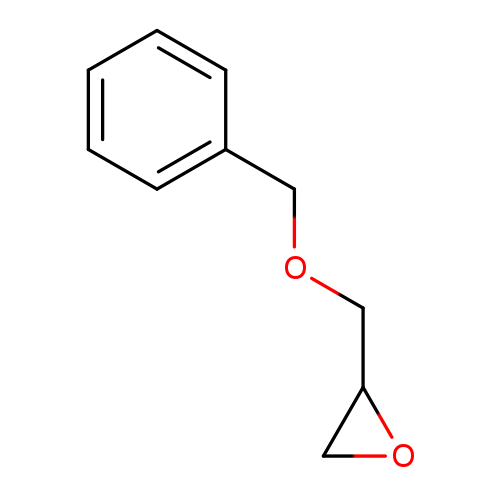
Benzyl Glycidyl EtherCatalog No.:AA002XXN CAS No.:2930-05-4 MDL No.:MFCD00068664 MF:C10H12O2 MW:164.2011 |
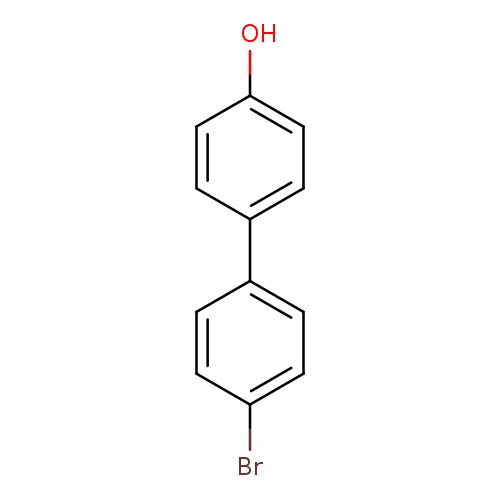
[1,1'-Biphenyl]-4-ol, 4'-bromo-Catalog No.:AA002YOJ CAS No.:29558-77-8 MDL No.:MFCD00059076 MF:C12H9BrO MW:249.1033 |
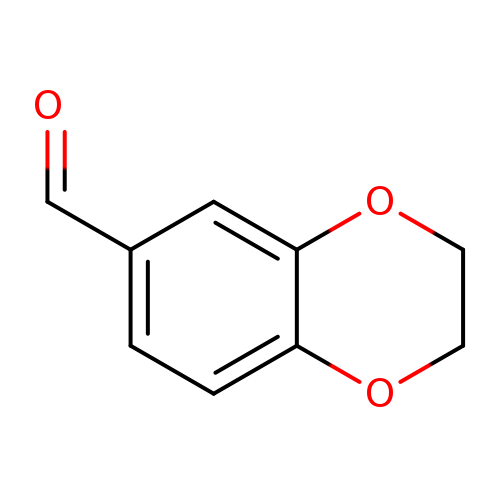
1,4-BENZODIOXAN-6-CARBOXALDEHYDECatalog No.:AA002YYI CAS No.:29668-44-8 MDL No.:MFCD00010092 MF:C9H8O3 MW:164.1580 |
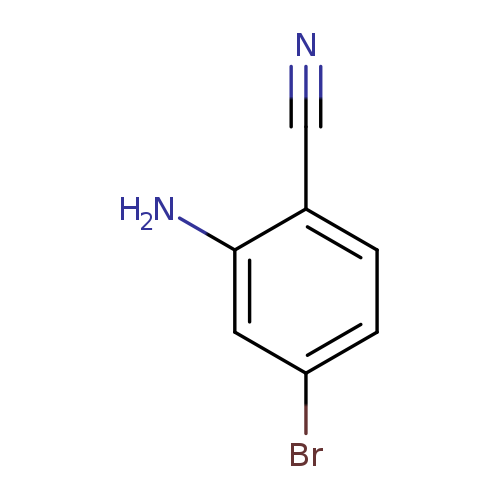
2-Amino-4-bromobenzonitrileCatalog No.:AA003081 CAS No.:304858-65-9 MDL No.:MFCD08752638 MF:C7H5BrN2 MW:197.0320 |
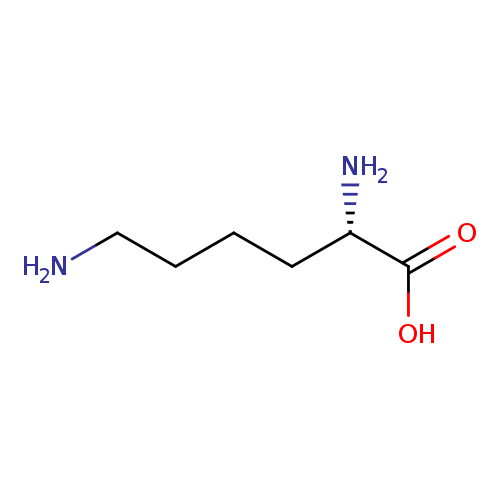
L-LysineCatalog No.:AA0032DY CAS No.:56-87-1 MDL No.:MFCD00064433 MF:C6H14N2O2 MW:146.1876 |
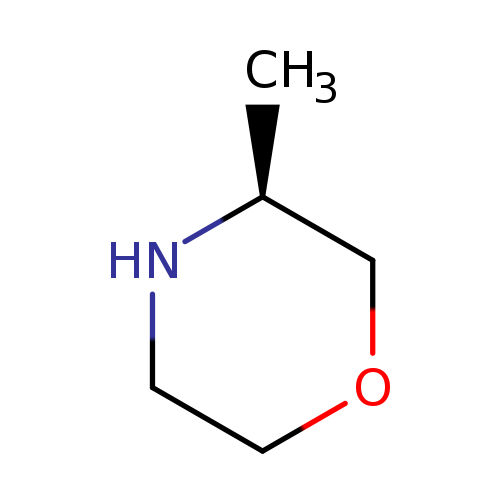
(S)-3-MethylmorpholineCatalog No.:AA0032ED CAS No.:350595-57-2 MDL No.:MFCD03840369 MF:C5H11NO MW:101.1469 |
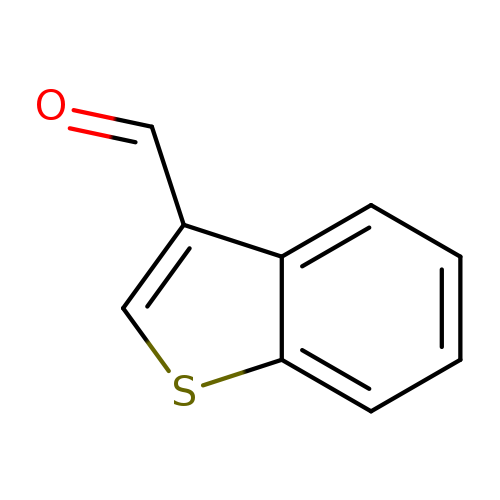
Benzo[b]thiophene-3-carbaldehydeCatalog No.:AA0032LM CAS No.:5381-20-4 MDL No.:MFCD00052376 MF:C9H6OS MW:162.2083 |
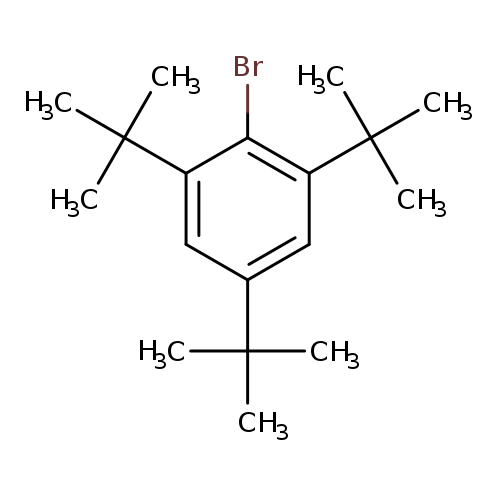
2-Bromo-1,3,5-tri-tert-butylbenzeneCatalog No.:AA0032MG CAS No.:3975-77-7 MDL No.:MFCD00191861 MF:C18H29Br MW:325.3269 |
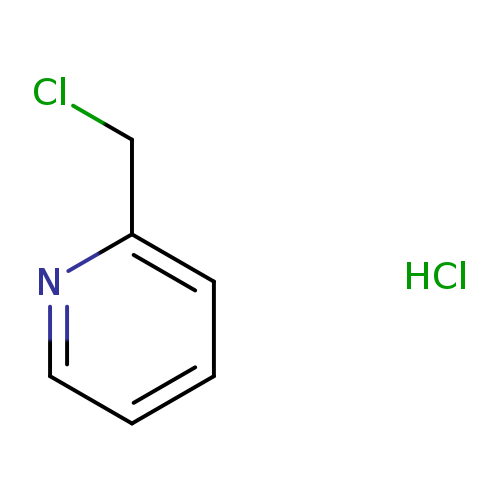
2-(Chloromethyl)Pyridine HydrochlorideCatalog No.:AA0032SJ CAS No.:6959-47-3 MDL No.:MFCD00012811 MF:C6H7Cl2N MW:164.0325 |
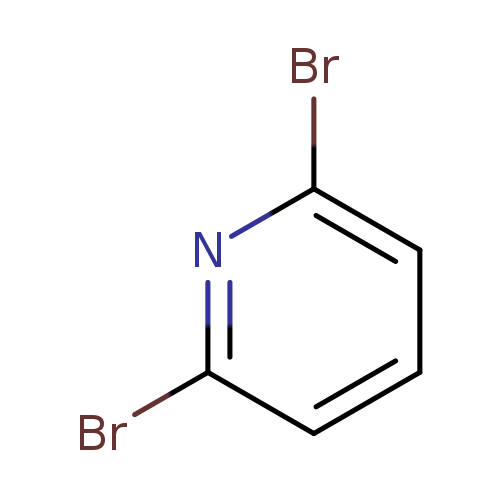
2,6-DibromopyridineCatalog No.:AA0032Y9 CAS No.:626-05-1 MDL No.:MFCD00006223 MF:C5H3Br2N MW:236.8920 |
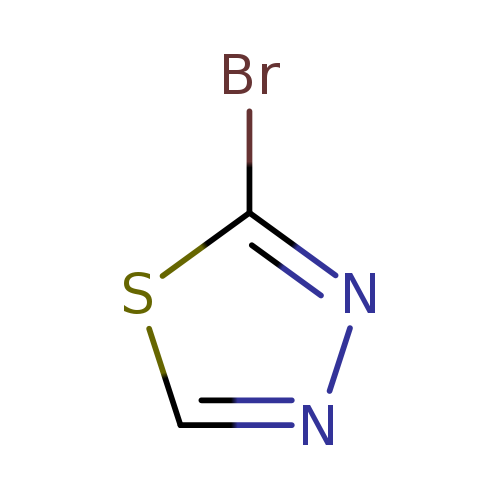
2-Bromo-1,3,4-thiadiazoleCatalog No.:AA003320 CAS No.:61929-24-6 MDL No.:MFCD04115375 MF:C2HBrN2S MW:165.0117 |
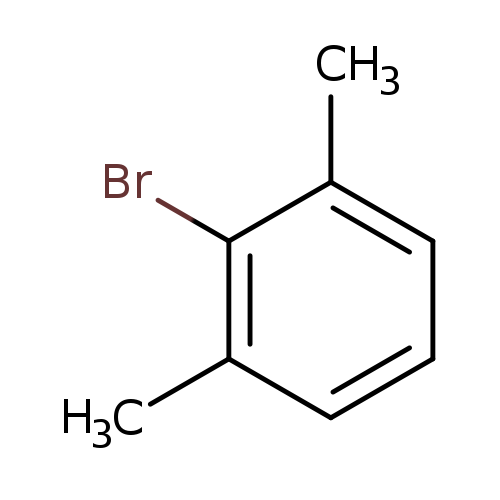
2-Bromo-m-xyleneCatalog No.:AA00333U CAS No.:576-22-7 MDL No.:MFCD00000075 MF:C8H9Br MW:185.0611 |
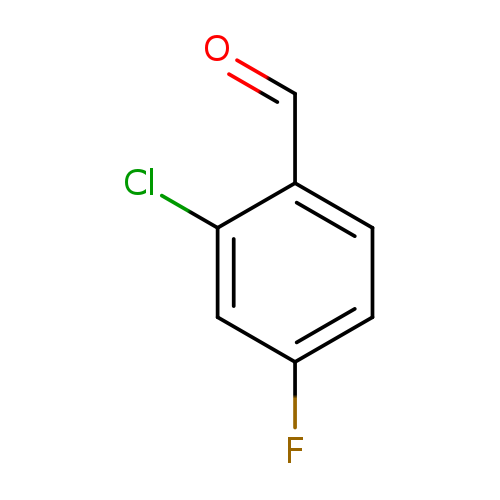
2-Chloro-4-fluorobenzaldehydeCatalog No.:AA003352 CAS No.:84194-36-5 MDL No.:MFCD00042527 MF:C7H4ClFO MW:158.5575 |
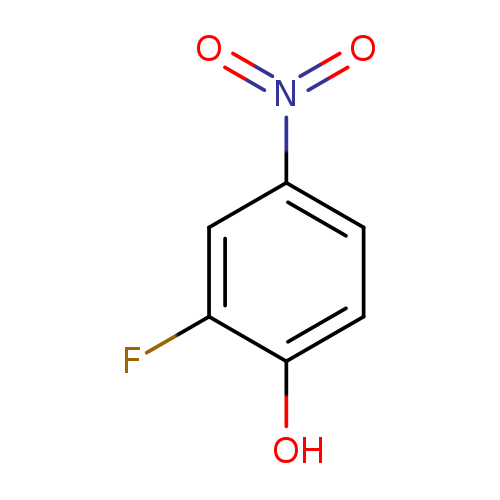
2-Fluoro-4-nitrophenolCatalog No.:AA00338G CAS No.:403-19-0 MDL No.:MFCD00042528 MF:C6H4FNO3 MW:157.0993 |
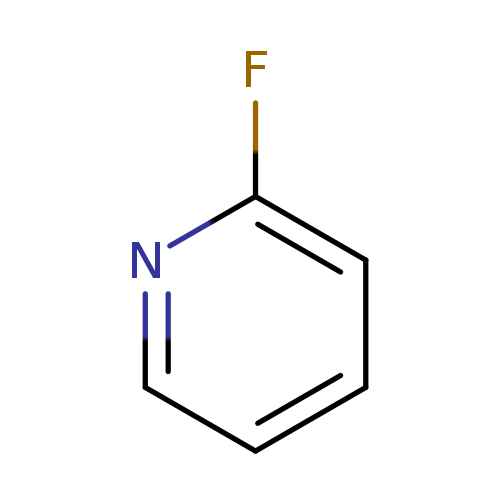
2-FluoropyridineCatalog No.:AA003392 CAS No.:372-48-5 MDL No.:MFCD13175161 MF:C5H4FN MW:97.0904 |
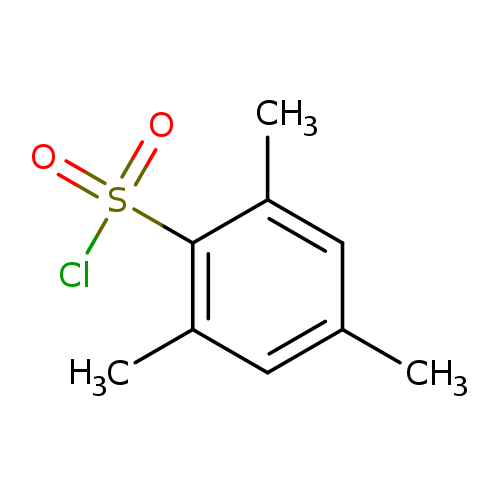
2-Mesitylenesulfonyl chlorideCatalog No.:AA0033AN CAS No.:773-64-8 MDL No.:MFCD00007434 MF:C9H11ClO2S MW:218.7004 |
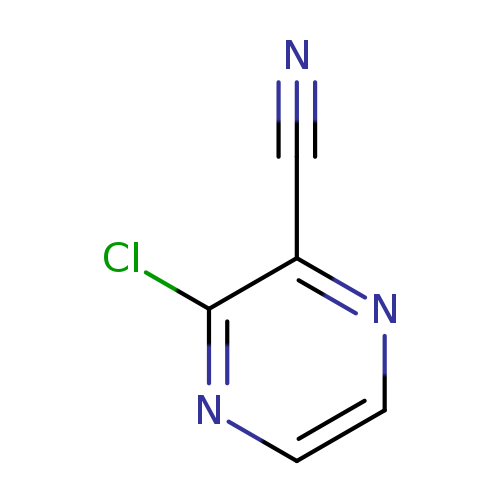
2-Chloro-3-cyanopyrazineCatalog No.:AA0033LU CAS No.:55557-52-3 MDL No.:MFCD00219653 MF:C5H2ClN3 MW:139.5425 |
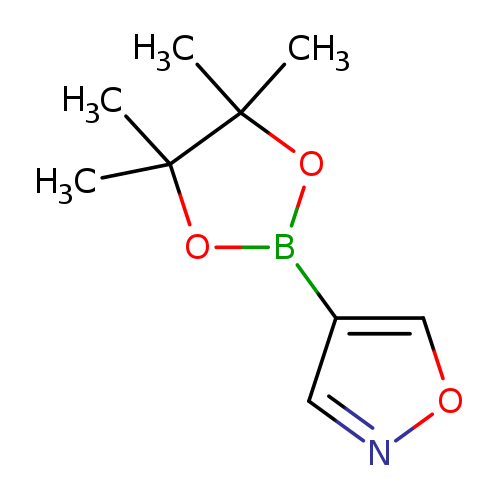
4-(4,4,5,5-Tetramethyl-1,3,2-dioxaborolan-2-yl)isoxazoleCatalog No.:AA0033Q5 CAS No.:928664-98-6 MDL No.:MFCD06657891 MF:C9H14BNO3 MW:195.0234 |
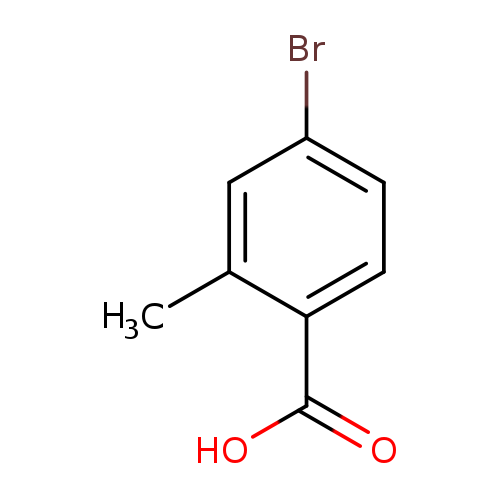
4-Bromo-2-methylbenzoic acidCatalog No.:AA0033UV CAS No.:68837-59-2 MDL No.:MFCD00040905 MF:C8H7BrO2 MW:215.0440 |
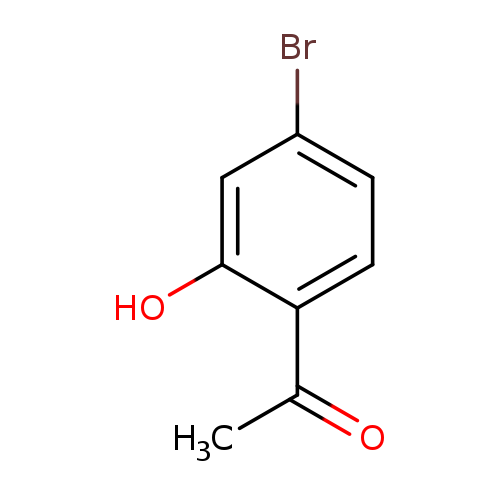
1-(4-Bromo-2-hydroxyphenyl)ethanoneCatalog No.:AA0033UO CAS No.:30186-18-6 MDL No.:MFCD03428533 MF:C8H7BrO2 MW:215.0440 |
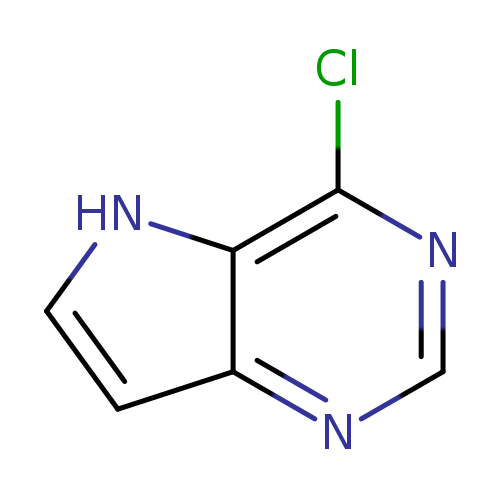
4-Chloro-5H-pyrrolo[3,2-d]pyrimidineCatalog No.:AA0033WU CAS No.:84905-80-6 MDL No.:MFCD06658411 MF:C6H4ClN3 MW:153.5691 |
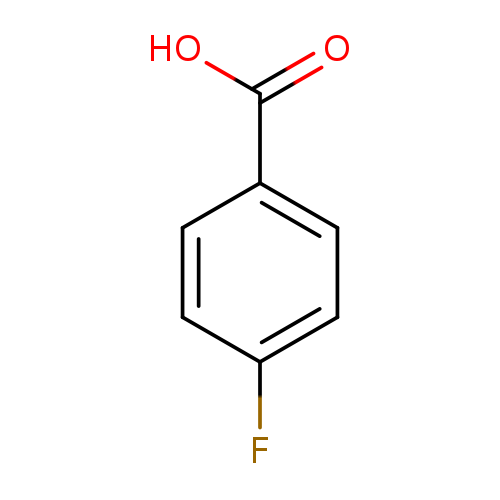
4-Fluorobenzoic acidCatalog No.:AA0033YL CAS No.:456-22-4 MDL No.:MFCD00002530 MF:C7H5FO2 MW:140.1118 |
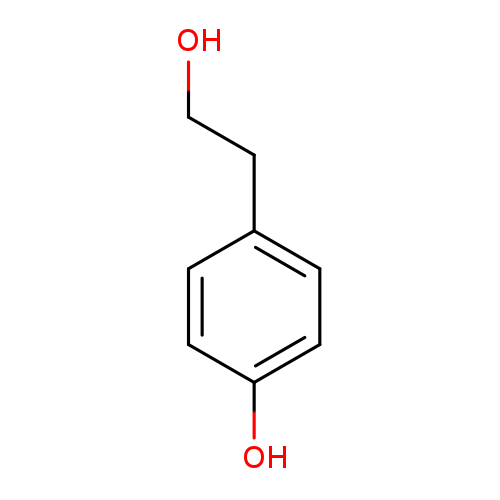
4-Hydroxyphenethyl alcoholCatalog No.:AA0033ZN CAS No.:501-94-0 MDL No.:MFCD00002902 MF:C8H10O2 MW:138.1638 |
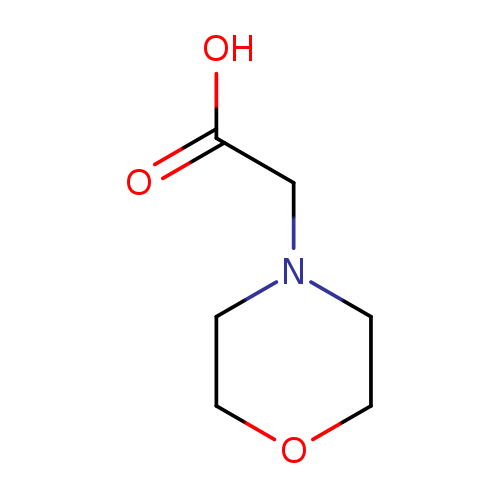
4-Morpholineacetic AcidCatalog No.:AA00341G CAS No.:3235-69-6 MDL No.:MFCD00504633 MF:C6H11NO3 MW:145.1564 |
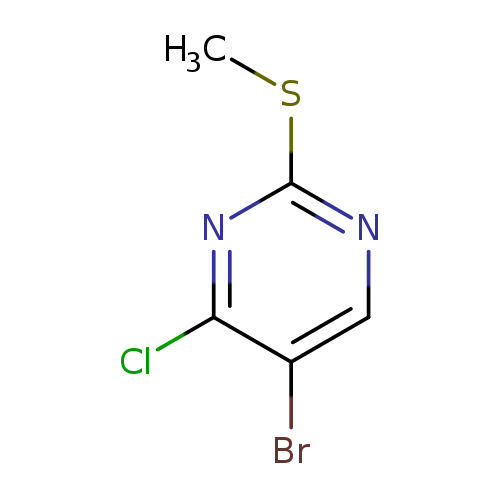
5-Bromo-4-chloro-2-(methylthio)pyrimidineCatalog No.:AA00345B CAS No.:63810-78-6 MDL No.:MFCD00023232 MF:C5H4BrClN2S MW:239.5207 |
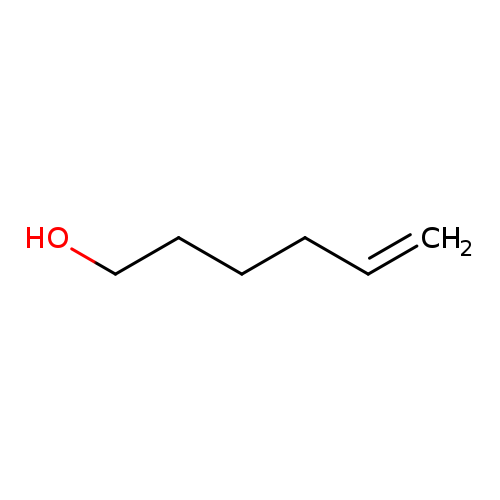
5-Hexen-1-olCatalog No.:AA00347A CAS No.:821-41-0 MDL No.:MFCD00002981 MF:C6H12O MW:100.1589 |
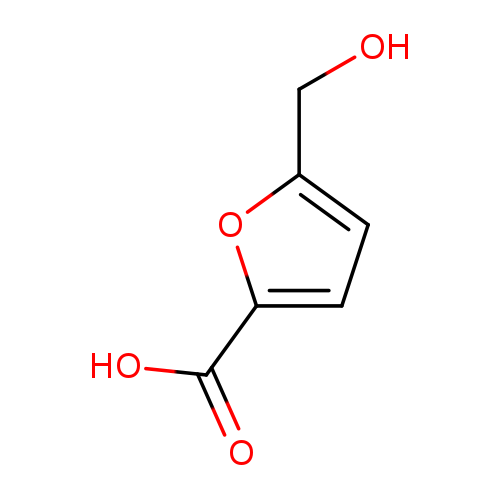
5-Hydroxymethyl-2-furancarboxylic acidCatalog No.:AA00347J CAS No.:6338-41-6 MDL No.:MFCD03274472 MF:C6H6O4 MW:142.1094 |
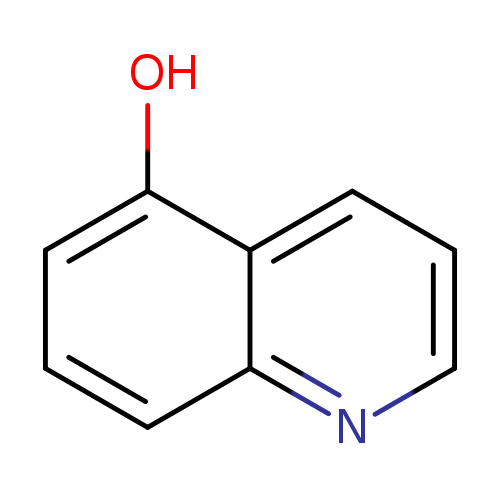
5-HydroxyquinolineCatalog No.:AA00347N CAS No.:578-67-6 MDL No.:MFCD00006792 MF:C9H7NO MW:145.1580 |
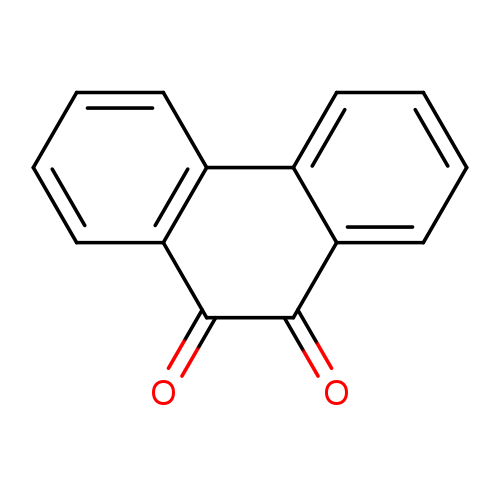
Phenanthrene-9,10-dioneCatalog No.:AA0034C6 CAS No.:84-11-7 MDL No.:MFCD00001163 MF:C14H8O2 MW:208.2121 |
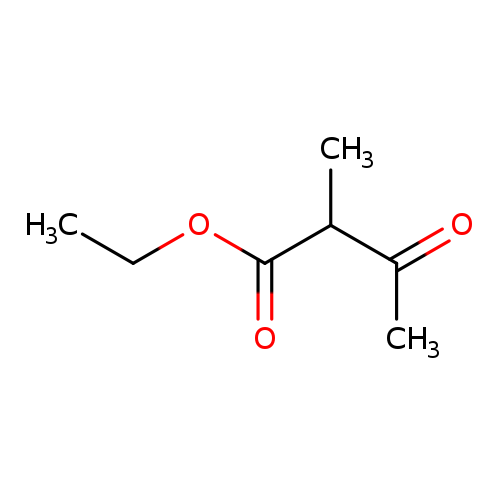
Ethyl 2-methyl-3-oxobutanoateCatalog No.:AA0034RT CAS No.:609-14-3 MDL No.:MFCD00009164 MF:C7H12O3 MW:144.1684 |
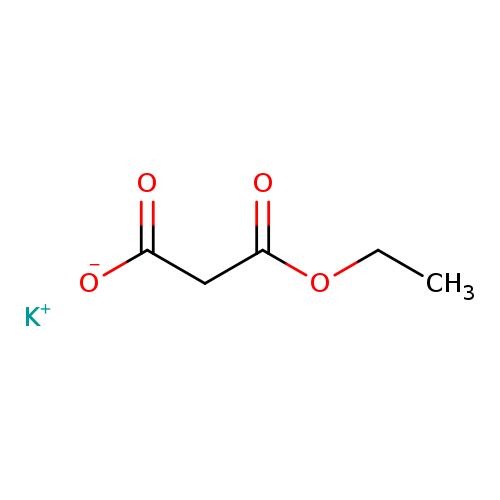
Ethyl potassium malonateCatalog No.:AA0034TY CAS No.:6148-64-7 MDL No.:MFCD00035603 MF:C5H7KO4 MW:170.2050 |
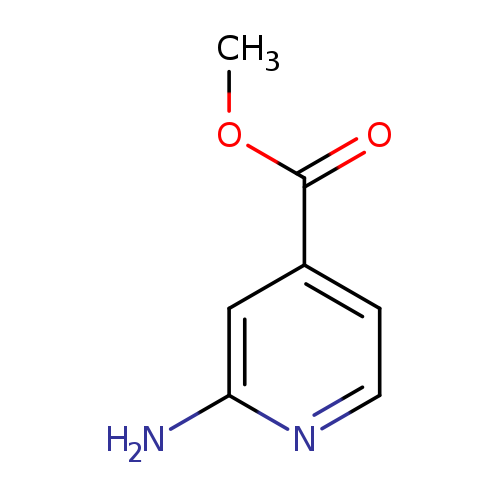
Methyl 2-aminoisonicotinateCatalog No.:AA00352Z CAS No.:6937-03-7 MDL No.:MFCD04039316 MF:C7H8N2O2 MW:152.1506 |
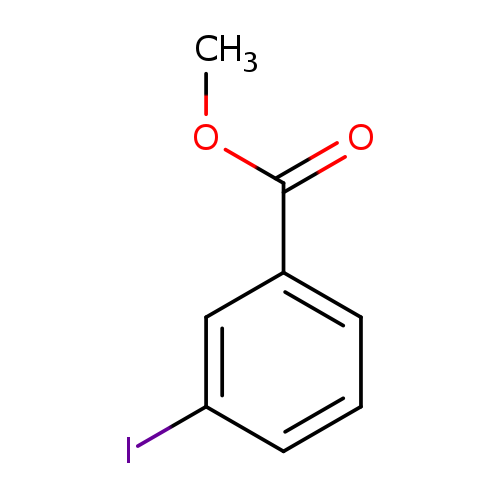
Methyl 3-iodobenzoateCatalog No.:AA003547 CAS No.:618-91-7 MDL No.:MFCD00061093 MF:C8H7IO2 MW:262.0444 |
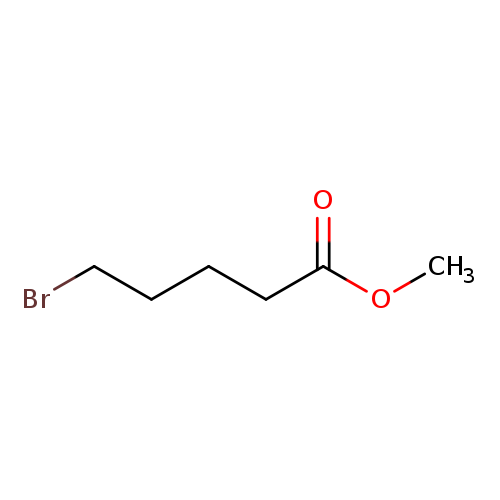
Methyl 5-bromopentanoateCatalog No.:AA003556 CAS No.:5454-83-1 MDL No.:MFCD00000265 MF:C6H11BrO2 MW:195.0543 |
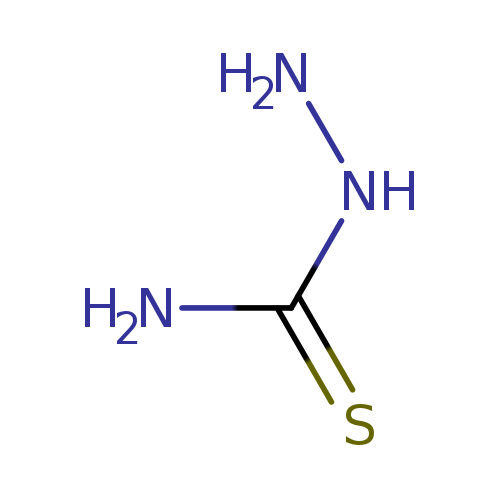
ThiosemicarbazideCatalog No.:AA0035MC CAS No.:79-19-6 MDL No.:MFCD00007620 MF:CH5N3S MW:91.1355 |
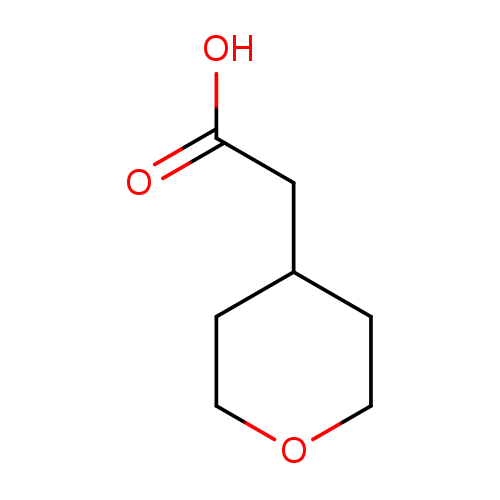
Tetrahydropyranyl-4-acetic acidCatalog No.:AA0036BK CAS No.:85064-61-5 MDL No.:MFCD01631204 MF:C7H12O3 MW:144.1684 |
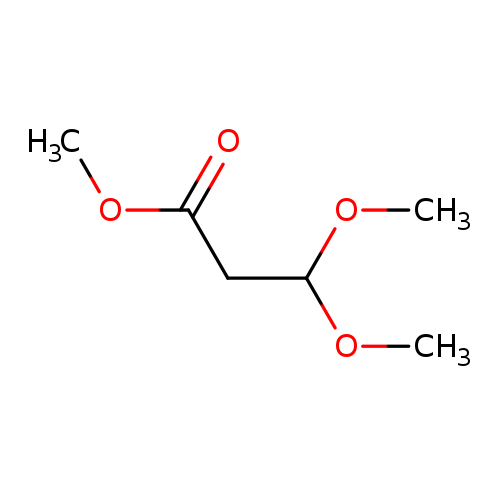
Methyl 3,3-dimethoxypropanoateCatalog No.:AA0036GP CAS No.:7424-91-1 MDL No.:MFCD00010650 MF:C6H12O4 MW:148.1571 |
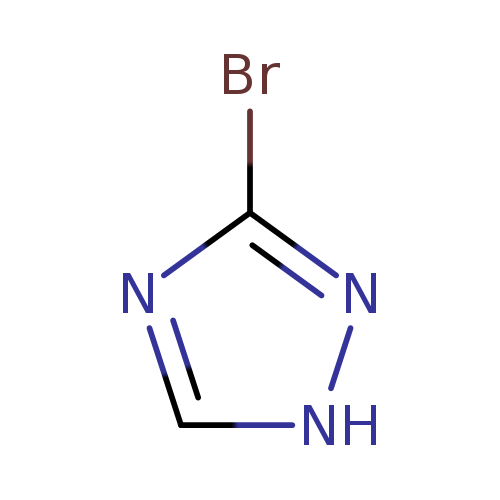
3-Bromo-1H-1,2,4-TriazoleCatalog No.:AA0036H2 CAS No.:7343-33-1 MDL No.:MFCD01421960 MF:C2H2BrN3 MW:147.9614 |
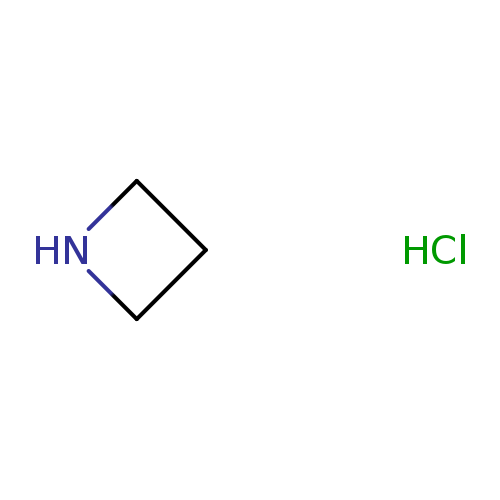
Azetidine hydrochlorideCatalog No.:AA0037HH CAS No.:36520-39-5 MDL No.:MFCD00191762 MF:C3H8ClN MW:93.5553 |
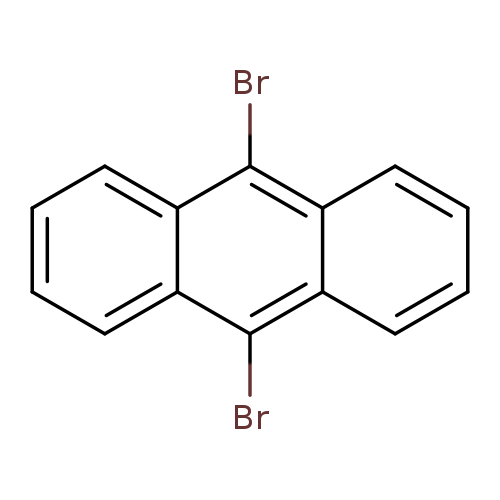
9,10-DibromoanthraceneCatalog No.:AA0038LZ CAS No.:523-27-3 MDL No.:MFCD00001244 MF:C14H8Br2 MW:336.0213 |
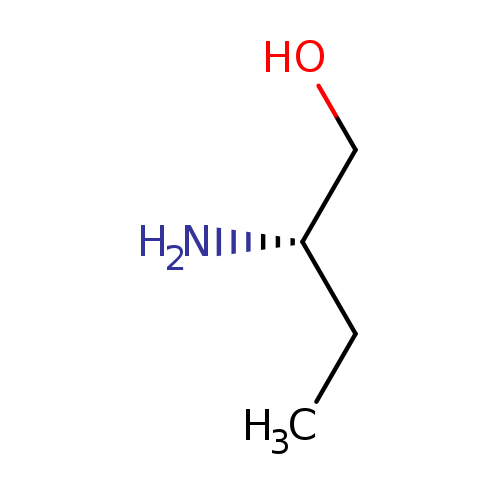
(S)-2-Aminobutan-1-olCatalog No.:AA003CDG CAS No.:5856-62-2 MDL No.:MFCD00064418 MF:C4H11NO MW:89.1362 |
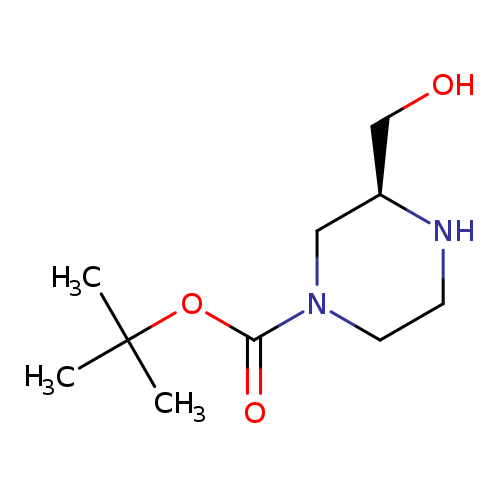
(S)-tert-Butyl 3-(hydroxymethyl)piperazine-1-carboxylateCatalog No.:AA003CJV CAS No.:314741-40-7 MDL No.:MFCD05863889 MF:C10H20N2O3 MW:216.2774 |
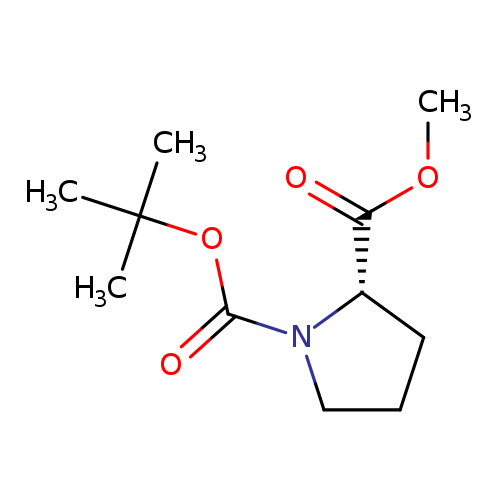
Boc-L-Pro-OMeCatalog No.:AA003DZK CAS No.:59936-29-7 MDL No.:MFCD01075092 MF:C11H19NO4 MW:229.2729 |
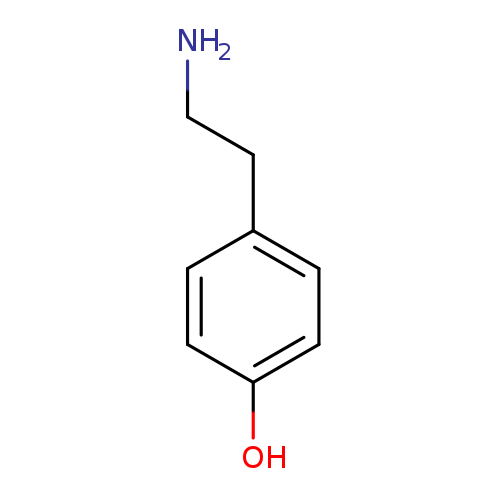
TyramineCatalog No.:AA003ETR CAS No.:51-67-2 MDL No.:MFCD00008193 MF:C8H11NO MW:137.1790 |
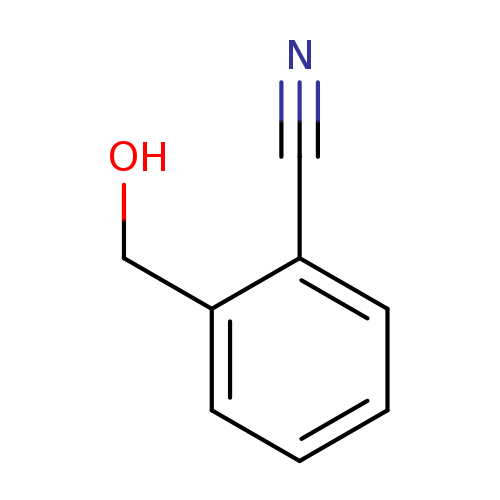
2-(Hydroxymethyl)benzonitrileCatalog No.:AA003EZV CAS No.:89942-45-0 MDL No.:MFCD11111887 MF:C8H7NO MW:133.1473 |
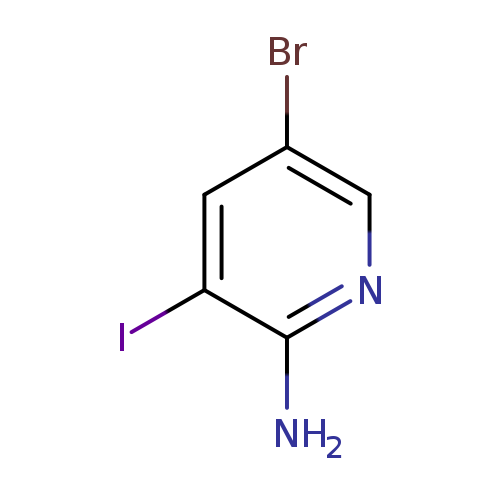
5-Bromo-3-iodopyridin-2-amineCatalog No.:AA003GDK CAS No.:381233-96-1 MDL No.:MFCD06659000 MF:C5H4BrIN2 MW:298.9071 |
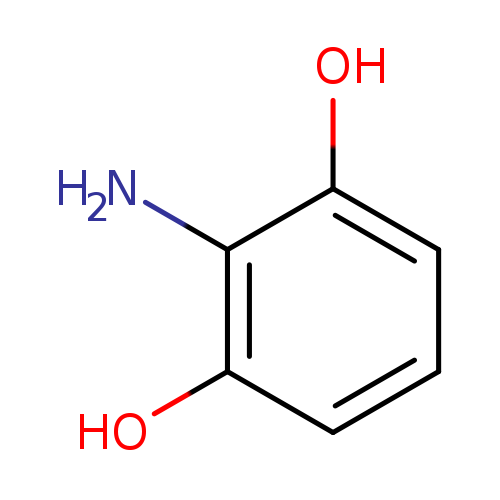
2-Amino-1,3-benzenediolCatalog No.:AA003GHD CAS No.:3163-15-3 MDL No.:MFCD00128992 MF:C6H7NO2 MW:125.1253 |
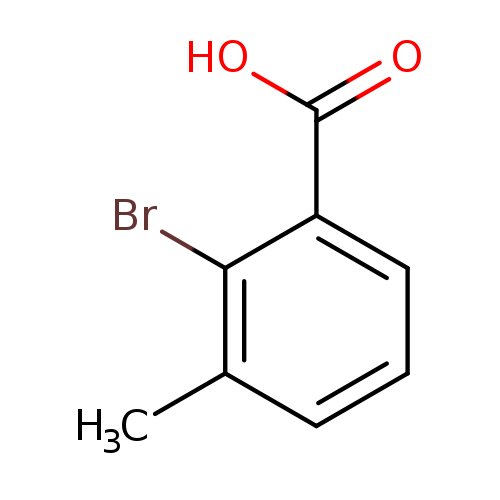
2-Bromo-3-methylbenzoic acidCatalog No.:AA003GKA CAS No.:53663-39-1 MDL No.:MFCD00079721 MF:C8H7BrO2 MW:215.0440 |
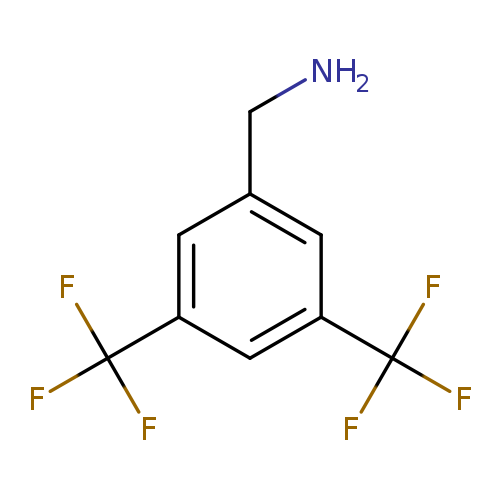
(3,5-Bis(trifluoromethyl)phenyl)methanamineCatalog No.:AA003IHD CAS No.:85068-29-7 MDL No.:MFCD00009909 MF:C9H7F6N MW:243.1490 |
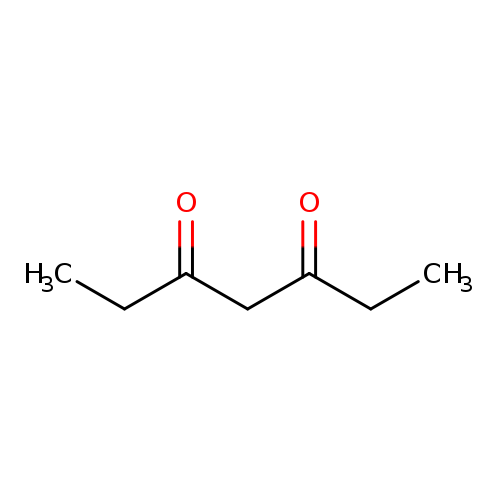
Heptane-3,5-dioneCatalog No.:AA003IN4 CAS No.:7424-54-6 MDL No.:MFCD00015186 MF:C7H12O2 MW:128.1690 |
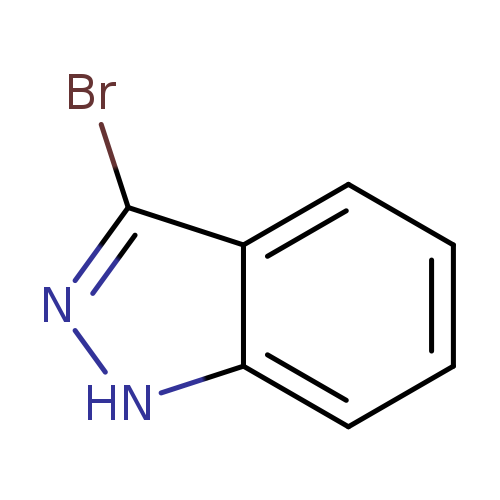
3-Bromo-1H-indazoleCatalog No.:AA003IWO CAS No.:40598-94-5 MDL No.:MFCD00159926 MF:C7H5BrN2 MW:197.0320 |
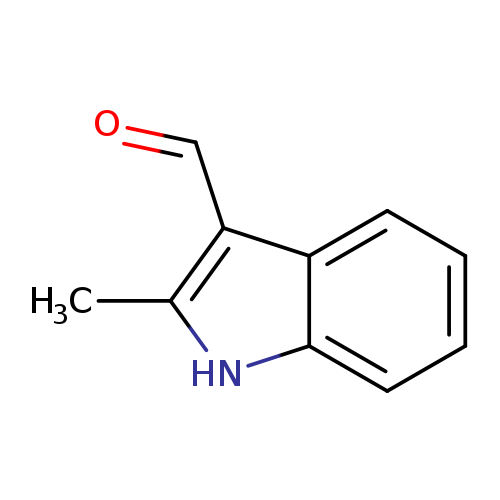
3-Formyl-2-methylindoleCatalog No.:AA003JF5 CAS No.:5416-80-8 MDL No.:MFCD00012077 MF:C10H9NO MW:159.1846 |
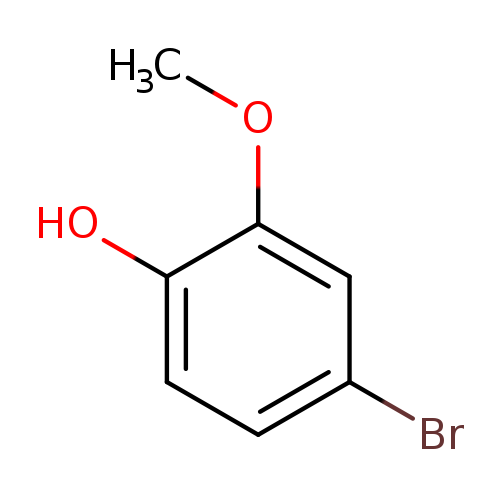
Phenol, 4-bromo-2-methoxy-Catalog No.:AA003KUB CAS No.:7368-78-7 MDL No.:MFCD20537699 MF:C7H7BrO2 MW:203.0333 |
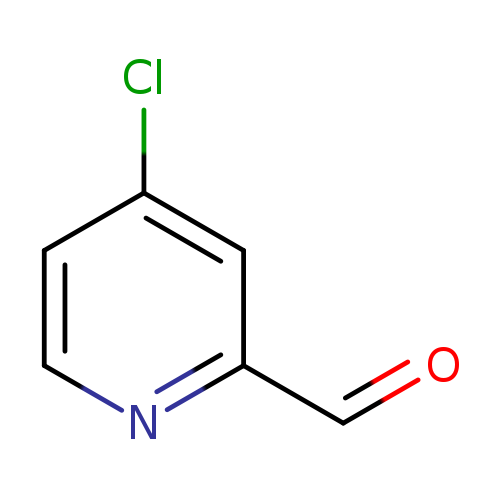
4-ChloropicolinaldehydeCatalog No.:AA003L5L CAS No.:63071-13-6 MDL No.:MFCD07437896 MF:C6H4ClNO MW:141.5551 |
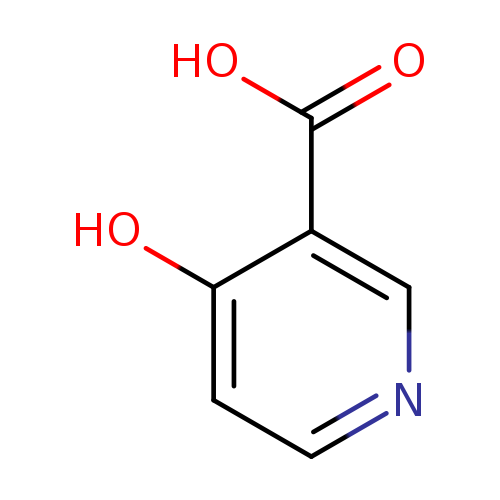
4-Hydroxynicotinic acidCatalog No.:AA003LGT CAS No.:609-70-1 MDL No.:MFCD00040286 MF:C6H5NO3 MW:139.1088 |
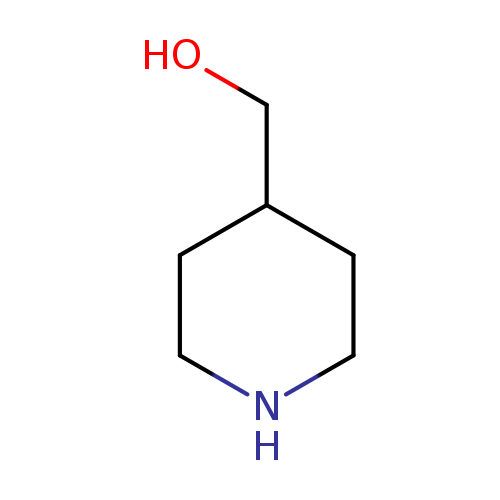
4-PiperidinemethanolCatalog No.:AA003LWZ CAS No.:6457-49-4 MDL No.:MFCD00174228 MF:C6H13NO MW:115.1735 |
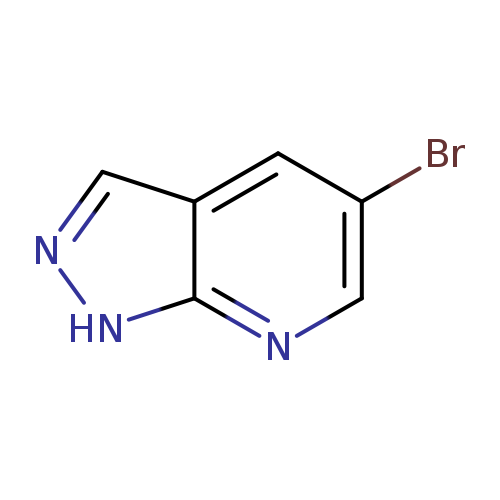
5-Bromo-1H-pyrazolo[3,4-b]pyridineCatalog No.:AA003MCW CAS No.:875781-17-2 MDL No.:MFCD05663982 MF:C6H4BrN3 MW:198.0201 |
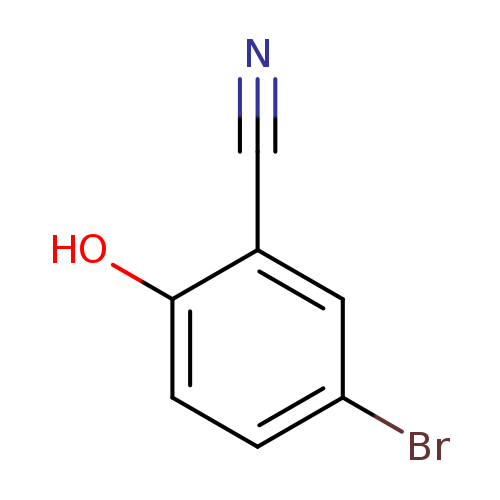
Benzonitrile, 5-bromo-2-hydroxy-Catalog No.:AA003MEH CAS No.:40530-18-5 MDL No.:MFCD00143428 MF:C7H4BrNO MW:198.0168 |
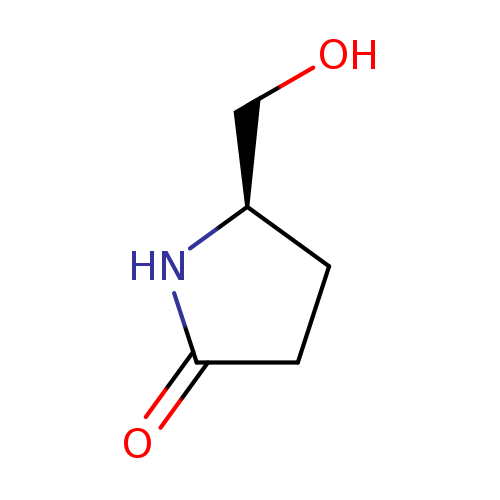
(R)-(-)-5-(Hydroxymethyl)-2-pyrrolidinoneCatalog No.:AA003MQ1 CAS No.:66673-40-3 MDL No.:MFCD00077791 MF:C5H9NO2 MW:115.1305 |
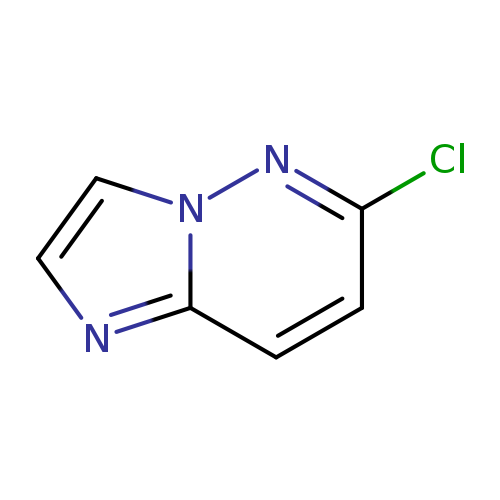
6-Chloroimidazo[1,2-b]pyridazineCatalog No.:AA003N3Q CAS No.:6775-78-6 MDL No.:MFCD07778345 MF:C6H4ClN3 MW:153.5691 |
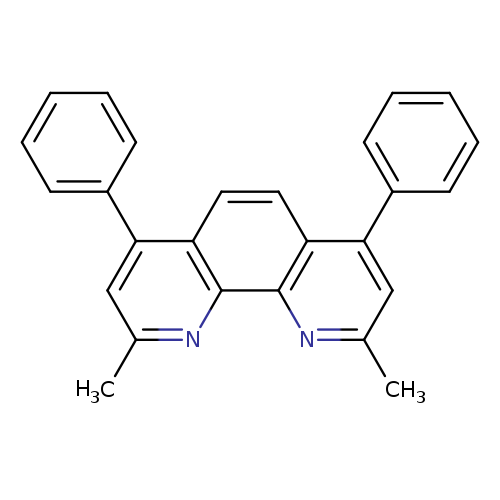
2,9-Dimethyl-4,7-diphenyl-1,10-phenanthrolineCatalog No.:AA003NX8 CAS No.:4733-39-5 MDL No.:MFCD00004972 MF:C26H20N2 MW:360.4504 |
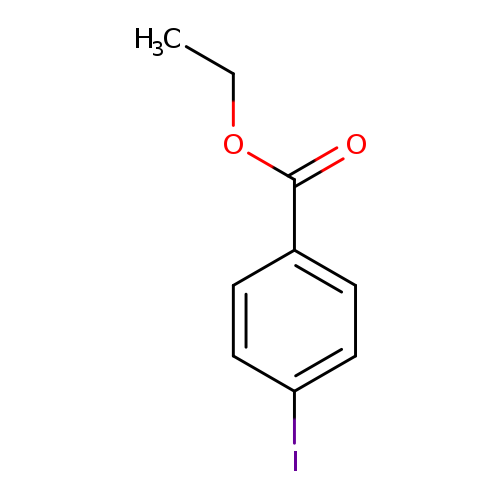
Ethyl 4-IodobenzoateCatalog No.:AA003Q8B CAS No.:51934-41-9 MDL No.:MFCD00017344 MF:C9H9IO2 MW:276.0710 |
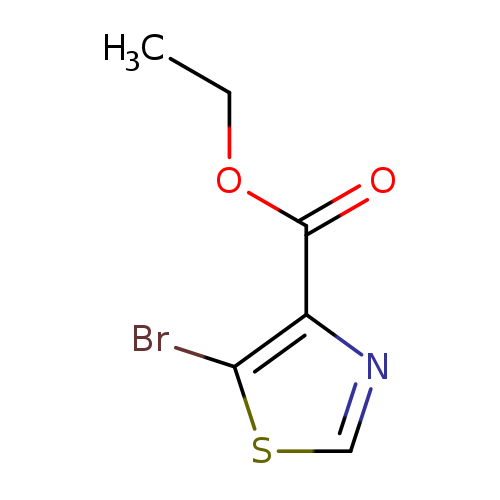
4-Thiazolecarboxylic acid, 5-bromo-, ethyl esterCatalog No.:AA003QF4 CAS No.:61830-23-7 MDL No.:MFCD10699175 MF:C6H6BrNO2S MW:236.0863 |
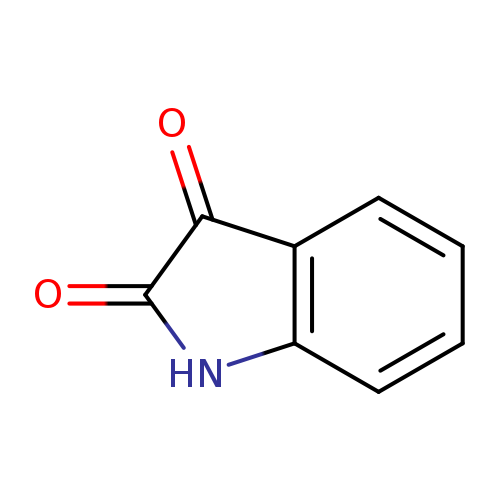
indoline-2,3-dioneCatalog No.:AA003QZB CAS No.:91-56-5 MDL No.:MFCD00005718 MF:C8H5NO2 MW:147.1308 |
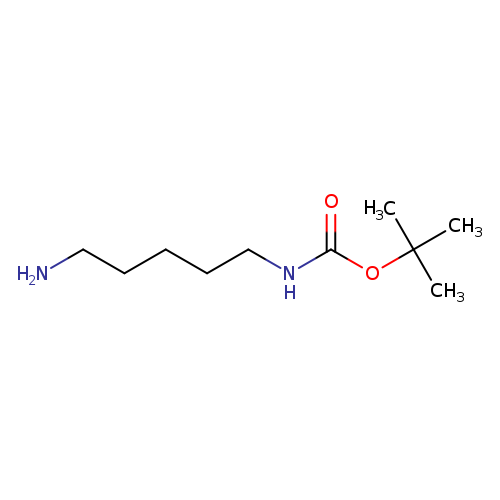
tert-Butyl (5-aminopentyl)carbamateCatalog No.:AA003SQW CAS No.:51644-96-3 MDL No.:MFCD00210020 MF:C10H22N2O2 MW:202.2939 |
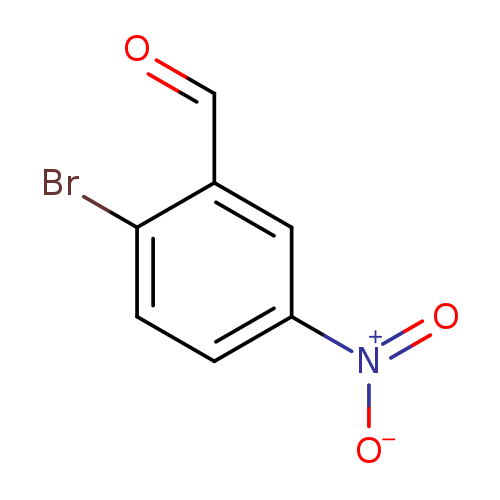
2-Bromo-5-nitrobenzenecarbaldehydeCatalog No.:AA004W23 CAS No.:84459-32-5 MDL No.:MFCD00462865 MF:C7H4BrNO3 MW:230.0156 |
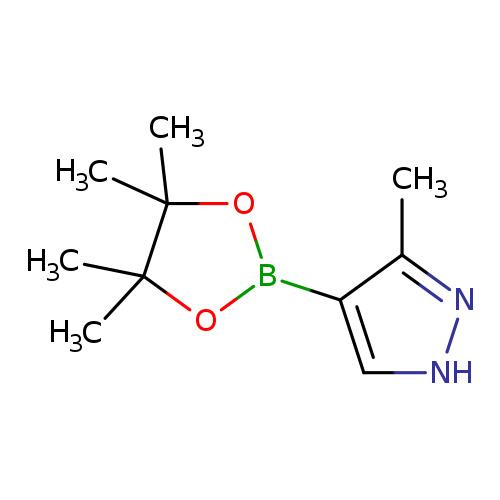
3-Methylpyrazole-4-boronic Acid Pinacol EsterCatalog No.:AA006EQU CAS No.:936250-20-3 MDL No.:MFCD08690235 MF:C10H17BN2O2 MW:208.0652 |
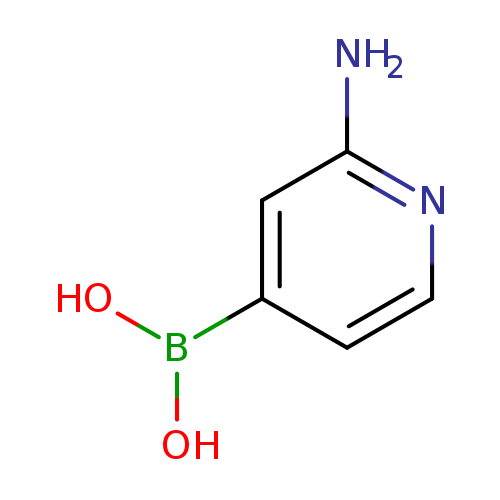
2-Aminopyridin-4-ylboronic acidCatalog No.:AA006RI4 CAS No.:903513-62-2 MDL No.:MFCD11520501 MF:C5H7BN2O2 MW:137.9323 |
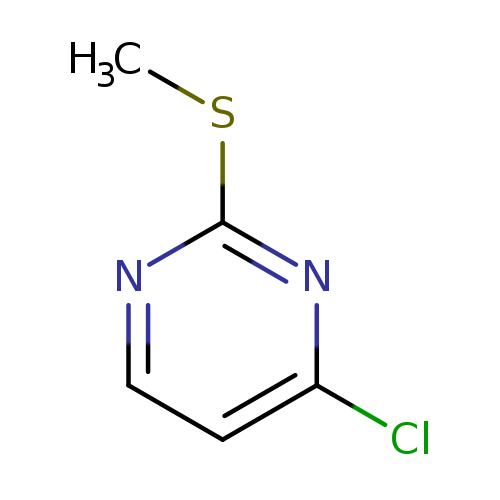
4-Chloro-2-(methylthio)pyrimidineCatalog No.:AA006XU5 CAS No.:49844-90-8 MDL No.:MFCD00006083 MF:C5H5ClN2S MW:160.6246 |
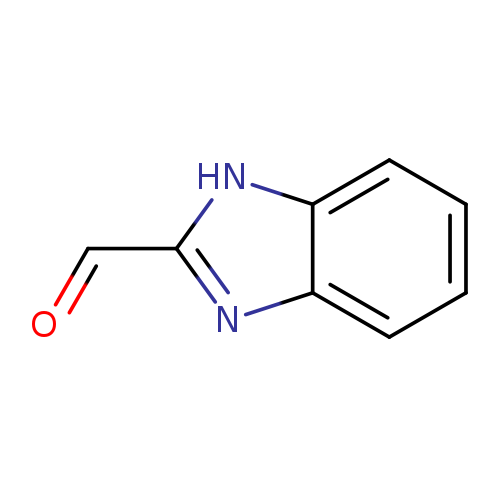
1H-Benzo[d]imidazole-2-carbaldehydeCatalog No.:AA00BXJJ CAS No.:3314-30-5 MDL No.:MFCD00228045 MF:C8H6N2O MW:146.1460 |
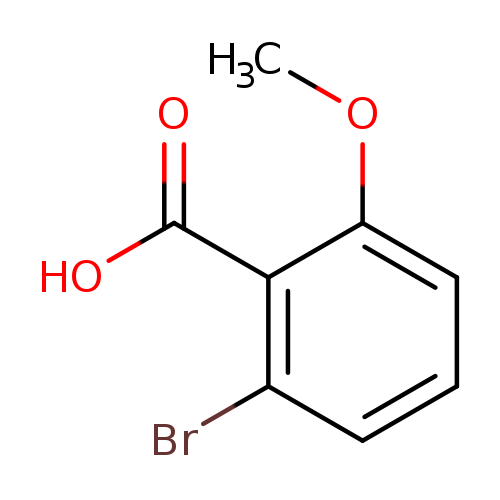
2-Bromo-6-methoxybenzoic AcidCatalog No.:AA00C6L5 CAS No.:31786-45-5 MDL No.:MFCD00800732 MF:C8H7BrO3 MW:231.0434 |
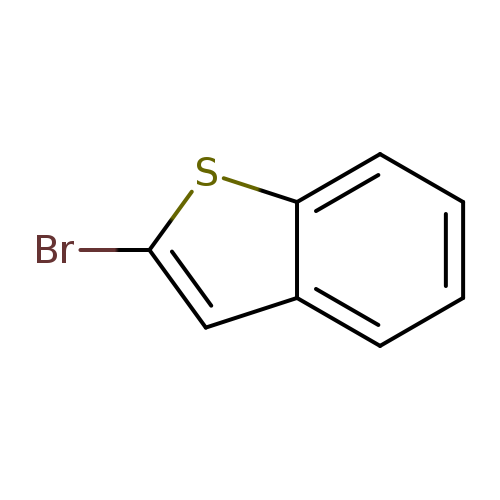
2-Bromobenzo[b]thiopheneCatalog No.:AA00DBJ2 CAS No.:5394-13-8 MDL No.:MFCD08435846 MF:C8H5BrS MW:213.0943 |
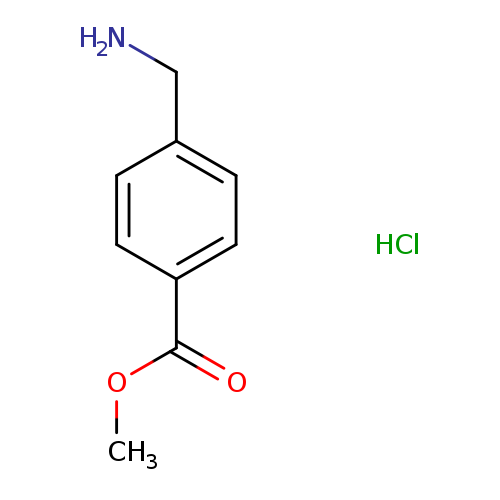
Methyl 4-(aminomethyl)benzoate hydrochlorideCatalog No.:AA00E9YR CAS No.:6232-11-7 MDL No.:MFCD00182671 MF:C9H12ClNO2 MW:201.6501 |
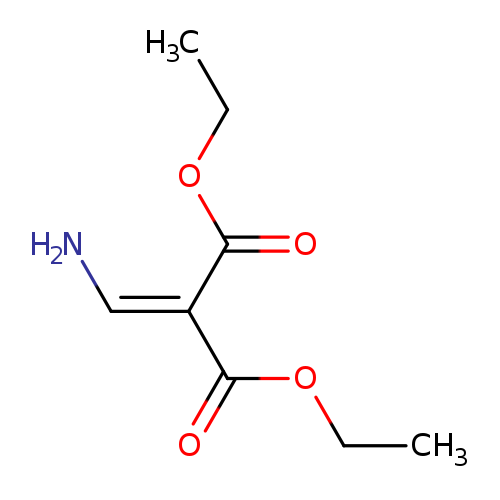
Diethyl 2-(aminomethylene)malonateCatalog No.:AA00EBET CAS No.:6296-99-7 MDL No.:MFCD01075695 MF:C8H13NO4 MW:187.1931 |
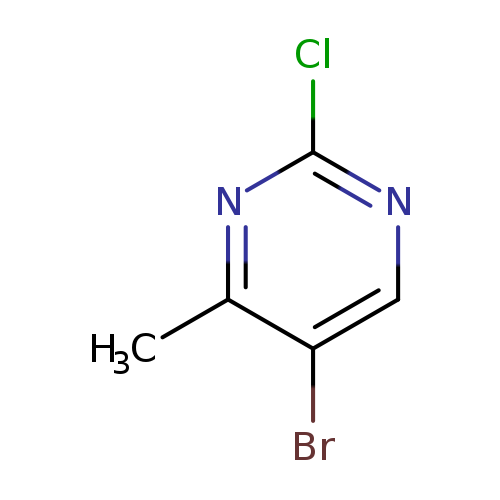
5-Bromo-2-chloro-4-methylpyrimidineCatalog No.:AA00EFSJ CAS No.:633328-95-7 MDL No.:MFCD03423595 MF:C5H4BrClN2 MW:207.4557 |
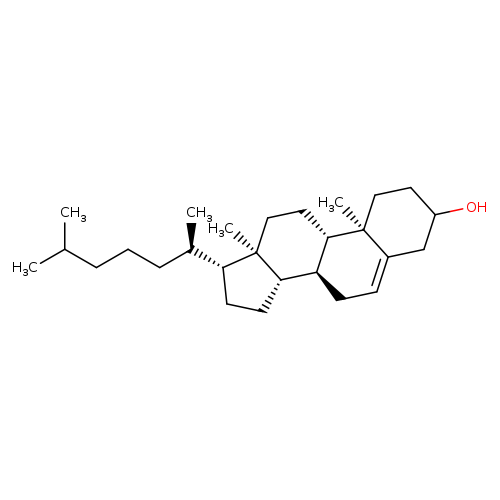
(3β)-cholest-5-en-3-olCatalog No.:AA00ER9V CAS No.:57-88-5 MDL No.:MFCD00003646 MF:C27H46O MW:386.6535 |
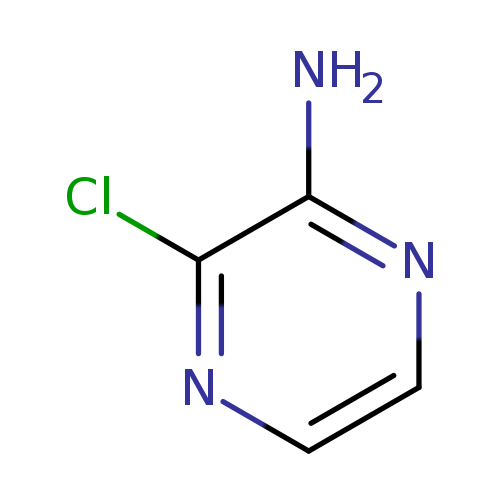
3-Chloropyrazin-2-amineCatalog No.:AA00F9W7 CAS No.:6863-73-6 MDL No.:MFCD04114305 MF:C4H4ClN3 MW:129.5477 |
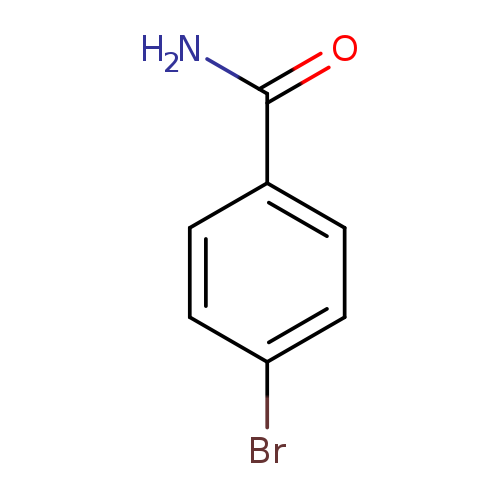
4-BromobenzamideCatalog No.:AA00FA8J CAS No.:698-67-9 MDL No.:MFCD00007991 MF:C7H6BrNO MW:200.0326 |
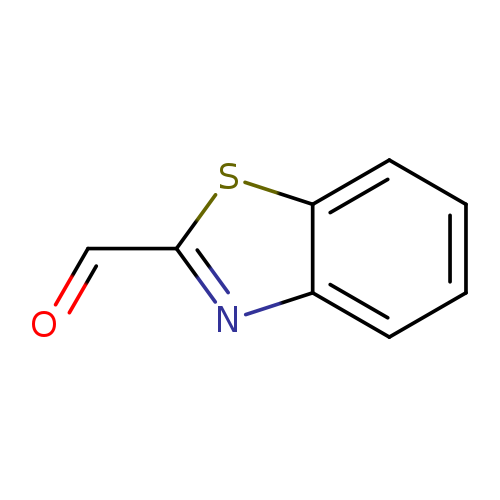
1,3-Benzothiazole-2-carbaldehydeCatalog No.:AA00FAPV CAS No.:6639-57-2 MDL No.:MFCD00526215 MF:C8H5NOS MW:163.1964 |
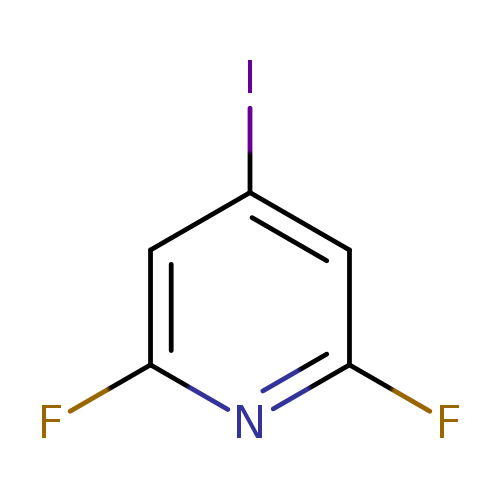
2,6-Difluoro-4-iodopyridineCatalog No.:AA00FFX7 CAS No.:685517-71-9 MDL No.:MFCD11977432 MF:C5H2F2IN MW:240.9774 |
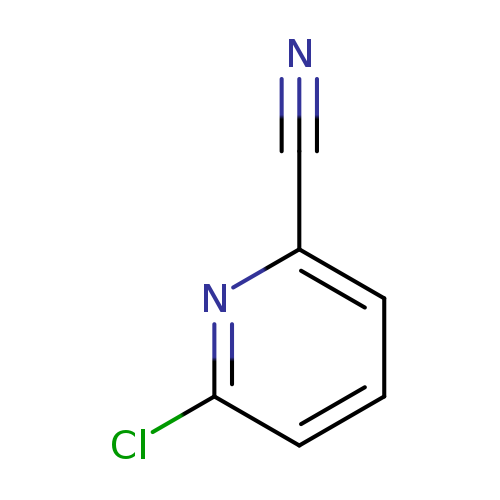
6-ChloropicolinonitrileCatalog No.:AA00I6EX CAS No.:33252-29-8 MDL No.:MFCD00274527 MF:C6H3ClN2 MW:138.5544 |
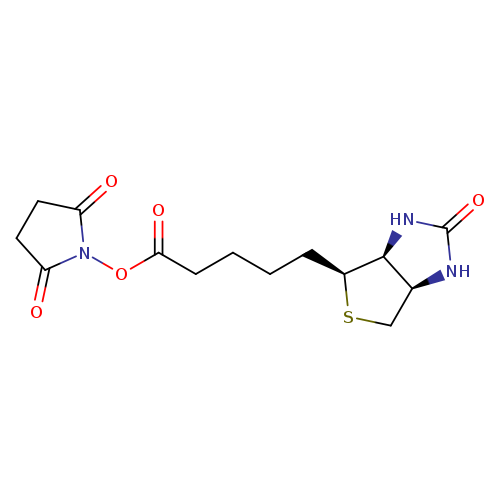
(+)-Biotin N-hydroxysuccinimide esterCatalog No.:AA00I6UV CAS No.:35013-72-0 MDL No.:MFCD00078531 MF:C14H19N3O5S MW:341.3828 |
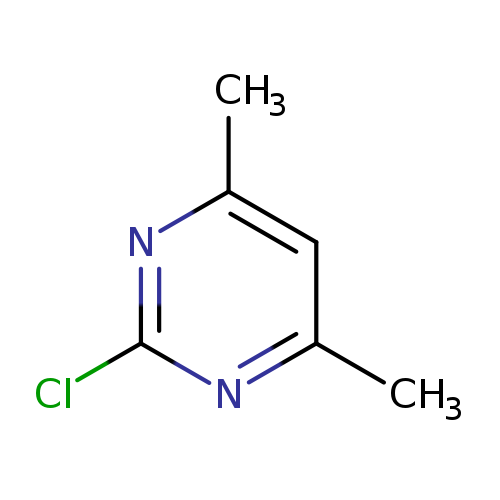
2-Chloro-4,6-DimethylpyrimidineCatalog No.:AA00I8DU CAS No.:4472-44-0 MDL No.:MFCD00023199 MF:C6H7ClN2 MW:142.5862 |
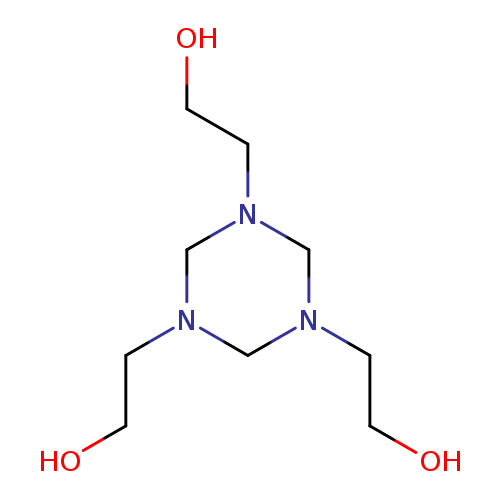
2,2',2''-(1,3,5-Triazinane-1,3,5-triyl)triethanolCatalog No.:AA00I8JG CAS No.:4719-04-4 MDL No.:MFCD01678788 MF:C9H21N3O3 MW:219.2813 |
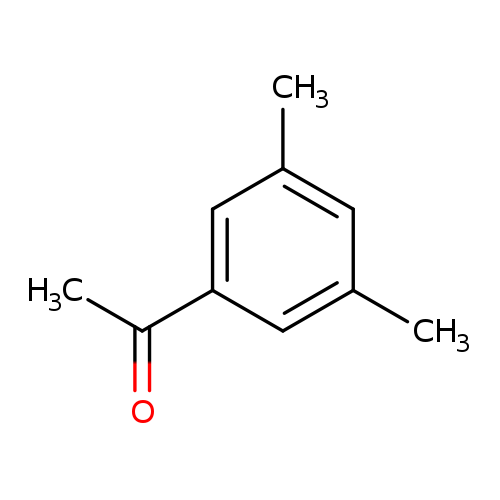
1-(3,5-Dimethylphenyl)ethanoneCatalog No.:AA00I9IV CAS No.:5379-16-8 MDL No.:MFCD01075693 MF:C10H12O MW:148.2017 |
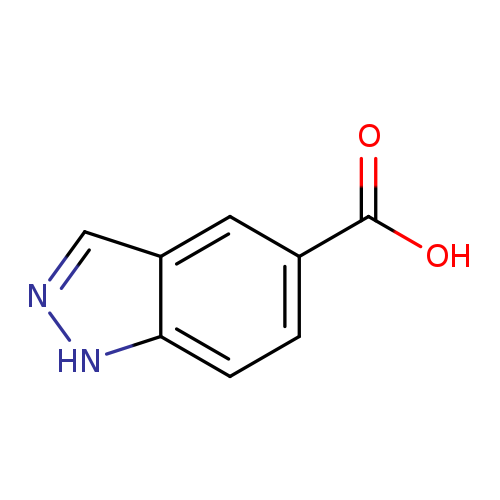
1H-indazole-5-carboxylic acidCatalog No.:AA00IATZ CAS No.:61700-61-6 MDL No.:MFCD03426158 MF:C8H6N2O2 MW:162.1454 |
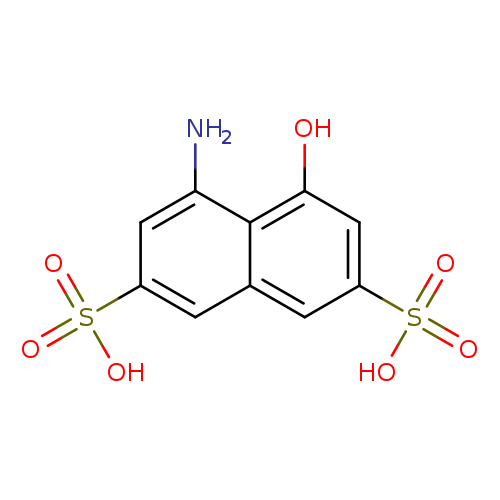
4-Amino-5-hydroxynaphthalene-2,7-disulfonic acidCatalog No.:AA00IFV8 CAS No.:90-20-0 MDL No.:MFCD00035728 MF:C10H9NO7S2 MW:319.3110 |