

2019-11-04 15:27:02
Traditional polymeric materials, based on thermosets and thermoplastics, are designed with a specific set of properties for a given application and lifetime. A major force in modern materials science research is the synthesis of dynamic materials with functions beyond those of static polymeric materials [78]. As we transition from static to dynamic materials design, we envision ‘intelligent’ systems that can respond to external stimuli and interact with the surrounding environment [79,80]. Self-assembly and supramolecular chemistry are both robust synthetic tools for the fabrication of dynamic soft matter [81,82]. Within this framework, the use of dynamic covalent bonds, such as boronic ester bonds, provides a versatile approach to assemble responsive networks and gels. The unique ability of dynamic covalent bonds to break and reform in response to external stimuli enables the design of polymeric systems that exhibit macroscale changes to select environmental factors [78]. Responsive polymeric materials composed of boronic ester dynamic bonds have been developed exploiting this approach, with a particular emphasis on self-healing networks and carbohydrate-responsive gels.
Traditional applications of boronic esterebased materials, discussed briefly above, have been reviewed in depth elsewhere [43,65]. Here, we present recent efforts in the emerging areas enabled by insights into the boronic acid-diol binding chemistry, advances in polymer design, and new strategies for network formation. Specifically, we highlight the use of boronic ester-based materials as responsive drug
delivery systems (DDSs), dynamic scaffolds for cell culture, and engineered adhesives.
Responsive drug delivery systems
New therapeutic molecules to treat disease are under constant development. While each molecule is developed to modulate the underlying biology and restore homeostasis in vivo, the efficacy of a drug is dependent critically on the manner by which it is administered in the body [86]. Complications can arise if the molecule is present at the wrong time, the wrong concentration, or at the wrong site. In addition, many emerging therapeutics are comprised of poorly soluble hydrophobic small molecules or complex biologics, such as nucleic acids, antibodies, and protein conjugates, which require a material carrier for stability and efficient delivery in vivo [87]. Therefore, an attractive application of ‘intelligent’ materials based on dynamic boronic ester bonds is for the design of responsive DDSs that can control the release of emerging and existent therapeutics. In the future, this could include the design of injectable materials that can be applied in a minimally invasive manner at the target site, sense aberrant biological signals, and respond by releasing corrective therapeutics [80].
Initial uses of reversible boronic ester bonds for drug delivery focused on direct modification of therapeutics or delivery vehicles with boronic acid or diol moieties. As an early example, Shiino et al. engineered PBA-functionalized gel beads for the design of diol binding chromatography columns [88]. They then functionalized insulin with gluconic acid (with ~2 gluconic acid residues per insulin molecule) which could be loaded onto the PBA gel bead column. Toward the development of an autoregulated insulin pump, the release of insulin was triggered in response to changes in glucose levels. In a similar approach, Su et al. designed a pHresponsive polymer conjugate of the FDA-approved anticancer drug bortezomib (BTZ) [89]. In this study, a catechol-functionalized PEG molecule was synthesized and bound to BTZ to produce the polymer conjugate. The reversible nature of the boronic ester bond was exploited to release BTZ in acidic environments, e.g., tumor microenvironment or subcellular endosome. Wang et al. extended the conjugation approach to design PBA-functionalized chitosan nanoparticles (CS-PBA-NPs) to bias the biodistribution of doxorubicin-loaded NPs to sialic acid residues present on liver cancer cells [90]. CS-PBA-NPs were synthesized with cell penetrating and adhesive (RGD) peptides for improved uptake. While complex in their design, this system demonstrated the utility of exploiting boronic ester binding to increase the residence time and uptake at a target site.
Beyond conjugation approaches, several groups have investigated the use of rationally engineered responsive gels for the controlled release of molecular therapeutics. Matsumoto et al. fabricated hydrogels based on poly(N-isopropyl-methylacrylamide) and 4-(2-acrylamidoethylcarbamoyl)-3-fluorophenylboronic acid that were designed to swell in the presence of elevated glucose levels (hyperglycemia) [83]. The principle was based on the creation of phenylboronate anions upon complexation of the PBA with glucose, which induced a volume change and corresponding increase in mesh size of the gel. As shown in Fig. 6a, when the glucose concentration was kept low (normoglycemia), a localized dehydration layer (‘skin layer’) formed on the outer surface of the gel, enabling control of the release of insulin from the gel. This system demonstrated pulsatile, glucose-responsive release of insulin in vitro using fluctuations between hyperglycemic and normoglycemic conditions. In another approach to design glucoseresponsive insulin release, Zhang et al. assembled layer-by-layer films exploiting boronic ester bonding between PVA and poly [acrylamide-co-3-(acrylamide)-phenylboronic acid] [91]. Insulin was incorporated into the PVA layers, and film dissolution, including insulin release, was accelerated by the presence of glucose.
Another emerging use of the reversible nature of boronic ester bonds is the design of injectable biomaterials for controlled drug delivery. As the boronic ester bonds can break and reform, gels with shear-thinning and self-healing properties can be assembled using these dynamic covalent bonds as cross-links. Dong et al. assembled injectable hydrogels using an acrylamide copolymer containing boronic acid and glucose functionalities [92]. Owing to the complexation between boronic acid and glucose derivatives on disparate chains, the solution of copolymer formed a gel, and this material exhibited shear-thinning and self-healing properties. In addition, a model therapeutic was released in response to the addition of free glucose. This approach was extended by Yesilyurt et al. to form defined hydrogel networks from PBA and diol functionalized 4-arm PEG molecules [7]. These gels also exploited reversible boronic ester bond formation as a cross-linking chemistry, and the gels exhibited shear-thinning and self-healing properties that enabled injection through standard gauge syringe needles. Again, release of model therapeutics was accelerated in glucose containing aqueous solutions. Recently, Huang et al. presented another use of dynamic boronic ester bonds to fabricate injectable DDS [93]. Here, the bioactive polyphenol, containing two functional diols, was used to form cross-links with boronic acid-efunctionalized multi-arm PEG molecules. In this manner, the material was injectable owing to the responsive boronic ester bonds and released the bioactive polyphenol as the gel dissolved in aqueous media.
These recent examples using reversible boronic ester bonds to control the release of therapeutic agents highlight the ability of dynamic covalent bonds to engineer ‘intelligent’ DDS. Special emphasis in the use of boronic ester bonds has been centered on the design of glucose-responsive DDS. It should be noted that as the binding between the PBA and glucose is relatively weak, the release in many of the glucose-responsive materials is not much faster than in aqueous buffer alone. Other biological triggers beyond glucose, such as pH or fructose, may provide more specific release from boronic ester-based responsive gels.
Dynamic scaffolds for cell culture and tissue engineering
As we learn more about the dynamic nature of the native extracellular matrix, increased emphasis has been placed on the design of synthetic mimics that enable temporal modulation of biophysical and biochemical cues in the model cell niche [94].

Engineered hydrogel platforms have advanced 3D cell culture an tissue engineering, and a current focus in biomaterials is to move from static niches to dynamic and user-controlled niches [79,95].
Increasingly, dynamic niches reveal critical aspects of biology and development that were not observable in static materials. For example, it has been shown that the biophysical properties of the
cell niche influence cell function, including differentiation [96e98]. Recent research with responsive culture scaffolds has highlighted that dynamic physical properties of the cell niche also influence cell
fate and function [99e101].
Initial demonstrations of the utility of boronic ester bonds in the presence of living cells were focused on surface engineering to modulate cell attachment. Aoki et al. generated acrylamide-based polymer surfaces that were functionalized with PBA for the culture of bovine aortic endothelial cells (BAEC) [102]. BAECs adhered to the acrylamide surface without the need for additional protein coating, presumably through interactions between surface-bound PBA moieties and cell surface carbohydrates, and the cells formed model capillary structures. In another demonstration of surface functionalization for control of cell attachment, Liu et al. grafted a poly(acrylamidophenylboronic acid) brush from a silicon nanowire surface array [103]. The engineered, PBA-presenting surface was exploited to selectively capture cancer cells that overexpress sialic acid on the cell surface. Importantly, the ability to break the formed boronic ester between the PBA-containing brush and sialic acid at the cell surface enabled release of captured cells in response to changes in pH and glucose concentration.
The ability to assemble dynamic 3D materials from boronic ester bonds has also been exploited for the direct encapsulation of mammalian cells. Konno et al. synthesized boronic acid containing
phospholipid polymers, which formed gels upon mixing with diol containing polymers including PVA [104]. This approach was used for the reversible encapsulation of murine fibroblast cells, demonstrating a general approach for the 3D encapsulation and release of mammalian cells within dynamic covalent gels. Recently, Chen et al. developed a dynamic 3D culture platform based on dynamic covalent bonds between benzoxaborole and catechol[105]. In this work, zwitterionic polymers based on methacryloyloxyethyl phosphorylcholine were synthesized with pendant catechol or benzoxaborole moieties. The benzoxaborole was chosen on account of its lower pKa (7.2), which enabled robust gel formation upon mixing of the two polymers at pH 7.4. As expected for dynamic covalent networks, the materials were shearthinning and self-healing and enabled encapsulation and culture of cells for 24 h, which is similar to the timeframe upon which gels dissolved in pure phosphate buffered saline (PBS). Faster dissolution was observed in PBS with fructose. To extend the length of time for 3D cell culture within viscoelastic boronic esterebased hydrogels, Tang et al. synthesized gels containing dynamic boronic
ester cross-links as well as permanent azide-alkyne cross-links[61]. To achieve this, the authors synthesized 8-arm PEG molecules end-functionalized with both 2-fluorophenylboronic acid and azide as well as 8-arm PEG molecules end-functionalized with dibenzylcyclooctyne or nitrodopamine. Upon mixing of all three components, the authors argue that a dual-network was formed with viscoelastic properties from the dynamic covalent chemistry that did not dissolve with cells in culture for up to 7 days.
The ability to reversibly tune the mechanical properties of a dynamic hydrogel scaffold could prove very useful for 3D cell culture, as cellular fate and function are influenced by the dynamic
properties of the cell's environment. To this end, Accardo and Kalow tuned the stiffness of a dynamic hydrogel by using photoswitches to control the reactivity of the dynamic covalent cross-links in the
material [106]. They functionalized the ends of 4-arm PEG macromers with either azobenzene boronic acids or diols. Upon mixing, viscoelastic and stress-relaxing dynamic hydrogels were produced.
Exposure to certain wavelengths of light changed the conformation of azobenzene, which in turn shifted the chemical equilibrium of the boronic acid-diol condensation. Stiffening and softening occurred as
the increase/decrease in the equilibrium constant generated a higher/lower cross-linking density in the network.
Beyond 3D cell culture of single-type cell populations, Smithmyer et al. exploited boronic esterebased gels for the combined culture of multiple cells types [84]. This work leveraged the synthesis of a statistical copolymer of 90 mol % N,N-dimethylacrylamide and 10 mol % pinacol-protected 2-acrylamidophenylboronic acid to form dynamic and self-healing gels upon mixing with PVA. Uniquely, the authors demonstrated that disparate populations of cells could be encapsulated within separate gels and then assembled into a single microtissue, owing to the self-healing nature of the material. This approach, illustrated in Fig. 6b, will enable future research to investigate cell-cell interactions in 3D culture and to assemble more complicated tissue engineering constructs. In another use of reversible boronic ester gels for tissue engineering applications, Tseng et al. used dynamic covalent gels as sacrificial templates for vascular structures [107]. The gels were synthesized from polyol-containing polymers and borax and deposited in the form of the desired vascular structure. The sacri-ficial gel was then encapsulated in collagen or fibrin gel and subsequently removed upon addition of glucose-containing media. Engineered vessels were then developed within the resultan tubules.
There is growing interest in the use of responsive, moldable, and viscoelastic hydrogels as 3D culture platforms for cell encapsulation and tissue engineering [100]. Building upon the early studies using
boronic esterebased hydrogels discussed here, we anticipate that the boronic ester binding motif will be used to engineer materials for many in vitro and in vivo cell culture applications. However, one
of the main limitations of boronic esterebased gels is their lack of stability, which limits sustained use in cell culture media. New approaches that combine viscoelastic gels with covalent chemistry
or incorporate other features to improve stability are needed. In addition, as the cells can rearrange the network at the cellular and subcellular length scales, characterization techniques to assess local
properties (such as modulus or ligand density) are essential, as these may deviate significantly from the values measured for the bulk gel, confounding biological observations [108].
Engineered adhesives with dynamic covalent bonds
Boronic esterebased materials are also being developed for other applications in materials science outside of biomedicine. For instance, next-generation adhesives are being designed to allow materials with arbitrary surface chemistries to hold strongly to disparate surfaces with different chemistries. Traditional adhesives efficiently adhere two materials together; however, few enable stimuli responsive changes to the molecular adhesion state. Ideal adhesives would enable on-demand debonding or release of the formed adhesion through reversible bonding or efficient tuning of relative cohesive and adhesive forces. Therefore, dynamic covalent chemistry is being integrated into engineered adhesives to enable improved bonding to varied surfaces as well as to provide a handle for on-demand release. Within this approach, boronic ester bonds have been incorporated into soft matter adhesives.
In one example, Caretti et al. expanded upon standard PVAborax gels to engineer sticky adhesives for cleaning soiled art by incorporating co-solvents, such as 1-propanol, into the solvent phase of the material [109]. With the addition of 1-propanol as a cosolvent, the gels remained moldable and could be applied at the surface of sensitive materials, including an oil painting from the 16th-17th century. Further, the addition of co-solvent modulated the polarity of the system and enabled cleaning of oxidized varnish from the painting surface. To generate self-healing materials with engineered cohesion, Cash et al. fabricated solvent-free polymer networks with boronic ester bonds in the network backbone [75].
This material was able to self-heal upon application of water at the damaged interface through the rearrangement and reformation of boronic ester bonds at the interface. In another study, reversible
wet adhesives were developed using dopamine and boronic acid functionalized polymers [85]. These demonstrated pH-responsive adhesion, as illustrated in Fig. 6c. The wet adhesive functioned at low pH due to the free dopamine groups available for interfacial binding. Adhesive properties were lost at high pH, as free dopamine moieties were consumed due to increased boronic ester complexation within the material. Stimuli-responsive adhesives were also designed using boronic acidefunctionalized alginate [110]. Here, boronic ester was formed between the pendant boronic acids and diols inherent to the alginate polymer.
Adhesives are only one example of how the dynamic covalent nature of boronic esters can be exploited in soft materials design. As our understanding of how to engineer dynamic covalent networks
with specific moduli, relaxation modes, and surface chemistry increases, boronic esterebased materials will likely find broad application as processable, self-healing, and stimuli-responsive soft matter. Work by Cromwell et al. and Cash et al. have convincingly demonstrated the utility of boronic ester bonds in the design of non-swollen polymer networks [15,75]. In many cases, the chemistry now exists to develop new polymer architectures which will enable materials with the desired properties for a range of applications.
The fascinating emergent properties of dynamic covalent networks based on boronic ester cross-links have led to widespread interest in this class of materials, especially within the biomedical materials community.
AA Blocks is a research-based worldwide supplier of lab reagents the same as combi-blocks.
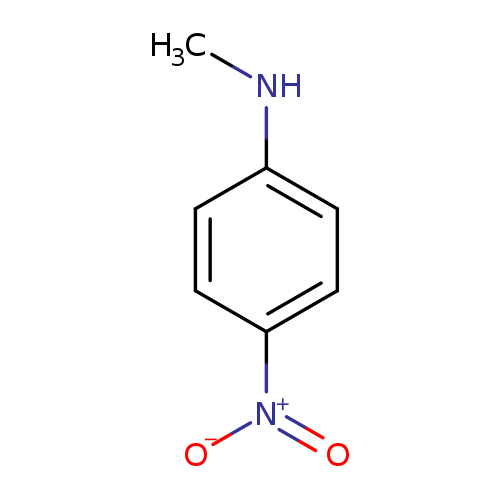
N-Methyl-4-nitroanilineCatalog No.:AA000031 CAS No.:100-15-2 MDL No.:MFCD00007305 MF:C7H8N2O2 MW:152.1506 |
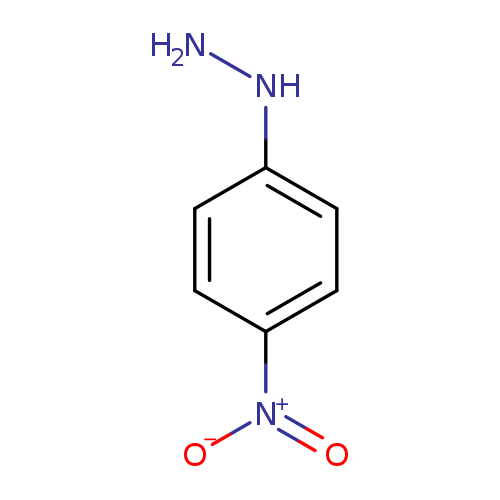
(4-Nitrophenyl)hydrazineCatalog No.:AA000030 CAS No.:100-16-3 MDL No.:MFCD00007579 MF:C6H7N3O2 MW:153.1387 |
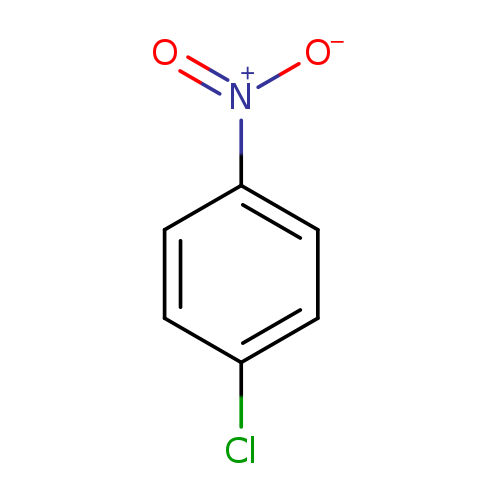
1-Chloro-4-nitrobenzeneCatalog No.:AA00003B CAS No.:100-00-5 MDL No.:MFCD00007285 MF:C6H4ClNO2 MW:157.5545 |
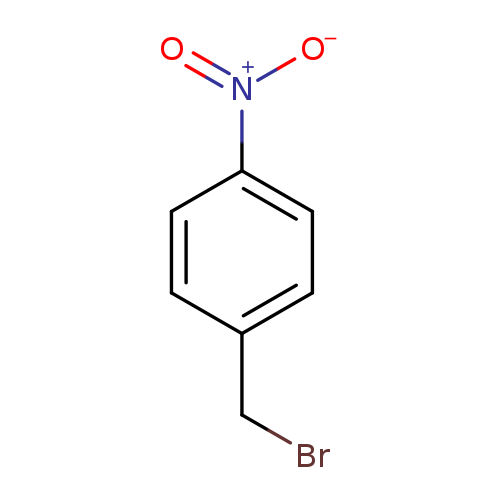
4-Nitrobenzyl bromideCatalog No.:AA000035 CAS No.:100-11-8 MDL No.:MFCD00007373 MF:C7H6BrNO2 MW:216.0320 |
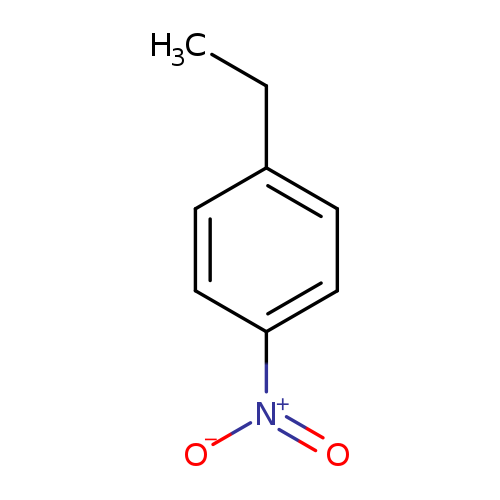
1-Ethyl-4-NitrobenzeneCatalog No.:AA000034 CAS No.:100-12-9 MDL No.:MFCD00007385 MF:C8H9NO2 MW:151.1626 |
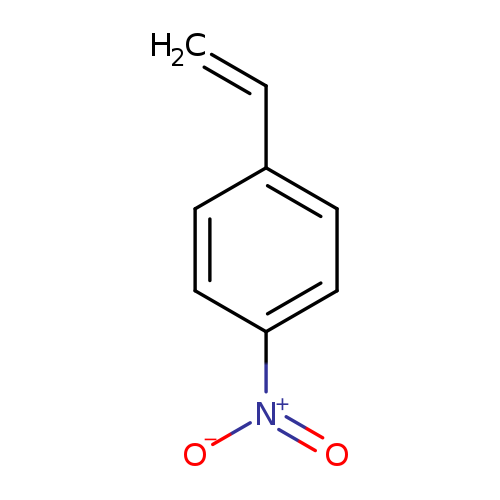
1-Nitro-4-vinylbenzeneCatalog No.:AA000033 CAS No.:100-13-0 MDL No.:MFCD00041254 MF:C8H7NO2 MW:149.1467 |
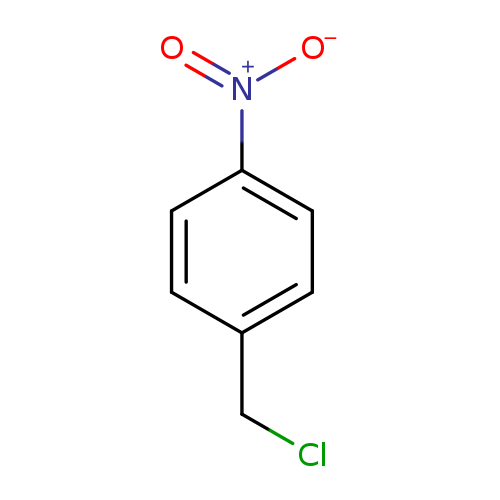
4-Nitrobenzyl chlorideCatalog No.:AA000032 CAS No.:100-14-1 MDL No.:MFCD00007374 MF:C7H6ClNO2 MW:171.5810 |
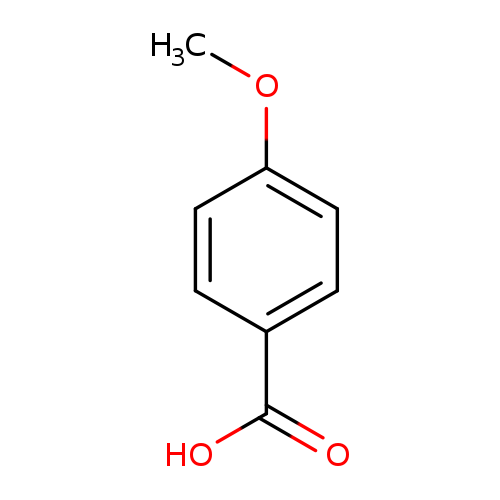
p-Methoxybenzoic AcidCatalog No.:AA000037 CAS No.:100-09-4 MDL No.:MFCD00002542 MF:C8H8O3 MW:152.1473 |
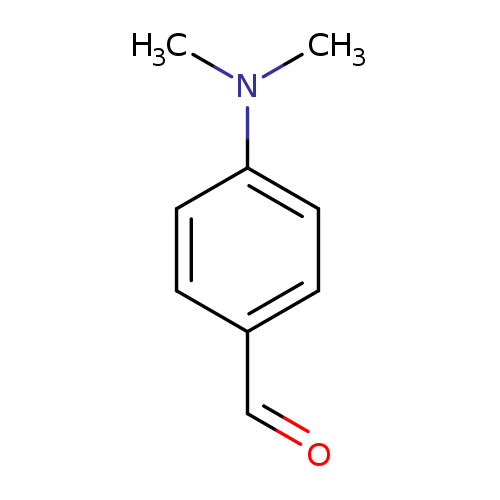
4-(Dimethylamino)benzaldehydeCatalog No.:AA000036 CAS No.:100-10-7 MDL No.:MFCD00003381 MF:C9H11NO MW:149.1897 |
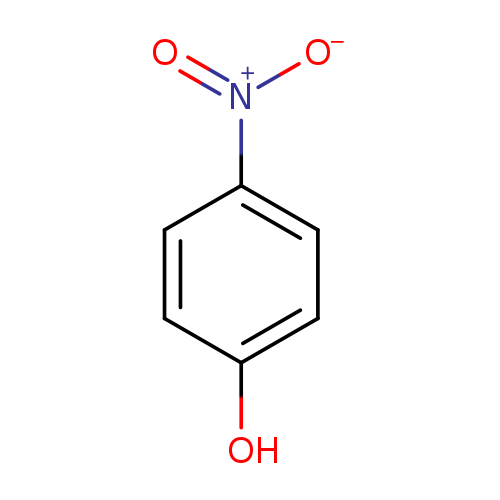
Phenol, 4-nitro-Catalog No.:AA00003A CAS No.:100-02-7 MDL No.:MFCD00007331 MF:C6H5NO3 MW:139.1088 |
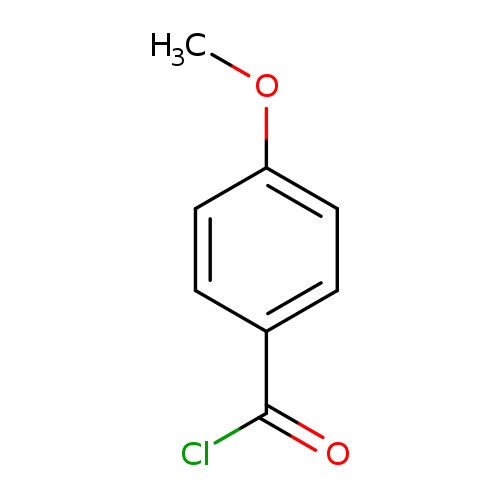
4-Methoxybenzoyl chlorideCatalog No.:AA000038 CAS No.:100-07-2 MDL No.:MFCD00000687 MF:C8H7ClO2 MW:170.5930 |
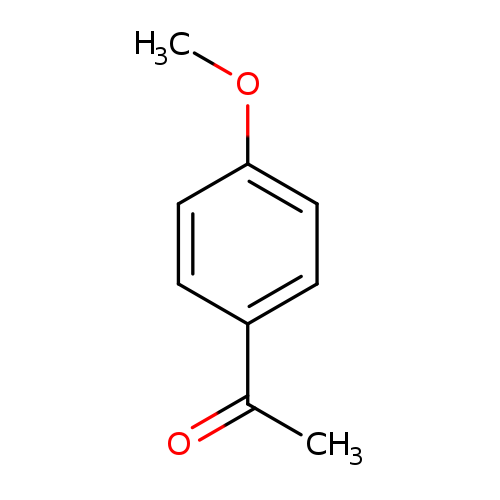
1-(4-Methoxyphenyl)ethanoneCatalog No.:AA000039 CAS No.:100-06-1 MDL No.:MFCD00008745 MF:C9H10O2 MW:150.1745 |
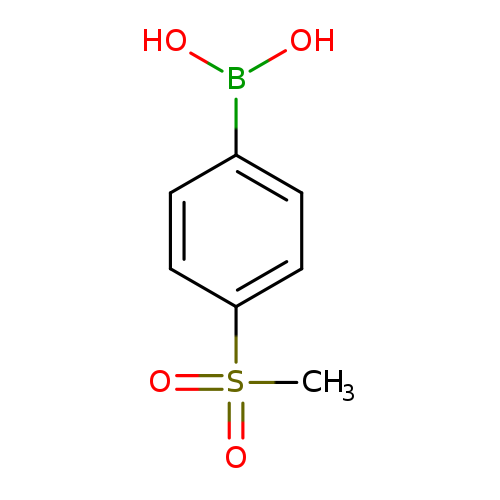
4-(Methylsulfonyl)phenylboronic AcidCatalog No.:AA001LBA CAS No.:149104-88-1 MDL No.:MFCD01630820 MF:C7H9BO4S MW:200.0200 |
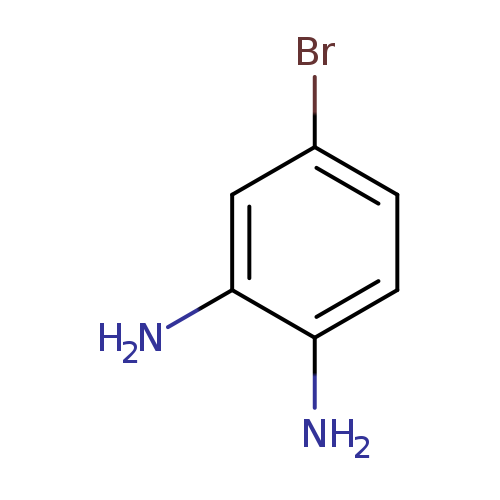
4-Bromo-1,2-benzenediamineCatalog No.:AA001PEM CAS No.:1575-37-7 MDL No.:MFCD02660622 MF:C6H7BrN2 MW:187.0372 |

5-Iodo-1H-indoleCatalog No.:AA001S0T CAS No.:16066-91-4 MDL No.:MFCD00220065 MF:C8H6IN MW:243.0444 |
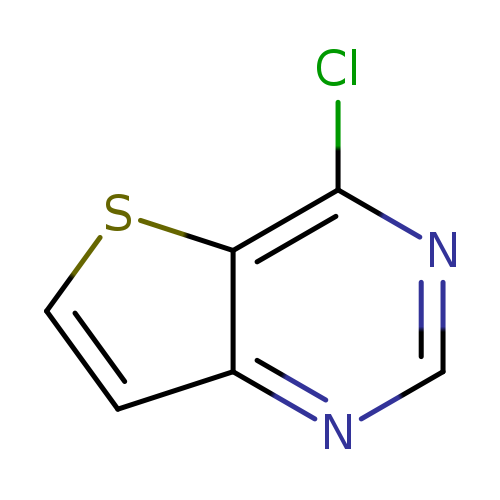
4-Chlorothieno[3,2-d]pyrimidineCatalog No.:AA001T8K CAS No.:16269-66-2 MDL No.:MFCD00122144 MF:C6H3ClN2S MW:170.6194 |
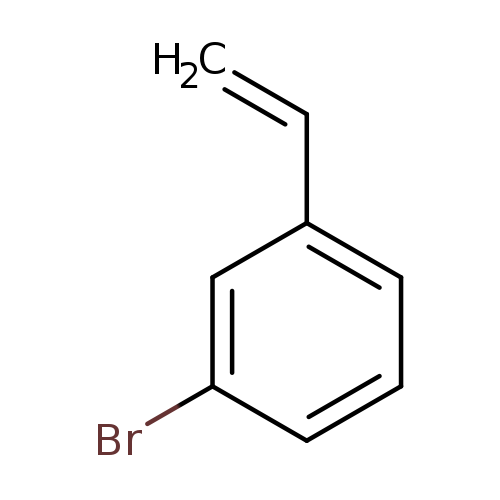
1-Bromo-3-vinylbenzeneCatalog No.:AA00294L CAS No.:2039-86-3 MDL No.:MFCD00000088 MF:C8H7Br MW:183.0452 |
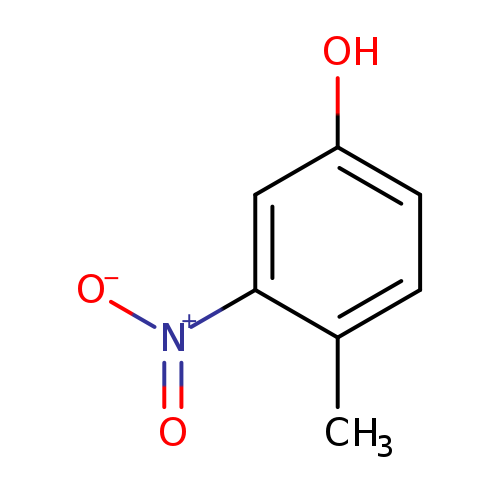
4-Methyl-3-nitrophenolCatalog No.:AA00299H CAS No.:2042-14-0 MDL No.:MFCD00007244 MF:C7H7NO3 MW:153.1354 |
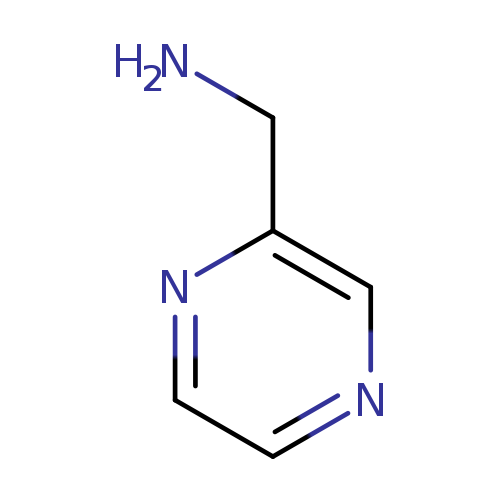
Pyrazin-2-ylmethanamineCatalog No.:AA002CGD CAS No.:20010-99-5 MDL No.:MFCD00673149 MF:C5H7N3 MW:109.1292 |
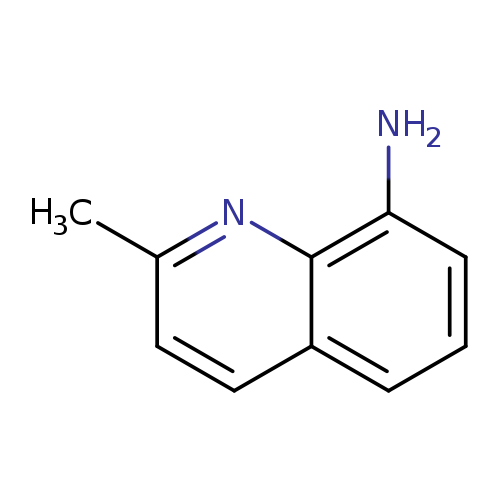
8-Amino-2-methylquinolineCatalog No.:AA002DVP CAS No.:18978-78-4 MDL No.:MFCD00023998 MF:C10H10N2 MW:158.1998 |
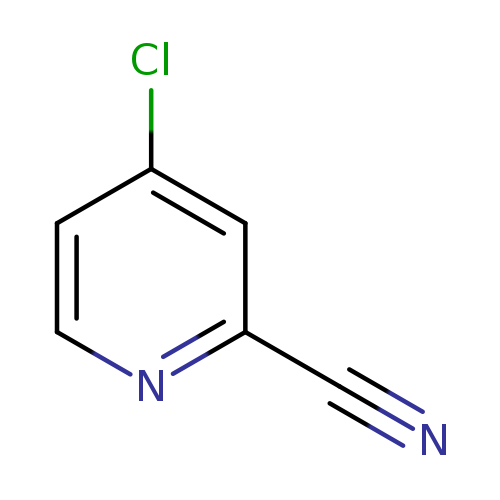
4-Chloropyridine-2-carbonitrileCatalog No.:AA002FSR CAS No.:19235-89-3 MDL No.:MFCD06009833 MF:C6H3ClN2 MW:138.5544 |
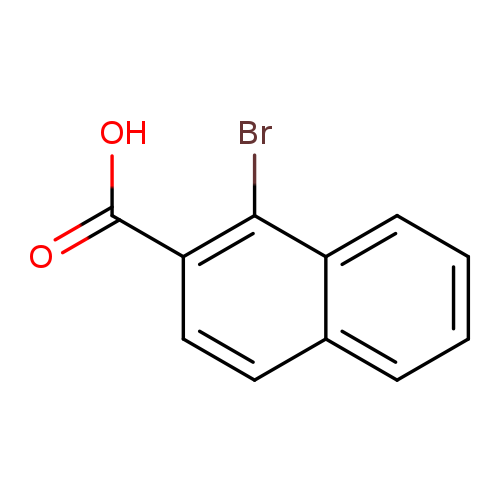
1-Bromo-2-naphthoic acidCatalog No.:AA002ISZ CAS No.:20717-79-7 MDL No.:MFCD00021408 MF:C11H7BrO2 MW:251.0761 |
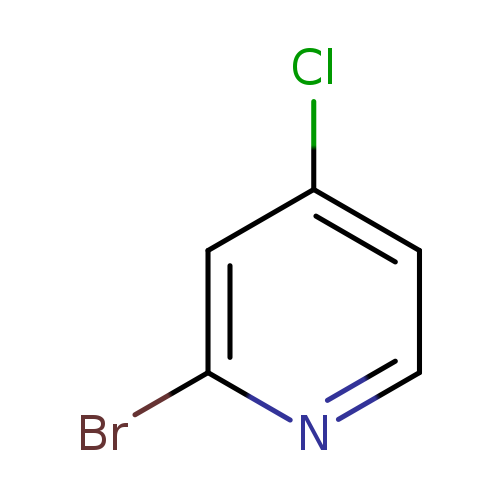
2-Bromo-4-chloropyridineCatalog No.:AA002LFB CAS No.:22918-01-0 MDL No.:MFCD03840757 MF:C5H3BrClN MW:192.4410 |
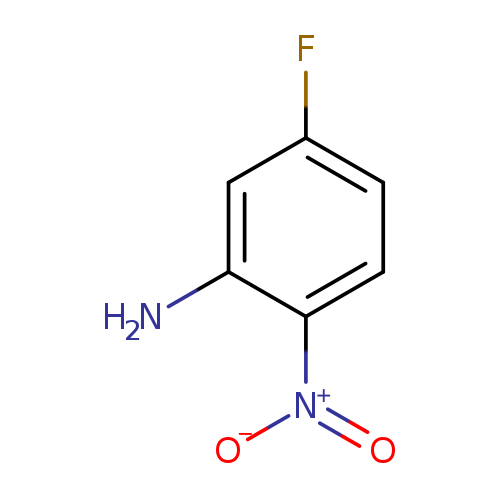
5-Fluoro-2-NitroanilineCatalog No.:AA002O3I CAS No.:2369-11-1 MDL No.:MFCD00034065 MF:C6H5FN2O2 MW:156.1145 |
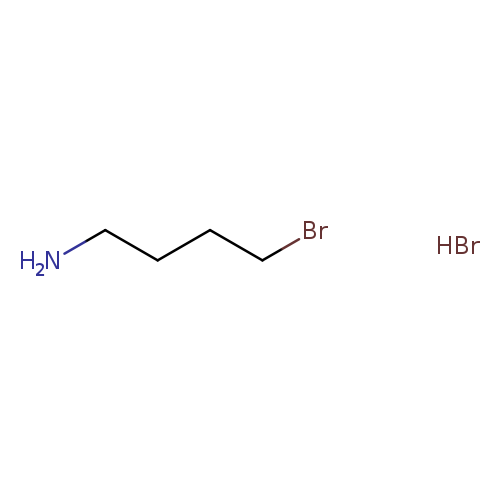
4-Bromobutan-1-amine hydrobromideCatalog No.:AA002OIH CAS No.:24566-81-2 MDL No.:MFCD07780174 MF:C4H11Br2N MW:232.9448 |
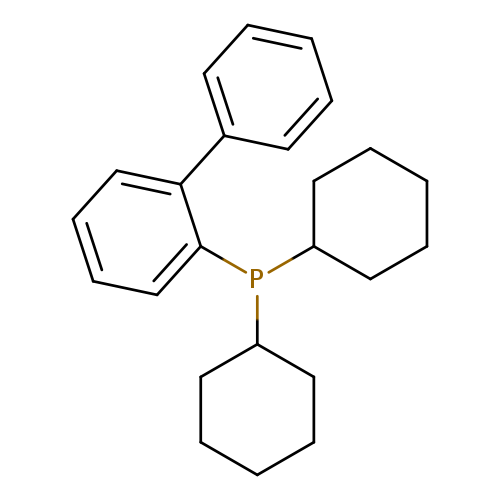
2-(Dicyclohexylphosphino)biphenylCatalog No.:AA002PDP CAS No.:247940-06-3 MDL No.:MFCD01862441 MF:C24H31P MW:350.4767 |
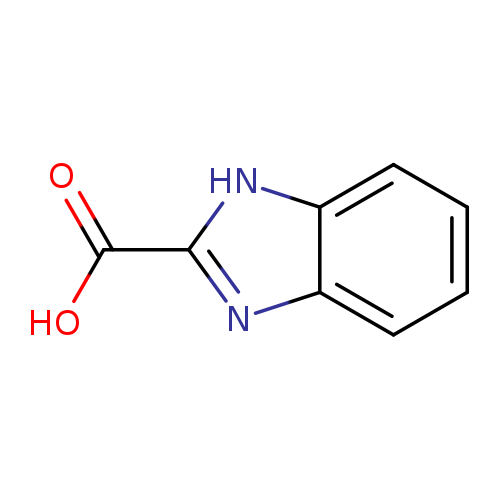
1H-Benzimidazole-2-carboxylic acidCatalog No.:AA002VFK CAS No.:2849-93-6 MDL No.:MFCD07368500 MF:C8H6N2O2 MW:162.1454 |
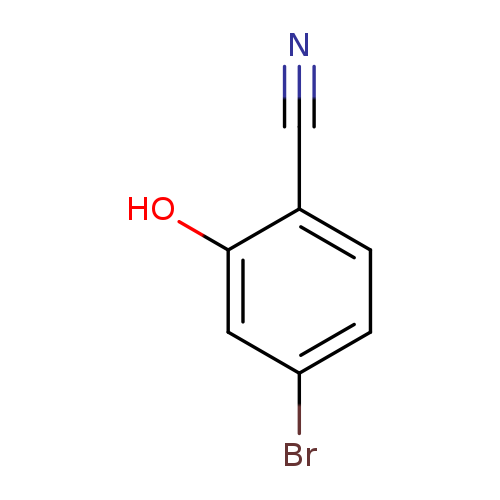
4-Bromo-2-hydroxybenzonitrileCatalog No.:AA002WHK CAS No.:288067-35-6 MDL No.:MFCD07780675 MF:C7H4BrNO MW:198.0168 |
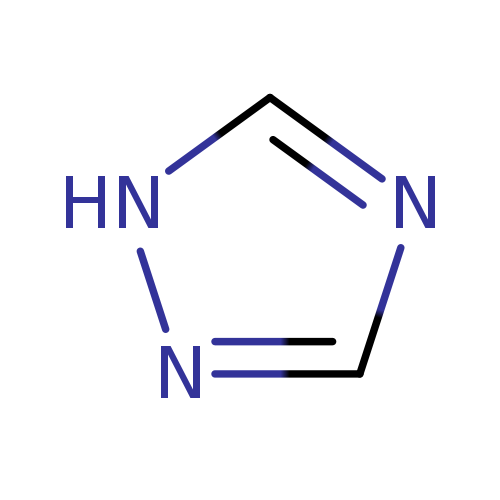
1H-1,2,4-TriazoleCatalog No.:AA002WGZ CAS No.:288-88-0 MDL No.:MFCD00005228 MF:C2H3N3 MW:69.0653 |
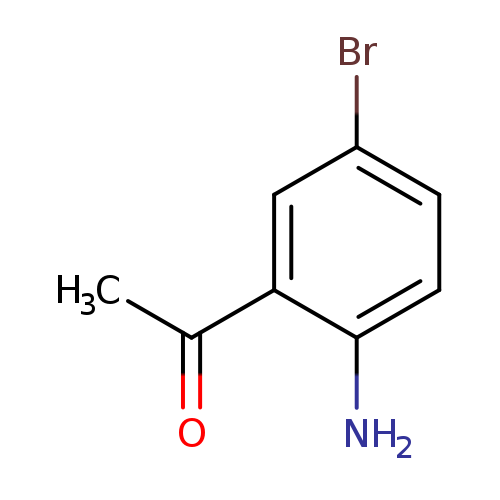
1-(2-Amino-5-bromophenyl)ethanoneCatalog No.:AA002XC0 CAS No.:29124-56-9 MDL No.:MFCD09834638 MF:C8H8BrNO MW:214.0592 |
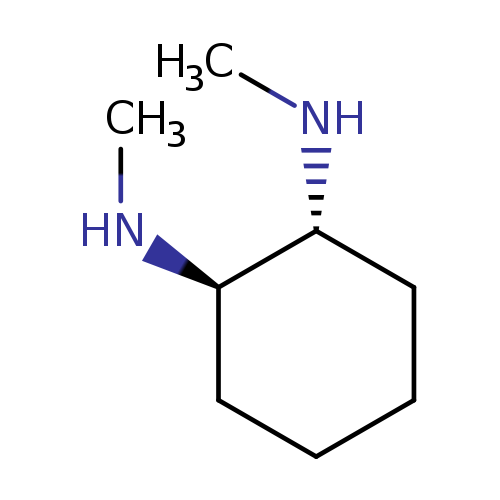
(1R,2R)-N,N'-Dimethyl-1,2-cyclohexanediamineCatalog No.:AA00328P CAS No.:68737-65-5 MDL No.:MFCD00671527 MF:C8H18N2 MW:142.2419 |

(Benzotriazol-1-yloxy)tris(dimethylamino)phosphonium hexafluorophosphateCatalog No.:AA0032AC CAS No.:56602-33-6 MDL No.:MFCD00011948 MF:C12H22F6N6OP2 MW:442.2806 |
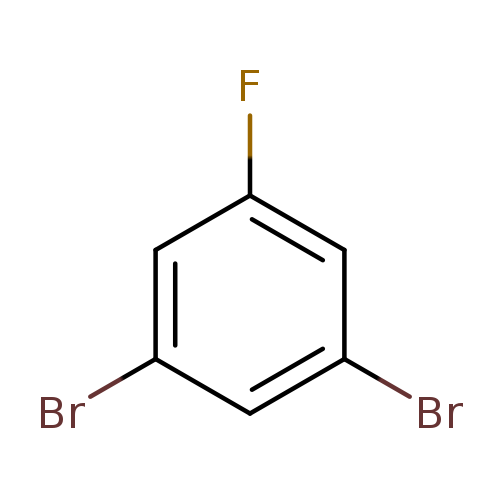
1,3-Dibromo-5-fluorobenzeneCatalog No.:AA0032IR CAS No.:1435-51-4 MDL No.:MFCD00061119 MF:C6H3Br2F MW:253.8944 |
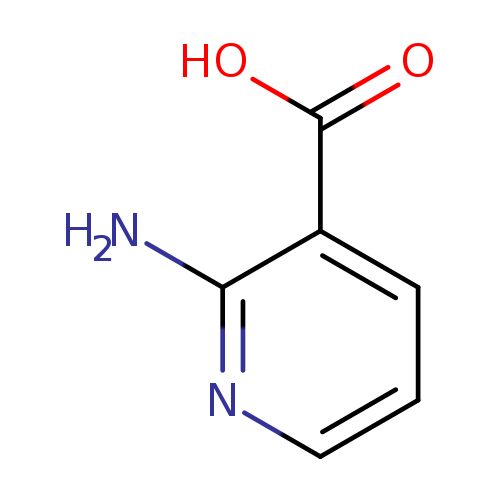
2-Aminonicotinic acidCatalog No.:AA00331N CAS No.:5345-47-1 MDL No.:MFCD00006318 MF:C6H6N2O2 MW:138.1240 |
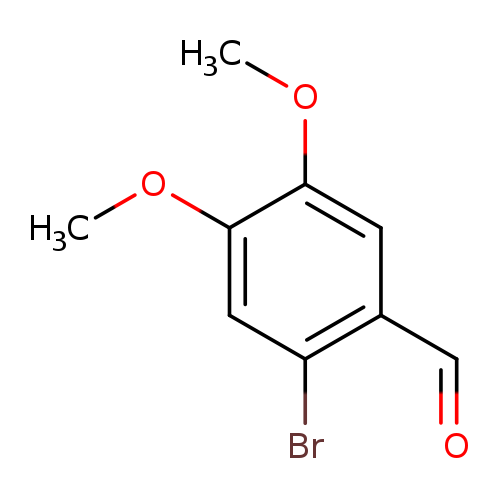
2-Bromo-4,5-dimethoxybenzaldehydeCatalog No.:AA00332G CAS No.:5392-10-9 MDL No.:MFCD00003301 MF:C9H9BrO3 MW:245.0700 |
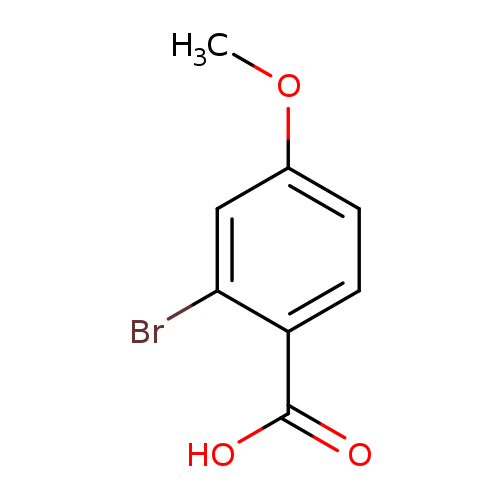
2-Bromo-4-methoxybenzoic AcidCatalog No.:AA00332O CAS No.:74317-85-4 MDL No.:MFCD11044843 MF:C8H7BrO3 MW:231.0434 |
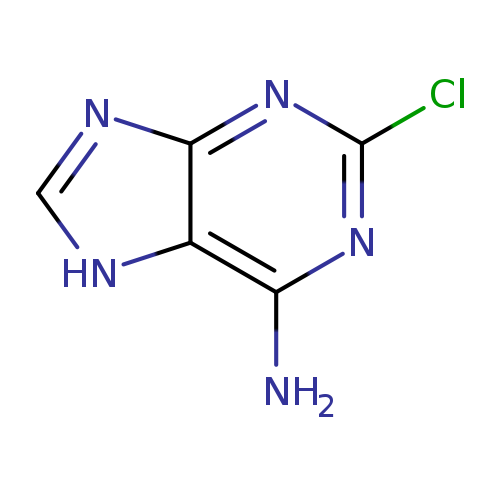
2-ChloroadenineCatalog No.:AA003369 CAS No.:1839-18-5 MDL No.:MFCD00037925 MF:C5H4ClN5 MW:169.5718 |
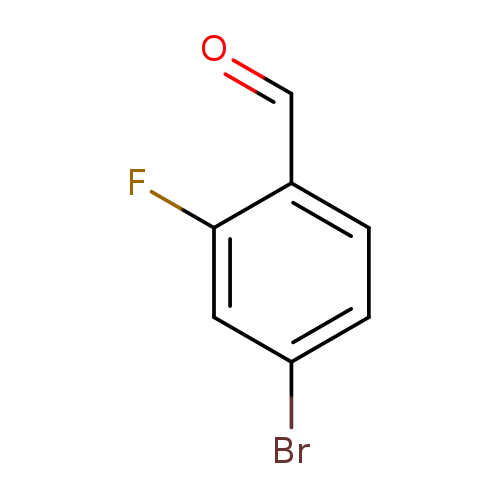
4-Bromo-2-fluorobenzaldehydeCatalog No.:AA0033UL CAS No.:57848-46-1 MDL No.:MFCD00143261 MF:C7H4BrFO MW:203.0085 |
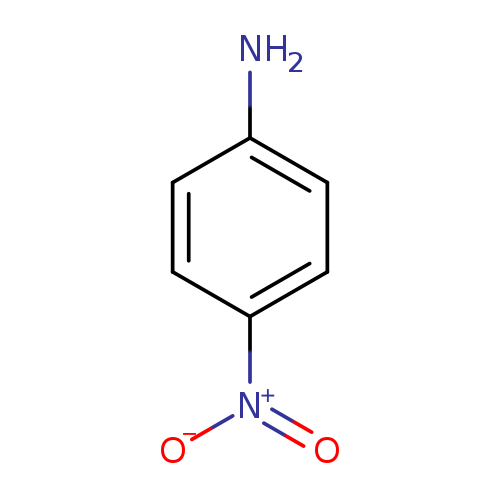
4-NitroanilineCatalog No.:AA00341J CAS No.:100-01-6 MDL No.:MFCD00007858 MF:C6H6N2O2 MW:138.1240 |
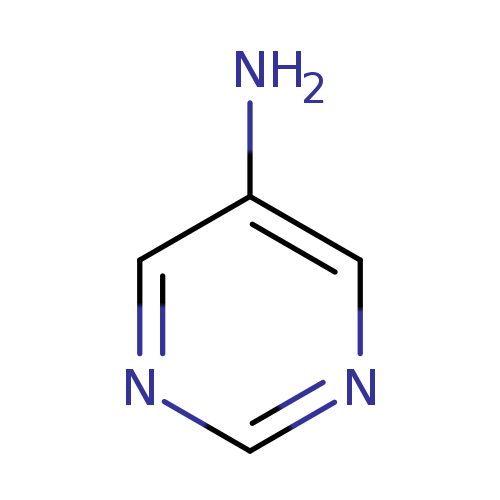
5-AminopyrimidineCatalog No.:AA003448 CAS No.:591-55-9 MDL No.:MFCD01529870 MF:C4H5N3 MW:95.1026 |
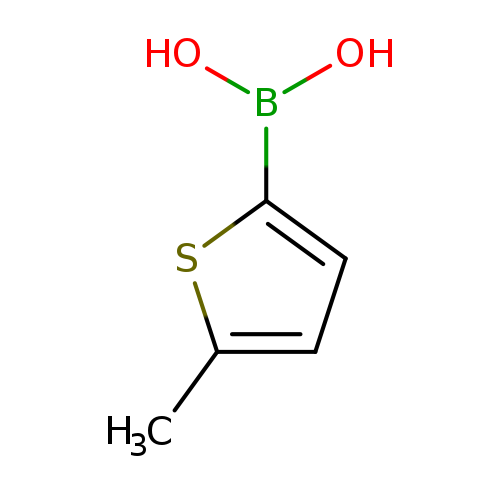
5-Methylthiophene-2-boronic AcidCatalog No.:AA003486 CAS No.:162607-20-7 MDL No.:MFCD01318166 MF:C5H7BO2S MW:141.9839 |
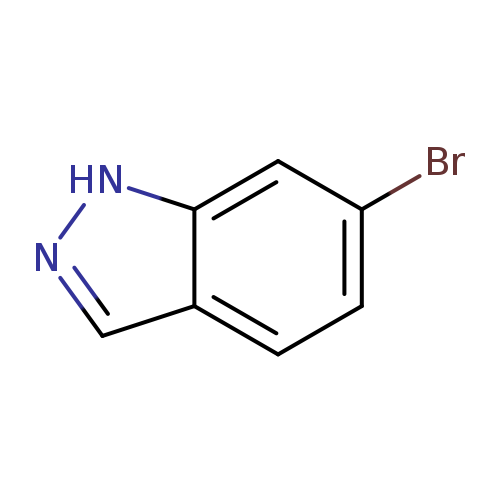
6-Bromo-1H-indazoleCatalog No.:AA003494 CAS No.:79762-54-2 MDL No.:MFCD03265457 MF:C7H5BrN2 MW:197.0320 |
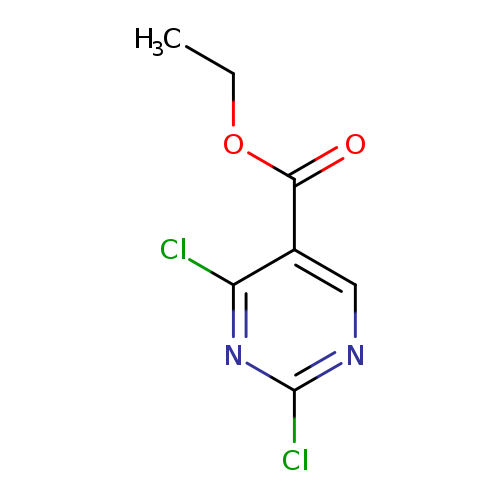
Ethyl 2,4-Dichloro-5-pyrimidinecarboxylateCatalog No.:AA0034RC CAS No.:51940-64-8 MDL No.:MFCD09910281 MF:C7H6Cl2N2O2 MW:221.0407 |
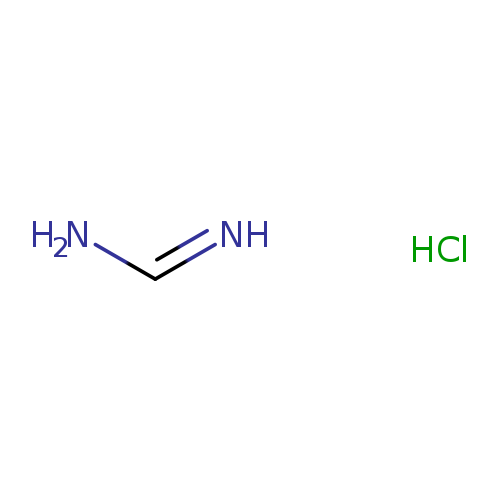
Formamidine hydrochlorideCatalog No.:AA0034VN CAS No.:6313-33-3 MDL No.:MFCD00012865 MF:CH5ClN2 MW:80.5168 |
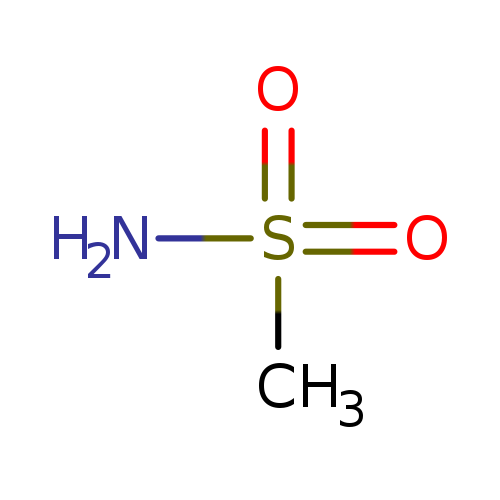
MethylsulfonamideCatalog No.:AA003522 CAS No.:3144-09-0 MDL No.:MFCD00007940 MF:CH5NO2S MW:95.1209 |
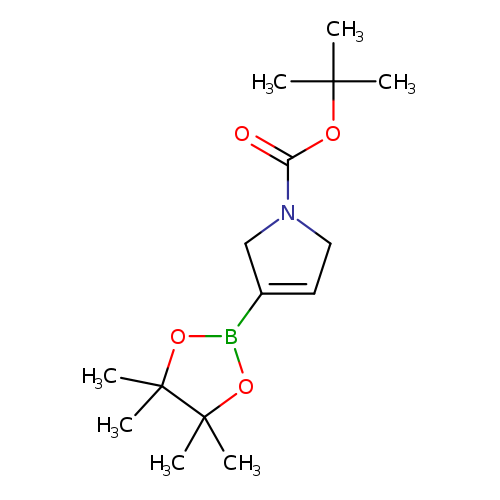
tert-Butyl 3-(4,4,5,5-tetramethyl-1,3,2- dioxaborolan-2-yl)-2,5-dihydro-1H-pyrrole-1-carboxylateCatalog No.:AA00359P CAS No.:212127-83-8 MDL No.:MFCD10697918 MF:C15H26BNO4 MW:295.1822 |
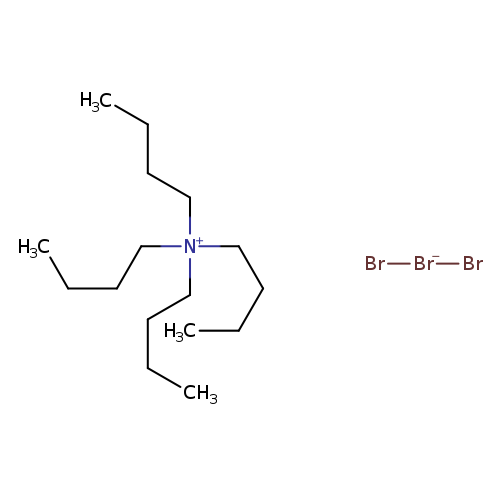
Tetrabutylammonium TribromideCatalog No.:AA0035L2 CAS No.:38932-80-8 MDL No.:MFCD00012110 MF:C16H36Br3N MW:482.1757 |
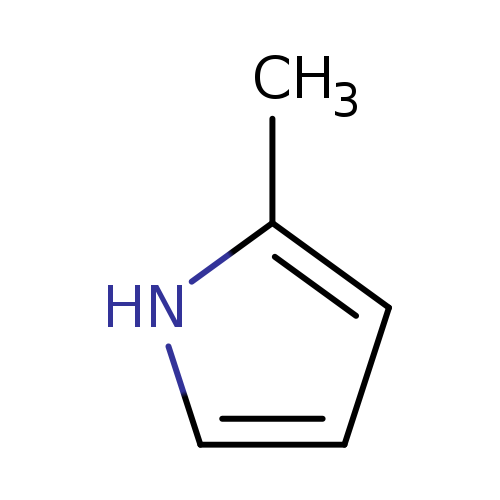
2-Methyl-1H-pyrroleCatalog No.:AA0035TA CAS No.:636-41-9 MDL No.:MFCD02822910 MF:C5H7N MW:81.1158 |
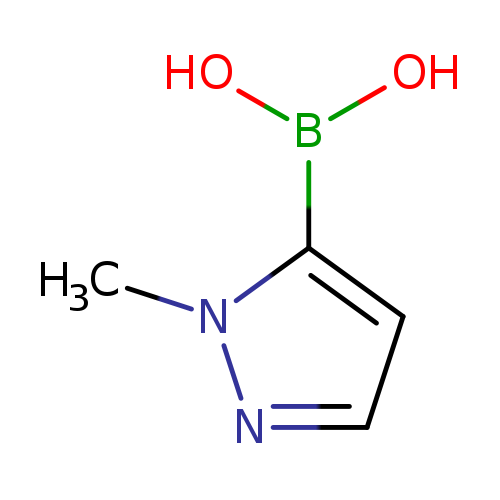
(1-Methyl-1H-pyrazol-5-yl)-boronic acidCatalog No.:AA0036JB CAS No.:720702-41-0 MDL No.:MFCD11053031 MF:C4H7BN2O2 MW:125.9216 |
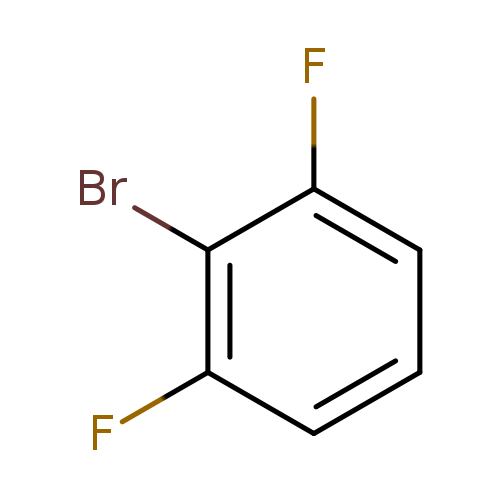
1-Bromo-2,6-difluorobenzeneCatalog No.:AA003707 CAS No.:64248-56-2 MDL No.:MFCD00009894 MF:C6H3BrF2 MW:192.9888 |
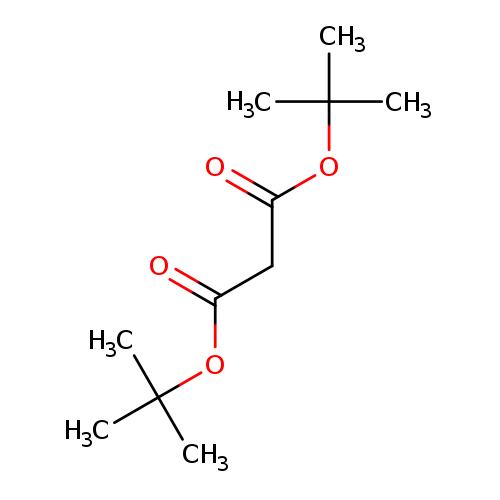
Di-tert-Butyl malonateCatalog No.:AA00370M CAS No.:541-16-2 MDL No.:MFCD00008810 MF:C11H20O4 MW:216.2741 |
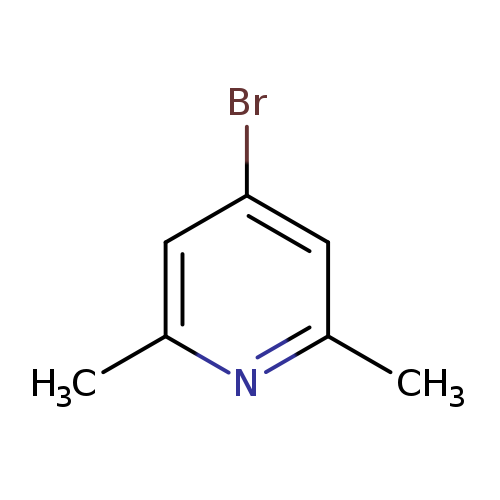
4-Bromo-2,6-dimethylpyridineCatalog No.:AA003727 CAS No.:5093-70-9 MDL No.:MFCD00666813 MF:C7H8BrN MW:186.0491 |
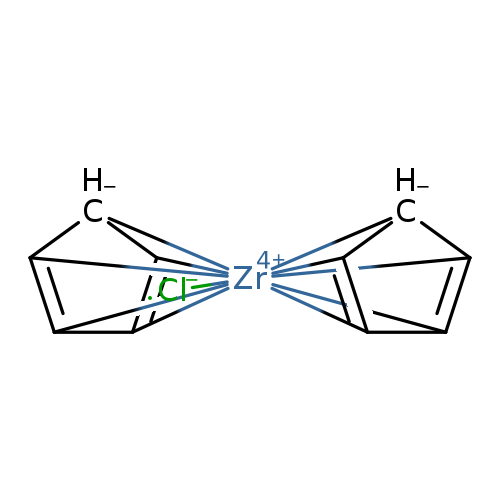
Bis(cyclopentadienyl)zirconium chloride hydrideCatalog No.:AA00378J CAS No.:37342-97-5 MDL No.:MFCD02089401 MF:C10H11ClZr MW:257.8713 |
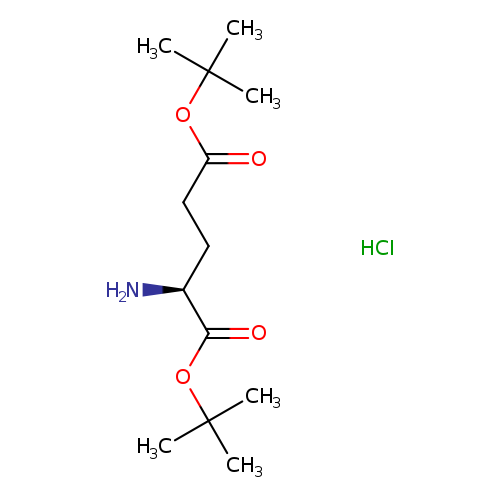
L-Glutamic acid di-tert-butyl ester hydrochlorideCatalog No.:AA0037BN CAS No.:32677-01-3 MDL No.:MFCD00058003 MF:C13H26ClNO4 MW:295.8028 |
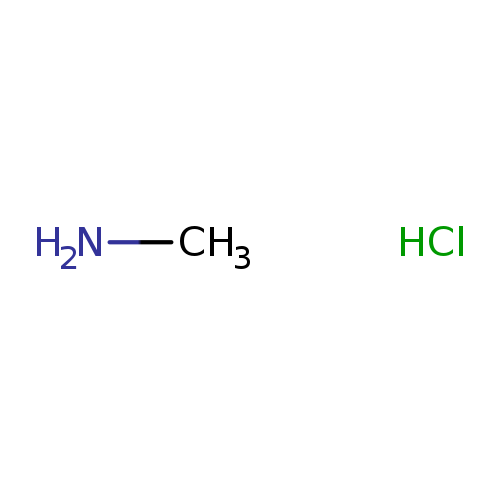
Methanamine hydrochlorideCatalog No.:AA0037E9 CAS No.:593-51-1 MDL No.:MFCD00012849 MF:CH6ClN MW:67.518 |
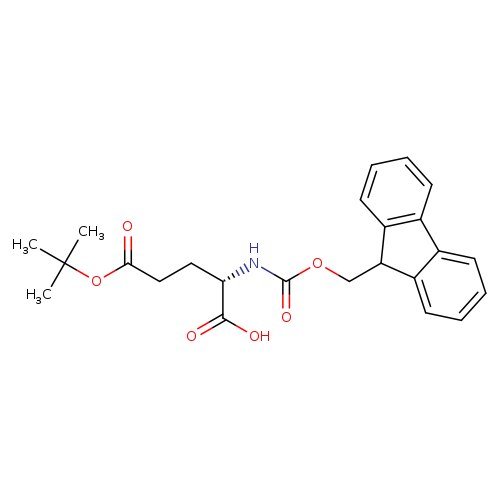
Fmoc-Glu(OtBu)-OHCatalog No.:AA0038E6 CAS No.:71989-18-9 MDL No.:MFCD00037135 MF:C24H27NO6 MW:425.4743 |
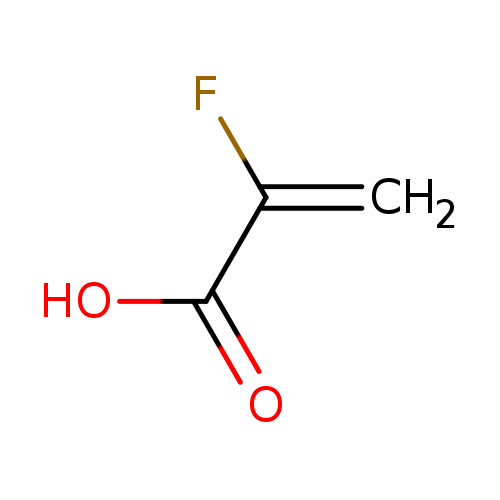
2-Fluoroacrylic acidCatalog No.:AA00391A CAS No.:430-99-9 MDL No.:MFCD03424474 MF:C3H3FO2 MW:90.0531 |
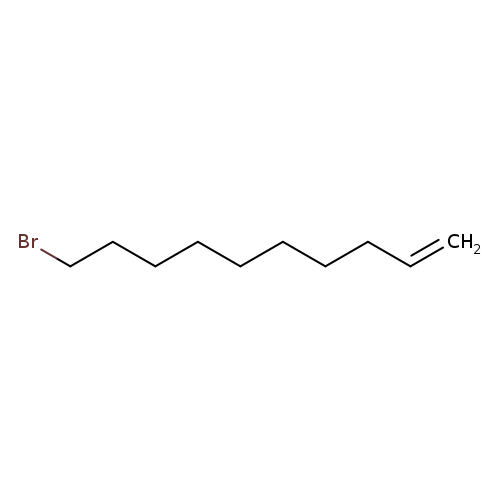
10-Bromodec-1-eneCatalog No.:AA003DR9 CAS No.:62871-09-4 MDL No.:MFCD00078660 MF:C10H19Br MW:219.1619 |
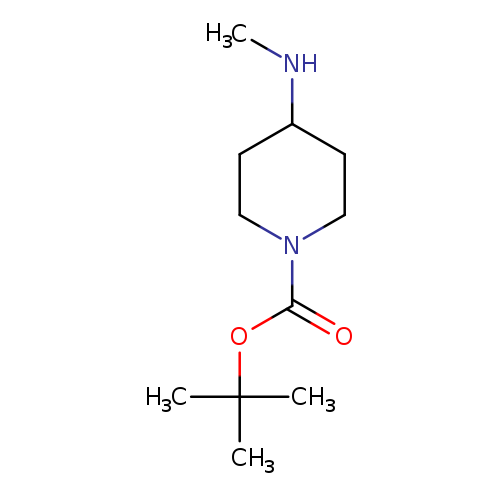
tert-Butyl 4-(methylamino)piperidine-1-carboxylateCatalog No.:AA003DZ8 CAS No.:147539-41-1 MDL No.:MFCD02259411 MF:C11H22N2O2 MW:214.3046 |
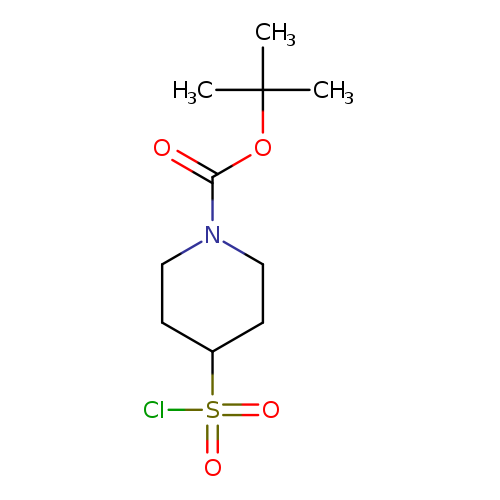
1-Boc-4-ChlorosulfonylpiperidineCatalog No.:AA003DZB CAS No.:782501-25-1 MDL No.:MFCD01861750 MF:C10H18ClNO4S MW:283.7722 |
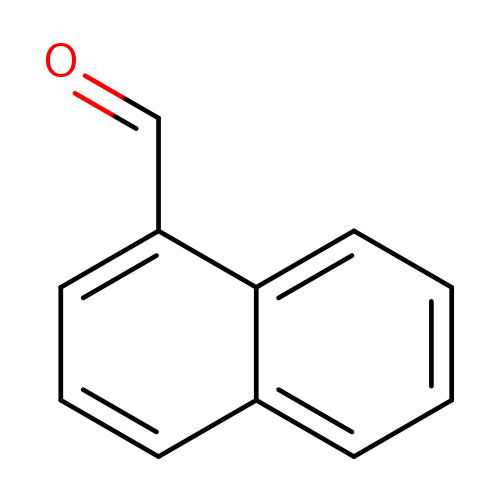
1-NaphthaldehydeCatalog No.:AA003EGF CAS No.:66-77-3 MDL No.:MFCD00004003 MF:C11H8O MW:156.1806 |
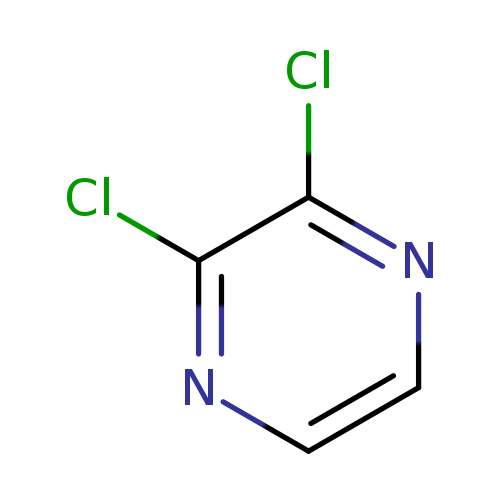
2,3-DichloropyrazineCatalog No.:AA003FF1 CAS No.:4858-85-9 MDL No.:MFCD00040964 MF:C4H2Cl2N2 MW:148.9781 |
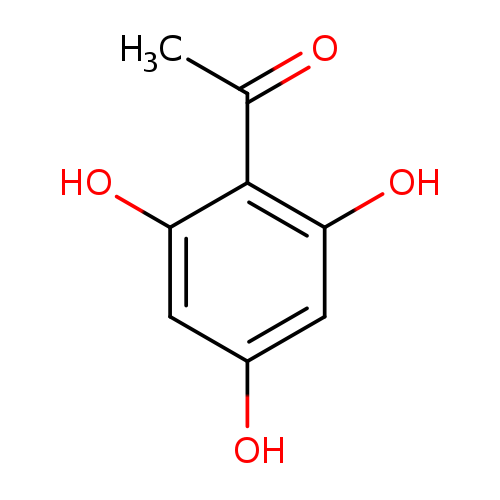
1-(2,4,6-trihydroxyphenyl)ethanoneCatalog No.:AA003FKE CAS No.:480-66-0 MDL No.:MFCD00149091 MF:C8H8O4 MW:168.1467 |
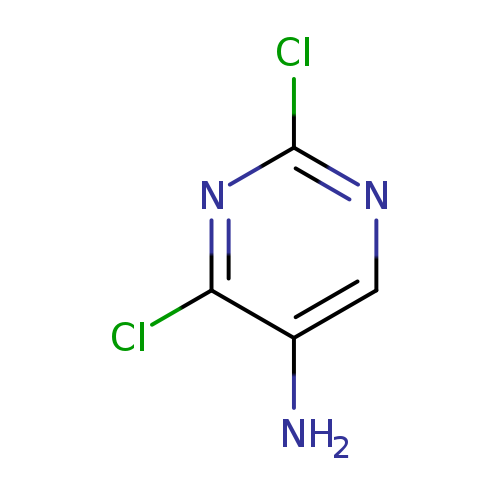
5-Amino-2,4-dichloropyrimidineCatalog No.:AA003FNE CAS No.:5177-27-5 MDL No.:MFCD05662684 MF:C4H3Cl2N3 MW:163.9927 |
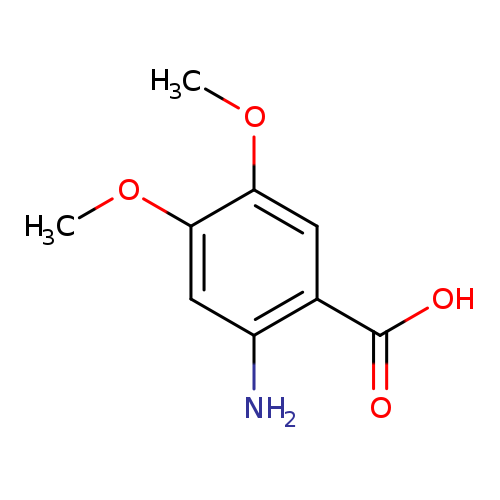
2-Amino-4,5-dimethoxybenzoic acidCatalog No.:AA003GBO CAS No.:5653-40-7 MDL No.:MFCD00011671 MF:C9H11NO4 MW:197.1879 |
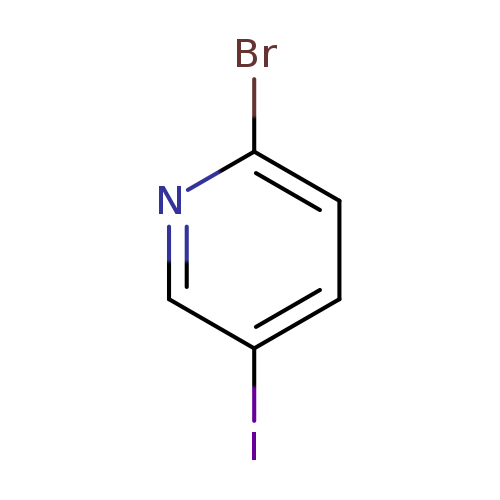
2-Bromo-5-iodopyridineCatalog No.:AA003GN6 CAS No.:73290-22-9 MDL No.:MFCD03095201 MF:C5H3BrIN MW:283.8925 |
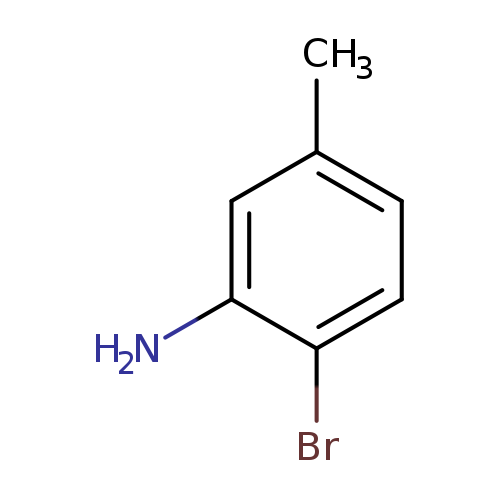
2-Bromo-5-methylanilineCatalog No.:AA003GNA CAS No.:53078-85-6 MDL No.:MFCD01806278 MF:C7H8BrN MW:186.0491 |
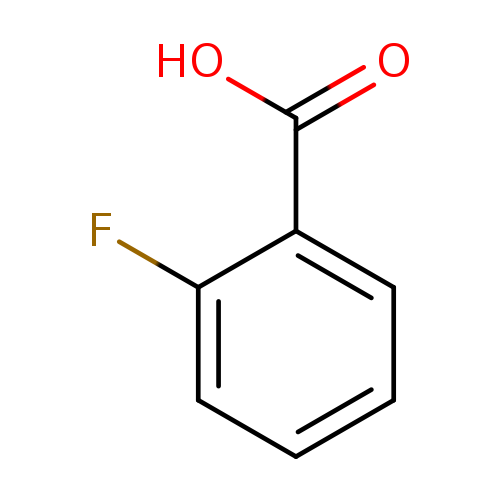
Benzoic acid, 2-fluoro-Catalog No.:AA003H8Q CAS No.:445-29-4 MDL No.:MFCD00002405 MF:C7H5FO2 MW:140.1118 |
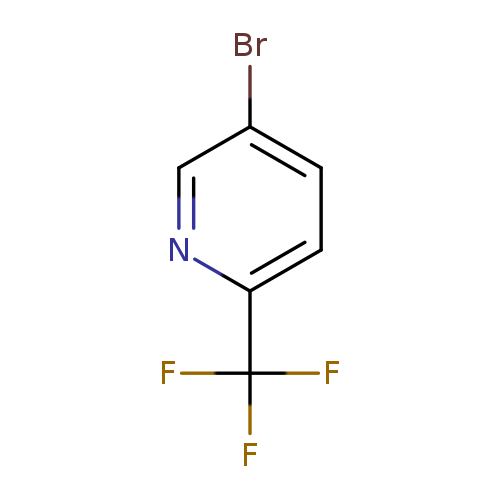
5-Bromo-2-(trifluoromethyl)pyridineCatalog No.:AA003HVQ CAS No.:436799-32-5 MDL No.:MFCD06657686 MF:C6H3BrF3N MW:225.9939 |
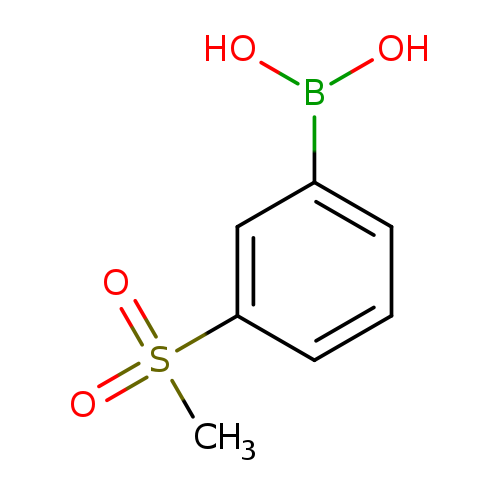
(3-(Methylsulfonyl)phenyl)boronic acidCatalog No.:AA003I6C CAS No.:373384-18-0 MDL No.:MFCD03092935 MF:C7H9BO4S MW:200.0200 |
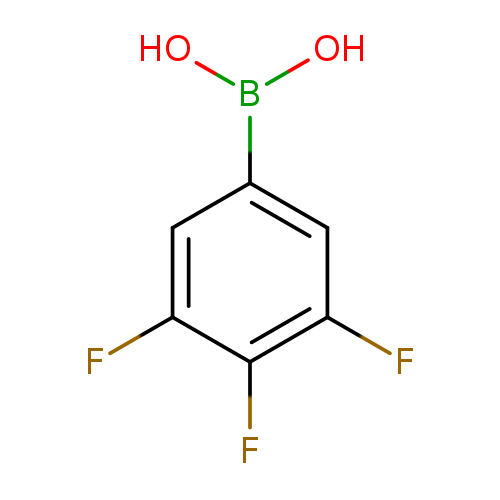
(3,4,5-Trifluorophenyl)boronic acidCatalog No.:AA003IBU CAS No.:143418-49-9 MDL No.:MFCD02093069 MF:C6H4BF3O2 MW:175.9010 |
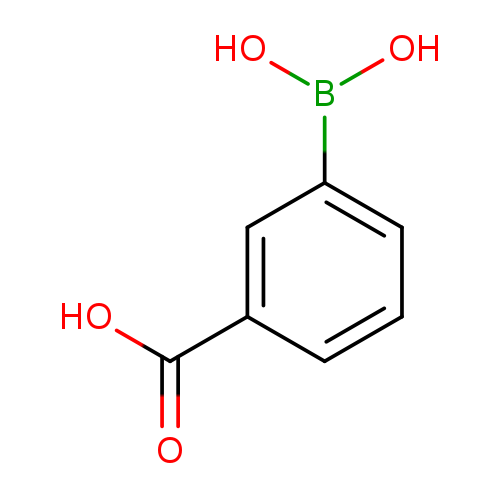
3-Boronobenzoic acidCatalog No.:AA003J36 CAS No.:25487-66-5 MDL No.:MFCD00036833 MF:C7H7BO4 MW:165.9391 |
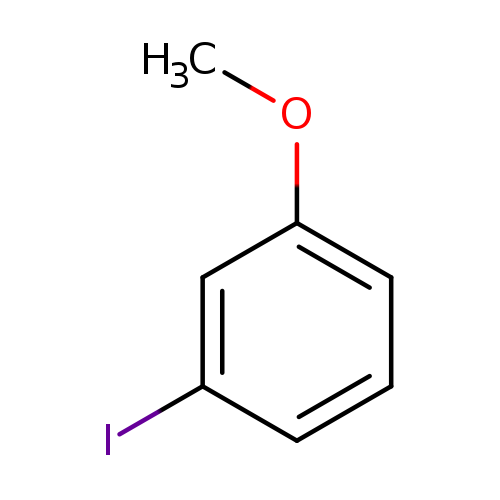
3-IodoanisoleCatalog No.:AA003JIR CAS No.:766-85-8 MDL No.:MFCD00001048 MF:C7H7IO MW:234.0343 |
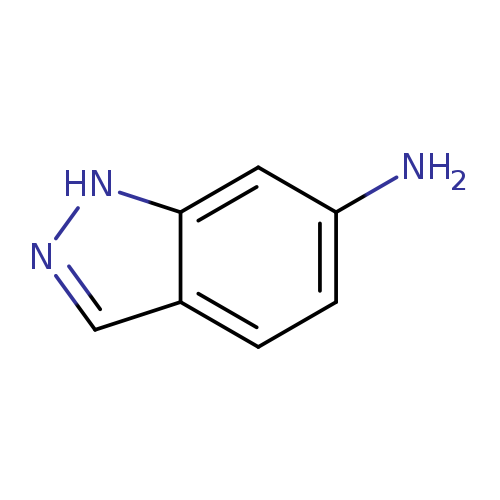
1H-Indazol-6-amineCatalog No.:AA003N00 CAS No.:6967-12-0 MDL No.:MFCD00005696 MF:C7H7N3 MW:133.1506 |
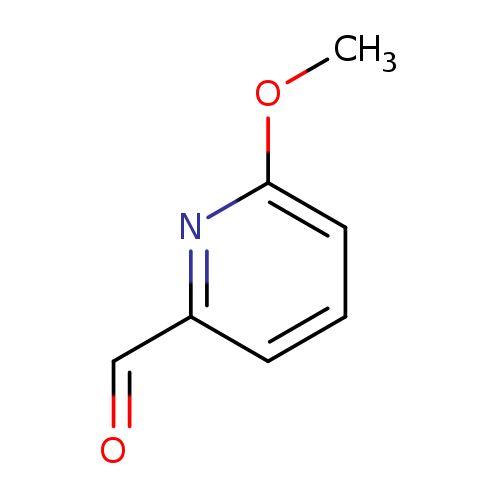
2-Pyridinecarboxaldehyde, 6-methoxy-Catalog No.:AA003N77 CAS No.:54221-96-4 MDL No.:MFCD05664030 MF:C7H7NO2 MW:137.1360 |
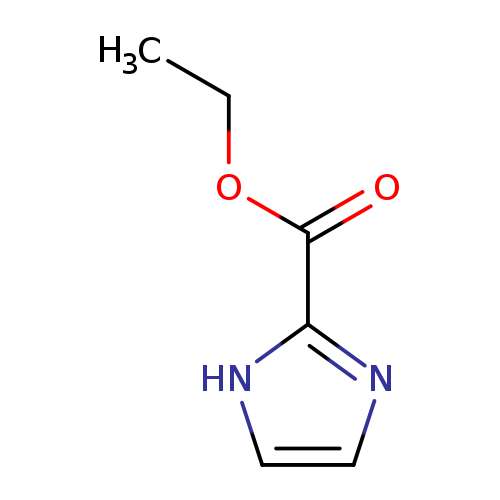
ethyl 1H-imidazole-2-carboxylateCatalog No.:AA003QCO CAS No.:33543-78-1 MDL No.:MFCD03426031 MF:C6H8N2O2 MW:140.1399 |
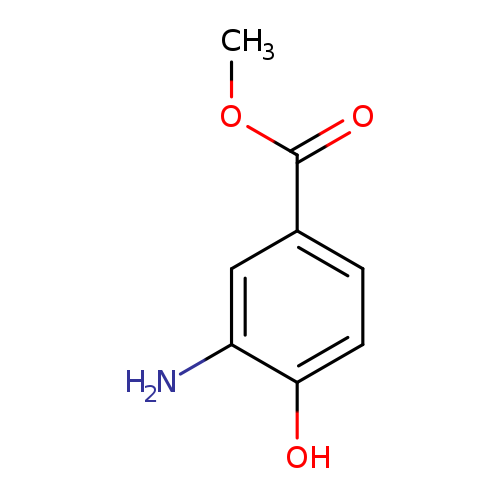
Benzoic acid, 3-amino-4-hydroxy-, methyl esterCatalog No.:AA003ROC CAS No.:536-25-4 MDL No.:MFCD00017095 MF:C8H9NO3 MW:167.1620 |
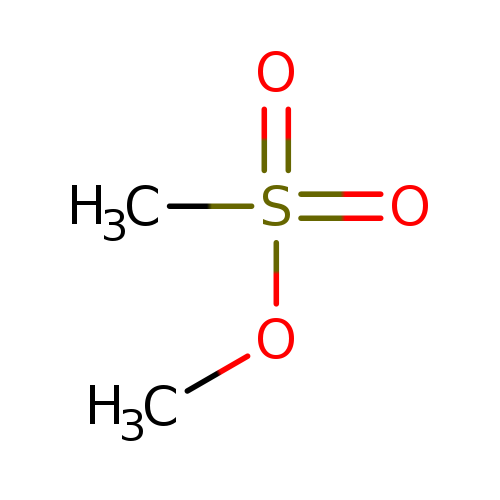
Methanesulfonic acid, methyl esterCatalog No.:AA003RY6 CAS No.:66-27-3 MDL No.:MFCD00007557 MF:C2H6O3S MW:110.1322 |
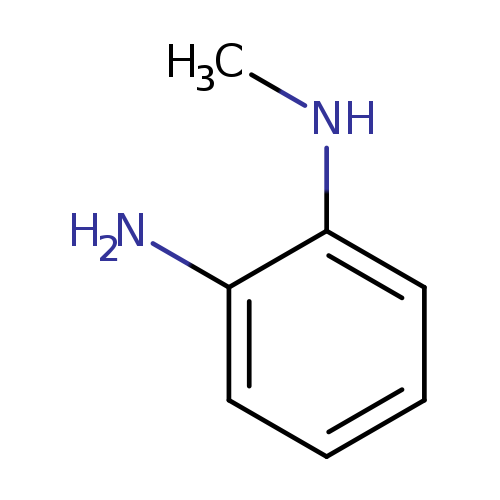
N1-Methylbenzene-1,2-diamineCatalog No.:AA003SL1 CAS No.:4760-34-3 MDL No.:MFCD00192314 MF:C7H10N2 MW:122.1677 |
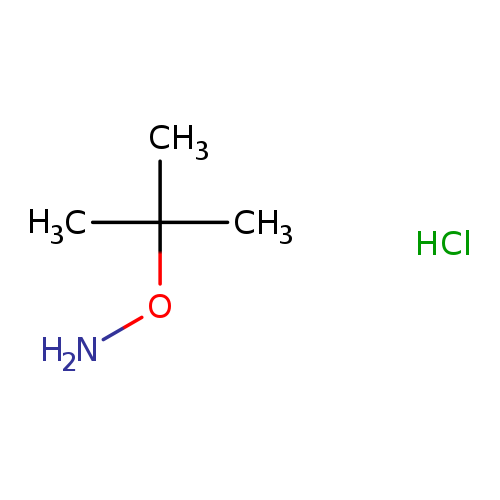
O-(tert-Butyl)hydroxylamine hydrochlorideCatalog No.:AA003TFB CAS No.:39684-28-1 MDL No.:MFCD00043272 MF:C4H12ClNO MW:125.5972 |
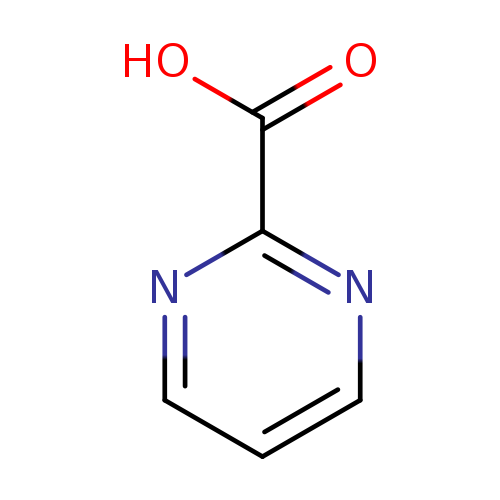
2-Pyrimidinecarboxylic acidCatalog No.:AA003U05 CAS No.:31519-62-7 MDL No.:MFCD00856161 MF:C5H4N2O2 MW:124.0975 |
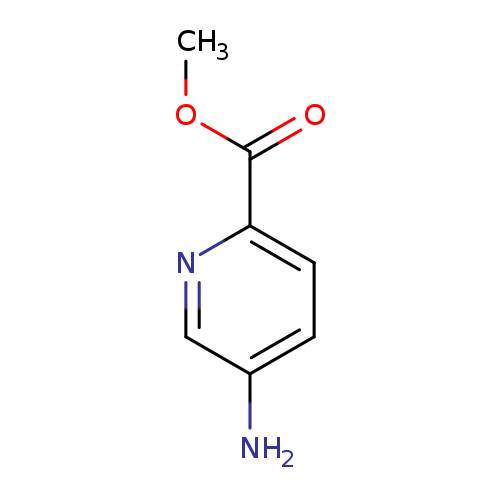
Methyl 5-aminopicolinateCatalog No.:AA005N9W CAS No.:67515-76-8 MDL No.:MFCD07783939 MF:C7H8N2O2 MW:152.1506 |
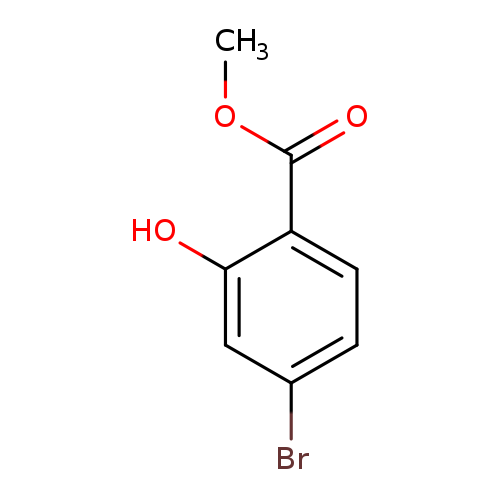
Methyl 4-bromo-2-hydroxybenzoateCatalog No.:AA006WTU CAS No.:22717-56-2 MDL No.:MFCD07780736 MF:C8H7BrO3 MW:231.0434 |
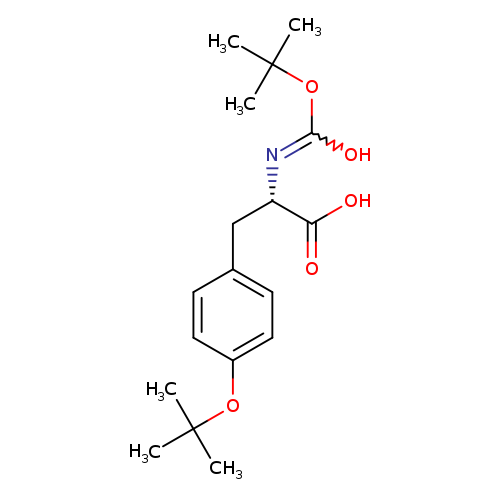
Boc-L-Tyr(O-tBu)-OHCatalog No.:AA0070OL CAS No.:47375-34-8 MDL No.:MFCD00065598 MF:C18H27NO5 MW:337.4107 |
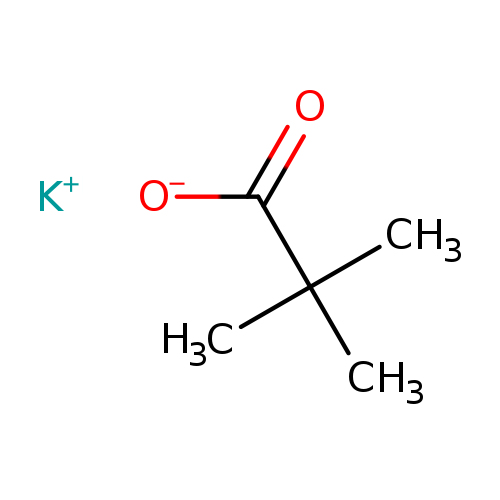
Potassium pivalateCatalog No.:AA00AMLE CAS No.:19455-23-3 MDL No.:MFCD00671345 MF:C5H9KO2 MW:140.2221 |
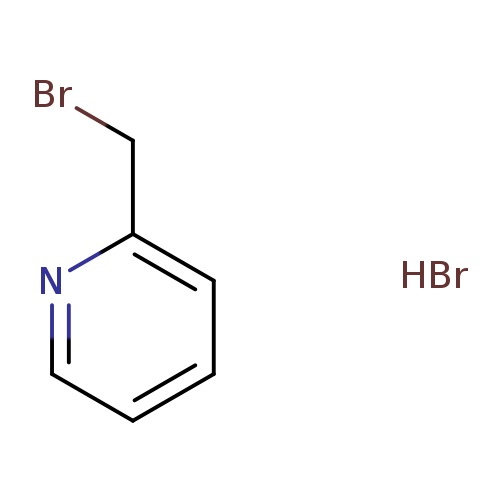
2-(Bromomethyl)pyridine hydrobromideCatalog No.:AA00BBJN CAS No.:31106-82-8 MDL No.:MFCD01863544 MF:C6H7Br2N MW:252.9345 |
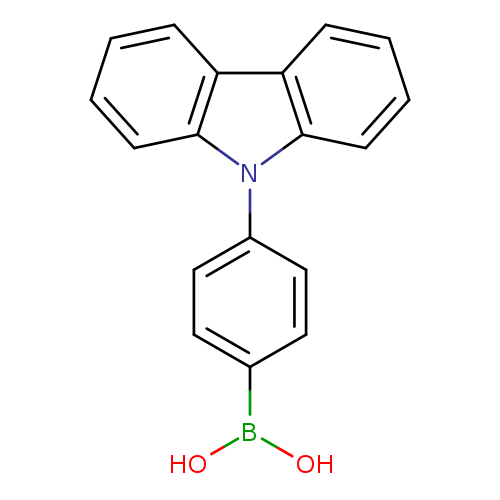
4-(9H-Carbozol-9-yl)Phenylboronic AcidCatalog No.:AA00BXOB CAS No.:419536-33-7 MDL No.:MFCD13176534 MF:C18H14BNO2 MW:287.1203 |
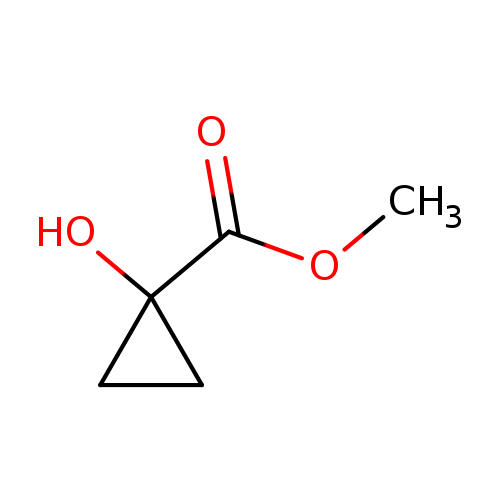
Methyl 1-hydroxycyclopropanecarboxylateCatalog No.:AA00C8AK CAS No.:33689-29-1 MDL No.:MFCD02093884 MF:C5H8O3 MW:116.1152 |
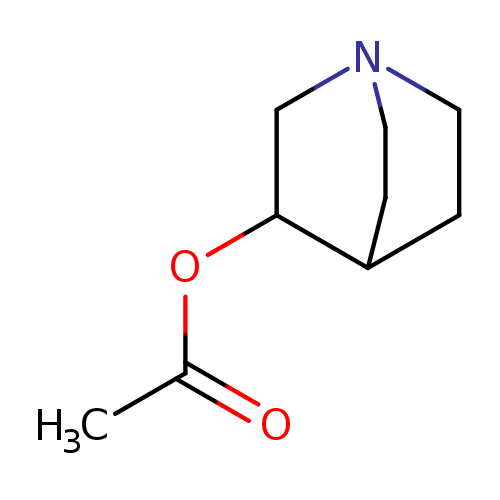
Quinuclidin-3-yl acetateCatalog No.:AA00G3MW CAS No.:827-61-2 MDL No.:MFCD00468105 MF:C9H15NO2 MW:169.2209 |
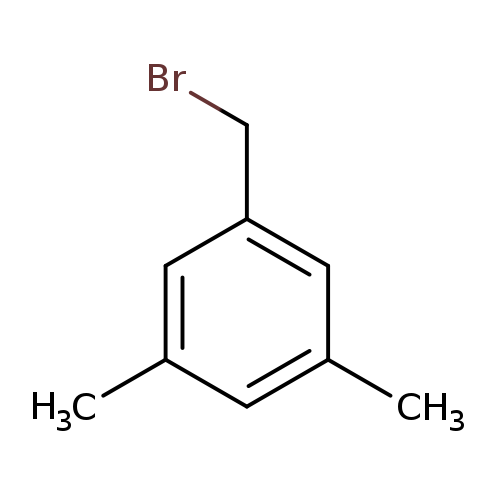
1-(Bromomethyl)-3,5-dimethylbenzeneCatalog No.:AA00I52H CAS No.:27129-86-8 MDL No.:MFCD00013539 MF:C9H11Br MW:199.0876 |

Fmoc-Phe-OHCatalog No.:AA00I703 CAS No.:35661-40-6 MDL No.:MFCD00037128 MF:C24H21NO4 MW:387.4278 |
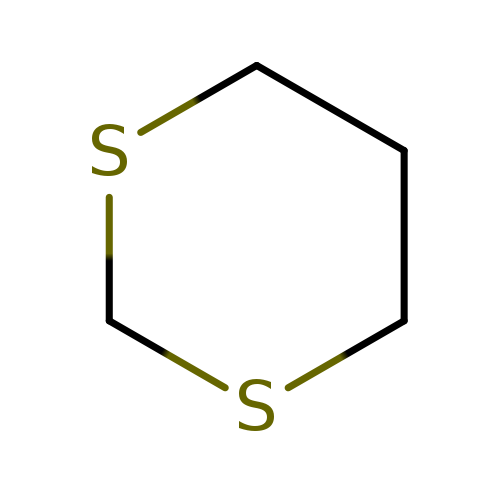
1,3-DithianeCatalog No.:AA00I8ZP CAS No.:505-23-7 MDL No.:MFCD00006654 MF:C4H8S2 MW:120.2363 |
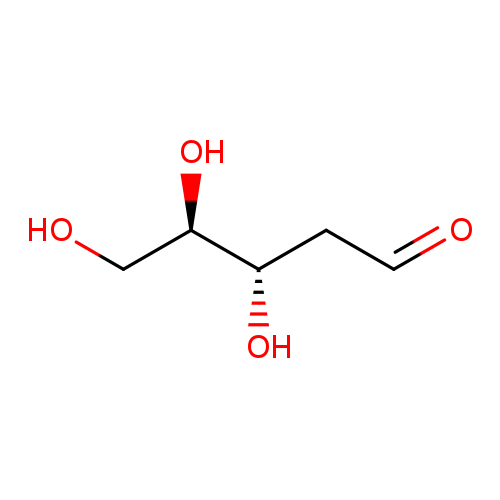
2-Deoxy-D-arabinoseCatalog No.:AA00I9FU CAS No.:533-67-5 MDL No.:MFCD00135904 MF:C5H10O4 MW:134.1305 |
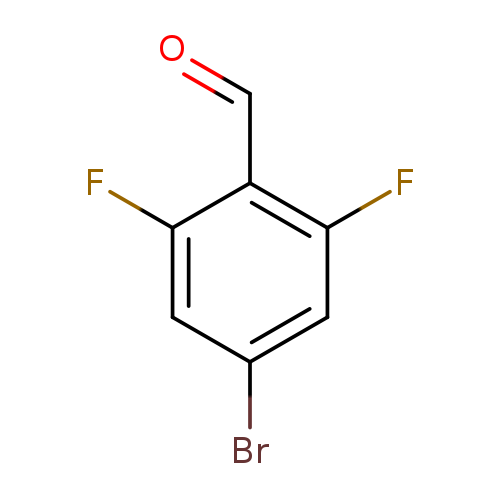
4-Bromo-2,6-difluorobenzaldehydeCatalog No.:AA00I9I3 CAS No.:537013-51-7 MDL No.:MFCD03094459 MF:C7H3BrF2O MW:220.9989 |
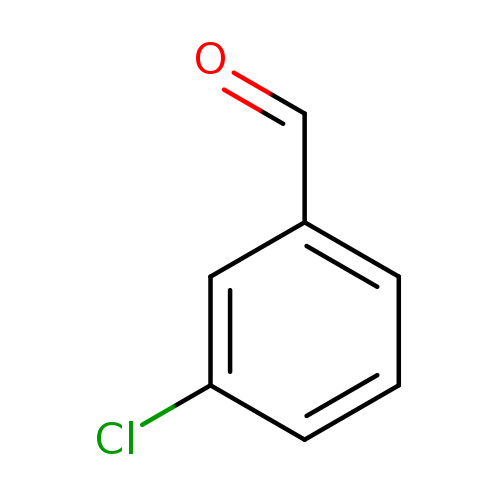
3-ChlorobenzaldehydeCatalog No.:AA00IACX CAS No.:587-04-2 MDL No.:MFCD00003350 MF:C7H5ClO MW:140.5670 |

PolyanilineCatalog No.:AA003TRL CAS No.:25233-30-1 MDL No.:MFCD00284320 MF:C8H11N2 MW:135.1863 |