

2020-03-01 22:18:29
Marwa Mohamed, Amr S. Abu Lila, Taro Shimizu, Eman Alaaeldin, Amal Hussein, Hatem A. Sarhan, Janos Szebeni & Tatsuhiro Ishida
1.Introduction
PEGylation, the covalent linking of polyethylene glycol (PEG) chains, is currently considered as an effective approach to increase stability and prolong liposomes in vivo circulation time. Nanocarriers, such as liposomes and biodegradable polymeric nanoparticles are promising tools for targeted drug delivery in treating cancer and many other diseases and a number of them have received clinical approval for the delivery of a variety of therapeutics [1–5]. They combine the advantages of being biocompatible and relatively nontoxic, and having an inherent ability to protect the encapsulated payload from enzymatic degradation or other unfavorable conditions [6,7]. In addition, they have been shown to increase the therapeutic index of encapsulated drugs and decrease their toxicity by altering the pharmacokinetic profile of the drugs [8,9]. Collectively, these advantages have led to the approval of nanoscale drug carriers in a number of clinical settings involving a variety of small molecule therapeutics and recently siRNA. Nevertheless, the widespread utilization of nanocarrier-based therapeutics in medicine is occa- sionally constrained by concerns regarding potential toxicities of the carrier.
Nanocarriers with certain physical and chemical characteristics, in some circumstances in animal experiments, have been reported to prime the host- immune system, resulting in severe adverse effects and/or lack of therapeutic efficacy of the encapsulated drug [10–12]. For instance, surface electrostatic charges and/or particle size of developed nanocarriers are fundamental to define such immune responses [13]. In these experiments, the nanoparticles are essentially recognized as foreign particles by immune cells, which induce multilevel immune responses. In addition, the nanoparticles have been reported to interact with circulating serum proteins, such as com- plement proteins belonging to the primary humoral immune system, resulting in their rapid systemic clearance by the cells of mononuclear phagocyte sys- tem (MPS) [14,15]. Mononuclear phagocyte system (MPS), composed of dendritic cells (DCs), monocytes and macrophages, is a part of the innate immune system that plays a critical role in phagocytosis of pathogen and foreign substances in all phases of the immune response. Taken together, these interactions with the immune system have the potential to influ- ence the in vivo fate of administrated nanocarriers and might impair their therapeutic performance.
PEGylation, the covalent linking of polyethylene glycol (PEG) chains, is currently considered as an effective approach to increase stability and prolong liposomes in vivo circulation time. PEGylation has been reported to hinder the adsorption of protein opsonins in the circulation onto liposome surfaces, which results in increased clearance of liposomes by the mononuclear phagocytic cells in the liver and spleen [16,17]. Consequently, PEGylation improves the residence time of liposome, as well as encapsu- lated therapeutic agents, in the circulation. In the drug delivery field, PEGylated and non-PEGylated liposomes have received a number of clinical approvals. The most successful example of a PEGylated liposomal formulation is Doxil® (PEGylated liposomes encapsulating the anticancer drug doxorubicin (DXR)), approved for Kaposi’s sar- coma, ovarian cancer, breast cancer and multiple myeloma [18–20]. Nevertheless, PEGylated liposomes have caused some lipid-related side effects. Doxil®, in some patients, caused immediate hypersensitivity reactions upon first injection. A number of studies confirmed the role of complement activation in ana- phylactic reactions observed in up to 25%–45% of patients treated with Doxil® upon the first injection [12,21,22]. This reaction is well controlled by slowing the rate of Doxil® infusion and giving the patient pre- medications [23,24]. The hypersensitivity reaction is rarely seen upon the second and subsequent injec- tions of Doxil® [24].
2.Immunogenicity of PEG
Polyethylene glycol (PEG) is a bio-inert, thermoelastic linear hydrophilic polymer with the molecular formula (C2nH4n+2On+1). It is a non-toxic and non-ionic ether diol with a GRAS (generally recognized as safe) desig- nation and a growing use as a food additive and an additive in pharmaceutical formulations. Over the past decades, PEG has been considered to be non- immunogenic. However, there is growing evidence that PEG might be more immunogenic than previously recognized. This is supported by the growing existence of anti-PEG antibodies in healthy humans who are increasingly exposed to PEG additives [25,26]. For example, Armstrong et al. [27] reported the existence of anti-PEG antibodies in 25% in healthy blood donors. Later on, Yang and Lai [28] documented even higher concentrations of anti-PEG antibodies in about 42% in patients with no history of treatment with PEGylated products. The higher prevalence of pre-existing anti- PEG antibodies in healthy individuals, not receiving PEG-containing drugs, is being attributed to the fre- quent use of PEG-containing or PEG-coupled products that are common ingredients in personal care, beauty, and household cleaning products (e.g. soap, sunblock, cosmetics), as well as processed foods. Accordingly, Yang and Lai proposed a tentative mechanism for the formation of PEG antibodies in which various condi- tions like ulcerations, abrasions and skin tears may result in local inflammatory reactions and induction of immune responses in the presence of PEG. The frequent use of products containing, or coupled to, PEG, such as, soaps, shampoos, toothpastes, lotions, or detergents, results in penetration of PEG to sites of inflammation where contact with immune cells stimu- lated the production of anti-PEG antibodies [28]. The presence of pre-existing anti-PEG antibodies might trigger further immunogenic responses to PEG when the human subjects receive PEGylated therapeutics [25,26]. These pre-existing and induced anti-PEG anti- bodies together may compromise the response to PEGylated medicines in the clinical settings [29–31].
3.Function of grafted PEG on nanocarriers
As described above, PEG has been used for surface modification of nanocarriers such as liposomes, nanoparticles and therapeutic proteins, to increase their circulation half-lives [32–36]. It is reported that PEG grafted on surfaces increases their hydrophilicity and functions as a steric barrier, hindering the interactions between the nanocarriers and serum protein opsonins that are involved in the recognition of the carriers by the cells of MPS [17]. PEGylated nanocarriers such as PEGylated lipo- somes, PEGylated micelles and PEGylated proteins that are not prematurely taken up by the cells of MPS have a greater chance of reaching, and deliver- ing increased levels of therapeutics to target dis- eased organs, compared to non-PEGylated one. This could be attributed to the stealth property imparted by PEGylation on nanocarrier surfaces and consequently decreased uptake of PEGylated nanocarriers by the cells of MPS, which explains in part why they have received a number of clinical approvals [1,19,37,38].
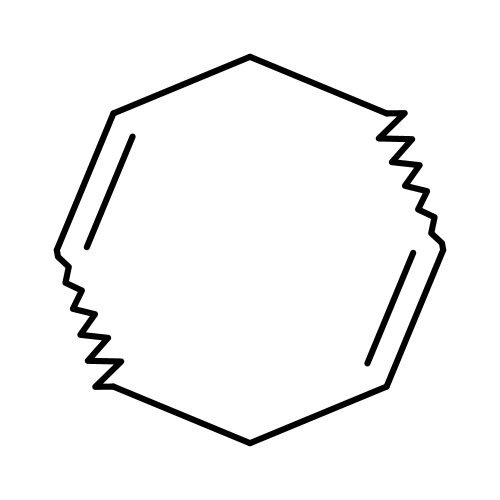
1,5-CyclooctadieneCatalog No.:AA001NN9 CAS No.:111-78-4 MDL No.:MFCD00149953 MF:C8H12 MW:108.1809 |
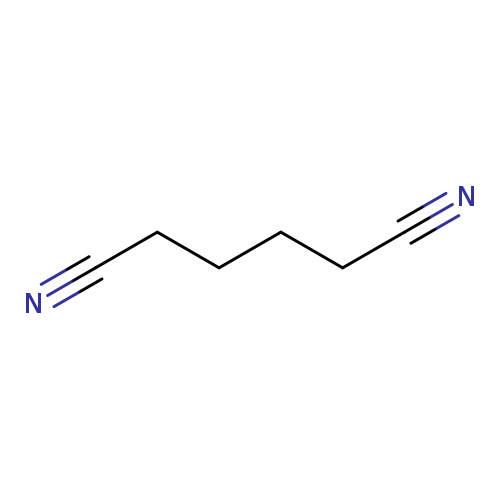
1,4-DicyanobutaneCatalog No.:AA0032K6 CAS No.:111-69-3 MDL No.:MFCD00001975 MF:C6H8N2 MW:108.1411 |
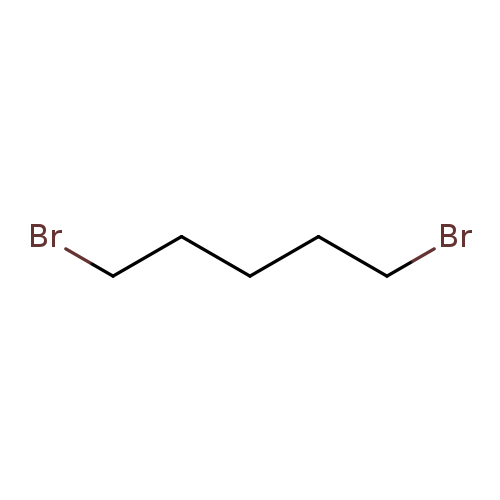
1,5-DibromopentaneCatalog No.:AA0032KH CAS No.:111-24-0 MDL No.:MFCD00000268 MF:C5H10Br2 MW:229.9409 |
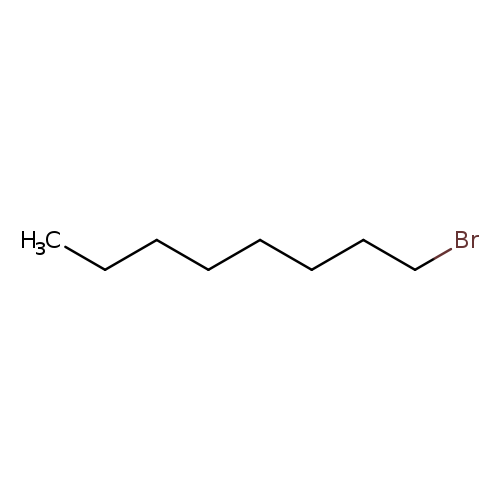
1-BromooctaneCatalog No.:AA0032NJ CAS No.:111-83-1 MDL No.:MFCD00000276 MF:C8H17Br MW:193.1246 |
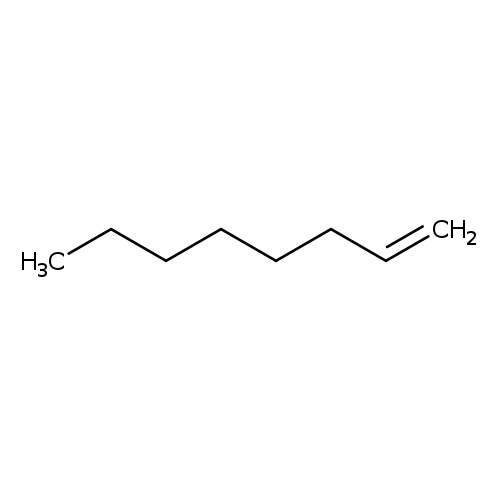
1-OcteneCatalog No.:AA0032R1 CAS No.:111-66-0 MDL No.:MFCD00009548 MF:C8H16 MW:112.2126 |
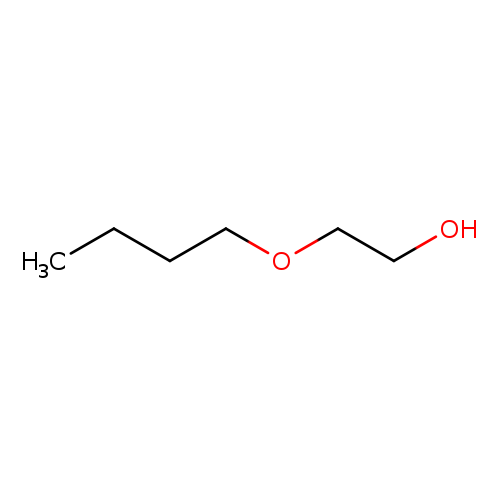
2-ButoxyethanolCatalog No.:AA00334B CAS No.:111-76-2 MDL No.:MFCD00002884 MF:C6H14O2 MW:118.1742 |
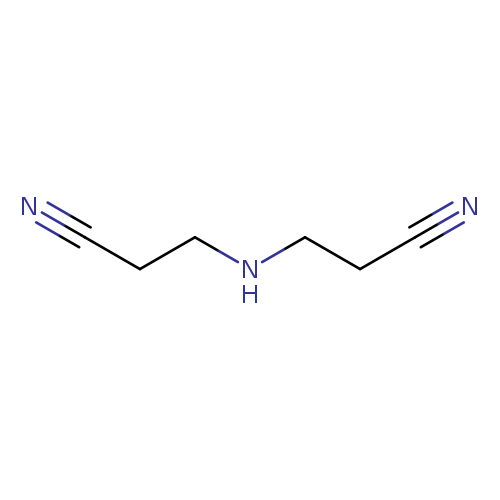
3,3’-IminodipropionitrileCatalog No.:AA0033F2 CAS No.:111-94-4 MDL No.:MFCD00001956 MF:C6H9N3 MW:123.1558 |
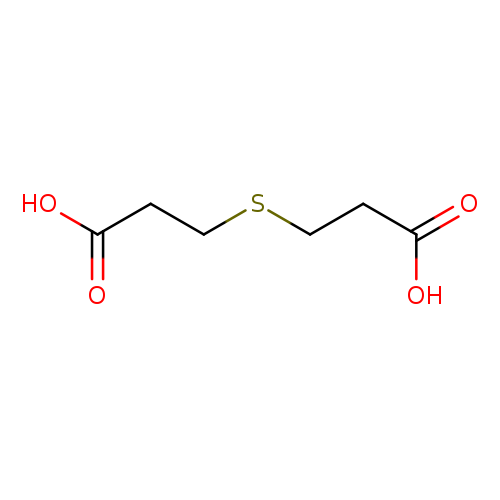
3,3‘-Thiodipropionic acidCatalog No.:AA0033F3 CAS No.:111-17-1 MDL No.:MFCD00002781 MF:C6H10O4S MW:178.2062 |
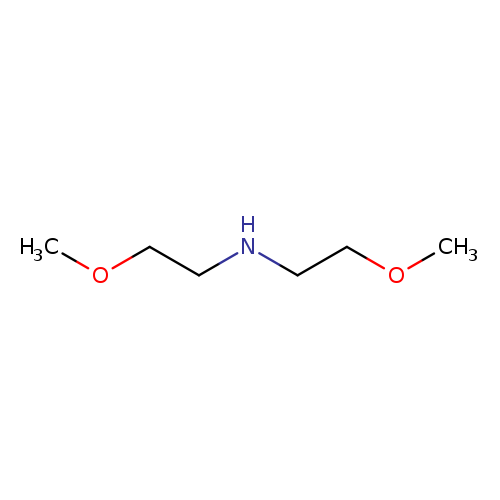
Bis(2-methoxyethyl)amineCatalog No.:AA0034G6 CAS No.:111-95-5 MDL No.:MFCD00025906 MF:C6H15NO2 MW:133.1888 |
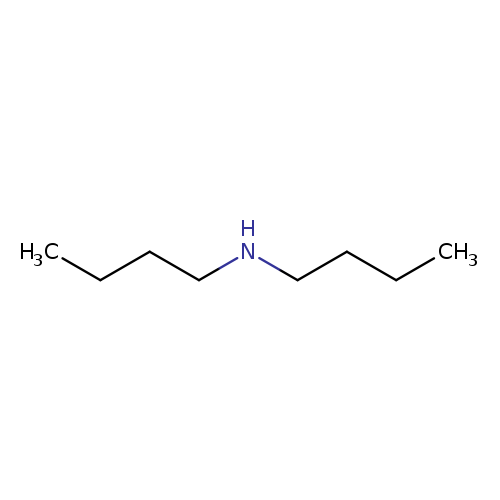
DibutylamineCatalog No.:AA0034MM CAS No.:111-92-2 MDL No.:MFCD00009429 MF:C8H19N MW:129.2432 |
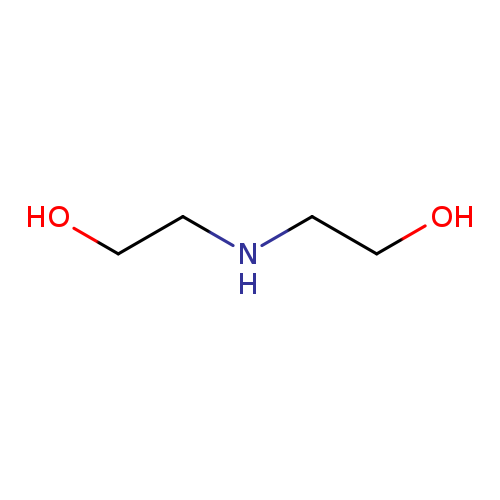
DiethanolamineCatalog No.:AA0034MZ CAS No.:111-42-2 MDL No.:MFCD00002843 MF:C4H11NO2 MW:105.1356 |
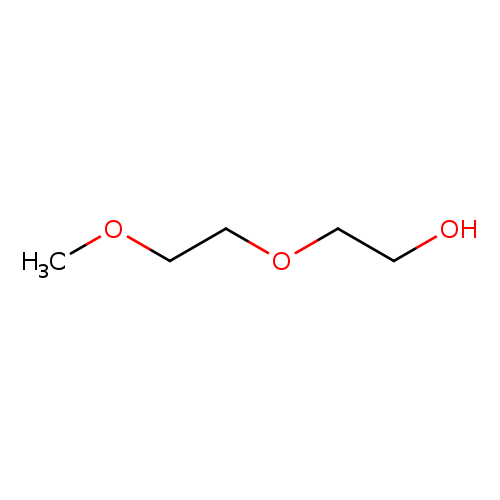
2-(2-Methoxyethoxy)EthanolCatalog No.:AA0034NU CAS No.:111-77-3 MDL No.:MFCD00002871 MF:C5H12O3 MW:120.1470 |
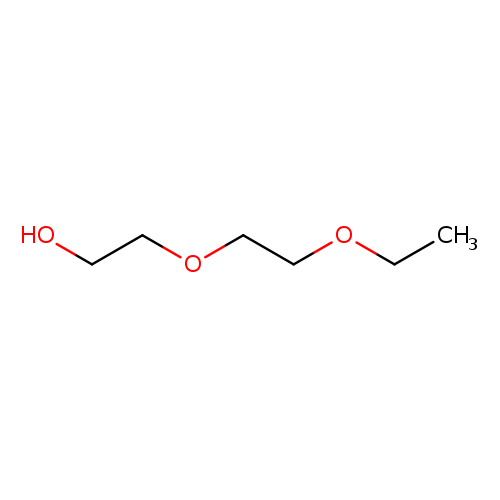
2-(2-Ethoxyethoxy)ethanolCatalog No.:AA0034NT CAS No.:111-90-0 MDL No.:MFCD00674630 MF:C6H14O3 MW:134.1736 |
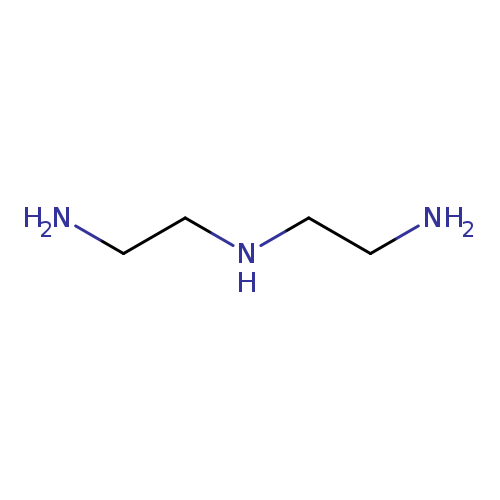
DiethylenetriamineCatalog No.:AA0034NV CAS No.:111-40-0 MDL No.:MFCD00008171 MF:C4H13N3 MW:103.1661 |
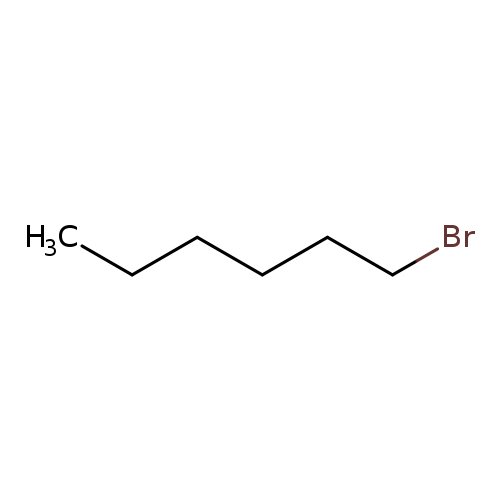
Hexyl BromideCatalog No.:AA0034X7 CAS No.:111-25-1 MDL No.:MFCD00000271 MF:C6H13Br MW:165.0714 |
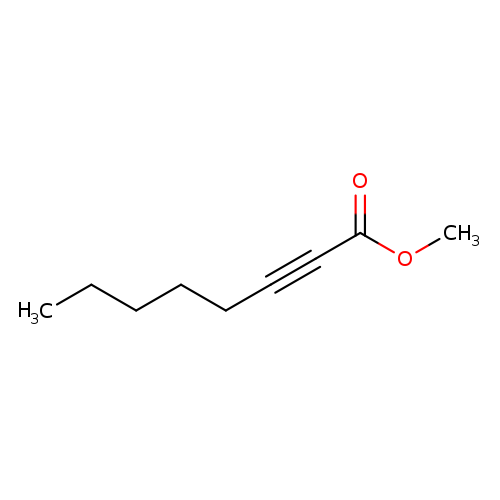
Methyl 2-OctynoateCatalog No.:AA00353F CAS No.:111-12-6 MDL No.:MFCD00009530 MF:C9H14O2 MW:154.2063 |
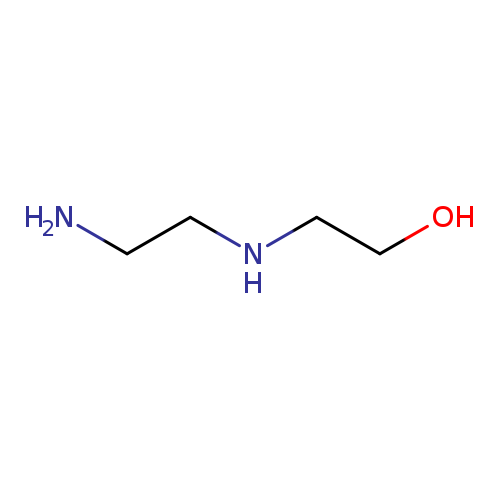
N-(2-Hydroxyethyl)EthylenediamineCatalog No.:AA00357G CAS No.:111-41-1 MDL No.:MFCD00008170 MF:C4H12N2O MW:104.1509 |
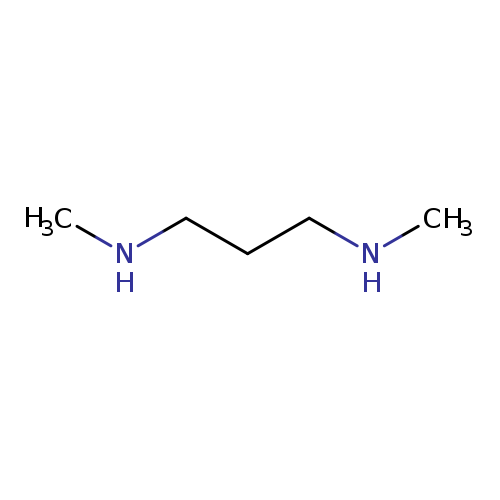
N,N-Dimethyl-1,3-PropanediamineCatalog No.:AA00358K CAS No.:111-33-1 MDL No.:MFCD00008292 MF:C5H14N2 MW:102.1781 |
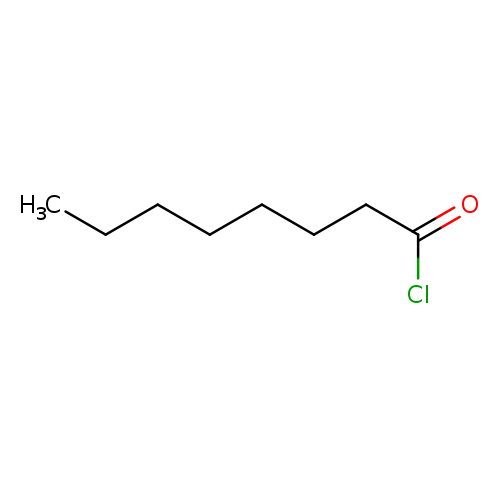
Octanoyl chlorideCatalog No.:AA0035CP CAS No.:111-64-8 MDL No.:MFCD00000766 MF:C8H15ClO MW:162.6571 |
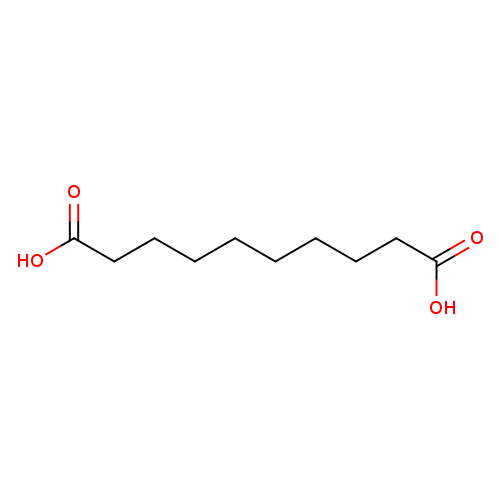
1,8-Octanedicarboxylic AcidCatalog No.:AA0035I2 CAS No.:111-20-6 MDL No.:MFCD00004440 MF:C10H18O4 MW:202.2475 |
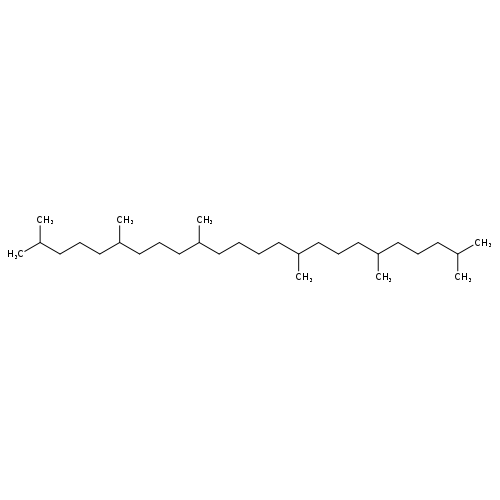
2,6,10,15,19,23-HexamethyltetracosaneCatalog No.:AA0035JE CAS No.:111-01-3 MDL No.:MFCD00008953 MF:C30H62 MW:422.8133 |
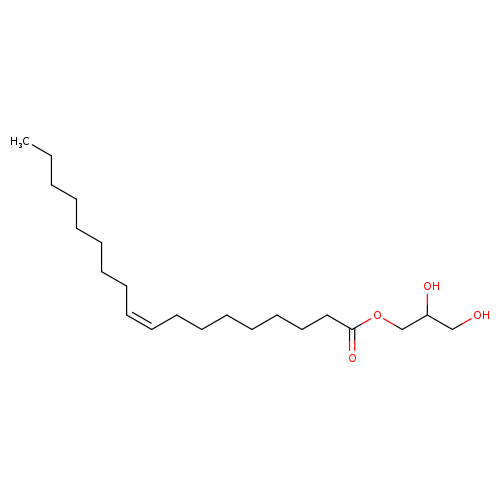
Glycerin 1-monooleateCatalog No.:AA0039BW CAS No.:111-03-5 MDL No.:MFCD00042735 MF:C21H40O4 MW:356.5399 |
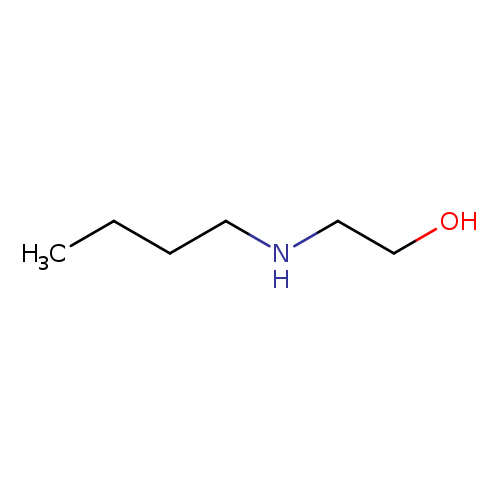
2-(Butylamino)ethanolCatalog No.:AA003AZO CAS No.:111-75-1 MDL No.:MFCD00020570 MF:C6H15NO MW:117.1894 |
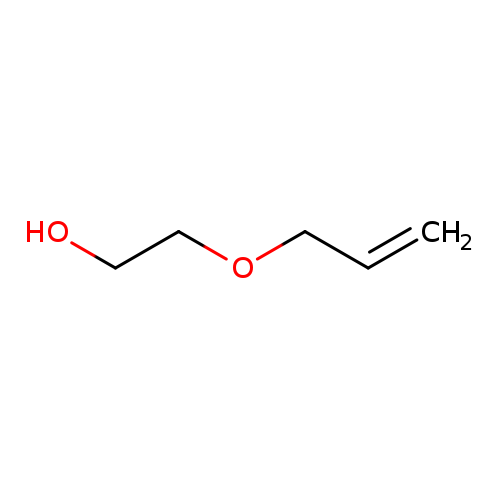
2-(Allyloxy)ethanolCatalog No.:AA003B38 CAS No.:111-45-5 MDL No.:MFCD00020607 MF:C5H10O2 MW:102.1317 |
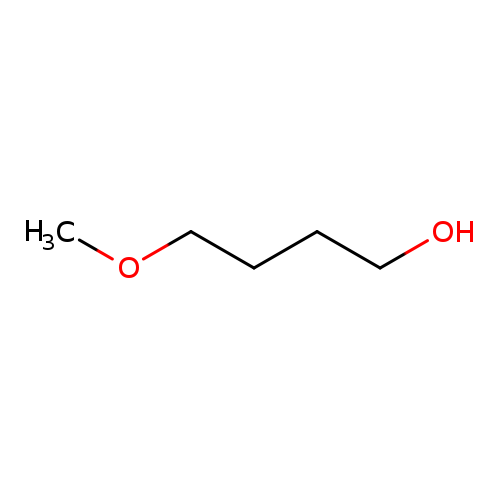
4-Methoxy-1-butanolCatalog No.:AA003DKH CAS No.:111-32-0 MDL No.:MFCD00040437 MF:C5H12O2 MW:104.1476 |
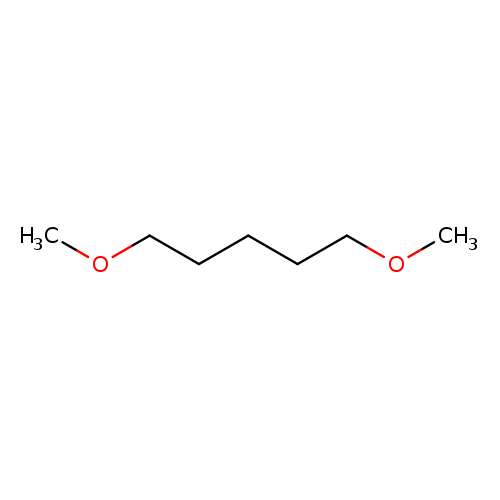
1,5-DimethoxypentaneCatalog No.:AA003DNM CAS No.:111-89-7 MDL No.:MFCD03613608 MF:C7H16O2 MW:132.2007 |
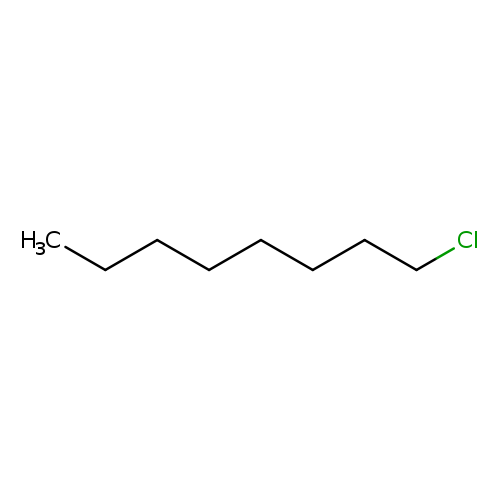
1-ChlorooctaneCatalog No.:AA003E5Y CAS No.:111-85-3 MDL No.:MFCD00001022 MF:C8H17Cl MW:148.6736 |
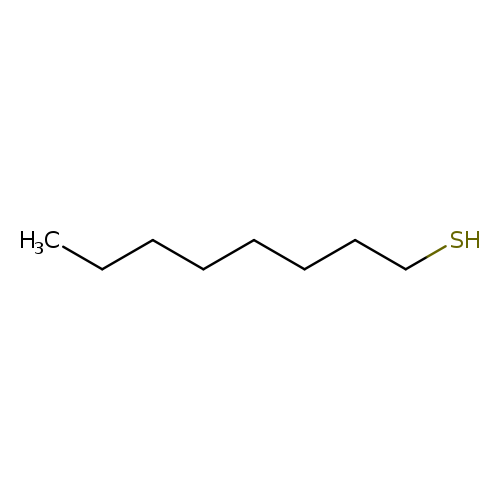
1-MercaptooctaneCatalog No.:AA003EDN CAS No.:111-88-6 MDL No.:MFCD00004912 MF:C8H18S MW:146.2935 |
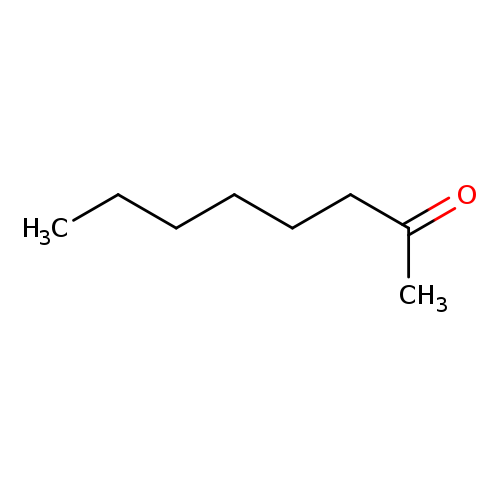
Octan-2-oneCatalog No.:AA003HQV CAS No.:111-13-7 MDL No.:MFCD00009540 MF:C8H16O MW:128.2120 |
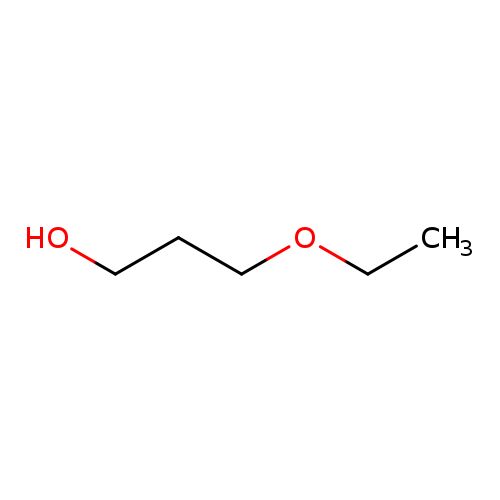
3-Ethoxypropan-1-olCatalog No.:AA003JAM CAS No.:111-35-3 MDL No.:MFCD00002948 MF:C5H12O2 MW:104.1476 |
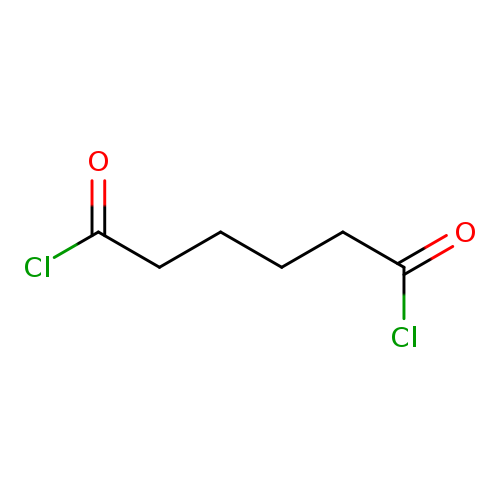
hexanedioyl dichlorideCatalog No.:AA003NM7 CAS No.:111-50-2 MDL No.:MFCD00000759 MF:C6H8Cl2O2 MW:183.0325 |
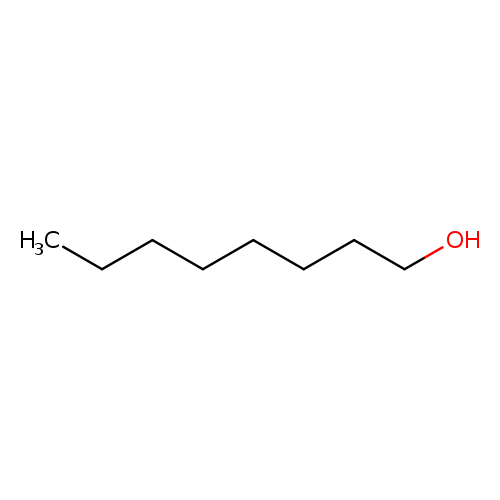
1-OctanolCatalog No.:AA003OM6 CAS No.:111-87-5 MDL No.:MFCD00002988 MF:C8H18O MW:130.2279 |
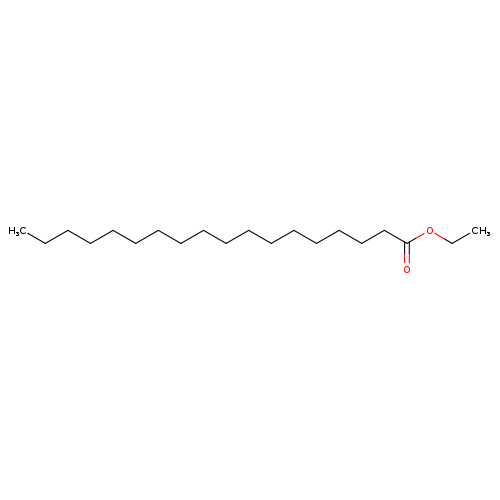
Ethyl stearateCatalog No.:AA003QE5 CAS No.:111-61-5 MDL No.:MFCD00009006 MF:C20H40O2 MW:312.5304 |
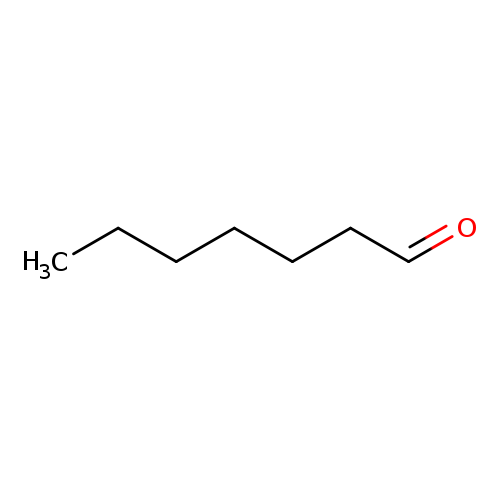
HeptaldehydeCatalog No.:AA003QS4 CAS No.:111-71-7 MDL No.:MFCD00007028 MF:C7H14O MW:114.1855 |
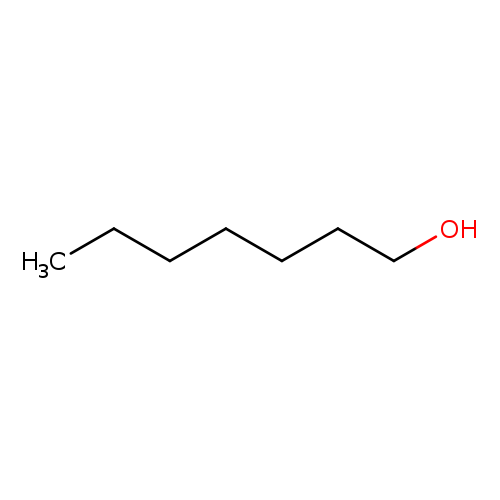
Heptan-1-olCatalog No.:AA003QS6 CAS No.:111-70-6 MDL No.:MFCD00002986 MF:C7H16O MW:116.2013 |
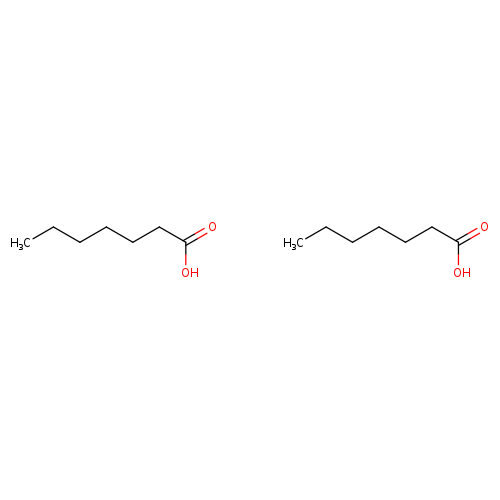
Heptanoic acidCatalog No.:AA003QS8 CAS No.:111-14-8 MDL No.:MFCD00004426 MF:C7H14O2 MW:130.1849 |
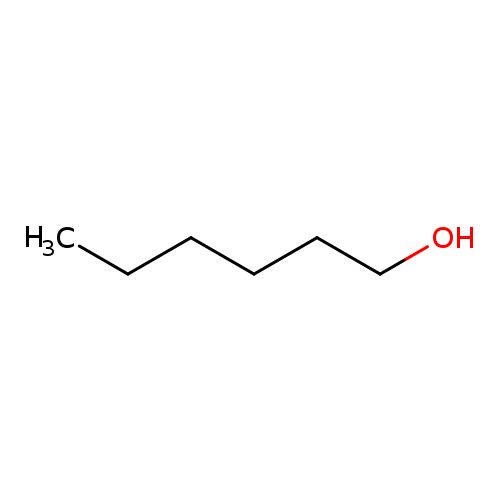
1-HexanolCatalog No.:AA003QUG CAS No.:111-27-3 MDL No.:MFCD00002982 MF:C6H14O MW:102.1748 |
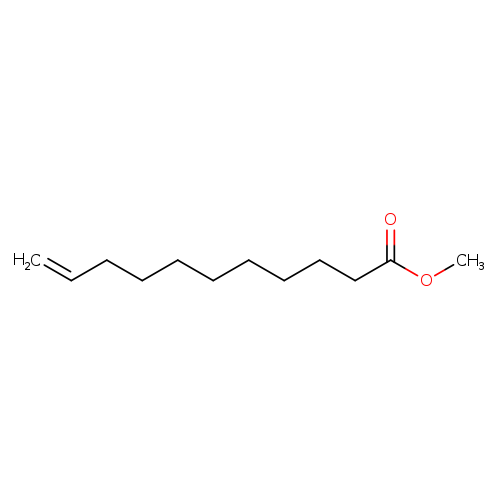
Methyl undec-10-enoateCatalog No.:AA003RGX CAS No.:111-81-9 MDL No.:MFCD00016689 MF:C12H22O2 MW:198.3019 |
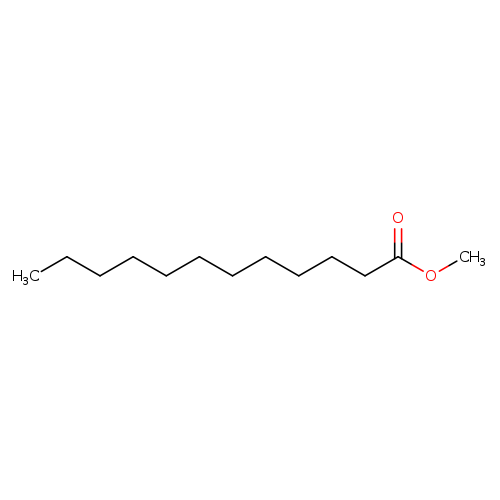
Methyl laurateCatalog No.:AA003RXD CAS No.:111-82-0 MDL No.:MFCD00008966 MF:C13H26O2 MW:214.3443 |
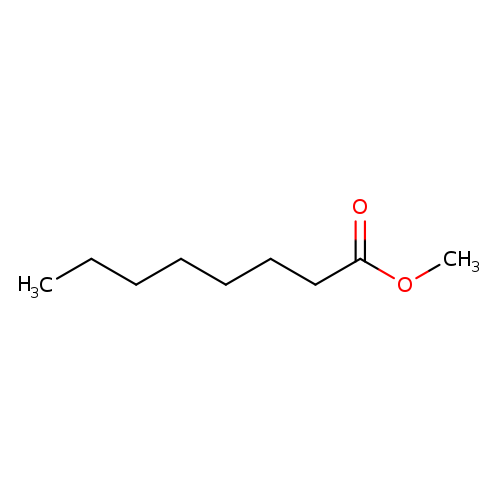
Methyl octanoateCatalog No.:AA003RYS CAS No.:111-11-5 MDL No.:MFCD00009551 MF:C9H18O2 MW:158.2380 |
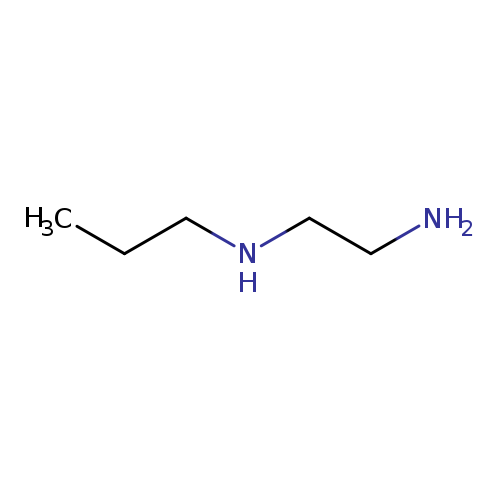
N-(n-Propyl)EthylenediamineCatalog No.:AA003SC3 CAS No.:111-39-7 MDL No.:MFCD00008172 MF:C5H14N2 MW:102.1781 |
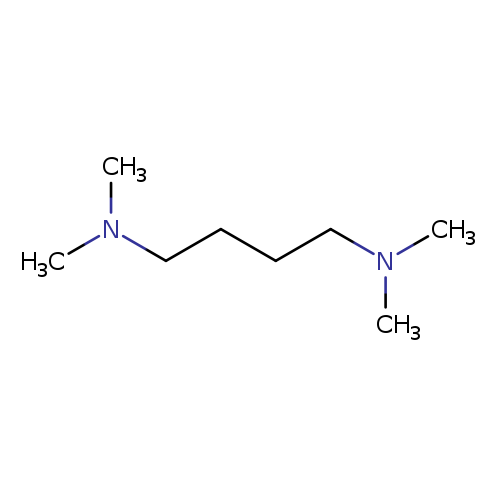
N1,N1,N4,N4-Tetramethylbutane-1,4-diamineCatalog No.:AA003SKU CAS No.:111-51-3 MDL No.:MFCD00008338 MF:C8H20N2 MW:144.2578 |
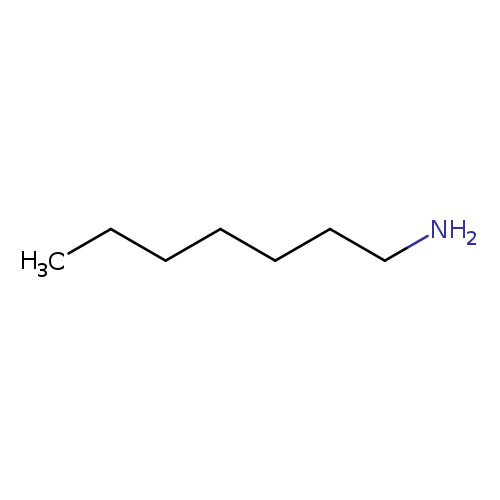
n-HeptylamineCatalog No.:AA003SZ1 CAS No.:111-68-2 MDL No.:MFCD00008244 MF:C7H17N MW:115.2166 |
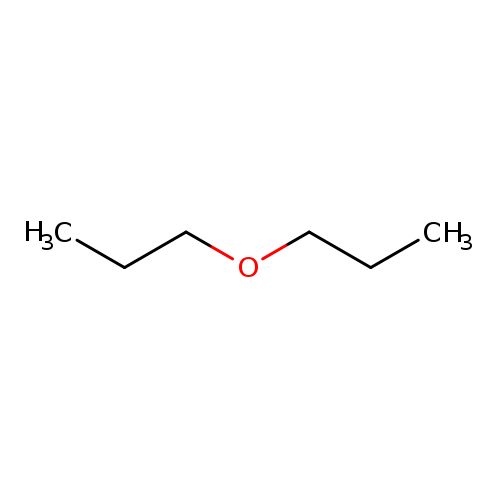
n-Propyl etherCatalog No.:AA003T8Y CAS No.:111-43-3 MDL No.:MFCD00009376 MF:C6H14O MW:102.1748 |
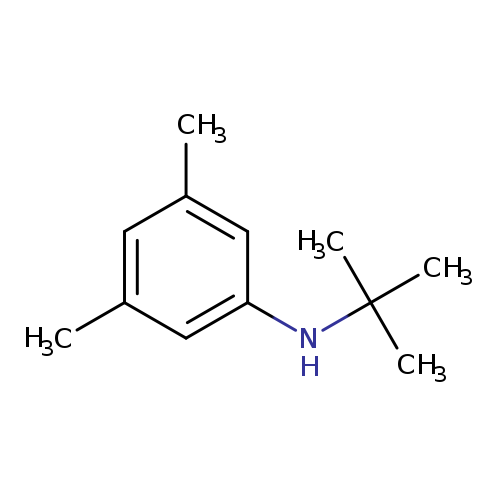
N-tert-Butyl-3,5-dimethylanilineCatalog No.:AA003TA8 CAS No.:110993-40-3 MDL No.:MFCD07440135 MF:C12H19N MW:177.2860 |
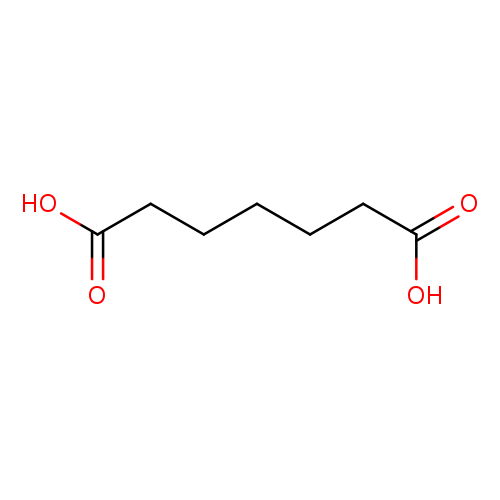
Pimelic acidCatalog No.:AA003TPL CAS No.:111-16-0 MDL No.:MFCD00004425 MF:C7H12O4 MW:160.1678 |
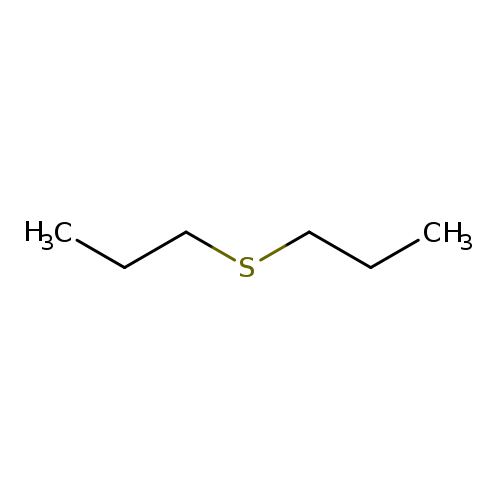
Propyl SulfideCatalog No.:AA003TX7 CAS No.:111-47-7 MDL No.:MFCD00009379 MF:C6H14S MW:118.2404 |
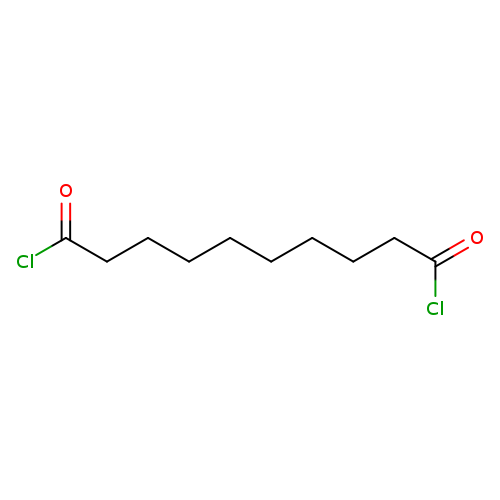
Sebacoyl chlorideCatalog No.:AA003U5B CAS No.:111-19-3 MDL No.:MFCD00000770 MF:C10H16Cl2O2 MW:239.1388 |
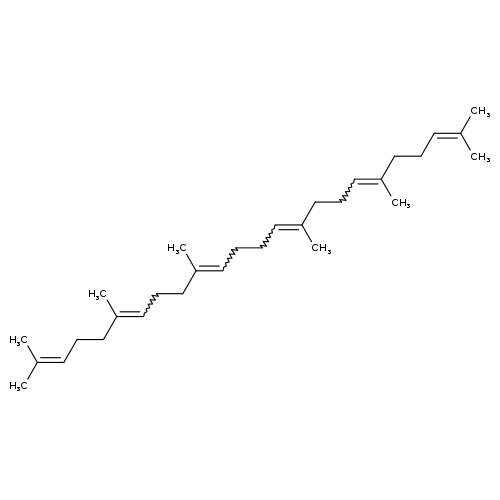
SqualeneCatalog No.:AA003UCC CAS No.:111-02-4 MDL No.:MFCD00008912 MF:C30H50 MW:410.7180 |
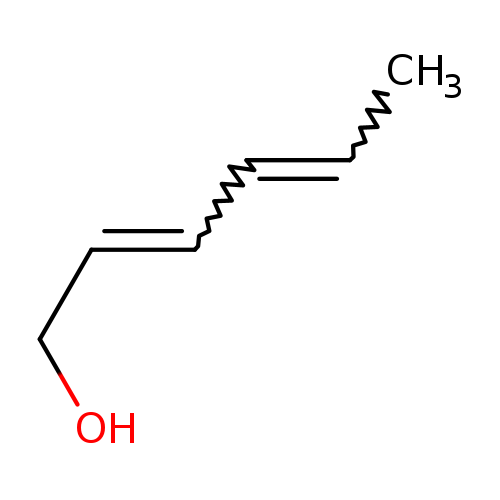
2,4-Hexadien-1-olCatalog No.:AA003URW CAS No.:111-28-4 MDL No.:MFCD00002925 MF:C6H10O MW:98.1430 |
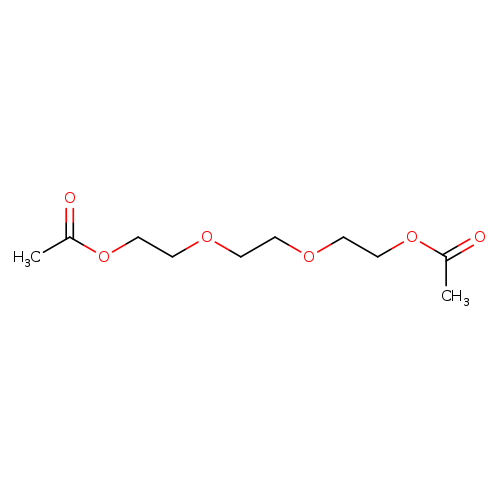
Triethylene Glycol DiacetateCatalog No.:AA003UZ2 CAS No.:111-21-7 MDL No.:MFCD00026213 MF:C10H18O6 MW:234.2463 |
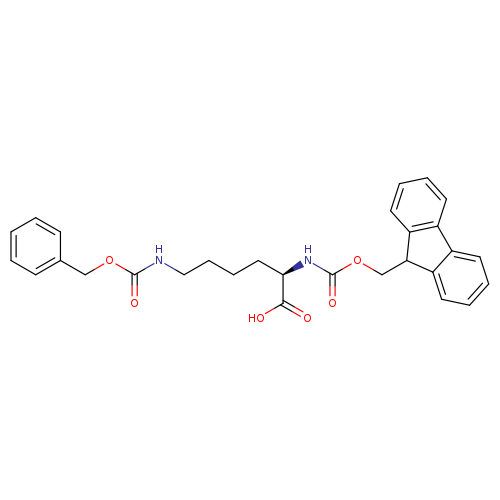
(R)-2-((((9H-Fluoren-9-yl)methoxy)carbonyl)amino)-6-(((benzyloxy)carbonyl)amino)hexanoic acidCatalog No.:AA007BMM CAS No.:110990-07-3 MDL No.:MFCD00065663 MF:C29H30N2O6 MW:502.5583 |
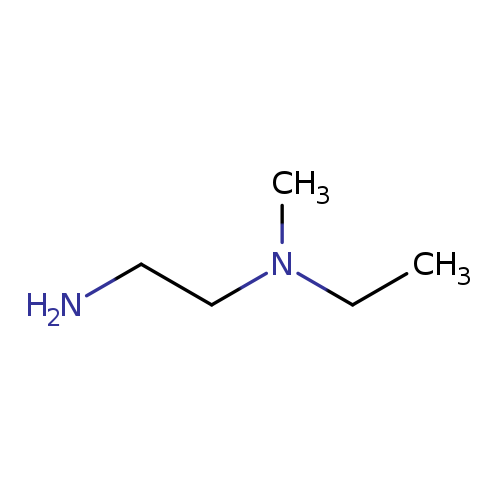
N-Ethyl-N'-methyl ethylenediamineCatalog No.:AA007T2F CAS No.:111-37-5 MDL No.:MFCD00015106 MF:C5H14N2 MW:102.1781 |
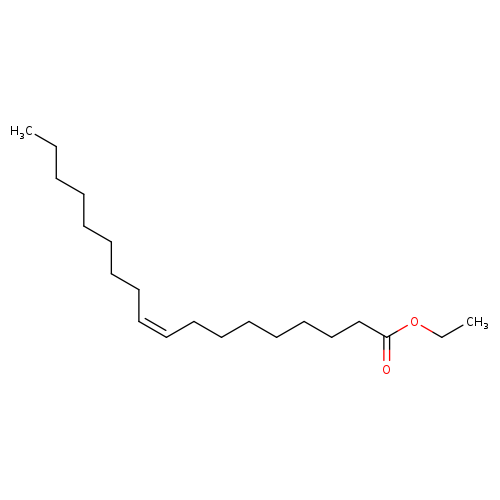
Ethyl OleateCatalog No.:AA0081XJ CAS No.:111-62-6 MDL No.:MFCD00009579 MF:C20H38O2 MW:310.5145 |
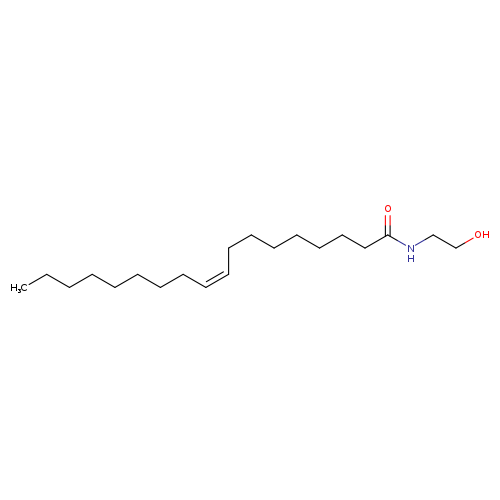
N-(2-Hydroxyethyl)oleamideCatalog No.:AA00824Q CAS No.:111-58-0 MDL No.:MFCD00045972 MF:C20H39NO2 MW:325.5292 |
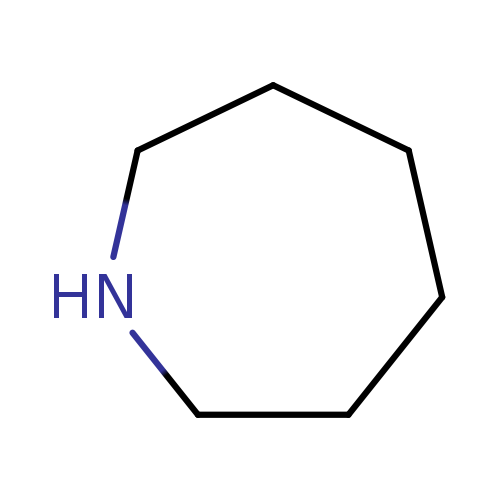
HexamethyleneimineCatalog No.:AA00825H CAS No.:111-49-9 MDL No.:MFCD00006934 MF:C6H13N MW:99.1741 |
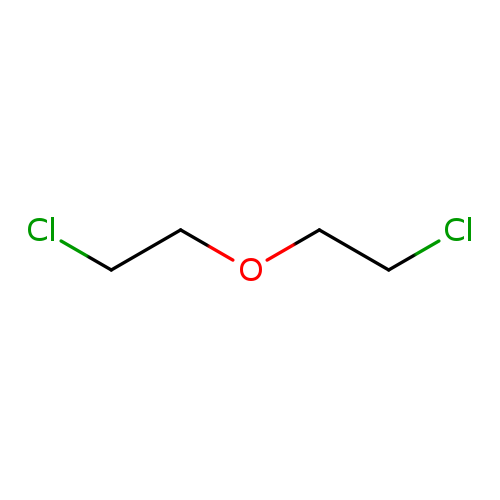
2-Chloroethyl etherCatalog No.:AA00827R CAS No.:111-44-4 MDL No.:MFCD00000975 MF:C4H8Cl2O MW:143.0117 |
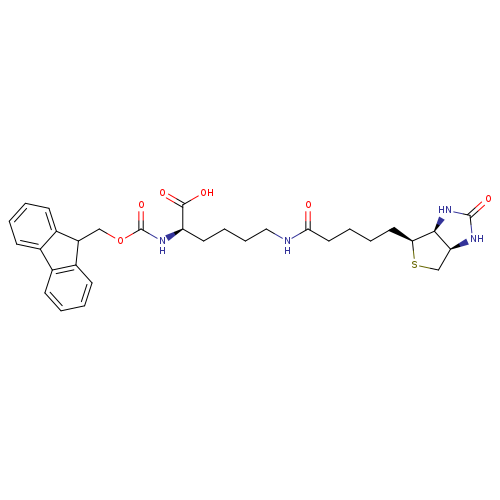
Fmoc-D-Lys(Biotin)-OHCatalog No.:AA0082WN CAS No.:110990-09-5 MDL No.:MFCD00270742 MF:C31H38N4O6S MW:594.7216 |
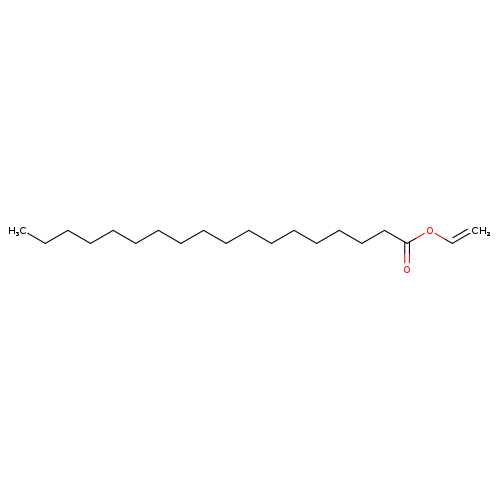
Vinyl StearateCatalog No.:AA008RIO CAS No.:111-63-7 MDL No.:MFCD00026667 MF:C20H38O2 MW:310.5145 |
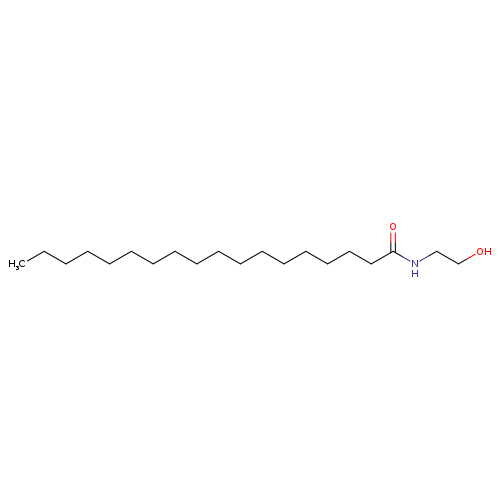
N-(2-Hydroxyethyl)stearamideCatalog No.:AA008SKX CAS No.:111-57-9 MDL No.:MFCD00045971 MF:C20H41NO2 MW:327.5450 |
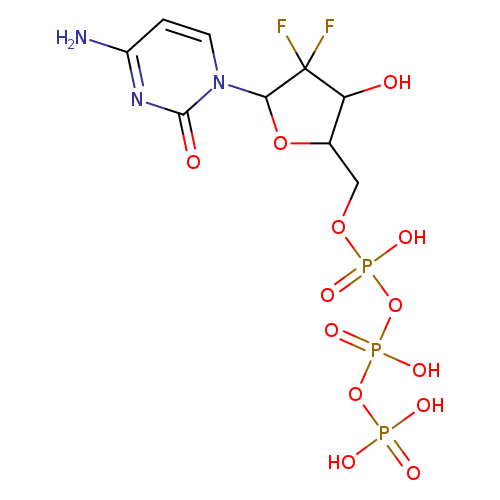
Gemcitabine triphosphateCatalog No.:AA0092RP CAS No.:110988-86-8 MDL No.:MFCD21396216 MF:C9H14F2N3O13P3 MW:503.1378 |
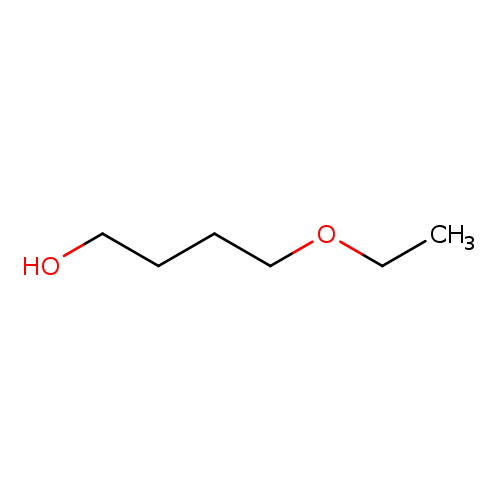
4-Ethoxybutan-1-olCatalog No.:AA009NQS CAS No.:111-73-9 MDL No.:MFCD00040194 MF:C6H14O2 MW:118.1742 |
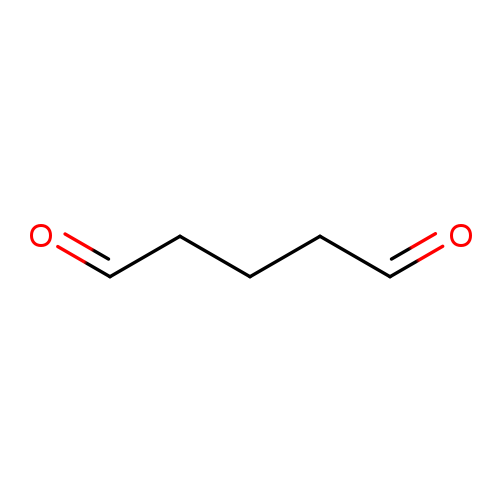
GlutaraldehydeCatalog No.:AA009QSV CAS No.:111-30-8 MDL No.:MFCD00007025 MF:C5H8O2 MW:100.1158 |
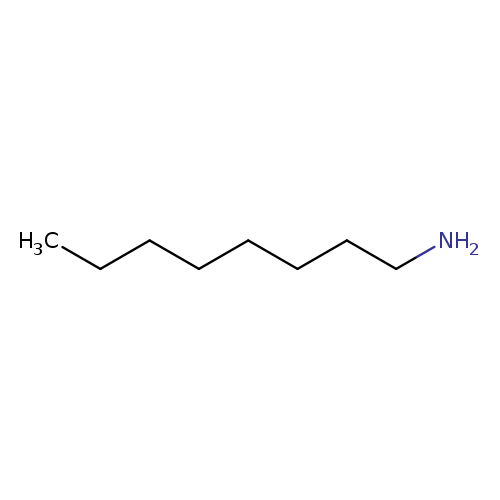
OctylamineCatalog No.:AA009QT0 CAS No.:111-86-4 MDL No.:MFCD00008247 MF:C8H19N MW:129.2432 |

n-HexylamineCatalog No.:AA009QSU CAS No.:111-26-2 MDL No.:MFCD00008240 MF: MW: |
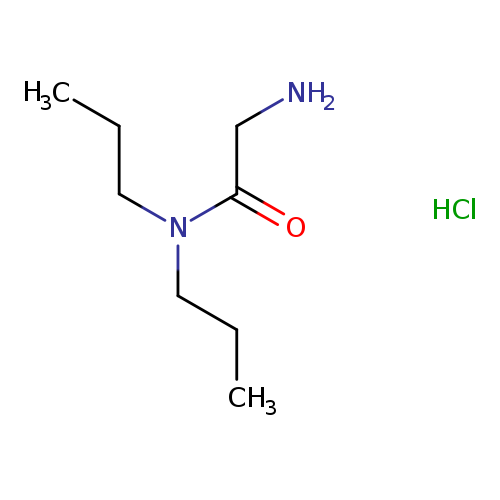
Solvent Black 5Catalog No.:AA00HBPR CAS No.:11099-03-9 MDL No.:MFCD00149005 MF:C8H19ClN2O MW:194.7023 |
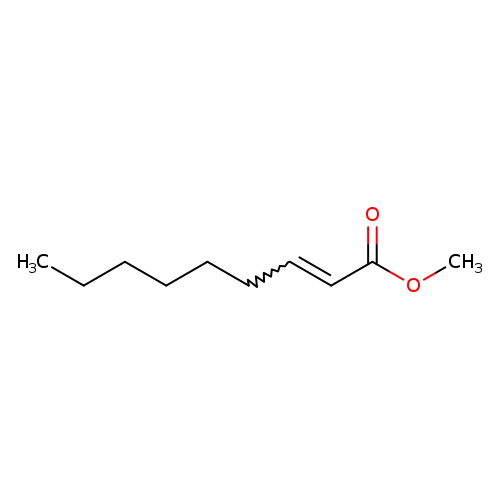
Methyl non-2-enoateCatalog No.:AA00HBPS CAS No.:111-79-5 MDL No.:MFCD00027316 MF:C10H18O2 MW:170.2487 |
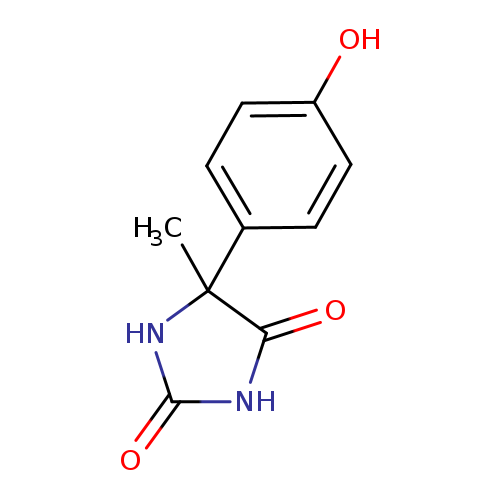
5-(4-hydroxyphenyl)-5-methylimidazolidine-2,4-dioneCatalog No.:AA019UQ1 CAS No.:110970-05-3 MDL No.:MFCD00455251 MF:C10H10N2O3 MW:206.198 |
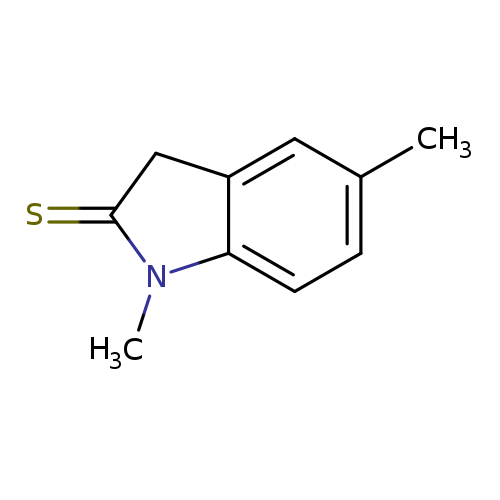
1,5-dimethyl-2,3-dihydro-1H-indole-2-thioneCatalog No.:AA01AISE CAS No.:110994-31-5 MDL No.:MFCD19381938 MF:C10H11NS MW:177.2660 |
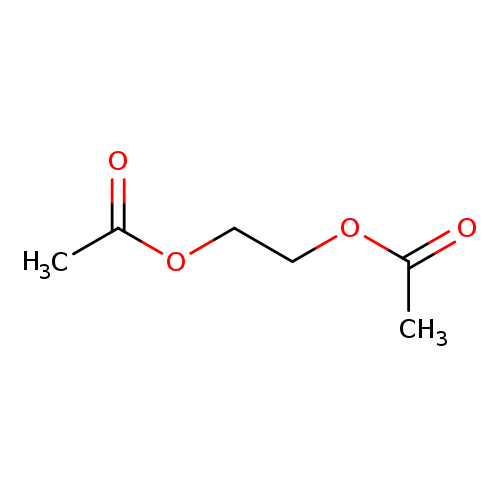
Ethylene glycol diacetateCatalog No.:AA003QFL CAS No.:111-55-7 MDL No.:MFCD00008718 MF:C6H10O4 MW:146.1412 |
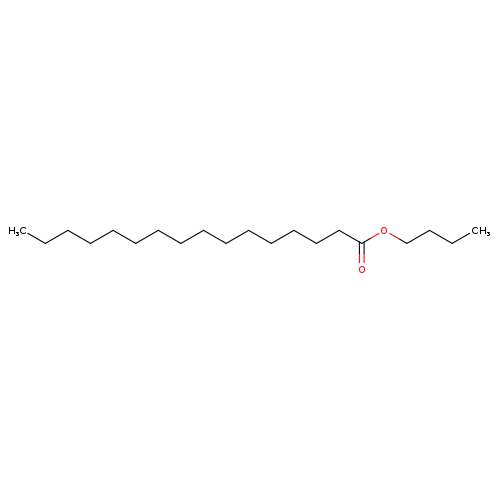
Butyl PalmitateCatalog No.:AA003TGR CAS No.:111-06-8 MDL No.:MFCD00053738 MF:C20H40O2 MW:312.5304 |
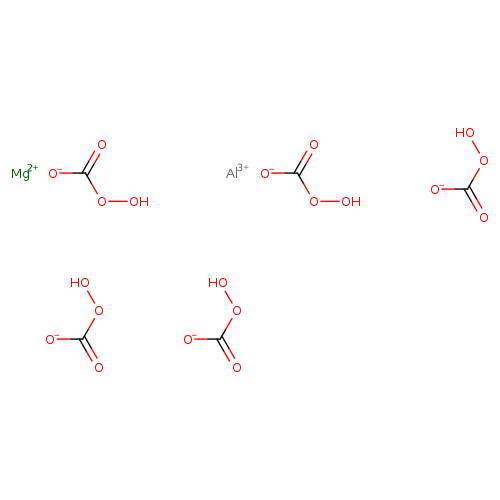
Aluminum magnesium carbonate hydroxide (Al2Mg6(CO3)(OH)16)Catalog No.:AA007TU0 CAS No.:11097-59-9 MDL No.:MFCD01746913 MF:CH24Al2Mg6O23 MW:603.9805 |
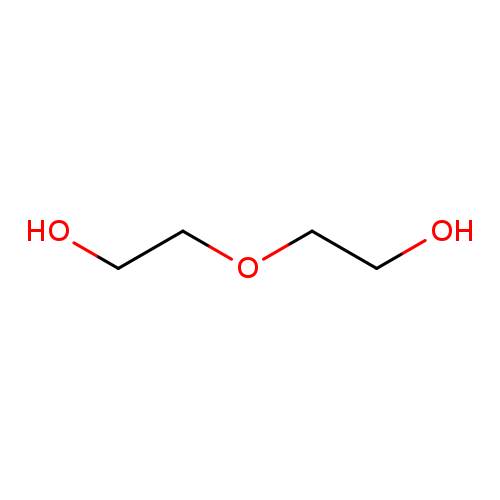
Diethylene glycolCatalog No.:AA0037VM CAS No.:111-46-6 MDL No.:MFCD00002882 MF:C4H10O3 MW:106.1204 |
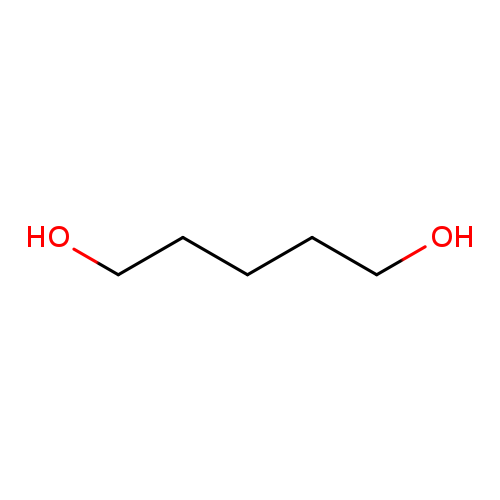
Pentane-1,5-diolCatalog No.:AA003DO6 CAS No.:111-29-5 MDL No.:MFCD00002978 MF:C5H12O2 MW:104.1476 |
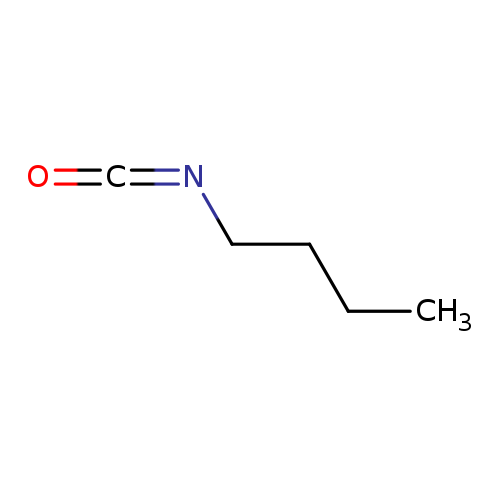
Isocyanic Acid Butyl EsterCatalog No.:AA0034Z0 CAS No.:111-36-4 MDL No.:MFCD00002046 MF:C5H9NO MW:99.1311 |
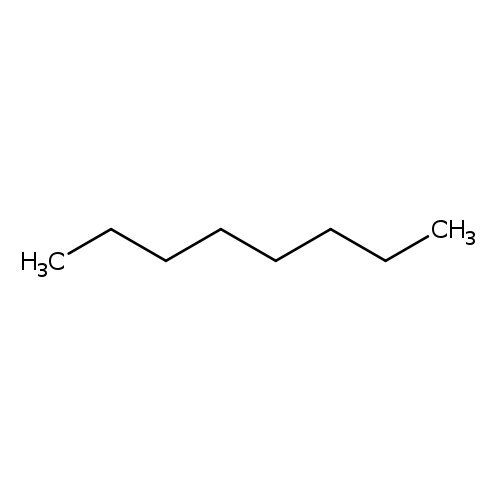
OctaneCatalog No.:AA003TDZ CAS No.:111-65-9 MDL No.:MFCD00009556 MF:C8H18 MW:114.2285 |